
G2 Nutrition and Food Science (NFS) is the General 2 level of Singapore’s upper-secondary subject about nutrition, informed food choices and the scientific principles of food preparation. Its 2027 Singapore-Cambridge Secondary Education Certificate (SEC) syllabus is K235. SEAB specifies a written Paper 1 lasting 1 hour 30 minutes worth 40% and a teacher-supervised coursework Paper 2 worth 60%. The coursework asks students to research a food-related problem, plan an exploratory study, prepare suitable dishes, document their process and evaluate the outcome. NFS combines science, practical skills and judgement rather than simply teaching students to cook recipes.
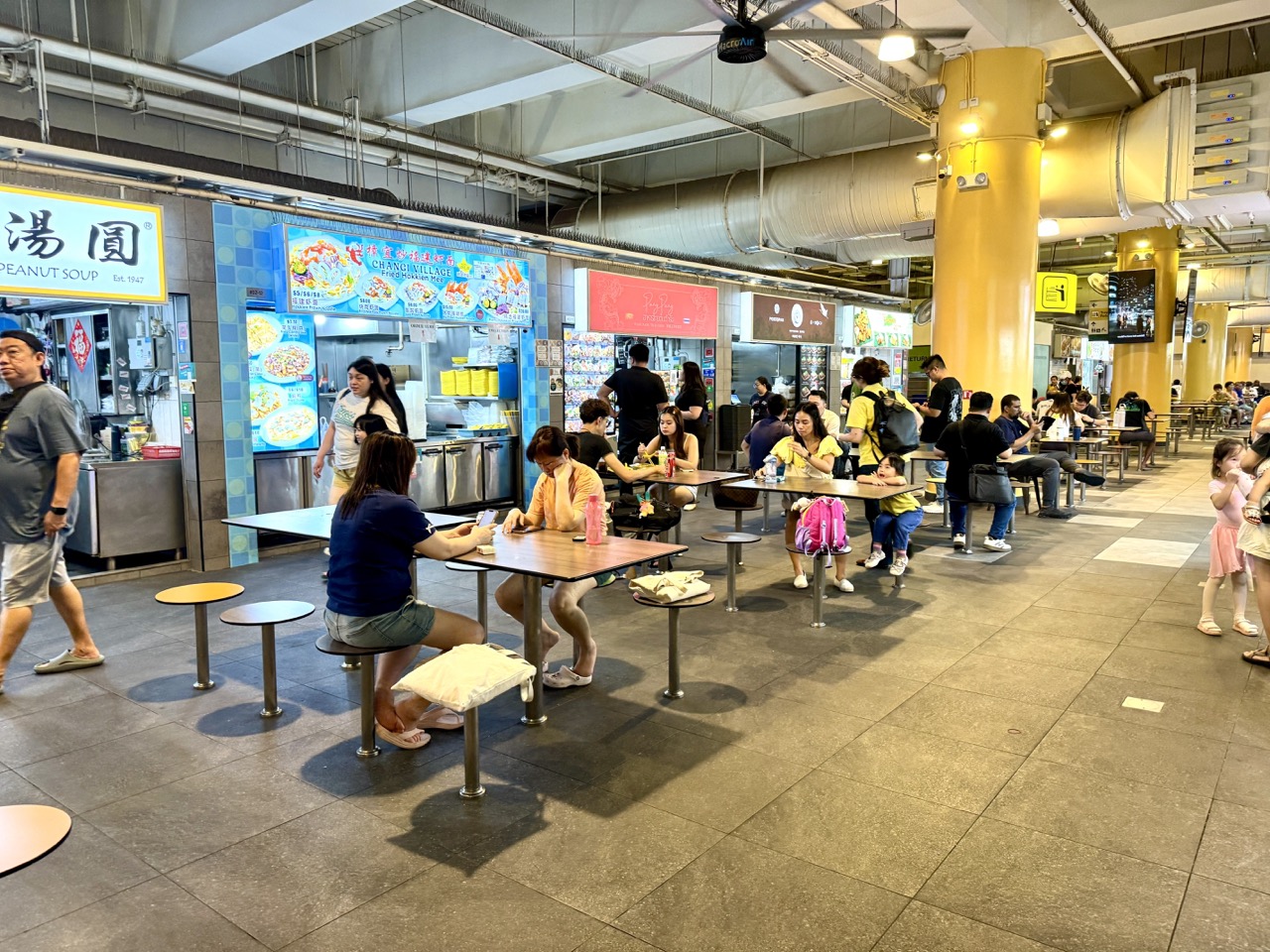
For Punggol families considering electives at Edgefield, Greendale, Punggol or Yusof Ishak Secondary School, the first requirement is to confirm actual subject availability and school entry conditions. The neighbourhood’s hawker centres, food courts and markets can inspire useful questions about ingredients, food culture and consumer choices, but a photograph of a vendor is not evidence about its nutrition or hygiene practices. A good G2 NFS learner understands safe food handling, the roles of nutrients, reasons for selecting ingredients and how cooking changes food. Parents should support authentic school coursework and independent planning, not assume that buying expensive kitchen equipment or preparing the project for the student will improve learning.
- G2 is an individual subject level, distinct from Posting Group 2 for school admission.
- 2027 G2 Nutrition and Food Science has SEC syllabus code K235.
- Paper 1: 1 hour 30 minutes, 80 marks, 40%; Paper 2: supervised coursework, 60 marks, 60%.
- SEAB specifies 25 hours of curriculum time for the investigation and practical coursework.
- The coursework report is electronic, with a stated 15–20-page requirement and digital photographic evidence.
- Core areas are nutrition and health, food literacy, and food science in preparation and cooking.
- Students investigate, decide, plan, prepare, present and evaluate food against a stated target group’s needs.
- Food safety, contamination prevention, safe handling and truthful records are essential.
- Check the child’s official school subject combination and teacher instructions before choosing tuition or doing project work.
Definition lock: what G2 Nutrition and Food Science means
G2 Nutrition and Food Science is an officially examined subject at General 2 level under Full Subject-Based Banding. It is not a general label for every subject a child studies. The subject brings together knowledge about nutrients, food selection, preparation processes, culinary science and the evaluation of meals or food products. Students are not merely taught what different foods are called. They learn to explain why choices and methods suit particular circumstances, using evidence and the approved syllabus’s expectations.
The most productive way to understand NFS is through a question: how can someone make an informed, practical and responsible food decision? That decision may involve nutritional goals, available resources, sensory qualities, hygiene and sustainability. The learner has to balance several factors rather than repeat an attractive slogan. Parents should therefore judge progress by the student’s reasoning and safe technique, not simply the appearance of a finished dish. A polished photograph tells little about the research, planning and understanding required by K235.
Posting Group 2 versus G2 NFS as an elective
Posting Groups are relevant to secondary-school entry, whereas G2 describes the demand level of a specific subject. NFS is an upper-secondary choice whose availability depends on a school’s subject combinations and eligibility criteria. A family should not assume that a student entering through Posting Group 2 will take G2 NFS automatically, or that every school provides the subject. Students may study other subjects at different levels under the relevant Full SBB arrangements.
During early secondary schooling, a family can ask about practical learning experiences and where food-related subjects appear in the curriculum. When subject selection becomes immediate, ask which NFS options are offered, what the project demands and how much time must be managed alongside other studies. An elective should be chosen because the student appreciates its learning, not because the family assumes it is a painless alternative to Science. Authentic practical work and accurate written explanations both take sustained effort.
What the 2027 K235 examination requires
SEAB’s K235 syllabus assigns 40% of the assessment to a one-and-a-half-hour written paper worth 80 marks. It assigns 60% to teacher-supervised coursework worth 60 marks. The written paper tests knowledge and application through multiple-choice, short-structured, data-response and open-ended questions. Coursework includes research, decisions, an exploratory study, planning, execution and evaluation. A learner preparing only written notes or only attractive dishes is therefore leaving a major part of the subject uncovered.
These weights should guide the study routine but not lead families to neglect one component. Written understanding helps students explain their practical choices, while a well-documented investigation can deepen their knowledge of preparation and sensory outcomes. The official assignment is issued in the examination year and supervised by the school. Parents should use the applicable year’s current SEAB document and teacher instructions instead of trying to predict the next coursework brief from an older sample.
The 25-hour coursework and why supervision matters
The 2027 syllabus specifies 25 hours of curriculum time for discussion, facilitation, investigation and practical work associated with the coursework assignment. It states that the work is conducted under teacher supervision and completed for assessment by the end of July or early August in the examination year. This is important for parents who may be tempted to turn coursework into an elaborate unsupervised home production. The educational value lies in the student’s decisions, records and execution within the official requirements.
Families can help the child manage time and understand feedback, but they should not cook the assessed dishes, write the investigation or fabricate observations on the child’s behalf. The purpose of supervision is not merely to watch a recipe being followed. It allows safe procedures, fair assessment and appropriate guidance. Ask the school which activities must occur during lessons and what research or planning students may complete elsewhere. Compliance is part of doing the subject well.
Coursework evidence: the electronic report
SEAB specifies an electronically submitted coursework report with a 15–20-page requirement, including photographic evidence of the exploratory study and final dishes. This means students must document more than the final photograph. A reader should be able to trace the question being investigated, the research used, reasons for selecting dishes, what happened during the practical process and how the outcomes were evaluated. Missing stages make the reasoning difficult to judge, even if the food itself appears successful.
Teach the learner to keep a dated record of decisions, approved source references and genuine results. If a test produces an inconvenient result, record it rather than changing it to match an expectation. Photos should accurately represent the student’s actual work and follow school privacy requirements. The report is evidence of a learning process, not an advertising brochure. Careful organisation can prevent the student from losing information late in the project.
Nutrition and health: what is a nutrient?
Nutrients are substances obtained from food that serve functions in the body. At the school level, learners distinguish among energy-yielding nutrients and other essential components involved in growth and normal functioning. The scientific vocabulary matters because a nutrient’s role is different from a marketing claim about a packaged food. Students should understand the concept, relevant examples and the consequences of inappropriate overall intake within the scope of the syllabus, without using a single food to judge someone’s entire health.
A good learning exercise asks which nutrients a hypothetical meal may provide, what important components may be underrepresented and what additional information would be needed to make a balanced assessment. The student should work with published food information, not guess exact amounts from the colour of a dish. This is educational literacy, not personalised medical or dietetic advice. Food decisions depend on the individual and the context, and families should seek qualified clinical guidance for personal medical requirements.
Carbohydrates: fuel and food behaviour
Carbohydrates serve important roles in food and nutrition, and their properties also influence cooking. Students need to distinguish the nutritional role from the physical changes seen when starches are heated or mixed with water. In culinary science, processes such as gelatinisation affect texture and consistency. A student who knows only that a food ‘contains carbohydrate’ may not be able to explain why a sauce thickens or why a preparation method creates a particular result.
Use a teacher-approved demonstration or classroom data to discuss how a starch-containing mixture changes during preparation. What variables were controlled? What was observed? Which conclusion is supported? This connects nutrition knowledge to food science without requiring risky home experimentation. Ask the learner to explain both the ingredient’s function and the process occurring during cooking. The dual viewpoint is a distinctive part of NFS.
Proteins: structure and cooking changes
Protein-related topics connect nutrition with processes such as denaturation, coagulation and other changes during preparation. Students should avoid describing these as interchangeable words. They refer to scientific processes that can influence a dish’s appearance or texture under particular conditions. Understanding that connection makes it easier to explain why ingredients behave differently when heated, mixed or prepared in another way. Exact techniques and safety precautions should follow approved lessons.
A classroom example involving eggs can illustrate how a protein-containing ingredient changes from one observable state to another during cooking. Ask the learner to describe the observations before explaining them. Then discuss why temperature and procedure matter, without assuming every preparation produces an identical effect. A careful response uses correct terms, states relevant conditions and links them to the sensory result. Memorising a definition without this link can leave the student unable to answer a practical application question.
Fats and oils: function as well as nutrition
Fats and oils play roles in diet and in the handling, texture and flavour of food. The official syllabus includes relevant culinary concepts such as shortening, emulsions, melting point and smoke point. A student should not reduce the entire topic to the oversimplified idea that fats are always undesirable. NFS requires understanding appropriate use, quantities, effects and limitations within a balanced food decision, as well as the specific behaviour of ingredients during preparation.
Ask the learner to compare two hypothetical cooking methods and explain which fat-related properties might influence the choice. The answer should consider heat, the dish’s desired outcome and food-safety requirements. If a claim concerns a person’s health, rely on appropriate official guidance rather than inventing a nutritional rule from a recipe. Good NFS reasoning separates an ingredient’s scientific role from moral language about ‘good’ and ‘bad’ foods.
Vitamins, minerals, fibre and water
Nutrition also includes micronutrients and other dietary components whose functions differ from energy-yielding nutrients. Students should use accurate names and explanations rather than a vague statement that every vitamin ‘gives energy’. A balanced meal plan considers variety and suitable choices across food groups and the needs specified in a question. The syllabus develops the ability to make informed choices, not to prescribe an identical menu to every person.
Practice with a hypothetical family’s meal choices and a simple table of ingredients. Ask which food groups are represented, what claims can be made from the available information and what remains unknown without portion sizes or nutrition labels. Include access, taste and preparation constraints. If a fictional target group has a clinical condition or allergy, the learner should recognise that specialist requirements need properly sourced guidance and safe procedures. Accurate education should never become casual diagnosis.
Food literacy: read a label instead of trusting a slogan
Food literacy includes understanding information about ingredients, nutrition and consumer choices. A package may advertise one feature prominently while providing other details in smaller print. Students should learn to compare like quantities, identify serving sizes and recognise that a product’s name does not establish its overall nutritional profile. This is particularly useful when they encounter a growing range of packaged and ready-to-eat foods.
Give the child two invented nutrition labels and ask which comparison is fair. Are the serving sizes the same? Does the amount quoted refer to one serving or the entire package? Which information would matter for the stated purpose? Avoid asking the learner to declare a single product universally ‘healthy’ from a narrow number. A strong answer examines context and relevant evidence. It can explain why a difference is meaningful without turning every choice into a frightening health judgement.
Meal planning: the target group matters
One central coursework demand is choosing and justifying dishes for a target group. Different groups may have different schedules, preferences, cultural practices, resource limits or nutritional needs. Planning means interpreting the assignment’s specific conditions and using relevant research to choose appropriate dishes. A favourite recipe is not automatically a suitable response. The learner should explain why the ingredients, methods and presentation fit the brief.
Imagine a fictional school-community event involving a group that needs food to be prepared within a defined time and budget. The student can compare dishes against those practical conditions and any nutrition guidance specified in the task. The strongest decision is a justified one, not necessarily the most elaborate menu. Ask which assumption would change the selection. This develops the transferable skill of responding to a real need rather than showcasing personal preferences.
Food safety: cleanliness is a set of actions
Food safety is not demonstrated by an attractive apron or tidy photograph. It requires appropriate hygiene, prevention of contamination, safe handling and correct storage and preparation practices. The K235 syllabus includes food spoilage, contamination and hygienic procedures. Students should know the purpose of the actions taught in class: preventing unnecessary risk to the people who will consume food. Any practical work must follow the school’s requirements and official food-safety guidance.
At home, families can discuss the difference between a clean-looking surface and safe handling practices without attempting unsupervised coursework. Ask why food-contact equipment, hands and storage conditions matter in a preparation sequence. Do not infer that a real Punggol vendor is unhygienic from a photograph or a short observation. When food-safety procedures are described, they should be supported by credible guidance rather than invented temperature or storage rules. Safety is a professional responsibility, not a decoration.
Cross-contamination: invisible risks require prevention
Cross-contamination is one concern in food handling. It can occur when harmful microorganisms or other unwanted substances are transferred between items or surfaces. Students need to understand why separation, appropriate cleaning, careful preparation and correct storage reduce risks. A person cannot judge all contamination simply by looking at a meal. This is why food science uses procedures and evidence rather than confidence based on appearance alone.
Give a learner a teacher-designed kitchen workflow diagram and ask them to locate potential points of transfer. Then discuss which safe procedure would interrupt each possible route, following school and official guidance. This can be done on paper before practical instruction. A good explanation identifies the mechanism rather than writing a generic sentence such as ‘keep everything hygienic’. Students learn to connect action and purpose, which improves both written answers and supervised practical competence.
Cooking methods: how heat reaches the food
Different methods of cooking involve different combinations of heat-transfer processes such as conduction, convection and radiation. K235 expects students to understand methods including boiling, steaming, baking, grilling, stir-frying and others specified in the syllabus. The method influences texture, moisture and the extent and type of change in ingredients. A student should be able to justify a method for a particular dish rather than memorise a list of popular cooking terms.
Compare two methods for preparing a fictional food item and ask the learner how heat reaches the food and what result might follow. Which variables would affect an observation? What might make one technique more suitable under the task’s constraints? The practical side belongs in teacher-supervised, safely equipped settings. A written comparison can still develop strong conceptual understanding. The purpose is informed selection, not pretending that one cooking method is always superior.
Browning reactions: similar colours, different processes
Food can brown for several reasons, and the syllabus distinguishes processes such as caramelisation, dextrinisation, Maillard browning and enzymatic browning. A learner who writes ‘it turns brown because of heat’ for every situation may miss important scientific differences. Some processes occur under cooking conditions, while others can happen after food is cut or exposed to air. Exact explanations depend on the substances and circumstances involved.
Use teacher-provided photographs or a supervised demonstration and ask what was observed. Then identify which scientific process the class has learned that best explains the case. If several processes are possible, discuss what further information is needed. Students should not confidently diagnose a reaction from colour alone. This distinction between appearance and mechanism is a valuable scientific habit and provides a bridge between NFS and more general Chemistry.
Sauces, batters and baking: techniques have reasons
The syllabus includes selected practical products and techniques, such as cakes, biscuits, pastry, batters and sauces. These are not arbitrary recipe categories. They provide opportunities to apply knowledge of ingredient roles, mixing, texture, heat and procedural decisions. A learner who follows a recipe by rote may produce a dish once but struggle to explain why a different ingredient ratio changes the result. The subject expects both application and justification.
Ask the student to describe the purpose of a mixing step or ingredient in a teacher-approved recipe. What property is being developed? What might happen if one step is changed, and how could that possibility be investigated safely? A small controlled comparison in the school kitchen can provide evidence. During home revision, focus on interpreting results and planning the investigation rather than improvising hazardous experiments or fabricating a polished outcome.
Sensory evaluation: describe what was actually observed
Sensory evaluation concerns qualities such as appearance, aroma, flavour and texture. NFS students are expected to record observations and use them to evaluate the suitability of food products for the stated purpose. Saying ‘everyone loved it’ is not useful evidence unless an appropriate method and supporting observations have been recorded. Sensory judgement can differ among people, so a careful report describes its scope and limitations.
Give the learner a sensory vocabulary exercise using descriptions from a teacher-approved activity. Ask whether the terms are specific, meaningful and relevant to the target group’s needs. ‘Soft’ and ‘crisp’ describe different textures; ‘nice’ says much less. The student should avoid inventing tasting feedback or claiming universal approval from a small informal trial. Honest evaluation improves decision-making and teaches that personal preference is not identical to objective measurement.
Research for coursework: source quality matters
Coursework begins with understanding a task and gathering relevant information. A student can search many websites and still produce weak research if sources are irrelevant, contradictory or unreliable. Better research establishes what needs to be known, chooses appropriate evidence and explains how a finding affects the decision. For a target group, this might involve relevant meal-planning guidance, ingredient properties, food safety and practical constraints. The exact brief determines which sources matter.
Use a short research table with a question, source, finding and implication. Encourage citation of official or otherwise credible guidance, with dates when information may change. The student should not copy entire passages as if they were their own work. A useful reference supports an actual decision about a recipe, method or investigation. Keeping research connected to the task also makes the eventual report clearer and reduces the temptation to fill pages simply to reach a length requirement.
Exploratory study: change one factor deliberately
An exploratory study allows students to investigate a food-science question through a planned method. If several ingredients, temperatures and preparation times are changed simultaneously, the result may be difficult to interpret. Students should define what they want to compare, record controlled conditions where appropriate and decide how outcomes will be observed. The exact investigation must follow the assigned brief and the school’s supervision requirements.
Imagine a fictional teacher-approved question about how a specific allowed change affects texture. The learner can outline two variants, describe what will be kept consistent and specify how results will be recorded. That plan is educational even before any preparation occurs. Afterwards, the student should relate observations to the original aim and recognise limitations. The purpose is not to prove the preferred recipe is always best; it is to learn from a comparison whose method can be explained.
Choosing three final dishes: justify, do not decorate
The 2027 syllabus describes presentation of recipes for three final dishes with justification based on research and the target group. Students should select dishes because they suit the brief, not merely because they photograph well or are personally fashionable. A sound justification connects ingredients, nutrition, preparation time, skill demands and sensory expectations to the target group’s circumstances, where the assignment requires those considerations.
Make a decision matrix with a small number of criteria grounded in the brief. Compare possible dishes and explain why one set was chosen, including any trade-offs. A student should be willing to replace a favourite idea if research suggests it is unsuitable. This is responsible practical problem solving. Parents can ask why a dish was selected, but the child should make the authentic school-assessed decision and use the teacher’s instructions as the governing reference.
Planning: sequence the cooking process thoughtfully
Practical planning involves ingredients, equipment, preparation order, hygiene and time management. A recipe may contain all the right ingredients yet be difficult to execute safely if tasks are arranged in an impractical order. The coursework assessment includes planning and organisation, so students should learn to consider which activities depend on others. The project schedule belongs under school supervision and approved kitchen arrangements.
Ask the learner to create a paper timeline for an invented classroom kitchen task. Which preparation comes first? Which stages require equipment or a shared workspace? Where are checks needed before proceeding? If a plan contains conflicting steps, revise it before the actual lesson. Effective planning improves both safety and efficiency. It is more valuable to explain one realistic sequence than to write an elaborate timetable the student cannot follow.

Execution: practical skills and resource management
Supervised execution brings together methods, ingredients and decision-making. Students need to handle resources carefully, use appropriate techniques and maintain safe working habits. A practical task is not assessed solely on whether the final plate looks attractive. It also reflects what the student did, how they managed materials and whether the completed food matches the task’s aims. The official assessment includes organisation, manipulation, product and presentation elements.
Parents should resist the temptation to perform assessed preparation for the child or to edit photographic evidence afterward. Learning is visible when the teenager can explain procedures, maintain safe practices and evaluate an outcome honestly. If a dish has a problem, the useful response is to analyse the cause and identify a justified improvement. Transparent mistakes provide evidence of learning; concealed errors undermine the purpose of the coursework.
A Punggol illustration: learning from the hawker environment
Punggol’s hawker centres and food courts can provide familiar examples of varied cuisines, ingredient choices and consumer decisions. A student might compare how different dishes are described or how food groups appear in meal options. This is an observational learning context, not proof of the nutrient content or food-safety standards of particular stalls. Exact food composition requires dependable information, and kitchen compliance cannot be diagnosed from a passing photograph.
During a family meal, ask what ingredients may be present and what further information would be needed for an accurate nutrition comparison. Consider cultural preferences, affordability and convenience without ranking people by their food choices. A respectful discussion may inspire a research question for class, but should not become an unsolicited judgement about a vendor. This helps teenagers practise food literacy as a form of informed citizenship rather than a collection of dramatic online claims.
A Punggol illustration: recipes, culture and sustainability
Food choices are also shaped by cultural practice, family traditions, access and personal preferences. NFS students can consider sustainability when making appropriate food decisions, but they should avoid treating any one ingredient or cuisine as universally responsible or irresponsible. A meaningful comparison considers resources, preparation, potential waste and the context of the meal. A colourful slogan about ‘eco-friendly food’ is not enough to establish an environmental advantage.
Ask a student to describe a familiar family dish and identify which ingredients and techniques are central to its character. What might change if a substitution were proposed to reduce waste or accommodate a stated need? Would the texture or flavour be affected? Which effects are known and which would require investigation? This develops creativity alongside respect for food culture. The best analysis avoids both simplistic moral judgement and uncritical celebration.
A responsible food-science notebook
An error log or practical notebook can reveal why a learner is struggling. Categories might include conceptual knowledge, investigation planning, sensory terminology, safe technique, time management and report writing. The student should record one specific issue and the evidence for it. ‘Bad at cooking’ is too broad to guide improvement. ‘Did not control the mixing time in a comparison’ identifies a problem that can be addressed.
Review the notebook after each supervised task and ask which change made the biggest difference. Then revisit the concept in a new paper-based question or an authorised practical activity. Students should not manufacture improvements that were never tested. A record of a failed hypothesis may show stronger scientific judgement than a sequence of perfect-looking claims. Reflection helps the learner connect the theory paper with practical research rather than treating them as separate subjects.
A possible three-student NFS learning discussion
A small group of three students can use discussion effectively when working through nutrition scenarios, label comparisons or safe theory-based planning. One learner may identify missing information, another may suggest a suitable food-science process and the third may challenge a proposed justification. The tutor should then require each student to produce an independent answer. This is an illustrative teaching approach, not a claim that a particular Punggol practical kitchen course is available.
Any external support must respect the school’s coursework supervision, authenticity and safety rules. A tutor can teach the science behind a cooking method or help a student understand how to structure a general explanation, but must not conduct an assessed investigation or fabricate the student’s report. Ask providers how their lessons complement the official school programme. A short conceptual lesson may be more suitable than a paid practical package if the child’s real difficulty is interpreting data or writing a reasoned evaluation.
Choosing secondary schools in Punggol for NFS
Start with official information from Edgefield Secondary, Greendale Secondary, Punggol Secondary and Yusof Ishak Secondary. Check whether G2 Nutrition and Food Science is available to the relevant cohort, what subject-combination eligibility applies and how supervised practical work is supported. Facilities, coursework schedules and upper-secondary choices can differ. It would be misleading to assume that all four schools offer the same subject simply because SEAB lists K235 nationally.
Ask the school how students are prepared for theory and coursework, how hygiene and supervision are managed and how parents can support time management without interfering with assessment. Also consider the learner’s interests and overall schedule. A teenager who loves recipes but dislikes recording evidence may need to understand how much writing and investigation the course involves. A suitable subject choice recognises the full demands of the curriculum, not just its most enjoyable practical moments.
A twelve-week learning framework
Weeks one and two can establish a baseline using nutrition concepts, food labels and one written response about cooking methods. Weeks three and four strengthen nutrient functions and meal-planning reasoning. Weeks five and six address food hygiene, contamination risks and suitable preparation principles. Weeks seven and eight focus on food-science changes and descriptive sensory terminology through school-approved examples. Throughout, add small reviews of earlier topics so the child must retrieve information rather than recognise a chapter heading.
Weeks nine and ten can practise research evaluation, hypothesis formulation and task-specific justification using fictional briefs. Weeks eleven and twelve should combine theory questions with report-planning skills and time management, always subordinated to the school’s actual supervised coursework deadlines. Compare the student’s new answers with the baseline. Can they explain why an ingredient or method is suitable, connect sensory evidence to a conclusion and identify a safety issue? Those are more durable learning outcomes than recipe memorisation.
Common mistakes to avoid
The first mistake is thinking that NFS is only cooking. The second is preparing attractive dishes without the research and justification required by the task. A third is treating food labels or marketing descriptions as complete scientific evidence. A fourth is writing observations that were never recorded. A fifth is ignoring hygiene because the finished food looks appealing. Each misconception leads away from the actual aim of combining nutrition, food literacy and science.
Another mistake is assuming that the 60% coursework weighting means the theory paper can be neglected. It cannot. Parents should also avoid buying equipment before asking what the school provides, or attempting to perform assessed project work at home in ways that breach instructions. Finally, avoid personalised nutrition advice based solely on school notes. NFS teaches informed general choices; medical and clinical dietary questions need appropriate professional guidance. Accurate, ethical learning should remain the priority.
Frequently asked questions about G2 NFS
What is G2 Nutrition and Food Science? It is a General 2 upper-secondary subject covering nutrition, food choices, cooking science and investigation. What is the 2027 code? K235. What are the examination components? A 90-minute written paper worth 40% and supervised coursework worth 60%. Does the coursework require a report? Yes; the 2027 syllabus specifies an electronic report with evidence and a 15–20-page requirement. Must parents buy a kitchen workstation? Ask the school first.
Is NFS the same as a generic cooking enrichment class? No; it has official academic and practical assessment requirements. Is G2 the same as Posting Group 2? No. Are all Punggol secondary schools guaranteed to offer NFS? No; confirm the current combinations directly. Can outside tutors prepare the assessed dishes? Authentic work and school supervision must be respected. Does the subject qualify a child to give health advice? No; it develops general food literacy and practical scientific understanding.
Official syllabus and a practical next step
Use SEAB’s 2027 G2 syllabus directory and the official K235 Nutrition and Food Science PDF for current requirements. A separate local exam-specific article is Punggol Tuition 2027: Secondary 4 G2 NFS coursework. Check the school’s current subject combination and teacher instructions before committing to materials or lessons.
The next useful step is to take one food-science concept from the child’s schoolwork, such as a cooking change or label comparison, and ask for an explanation using real evidence rather than a remembered slogan. If the student is preparing coursework, ask how the current research supports the planned decision, but leave the actual assessed work to the student and supervising teacher. An effective NFS education creates someone who can choose food thoughtfully, prepare it safely and explain the science behind the decision.


