
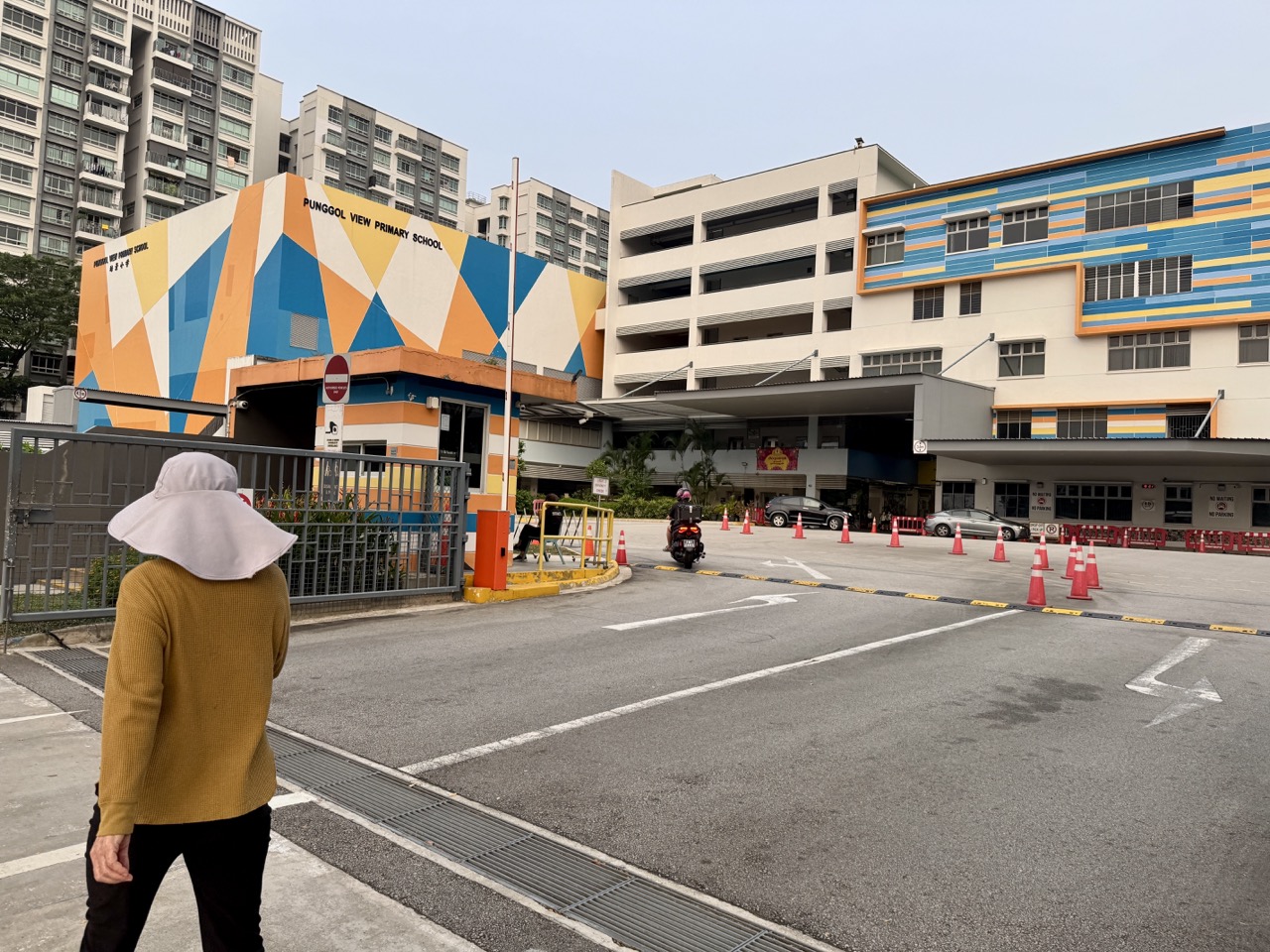
Schools and education at Punggol depend on regular attendance, but legitimate student absences need an organised and respectful response rather than blame. Parents should notify the child’s actual school through its approved attendance channel, provide the required supporting documents and check whether CCAs, student care or transport need separate notice. In 2026, Parents Gateway’s Student Absence feature is used by many schools for electronic absence submissions. The precise requirements—including parent letters, deadlines and fallback procedures—remain school-specific.
This practical guide explains how Punggol families can report illness or other absences, protect medical privacy, use Parents Gateway correctly and help a child catch up without overwhelming them with missed worksheets. It distinguishes a one-day absence from a recurring pattern, and school attendance from CCA or student-care records. Examples are fictional, and no particular school is assumed to follow another school’s policy. For real cases, use current school notices and suitable medical advice where needed.
- Attendance matters for learning continuity, student safety and school routines.
- Notify the child’s actual school promptly using its approved process.
- Parents Gateway may support student-absence reasons and documents.
- Medical certificates or parent letters are handled according to school-specific rules.
- CCA, enrichment, student care and transport may need separate notification.
- Keep student health records, identifiers and daily movements private.
- A legitimate absence is not a moral failure or a diagnosis.
- Catch-up work should prioritise essential concepts and current deadlines.
- Test independent understanding instead of only copying missed notes.
- Persistent attendance barriers need appropriate school and professional support.
Definition lock: absence notice, documentation and catch-up learning
A student absence is a period when a pupil does not attend an expected school activity. Notification tells the responsible institution that the child is not present; supporting documentation provides the required explanation or evidence under that school’s rules. Catch-up learning is the structured recovery of relevant knowledge and participation after missed instruction. These are different functions: sending a medical certificate does not by itself teach a missed concept, while finishing homework does not substitute for the formal attendance record.
One-day absence: a private parent checklist
- Check the child’s wellbeing and seek suitable healthcare advice when needed.
- Notify the school through its current official communication process.
- Record the dates and provide the supporting documents the school requires.
- Check separately whether CCA, student care or transport must be informed.
- Avoid sharing sensitive documents in informal group chats.
- Ask the teacher what content and deadlines are essential after returning.
- Plan a realistic catch-up period with adequate rest.

1. Attendance is about learning continuity and safety, not just a percentage
Every school day contains opportunities that cannot always be recreated from a copied worksheet. Children hear explanations, work with classmates, practise language, receive feedback and participate in school routines. Attendance therefore matters to continuity, relationships and wellbeing as well as administrative records. Yet being absent through illness or another legitimate circumstance should not be treated as a moral failure. A useful parent response combines prompt communication, appropriate documentation and a realistic return to learning.
In Singapore, parents should follow the particular school’s current attendance requirements, including how and when an absence is reported. These arrangements may involve Parents Gateway, a notification to the form teacher or an additional document after the child returns. One school’s number of permitted parent letters or submission deadline should not be presented as a national rule applying to every Punggol school. Administrative accuracy starts with identifying the school responsible for the instruction.
A practical parent decision
Punggol families may have children in different schools, and those schools can use different reporting times, after-school activities and absence workflows. Even two siblings in one household may therefore need different communication. A parent who sends one message in a sibling’s school chat may leave the other school without the required information. Keep a small private record of each school’s official reporting channel rather than rely on a general family habit.
A good morning decision begins with the child’s actual circumstances. If illness makes school attendance unsuitable, seek appropriate medical care and use the school’s notification process. If the issue is a transport disruption or family emergency, explain the situation truthfully and request the school’s guidance. Do not invent an illness or use a purchased certificate to justify an unrelated absence. An honest account permits the school to respond appropriately.
What can go wrong and how to transfer the lesson
Children can help at an age-appropriate level by knowing how to tell a caregiver that they feel unwell, which trusted school adult they can approach and what basic materials they may need after returning. They should not be responsible for sending confidential documents through an adult government account or deciding which medical evidence the school will accept. A clear division of responsibility reduces anxiety and protects privacy.
For transfer, consider a fictional family with one child in Primary 2 and another in Secondary 1. Both are unwell on the same morning. Ask why the parent must check each school’s instructions independently and which information should remain private. That shows attendance literacy rather than memorising one generic message template.
2. Parents Gateway Student Absence has become an important 2026 workflow
Parents Gateway is the Ministry of Education and GovTech platform used by schools to communicate with parents and handle supported administrative tasks. MOE’s 2025 announcements described a pilot feature allowing parents to submit student-absence documents electronically, with progressive rollout planned by the end of 2025. Official school sites published in 2026 now explain how families can send reasons and supporting documents through Parents Gateway. This means an older instruction to hand every document directly to the form teacher may no longer describe the current process at a particular school.
At Gongshang Primary School, the August 2026 parent page identifies Parents Gateway as a tool for announcements, student absences, consent, meeting bookings and travel declarations. Hougang Primary’s August 2026 resources link directly to a guide for submitting a child’s absence document through Parents Gateway. Horizon Primary in Punggol publishes Parents Gateway as an official communication platform. These examples establish the tool’s role but do not mean the same menu or fallback procedure operates identically everywhere.
A practical parent decision
Families should use the verified application and their own authorised Singpass access, rather than follow an unfamiliar link forwarded by another parent. The relevant feature may appear under Services as Student Absence, with dates, a reason and suitable supporting documents. Follow the current app and school instructions rather than assume a screenshot from 2025 remains accurate. Where the parent cannot access the platform, ask the school which alternative it currently accepts.
A notification and a supporting document are not always the same thing. A parent may be able to alert the school that the child is absent without immediately having a medical certificate or explanatory letter. The school can explain what evidence is required and when it should be supplied. A brief message in an informal group chat should not be assumed to satisfy the formal submission process. Similarly, uploading a document does not necessarily notify every teacher responsible for an after-school CCA.
What can go wrong and how to transfer the lesson
Protect the child’s data. Medical certificates, names, classes and dates of absence can reveal sensitive information and movement patterns. Upload documents only through the recognised process or authorised contact, and do not post them in general parent chats. If a message requests Singpass credentials, banking details or a one-time code through a suspicious link, verify it independently. A convincing school logo is not proof that the request is genuine.
For transfer, imagine a parent receives a text claiming that all attendance records must now be uploaded to a new third-party portal. Ask where the change can be verified and what the family should avoid sending. The correct next step is to check the school’s official Parents Gateway or published communication, not follow the forwarded link automatically.
3. Medical certificates and parent letters require school-specific interpretation
Schools commonly require absences to be supported by appropriate evidence, which may include a medical certificate or a parent’s letter under their specific rules. Yet the precise allowance for letters, document format and submission timing varies. One published 2026 secondary-school information kit limits certain parent letters to two per semester; another official school notice uses a different limit. That is why a Punggol primary family must not adopt an unrelated school’s rule as a national standard.
Parents should describe the real reason for absence rather than choose whichever explanation they believe will be accepted most easily. If the child needs healthcare assessment, use an appropriate qualified service. A general education article cannot decide whether an individual child needs a medical certificate or whether a particular symptom permits attendance. The school and healthcare providers have different responsibilities that should be respected.
A practical parent decision
Consider an invented situation in which a pupil misses one school day because of illness. The parent informs the official school channel and checks whether a certificate or letter is required. When the pupil returns, the family confirms that the appropriate record has been submitted. A second hypothetical absence involves an urgent family matter rather than illness. The parent should explain that truthfully and follow the school’s procedure rather than fabricate a clinical reason.
Documentation should include only what is necessary for the administrative process. A full medical history, photographs of unrelated records or the child’s national identification number should not be sent to an unauthorised group. If the school needs a specific additional detail, ask for the correct confidential submission route. Parents can retain their own private copy or confirmation number without collecting unnecessary data from other children.
What can go wrong and how to transfer the lesson
A frequent mistake is treating the absence reason as a negotiation over whether the child is ‘good’. A pupil may have been legitimately ill and still need help catching up. Conversely, repeated unexplained absences may warrant a supportive conversation about practical barriers or wellbeing rather than public shame. The school can consider attendance concerns through its pastoral and administrative processes.
For transfer, present two fictional notices with different requirements for a parent letter. Ask which notice applies to the child, what the date and source establish, and which detail must be clarified with the school. The lesson is accurate compliance, not trying to exploit inconsistencies among institutions.
4. A form-teacher notice and a CCA absence may involve separate people
School attendance is not always a single record shared automatically with every programme. A child may be absent from academic lessons, a co-curricular activity, an enrichment class or a school event. The responsible teacher and reporting process can differ. Raffles Girls’ Primary School’s 2026 notice explicitly reminds parents that its Parents Gateway Student Absence submission for academic lessons does not automatically notify CCA or enrichment teachers. Families should use their own school’s rules for any separately managed activity.
Imagine a Primary 5 pupil who is unwell on a Tuesday when school ends early but a sports CCA continues later. The family reports the morning absence through the relevant school process. They should then check whether the CCA teacher also requires a direct notification, especially when supervision or attendance is accounted for separately. Assuming that one upload reaches everyone could create avoidable uncertainty about where the child is expected to be.
A practical parent decision
The school-based Student Care Centre is another distinct arrangement. If a pupil usually goes to student care after class but stays home, the centre may require its own absence or meal notification. The school may have separate processes for changing dismissal handover. A family should not assume that informing the form teacher automatically cancels a paid care session or an authorised pickup plan. Read the provider’s current instructions.
Trips and special activities require similar attention. If the child was scheduled for a supervised learning journey, the relevant teacher may need to know whether attendance has changed before the group departs. The school can advise what to do about consent, transport and material preparation. Parents should not attempt to meet the group at another venue without school authorisation simply because the child feels better during the day.
What can go wrong and how to transfer the lesson
Communication becomes easier with one private checklist: school attendance, CCA or enrichment, student care, transport and any special activity. Only the applicable categories need action. Avoid broadcasting a child’s medical details across all groups. A simple statement of nonattendance and the necessary official document can be sufficient for the administrative purpose, subject to school rules.
For transfer, give the family a fictional timetable containing school, a CCA and student care on the same day. The child becomes ill and misses all three. Can the parent identify the separate responsible parties and prevent a gap in supervision without sending confidential information to unrelated people?
5. A one-day absence and a repeated pattern need different responses
One short absence through illness is not equivalent to an ongoing attendance difficulty. Families should avoid catastrophic conclusions when a child misses a legitimate school day. The immediate tasks are care, communication and a manageable return. Repeated absences, however, may affect continuity and warrant a conversation about what makes attendance difficult. The cause could involve health, transport, family circumstances, school safety or other issues; a generic article cannot diagnose it from an attendance percentage.
A parent can look for patterns without turning the child into a spreadsheet project. Are absences concentrated on a particular day or after a specific activity? Does the pupil report feeling unsafe or persistently unwell? Are there practical barriers to travel or handover? Those observations can guide respectful discussion with the school. They should not be treated as proof of a medical condition, bullying or intentional avoidance without further information.
A practical parent decision
Teachers may notice missed foundational concepts, reduced confidence in group discussions or difficulty returning after a long period away. A supportive plan can identify essential lessons and appropriate opportunities to rejoin. The aim is educational reintegration, not an impossible requirement to complete every missed page immediately. What matters most may be one critical prerequisite needed for the next topic.
Some children feel embarrassed when classmates ask why they were absent. Adults can remind them that private health and family details need not be shared publicly. A pupil may offer a simple truthful statement without providing confidential information. The class should respect that boundary. School communication and peer curiosity are different issues and should not be confused.
What can go wrong and how to transfer the lesson
If attendance concerns involve significant distress, ongoing illness or safety issues, speak with the appropriate school team and qualified professionals. Do not frame the difficulty as laziness without evidence. Support may involve practical adjustments, healthcare guidance or pastoral intervention depending on the actual circumstances. General advice should remain within its limits.
For transfer, compare a fictional pupil who has one day of fever with another who has missed several Mondays and expresses fear of a class activity. Why would the next step differ? A responsible answer considers context, immediate safety and appropriate adult follow-up rather than treating all absences as the same disciplinary problem.
6. Catch-up learning needs a priority order, not a mountain of worksheets
After returning to school, a child may feel overwhelmed by the idea of completing everything that classmates did. Some missed work is essential to the next lesson, some is valuable practice and some can be addressed through a shorter explanation. Ask the teacher what the pupil most needs to understand first. Replacing a week of absence with a week of extra late-night homework can add fatigue without repairing the underlying gap.
A useful three-column plan separates must understand, should practise and can revisit later. For a Science topic, the key idea might be reading a fair-test table accurately. For Mathematics, it might be a new ratio relationship that later questions assume. For English, it may be a comprehension strategy or a writing assignment with a current deadline. The categories should follow actual school priorities, not a universal list from a website.
A practical parent decision
Start with a short diagnostic question instead of copying notes immediately. The pupil may already understand part of the topic from earlier learning or may need a specific introduction. The response helps identify the missing step. If the child cannot explain a new term, the teacher or parent can introduce it clearly and then test a changed example. The goal is independent understanding rather than the appearance of a thick completed notebook.
Classmates may be willing to share authorised notes or clarify what was taught, but the returning pupil should not be expected to copy another child’s homework and submit it as their own. Schools have rules on assessed work and permitted help. Parents can ask how to handle missed assessments or deadlines through official channels. A peer’s informal summary is useful context, not a replacement for teacher instruction when essential knowledge is missing.
What can go wrong and how to transfer the lesson
Some pupils try to finish all missed work in one long evening because they feel guilty. A parent can protect sleep and organise manageable blocks over several days, in agreement with the school where needed. A rested child who learns the prerequisite properly is better positioned to rejoin current lessons than one who mechanically fills every page while exhausted.
For transfer, give an imaginary absence during a unit on fractions and another during a story-writing project. Ask which pieces of information are essential to the next lesson in each subject. The child should be able to identify the priority rather than treat every missed item as equal.
7. School work, SLS and private tutoring have different catch-up roles
The Singapore Student Learning Space can provide curriculum-aligned resources, teacher-assigned activities and opportunities for independent practice. Yet a link to an online activity does not automatically explain everything a child missed during classroom discussion. A teacher may need to identify which resource is relevant and what the learner should do after completing it. The platform supports learning; it does not remove the need for a clear educational objective.
Parents can begin with the school’s actual learning-management instructions. Does the teacher expect the child to complete a particular SLS assignment, read a passage or attempt a few questions? If a task is assessed, follow the school’s rules on independent work. The pupil should be able to explain the idea afterward with the source closed rather than simply click through screens until the activity displays completed.
A practical parent decision
Private tutoring may be appropriate when a persistent gap needs additional guided support, but a single absence does not automatically require a paid lesson. A short explanation from the teacher, carefully chosen school materials and sensible independent practice may be sufficient. The family should first diagnose the problem. Extra tuition that duplicates already secure work can consume time without addressing the missed prerequisite.
Some parents rely on classmates’ chat messages to reconstruct the entire lesson. Those messages can omit explanations, contain an outdated assignment or mix personal comments with official instructions. Check important deadlines and requirements through the teacher or approved platform. A copied screenshot should not be treated as the school’s final word when the source is uncertain.
What can go wrong and how to transfer the lesson
Technology use should remain appropriate to the child’s age and home routine. A learner who has been ill may need a shorter screen session or paper alternative, according to school guidance and wellbeing. Do not require a child to stay online continuously in the name of catching up. The objective is meaningful understanding and a safe return to routine.
For transfer, compare a new fictional gap that can be repaired through a five-minute teacher explanation with another that has persisted for several weeks despite support. Which calls for further educational assessment or guidance? The answer should be grounded in evidence rather than a blanket preference for technology or tuition.
8. The first day back needs communication and manageable expectations
Returning after absence can involve more than opening the correct workbook. A child may have missed a change of seating, a group assignment, a school notice or the introduction to a new routine. Parents can help by confirming practical instructions and encouraging the pupil to ask a teacher which task should come first. The child should not feel that every classmate’s experience must be recreated before they are allowed to participate again.
A simple return plan might contain the first lesson to attend, one essential concept to review and the teacher or trusted adult to contact about unfinished work. This reduces uncertainty without assigning excessive administrative responsibility to a young pupil. If the absence involved a medical issue, the caregiver should follow professional advice and any school-specific return requirements. A generic guide cannot determine whether the child is medically fit for school.
A practical parent decision
Classroom belonging matters. Some pupils worry about explaining their absence to peers or being behind on a group task. A parent can practise an age-appropriate statement such as ‘I missed the instructions; could you tell me the first step?’ The child need not disclose private health information. Teachers can support fair participation so a returning learner is not permanently excluded from the group because of missed preparation.
Errors made immediately after returning should be interpreted carefully. A pupil may need time to reacquaint themselves with routines or may have an actual knowledge gap. Ask for a short independent attempt and compare it with the relevant prerequisite. Do not label the child as careless or uninterested because they forgot a newly introduced school procedure during illness.
What can go wrong and how to transfer the lesson
One important mistake is rushing the child into an unfamiliar after-school activity without confirming attendance or supervision. If the pupil missed a CCA, trip briefing or student-care update, the parent should check what changed. The class teacher may not be the only person who needs to communicate the current plan.
For transfer, give the learner a fictional return day with a new science lesson and a changed CCA venue. Can they identify which questions go to the subject teacher, which to the CCA teacher and what they can prepare themselves? This is practical self-direction supported by appropriate adults.
9. Travel, family events and planned absences need early, honest coordination
Some absences are foreseeable: a family occasion, a necessary appointment or an unavoidable travel commitment. Parents should consult the school’s attendance rules and term dates before making arrangements and seek guidance for planned absences through the correct channel. They should not assume that every request for a trip during term time will be approved or that missing a national examination component is administratively equivalent to missing an ordinary lesson.
School holidays and public holidays can generally be checked against MOE’s published calendar for the relevant year. But an individual school may have additional programme or assessment dates, and those need verification. A screenshot from another family’s calendar may be outdated. The responsible parent should distinguish confirmed national dates, school-specific events and personal plans before deciding what is possible.
A practical parent decision
Where attendance during term time is required, the family should avoid framing a discretionary holiday as a medical absence. Honest communication allows the school to explain the actual implications. For major examinations or official assessments, consult current SEAB and school procedures rather than assume that a missed date can be made up. Administrative decisions depend on the specific circumstances and rules.
Parents sometimes ask teachers to send an entire week of teaching materials in advance. The school may be able to share relevant learning expectations, but not every classroom discussion or practical experience can be packaged as a worksheet. A family should ask for priority topics and realistic follow-up rather than demand an identical replacement curriculum while away.
What can go wrong and how to transfer the lesson
Children may also be affected emotionally by missing friends or group events. A parent can acknowledge that disappointment without creating a false promise that the class can repeat every activity. The next step is to rejoin appropriate learning and relationships. Some unique events cannot be recreated, and the child can still continue learning effectively with suitable support.
For transfer, consider a fictional planned appointment and a discretionary vacation during the same school term. Ask which information the family should verify before making arrangements and why honesty about the reason matters. The answer should focus on compliance, learning continuity and the child’s wellbeing.
Worked example: three days away, one sensible return plan
Imagine a fictional Primary 4 pupil misses Monday through Wednesday because of illness and returns on Thursday after following appropriate healthcare advice. The parent reports the absence through the school’s official procedure and provides the necessary document. The family checks separately whether Tuesday’s CCA and student-care sessions were notified. On Wednesday evening, rather than asking the pupil to complete every missing worksheet, the parent seeks the teacher’s priority topic and identifies one important Mathematics prerequisite. On Thursday, the child attends the current lesson and asks a specific question about what was missed. A short independent problem later that week tests whether the concept has been understood. This is a planning illustration, not a prescribed medical or school process.
Four-week catch-up learning cycle
Week one: confirm administrative attendance records and focus on one essential missed lesson. Week two: provide the appropriate explanation and a brief guided attempt. Week three: test the concept without notes and revisit any important error. Week four: use a different question to see whether the learner has transferred the idea, then discuss persistent concerns with the teacher. A child who was seriously ill or missed a long period may require a different school-supported plan. The routine should remain age-appropriate and sustainable.
Frequently asked questions
Can parents submit school absences through Parents Gateway?
Many schools use the Student Absence feature to submit reasons and supporting documents. Check the child’s current school instructions and use the official app; availability and fallback methods may differ.
Does an absence upload automatically notify a CCA teacher?
Not always. Some schools explicitly require separate notice to CCA or enrichment teachers. Check the specific school and programme rules.
How many parent absence letters are allowed?
There is no single number to assume from a generic guide. Individual schools publish different limits and documentation processes.
Should a child go to school when unwell?
Follow appropriate healthcare guidance and the school’s current health and attendance requirements. A generic article cannot assess an individual child’s condition.
How should pupils catch up after missing classes?
Identify essential concepts and deadlines with the teacher, use authorised materials and test understanding through a changed independent question rather than copying every page.
Does completing SLS work prove the missed lesson has been mastered?
No. The child should be able to explain or apply the central idea without simply following prompts on the screen.
Can parents take a family holiday during term time without permission?
Consult the school’s current attendance policy and official calendar, seek the required approval where applicable and understand possible learning or exam consequences.
What if absences become frequent or affect wellbeing?
Discuss observed patterns and safety or health concerns with the school, and involve qualified professionals when appropriate rather than assigning a diagnosis or blame.
Your Next Step
Find the attendance and absence instructions for your child’s actual Punggol school, note the official Parents Gateway or alternative channel, and identify separate contacts for any CCAs or student care. If an absence occurs, report it truthfully and protect the child’s private information. On returning, ask the teacher which learning objective needs attention first and choose one short independent check rather than a mountain of copied work.
Official sources and related Punggol guides
- MOE Committee of Supply 2025: student absence document feature in Parents Gateway
- Gongshang Primary School: Parents Gateway services, updated August 2026
- Hougang Primary School: official absence-document user guide
- Horizon Primary School: Parents Gateway, forms and applications
- Raffles Girls Primary School: 2026 notice distinguishing academic and CCA absence reporting
- Parents Gateway official website
- MOE School Calendar
- Schools and Education at Punggol | School-Based Student Care
- Schools and Education at Punggol | Self-Directed Study and Weekly Learning Plans
Editorial reviewed 1 November 2026. Attendance deadlines, absence documentation and administrative channels vary by institution and may change. The scenarios are hypothetical and do not constitute medical advice or allegations about real pupils.


