
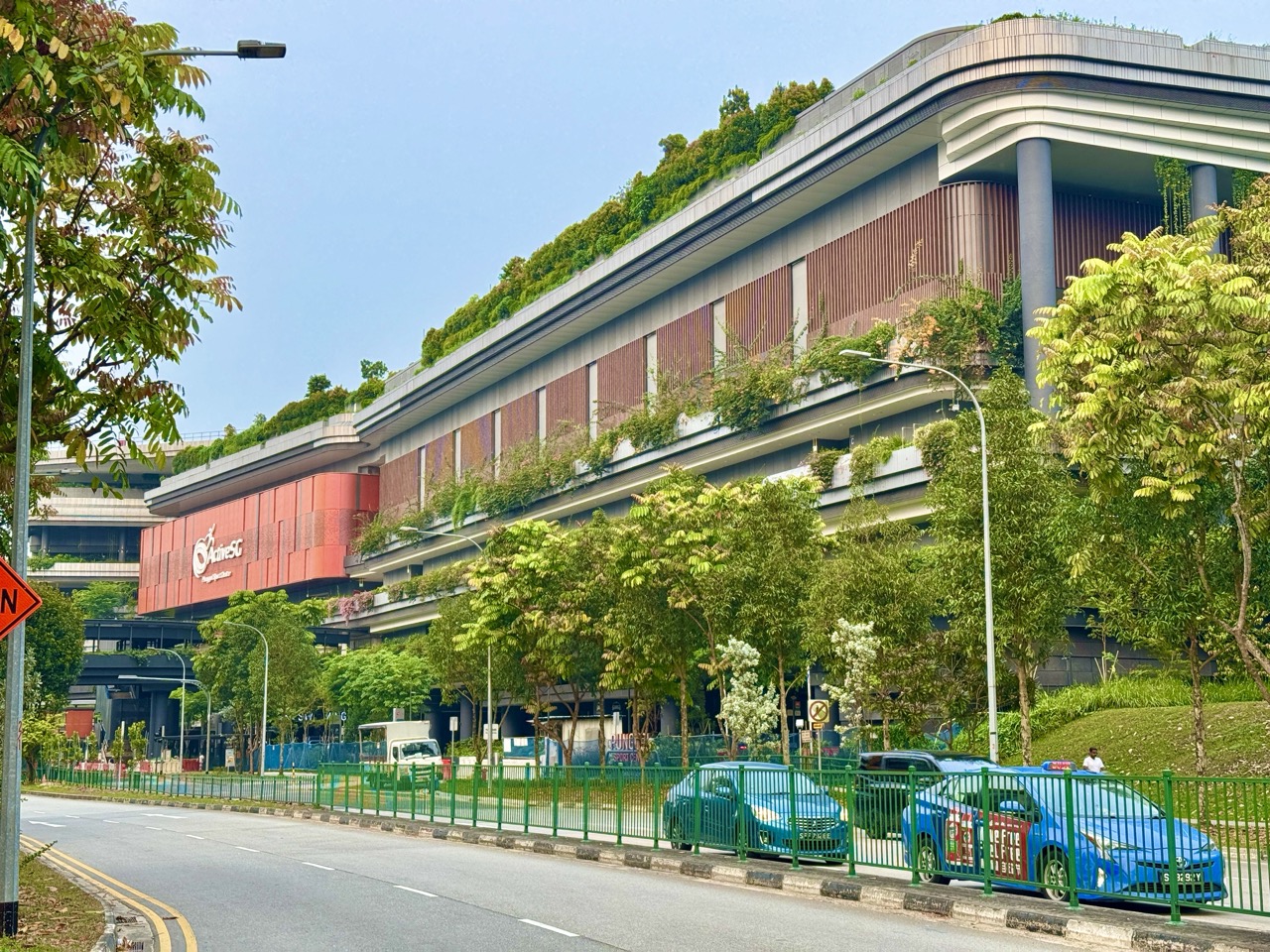
You can now plan a badminton game at Punggol Sport Hall, inside the newly soft-launched ActiveSG Punggol Sport Centre at 11 Sentul Crescent, Singapore 828656. The official facility listing gives daily operating hours of 7am to 10pm, while actual badminton court slots must be checked and booked through MyActiveSG+. The sport centre began its soft launch on 27 October 2026, and its wider official opening has been reported for 22 November. A sport hall being listed as open does not mean every court is free at every hour; always confirm the sport, court, date and paid booking.
The most satisfying thing to do with a badminton booking is not simply to hit as hard as possible. It is to arrive with the right players and equipment, use the limited court time well, play safely, and improve one or two features of your game. This guide is specifically about badminton at the Punggol Sport Hall: booking, court readiness, first rallies, doubles cooperation, family adaptations and what to do when the desired slot is unavailable. It is distinct from general Punggol court directories, school-hall booking guides and the neighbouring pickleball or tennis facilities.
- Venue: Punggol Sport Hall, ActiveSG Punggol Sport Centre, 11 Sentul Crescent, Singapore 828656.
- Published facility hours: daily 7am–10pm, subject to closures; a particular court requires a live confirmed slot.
- Booking platform: MyActiveSG+ at https://activesg.gov.sg/ under facility bookings.
- Peak bookings: ActiveSG generally ballots peak slots; verify current rules and payment deadlines on the platform.
- Off-peak bookings: subject to instant-booking availability and the current release window.
- Bring: badminton rackets, shuttlecocks, non-marking indoor court shoes where required, water, towel and booking proof.
- First game: warm up, practise controlled serves and clears, then play a short friendly match.
- Not interchangeable: badminton, pickleball, table tennis and tennis must be booked under their correct activity.
- Pool note: a separate planned swimming-complex opening does not affect whether your badminton reservation is confirmed.

What has changed in Punggol since late October 2026
Before the opening period, Punggol players commonly looked to available school halls, neighbouring Sengkang facilities or community venues for court time. The new SportSG development makes a dedicated Punggol Sport Hall a live local option. The operator’s facility directory now identifies Punggol Sport Hall at 11 Sentul Crescent, with a daily 7am–10pm operating window. The key change is not merely the number of courts promised in architectural plans; it is the appearance of real facility entries and bookable slots. A public-facing website that still says ‘coming soon’ from September or mid-October may be outdated after the 27 October soft launch. Always distinguish its article date from today’s booking conditions.
Reports about the broader Punggol Regional Sport Centre mention approximately twenty badminton courts within the planned inventory. That is a useful description of the complex’s scale, but it is not a guarantee that every court is simultaneously allocated to public casual play. Training, competitions, maintenance and operational phases can affect inventory. The correct response is to search for badminton at the exact venue and use the system’s live schedule. It is the paid confirmation that turns a general promise into a usable evening or weekend. Do not advertise a game to ten friends merely because an image shows an impressive new hall.
The most important first step: choose the correct venue entry
Punggol is now full of sport-related names that can be confused. Punggol Sport Hall is part of Punggol Sport Centre at 11 Sentul Crescent. One Punggol community hub is a separate operator and location. School sport halls under the Dual-Use Scheme are also separate facilities even when their names contain Punggol. A successful booking for one does not grant access to another. In MyActiveSG+, search by the sport and review the full displayed facility name, address, date, start time, duration and price. Before paying, pause to check each field. It takes seconds and prevents a costly missed session.
The same caution applies inside the new sports centre. A centre contains a gym, hall and sheltered outdoor courts, but those are not one giant shared reservation. When you arrive, follow the badminton hall signs and show your confirmation according to staff directions. If a companion reaches a tennis court because they entered ‘Punggol’ into a map app, give them the exact venue name rather than assuming the building’s shape will make the destination obvious. This sounds elementary until you have a group waiting with rackets and a one-hour slot already running. Accuracy at the booking stage creates more useful minutes on court.
How MyActiveSG+ court booking actually works
ActiveSG’s published guidance separates peak-hour allocation from non-peak booking. At the time of checking, peak slots are allocated by ballot, with applications generally opening fourteen days ahead during a twenty-four-hour period. Non-peak slots are released for instant booking on a first-come, first-served basis, generally twelve days in advance from noon. The exact availability, price, and required payment action appear in the account. A successful ballot application and a paid confirmed reservation are not the same thing; if payment is required by a deadline, missing it can mean losing the slot. Do not rely on a screenshot showing a ballot entry as proof the court is yours.
It helps to think in two decisions. First, choose when your group is available. Second, decide whether to pursue a popular peak slot through the ballot or use a potentially more flexible weekday period. People with fixed work schedules may have fewer options and should prepare a second date. Families with young children may find a less pressured period more pleasant, although quietness is never guaranteed. Save the final receipt, check any late operational notice and remind players of the actual start time. Never buy a supposedly guaranteed slot from a stranger: the official rules prohibit unauthorised resale or transfer of facility bookings.
What a court booking buys, and what it does not
A badminton booking gives eligible users the court access specified in the confirmation, subject to facility terms. It does not necessarily include coaching, rackets, shuttlecocks, a changing room reserved for your group or priority over adjacent users. It does not permit an extension simply because your last rally was exciting. Nor should players assume an hour will begin when they personally step onto the floor if they arrived late. Review the exact duration and enter at the proper time. The next group may be waiting, and their booking deserves the same respect yours does.
For a newcomer, this turns the preparation phase into part of the sporting experience. Bring the correct shoes and basic equipment, make sure everyone knows the rules and arrive early enough to find the venue. The first few minutes should be spent moving and warming up rather than hunting for shuttlecocks. If you are uncertain whether a practice drill, coach-led lesson or organised group activity is permitted on your booking, check the operator’s terms. A public court is not automatically an approved commercial teaching venue. Being careful about these boundaries is more professional than assuming no one will mind.
Badminton is a game of space before it is a game of power
Beginners often want to smash because the sound is satisfying and a fast shuttle looks impressive. Yet badminton rewards the player who controls where the shuttle travels, how quickly they recover and whether they can repeat the shot. A gentle clear can buy time; a drop can change the opponent’s movement; a consistent serve can begin a rally without immediately giving away the attack. Powerful strokes have a place, but they become useful only when the player has reasonable timing and court positioning. For the first session, aim to keep the shuttle in play for longer sequences.
A simple exercise shows this principle. Two players stand on opposite sides and count consecutive controlled hits. Start with a small target such as five, then build toward ten if both are comfortable. If someone misses, discuss the contact point rather than blaming the person. Did the shuttle arrive too close to the body? Was the racket face angled? Did the player wait flat-footed? One small explanation can turn a frustrating exchange into a lesson. The new hall matters because it offers an environment in which these ordinary skills can be practised repeatedly, not because it guarantees elite performance.
Arrive with shoes made for the surface
Indoor badminton includes quick changes of direction and lateral movement. Footwear that slips or marks the hall floor can create problems for the wearer and the venue. Follow the posted requirement for non-marking court shoes; do not assume that running shoes, sandals or outdoor footwear are suitable. A court shoe should fit securely without pinching, and players should replace worn soles when grip deteriorates. Clothing should allow comfortable movement. A towel and water help with ordinary comfort; remove spilled liquid promptly and alert staff if the floor becomes slippery.
The floor deserves attention even if the court looks spotless. Loose shuttle feathers, a dropped bottle cap and bags near the sideline can become trip hazards. Keep spare rackets and personal belongings away from playing space. Be mindful of neighbouring courts, particularly during doubles when players move quickly toward the boundaries. If the hall feels unfamiliar, begin at a moderate pace to judge grip and spacing before chasing difficult shots. There is no special award for diving toward a shuttle in the first five minutes. Indoor safety is usually the result of many small decisions made before the spectacular rally happens.
A ten-minute badminton warm-up for ordinary players
Start outside the active play area without blocking others. Walk briskly or move gently to raise body temperature, then practise controlled shoulder, wrist, hip and ankle movements that feel appropriate for you. On court, begin with soft exchanges rather than immediate full-power overhead strokes. Progress toward clears, drives and a few simple net shots when movement feels comfortable. Avoid stretching aggressively into pain or performing repeated high jumps without preparation. If you have an injury or a health concern that affects exercise readiness, follow appropriate professional advice rather than copying a standard warm-up blindly.
A doubles group can turn the warm-up into an organised routine. Players pair up, practise gentle exchanges for a few minutes and then swap partners so everyone gets a feel for the shuttle. Briefly identify any player who is new, recovering from injury or uncomfortable with aggressive rallies. That conversation changes shot choices in a positive way: more controlled feeds, fewer surprise smashes at close range and easier serves at the beginning. Preparation is social as well as physical. It sets the tone of the match and makes sure that the fastest or loudest player does not unintentionally dominate the whole experience.
The three shots that make a beginner rally work
The serve begins play, so it is worth practising a legal, controlled action. Focus on consistency and the relevant service rules rather than trying to deceive an opponent immediately. A clear sends the shuttle toward the rear of the opposite court and can give the player time to reset. A drop sends the shuttle gently toward the front, asking the opponent to change direction. These three actions create an understandable map: start the point, move the opponent backward, then occasionally invite them forward. A beginner who can vary depth is already thinking strategically.
Do not turn this into a memorised recipe. If your opponent remains at the net, a soft drop may be a poor choice. If they are deep in the rear court, an easy clear may return the shuttle directly to their racket. Learning badminton means watching position before choosing action. At the new Punggol hall, a first-time player can spend ten minutes exploring these alternatives without keeping formal score. That can be more valuable than rushing through four games in which every point ends with an unforced error. Practice is most productive when a player understands why the shot belongs in the rally.
Learn footwork before chasing every shuttle
Badminton footwork is partly about returning to a position where the next shot remains possible. Players who sprint straight toward the shuttle and stop awkwardly often struggle to recover. Begin by learning a comfortable ready stance, small adjustment steps and a controlled return toward a balanced position. Short practice movements can be performed without hitting, but they should not become frantic drills that cause exhaustion. When the footwork becomes familiar, add a gentle shuttle feed. Maintain awareness of the court boundaries and partner so a simple exercise does not turn into a collision.
For doubles, two people share the playing area. They need not stand side by side for the entire rally. Many defensive situations involve more side-by-side coverage, while attacking situations may create front-and-back roles. Those formations are a flexible response to the shuttle, not an excuse to push a partner around. Beginners should use simple communication: call a shuttle early, accept that mistakes happen and prioritise safe spacing. A pair that communicates calmly may enjoy more rallies than two stronger individuals who constantly hesitate. Footwork and cooperation create the space from which powerful shots become possible later.
Singles, doubles and who should come along
Singles gives one player responsibility for a larger proportion of the court and can be physically demanding. Doubles shares coverage and adds communication and rotation. For a friendly neighbourhood gathering, doubles may make a booking more social, but it is not automatically easier for every participant. A new player can feel overwhelmed by rapid close-range exchanges, while an experienced doubles pair may play at an intensity unsuitable for a family introduction. Agree on the objective before starting: gentle rallies, a practice game or a serious match. Choose partners and pacing accordingly.
If several people are sharing one court, plan substitutions rather than allowing the same two players to remain on court while everyone else waits. A simple rotation can give each person meaningful time. For parents playing with children, adapt the activity: use slower feeds, shorter rally targets and extra breaks. Avoid placing very young beginners directly opposite players hitting strong smashes. The court is a shared opportunity, not a test of who belongs. What matters is that people leave wanting to play again, with enough understanding to improve at their next session.
Scoring without turning every rally into an argument
Standard badminton commonly uses rally-point scoring, with games to twenty-one, a two-point winning margin and a cap at thirty in formal rules. But a friendly court booking does not have to become a tournament. A group can choose a shortened practice game if everyone agrees and understands that it is informal. The key is to decide before the first serve, not midway through a close rally. Keep score aloud when appropriate. If players are new to doubles service order or court positions, practise the sequence separately rather than using every disputed point as an opportunity for criticism.
Many arguments are really communication failures. A shuttle lands near a line, one player calls it out and another insists it touched. In casual play, agree to replay an uncertain point rather than ruining the afternoon. In organised competition, follow the event’s umpiring and rules. For practice, use a scorekeeper or the simplest agreed format and keep the focus on learning. The social value of a public badminton court is that strangers and friends can share an enjoyable activity. Treat the score as information about the game, not as a verdict on the person holding the racket.
A complete sixty-minute family badminton plan
The first five minutes should be used for safe setup and a controlled warm-up, assuming the court is yours for the booked hour. Follow with ten minutes of cooperative hitting, choosing easy feeds that give each participant successful contact. Spend another ten minutes on serving and returning the shuttle, then rotate through simple games with pauses for water and explanation. Leave the final minutes for a short free-choice match and for clearing the court. The exact distribution can change with age, ability and fatigue; it is an example of how to protect practice time rather than an obligation to fill every minute.
For children, success might be hitting the shuttle cleanly rather than winning a point. For adults returning after a long break, it might be moving without strain or remembering service positions. For a strong player, success may be learning to slow the shuttle and give beginners a meaningful rally. The family can review one good moment afterward: a long exchange, a helpful call or a serve that improved. That gives the outing a story built around participation instead of blaming the weakest player. A family match becomes a tradition when people feel included.
A one-hour doubles session for working adults
Four colleagues meet after work to decompress. They reserve a court in advance, arrive with shoes and equipment, and begin with a short warm-up rather than immediately declaring a competition. Their first game reveals different skill levels, so they mix the pairs rather than leaving the two strongest players together all evening. They agree on how to handle uncertain line calls. One person takes responsibility for watching the end time, not because the game is dull but because another group may be waiting. They complete the booking without conflict and leave with a manageable plan for the next visit.
The subtle benefit is that the session becomes repeatable. A group that argues over every score or arrives at the wrong venue may lose motivation. A group that shares administrative tasks—one person books, one checks transport, another brings extra shuttles—reduces the work for everybody. If the usual time repeatedly fails at the ballot, they consider an alternative day rather than blaming the sport centre. Good badminton community habits depend on good logistics. The new Punggol hall creates the place; the players create the experience.
How to play with a child without making the game miserable
Adults sometimes assume a child will enjoy badminton immediately because the sport looks simple. Yet the shuttle moves unpredictably, and small children may struggle with racket length, timing and judgement of distance. Start with tossing and catching a shuttle, tapping it upward gently or hitting from a comfortable short distance. Use equipment appropriate to the child’s size. Count successful contacts rather than demanding a perfect legal serve. Move toward normal rules as confidence grows. A child does not need to cover an entire adult-size court on the first visit.
Parents can be more helpful by controlling the feed than by giving a long speech. Send the shuttle toward a reachable location, celebrate a clean hit and offer one instruction at a time. If the child tires or becomes frustrated, take a break. Avoid using the court fee as an argument that the child must keep playing for the entire hour. An enjoyable ten-minute exchange can be a better start than forcing forty minutes of poor-quality practice. A public sport centre is a place where participation can begin, not an examination hall with a compulsory pass mark.
Match etiquette in a busy Punggol hall
Before crossing behind or near an active court, wait until players are no longer swinging. Keep bags, extra shuttles and loose items away from boundaries. Do not interrupt a neighbouring rally to retrieve a shuttle without signalling and waiting safely. When your shuttle lands on another court, stop the affected play courteously if needed and retrieve it without rushing into someone’s path. Respect the next booking and clear your court promptly. If someone has left property behind, follow the venue’s found-property procedure rather than taking it upon yourself to open or search the item.
Sportsmanship is not reserved for formal competitions. Make line calls fairly, acknowledge good shots and avoid mocking beginners. If your partner makes a mistake, offer one useful adjustment or a simple ‘next point’. Keep voices at a considerate level and respond to staff directions. Coaching children in an occupied hall should not require shouting across several courts. The new regional venue will serve people with very different levels of ability. A welcoming culture grows when experienced players demonstrate calm discipline, not when they claim greater ownership of the space because they play more frequently.
Costs: compare the real total rather than the headline court fee
Published late-October reports listed indicative Singapore-citizen and permanent-resident badminton fees at around S$3.50 per court-hour off-peak and S$7.40 peak, subject to the official platform’s current schedule. These are venue-and-time examples, not a permanent promise. Your confirmed booking screen is authoritative. When friends split the fee, the per-person amount can appear modest, but equipment, transport and the opportunity cost of an unsuitable slot still matter. Students and families should compare the full outing rather than assume that the lowest hourly rate always creates the lowest total cost.
A booked court that nobody uses is poor value at any price. Choose a time the whole group can realistically attend, then purchase the slot through the legitimate system. If a friend drops out, decide whether singles or a smaller practice session is worthwhile without violating booking conditions. Avoid unauthorised slot transfers or third-party resale. If a facility closes, follow the official cancellation and refund process rather than assuming a social-media message is proof of entitlement. A responsible budget is part of making the sport a sustainable habit. It lets players focus on their rallies instead of regretting the logistics afterward.
Why the peak-hour ballot is not a personal ranking system
Popular court slots can attract more requests than the supply can satisfy. Sport Singapore has explained that its balloting system is intended to give users a fair chance; repeated unsuccessful attempts do not presently create automatic priority. If you lose one ballot, it is not evidence that the centre dislikes your group or that an online workaround is needed. The appropriate response is to check the next official release window, reconsider the time or use an alternative venue. Avoid paying people who claim to manipulate the queue. A trustworthy booking system is a shared public resource.
For a group with only one possible Saturday evening, the challenge is genuine. They can apply correctly and keep a second plan ready. For a family with more flexibility, a weekday off-peak session might reduce uncertainty. A third group may accept a nearby school-hall or Sengkang court when the Punggol hall is full. What should remain constant is the habit of verifying a confirmed reservation before setting expectations. A building containing many courts can still be busy at the same hours as every other popular venue in Singapore.
When the court is unavailable, keep the sport alive
Missing a court booking need not end the desire to play. Partners can practise racket control at home without striking objects dangerously or disturbing neighbours, discuss doubles formations, review the rules and schedule another attempt. Where space is legally available and suitable, a safe low-intensity activity may keep people moving. Do not create a makeshift badminton court on a busy pedestrian path or in an area where swinging rackets could injure someone. The purpose of the fallback is to preserve enjoyment, not to occupy a space that was intended for another use.
For those who want a formal alternative, check the operator’s actual live inventory at another facility. Punggol’s school halls, One Punggol community spaces and Sengkang Sport Hall all have distinct booking systems or operating conditions. They should not be collapsed into a single promise of availability. If no suitable venue works, choose a different physical activity for the day. The long-term success of a sports habit comes from willingness to try again, not from pretending that every popular Friday slot can be guaranteed.
Badminton coaching versus a casual court reservation
A casual reservation is normally for eligible facility use under the rules, while a lesson is a separately organised service. If you want coaching, check the programme, trainer credentials, participant suitability and whether that operator permits teaching at that location. Never infer that a privately advertised programme is officially endorsed by SportSG simply because its flyer contains the word Punggol. A coach also needs to be clear about supervision, safety and progression for children. Good instruction repairs specific misunderstandings rather than exhausting every participant with an identical drill.
For a beginner, the first coaching objective might be learning a safe grip, comfortable contact point and basic movement. For an intermediate adult, it might be changing footwork timing or reducing unforced errors. The helpful question is, ‘What will I be able to do more reliably afterward?’ not, ‘How much harder will the training feel?’ Coaching can add value, but it is not compulsory for a friendly family game. An ordinary court booking, two willing players and a patient approach can create a positive first experience.
Building an eight-session beginner badminton pathway
Session one can focus on gentle hitting and orientating to court space. Session two might introduce a consistent serve and simple return. Session three can explore clears, while session four considers the difference between short and long placement. Session five might involve movement to the front and rear court, and session six can begin simple doubles cooperation. Session seven can revisit problems that appeared during friendly games. Session eight can be an enjoyable match with one or two things to watch. This is a sample learning sequence, not a formal coaching qualification or programme.
The most important feature of the sequence is repetition with feedback. A player may need several sessions on the serve and very little time on another action. A parent may decide the child’s first four sessions should remain playful. An adult with a shoulder issue may need professional advice and a modified plan rather than overhead drills. The pathway provides direction without demanding a fixed speed. When the eighth session arrives, compare actual control and enjoyment with the first visit. Do not judge progress only by the scores against a stronger friend.
Playing with people at different skill levels
A mixed-ability group can enjoy an hour if everyone agrees that the activity is cooperative rather than purely competitive. Stronger players can feed reachable shuttles, vary placement gently and help beginners anticipate the next movement. Beginners can concentrate on getting into position and making clean contact. If the group wants a more serious match, schedule that as a separate period so others are not unintentionally excluded. This requires conversation before the match, not an argument after someone feels ignored. The sport should make a group more connected, not reveal a hierarchy nobody agreed to.
There are several fair ways to share court time. Rotate partners, use timed segments or play to a shorter agreed score. Keep everyone involved in clearing and setup rather than assigning administrative work to the least experienced member. A regular group can review whether the current format is still enjoyable and change it as skills improve. The new Punggol hall makes a standing weekly game possible for some residents, but the group itself must develop the habits that make a standing game last.
Travel, arrival and the Punggol neighbourhood context
The address 11 Sentul Crescent sits beside the waterway and close to SAFRA Punggol, with Sam Kee LRT in the vicinity. Punggol MRT and the LRT network connect much of the estate, but the exact walking route depends on which entrance you use. Check the latest wayfinding and leave a little extra time on the first visit. There is no benefit in arriving at the wrong part of a large complex with rackets in hand and your booking clock already running. Send the address and full hall name to friends instead of a vague ‘meet at the sports centre’ message.
Transport choices should suit the group. A family with young children may prefer a route with fewer transfers. An adult carrying several rackets should secure them safely without blocking passengers. People cycling to the venue should use designated parking and respect pedestrian routes around the waterway. If someone requires step-free access, plan it from the current venue information rather than assuming every side entrance is equally accessible. The journey is one of the main reasons local sport matters: when the court is within a manageable routine, players have a better chance of returning often enough to improve.
A practical rainy-day and haze decision
An indoor badminton hall can offer protection from ordinary rain, but weather can still affect the journey, access and individual safety. Heavy rain can create slippery outdoor approaches and traffic delays. Haze requires additional judgement based on prevailing guidance, especially for people who are more vulnerable to air-quality problems. Do not equate a roof with guaranteed safety for every type of vigorous exercise. Check government notices and your own health circumstances. If a facility is closed, follow the official cancellation rules rather than pressuring staff to honour an unusable booking.
Do not turn a lost sports hour into a quarrel. If a family must cancel because a child is unwell, review the relevant booking terms and accept that health may be more important than a prepaid court. If a colleague is late, warm up appropriately with the people present rather than rushing everyone into intense play as soon as the door opens. The art of enjoying public sport is partly the art of handling ordinary interruptions. Being flexible within the rules keeps the activity pleasant even when the original plan changes.
Common badminton mistakes and better corrections
Mistake: swinging harder every time the shuttle falls short
A shuttle that repeatedly falls short may reflect poor timing, racket angle, contact position or movement rather than insufficient effort. Increasing force without diagnosis can worsen technique and put unnecessary strain on the shoulder. A better first response is to slow the rally, position the body earlier and make contact cleanly. Ask a suitable coach for guidance if the problem persists. In a friendly practice session, compare a few gentle clears with a few hurried swings and notice how control changes. The lesson is that technique creates usable power; aggression cannot replace the basic contact.
Mistake: treating doubles as two simultaneous singles matches
When both players chase the same shuttle, collisions and uncovered space become more likely. The correction begins with communication and flexible roles. Agree who takes an ambiguous middle shuttle when time permits, learn to recover after the hit and avoid rushing across a partner’s path. Beginner pairs can practise slowly with cooperative feeds, calling the shuttle before hitting. Good doubles does not mean one partner directs everything. It means each has enough awareness of the other’s position to make sensible decisions.
Mistake: forgetting that the booking has an end time
A close score can tempt players to continue ‘just one more point’ after their slot. The next group has also paid for court time. Stop early enough to collect equipment and leave promptly. If a game is unfinished, agree to record the score and resume another day or simply accept an incomplete friendly game. Court etiquette demonstrates character most clearly when the result is inconvenient. Ending on time makes it easier for the whole community to enjoy the facility and reduces unnecessary conflict with staff.
Mistake: letting one beginner miss every shot
An experienced group may inadvertently send every competitive shuttle toward the least experienced player. That may win points but destroy the purpose of a family or introductory session. Set a cooperative phase before formal scoring, send reachable feeds and give a learner time to practise clean contact. If you want serious competition, be transparent and organise a suitable group. The correction is not to fake compliments; it is to design participation so the beginner genuinely learns and still enjoys the outing.
Mistake: trusting old ‘coming soon’ articles without checking dates
Punggol’s opening progressed through construction, October exterior photographs, the late-October soft launch and a reported 22 November official launch. Articles written at each stage describe different truths. An older guide that says the hall is unavailable may have been accurate then but unsuitable for planning a November game. Conversely, a new photograph of the pool is not proof that swimming sessions are bookable. Confirm the specific sport and facility in the operator’s current system. Always ask whether the page is describing a past snapshot, a current operating fact or a future plan.
Frequently asked questions about Punggol Sport Hall badminton
Is Punggol Sport Hall open in November 2026?
The official SportSG page lists Punggol Sport Hall at 11 Sentul Crescent with operating hours of 7am–10pm daily and no general closure announcement at the time of checking. Individual court booking availability still requires confirmation on MyActiveSG+.
Can I walk in and claim an empty court?
Do not assume that an apparently empty court is free for casual use. Follow ActiveSG’s booking and admission rules. A court may be booked, held for a programme or subject to restrictions that are not apparent from the doorway.
Does the booking include rackets or shuttlecocks?
Do not assume equipment is supplied. Bring your own suitable rackets and shuttlecocks unless a specific programme or operator confirms otherwise.
Are badminton and pickleball bookings interchangeable?
No. Select the correct sport and court in the official system. A badminton booking should not be treated as permission to run another activity without operator approval.
What is the peak-hour ballot?
ActiveSG generally allocates peak sport-facility slots through ballots and non-peak slots through instant booking. Refer to its current official guidance and observe payment deadlines.
Can I pass my booking to somebody else?
Do not sell, assign or sublet an official booking without authorisation. ActiveSG’s terms restrict unauthorised transfers and onsite checks may apply.
How much will the court cost?
The amount depends on time, eligibility and the current operator schedule. Use the live price presented during booking, rather than treating an indicative October 2026 fee as fixed indefinitely.
Is a one-hour booking enough to learn badminton?
An hour can support a short warm-up, simple practice and a friendly game. Mastery takes many sessions; a manageable first outing is still worthwhile.
What if a child has never used a racket?
Start with easy catches, gentle feeds, short rallies and age-appropriate equipment. Protect enjoyment and safety before insisting on formal competition rules.
Where should I meet my group?
Use ‘Punggol Sport Hall, Punggol Sport Centre, 11 Sentul Crescent, Singapore 828656’ and refer to onsite signs. Avoid naming One Punggol or SAFRA Punggol as though they were the same venue.
Official sources and the next step
The most useful live sources are SportSG’s Punggol Sport Hall facility page, MyActiveSG+ reservations, ActiveSG booking and ballot explanation, and the 7 July 2026 MCCY explanation of high-demand balloting. The 29 October 2026 report on the soft launch supplies the dated transition context. For an older but useful comparison of Punggol court operators, see eduKate Punggol’s area-wide court guide; its September opening assumptions must be read as historical context.
Your next step is to choose the people, choose the time, secure a genuine reservation and turn one court-hour into a pleasant sequence of controlled rallies. The new Punggol hall will be useful for as long as residents treat it as a shared place worth looking after.


