
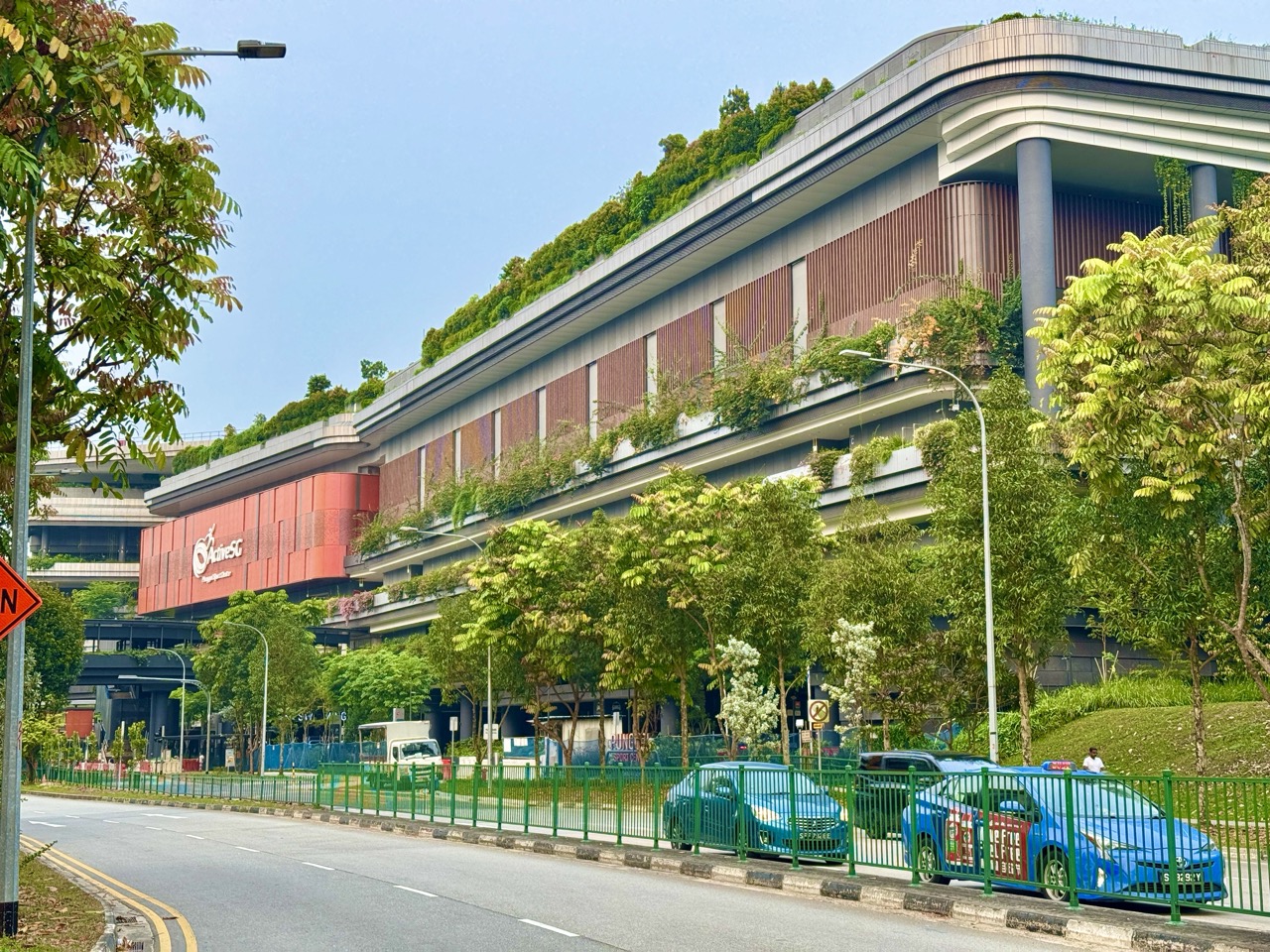
Badminton doubles low-serve and return practice can be organised on a confirmed court at ActiveSG Punggol Sport Hall, Level 3 of Punggol Sport Centre, 11 Sentul Crescent, Singapore 828656. A 30 October 2026 first-hand visit reported thirteen badminton courts in the Indoor Sport Hall, with court bookings offered during the late-October soft launch. Reserve the correct badminton slot through MyActiveSG+, verify the live price and rules, and leave time for court handover. This is a usable venue for practice, not a promise that any particular session is vacant.
Low serving in doubles is about sending a legal, controlled shuttle diagonally over the net into the receiver’s service court, often with minimal height above the tape. The receiving pair needs to be ready for a short shuttle without jumping prematurely, while the serving pair should be prepared for the first reply. In badminton’s 2026 rules, the whole shuttle must be below 1.15 metres at service contact; some older explanatory webpages still use the outdated ‘below the waist’ shorthand. This article gives practical drills, positioning ideas and clear rules rather than repeating our Punggol first-match, overhead-clear or front-court net-shot articles.
- Venue: Punggol Sport Hall, Level 3, 11 Sentul Crescent, Singapore 828656; verify the actual court number.
- Booking: badminton-specific reservation through https://activesg.gov.sg/; court availability and charges change.
- Learning goal: accurate, controlled doubles low serve and purposeful return of serve.
- Current law: the 2025 BWF Laws apply in November 2026; a fixed 1.15-metre service-height provision is used, not the old waist definition.
- Service direction: diagonal into the receiver’s correct service court; right side when serving-side score is even, left when odd.
- Receiving: the diagonally opposite designated receiver must return service; the receiving pair does not swap positions randomly between points.
- First drill: calm, legal low serves to a broad target with the receiver ready and balanced.
- Next drill: safe controlled returns to useful open spaces, with both partners recovering after contact.
- Safety: no abrupt lunges at a beginner’s face, no premature movement before service, and no loose shuttles underfoot.
- Official rule reference: https://www.worldbadminton.com/rules/rules_2025.htm and https://www.activesgcircle.gov.sg/learn/badminton/simplified-badminton-rules-and-regulations

Definition lock: the low serve and return are the first two strokes
A doubles low serve is a service intended to travel close over the net and land within the correct diagonally opposite service court. Its tactical purpose is often to limit the receiver’s immediate attacking opportunity. The return of serve is the receiver’s first strike after service, and it can be directed into different legal areas depending on the shuttle’s flight and the positions of the serving pair. Both movements are governed by service law and ordinary rally rules.
The distinction matters because a low serve is not simply a soft net shot performed from anywhere. A service begins a point, has required starting positions, height conditions and a specific receiver. A net shot during the rally has different circumstances. Learning the first two strokes in sequence helps a pair anticipate how the rally will develop instead of treating them as disconnected individual skills.
Why practise this at Punggol’s indoor badminton hall
TheSmartLocal’s 30 October walkthrough located the Indoor Sport Hall on Level 3 and described thirteen badminton courts. A properly marked indoor badminton court provides the service lines, net and space required for legitimate practice. The hall is different from sheltered tennis and pickleball facilities on the same level and from outdoor neighbourhood courts. Select the relevant Badminton product rather than assuming any available net will do.
Indoor play also removes much of the wind variability of an open outdoor court, which is helpful for a low shuttle trajectory. But a busy hall still requires awareness of other players, loose shuttles and booking boundaries. It does not automatically include a coach or reserved feeding equipment. A simple, thoughtful plan makes better use of the local venue.
The 2026 laws need accurate wording
An important detail for an honest guide is the change in service-height language. The badminton Laws applicable in November 2026, as amended in 2025, require the whole shuttle to be below 1.15 metres at the instant the racquet hits it. The former ‘below the waist’ language was superseded for standard BWF laws after fixed-height service changes. Some older ActiveSG learning pages still use waist wording, so check the actual applicable law for formal competitions.
Recreational play may use simplified learning arrangements, but those should not be mistaken for the full official rulebook. Other service requirements include releasing the shuttle without deliberately adding spin, initially contacting its base and maintaining appropriate foot positions. A beginner need not act as a professional service judge, yet should learn the correct framework rather than relying on outdated slogans.
Know the short service line
In doubles, the shuttle must land at or beyond the opponent’s short service line, within the correct diagonal service court. A low serve that lands before this line is a fault even if the trajectory looks beautifully tight. The wider doubles court also has a long service line for doubles that is closer than the full rear boundary. Both limits matter for legal service placement.
Before practising, walk around your booked court and identify the short service line, centre line, sidelines and long service line for doubles. A newcomer who understands these boundaries can give useful feedback to a partner. Accuracy begins with knowing where a legal shuttle must land, not only how close it travels to the tape.
Right service court for an even serving score
Under the applicable doubles rule, the serving side uses its right service court when its score is zero or an even number. When the serving side has an odd score, the server serves from the left service court. The selected receiver stands diagonally opposite. This scoring-dependent service position can be confusing when two people are learning together, but a simple paper note can make it understandable.
Say the serving side’s score aloud before each learning serve. Then point to the correct service court. Do not move players randomly simply because the previous rally ended with a different winner. Official doubles positioning involves a defined service sequence; a recreational drill may simplify it only if the participants agree that they are practising rather than playing a formal game.
A single server continues after winning a point
In ordinary rally-point doubles scoring, if the serving team wins a rally, it scores a point and the same server serves again from the alternate service court. The serving pair’s relative positions change according to the point and rule. If the receiving pair wins the rally, it gains a point and becomes the serving side. There is no automatic second server for the losing team within that one rally.
This explains why the serving order cannot simply be ‘A, B, C, D’ on every new point without considering who won. For a full match, learn the official rotation. For a short technique drill, players may intentionally take turns delivering a set number of low serves, but they should call that a practice sequence, not official scoring.
The diagonally opposite player is the receiver
At the moment of service, the player standing diagonally opposite the server in the correct receiving service court is the designated receiver. The receiver’s partner should not strike the serve simply because it seems easier to reach. Once the service has been legally returned and a rally continues, either teammate may make subsequent shots from their side under ordinary doubles rules.
Practise this distinction explicitly. The receiving pair can point out who is responsible before the serve, then allow the rally to continue normally afterward. This prevents a common source of novice arguments: one partner intercepting the incoming serve and both players believing the action was legal. A little clarity before play saves a great deal of confusion.
Keep the feet legal at the start of service
The applicable laws require the server and receiver to stand in their respective diagonal service courts without touching boundary lines. Some part of both feet must remain in contact with the surface in a stationary position from the start of service until delivery. The precise timing and definitions should follow the governing rulebook and any event-specific instructions.
A beginner can rehearse standing comfortably within the correct court and serving from a balanced base. Do not creep forwards while waiting or try to gain extra distance by standing on the service line. The lesson is not to police a friendly match obsessively, but to build accurate habits that will remain useful when the group chooses to play more seriously.
The receiver must be ready
A server should not deliver before the receiver is ready under the laws. However, attempting to return a serve may indicate readiness. A casual group should communicate calmly rather than surprise someone who is tying a shoe or retrieving a shuttle. A reliable serve drill begins only after both sides understand that the next shuttle is live.
Teach players to pause and confirm readiness before the delivery. Do not exploit confusion or use a deliberately rushed start as a competitive trick. A safe recreational group is more interested in meaningful rallies than in winning a point by catching an unprepared newcomer off guard.
What a low serve is trying to achieve
A low serve generally seeks to travel close to the tape and arrive around the front of the correct service box, making a strong downward return more difficult. BWF coaching materials describe low central serving as a common doubles tactic because it can reduce some receiving angles. But the exact best placement depends on the opponent’s position, ability and readiness.
Beginners should first achieve legal trajectory and consistent landing rather than aim within a few centimetres of the tape. A serve that barely clears but falls short of the service line is still a fault. A slightly higher legal serve may be a sensible early goal if it allows a real rally to begin. Practice can gradually refine the flight.
Start with a soft, predictable service action
A beginner may grip the shuttle too tightly or make a rushed racquet movement that sends it high or into the net. Begin with the racket and shuttle in a comfortable legal starting position. Use a small controlled forward movement rather than trying to generate power. The exact stroke mechanics should follow a competent instructor’s demonstration and the rulebook’s contact requirements.
Do not force an awkward wrist position merely because another player’s service looks distinctive. A consistent motion that lands legally is more useful than imitating a national athlete’s technique without understanding it. Develop feel through calm repetition and gradually adjust height and direction.
Why a high low-serve attempt becomes attackable
A shuttle that passes far above the net may give the receiver time and space to make an aggressive return. That does not necessarily make the serve illegal if it lands in the correct service court, but it may defeat the tactical purpose of serving low. The goal of practice is therefore both legality and reducing an easy attacking angle.
Ask the receiver to provide honest, manageable feedback. Could they strike the shuttle down comfortably, or did they need to lift it? A low serve should become harder to attack as control improves. Do not turn that observation into permission for the receiver to hit full-power shuttles at a beginner’s face.
A serve that falls short is still a fault
A player focused only on clearing the tape may drop the shuttle before it reaches the short service line. Under formal rules, the serve must land in the correct service court, including its legal boundary lines. Beginners should not celebrate a service solely because it looked tight. Contact, flight and final landing all matter.
Use a broad legal target near the front of the service box to begin. When the player can land there consistently, gradually refine the height. Aim for repeatability rather than the narrowest possible result from a single attempt. A good practice goal is several consecutive legal services with comfortable control.
The broad-target drill
A pair can use one side of the booked badminton court to practise low serves into a generous target region of the correct service box. If markers are permitted, they must not create trip hazards or damage the floor; visual line references may be sufficient. The receiver waits and observes the trajectory without attacking every shuttle. After a manageable short set, partners change roles.
Record how many serves land legally and which misses are too high, short or wide. This separates accuracy from aggressiveness. A beginner who improves from unpredictable delivery to steady legal service has made meaningful progress even before the shuttle crosses only a small margin over the net.
A simple service-height learning check
The fixed 1.15-metre rule is a formal service-contact requirement, not an instruction for each player to draw a permanent line on the sports hall wall. Do not attach tape, place obstacles or build measuring equipment on ActiveSG facilities without permission. A coach or qualified official can explain the relevant standard and demonstrate legal contact.
For a recreational family session, the key is not inventing your own measurement. Learn the rules from an authoritative source, practise a suitable action and avoid obviously illegal high contact. If participating in competition, follow its official service judging process. Respecting the exact facility means leaving its fixtures untouched.
Why intentionally spinning the shuttle on release is prohibited
The applicable 2025 BWF law requires the server to release the shuttle without adding spin and to initially strike its base. This addresses the modern spinning-serve issue rather than permitting a player to pinch or twist the shuttle deliberately before contact. A beginner should not attempt controversial serve tricks from a social-media clip and assume they are legal.
Use a straightforward release and contact the cork or base as required. If your practice partner does not understand the rule, consult the published laws rather than arguing about a video. Accurate basics are more valuable than exploiting a supposed loophole. A legal, reproducible low serve helps the game begin fairly.
What a flick serve does differently
A flick serve is another legal tactical option that sends the shuttle deeper, potentially catching a receiver who is positioned aggressively near the front. BWF coaching materials describe this as a variation from the common low serve. A flick requires appropriate technical control and legal contact. It should not be attempted wildly at a beginner who is expecting only a gentle low feed.
The first focus of this guide remains the low serve. Once that is reliable, players can learn an appropriate flick variation from a qualified coach. Announce changes during introductory practice to avoid surprising someone into unsafe movements. Tactical deception is useful within the rules and suitable play, not when it creates unnecessary injury risks.
Receiving position balances reach and safety
The receiver wants to reach a low serve early, but standing too far forward may make a legal flick serve difficult to cover. BWF coaching resources describe choosing a position according to the receiver’s ability and the server’s options. Beginners can start from a comfortable balanced stance within the correct service court, avoiding extreme lunges and premature movement.
Try several gentle services while the receiver notices whether the front can be reached without falling forwards. A player with limited reach may stand a little deeper and accept a different tactical trade-off. There is no universal foot position suitable for every age and experience. Appropriate ready positioning matters more than looking aggressive.
Keep the racquet ready without obstructing the view
The receiver can prepare the racquet so a soft incoming shuttle can be contacted with reasonable control. The receiving partner must not deliberately obscure the server or receiver under the rules. Players should avoid waving racquets near another person’s face while waiting. A predictable, safe stance makes the first return easier.
Practise watching the shuttle’s release and flight rather than guessing the exact contact moment. A beginner who starts moving too soon may be out of balance when the serve arrives. The objective is appropriate readiness: alert, stationary as required and prepared to move after legal delivery.
The first return can be gentle and purposeful
A receiving player may return a low serve to an open space or place it in a manner that puts the serving side under pressure. The specific option depends on shuttle height, angle and player ability. A soft controlled push into a useful part of the opponent’s court can be a good early skill. A reckless full-force strike at close range may be neither safe nor effective for a beginner.
Have the server and receiver practise a predictable exchange before adding tactics. The receiver should aim for a legal area and recover without stepping into another player. A return that creates a rally teaches more than one powerful attempt that immediately goes out.
Recognise the returner’s three broad choices
A low serve may invite a short controlled reply near the net, a push towards a gap or a lift into the rear court when the shuttle is difficult to attack. These are broad tactical categories, not a guarantee that any choice is always best. The receiver needs to assess height, balance, opponents’ positions and their own skill.
Begin by practising one choice with a comfortable feed. Later, vary the receiving action deliberately. The server can observe how the different returns change the next movement. A learning drill should build understanding of cause and effect, not demand professional tactical mastery at once.
Receiving to the centre can create decisions
In doubles, a return into a space between opponents may force them to communicate. But not every centre return is effective: its usefulness depends on height, speed and the pair’s formation. A high slow shuttle in the centre may be easily attacked by an experienced player. A low controlled return can create a different problem.
Teach receivers to aim at a broad safe area rather than an opponent’s face or body. Use cooperative feeds and discuss what each reply asked the other side to do. The purpose is recognising court space, not trying to hurt someone with a fast shuttle from close range.
Wide returns can move the serving pair
An accurately placed return towards a side gap may pull a serving player away from the centre and open another region for the next shot. The correct direction depends on the receiving position and the opponents’ layout. BWF coaching material describes using gaps as an early learning tactic for service returns.
Start with gentle purposeful placement before increasing speed. A beginner who tries to place every return on the sideline may hit many shuttles out. Use a broad legal region and build confidence. The team becomes better by controlling where the shuttle travels, not by chasing dramatic precision immediately.
A deep lift is sometimes the safer return
A low serve that arrives below a comfortable attacking height may force the receiver to choose a lift into the back court. That is not automatically a poor decision. A well-placed deep lift can create time and require the opponent to move. A short high lift, however, may give the serving pair an easy overhead opportunity.
Practise choosing the lift when a gentle net or push return is not manageable. The goal is to make a deliberate defensive choice rather than force an aggressive strike from an awkward position. A good receiver uses what the incoming shuttle allows.
The serving partner must anticipate the return
After the serve, the server’s partner should already understand the agreed general formation and be ready for a possible lift, push or attacking return. A low serve is not a complete tactical action on its own. The serving pair gains value from communicating and covering the next ball. Exact positions vary with the players and formation.
Practice the full sequence: legal low serve, controlled return and one more shot from the serving side. Stop after the third contact if needed to discuss whether the pair was balanced. This connects the technical serve to actual doubles teamwork without turning the drill into a full tournament.
Do not rush forwards blindly after serving
A beginner may assume a low serve always requires the server to step aggressively towards the net. In reality, the appropriate next movement depends on the return and the partner’s position. A very fast push or lift may demand another response. The server should remain balanced, keep the racquet ready and avoid colliding with the partner.
Use a slow drill with one deliberate recovery step and an observed next shot. Do not make players sprint merely because the first serve looked good. Good anticipation involves reading the opponent’s actual response, not following a memorised movement regardless of circumstances.
The service-return drill for four players
Arrange two pairs on one legitimate court. One player serves low, the designated receiver plays a gentle planned return, and the server’s partner responds with a controlled third shot. After a short number of repetitions, rotate roles while respecting the doubles starting positions. This teaches all four players how the first three contacts relate.
Keep the feeds cooperative at first. Everyone should know the intended trajectory, and nobody should target the face or use a surprise high-speed strike. A partner whose skill is still developing may need a simpler return. The drill should generate useful communication rather than tension over who is responsible.
A ten-minute low-serve accuracy block
Spend a brief warm-up on comfortable body movement, then practise legal low serves from the right and left service courts. Use a broad target and count landings rather than match points. Allow the receiver to remain stationary or make gentle returns according to the agreed drill. The time is an illustrative learning block, not an official ActiveSG class.
A short session can be entirely successful if the server understands the correct service box and begins to control the shuttle’s height. Do not increase power or introduce flick deception merely because a few consecutive serves landed. Consistency is the first skill to establish.
A twenty-minute serve-and-receive block
Begin with accurate low serves, then add a single controlled return type. After both players understand the movement, alternate two return choices and ask the server’s partner to recover appropriately. Rotate roles halfway through so each person practises both serving and receiving. Keep the drills within the paid court and allow time for shuttle collection.
The purpose is a reliable first exchange. A beginner who can make a legal low serve and receive a gentle return without rushing has made genuine progress. Complex rotations can be discussed later. Use feedback on placement and balance rather than making the activity a high-pressure contest.
A full-hour mixed-ability doubles practice
Four friends can begin with warm-up and court orientation, spend a focused period on service rules and controlled returns, then play brief friendly games. If the group includes a complete newcomer, reduce pace and explain the scoring positions before every practice block. Do not allow one experienced player to dominate all the serving repetitions.
Leave enough time for water, ordinary rest and clearing the court. If an official-style game remains unfinished, stop when the booking ends. The next group’s access matters. A well-planned hour creates repeatable skills and positive experience without needing an elaborate training programme.
Why a serve should not begin while another player retrieves shuttles
Low-serve drills can generate many loose shuttles near the service line. A person bending to collect one may be directly in the next flight path. Pause service until the correct receiving court and surrounding movement areas are clear. Keep spare shuttles in a container instead of scattered across the floor.
An enthusiastic server who continues striking while someone retrieves equipment creates unnecessary risk. Good badminton practice includes predictable pauses and clear readiness calls. These habits are especially important in a busy Level 3 hall with multiple adjacent court bookings.
Indoor hall etiquette is part of the session
With many badminton courts operating nearby, shuttles can cross lines and interrupt another rally. Do not run into the neighbouring court to retrieve one. Wait until their play is safe and communicate politely. Keep bags, towels and bottles in approved locations rather than near footwork routes.
Respect the operator’s court time and current photography rules. A phone or tripod should not obstruct a service line or capture unrelated users without permission. The quality of public sport depends on considerate behaviour as well as technical skill. A good practice partner protects the playing environment for everyone.
Young players need suitable service instruction
Children may find a standard adult doubles low serve difficult at first because of reach, coordination or racquet size. A qualified coach may adapt equipment and learning activities appropriately. Parents should not force a child to make a powerful delivery or serve at an uncomfortable height. The legal competition standard and the ideal teaching task are not always identical.
Start with understanding diagonal direction, stable feet and gentle controlled contact. The child can progress to more precise service height when ready. Avoid turning every missed shuttle into criticism. The purpose is learning a safe, enjoyable skill that can be built on later.
Adults returning to badminton should reduce intensity
A former school player may remember low-serving tactics but find their balance, vision or movement different after years away. Begin with an easy practice and check that footwear and racquet grip are suitable. A demanding receiving lunge can aggravate existing ankle, knee or hip problems. People with relevant conditions should follow individual professional guidance.
The best return to sport is one that can be repeated. A short serve-and-receive session may provide enough interest without the strain of a long competitive doubles match. There is no need to prove that past speed has survived unchanged.
Why discomfort and loss of balance are stop signs
Sharp pain, dizziness, chest discomfort, severe unusual breathlessness or instability during a receiving lunge require stopping and seeking appropriate help. A public-court guide cannot diagnose an injury or decide whether a participant should continue. Similarly, a damaged racquet or slippery court surface makes a drill unsuitable until resolved.
Do not push through warnings to finish a counted number of serves. Technical practice is useful only when the person can control the movement safely. A missed training target is trivial compared with a preventable injury. Good judgement is one of the skills sport should build.
The fixed-height rule should not become an argument trap
Formal matches use a precise service-contact rule, but an ordinary family practice cannot necessarily measure the shuttle height exactly. Do not attempt to attach markings to the facility or accuse someone of cheating based on an unsupported visual guess. Learn the correct principle, use suitable demonstrations and seek qualified judgement where necessary.
If a recreational group wants to simplify service practice for a young beginner, it may do so by clear agreement, but should not describe the result as formal competition. The important distinction is between learning a movement and applying the exact laws in a sanctioned match. Accurate language keeps both activities honest.
Beware of rules that change between seasons
Badminton’s governing laws evolve. As of 1 November 2026, the 2025 BWF laws are the applicable text, including the scoring and service rules discussed here. A separate amended rules version has been scheduled to take effect in January 2027. An article intended for future years should therefore link to the official current text and avoid treating the 2026 rules as permanent.
The teaching principle remains valuable across versions: verify the law that governs your actual event. Recreational players can agree on a clear learning format, but competitions follow their organiser and governing rules. Updating this factual distinction is part of keeping a useful Punggol sports guide trustworthy.
A four-week serve-and-receive progression
Week one can focus on accurate diagonal low serves and understanding service courts. Week two may add a gentle receiving movement and broad return placement. Week three can practise serve, return and third-shot recovery for both partners. Week four can integrate those skills into short friendly games using the applicable current rules. This is an illustrative plan, not an official ActiveSG programme.
Repeat a week when the players need more time. A pair may become more confident without increasing shuttle speed at all. Record small observations: fewer high serves, clearer receiving order and better first-step balance. Progress means understanding and control, not just winning points.
Five mistakes that can be fixed separately
First, serving to the wrong diagonal box is a rule-reading problem. Second, clearing the tape but landing before the short service line is a placement problem. Third, holding the shuttle with deliberate added spin raises a legality problem. Fourth, a receiver moving before service may create a foot-position problem. Fifth, a serving partner standing unprepared for the return creates a teamwork problem.
Each requires a different correction. Avoid shouting ‘concentrate’ after every error. Instead, explain the relevant line, demonstrate a lawful gentle release, practise readiness or rehearse the third shot. Clear feedback makes badminton more enjoyable and helps both pairs learn together.
Frequently asked questions
Where is the ActiveSG Punggol badminton hall? The Level 3 Indoor Sport Hall at 11 Sentul Crescent. How many courts were described at the soft launch? Thirteen, although individual booking availability can change. Is a low serve the same as a rally net shot? No, a legal service has specific starting, height and receiving requirements. Does badminton use the old ‘below the waist’ service rule? The applicable 2025 BWF laws specify a fixed height below 1.15 metres for the whole shuttle at contact.
Where do I serve when my side has an even score? From the right service court. Who receives? The diagonally opposite designated receiver. Can my partner hit the serve instead? Not under ordinary doubles law. How many points are in a 2026 game? The applicable 2025 laws use games to 21, with two-point deuce and a maximum of 30. Does my booking include coaching? No such inclusion is assumed; verify any separate authorised programme.
Sources and Your Next Step
The venue is documented in https://www.worldbadminton.com/rules/rules_2025.htm‘>2025 BWF Laws of Badminton, especially Laws 9 and 11. For approachable doubles explanations, see https://www.badmintonengland.co.uk/‘>Badminton England. Book only through https://edukatepunggol.com/2026/11/01/things-to-do-at-activesg-punggol-badminton-net-shots-front-court-footwork/‘>our badminton net-shot guide.


