
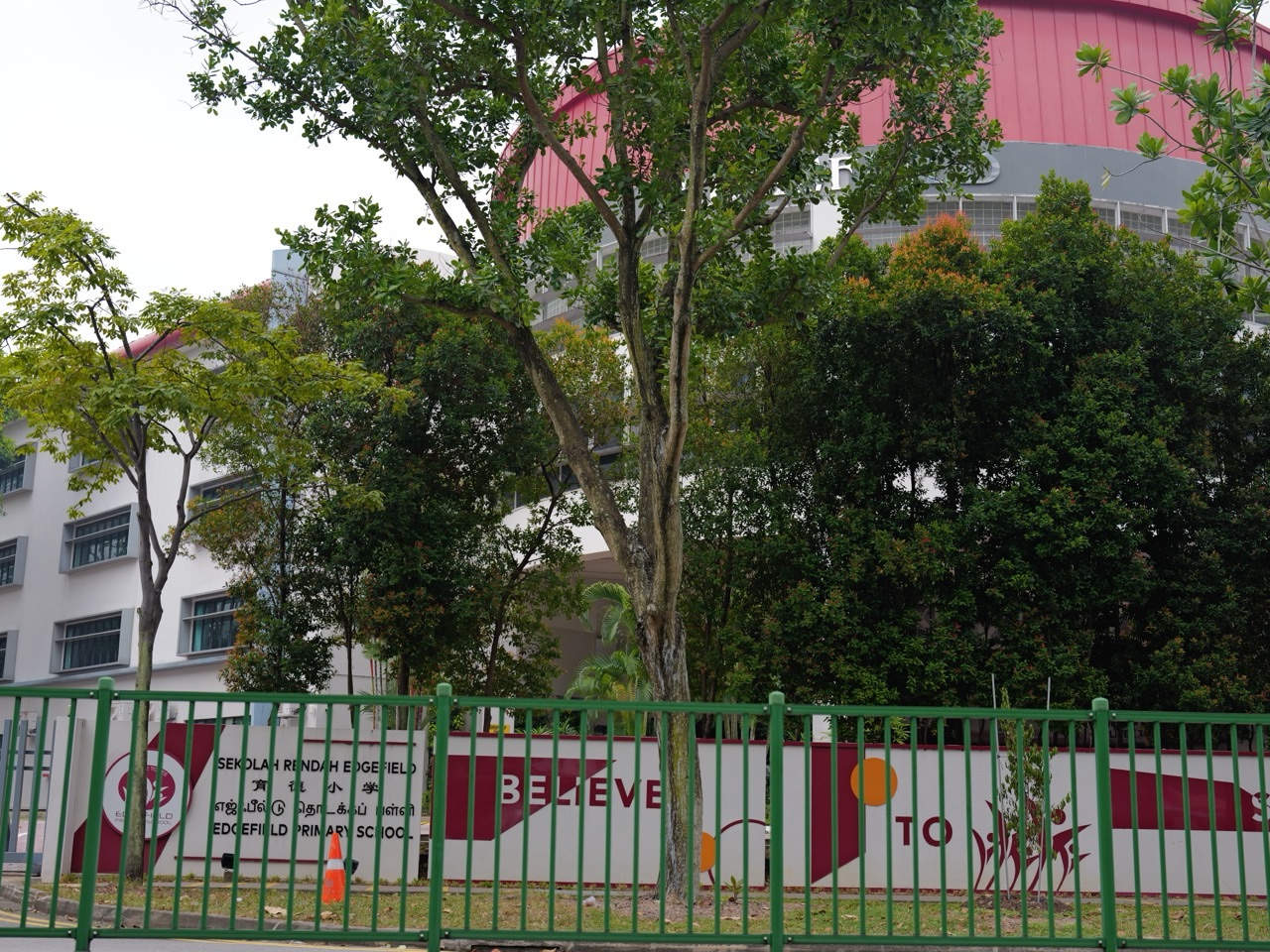
Schools and education at Punggol develop student leadership through everyday responsibility, fair participation and meaningful service, not only prefect badges or committee titles. Singapore’s Primary Character and Citizenship Education framework includes Student Leadership Development and Values in Action (VIA), which help pupils practise values through real experiences in school, family and community life. A child who listens carefully, completes an agreed task, seeks permission before acting and reflects on the result is building a valuable leadership foundation even without a formal appointment.
This practical Punggol guide explains how parents can help children recognise responsible initiative, participate fairly in classroom roles, represent others accurately, plan modest service contributions and protect privacy and safety. It distinguishes national CCE aims from individual schools’ leadership structures, which vary. The worked scenarios are fictional teaching examples, not reported projects at named Punggol schools. The aim is a child who can make sound decisions, serve others respectfully and learn from feedback without turning every kind action into a competition for recognition.
- MOE context: primary Character and Citizenship Education, Student Leadership Development and Values in Action.
- Leadership begins with reliability, care and responsibility rather than a title.
- Take initiative only within your actual authority; obtain school or organisation permission where necessary.
- Class roles should give meaningful learning opportunities, with appropriate rotation and access.
- Represent classmates’ views honestly; distinguish your own opinion from verified group input.
- Begin service projects with a real need and respect the dignity of people receiving help.
- Keep small projects safe, affordable and measurable without inventing impact statistics.
- Leadership does not authorise students to act as disciplinarians or counsellors.
- Use observable feedback about actions, not permanent personality labels.
- Check each Punggol school’s current appointments, CCA and VIA arrangements directly.
Definition lock: leadership, VIA and responsibility
Student leadership is the development and use of capabilities that help a learner act responsibly, influence others constructively and contribute to shared purposes. Everyday responsibility is reliable action within an understood role, often without public recognition. Values in Action is an MOE Character and Citizenship Education learning experience for practising values and contributing meaningfully. Service learning involves action, reflection and understanding of the community need. These ideas overlap, but a school leadership title, a single volunteer event and genuine character development should not be treated as identical measures.
A practical responsibility ladder
- Notice: identify one task or need without inventing a story about other people.
- Ask: determine who is responsible and whether permission is required.
- Plan: state the goal, materials, time, people affected and safeguards.
- Act: carry out only what is authorised and appropriate to the child’s age.
- Check: identify what actually changed, not merely what was intended.
- Reflect: name a repair, a limitation and one skill to carry into the next task.

1. Leadership starts with responsibility, not a title
A child can show leadership without wearing a badge, chairing a committee or collecting certificates. When a pupil notices that classmates cannot find the instructions and respectfully asks for clarification, the child has taken a small responsible step that can help others. When another pupil returns borrowed materials without prompting, that action supports the shared environment. These behaviours are different from formal student-leader appointments, yet they are meaningful examples of initiative, reliability and care.
MOE’s Primary Character and Citizenship Education syllabus identifies Student Leadership Development and Values in Action among key student development experiences. It also treats everyday responsibilities as part of values learning. The educational purpose is wider than creating a small group of children who hold official positions. Schools can encourage students to understand their obligations as members of a class, family and community; specific appointments and structures vary by school.
A teachable decision for a child
A useful parent question is ‘What responsibility can you carry through even when nobody is watching?’ The answer might involve preparing a school bag, checking an agreed class duty or noticing when someone needs assistance. This is more productive than asking whether the child has become a prefect. The child should learn that responsibility involves reliable action toward an appropriate goal, not constant supervision or public praise.
Some families unintentionally equate leadership with talking more loudly or volunteering first for every role. That can overlook careful listening, preparation and follow-through. The learner who identifies an error in a group plan, presents a clear alternative and helps the team test it may contribute more than the person who speaks for ten minutes. The task is to connect influence with benefit to others rather than appearance or charisma.
Common mistakes and a changed-context check
A simple exercise gives the child one manageable home responsibility for a week. Agree on what completion means, what resources are available and when help should be requested. Do not make the responsibility so large that failure is inevitable. At the end, ask what went smoothly, which obstacle appeared and what the child did when the plan changed. These questions teach reliability and reflection instead of creating another rewards chart.
Try the same principle in an unfamiliar situation: a library book is misplaced before a family outing. A child can acknowledge the issue, help search safely and communicate the problem calmly without inventing excuses. They have demonstrated a leadership habit even if an adult must complete the official library enquiry. Responsibility means taking the right action within one’s actual authority.
2. Initiative requires knowing your limits and seeking permission
Taking initiative is often celebrated, but not every independent action is appropriate. A child may want to reorganise classroom shelves, collect money for a cause or post a public announcement. Those ideas can be generous, yet they involve other people’s property, safety, privacy or institutional rules. Effective leadership includes recognising what requires teacher approval, who is affected and when an adult must take responsibility.
Teach a three-question checkpoint before beginning a project: ‘Is this my decision to make?’, ‘Who else could be affected?’ and ‘What permission or information is required?’ The pupil should not interpret this as an instruction never to act independently. It helps them select actions they can carry out responsibly while understanding that good intentions do not override rules or other people’s consent.
A teachable decision for a child
For a fictional school project, a child proposes creating a notice reminding classmates to conserve paper. Designing a draft is an appropriate independent action. Putting notices on a school wall may require approval. Changing classroom supplies or collecting classmates’ names would involve further responsibilities. The pupil can learn to present a proposal, explain its purpose and ask the teacher which steps are authorised.
A common mistake is praising rule-breaking because the outcome appears helpful. For example, taking another person’s belongings to ‘tidy’ the room can cause confusion or loss even if the intention was good. Adults should distinguish the positive intention from the inappropriate method. Ask the pupil to propose an alternative that protects ownership and consent while pursuing the same purpose.
Common mistakes and a changed-context check
Initiative also includes deciding when not to intervene directly. A student who witnesses a safety concern should seek the appropriate adult rather than attempting a risky rescue beyond their capability. Similarly, bullying or serious conflict should be reported through trusted school channels, not managed by a child appointed as an unofficial investigator. Moral courage can mean telling an adult accurately rather than confronting a difficult situation alone.
For transfer, give the learner three invented proposals: draw a recycling reminder at home, collect donations from classmates, or move an obstacle off a busy road. Ask which can be done independently, which needs permission and which is unsafe. A strong response identifies the boundary and a responsible next step rather than simply ranking the intentions.
3. Classroom responsibilities can be designed to teach, not merely assign work
Small classroom duties are opportunities to practise planning, coordination and fairness when the tasks are structured thoughtfully. A child who distributes materials might need to count accurately, communicate clearly and notice when someone is absent. Another who helps organise a display may practise following instructions and respecting classmates’ work. These are real skills, but they should not be treated as proof of superior character in the pupil who happens to receive the role.
Role allocation matters. When the same confident child repeatedly leads and the same reserved child repeatedly handles routine cleaning, students receive unequal opportunities. Rotation can offer different learning experiences while allowing sensible adaptations. The objective is meaningful participation and safe responsibility, not a rigid rule that every student must perform every role identically regardless of access needs.
A teachable decision for a child
A useful class-role example is a fictional book-collection system. One student checks the list of materials, another confirms the count, a third notices whether labels are clear and a fourth reports a missing item privately to the responsible teacher. The exercise teaches that cooperation depends on accurately passing information and completing the shared goal. It is not an invitation to publicly blame whoever last handled the books.
Adults should describe each task in terms of observable action: ‘Confirm that ten activity cards are present’ is clearer than ‘Be a good leader’. A specific objective lets the child know when to ask for help or report a difficulty. If a pupil makes a mistake, the correction should address the checking routine, the handover or the instructions rather than assigning a personality label.
Common mistakes and a changed-context check
An important distinction is between responsibility and authority. A pupil who carries a class record should not automatically have access to classmates’ private contact information or the power to impose punishments. Schools set appropriate boundaries. Parents should not encourage their child to use a role to obtain information or influence that was not granted. Respect for privacy is part of becoming trustworthy.
Ask a child who completed a class duty what they would change to make the process fairer and clearer next time. Then offer a changed home task, such as preparing a shared table with a sibling. Can the pupil use the same planning and handover habits without the classroom role title? That transfer reveals learning that extends beyond the original job.
4. Listen before claiming to represent classmates
Student leaders are sometimes invited to express views on behalf of others. Representing a group is not the same as announcing one’s own preference using the word ‘we’. A responsible pupil should distinguish personal opinion, what was actually asked of classmates and what the group has formally agreed to share. This distinction becomes increasingly important as children take part in class councils, school committees and later community discussion.
Imagine a class representative says, ‘Everyone wants longer recess.’ The student may have heard several friends express that wish, but cannot know what every child thinks without appropriate information. A more accurate statement would be, ‘A few classmates told me they would like more time, and I have not asked the whole class.’ The second statement is less dramatic but more trustworthy. Accuracy is a form of respect for people who have not spoken.
A teachable decision for a child
A beginner’s listening routine can use three steps: invite a viewpoint, restate the meaning fairly and ask whether the summary is accurate. Children should not be expected to conduct formal surveys or store classmates’ personal answers without school approval. A short teacher-led discussion may be more appropriate. The learning target is thoughtful listening and honest reporting, not collecting a dataset.
Different opinions can coexist. One child may want more active games during a break while another values quiet time. Neither should be presented as disloyal to the class. A student leader can name the trade-off and ask what arrangement would meet reasonable needs within school rules. This is a stronger leadership move than insisting that the majority’s preference automatically solves every problem.
Common mistakes and a changed-context check
Families can practise with ordinary decisions. Ask two family members how they would like to spend a free afternoon, then let the child summarise the preferences without inventing extra details. The child can propose a plan, but must label which part is a personal recommendation. If one person objects, a good response is to ask which need the plan overlooked rather than declare the disagreement inconvenient.
The transfer test is a new fictional school situation where classmates have different views about organising a shared reading area. Can the student distinguish a fact, a personal view and a group preference that has not yet been verified? If yes, they are developing trustworthy representation rather than a rehearsed leadership speech.
5. Values in Action should respond to a real need
Values in Action, often abbreviated VIA, is intended to connect values with meaningful contribution in family, school and community life. A well-designed experience does not begin with the question, ‘What activity will look impressive in a photograph?’ It begins with a specific need, a suitable contribution and an opportunity to reflect on whether the action was helpful. Children should understand that service is not proof of superiority over the people receiving it.
Suppose pupils want to help people who use a shared library area. Before acting, they should understand the venue’s actual rules, the needs identified by responsible staff and what is appropriate for children to do. Inventing a service project and arriving without permission may inconvenience the institution. For family-level practice, an ordinary act such as returning household items, sorting one’s own books or helping a family member locate an accessible public resource can teach the same underlying care and responsibility.
A teachable decision for a child
Service learning should preserve the dignity of other people. Do not photograph recipients of help without consent or publish details of someone else’s financial, medical or family circumstances. Children need to learn that a person’s difficult situation is not a prop for earning a badge. In a genuine school project, teachers and partner organisations establish the permitted activities and safeguarding arrangements. The family can reinforce respect without pretending to organise the official programme.
An important question is whether the proposed action addresses the stated problem. A child may think that making a large number of colourful posters automatically helps. But if the actual need concerns clearer instructions, a simpler verified notice may be more useful. If the issue is lack of access to a service, posters alone may not address it. Teach students to listen to the partner’s description before designing the response.
Common mistakes and a changed-context check
Reflection should explore both action and attitude. Ask what the child observed, what permission was necessary, how the contribution was received and whether an unintended inconvenience occurred. Avoid forcing a sentimental conclusion. A student may discover that the best service was to stop an ineffective activity and ask how to help more appropriately next time. That is a mature outcome.
For an independent transfer, give the pupil an imagined scenario where a community group requests help organising permitted materials for an event. Ask what specific task a child can perform, how consent and safety would work and what result would indicate genuine benefit. The child’s plan should include a way to learn from the organisers rather than simply count completed items.
6. A small improvement project needs a clear beginning and end
Children may encounter leadership projects that sound far larger than they can reasonably manage. The best introductory projects often have a modest, observable goal: clarify an instruction, reduce confusion about shared materials or create a safe way for group members to participate. A defined beginning and end help children experience planning, action and review without treating the task as an indefinite obligation.
A fictional Primary 4 group notices that classmates sometimes mix clean paper for reuse with paper intended for recycling. The students could ask the teacher whether the issue is real, propose two clearly labelled trays and test whether the instructions are understandable. They should not redesign the school’s waste process independently or claim an environmental impact that was not measured. A small trial becomes educational when its assumptions and limitations are explicit.
A teachable decision for a child
Plan the project on one page: problem, permission needed, people affected, action, evidence of whether it helped and review date. This is not bureaucratic paperwork for its own sake. It makes the reasoning visible and prevents a vague request to ‘show leadership’ from becoming a race for unrelated tasks. The child should be able to explain each field in their own words.
Estimation and resource management matter even in a small school project. How much time is available? Will the proposal occupy shared space? Does it require additional materials or ongoing maintenance? A student who answers these questions may decide to use an existing container with a temporary label rather than asking for new purchases. Responsible leadership includes careful use of limited resources.
Common mistakes and a changed-context check
An error can be useful if reviewed honestly. Perhaps the labels are unclear to younger readers. Rather than blaming classmates, the group can ask a teacher for feedback, change the wording and test whether the second version is easier to understand. This models iterative improvement. The child should distinguish the observation that some people were confused from the inference that people were not trying.
Transfer the approach to an unfamiliar family task, such as reducing the number of misplaced stationery items at a shared table. Can the learner define the problem, propose a small permitted change, observe the result and stop when the goal has been met? The underlying method is initiative with boundaries, not the particular school project.
7. Fairness means participation and dignity, not identical roles
A child can be proud of helping others and still need to learn how power affects relationships. A prefect, committee member or experienced pupil may be given responsibilities that classmates do not have. That role creates obligations to act fairly and respect boundaries; it does not make the holder more important as a person. Leadership education should help children recognise how their actions affect those with less influence in a particular situation.
Consider a group project in which the most confident student chooses the topic, assigns the work and presents the result without checking others’ understanding. The project may meet its deadline, but the process has concentrated all decisions in one person. A fairer approach invites alternatives, makes the goal explicit and rotates meaningful responsibilities. This does not mean delaying every task until all people agree on every small detail; it means ensuring that important views can be heard appropriately.
A teachable decision for a child
Inclusion may require different methods of participation. A student who takes more time to formulate a spoken answer might contribute a written suggestion or labelled sketch. Another might need the group instructions broken into steps. The learning objective remains important, but unnecessary barriers should be removed where reasonable and according to school guidance. Children should not speculate publicly about classmates’ diagnoses or private accommodations.
A frequent misconception is that fairness always means equal numbers of speaking turns. Sometimes an individual needs more time or a different mode; sometimes the group’s task requires someone with a particular skill to act first while others learn the procedure. The better question is whether each pupil has a meaningful chance to understand and contribute, and whether the allocation can be explained respectfully.
Common mistakes and a changed-context check
Student leaders also need boundaries when peer conflict arises. They should not act as counsellors, investigators or disciplinarians unless the school has provided appropriate supervision and a clearly defined role. Serious problems belong with trusted adults and official school processes. A responsible pupil who notices a classmate in distress may offer simple support and seek help without promising secrecy they cannot safely keep.
Ask the learner to reconsider a fictional group meeting where one person has not spoken. Would a short written prompt, an invitation to respond later or a clearer question improve participation? The answer should be tailored to the task instead of assuming that every silent child has the same reason for staying quiet. This demonstrates care through thoughtful action.
8. Measure contribution without turning kindness into a score
Leadership can be weakened when every helpful action becomes another performance metric. A child may start counting compliments, photographs or certificates rather than noticing whether the action served anyone. Educators can still use evidence and reflection, but the evidence should fit the educational goal. A student who follows through reliably or repairs a misunderstanding has shown learning even when no dramatic before-and-after photograph exists.
In a hypothetical reading-corner project, evidence of progress might be that the information is clearer, fewer people ask where materials belong or users can follow the revised instructions. Yet even these observations need limits. A short informal check does not prove a lasting change for the entire school. Students should be encouraged to say what was seen, when it was seen and what further evidence would be useful.
A teachable decision for a child
Simple reflection questions are often enough: ‘What did you promise?’, ‘What did you do?’, ‘Whom did you consult?’, ‘What went differently from the plan?’ and ‘What would you change?’ Those questions encourage ownership without reducing character to a number. A child should be able to acknowledge a missed responsibility without fearing a permanent label.
Be cautious with praise. ‘You are a born leader’ can imply that leadership belongs to a fixed type of child. More useful feedback names the action: ‘You noticed that two people had not been heard and invited their views respectfully.’ This gives the learner an observable habit to repeat. Likewise, ‘You forgot the handover’ identifies something repairable without declaring a pupil unreliable for life.
Common mistakes and a changed-context check
The result of a service experience may be mixed. Perhaps the participants learned an important lesson while the practical improvement was modest. That is not permission to exaggerate the benefit in a portfolio. Teach children to distinguish what they learned from what the activity achieved for others. Honest evaluation protects the integrity of both the pupil and the organisation involved.
For transfer, present an unfamiliar case where a class representative helped resolve a timetable misunderstanding but received no recognition. Ask whether the contribution was still valuable and what evidence supports that conclusion. The response shows whether the pupil understands leadership as responsibility or only as recognition.
9. Connect primary leadership learning to secondary choices without promising a pathway
Leadership development changes as pupils move through school. A primary student may practise class responsibilities, group coordination and age-appropriate Values in Action. In secondary school, different CCA, committee and leadership opportunities may become available, with particular eligibility and commitments. These should not be confused with automatic admission advantages or a promise of a particular award. The child’s current readiness and willingness to serve remain more important than a long list of titles.
Families sometimes begin building an impressive-looking portfolio years before the child has developed a genuine interest. This can turn normal acts of service into staged evidence and discourage spontaneous care. A more sustainable approach is to notice a responsibility the child is ready for, practise it reliably and gradually introduce more complex decisions. Schools, not generic online guides, determine their appointments, programme requirements and assessment arrangements.
A teachable decision for a child
Leadership and academic learning should reinforce rather than compete with one another. A child who takes on too many duties may become tired, fall behind or resent the responsibilities that once felt meaningful. Ask whether the weekly schedule allows enough time for ordinary learning, sleep, friendships and unstructured play. Declining an additional role can be a mature decision when the child recognises an overcommitment.
Parents can collaborate with a school by asking what behaviour a programme seeks to develop, how student voice is incorporated and how pupils learn from mistakes. Avoid demanding a leadership appointment as proof that the school values the child. Many worthwhile capabilities are developed through normal classroom life and are not restricted to selected office-holders.
Common mistakes and a changed-context check
Children should understand that holding a title is not a lifelong identity. A previously confident leader may need to learn to listen more patiently; a student without a title may become dependable in a new situation. Growth depends on practice and reflection. When a role does not work out, ask which responsibility or skill can still be learned rather than treating the outcome as an admissions verdict.
The final independent check is to ask the learner to plan one useful act within their genuine authority, explain how it protects other people’s dignity and decide when adult permission is necessary. A child who can carry out that plan, report honestly and learn from feedback is practising leadership that will remain valuable long after a badge is returned.
Four-week example: one small responsibility, increasingly independent
In week one, a child chooses one manageable home responsibility and agrees with the family on what completion means. Week two introduces a simple record of what went well and when help was necessary. In week three, the child invites another family member’s view on whether the arrangement works fairly and considers one small improvement. In week four, the pupil attempts a different task using the same notice–ask–plan–act–check routine. This is an optional family exercise, not a school assessment scheme. Do not assign responsibilities that compromise safety, wellbeing or ordinary rest.
Frequently asked questions
Does a child need to be a prefect to learn leadership?
No. Class responsibilities, careful group participation, honest communication, VIA experiences and small acts of initiative can develop leadership habits. Formal roles are additional opportunities, not the only route.
What is Values in Action in primary education?
VIA is a learning experience within Singapore’s Character and Citizenship Education framework that helps students practise values through meaningful contribution at home, in school and in the community. Specific activities vary by school.
Can a family organise a community service project without checking the partner organisation?
It is better to ask the responsible organisation what help is appropriate and what permissions apply. Do not arrive unannounced, collect donations on its behalf or publish information about recipients without authorisation.
How can a child lead without becoming bossy?
Teach listening, clear goals, respectful requests, role rotation and reasoning. A leader should enable shared understanding rather than treat others as assistants.
What is a fair way to measure growth in leadership?
Look at observable actions such as follow-through, honesty, appropriate initiative and quality of reflection. Avoid reducing values to a tally of photos or badges.
What if a student witnesses bullying or another serious concern?
A child should seek help from trusted adults and follow the school’s processes. Holding a student leadership title does not make a pupil a counsellor or investigator.
Do Punggol schools offer the same student leadership programmes?
No. Schools implement CCE within national aims but offer different appointments, projects and arrangements. Verify specifics through the named school’s current notices.
Will a leadership title guarantee future admission advantages?
No. Selection and education pathways have their own official criteria. Leadership should be pursued for genuine development and contribution, not treated as a guaranteed admissions outcome.
Your Next Step
Ask your child to choose one responsibility that helps someone else and is genuinely within their control. Before acting, have them identify whose permission is needed and how they will know whether the action was helpful. Afterward, discuss one detail that changed their thinking and one improvement they would make. Leadership becomes educational when a child can describe the decision and its effect, not only the praise received.
Official sources and connected Punggol guides
- MOE Primary CCE 2021 Syllabus: student development, VIA, leadership and everyday responsibilities
- MOE SchoolFinder: current school information
- Schools and Education at Punggol | Collaborative Learning, Peer Teaching and Fair Group Work
- Schools and Education at Punggol | Social Studies, Neighbourhood Inquiry and Civic Thinking
- Schools and Education at Punggol | Learning Journeys, Visit Questions and Reflection
- Schools and Education at Punggol | Understanding School Feedback, Progress Reports and Learning Gaps
Editorial reviewed 1 November 2026. The examples are illustrative, not reports of any named child’s performance or a school’s specific leadership programme. Families should verify current official school policies and partner-organisation requirements before planning real projects.


