
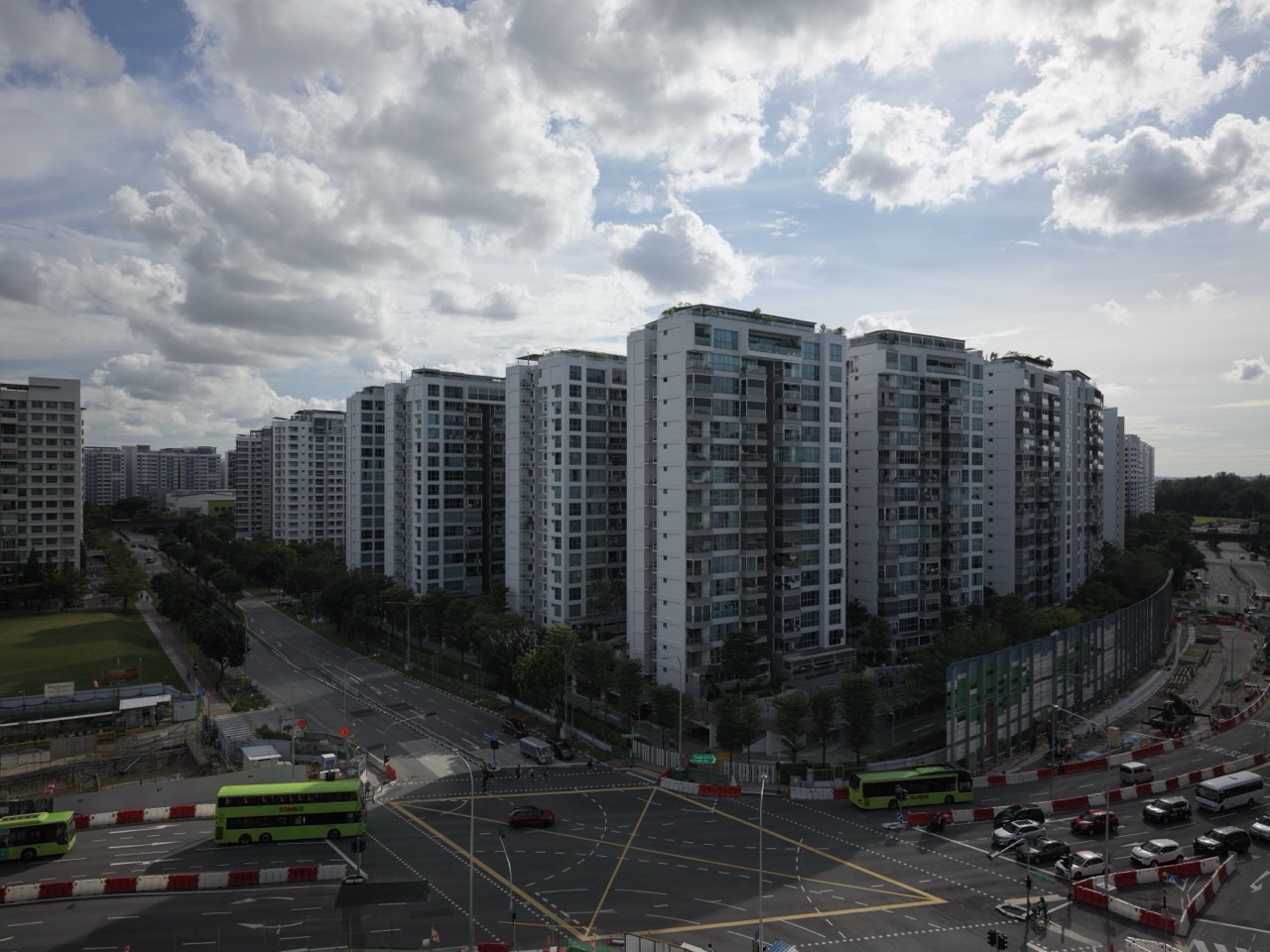
Moving from an HDB flat to a condominium in Punggol changes more than the front door and the facilities. Residents need to understand who controls shared spaces, how visitor and delivery access works, which by-laws govern the estate, whether moves or renovations require approval, and how maintenance responsibilities are divided. A condominium owner is part of a management corporation, commonly called an MCST, which manages common property; a tenant occupies a unit under a separate tenancy arrangement. The correct first step is to obtain the relevant estate by-laws, actual move-in instructions and a clear account of what belongs to the unit versus the shared development.
Daily routines also change in less obvious ways. A swimming pool or gym does not guarantee that a resident will use it, a private shuttle or car park does not automatically make commuting easier, and a condominium address does not exempt the household from normal considerations about neighbours, noise, school collection, accessibility or expenses. Punggol has both HDB neighbourhoods and private developments around its town centre and waterfront. This guide focuses on the first six weeks of adjustment, with practical comparisons and questions to ask rather than pretending that one housing type is universally better.
- Before moving: check the condo’s by-laws, management contact, lift or loading arrangements and any deposit or booking conditions.
- Separate private-unit responsibilities from common-property responsibilities under the MCST and applicable agreements.
- Confirm whether you are an owner, tenant or other lawful occupant; those roles do not have identical decision rights.
- Test security and access: resident cards, guest registration, deliveries, digital locks and the actual entry route.
- Rebuild everyday routines for groceries, school, work, visitors, rubbish, parking and shared amenities.
- Budget common-property maintenance contributions where applicable, personal housing costs and optional facilities honestly.
- Follow the rules for alterations, renovation, noise, pets and use of common areas; do not copy an HDB rule automatically.
- Review what improves daily life after six weeks instead of measuring success by the number of facilities in the brochure.
The first mistake: thinking a condo is simply an HDB flat with a pool
A condominium is a different management environment. Shared lifts, gardens, lobbies, gyms and other common property are governed through strata arrangements. BCA explains that the management corporation consists of the subsidiary proprietors—the unit owners—and oversees common property under the Building (Strata Management) Act. Residents may also interact with an elected management council and an appointed managing agent.
An HDB resident already understands that common areas require rules and maintenance, but the reporting and decision-making processes differ. The town council may handle many HDB estate functions, whereas a condo’s managing agent or management council may be the appropriate contact for estate facilities. That does not mean every individual repair belongs to management. The unit owner also has obligations.
A tenant’s position is different again. Tenants are not subsidiary proprietors merely because they occupy a unit and pay rent. Their use of amenities and obligations depend on the tenancy and relevant by-laws. A new renter should clarify which issues go through the landlord and which may be reported directly to estate management.
The useful shift is mental. Instead of asking ‘Who handled this at my old block?’, ask ‘Which party controls this issue in this particular estate?’ The answer may vary between a lift fault, an appliance inside the unit and a proposal to change the use of a common facility.
Read the by-laws before the moving truck arrives
Many daily details are controlled by estate by-laws: facility use, moving arrangements, noise, common-area storage and other rules. BCA states that validly enacted by-laws apply to residents and owners, including owners who did not vote for them. Do not treat the instructions as informal preferences invented by a security officer at the gate. Request the current written rules from the appropriate manager or owner.
Focus first on the rules affecting your move. Ask whether you need to book a service lift, protect lift interiors, notify management, use a loading area or observe certain hours. If deposits or charges apply, obtain the exact conditions and receipts. Do not invent a uniform Singapore condo moving fee; developments set different arrangements.
If a rule appears unclear, seek clarification early and in writing. Moving day is a poor time to argue about a vehicle that cannot access the intended entrance. A delivery team also needs correct instructions. Give them the authorised route instead of encouraging shortcuts through a private or restricted area.
For general legal context, review BCA’s Condo Living guidance. The actual estate’s by-laws, agreements and approved arrangements are still essential to the decision.

Recognise what you own and what you share
A condo unit may include fixtures and private areas whose upkeep belongs to the owner, while other features are common property controlled by the management corporation. The boundary is not always obvious from appearance. External walls, windows and structural features may be subject to special responsibilities and approval rules. If you are unsure whether a repair affects common property, ask the MCST or the relevant professional before starting.
BCA warns that condominium owners are responsible for maintaining their units and that failing to maintain some features may create liability. Alterations to common-property or external building features may require management and other approvals. A homeowner cannot assume that an external screen or awning is permitted just because it fits within the view from their balcony.
A tenant should report faults according to the actual agreement. Some repairs may be the landlord’s responsibility while others involve care and maintenance obligations on the occupant. Keep the move-in inventory and photographs accurate, and do not authorise major work without the required approval.
Use one simple distinction in the household log: ‘inside our agreed unit’, ‘common property’, or ‘unclear—ask’. This classification directs the question to the right organisation and reduces arguments about who ought to act.
Your first visit to management is a practical information task
You may receive access cards and an estate information pack during handover. Check which office or channel handles resident registration, visitor entry, facility reservations and maintenance reports. Some condominiums use online applications while others require direct contact. Do not assume that an app used by a neighbour in another development also governs your new home.
Identify the regular management contact and its published emergency or after-hours process where applicable. Store those details privately. A service channel intended for estate matters should not be used to obtain another resident’s personal information or escalate every minor disagreement into a public complaint.
Ask how residents receive notices about lift servicing, water interruptions, common-area works and facility closures. Verify the current system before relying on a paper noticeboard that may not display all updates. A household with older adults or tenants may need to ensure that everyone who needs information can access it.
The result should be a short one-page directory: what to report, whom to contact, and what evidence helps. This is more valuable than memorising the names of every committee member or joining an informal chat group that may not be authorised to manage anything.
Security can be convenient while making ordinary errands slower
An access-controlled lobby may feel reassuring, but it also introduces gates, lifts, cards, visitor registration and delivery arrangements. Your first practical question is how people legitimately enter and leave, especially when carrying groceries or using a stroller. Test the relevant route rather than assuming it is always faster than the open path to an HDB block.
Clarify what happens when an access card is lost or a digital lock fails. The proper recovery method should be documented by the owner or management. Do not publish access codes in a family or estate group. A household with several adults should also know how to remove unneeded permissions when somebody moves away.
Guest rules should be described respectfully. Relatives, visiting friends, caregivers and contractors may have different legitimate needs. Agree with invited visitors on the proper entrance and registration process. Do not ask security staff to violate rules because an arrival is inconvenient.
Security is strongest when residents understand the system and respect one another’s privacy. A gate does not eliminate the need to protect accounts, keys and personal data. Nor does it automatically mean that anybody unfamiliar with the estate is suspicious.
Facilities only have value if the household actually uses them
Pools, gyms, play areas and function rooms can be attractive, but the value to a resident depends on their interests, access and the current rules. A family that swims regularly may enjoy a pool; a household whose members commute long hours may use it rarely. Do not treat the advertised number of facilities as a reliable measure of daily quality of life.
Ask about operating hours, guest limitations, reservation rules, maintenance closures and possible charges. Some facilities may be available to residents within set limits, while certain bookings can have separate conditions. An approved event in a function room is different from unrestricted use at any hour.
For families with children, safety and supervision rules matter. A pool is not a substitute for an adult’s responsibility to supervise children as appropriate or follow safety instructions. A play space might suit some ages better than others. A resident should not assume that access alone guarantees a safe or developmentally suitable activity.
A simple six-week experiment is to try one facility that supports a genuine habit, then evaluate it. A useful gym session or family swim is better evidence than an unused list of amenities. If the household prefers Punggol Waterway or the regional library, there is no need to feel guilty for using public spaces instead.
Find the realistic grocery route and the real cost of convenience
Some Punggol condominiums are close to major retail areas, while others involve a longer walk or different transport connection. The building’s address does not tell you which supermarket is easiest after a long workday. Walk the route you will actually use, including the exit from the private estate and the journey back with purchases.
Compare familiar destinations such as Waterway Point or neighbourhood shops based on what you need, not just their size. A smaller outlet may be more useful for a quick weekday meal. A larger trip may suit periodic household purchases. Operating hours and individual tenants change, so verify the options you depend on.
If the building has a private parcel or delivery procedure, learn it before ordering bulky goods. A delivery driver may not be able to enter the resident lobby, and leaving parcels at an unauthorised location may create security or obstruction problems. Clear instructions reduce repeated attempts and unexpected costs.
Do not count a facility as ‘free’ merely because it is included in the estate. The upkeep of common amenities is funded through the management corporation and contributions from owners. For tenants, the relationship between rent and estate charges depends on the agreement. Real convenience deserves a complete financial picture.
Understand maintenance contributions and sinking funds
BCA explains that condominium owners contribute to the maintenance of common property and amenities, and that management funds help cover ongoing operations and major future works. Monthly maintenance contributions and sinking funds are part of the economics of strata living. They are not the same as a tenant’s private utilities or a repair inside a unit.
Ask for the actual estate’s current contribution obligations if you are an owner. The amount can change through the applicable management process, and the charges differ by development and share value. Do not compare a neighbour’s anecdotal figure with an unrelated condo and assume yours should match. Read the relevant statements and meeting documents.
A renter should review what the tenancy says about rent, utilities and any separately charged facilities or other items. Do not assume the renter directly owes the MCST simply because the owner pays contributions. The property and contract determine the obligations.
Set aside a place for statements, invoices and decisions. BCA’s strata management guides explain the governing concepts. This article does not calculate a specific condo’s financial liabilities.
AGMs matter even if you never plan to join a council
Condominium management corporations use general meetings to make decisions about shared property and related governance. BCA explains that owners may consider maintenance, facilities and motions at annual general meetings. A resident who buys a unit acquires an interest in how that shared environment is managed, not only the private walls of the apartment.
Read meeting notices, financial statements and proposals to the extent relevant to your role. An owner’s participation can help clarify why a facility needs major repairs or why contributions may change. Decisions should be evaluated using evidence and the applicable process, not by assuming that every expense is unnecessary.
Tenants are not unit owners and should not assume they have the same voting rights. They may still raise practical issues through their landlord or permitted management communication channels. Respectful feedback is useful even when someone cannot vote on an MCST resolution.
A well-run estate requires participation and limits. Some owners choose to become active in governance; others contribute by following by-laws, paying obligations and reporting issues clearly. The key is understanding how decisions are made rather than treating management as an anonymous service that operates without residents’ responsibilities.
Renovation is not automatically easier in a private unit
People sometimes assume that ownership of a condo gives complete freedom to alter anything inside the unit. BCA warns that structural alterations and work affecting common-property or external features may need professional assessment, management consent and government approvals. The rules of the specific development also matter. A proposed balcony screen, air-conditioning alteration or hacking job can affect others.
Before engaging a contractor, obtain the relevant estate instructions and identify any statutory requirements. Ask whether a permit, deposit, lift reservation or written permission is required. Do not start work because another unit appears to have made a similar change. The neighbouring unit may have different approved arrangements.
Pay attention to noise and protection of shared areas. Contractors must follow applicable rules and should not obstruct other residents’ entrances or lifts. A clear written work schedule and legitimate contact method can prevent avoidable conflict.
For a tenant, any alteration may require the landlord’s permission in addition to applicable estate approvals. A move to a condo does not remove the need for documented consent. Spending money on unauthorised work can create far more expense than it saves.

Shared paths and amenities still require neighbourly consideration
A landscaped path or shared fitness area belongs to a community of residents, not to whichever household arrives first. Observe signs, keep passage clear and respect others’ access. A resident using a wheelchair, caregiver with a stroller or contractor attending an authorised task may require space that others overlook.
Noise matters in both HDB and condominium living. A private development does not erase the experience of a neighbour trying to sleep. Follow the specific by-laws and reasonable expectations, and describe any persistent concern factually rather than recording or publicly shaming an individual.
The presence of security personnel should not become a reason to refuse ordinary courtesy. Residents can greet one another, give clear directions and report genuinely unsafe behaviour without treating all unfamiliar people as threats. Community trust develops through repeated ordinary interactions.
A useful rule is to leave common spaces as easy to use as you found them. Return shared equipment when appropriate, keep bins and disposal areas usable and avoid claiming private ownership of corridors or facility seating. Small considerate habits make the estate more comfortable than expensive decoration alone.
The return journey from school can be very different
A child living in a condo may have a longer route from the school to the actual apartment door than a map suggests. Security gates, pedestrian entrances, lift choices and the location of a bus stop can all matter. For a parent arranging collection, the correct entrance may be more important than the shortest distance between school and building labels.
Verify the child’s actual school placement and approved collection procedure. A condo address does not guarantee entry to a nearby primary school, and living close to a campus does not determine an older child’s educational pathway. Keep schooling decisions grounded in current MOE and school instructions.
Practice an age-appropriate safe route where suitable. A younger child may need supervised travel and a named collection adult. An older pupil may be able to manage independently with a reliable backup and appropriate access credentials. Do not disclose the child’s routine broadly in an estate chat.
At home, check whether the entrance and lobby are comfortable when the family returns with multiple school bags or groceries. A pleasant lobby is useful only if it supports the way the family actually moves through the building.
Know the parking arrangement before assuming you need a car
Many condo developments provide car parking, but exact entitlements, charges and allocation rules depend on the property. A parking facility does not necessarily mean that every household has unlimited free spaces or that visitors can remain indefinitely. Check the actual estate rules and your agreement.
If the household uses public transport, test the pedestrian route from the legitimate estate entrance to the relevant MRT, LRT or bus connection. A convenient car park should not obscure a longer walking journey for a family member who does not drive. The resident’s ordinary routine matters more than the transport mode promoted by a sales brochure.
For households considering an electric vehicle, check the availability and authorised use of charging points. Do not assume private estate charging operates like an HDB shared charger or that any domestic socket can be used for unsafe improvised charging. Equipment and electrical work must meet applicable requirements.
Compare the total costs of transport choices. A car can solve some accessibility and caregiving problems but introduces ownership, parking and operating expenses. Living in a private estate does not make car ownership compulsory. Choose based on actual needs, affordability and routes.
Pets are subject to more than one layer of rules
Singapore’s animal ownership rules apply regardless of whether a resident lives in a condominium, and a condo may also have estate by-laws governing the use of common property. Before moving with a pet, check both the relevant national requirements and the specific development’s rules. Do not assume that a pet accepted in one estate will automatically be permitted under identical conditions in another.
Plan humane everyday care, appropriate identification and safe movement through shared spaces. Some residents may be uncomfortable around animals, while others are pet owners who need access. Respect lawful use of paths and any applicable leash or hygiene requirements. Avoid leaving animals unattended in common areas.
A family should also consider whether the apartment’s layout, noise and temperature suit the animal’s welfare. A balcony or window must not create an unsafe escape or fall risk. Seek qualified veterinary guidance for health issues rather than relying on estate gossip.
Pet ownership is a long-term commitment. Access to landscaped grounds is not a substitute for responsible care, suitable exercise and veterinary needs. Rules are easier to follow when they are understood before the move.
Waste disposal and deliveries may use unfamiliar systems
A resident moving from an HDB block may be accustomed to particular refuse chutes, recycling bins or bulky-item arrangements. A condo can have a different collection point and instructions for each waste type. Ask management where household waste, recyclables and bulky items belong. Do not leave furniture in a lift lobby because you have not identified the collection procedure.
Check delivery access as well. Some estates require couriers to use a designated entrance or handover area. Residents should not ask drivers to bypass security or leave goods where they block others. Arrange appropriate collection for valuable, heavy or temperature-sensitive items.
Recycling rules still require correct sorting and safe handling, whatever the housing type. Electronics and batteries may need specialist collection; a private recycling area is not automatically suitable for hazardous waste. Use NEA guidance and the estate’s arrangements.
A small written household instruction can prevent mistakes: which entrance, which disposal point and whom to ask if access changes. This is more useful than assuming that every residential development in Punggol operates identically.
Living with security systems means protecting residents’ privacy
Entry cameras, access logs and visitor registration can support legitimate estate management, but they also involve personal information. Use the systems as intended and understand who has authorised access. A resident should not demand footage or another neighbour’s identity simply because an incident is the subject of an informal chat discussion.
Avoid publishing photographs of private apartment entrances, access codes or identifying residents without good reason. A security concern should be reported through the appropriate channel with limited necessary information. The ability to forward footage widely does not make it responsible to do so.
If the household installs a private smart doorbell or camera, confirm the applicable by-laws and privacy considerations. A device angled into common spaces can affect others even when the owner believes it is only monitoring their own door. Seek proper clarification before installation.
Security should create a safe and comfortable environment, not permanent suspicion. Residents still need ordinary freedom to welcome authorised guests, come home from work and use common facilities without unnecessary public scrutiny.
The cost comparison should include time, not just monthly charges
A Punggol condo might have amenities an HDB flat does not, but the family’s broader spending can still depend on transport, childcare, groceries, utilities and housing finance. For a buyer, property taxes, loans and management contributions may be relevant; for a tenant, the contractual rent and other agreed expenses matter. These should be calculated individually, not with made-up average figures.
Build a simple two-column comparison using your actual previous and new arrangements. Separate recurring money costs from one-off moving expenses. Add a third column for time: minutes spent on daily commuting, school collection, grocery trips and reaching essential services. This often reveals the true trade-off.
An estate with a private pool may save a family some leisure travel if they swim regularly. Conversely, a development with a long walking route to the nearest convenient transport may add time for everyone who does not drive. These are possibilities, not general truths about condo versus HDB living.
Review real receipts and route experiences after six weeks. Avoid declaring the move a financial success or failure after a single weekend. Household choices are better evaluated using recurring ordinary needs and the value residents genuinely receive.
What changes for older adults and people with mobility needs
A condo may have modern lifts and landscaped areas, but accessibility must be checked from the actual unit to the street and destination. A long slope, distant pedestrian gate or complicated lift transfer can make a journey tiring. Ask the person involved what route feels comfortable rather than assuming that a private building is necessarily better designed for them.
Check accessibility during normal errands: reaching groceries, transport, appointments and a social activity. An older relative’s preferred resting spot or a clearly signed entrance can matter more than a rooftop facility they do not use. Consider whether any needed home modification requires management or statutory approval.
Caregivers should know the proper registration and access arrangements. Security procedures should be followed without preventing authorised assistance. Clarify how a caregiver or medical visitor can enter legitimately and which details they need. Do not disclose sensitive medical information beyond what is necessary.
A comfortable home supports independence. If the move creates new barriers for a household member, the family should address them through the appropriate professional or management process instead of insisting that the person adapt to the building at any cost.
A fictional Punggol family compares two actual weekday routines
Imagine a fictional family moving from an HDB flat near an LRT station to a Punggol condo. They are excited about a pool and garden, but their first challenge is arriving at school on time. The apartment door is close to one entrance, while the route to the most useful bus stop begins at another. They discover this during a weekday trial, not after the first late arrival.
The family also learns that large deliveries must follow a designated loading procedure. They reserve the appropriate facility instead of asking a driver to use the resident lobby. Their child tries the pool once under suitable supervision, while the adults decide that a regular evening walk outside the estate remains more practical for daily exercise.
After six weeks, the family has used the gym several times but finds the weekly grocery journey longer than before. They adjust shopping days and keep the less expensive meal plan that already worked. The home’s value is assessed in terms of their real habits, not what a property listing suggested they should enjoy.
This is an illustrative example, not an account of a specific Punggol development or household. It shows that housing preferences become meaningful only after ordinary weekday use. A successful move involves choosing the right routines, not proving that every facility is an improvement.
A renter’s example: living in a condo without owning a vote
Consider a fictional tenant who rents a unit in a Punggol condo while working at an office near the North East Line. She is given a card for building access but is unsure whether she may book a common facility or receive deliveries at a particular entrance. Instead of guessing, she checks her tenancy and obtains the current resident rules.
A minor air-conditioning problem later occurs inside the unit. She reports the observable symptom to the landlord through their agreed method, keeping a record. When a lift is temporarily unavailable, she contacts estate management for the relevant access information. These issues involve different parties and should not be confused.
She does not assume she can vote on MCST motions or alter the apartment simply because she lives there. Yet she can still follow the by-laws, report hazards accurately and make reasonable use of permitted amenities.
This example illustrates a useful distinction: resident experience and legal ownership are not identical. A tenant can build a comfortable life in the estate without pretending to possess the powers or liabilities of a subsidiary proprietor.
Frequently asked questions about HDB-to-condo life
Does every condo have the same guest, renovation and moving rules? No. Developments have different by-laws and management arrangements subject to applicable law. Request the current written instructions for your estate, and do not assume an example from another condominium applies.
Is the MCST responsible for every repair? No. The MCST manages common property, while unit owners and their contractors may be responsible for matters within a private unit. Particular features can require professional or management clarification. Tenancy terms add another layer when a renter is involved.
Can a tenant vote at a condo AGM as an owner? A tenant is not automatically a subsidiary proprietor. BCA distinguishes owners and tenants, with governance rights tied to the applicable strata framework. Use the owner’s or management’s authorised communication channels for practical resident concerns.
Is it always better for a family to move from an HDB flat to a condo? No. Compare total costs, routes, daily needs, accessible facilities and the household’s actual use of amenities. Housing value is personal and cannot be determined by whether a property has a pool or private gate.
Your Next Step: run a six-week daily-life test
Prepare a one-page comparison of your new estate’s rules, entry route, essential shops, transport, school arrangements, service contacts and monthly costs. Try the most important journeys before changing existing family commitments. Ask each household member which change helps and which new inconvenience needs attention.
Read BCA’s condo living overview, owner responsibilities and strata management guides. Your actual by-laws, agreements and permits remain necessary for particular decisions.
This guide complements the site’s separate explanation of MCST governance by focusing on the personal adjustment after moving. It is not property-buying advice, a legal interpretation of a specific estate or a claim that condominium living has a fixed price.
A good move is one where the residents understand how their home works, can travel and care for one another safely, and enjoy the facilities they actually value. A different housing type may offer new possibilities. The household still has to turn those possibilities into a practical life.


