
PG3 is the Posting Group used for a child’s initial Secondary 1 school admission; G3 English is the standard of the English Language subject under Full Subject-Based Banding. For a Punggol student, effective situational writing begins by reading the task as a communication problem: who is writing, who will read it, why it is being sent, what facts must be included and what action or understanding the reader needs. A fluent paragraph can still fail if it omits a requested detail, uses the wrong register or ignores the situation. The most reliable method is to plan purpose, audience, context and content before drafting.
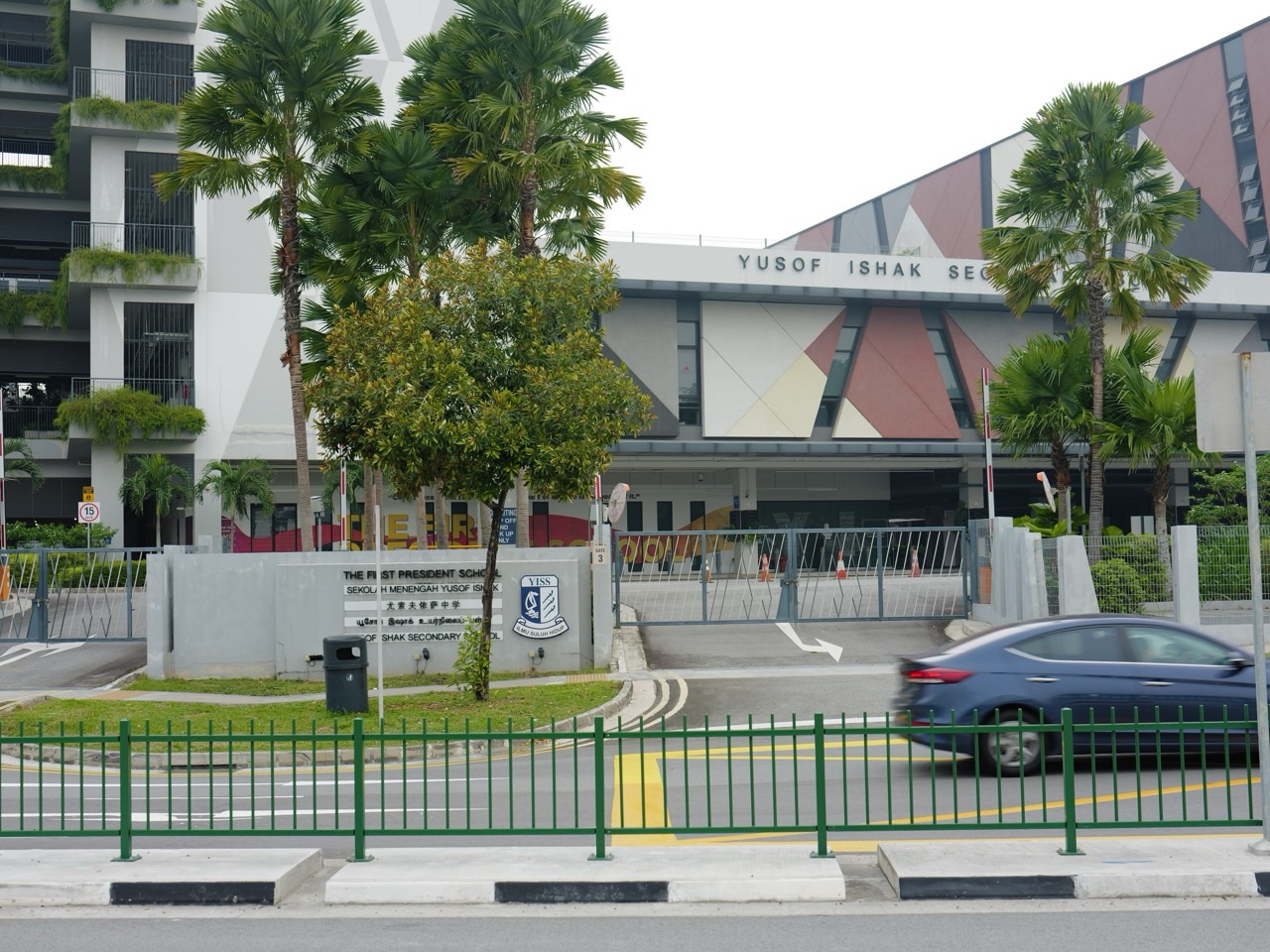
This guide is for parents of students at Edgefield, Greendale, Punggol and Yusof Ishak secondary schools who want practical teaching strategies rather than memorised templates. The 2027 G3 SEC English syllabus describes situational writing using formats such as email, letter, report or speech; those requirements apply to the relevant graduating cohort and are a useful indication of the skill’s direction, not a claim that incoming Secondary 1 students sit that paper immediately. Your child’s actual school assignments and instructions remain the correct starting point.
- Definition: PG3 = Secondary 1 posting group; G3 = the level of English taken by an individual student.
- Situational writing is communication for a specified reader, purpose, context and medium.
- Check the task role: writer, recipient, relationship, expected action and tone.
- Distinguish factual details supplied in the stimulus from inferences or invented information.
- Plan a short content checklist before choosing sentences and vocabulary.
- Use a suitable email, letter, report or speech structure only when the assignment requires it.
- Prioritise completeness and clarity before decorative language or memorised openings.
- Develop points with specific evidence, useful explanation and realistic next steps.
- Use appropriately polite and precise requests; avoid sounding entitled or excessively dramatic.
- Revise for purpose, organisation, paragraph connections, grammar and required information.
- Practise with original school and Punggol community examples, clearly labelled as hypothetical.
- Use the student’s actual teacher feedback to target repeated errors rather than repeat a whole essay.
- 2027 G3 SEC English K300 Paper 1 includes situational writing for that year’s candidates; Secondary 1 work follows school progression.

How to write for a real purpose in G3 English
1. Definition lock: PG3, G3 English and a writing task
Posting Group 3 is an administrative starting point for Secondary 1 admission. G3 English is a subject level, broadly associated with the former Express standard. Situational writing is not another posting group or a special tuition brand. It is a kind of writing in which a student must achieve a defined communication purpose for a specified audience. Keeping those labels distinct helps parents ask the right teaching questions.
Under Full Subject-Based Banding, teenagers may share a mixed form class while taking academic subjects at levels that suit them under current rules. That arrangement does not mean their written language strengths are identical. One learner may have good grammar but consistently omit details; another may include everything yet use an inappropriate tone. The corrections should not be the same.
An early Secondary 1 exercise may use a different situation or length from a graduating SEC task. Teachers develop the skill in stages. A parent should not insist that every school assignment follow an upper-secondary examination template. Instead, identify what the teacher currently expects and which general principles of purpose, audience, context and organisation are being practised.
Start with the assignment itself. Ask the child to say, aloud, who is speaking and what the recipient needs to know or do. If those answers are uncertain, drafting an elaborate opening will probably create more writing rather than more accuracy.
2. The first thirty seconds: decode the communication problem
Before writing, the student should extract five elements from the task: the role of the writer, the reader, the purpose, the circumstances and the required content. These can be marked in the margin or recorded as a tiny plan. A large amount of writing time is saved when the pupil knows the central request before composing the first sentence.
Imagine a fictional student who wants permission to start a reading corner at a school event. The writer is a pupil, the reader may be a teacher-in-charge, and the purpose is to ask for approval. The circumstances include limited space and an event date. The required content might include benefits, location, supervision and an action for the teacher. If any of those are absent, the message may not serve its purpose.
A second situation could ask the student to report what happened during a community activity. That is not the same as requesting permission. It requires accurate chronological information, relevant observations and perhaps recommendations. A student who writes a persuasive speech instead may display fluent English without fulfilling the assigned genre.
Parents can conduct a one-minute oral planning drill using two contrasting tasks. Ask the child to state how the audience and desired response change. The lesson is that correct English depends on the communication situation, not simply on having an impressive sentence bank.
3. Purpose controls what information belongs
A writing task may aim to inform, request, persuade, explain, report or reflect. The purpose influences both content and structure. A message asking for a schedule change needs a clear request and useful reasons. A report needs accurate observations and a proportionate conclusion. An event announcement should help readers decide what to do and where to go.
Students often include every detail they can remember, believing that longer writing demonstrates greater effort. Yet information that does not advance the purpose can obscure the main point. If a parent is reading a request about a school project, a full page about unrelated childhood memories is not helpful. The student should choose details based on what the reader needs.
One useful exercise is to label each proposed point as essential, supporting or irrelevant. Essential information is directly requested or necessary for the message to work. Supporting information explains why the point matters. Irrelevant material may be pleasant but does not help the reader understand or act. This ranking creates a clearer plan.
Have the child remove one unnecessary sentence from an existing draft and explain why the message improves. Learning to omit is part of mature writing. A concise email that achieves its task can be stronger than a longer one that wanders through unrelated information.
4. Audience and relationship determine register
Register is the level of formality and style appropriate to the reader and situation. A student writing to a school principal generally uses a different tone from a quick message to a close friend. Formality does not require inflated vocabulary or artificial phrases. It means respectful wording, clear explanation and a structure that helps the reader follow the point.
Compare ‘You must give us the hall because we need it’ with ‘We would appreciate permission to use the hall for a supervised activity, subject to its availability.’ The second makes a request without presuming authority. It also recognises the reader’s responsibilities. Teaching the difference is more useful than insisting on a single memorised polite expression.
Conversely, an announcement to fellow students should not read like a legal document. A clear, energetic invitation may be appropriate. The tone should fit the writer’s role and recipient’s expectations. Ask whether the reader would understand the message easily and whether the wording builds trust.
Parents can practise register by asking the child to write the same request to a friend, a teacher and a community organiser. The factual core remains similar, but greeting, explanation and wording change. This demonstrates flexible command of English rather than dependence on a rigid template.
5. Read a visual stimulus without inventing the missing facts
Situational writing tasks may include posters, notices, messages or other visual information. Students need to extract relevant facts accurately and then adapt them to the assigned purpose. One recurring error is turning a plausible assumption into a stated fact. If a poster says volunteers are welcome, that does not prove refreshments, transport or certificates will be provided.
Make two small columns before drafting: explicitly given and still unknown. Place dates, times, locations and stated activities in the first column only when the stimulus supplies them. Put uncertain details in the second. If the question invites a proposal, the student may develop original suggestions, but should not present those suggestions as existing arrangements.
Imagine a fictional Punggol community notice that advertises a book exchange on a Saturday. A student may legitimately propose adding a storytelling session if the assignment allows it. But an email reporting the event should not claim that a storytelling session happened unless the source states so. A tiny shift in the purpose changes which additions are appropriate.
Teach the teenager to point to the source for factual claims. This habit connects writing with comprehension and research integrity. It is also useful outside school, where copied online information can easily become inaccurate after several retellings.
6. Plan content points before choosing a genre format
Students sometimes begin by writing ‘Dear Sir or Madam’ and assume the rest will follow. The greeting may be correct, but it does not ensure that requested content appears. A better process is to list the task’s content requirements first. Only after completing that checklist should the writer choose the opening and paragraph sequence.
Suppose a task asks for two benefits, a proposed venue and an explanation of how volunteers will be organised. The plan should contain four explicit entries. Each can become a sentence or paragraph as appropriate. The writer can then decide which benefit to explain first and where the request itself should appear.
Some points need development, not merely mention. Writing that a reading corner is ‘beneficial’ is weak because the reader cannot tell how. The student might explain that it provides a quiet place for short independent reading while waiting for an event. The explanation makes the claim useful and shows understanding.
Parents can time the planning stage without making the child rush. A short, accurate outline often reduces rewriting later. The aim is not to create a perfectly decorative mind map; it is to ensure that the final message does the work the task requires.
7. An email should be easy to act upon
An effective email usually makes its purpose clear early. The recipient should not need to search the fourth paragraph to discover what the sender is asking. When the assignment requires a subject line or specific email conventions, follow the teacher’s instruction. Otherwise, use sensible real-world organisation: opening purpose, relevant details, requested response and courteous closing.
Consider an original hypothetical email to a teacher seeking permission to organise a class reading exchange. The first paragraph identifies the proposal and its reason. A second describes the location and supervision plan, using information provided in the task or clearly marked proposals. The final paragraph asks for guidance or approval and thanks the reader.
A common mistake is to repeat the request several times using different polite phrases. Politeness matters, but repetition consumes space without increasing information. Another mistake is to sound impatient or demanding. A reader is more likely to understand a request when the action and supporting reasons are stated precisely.
After drafting, ask the child to imagine that the recipient has only a minute. Can that person identify the requested action, relevant conditions and next step? If not, revise the structure before polishing individual adjectives. Functional clarity is the first test of a useful email.
8. Reports are evidence, not disguised speeches
A report describes a situation, activity, issue or investigation for an intended reader. The format may include a heading, sections and recommendations if the assignment requires them. Its tone should be factual and proportionate. A report may include evaluation, but it should distinguish what actually happened from what the writer thinks should happen next.
Imagine a fictional report about a student-run event where attendance was lower than expected. The child could report attendance figures only if the task provides them or the exercise explicitly allows invented scenario data. Otherwise, the student should discuss observations without fabricating precise counts. A recommendation for better publicity is a proposal, not an established explanation of why attendance was low.
Teach a sequence of background, relevant observations, interpretation and recommended action. Not every report needs four headings, but the reasoning should remain visible. The writer should avoid grand statements such as ‘Everyone was unhappy’ when evidence concerns only a few comments. Qualify the claim according to the information available.
Parents can compare a report paragraph with a persuasive paragraph about the same fictional event. The report documents; the persuasive piece advocates. The overlap in content is normal, but the purpose determines tone, evidence and conclusion. Understanding that distinction prepares students for unfamiliar assignments.
9. Speeches need a listener, not only a reader
A speech is meant to be heard. It needs a clear central message, transitions that an audience can follow and language suitable for delivery. A student can use direct address or rhetorical questions when appropriate, but these devices should support the argument rather than become obligatory decorations.
For an original fictional speech encouraging responsible library use, begin with a relatable experience, state the main message and develop two practical reasons. End with a clear invitation to act. The speaker should not make unverifiable claims about all students or pretend that a policy has already been approved. The message can persuade without overstating facts.
Read the draft aloud. Sentences that look impressive on paper may be difficult to speak or understand. Ask where the listener may become lost and shorten complex clauses. A well-placed example may carry a point better than a chain of abstract nouns.
Do not train children to memorise one spectacular opening for every topic. Different audiences and purposes require different approaches. The transferable skill is to make a defensible message engaging and clear for the person listening.
10. Letters and notices: respect the assigned form
Some writing tasks use a letter, announcement or notice instead of an email or speech. The purpose-and-audience principles remain, but conventions can differ. The student should learn the required format from the school rather than transplant one layout into every task. A notice may need concise headings and key logistics; a letter may require a more sustained explanation.
Imagine a fictional notice announcing a school club’s meeting. The reader needs the date, time, venue, intended participants and any stated action. A long story about the history of the club may not help. The strongest notice makes crucial information easy to locate without inventing arrangements absent from the question.
A letter to a community partner may contain the same facts but needs an introduction of the writer and the relationship to the reader. It may also explain the proposal more fully. The genre is not a costume placed around an unchanged paragraph. It changes how content is presented and how the reader is invited to respond.
Parents can help by asking the child to justify every layout choice. What does this heading help the reader find? Why is a greeting appropriate here? The student learns conventions as tools for communication, not rules to memorise without purpose.
11. Develop a point using consequences and specifics
One weak sentence often appears in situational writing: ‘The event will be very meaningful.’ That may express enthusiasm, but the reader does not know who benefits or why. The writer should specify the activity, explain what it allows participants to do and connect the outcome to the communication purpose.
For example, a proposal for a classroom book exchange could explain that participants bring books they have finished and select another book to read, reducing the need for each household to buy new titles. The writer should label the arrangement as a proposal if it has not been approved. The detail makes the benefit understandable and plausible.
Teach the difference between elaboration and repetition. Adding ‘extremely useful and very beneficial’ does not give a new reason. Explaining how the arrangement works and what problem it addresses does. The student can test this by asking whether the second sentence adds information a reader could use.
Use one paragraph at a time. Ask the child to underline the main point and circle the explanation that supports it. If the explanation is absent, revise before adding another point. Two developed reasons can be more persuasive than five claims that have no substance.
12. Requests and recommendations should be realistic
A student’s proposal may sound imaginative but fail because it ignores practical constraints. If a class wants to use the hall, the request should recognise availability, supervision, safety and existing school activities. A respectful message does not assume the writer can promise permission from another authority.
Realism also affects recommendations. A report about limited reading space might propose testing a small pilot area rather than demanding immediate construction of a new facility. The writer can explain what would be learned from the trial and what decision could follow. This shows judgement, not a lack of ambition.
Teach the teenager to distinguish what they can do from what they need others to approve. ‘We can organise volunteers’ is different from ‘The school has agreed to provide ten volunteers.’ A factual error about responsibility may undermine the whole proposal. Accurate roles make a message more trustworthy.
Parents can ask, ‘What would the recipient need before saying yes?’ That question often identifies missing logistics and turns a vague request into a responsible plan. The skill applies to school assignments and ordinary communication throughout life.
13. Tone errors that are easy to repair
Students may confuse formal writing with stiff, inflated language. Expressions such as ‘I hereby beseech your esteemed authority’ can distract from a simple request. Clear courtesy is more appropriate in most school and community contexts. Use straightforward sentences that respect the recipient without exaggeration.
Another mistake is demanding agreement: ‘You should definitely support this excellent idea.’ A more considered phrase recognises that the reader may have constraints and asks for their view. Persuasive writing is not the same as asserting that disagreement is unreasonable.
At the opposite extreme, a student may copy casual chat expressions into a formal report or email. The writer should ask whether abbreviations, emojis or slang help the intended reader. Context matters; some informal messages allow them, while school assignments may require Standard English and a professional register.
Have the teenager highlight three phrases that could sound unsuitable and rewrite them. Ask why the new version fits better. A correction that the learner can explain is more likely to transfer to future tasks than a teacher’s substitution copied without understanding.
14. Editing for completeness is different from proofreading
Proofreading catches grammar, spelling and punctuation problems. Editing checks whether the message accomplishes its purpose. A perfectly punctuated email may still fail to state the requested date or explain why the event matters. Therefore the first review should compare the draft with the content checklist, not begin by hunting for commas.
Use two passes. In the content pass, mark every requirement from the task and locate the sentence that addresses it. If a requirement is missing, add or revise information before polishing. In the expression pass, check paragraph order, referents, verb tense, vocabulary and mechanics. This sequence prevents energy being wasted on a paragraph that needs to be removed.
Teach a final recipient test. Could the actual reader act on this information? Would they know what is proposed, what is confirmed and what response is required? A message that fails this test should be restructured even if it contains several sophisticated sentences.
Parents can avoid rewriting the entire piece on the child’s behalf. Instead, identify one omission and ask the student to propose the repair. Ownership matters: the teenager must learn to inspect and improve writing independently rather than depend on a parent to provide the final polished version.
15. A five-minute pre-submission checklist
Before submitting a piece, students can answer five questions: Did I write as the assigned person? Did I address the right reader? Did I achieve the stated purpose? Did I include every required fact or proposal? Does the tone fit the relationship? These questions can be remembered without a complicated template.
Next review structure. Does the opening make the purpose clear? Are related details grouped together? Is the requested action visible, and is the closing suitable? If the task demands a particular format, check its conventions. A simple structure often makes the writing more persuasive than decorative flourishes.
Then examine evidence and accuracy. Which details came from the stimulus? Which are permissible original suggestions? Has the writer accidentally presented a proposal as something already approved? This distinction is especially important in functional writing, where a factual error may mislead the recipient.
Finally read the draft once for sentence control. A quick check for pronoun reference, tense consistency and punctuation can eliminate avoidable misunderstandings. The child should be able to perform this process without a parent correcting every sentence.
16. Practise with hypothetical Punggol community situations
Local settings can make writing purposeful without requiring the family to invent real events. A fictional email might ask a community organiser for permission to arrange a book exchange. A report could summarise a simulated clean-up exercise with explicitly supplied results. A speech could invite students to use a shared reading corner responsibly. All examples must be labelled hypothetical unless based on verified information.
Give the teenager a short stimulus you create, including a date, two logistical details and one constraint. Ask them to plan the intended reader response before drafting. Later, change the recipient while preserving most of the facts. This shows whether the student can adapt register and structure rather than copy the first version.
To develop editing judgement, include one intentionally irrelevant detail in the stimulus and ask whether it belongs in the answer. A strong student should be able to justify excluding it. School assignments assess selection as well as inclusion; not every available fact must appear.
Use the child’s own school feedback to compare these home exercises with actual classroom standards. The purpose is preparation and thinking practice, not a claim that an invented Punggol activity is an official school assessment or that a local example guarantees better marks.
17. A four-week situational-writing improvement plan
During week one, gather two recent tasks and identify the dominant error type. Perhaps the student omits required points, uses a casual tone for a formal audience or writes a report like a persuasive speech. Explain the difference with one clear model. Ask the child to rewrite only the problematic part rather than start from scratch every time.
In week two, practise decoding three short fictional prompts without writing full responses. The learner must identify role, audience, purpose, genre and content checklist. This creates speed at the planning stage and reduces the temptation to begin with a memorised greeting. Check that every claimed fact is supported by the supplied stimulus.
Week three involves drafting complete responses to unfamiliar tasks. After writing, apply the content and expression reviews separately. Ask the student to explain why a sentence has been added, moved or removed. This turns editing into active judgement, not an adult’s unexplained red marks.
In week four, use a new prompt and compare the student’s independent work with the original. Has the number of missing points fallen? Is the tone more appropriate? Is the main action clear earlier? A focused tutor may help when a specific gap persists, but the best outcome is a learner who can plan and repair their own communication.
18. When a tutor adds value to functional writing
Private tuition is not an automatic requirement for PG3 students. Some teenagers need only consistent school practice and a habit of checking task demands. Others may repeatedly misinterpret instructions or struggle to develop points. Extra teaching should address that specific error rather than require the pupil to memorise an expensive collection of model letters.
Ask a prospective tutor how they diagnose the student’s work. Can they show the difference between a missing content point and an underdeveloped point? Do they teach register through comparison? Will they let the child revise and attempt a fresh prompt independently? These questions reveal the method more clearly than promises of a guaranteed distinction.
Small-group discussions can be useful because students compare alternative ways of responding to the same audience. Yet each child still needs to write, receive precise feedback and demonstrate independent transfer. The stated class size or length of a worksheet cannot guarantee improvement by itself.
The educational goal is larger than one examination section. A young person who can write a clear request, factual report and thoughtful speech can participate more effectively in school and later life. That is a worthwhile reason to teach situational writing carefully.
Frequently asked questions about G3 situational writing
Is PG3 the same as G3 English?
No. PG3 is an admission Posting Group while G3 is the level of an individual subject under Full SBB. The student may begin G3 English through PG3 but the concepts are different.
Must every Secondary 1 situational-writing task be 250–350 words?
No. The 2027 G3 SEC syllabus specifies that range for its graduating candidates’ situational-writing examination task. Secondary 1 assignments are taught progressively and follow school instructions.
Does a student need one memorised introduction for every email?
No. A useful opening should make the purpose and relevant situation clear. A rigid greeting or phrase can become inappropriate when the recipient or task changes.
Can a student add their own suggestions?
When the prompt invites a proposal or elaboration, sensible suggestions may be appropriate. Do not invent established dates, approvals or results that the stimulus does not state.
What if the format is correct but marks remain weak?
Inspect content completeness, purpose, point development, accuracy and tone. Correct format does not compensate automatically for missing information or unsupported claims.
How can parents practise writing without many workbooks?
Create short original prompts about ordinary school or community situations, label them hypothetical, and ask the child to decode the task, draft and revise. Use marked schoolwork for alignment.
Is tuition necessary for every PG3 English student?
No. Use a tutor only when there is a defined learning problem or appropriate extension goal, and check that the child can apply the method independently.
What should the child check immediately before submitting?
Role, recipient, purpose, all required details, genre, organisation, tone and factual accuracy. Proofread language after checking that the message actually completes the assigned task.
Your next step
Choose a recent English school task. Ask the child to explain writer, audience, purpose, genre and required content before reading their draft. Identify one point that was missing or misdirected, revise it and then test the strategy with a new original prompt. Use the current school’s instructions rather than imposing a future examination word count on Secondary 1 work.
Official sources and connected Punggol learning guides
SEAB 2027 SEC G3 syllabuses, updated October 2026 · MOE Full SBB and Posting Groups · School English curriculum outlines for Secondary 1–4 · PG3 G3 English skills overview · How to use school writing feedback.
Independent educational article for Punggol families, checked against official sources available on 1 November 2026. All classroom and community situations used as examples are fictional and original. No mark, placement or tuition result is guaranteed.


