
ActiveSG Credits can help eligible Punggol residents pay for gym and swimming passes, sports-facility bookings, ActiveSG programmes and Active Health programmes through MyActiveSG+. The important deadline is 31 December 2026: Sport Singapore’s updated SG60 FAQ says unused ActiveSG Credits received a one-off automatic extension to that date. To carry unused credits into 2027, an account generally needs at least one qualifying transaction during 2026. That means a successfully paid facility booking, programme registration or pass purchase using either cash or ActiveSG Credits. Simply logging in, joining a free programme or losing a court ballot is not enough.
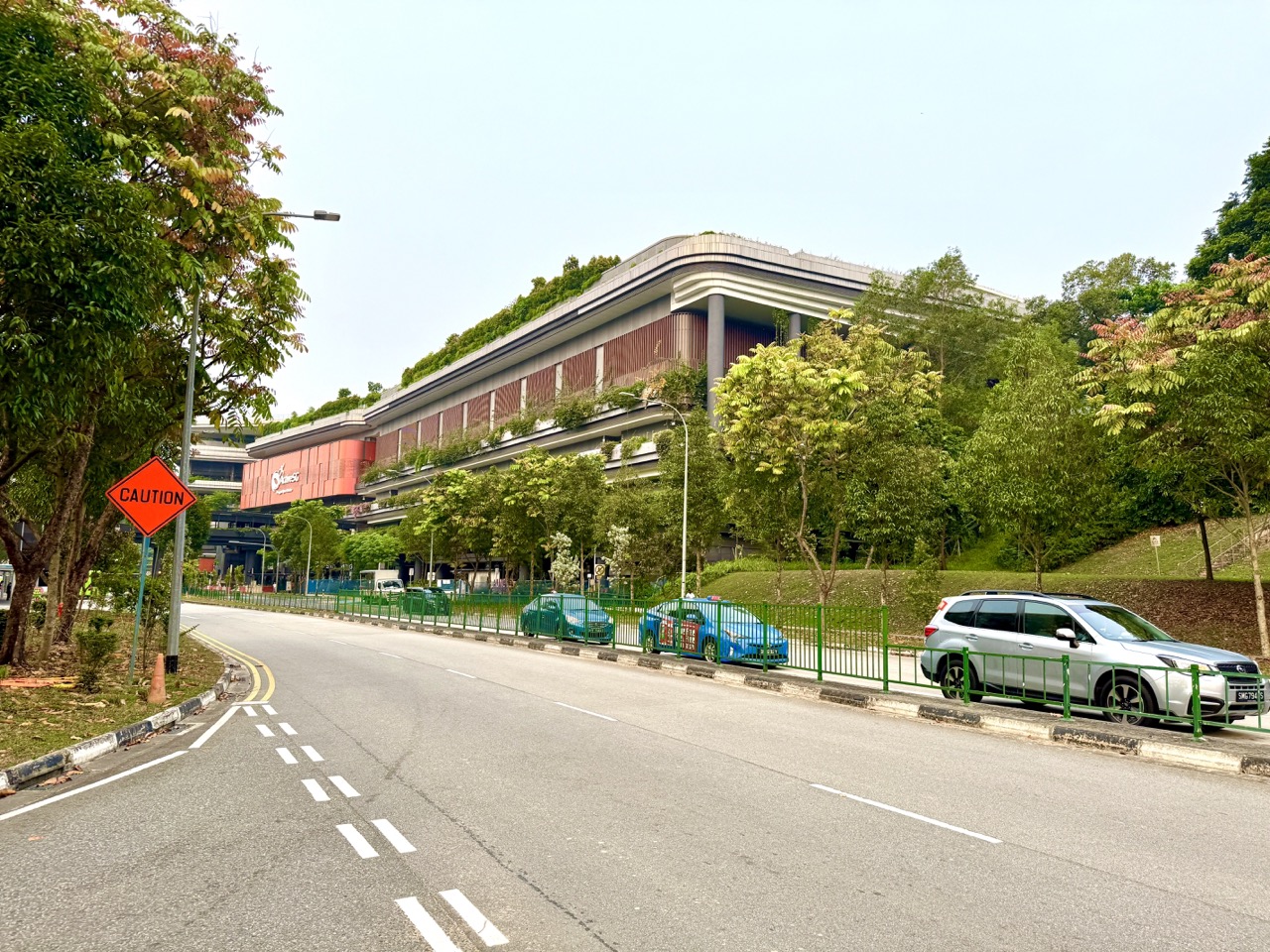
This distinction matters at ActiveSG Punggol Sport Centre, 11 Sentul Crescent, which entered soft-launch operations on 27 October 2026 ahead of its announced formal opening on 22 November. Residents may want to use credits at the new gym or courts, but must buy a genuinely available eligible product rather than making an imaginary reservation to preserve a balance. The complimentary gym-entry launch offer ran only until 31 October, and a free entry or free booking may not meet the rollover test. Check the signed-in wallet balance, the actual transaction status and the latest official FAQ before December ends. This guide explains exactly what qualifies, what does not, how family credits work and how to avoid wasting money.
- Deadline: ActiveSG’s published one-time extension carries existing eligible credits through 31 December 2026.
- 2027 rollover: make at least one successful qualifying cash or credit transaction on MyActiveSG+ during 2026.
- Qualifying: paid sports-facility booking, qualifying paid programme registration or pass purchase.
- Not qualifying: an unsuccessful ballot, free facility booking or wholly free programme registration.
- Special case: official guidance says use of the free gym/pool-entry concession by eligible seniors can qualify for rollover.
- What credits buy: eligible gym or swim passes, sport-facility bookings, ActiveSG programmes and Active Health programmes.
- Family accounts: credits belong to individual members and are not freely transferable; parents should follow official linked-child purchase rules.
- Punggol check: verify the exact gym, court or programme, its operating status, eligibility, price and checkout.
- Do not assume: a completed bank charge, ballot entry or app screenshot is proof of a qualifying posted transaction.
- What follows: a practical decision tree, six family situations, example calculations, mistakes and official reference links.
Definition lock: credits are a restricted sports balance
ActiveSG Credits are not cash in a bank account, not general Singapore dollars that can be spent at any merchant and not a transferable family voucher. They form a balance used within the conditions of the MyActiveSG+ sports system. The official credit-usage FAQ identifies eligible gym and swim passes, facility bookings, ActiveSG programmes and Active Health programmes. Even within those broad categories, the exact purchase and checkout conditions matter.
A credit balance may be useful for a Punggol gym visit, but you should not describe it as permission to use any facility without a booking or pass. The pass is the entitlement to entry; the credit is a permitted means of paying for it. Likewise, a badminton slot must actually exist and be booked. The credit does not reserve court time by itself.

Understanding that separation is the first step toward correct financial planning. It prevents the common error of confusing a wallet number with access to a particular service.
What the SG60 credit top-up originally covered
The official SG60 FAQ says the special S$100 ActiveSG Credits top-up was made available to eligible Singapore Citizens and Permanent Residents who logged in to MyActiveSG+ during the qualifying period of 2 June to 31 December 2025. That is a historical claim window, not a new invitation to claim the same promotion in November 2026.
Do not tell someone who never met the 2025 requirements that visiting the Punggol sports centre will automatically create S$100 of credit today. Their account may have a different balance or eligibility status. The proper starting point is the signed-in MyActiveSG+ record and the official programme explanation, not the claim of a marketing flyer from last year.
The SG60 top-up is also distinct from other credits such as earlier anniversary credits or ordinary existing balances. SportSG’s FAQ discusses the one-off expiry extension for all ActiveSG credits, but account-specific balances still have to be checked.
Why 31 December 2026 matters now
As of 1 November 2026, the deadline is no longer a distant policy detail. SportSG’s FAQ states that SG60-related unused credits, and other ActiveSG credits covered by the one-off extension, have their expiry automatically extended to 31 December 2026. The extension is not a promise that every unused balance will automatically survive into 2027 regardless of activity.
The next step is a conditional rollover. A member who makes at least one defined transaction in 2026 can carry unused credits forward under the current published policy. Therefore, the useful question is not merely “How much is left?” but also “Has my own account completed a qualifying 2026 transaction?”
A family should inspect each member’s account separately when appropriate. One active adult’s paid court booking is not automatically a transaction on every relative’s individual wallet. Do not improvise cross-account rules; refer to the official linked-account guidance.
The exact definition of a qualifying transaction
The FAQ is unusually precise: a transaction means a successful facility booking, programme registration or pass purchase using cash or ActiveSG Credits. The critical word is *successful*. An unsuccessful ballot is only an application for a slot. An abandoned checkout is not a paid pass. A reservation that exists only in someone’s group chat is not a confirmed platform record.
Use the transaction’s actual product name to verify what happened. A gym pass purchased in 2026 may qualify under the rule even if it is paid by cash rather than credit. A facility booking paid with an eligible balance may qualify. A programme registration that required payment can qualify. A free programme registration does not satisfy the defined transaction rule.
This distinction supports sensible behaviour: no need to hunt for an expensive item if a modest legitimate paid activity fits your life. Equally, there is no justification for inventing a purchase or booking a court you cannot use purely to manipulate the policy.
Why simply opening the app does not preserve credits
The old ActiveSG mobile app was replaced by the web-based MyActiveSG+ booking service. Signing into that website is essential for checking your account, but the rollover FAQ does not define login alone as a qualifying 2026 transaction. Reading an article, visiting Punggol Sport Centre for a look around or viewing a programme page is not the same as purchasing an eligible product.
A person may have logged in twenty times, looked at the court calendar and tried several unsuccessful ballots. None of those actions necessarily satisfies the qualifying transaction requirement. What matters is the actual paid booking, pass or programme record, or an applicable senior free-entry exception explicitly recognised by the operator.
Do not rely on memory. Check the signed-in account’s purchases and booking records. If the records are confusing, ask ActiveSG through its official support channels rather than guessing that frequent platform activity counts.
Unsuccessful ballot: a disappointing result is not a transaction
ActiveSG has a booking process designed to allocate scarce peak-hour sports courts. A person can submit a ballot for a popular Friday evening badminton session, yet remain unsuccessful. The specific SG60 FAQ says unsuccessful ballots do not count as qualifying transactions for credit rollover.
That is a practical issue for Punggol families. The new courts may be attractive and popular during launch season. Attempting several balloted slots could create a feeling of participation without actually producing a successful booking. If you are relying on rollover, do not equate application activity with purchase activity.
The sensible next step is to look for a genuine available sports product that you will use, while respecting the operator’s booking rules. Do not claim that the service owes a slot simply because a future expiry deadline exists.

Free programmes and free bookings do not count either
The official free-programme FAQ says registration for a programme that requires neither cash nor credits does not count as a qualifying transaction. The SG60 FAQ likewise excludes free facility bookings. This rule matters because some residents may assume that any entry in the booking history preserves credits.
For a family, a free sports activity can still be excellent value. Do not stop participating in free activities simply because they are not part of a rollover calculation. Instead, keep the two objectives separate: physical recreation is one goal; satisfying a specific account transaction requirement is another.
A genuine low-cost paid activity that the account holder wants may satisfy the latter, subject to the actual rules. But avoid buying something solely for a bookkeeping effect without considering cost, attendance and eligibility.
The senior free-entry exception deserves careful reading
SportSG’s SG60 FAQ expressly notes that the use of free gym and swimming pool entry by eligible senior citizens will also roll over unused credits. This is an exception to the general idea that a wholly free booking does not count. It should not be generalised to everyone who receives a free trial, promotional event or facility booking.
A senior should follow the current identification, entry and age-eligibility process. The operator’s system—not a claim made by an independent writer—determines whether the senior activity is recorded in the way required by the policy. If a household cannot confirm the account’s status, ask official support rather than presuming that merely visiting the building triggers the exception.
The point is precision. Two events can both cost the visitor zero dollars yet have different treatment under the published rollover rules. The reason is the definition in the policy, not the everyday appearance of the fee.
What you can use credits for at Punggol
Possible eligible product categories include gym and swim passes, sport-facility bookings, programmes and Active Health offerings. Punggol Sport Centre has a new gym and selected bookable courts; its opening publicity also includes pools, studios and other planned facilities. However, the public operating status of each facility has its own timetable. In late October 2026, the gym and some racket-sport courts were active while the swimming complex required separate public-access confirmation.
A credit balance cannot make a closed facility bookable. If the pool is not listed for the chosen date, do not buy an unrelated product and expect entry at the pool. Instead, select an actually available eligible service, or consider another official facility that fits your needs.
MyActiveSG+ shows what you are buying. Read the sport, venue, date and payment fields before confirming. The correct purchase is one you can genuinely use.
Active Health credits are not a substitute for an appointment
The official credit-usage FAQ includes Active Health programmes among the eligible products. Punggol’s Active Health Lab is listed at 11 Sentul Crescent, #B1-01, but a listed lab does not mean every assessment or session is available immediately at that location. A person should select a real programme and verify eligibility, venue and time.
Someone may want an assessment to start a fitness plan and believe the credits can help pay for an eligible session. That can be a sound objective when the programme matches their needs and current booking terms. It is not a reason to purchase something unrelated or claim that a booked gym slot includes an assessment.
For further local detail, read our Active Health Lab guide, which separates confirmed address information from unverified appointment availability.
How to inspect the wallet and purchase record
Sign in to the official MyActiveSG+
Do not rely exclusively on an email saying a ballot succeeded. The successful ballot may still require payment by its deadline. Likewise, a bank authorisation is not automatically proof that a sports booking was completed. Reconcile the platform record with the payment record before repeating the purchase.
An accurate record answers four practical questions: whose account is it, what product was purchased, when did the purchase complete, and was payment made by an accepted method? These facts are more useful than a vague recollection that someone in the family played badminton.
Why a parent cannot casually use a child’s credits for themselves
ActiveSG says credits are non-transferable. Parents may link eligible child accounts and use the child’s balance for that child’s passes or certain bookings on their behalf under the current rules, but this is not the same as being able to move credits freely between family members. A child cannot be treated as a pool of money for unrelated adult purchases.
The official linked-child account guide explains the account connection and payment functions. Follow that process and verify the intended beneficiary for each transaction. For family members with their own accounts, consider their individual balances and qualifying activity.
This prevents two errors: trying to pay for an adult’s gym visit with a child’s funds, and assuming a payment made by one adult automatically protects the credit expiry of every linked member. The exact account and entitlement matter.
Children’s accounts and age restrictions
A child may have ActiveSG Credits, but that does not remove the age and supervision rules of a particular facility. For example, published ActiveSG gym rules prohibit children under twelve from entering the gym for safety. A parent should never buy a gym pass for an ineligible child merely to generate a transaction or use up a balance.
Instead, choose an appropriate real programme, pass or facility activity according to age and eligibility. The linked-account process may allow parents to book for a child, but it does not authorise ignoring the selected sport’s requirements. Some programmes have narrower age ranges or require guardian participation.
Financial and safeguarding rules should work together. A qualifying purchase is useful only if it is legitimate, permitted and appropriate for the person using it.
The 2026 launch promotion was not a rollover strategy
Punggol Sport Centre offered complimentary gym entry from 27 through 31 October 2026 during its soft launch. That short promotion has ended as of 1 November. More importantly, a promotional free entry should not automatically be assumed to count as a qualifying rollover transaction for every ordinary visitor.
The official policy recognises successful paid bookings, registrations and passes, plus the expressly described senior concession exception. An opening promotion needs to be evaluated according to its actual transaction treatment, not its marketing wording. If a visitor attended without paying or purchasing a pass, do not assert that the required 2026 transaction occurred.
For future planning, check what happened in the account record and, if necessary, ask ActiveSG about the exact product. The goal is to avoid waking up in January with an unpleasant surprise about credits thought to have been preserved.
Court-booking ballots introduce another deadline
Peak-hour courts under MyActiveSG+ generally use a ballot process beginning fourteen days ahead, while non-peak and unassigned slots are released twelve days ahead. A successful ballot can have a short payment deadline. That means a person planning a 2026 transaction must distinguish entering the ballot from buying the court.
A popular weekend court may be unavailable to some applicants. The system cannot guarantee a slot simply because a member wants to keep their credits. If a ballot is won, the booking holder must follow the current payment instructions; a result not paid in time is not a confirmed paid booking.
A sensible household plans ahead and identifies suitable eligible alternatives without hoarding courts or creating speculative reservations. The booking system should be used for sport, not manipulated as a credit-expiry loophole.
Do not buy court time you do not intend to use
It may be tempting to buy the cheapest available court solely to create a transaction. But a public court is a shared resource, and an unused booking can prevent another group from playing. ActiveSG also restricts resale, subletting and assignment of slots. A family should not make a speculative reservation and then attempt to pass it to strangers.
If preserving credits is a genuine concern, look for a permitted activity that fits your interests and schedule. It may be a pass or programme that you were already considering. Read the actual conditions and avoid spending cash merely to preserve a relatively small balance without checking whether the calculation makes sense.
Public sport works better when limited facilities are used honestly. The financial goal should support, not undermine, meaningful participation.
The difference between credit savings and cash savings
Credits can offset a charge within the official ecosystem, but that does not mean every possible purchase is financially wise. Suppose a resident has S$40 in eligible credits and is considering a S$60 programme. If the checkout permits using those credits toward the fee, the remaining cash component may still be substantial. The exact split and eligible product should be verified on the payment screen.
Compare the real value of the planned activity with the cash the family must contribute. Do not automatically choose the most expensive programme because credits make its sticker price look smaller. A short, appropriate activity that the family enjoys may offer better value than a large commitment that nobody can attend.
Think of credits as a constrained means of payment. They can reduce a suitable expense, but they do not convert an unnecessary purchase into a good decision.
Illustration: a worker with a small balance
Imagine a Punggol resident who has S$25 in existing ActiveSG Credits and has made no transaction in 2026. The person works changing shifts and cannot reliably join a weekend court ballot. Their sensible step is to check the current wallet and find a real, eligible paid activity they can attend, perhaps an appropriate gym admission when sufficiently rested.
If the purchase genuinely completes in 2026 under their own account, it may satisfy the published transaction condition. That does not mean every pass is suitable or that the person should sacrifice sleep to make the deadline. Check the current operating hours, pass validity and rules before paying.
This illustration shows the value of matching the transaction to the person’s actual life. A qualifying purchase that is also useful is preferable to buying an unrelated programme out of expiry anxiety.
Illustration: two parents and two children
A family has four different ActiveSG accounts or linked beneficiary records. One parent has a credit balance and buys a badminton court. Another parent has never used MyActiveSG+ this year. The children have their own eligible credits. It would be wrong to assume that one payment made by the first parent necessarily satisfies the rollover conditions for all four balances.
Instead, review the current rules for each account and how parent-linked transactions are attributed. For a child’s pass, follow the official linked-child process. Do not move balances or pretend a child’s credit belongs to an adult. If the platform does not make transaction attribution clear, ask the operator before the deadline.
The family’s job is not to spend four balances as quickly as possible. It is to understand which accounts are affected and choose legitimate, worthwhile activities for the correct users.
Illustration: the senior who uses the free gym concession
An eligible senior may enter an ActiveSG gym or pool under the published free-entry scheme. The SG60 FAQ explicitly recognises use of that concession as a basis for rolling unused credits into the next year. That is a useful exception, but it applies under the operator’s actual eligibility and recorded entry arrangements.
The senior should check how the facility verifies identity or account use rather than assume that walking into the building without recording entry is enough. For Punggol, the swimming complex and the gym also have separate operating statuses. Do not treat an announced pool opening as a confirmed usable concession.
The goal is correct participation. If the family cannot determine whether a particular entry is recorded appropriately, the right next step is an official enquiry, not guessing or creating a duplicate paid pass.
Illustration: the unsuccessful badminton player
A Punggol resident enters several ballots for evening badminton but wins none. The person believes repeated applications will preserve credits. The official FAQ says otherwise: unsuccessful ballots are not qualifying transactions. The player should separate the sporting disappointment from the credit-expiry issue.
One option is to watch for genuine unassigned slots under the official release calendar. Another is to choose a different eligible sports product that matches their interests and availability. Both should be done without speculative booking or attempts to bypass limits.
The situation teaches a general lesson about digital services: a request is not a completed transaction. Knowing the distinction prevents users from relying on activity that the system does not count.
Illustration: a family attends a free programme
Suppose a household enrols in a free community sports activity and the children have a wonderful afternoon. That is valuable participation. Yet the official free-programme FAQ says a registration without cash or credit payment does not constitute the transaction required for rollover. The family should enjoy the activity without making a false financial assumption.
If they also want to preserve an eligible credit balance, they must separately understand the current qualifying purchase rules or senior concession exception, where applicable. A member’s balance should be checked individually rather than inferred from attendance at a public event.
This is not a reason to avoid free activities. It is a reason to give different categories the correct names: recreation, registration, purchase and qualifying transaction.
How to avoid a false payment confirmation
A payment can appear pending on a bank card while a MyActiveSG+ booking has not yet been confirmed. A successful court ballot may have a payment deadline even after the result announcement. An email notification can also be delayed or filtered. These situations require checking the authenticated purchase or booking record before attempting another transaction.
Do not repeatedly pay for the same court in the hope that one attempt will count. Preserve relevant non-sensitive reference details and contact official support if the account and payment records disagree. Never send Singpass passwords, bank login information or one-time passwords to a stranger claiming to resolve the issue.
The evidence for rollover should be an actual recognised transaction, not merely a hopeful screenshot. Clear records protect both money and peace of mind.
The difference between a year-end deadline and a booking date
A person might place a ballot in December for a January court, or purchase a pass that is valid across a future period. The official rollover definition centres on a successful transaction during 2026, so residents should check the actual payment or registration date recorded by the operator rather than assuming that any future reservation counts.
Do not infer detailed year-end edge cases that the FAQ does not explicitly settle. A successful purchase made just before midnight may have payment processing and account-record issues. If your plan depends on such a borderline case, ask ActiveSG in advance and avoid leaving the transaction to the final minutes of 31 December.
The practical lesson is simple: resolve the issue early with a genuine activity. Waiting for a highly popular last-day court ballot is an unnecessarily fragile approach.
Why the family budget still matters
A promotional credit balance can make a paid programme look affordable, but the family should still check equipment, transport, course attendance, refunds and any extra charges. A training programme that costs S$80 and requires repeated taxi journeys may be more expensive in real terms than the checkout suggests.
Start from a reasonable sport budget. Decide which activities are meaningful, which dates are feasible and how much cash the household can commit. Use eligible credits to offset an expense that was already worth considering. Avoid creating a new costly habit solely because an old balance has an expiry condition.
A good sports budget protects essentials and leaves room for free recreation such as appropriate walking and neighbourhood play. The aim is sustainable participation, not maximal spending before the calendar changes.
What happens when a credited booking is cancelled?
Refund and credit handling depends on the reason for cancellation and the operator’s published terms. A voluntary change of plans is not the same as a venue closure due to weather. Do not assert that every reversed booking will retain its original rollover effect, return to the same credit bucket or restore an expired balance. Those details require an account-specific official answer.
If a booking is affected, keep the transaction reference and contact the appropriate ActiveSG support channel. Check the current refund guidance and the wallet transaction history. It is better to identify what the system actually posted than to assume a cancellation has no effect.
When the December deadline is involved, allow time to resolve uncertainty before the year closes. A doubtful reversed transaction should not be relied on as the only proof of eligibility without official confirmation.
Account security and impersonation scams
A valuable wallet balance can attract scam messages. A fraudulent text may claim that ActiveSG Credits expire tonight and ask users to enter bank credentials or a Singpass OTP on a strange website. This can be persuasive because a genuine deadline exists. The correct defence is to open the official MyActiveSG+ site yourself, rather than follow an unknown link.
Government and ActiveSG pages warn against requests for bank login details through unsolicited calls. Never transfer money to a private account because someone claims to be “activating” a government sports credit. Verify the support channel through the official site. Parents should not give children access to adult identity credentials in order to check wallet balances.
A deadline should encourage orderly verification, not panic. The more urgent a message sounds, the more important it is to inspect its source.
What you should record before the year ends
Create a small note for each relevant account: account holder, current credit balance, an actual successful 2026 transaction if one exists, the date of that transaction and any unresolved question. Keep sensitive account details private. You do not need a complex spreadsheet, and you should not publish identity numbers or screenshots showing personal information.
If a purchase has been made, confirm it in the authenticated system. If no qualifying transaction is visible, decide whether a genuinely useful eligible activity is available and affordable. If the situation concerns a child’s linked account, use official guidance about which guardian controls the booking.
A clear record avoids confusing one household member’s activity with another’s. It also makes an official support enquiry far easier if a discrepancy appears.
A four-week November action plan
Week one is discovery: sign in to the legitimate MyActiveSG+ service, inspect the wallet and understand which credits and accounts are affected. Week two is relevance: choose the sport activity that your household actually wants, and confirm real Punggol facility availability or another appropriate official venue. Week three is transaction verification: if purchasing, read the product and complete it properly, then inspect the confirmed record. Week four is review: check that records, credit balances and household expectations agree.
This plan deliberately avoids telling residents to spend for spending’s sake. A person who already has a qualifying transaction may not need another. A family whose preferred activity is not appropriate should not force a purchase.
The purpose is to replace uncertainty with facts while there is still time before the year-end deadline.
How to handle late-December uncertainty
If December arrives and the account still looks uncertain, start by checking the current published FAQ rather than an old social-media clip. Verify whether a successful payment occurred during 2026, whether the account holder was the correct beneficiary and whether a cancellation has changed the record. If the answer is not visible, contact the official service before 31 December where possible.
Avoid waiting until the last evening to attempt a ballot, reserve a popular court or rely on a card payment that may take time to reconcile. Do not confuse a free booking or unsuccessful application with a transaction simply because it appears in the activity history.
The lowest-stress strategy is legitimate early action on a real activity. A small amount of planning can prevent unnecessary last-day spending and avoidable disputes.
Frequently asked questions
When do SG60 ActiveSG Credits expire? SportSG’s updated FAQ says the one-off automatic extension runs to 31 December 2026, with conditional rollover rules for unused credits going into 2027.
What do I need to do in 2026 for rollover? Make at least one successful eligible facility booking, programme registration or pass purchase using cash or ActiveSG Credits, or qualify under a specifically recognised exception.
Does logging in to MyActiveSG+ count? No. Login is not listed as a qualifying transaction.
Does an unsuccessful court ballot count? No. The official FAQ expressly excludes unsuccessful ballots.
Does a wholly free programme count? No. A free programme with no cash or credit payment is not a qualifying transaction.
Does free senior gym entry count? The official FAQ recognises eligible seniors’ use of free gym or pool entry for rollover; confirm the actual eligibility and recorded process.
Can I use credits at Punggol Sport Centre? Eligible gym and swim passes, court bookings and certain programmes can use credits, but only where that exact product is available and eligible.
Can parents transfer credits among children? Credits are not generally transferable. Use the official linked-child account functions for eligible child purchases rather than pooling balances.
Can a parent use a child’s credits for their own gym visit? Do not assume that is permitted. The linked-child guidance relates to eligible purchases for the child, not unrestricted use of the child’s balance.
Does buying a court guarantee I can use every sports facility? No. The booking covers the specified sport and venue, not unlimited access to other areas.
How do I prove a transaction succeeded? Check the official authenticated purchase or booking record and its payment status, not just a ballot email or bank authorisation.
What if an eligible booking is refunded? Check the official refund and wallet history. Do not guess that every reversed transaction has the same rollover treatment.
Official sources and a useful next step
The definitive starting point is ActiveSG’s updated SG60 expiry FAQ. See the unsuccessful-ballot FAQ, free-programme FAQ, eligible purchase categories, non-transferable family credits and linked-child account instructions. Make purchases only through MyActiveSG+.
For genuinely local decisions, read our family sports budget guide and the court-ballot troubleshooting guide.
Your next step: check each relevant member’s real credit balance and whether that account has a successful qualifying transaction recorded in 2026. If you are considering a purchase, select only an appropriate activity you will use. Keep the confirmation and recheck the current rules before year-end.
Editorial note: Prepared 1 November 2026. This is independent local guidance, not an ActiveSG transaction service. Eligibility, expiry and product rules remain subject to the operator’s current published terms.


