
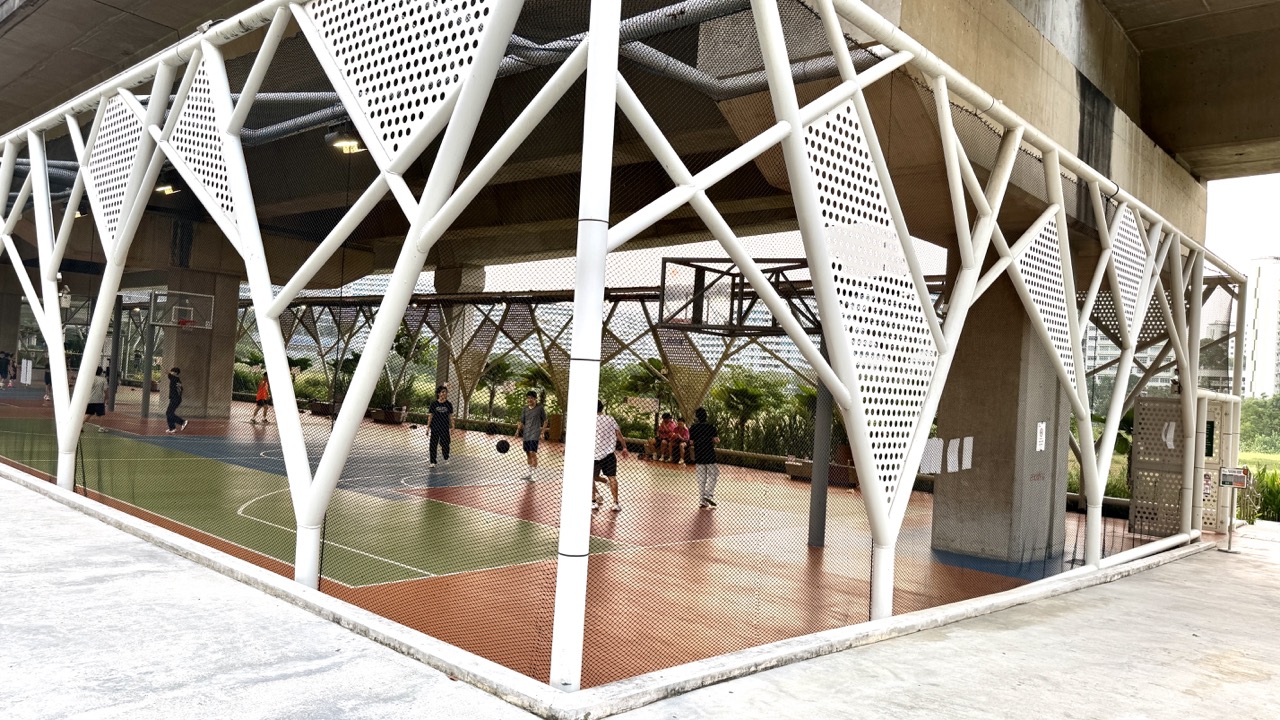
A neighbourhood sports day near ActiveSG Punggol can be an enjoyable way for classmates, residents, parents and friends to move together, but it needs more planning than reserving a court and sending a group-chat invitation. Punggol Sport Centre at 11 Sentul Crescent began soft-launch operations on 27 October 2026, with a formal opening announced for 22 November. Some courts and the gym became accessible during the soft launch, while other facilities have separate activation schedules. Organisers must confirm a specific bookable space, its purpose and permitted use before promising anyone a game, clinic or event there.
This guide explains how to build a small, inclusive sports gathering that respects facility rules, protects children and vulnerable participants, manages weather, keeps costs transparent and gives beginners a fair chance to play. It is an independent planning resource, not an invitation to an official Sport Singapore event. Public court reservations are not automatically permits to run a tournament, paid coaching session, commercial gathering or community event. Use MyActiveSG+ and contact the operator where the proposed activity requires confirmation beyond an ordinary private booking.
- Where: ActiveSG Punggol Sport Centre, 11 Sentul Crescent, or a genuinely permitted alternative nearby.
- Live access: confirm the exact gym, sport hall, sheltered court or other facility and the operator’s current status.
- Group purpose: friendly recreational play is different from a formal event, school activity or paid coaching session.
- Booking rule: the booking holder must follow limits on use, numbers, timing, equipment and possible event permits.
- Participation: group by readiness and ability; provide alternatives for children, new players, older adults and disabled participants.
- Safe Sport: set conduct rules, obtain relevant parental permissions, prevent bullying and protect personal information.
- Weather: check thunderstorms, heat stress and haze; use a genuine indoor fallback if permission and availability allow.
- Before arriving: assign a lead organiser, attendance contact, equipment lead, safeguarding contact and simple emergency plan.
- Afterwards: evaluate safety, fairness and attendance before scheduling a second gathering.
Define the event accurately before inviting people
A neighbourhood sports day can mean several different things. It might be six friends sharing an ordinary court hour, a family reunion involving easy games, a school-organised outing, or a public tournament advertised to strangers. These are not equivalent. The larger and more formal the event, the more questions arise about venue use, organiser responsibility, safeguarding, insurance, public communications, commercial activity and permission. A person with an ordinary personal court booking should not assume it authorises every kind of organised activity.
Start by writing a precise one-sentence purpose. For example, “Eight relatives will rotate through non-competitive badminton games on an appropriately reserved court, with adults supervising children.” That is much easier to evaluate than “We are hosting Punggol’s biggest community badminton festival.” The first makes the participant count and intended use visible; the second creates unverified expectations of venue access and institutional approval.
Be especially careful with public-facing posters. Do not place ActiveSG or Sport Singapore branding on a private invitation in a manner that suggests official sponsorship. Accurate descriptions prevent disappointment and protect public trust.
Check what really operates at Punggol
In late October 2026, Punggol Sport Centre entered a soft-launch phase. Local reporting described a gym and selected bookable racket-sport courts, while swimming-complex public availability required separate confirmation. A building with many sports features can activate them in stages. The centre’s announced formal opening on 22 November 2026 should not be interpreted as a universal promise about a particular court, pool lane, studio or stadium booking.
Use the official venue and sport listing rather than a third-party image or a news photograph. Ask the booking service for the exact sport, space, date and time. When the proposed gathering is outside ordinary recreational play, contact the facility operator to ask about suitability and permission. Do not invent a court or session that the portal does not show.
For groups planning weeks ahead, date the information. A venue description accurate during soft launch may become incomplete after a facility opens, and a future notice may change capacity or operating arrangements. The organiser should be the person responsible for checking again shortly before the event.
Choose the sport to fit the group
A beginner-friendly sports day should be designed around the people attending, not merely around what looks impressive in photographs. Ask whether participants enjoy racket games, simple ball challenges, walking, gentle mobility or supervised games. Ask whether anyone has a mobility limitation, a medical concern requiring modification, limited previous experience or a preference not to compete. People should not have to disclose private medical details to a whole group chat; discuss necessary accommodations discreetly with an appropriate organiser.
Badminton can suit a small mixed group if court use, player rotation and equipment fit. Table tennis may support short turns and simple rally challenges. A guided outdoor walk can accommodate different paces if route accessibility, weather and supervision are considered. Not every activity can safely include everyone in the same way, so provide meaningful alternatives rather than forcing participation.
The point is social access to movement. A gathering is successful when people are genuinely able to join in without being pressured, mocked or sidelined.
Match group size to the actual space
A court has physical dimensions and operational rules, not endless capacity. One badminton court cannot offer continuous play to twenty people at the same time. Even when visitors can wait around, excess numbers may create congestion, frustrate neighbours and reduce playtime. Decide how many people can safely use the booked area under the current rules, then design rotations and spectator arrangements accordingly.
If you have twelve interested participants, consider whether a smaller series of gatherings is better than one crowded session. More courts might help, but only if they are separately available and correctly reserved. An organiser should not occupy unbooked adjacent space on the assumption that no one seems to be using it.
Count children and carers as real attendees when planning meeting points and access paths. The safe working number is not merely the number playing simultaneously. It is everyone whose movement, supervision and waiting arrangements the organiser must consider.
Find a date people can actually attend
The most attractive venue and activity can fail if half the group is busy. Ask for genuine availability rather than asking people to vote for an ideal Saturday that nobody has checked against school or work commitments. Confirm the booking only after the essential participants agree. Avoid purchasing a non-refundable slot based on uncertain responses or vague emoji reactions.
For Punggol families, the practical schedule may need to account for tuition, school CCAs, shift work, caregiving and public transport. Children may have early bedtime requirements. Older adults may prefer cooler hours or quieter settings. The accessible route, time to change clothes and return journey should be counted.
A realistic plan often uses a shorter session with high attendance. The aim is not to maximise the length of a poster schedule. It is to maximise meaningful participation without turning the event into a logistical burden.
Book the correct facility, not a similar name
Punggol Sport Hall, Punggol Sheltered Courts, ActiveSG Punggol Gym and the swimming complex are different facilities or booking products. A person organising a badminton game should select the relevant badminton court listing; a tennis game may have a different sheltered-court listing. Do not pay for one sport and arrive expecting to use equipment for another without operator permission. Conversion between court layouts can depend on scheduled configurations and is not guaranteed by the appearance of a hall.
Record the exact venue name, court number or location, date, start and end time, booking holder and instructions. The person holding the booking should understand the current terms, including who may use the slot and whether the intended gathering is allowed. For unusual activities or large groups, ask directly before making a promise.
Send a clear meeting instruction to participants. “Meet at ActiveSG” is too vague for someone unfamiliar with the new complex; include the proper sport area and an agreed point that does not obstruct public access.

Understand permission, privacy and public promotion
Ordinary private recreation and public organised events can fall under different rules. If you intend to sell tickets, recruit unknown participants, stage a tournament, bring external vendors, hold a coached clinic or place signage, seek the necessary approval from the operator and other relevant authorities. Do not assume that one standard court booking automatically authorises any of these activities. Similarly, commercial photography or the use of a brand logo may require separate consent.
When the gathering involves children, keep communications through appropriate parents or guardians and use responsible channels. Do not publish children’s names, attendance lists or school information publicly. Collect only what is necessary to organise safe participation, and determine who can access the information.
Good governance need not feel bureaucratic. A short written invitation stating who is organising, what is planned, where it happens and what permission has been confirmed can prevent a great deal of confusion later.
Assign roles before something goes wrong
Small gatherings still benefit from clear responsibilities. One adult should hold the booking and contact the venue. Another can manage attendance or group messages, if the group is large enough. A game facilitator can explain the rules and rotation. When minors participate, adults responsible for supervision and safeguarding should be identified rather than assuming that every adult will watch every child.
The group should also know where to find venue staff, how to report an incident and which person will communicate if weather interrupts play. Participants should not be asked to perform tasks beyond their competence; serious medical concerns need qualified assistance and, in emergencies, appropriate emergency services.
Role allocation can be light. You do not need lanyards and a committee meeting for a family badminton hour. But a simple “I am responsible for checking everyone has left safely” can matter more than an elaborate list of games.
Use Safe Sport principles as the minimum standard
Sport Singapore describes Safe Sport as an environment free from harassment and abuse. This is relevant even to informal recreation. People should be able to participate without discriminatory jokes, humiliation about ability, aggressive coaching, inappropriate physical contact or pressure to disclose personal information. A friendly invitation does not give anyone permission to ignore a person’s boundaries.
Set a few visible behaviour expectations: be respectful, accept refusal, do not tease beginners, seek help with conflicts, and ensure children know which trusted adult they can approach. When a concern is raised, take it seriously and use the appropriate safeguarding and reporting channels. The Sport Singapore Safe Sport guidance offers a framework for community sporting environments.
An enjoyable sports day is not measured only by a lack of injury. Psychological and interpersonal safety are part of participation. Beginners return when they feel welcome and protected, not when they feel publicly judged.
Plan responsibly when children attend
Parents and guardians should know who is organising, the activity, expected physical effort, venue, timetable and pickup arrangement. Make supervision responsibilities explicit. Do not assume that a teenager is automatically responsible for supervising younger siblings simply because they are better at the sport. Children may need breaks, hydration, a place to sit and a way to leave the activity without embarrassment.
Use age-appropriate equipment and challenges. A young child learning to hit a shuttlecock does not need to face the fastest smash in the group. Encourage simple rallies, target games and cooperative practice. Children should not be pushed beyond fatigue or pain to make the session appear competitive.
At the end, check that handovers are safe and authorised. If the group changes plans, tell parents promptly. Supervision begins before the first game and ends only when each child’s arrangements are complete.
Welcome disabled participants without making assumptions
Inclusion starts by asking what would make the chosen activity accessible, not by telling a disabled person which sports they can or cannot enjoy. Different people may need different adjustments in route, equipment, pacing, instructions or support. Ask privately and respectfully about relevant access requirements. Do not demand explanations about a person’s diagnosis or tell them to disclose medical information to everyone.
Check the actual venue’s accessible routes and facilities instead of assuming that a new building provides every adjustment for every sport. Where a booking or activity needs special arrangements, contact the operator before inviting participants. Where the sport cannot be adapted safely, offer a meaningful alternative rather than making the participant a spectator by default.
SportCares’ Play Inclusive initiative illustrates the value of pairing participants and balancing abilities, but it is a separate organised programme. A private Punggol gathering should borrow the principle of respectful, balanced participation, not claim to be an official Play Inclusive event.
Make rules easy for newcomers to understand
Experts often underestimate the confusion a beginner feels when the rest of the group already knows the rules. Before starting, show where the playing area begins and ends, how a turn is taken, what counts as a score and how a person can ask for a pause. Demonstrate one example rather than explaining everything through complicated terminology.
Use a short trial round. Let people discover the pace without treating early mistakes as failures. For badminton, start with cooperative rallies; for table tennis, let pairs exchange gentle shots; for a mixed-age ball activity, use simple passing challenges. If a sport has official competition rules, clearly distinguish those from the simplified recreational version chosen for the day.
A participant who can explain the next action feels more confident. Clarity creates participation; participation creates enjoyment. That learning sequence matters more than conducting a perfect competition.
Create fair rotations and meaningful playing time
A sports gathering becomes uncomfortable when the strongest players monopolise the equipment. Plan rotations so each participant has meaningful time, especially those who are new to the sport. You can organise short rounds with fixed durations, rotate partners or use non-elimination challenges. Make the structure visible to avoid repeated disputes over whose turn it is.
Remember that waiting can also be tiring for young children and uncomfortable for older adults. Provide appropriate seating access or a resting option where the venue allows. Do not block entrances or emergency routes. The ideal rotation depends on the number of people and the court’s operating rules; it should be simple enough for the group to follow without a referee.
Fairness does not mean forcing every person to play identical minutes. It means offering a reasonable opportunity and respecting personal comfort, readiness and choice.
Warm-up and movement preparation
A simple movement preparation helps participants move from everyday sitting or travelling into activity. Depending on the sport and individual readiness, begin with comfortable walking, gentle joint movements or easy practice rallies. The goal is familiarity with the movement, not exhaustion before the first game. Participants with individual restrictions should follow appropriate medical or professional guidance.
For a friendly badminton session, try a few controlled swings and light footwork rather than beginning with competitive jumping. For casual ball games, practise short passes and safe stopping. Do not assign a strenuous warm-up copied from an elite athlete to a mixed-age neighbourhood group.
A short introduction also gives the organiser time to notice whether people understand the rules, have suitable footwear and are comfortable participating. The warm-up is part of the safety plan, not a ceremonial obstacle before the “real” event.
Weather planning matters even in a developed town
Punggol has sheltered and indoor facilities as well as outdoor spaces, but weather still affects arrivals, travel routes and activities. A roofed walkway is not the same as permission to play during a nearby thunderstorm. If using an outdoor court, check forecasts and official lightning alerts; if a venue closes the area or instructs users to stop, comply immediately. Do not attempt to finish one final game while lightning is a concern.
In hot conditions, consider the timing, shade, hydration and the experience of participants. In hazy conditions, check the latest air-quality guidance instead of assuming the day is safe because the sky looks bright. Weather decisions should take children’s needs, older adults and health vulnerabilities seriously.
It is better to have a modest, clearly communicated cancellation rule than a dramatic last-minute rush. Participants should know when a final decision will be announced and who will communicate it.
Lightning is a stop-play issue
Singapore can experience lightning even when heavy rain is not directly overhead. The Meteorological Service Singapore’s lightning information service provides detection information, while myENV supports location-based alerts. A forecast or detection tool supports decisions but does not replace venue instructions or basic caution. If thunder or lightning threatens an outdoor activity, stop and move into an appropriate substantial shelter; an exposed court, open shelter or tree is not a safe substitute.
Sport Singapore’s sports safety checklist advises postponing or cancelling outdoor sport when lightning is indicated. Do not let a paid booking persuade the group to ignore that advice. Money already spent is not a reason to take an unnecessary weather risk.
If a facility closes, ask about the official booking procedure. Never promise an automatic refund before checking the relevant terms.
Heat stress requires a different decision
Heat stress is not simply a matter of the air temperature shown on a phone. The Meteorological Service Singapore uses Wet-Bulb Globe Temperature, or WBGT, which includes humidity, solar radiation and other environmental factors. The official heat-stress page provides the current advisory. Its guidance for prolonged outdoor activity calls for reducing activity and taking more breaks at moderate levels, and minimising outdoor activity at high levels.
For a family event, adapt the schedule when conditions are difficult: shorten rounds, choose more shade, provide comfortable breaks and pay attention to symptoms. Participants vary in physical fitness and tolerance. Do not assume children or older adults will cope as well as the most active person in the group.
Avoid creating arbitrary universal water quotas or medical rules for everyone. Have drinking water available, follow appropriate professional advice when needed, and treat concerning symptoms seriously. The objective is safe enjoyment, not completing a prescribed number of laps at any cost.
Haze safety cannot be judged by appearance
A bright-looking morning can still have elevated air pollutants, and a slightly hazy view does not tell you the whole risk. For planning the next day, consult the NEA 24-hour PSI forecast and its health advisory. For immediate outdoor activities, check the one-hour PM2.5 information and applicable personal guide. The right response depends on exposure, exertion and individual vulnerabilities, not on an organiser’s personal opinion of the skyline.
In October 2026, Singapore issued several haze updates. The published NEA guidance recommends reducing or avoiding prolonged strenuous outdoor activity as air quality worsens, with more cautious advice for children, older adults and people with relevant health conditions. An indoor alternative may be more appropriate, but indoor air quality and facility status also matter.
Do not promise that a private mask, a short game or one particular exercise is guaranteed safe under all air-quality conditions. Make a proportionate, current decision.
Check equipment before the first game
For racket sports, confirm that the equipment suits the participant’s size and experience. Frayed grips, sharp edges, broken frames or worn footwear can cause avoidable problems. For ball games, choose a ball suitable for the space and remove unsuitable obstacles when permitted. Do not attach unapproved equipment to facility structures. The venue’s own rules take precedence over a group organiser’s preferences.
Make a simple equipment inventory: who brings racquets, balls or shuttlecocks; who brings spare water; who has the booking confirmation; what must be cleaned or returned afterwards. Equipment can be inexpensive and still work well. An event is not improved merely by expensive branding.
Teach participants to return equipment when not in use and avoid leaving bags, bottles or loose balls in walkways. Much of sports safety comes from small, boring habits done consistently rather than dramatic interventions at the last moment.
Keep refreshments simple and hygienic
A neighbourhood activity rarely needs an elaborate food arrangement. People need access to water and, where appropriate, a comfortable way to take a break. Encourage participants to bring their own bottles and consider refill opportunities where permitted. Respect facility rules on food and drink; many courts and fitness areas restrict eating or particular containers.
If bringing snacks for a group, ask about relevant allergies and do not pressure anyone to consume something. Do not turn the activity into a nutrition lecture or suggest that children must earn food through exercise. For longer permitted events, a carefully planned rest and refreshment arrangement may improve comfort. For a one-hour court booking, simpler is normally better.
The organiser should distinguish personal hospitality from food sales or catering. Commercial arrangements or larger public events may require permissions that ordinary casual play does not.
Plan for a minor injury without improvising medical care
Even low-pressure recreation can involve a fall, bump or strain. The organiser should know how to reach venue staff and seek appropriate help. Follow the facility’s emergency procedures, and call Singapore’s emergency services when the situation warrants urgent assistance. Do not move a person who may have a serious injury unless necessary for immediate safety, and avoid unqualified diagnoses.
For ordinary discomfort, let the participant stop without argument. Nobody should be teased for choosing to sit out. A person with recurrent pain or medical concerns may need assessment by a qualified professional before returning to a particular activity. In an emergency, communicate clear facts about the location and incident rather than speculation about causes.
Afterwards, record only information necessary for appropriate follow-up. Do not circulate photographs of injured participants in group chats. Respect dignity as well as physical wellbeing.
Privacy and consent for group photographs
Sports days produce attractive images, especially with Punggol’s modern facilities and Waterway surroundings. That does not mean everyone has consented to appear in public content. Ask adults before taking identifiable images for sharing; obtain appropriate parental or guardian permissions for children. The standard for private memories may differ from public marketing or an article on a commercial website.
Avoid filming strangers using neighbouring courts or changing areas. Do not publish children’s school names, contact details, locations or other unnecessary identifiers. If someone declines photography, respect the decision without isolating them from the activity. An organiser can photograph equipment or the venue where rules allow while avoiding faces altogether.
The more public the intended post, the more carefully the organiser should consider privacy and venue permissions. Safe Sport is not only about what happens during a game; it also includes how participants are treated afterwards.
Design a sample ninety-minute programme
This timetable is a planning illustration, not a reservation of ninety minutes at Punggol. First, allow fifteen minutes to meet, check attendance, explain safety expectations and confirm the court or approved space. Next, allow ten minutes for easy warm-up and rule demonstrations. Follow with three short, flexible game blocks separated by rest and rotation. Reserve the final portion for a gentle finish, equipment checks and making sure participants leave safely.
If your actual booking is only sixty minutes, the entire plan must be shortened to fit the permitted time. Do not continue playing after the reservation ends or assume that an adjacent unused area may be occupied. The organiser should also protect enough arrival time for participants travelling via Sam Kee LRT or other routes.
The purpose of a timetable is to eliminate avoidable confusion. It should be easy enough for a tired volunteer to follow and flexible enough to adapt when a child needs a break.
Keep scoring cooperative instead of intimidating
Not every gathering needs winners. For beginner badminton, pairs can count how many gentle returns they achieve together rather than who wins. A mixed-age group might aim for a shared twenty-pass challenge with a soft ball in a permitted space. Table tennis beginners can practise returning ten comfortable shots. These games reward control and teamwork, which often produce more enjoyment for novices.
When competition is appropriate, make the rules clear and avoid humiliating less experienced players. Adults should not dominate youth or disability-inclusive activities to prove their own skill. A facilitator can balance teams, adjust the challenge and acknowledge effort without pretending everyone performed identically.
Simple games are educational because they isolate one useful skill. Repetition then becomes possible, and improvement is visible. The group does not need a professional scoreboard to experience achievement.
Build a transparent budget
A small event budget should list the court or venue fee, any permitted additional usage charges, equipment, transport and optional refreshments. A S$7.40 example court fee shared among four players works out to S$1.85 in court cost per person, before other expenses, if the current rate and eligibility actually apply. The booked amount, not a social-media price list, is authoritative. Do not advertise a participation fee that is unrelated to an approved use of the facility.
Agree in advance how people will share costs if someone cannot attend. If the event is not-for-profit and family-organised, simple equal contributions may be enough. If money is collected publicly or commercial services are offered, additional permissions and requirements may apply. Do not make a private cost-sharing chat appear to be an official ActiveSG ticketing service.
Keep a record of what was paid and why. Transparency avoids the kind of uncomfortable disputes that make people reluctant to join a second gathering.
Set a rain, illness and cancellation plan
A sports day is easier to manage when the organiser has decided in advance what would trigger a postponement. Outdoor lightning is a clear reason to stop activity. Haze or heat may require adapting, relocating to a genuinely available indoor facility or postponing. Illness may reduce attendance below the level that makes a team activity sensible. The fallback should reflect real availability, not an imaginary spare court.
Tell participants when they will receive a final message and where the update will appear. One organiser should send the decision to avoid conflicting instructions. If a paid booking is affected, follow the operator’s rules and ask about the applicable process. Do not promise automatic refunds when the terms have not been checked.
A cancelled game can be disappointing, but a responsible decision strengthens trust. People are more likely to join future activities when they know safety takes priority over sunk costs.
First case study: four families and one badminton court
Four families want an informal Sunday badminton session. There may be far more people than one court can accommodate comfortably. Instead of booking immediately, the lead organiser counts actual interested players, separates active participants from accompanying adults and checks the current facility rules. If the gathering is too large, the group divides into smaller sessions or obtains appropriate additional reservations and permissions.
The organiser gives children a simple beginner rally activity and adults a clear rotation. Everyone knows who holds the booking and when the slot ends. The group brings equipment and has a transport plan. No one is told that the court booking includes coaching or guarantees access to other sports spaces.
This modest preparation turns a potentially chaotic family gathering into a pleasant trial. The best outcome is not the biggest attendance number but a session people would willingly repeat.
Second case study: classmates of different abilities
A group of secondary-school classmates wants an end-of-exam sports afternoon. Some play competitive badminton, some are completely new and one student may need a modified activity. Rather than allowing the strongest players to choose the rules alone, the adult organiser asks about safe participation, checks the venue and builds cooperative challenges before short optional matches.
Students help with simple tasks such as keeping time, explaining a rule and returning equipment, under appropriate adult responsibility. Nobody is assigned to post photographs of classmates without permission. The activity should not become an unofficial selection trial or an opportunity for teasing. Participants are free to take a break.
The principle connects with classroom learning: clear instructions, an appropriate level of challenge and supportive feedback improve participation. A shared event can teach teamwork without requiring every student to perform like a varsity athlete.
Third case study: neighbours and older adults
A few neighbours want to gather for light movement and conversation. They have different mobility levels and some prefer not to use a busy racket-sport court. The organiser can ask whether a safe, accessible walking route or suitably permitted gentle activity space better fits the group. They check shade, seating, toilets, transport and weather, and avoid assuming that every participant wants to compete.
The invitation states that people can join for as much as they comfortably choose. The group does not ask participants to reveal medical histories in a public chat. If an individual needs specific exercise advice, the organiser does not pretend that a friendly gathering replaces professional assessment. Accessibility questions are directed to the relevant operator where needed.
The event can succeed through social connection and comfortable movement rather than scorekeeping. Respecting different capabilities is a strength, not a compromise of sporting ambition.
Review what worked, not only who won
After the activity, ask participants a few simple questions: Did you feel safe? Did you understand the rules? Did you get enough meaningful time to participate? Was the journey manageable? Was the cost fair? Do not turn the review into a public ranking of fitness, weight or ability. People are more likely to give useful feedback when they know it will be received respectfully.
Write down the operational lessons. Perhaps the meeting point was confusing, the sport was too technical for half the group, or the court-hour was too short for the number of players. Fix one or two things before repeating. Successful organisers treat feedback as information, not criticism.
There is no need to launch a permanent club after one good day. Start small, learn honestly and build only what participants genuinely want to continue.
A four-week preparation and follow-through cycle
In week one, define the event, discuss participants’ needs and check whether the facility can lawfully and practically host the intended use. In week two, confirm the real booking or authorised location, send the details, agree on the cost and assign basic adult responsibilities. In week three, check equipment, supervision, weather procedures and rules. In week four, run the event at the appointed time and collect enough feedback to decide whether to repeat it.
The sequence is intentionally ordinary. It prevents the familiar problem of enthusiasm outrunning preparation. If the venue rejects the proposed use, do not pressure staff or conceal the actual activity. Repair the plan: choose a permitted type of sport, a smaller group or another suitable location. If the participant mix changes, revisit supervision and access.
A planning cycle of define, verify, prepare, deliver and evaluate is useful well beyond sport. It helps families and communities turn good intentions into reliable experiences.
Frequently asked questions
Does a normal court reservation authorise a public tournament?
Do not assume it does. Ordinary recreational booking conditions may differ from permissions required for public, commercial or formal events. Ask the operator about your specific use.
May I use ActiveSG logos on a neighbourhood event poster?
Do not imply official sponsorship or approval without permission. Describe the actual venue accurately and identify the real organiser.
Can I bring children to play?
Check the sport’s age rules, the space’s terms and appropriate adult supervision. Make the arrangements explicit to parents or guardians.
Can one badminton court accommodate twenty players?
It cannot provide simultaneous court play for twenty people. Size the gathering realistically, plan rotations and respect participant and venue limits.
What if lightning begins?
Stop outdoor play, follow facility staff and official safety instructions, and seek suitable shelter. Do not continue because the session has been paid for.
Can disabled participants join a recreational sports day?
Often meaningful participation is possible with suitable adaptation, but the organiser should ask about access needs and verify venue suitability rather than making assumptions.
Is a community sports gathering the same as SportCares Play Inclusive?
No. Play Inclusive is an organised SportCares initiative. A private neighbourhood gathering can learn from inclusive-play principles without claiming affiliation.
Who should manage photographs?
The organiser should establish consent, comply with venue rules and protect participant privacy. Obtain appropriate permissions for children.
Must everyone be competitive?
No. Cooperative rallies, gentle challenges and optional short games may suit a varied group better than a full tournament.
What if a booking is cancelled?
Follow current ActiveSG terms and the relevant official procedure. Do not promise an automatic refund, especially for voluntary cancellation.
Official sources and your next step
Use MyActiveSG+ for live venue access and bookings; consult ActiveSG FAQs for balloting, payments, family accounts and refunds. Read Sport Singapore’s Safe Sport framework and SportCares’ inclusive-play example for safeguarding and inclusion principles. For weather, consult MSS lightning information, heat stress observations and NEA haze guidance. The 29 October 2026 Punggol opening report gives dated venue context.
Your next step
Write one sentence defining the intended gathering, identify the actual participants, choose one safely suitable activity and check the operator’s current rules. Reserve only what your use genuinely permits. Then prepare simple participation, safety and weather arrangements. A neighbourhood sports day becomes successful through thoughtful access and clear responsibilities, not through grand promises.
Editorial note: This independent guide is dated 1 November 2026. It does not constitute approval to hold an event or advertise ActiveSG affiliation. Always verify current official requirements.


