
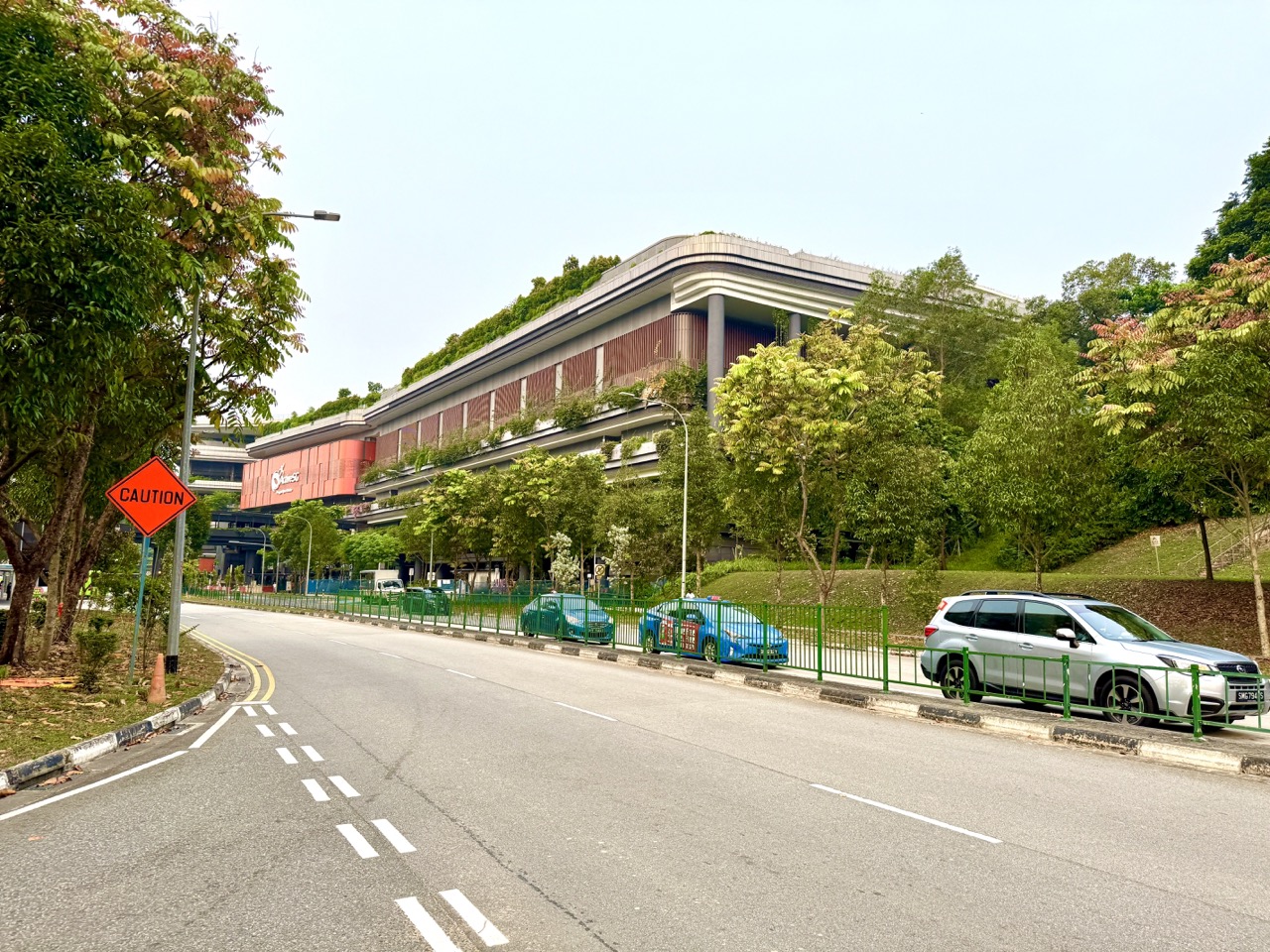
If you lose a phone, wallet, racquet, water bottle or sports bag at ActiveSG Punggol, begin with the last place you actually used it and contact the appropriate operator—not a random account claiming to have found your belongings. Punggol Sport Centre is at 11 Sentul Crescent beside SAFRA Punggol, near Sam Kee LRT and One Punggol. It began soft-launch operations on 27 October 2026, with a formal opening announced for 22 November. The gym, courts, station, buses and neighbouring buildings are separate places with separate staff and lost-property procedures. A missing item found at the Sport Centre should first be raised with its on-duty facility staff; an item left on the LRT or bus belongs in the relevant transport operator’s process.
The Singapore Police Force distinguishes property simply lost from property suspected stolen. Its official Lost Property Report service is for losses not believed to involve crime; if there are grounds to suspect theft, use the appropriate Police Report service. The police also provide a Found and Unclaimed Property Office, or FUPO, and guidance for checking whether lost items were handed in. A useful recovery report includes the last confirmed location, time, item description and serial number where available. This article explains what to do promptly, how to protect a missing device or bank card and how to avoid turning a simple lost-bottle incident into unnecessary public exposure of personal information.
- At the Sport Centre: tell the relevant on-duty ActiveSG staff what was lost, where and when; follow their current handover procedure.
- Outside the facility: distinguish the Punggol Sport Centre from SAFRA Punggol, One Punggol and public Waterway paths.
- On the journey: if the item was left on Sam Kee LRT or a bus, contact the relevant operator rather than assuming ActiveSG holds it.
- Lost versus stolen: use the SPF lost-property process for ordinary loss and the crime-report process where theft is genuinely suspected.
- For a missing phone: use account security tools, lock or locate it where safe and take appropriate action to protect linked accounts.
- For missing bank cards: contact the issuing bank promptly through official channels.
- For children: establish a safe adult contact and avoid sending young people alone to search restricted areas.
- If you find an item: hand it to the proper staff or appropriate authority; do not keep, post sensitive data or demand a reward.
- For recovery: record distinctive details privately and keep any report reference.
- Prevention: use a simple packing and exit checklist, especially around timed court bookings.
What is the first thing to do when something disappears?
Start by identifying the last confirmed moment you had the item. Did you use the phone to enter the gym? Did you place a racquet beside the badminton court? Was the wallet in the bag when you boarded the bus? A calm sequence is often more effective than searching every corner of the development at random.
Check immediate belongings and your authorised surrounding area without obstructing other users. If the item remains missing, tell the staff responsible for the exact facility and give a concise description. Ask what their current found-property procedure is, how you may be contacted and whether another designated counter is involved. Do not assume that every desk inside the wider development shares one inventory.
If the item is a phone, card or identity document, take appropriate protective steps promptly. You can begin protecting accounts while making ordinary recovery inquiries. The two processes need not wait for each other.
Definition lock: lost, mislaid and stolen are not the same
A lost item may have been left somewhere accidentally. A mislaid item might still be in the person’s bag, car or locker. A stolen item involves possible dishonest taking. These descriptions matter because they lead to different actions and official reporting channels. An empty court bench does not prove a crime occurred.
The SPF online lost-property service is designed for property not believed to have been lost through crime. Its guidance specifically says that a person who believes an item was stolen should lodge a police report instead. If there are observations suggesting theft—such as someone being seen taking the item—record facts rather than inventing a theory.
Do not accuse a stranger because they happened to play next to your group. Misunderstandings can cause real reputational harm. Start with evidence, protect your property and choose the official process that matches what you actually know.
Punggol Sport Centre is one location among several

Punggol Sport Centre is at 11 Sentul Crescent and sits near SAFRA Punggol, One Punggol and Sam Kee LRT. These landmarks make the district easy to describe but can complicate lost-property searches. An item left at the ActiveSG gym may not be handled by the same people as an item left at the community hub’s library or at SAFRA.
Identify the actual last-used location. A sports court, gym, bus stop, LRT platform, taxi or sheltered walkway may be managed by a different organisation. When unsure, ask staff how to contact the responsible operator rather than asking them to search a building they do not control.
Write down the location in ordinary language with a useful detail, such as “inside the booked badminton area shortly after 6pm” or “on a bench near the Sam Kee approach.” This is much more actionable than “lost somewhere in Punggol.”
Check the court and surrounding area without breaching rules
If a racquet or bottle was left during a court booking, contact the hall staff and explain the earlier session. Do not enter a currently occupied court, climb into a restricted area or open another person’s bag. The facility may have a procedure for retrieving items, especially after the next users have arrived.
Ask the appropriate staff to check the permitted area or advise you how to proceed. Provide a description but avoid publishing a full image of personal identity documents. A lost item does not give the owner a right to ignore access restrictions or interrupt a competition.
The goal is a respectful recovery. Other users may have their own bookings, and staff must protect the safety and property of everyone present. Cooperation is more productive than confrontation.
If the item was lost at the gym
Gym users move among several stations, so a small object can be left beside a bench, cardio machine or changing-area entrance. Retrace the route mentally, then alert staff. Do not film strangers or search through personal belongings while trying to locate the object. ActiveSG rules also restrict unauthorised photography and filming within its facilities.
If a locker or other storage facility is involved, follow its actual operating rules. Do not assume staff can open every locker without identity or ownership checks. Explain the last known location and the type of item so the correct authorised procedure can be used.
Even during a rushed shift-work visit, checking your belongings before leaving can prevent many recoverable losses. A thirty-second exit habit can be more useful than a sophisticated tracking device.
If the item was left at Sam Kee LRT
A phone dropped inside an LRT train or on the station platform requires the public-transport operator’s lost-property channel. It is not automatically part of ActiveSG Punggol’s records. Note the line and station, approximate time and train direction. Even if you cannot remember the vehicle, these details can help identify the correct inquiry.
Do not step onto the track or into restricted rail areas to retrieve anything. Notify station staff immediately if an item is on the track or in an unsafe location. Railway safety takes priority over the value of the missing object. A person who finds a phone on a train should also follow the operator’s handover instructions rather than taking it home.
If the item is expensive or linked to personal accounts, begin device-protection steps while contacting the operator. Transport recovery and digital security are separate tasks.
If the item was left on a bus
Punggol’s Sentul Crescent bus stops near the Sport Centre include Opp One Punggol and One Punggol. Several services call in differing directions. If a bag was left on a bus, try to remember the service number, direction, boarding and alighting stops, and approximate journey time. That is more useful to the operator than describing only the shopping centre nearby.
Different services may have different operating companies and lost-property channels. Use the operator identified by the current service information. Do not give banking credentials to an unsolicited messenger who claims to represent the bus company. Verify the contact through the operator’s known official website.
If the item contains work or school records, the owner may need to notify an employer or institution in line with its security procedures. A lost bag can be more than an inconvenience when it contains personal or confidential information.
What if you cannot tell where the item went missing?
Sometimes the last confirmed possession was hours earlier. Make a short timeline: departure from home, transport, gym check-in, court play, refreshments, departure and return journey. Use actual records such as a booking time or transport transaction only when they help establish timing. Avoid publicly sharing account screenshots that contain unnecessary personal details.
Contact the plausible operators in a sensible order, starting with the last place where the item was definitely present. Keep a simple note of whom you contacted and any reference number. This avoids repeated conversations that start from scratch.
A timeline should be honest about uncertainty. “I may have left it at the station or gym” is more useful than falsely insisting it was stolen at one venue.
A missing phone needs two parallel actions
The first action is the physical search through the proper staff and operator channels. The second is digital protection. Use the phone manufacturer’s official lost-device tools if configured, including locating, locking or marking it lost as appropriate. Do not attempt to confront a person or enter a dangerous location merely because a map shows a possible device position.
Review linked accounts, financial apps and payment methods according to official security advice. A phone can contain more valuable data than its hardware price suggests. If security indicators show unauthorised access, take appropriate steps with relevant providers and report suspected crime.
Do not publish the live location or claim you know the identity of a possible finder based solely on an approximate device map. GPS and network location estimates can be inaccurate.
What to do if a wallet disappears
A lost wallet can contain payment cards, identity documents and personal information. Check your belongings and report the loss to the appropriate facility or operator, but do not delay contacting the card issuers where protection is needed. Use the bank’s official app, website or known hotline to block or freeze cards and review transactions. Avoid calling a number sent by a stranger claiming they found your wallet.
For identity documents, use the relevant issuing agency’s replacement or loss-report instructions. The correct procedure depends on the document. A lost-property police report is not necessarily the same as reporting a document to its issuer.
Keeping card information and identity documents secure matters more than recovering the physical wallet quickly. Some protective actions are time-sensitive and should be done while the search continues.
A lost racquet or paddle is a different problem
A badminton racquet, pickleball paddle or tennis bag may have a distinctive grip, brand, colour or name label. These details can help staff distinguish it from similar equipment. A photograph taken at home before the outing can serve as a private ownership reference without needing to photograph strangers at the venue.
Do not claim that another player has stolen a racquet simply because they are using the same model. Ask the facility staff how to handle a possible mix-up. In groups that share equipment, check who brought what and who was responsible for carrying it home.
Equipment is often less urgent than a missing bank card or phone, but a calm accurate record still improves the chance of identification. Keep purchase records or a serial number where applicable.
Children’s belongings require a child-safe plan
Young players may misplace shoes, water bottles, jackets or bags while changing between activities. A responsible adult should help reconstruct where the item went. Do not send a child alone into an unfamiliar changing area, storage space, car park or transport station to search. The adult should contact appropriate venue staff and respect the child’s supervision arrangements.
Use labels that help staff identify the item without publishing a child’s full identity in public. For example, a discreet name tag inside a bag may be more sensible than placing the child’s school, complete home address and daily timetable on the outside.
A lost bottle should not become a disciplinary crisis. Help the child develop a repeatable packing routine rather than treating every forgotten item as proof of irresponsibility.
Do not expose sensitive details in a public lost-item post
A neighbourhood group may help reconnect a finder and owner, but publishing too much can create another problem. Avoid posting full ID numbers, bank-card information, complete passport images, login details or identifying information about children. An image of a phone’s lock screen or a wallet’s documents can expose information that should stay private.
If an announcement is appropriate, describe the item generally and ask potential finders to contact the official venue or a controlled private channel. Keep distinctive ownership details in reserve for verification. Do not offer a stranger your personal data simply to prove that a missing object belongs to you.
The point of a lost-item post is safe recovery, not broadcasting everything the object contains. A smaller amount of carefully chosen information is often more useful.
When a finder contacts you directly
Someone may send a message saying they found the item. Verify cautiously. Ask for a general description or follow a secure staff-mediated handover. Do not immediately send money, one-time passwords, or copies of identification to an unknown account. A genuine finder does not need access to your bank login to return a water bottle.
Choose a safe, permitted exchange location or ask whether venue staff can handle the handover under their procedures. If the message becomes threatening, coercive or suspicious, stop and use the appropriate reporting channel. Do not allow a child to arrange a private meeting with an unknown adult to collect equipment.
An effective recovery process verifies ownership without exposing either party to unnecessary risk.
What if you find another person’s phone?
Do not browse messages, photographs, financial apps or personal accounts to identify the owner. The device belongs to someone else, and opening its contents can compromise privacy. If you find it inside an ActiveSG facility, tell the responsible staff and follow their found-property procedure.

If you find it in a station, bus or other managed transport area, follow the relevant operator’s process. If it must be handed to the police, use the appropriate official channel. Avoid posting a clear photograph of the unlocked screen to a public residents’ group.
A phone can be valuable and personally sensitive. A responsible finder prioritises safe custody and return, not curiosity about its contents.
What if you find cash or jewellery?
The right action is not to keep an item because no owner is visible. The Singapore Police Force explains its found-property management process and receives handed-in property through authorised channels, including found-property dropboxes at certain police premises. If the item is found inside a staffed facility, notify staff and ask about their procedure.
Record where and when it was found, and do not invent a claim about ownership. Avoid publicising the exact amount or every identifying feature if that would make false claims easier. Handle the property as little as necessary and follow official instructions.
A public sports facility is a shared community resource. Returning what others have lost is part of respecting that community, just as returning borrowed racquets and keeping courts clear of belongings are.
The role of the SPF Found and Unclaimed Property Office
The SPF Found and Unclaimed Property Office, or FUPO, manages property handed to the police through its found-property processes. The official lost-property page explains that a person may contact FUPO or check the published list of property handed in before making a report. An item missing from a private sports bag is not necessarily already with the police, so start with the likely venue or transport operator.
If the police receive the item, collection arrangements may require identity verification and an appointment. Follow the official instructions rather than travelling to a storage location without confirmation. The purpose of the system is accountable return, not an informal walk-in treasure hunt.
Keep any report number or correspondence. Clear documentation helps when several organisations have been contacted.
Lost property report versus police report
The official Lodge Lost Property Report page says that the service applies when property was not lost through crime. If a person genuinely believes the property was stolen, a police report is the appropriate channel instead. This is a meaningful legal and administrative distinction.
Suppose a player cannot find their shoes after a match and is unsure whether they were placed in another bag. That is initially a search and possible loss, not automatic evidence of theft. If someone witnessed deliberate taking or there are other convincing facts, the situation changes and should be described accurately.
Do not make a false accusation in order to obtain a more urgent response. Accuracy benefits the owner, the staff and any person who may be investigated.
What information helps a recovery report?
The SPF guidance identifies item details such as serial number and photograph where available. A useful report can include the item type, brand or model, distinctive marks, colour, approximate time, last confirmed location and relevant safe contact details. A booking reference can help establish when the owner was at the venue.
Do not submit passwords, security answers or private account access merely because an online form asks for a description. Use only official forms and provide appropriate evidence through the approved process. A photograph of a distinctive racquet grip or bag lining may help verify ownership.
Accuracy is more useful than length. A clear paragraph can be better than a long speculative story about everyone who walked past the bench.
Why serial numbers matter for electronics
A phone, laptop, camera or watch may have a unique serial identifier. The SPF maintains an e-service for checking selected reported lost or stolen property by serial number, useful in some second-hand transactions. Keeping the original serial number or purchase record in a secure place can help an owner report and verify a device.
Do not publish the number unnecessarily on social media. Treat it as supporting documentation for the appropriate official report or verified recovery conversation. If the item has a device-finding function, use the manufacturer’s legitimate tools without attempting unsafe confrontation.
A few minutes spent recording equipment identifiers before a loss can greatly improve the quality of a later description.
Preventing losses at a one-hour court booking
A court session has a firm end time, and players may hurry to clear the space for the next group. That is when loose bottles, shuttlecocks, jackets or phones can be forgotten. Build a short exit process into the final minutes: collect racquets, count bags, check the bench and return any shared equipment.
One person can hold the booking confirmation while another ensures the group has its belongings. Do not make a child solely responsible for several adults’ valuables. Keep the process simple enough that it will actually happen.
This habit respects the next court users and reduces the number of items that staff must retrieve. A calm departure is part of good sports etiquette.
Bag placement and safe shared spaces
Sports bags should be placed only where the facility allows them. Leaving belongings across a walkway or beside moving players creates a trip hazard as well as a risk of loss. Avoid using another group’s area for storage or assuming that the venue provides guarded security for every bag.
Choose a compact arrangement and keep valuables appropriately secured. If lockers are available, read the actual terms and do not assume staff can guarantee their contents. Some items may be better left at home when they are unnecessary for a short sports session.
The best prevention is reducing the number of loose objects. Fewer scattered belongings mean fewer things to forget when the game ends.
A case study: a forgotten badminton racquet
Four relatives finish their badminton booking and leave quickly because another group is waiting. Ten minutes later one child realises a racquet is missing. The family stops to check bags, confirms who last used it and returns to the appropriate venue staff rather than walking onto the occupied court.
They describe the racquet’s grip, colour and distinctive mark. The staff explain the official search or handover process. The parent avoids accusing the next group or photographing strangers. If it is not found immediately, the family records the details and follows the advised channel.
The recovery may or may not succeed, but the procedure is responsible. Afterwards, they add a racquet count to their exit checklist.
A case study: a phone left during gym training
An adult uses a phone to track a workout, changes equipment and later realises it is absent. The person checks their pockets and bag, informs the gym staff and identifies the last station where it was used. At the same time, they use official device-protection features through a trusted device where available.
They do not chase a location dot into a stranger’s flat or accuse someone who happens to have a similar phone. If the device appears stolen or there are suspicious account events, they take appropriate security and reporting steps. If recovered, they verify the item privately.
This example shows that a missing device has two dimensions: physical property and digital access. Both deserve attention.
A case study: a wallet on the return bus
A parent leaves Punggol after a sports session, takes a bus and notices the wallet is missing at home. The last certain possession was when paying earlier, so the item may have been lost at the centre or during the journey. The parent makes a brief timeline and contacts the appropriate possible operators.
Meanwhile, the parent uses official banking channels to secure cards and checks relevant transactions. They do not wait for the transport operator to search every bus before taking protective action. If evidence of theft emerges, they use the appropriate police-report channel.
The family later identifies what would have reduced the risk: fewer loose items and a quick pocket check before leaving each vehicle.
A case study: children’s bottles swapped at practice
Two children own similar-looking water bottles. After a friendly sports session, each claims the other has taken theirs. The supervising adult treats the situation as a possible mix-up rather than a theft allegation. They check labels and ask the participants to describe their bottles, then handle any exchange calmly.
The episode becomes a small lesson about responsibility and respect. Each child can label the bottle discreetly and establish a consistent place for personal items. No public accusations or embarrassing photographs are necessary.
Sometimes a simple practical explanation solves a problem that could otherwise become an unnecessary dispute between families.
A case study: someone offers to return an item for money
A social-media account messages the owner claiming to have found a phone and requesting a transfer fee, identity document or banking login before disclosing the location. The owner should treat the demand cautiously. They should not send credentials or one-time passwords and should verify through a legitimate operator or official reporting route.
A genuine finder may have incurred inconvenience, but that does not justify an unverified demand for sensitive data or private access to accounts. If the exchange feels coercive or suspicious, stop and seek appropriate assistance rather than escalating publicly.
The lesson is not that all finders are dishonest. It is that recovery should preserve both personal safety and account security.
A four-week prevention routine
In week one, identify the objects that are genuinely necessary for sport: one bag, suitable shoes, racquets or paddles, water and the booking confirmation. Leave unnecessary valuables at home. In week two, give every item a consistent compartment and location. In week three, practise a short pre-departure and post-game check. In week four, review whether any objects were nearly lost and repair the cause.
A small routine is easier to remember than a complicated packing spreadsheet. Children can learn to check one or two age-appropriate items, while adults retain responsibility for valuables and supervision.
Prevention is not a promise that nothing will ever go missing. It reduces avoidable mistakes and makes any later search easier because the owner knows what should have been present.
Frequently asked questions
What should I do first if I lose something at ActiveSG Punggol?
Check the last confirmed location and notify appropriate on-duty facility staff. Follow their current found-property procedure.
Is SAFRA Punggol’s lost-property counter the same as ActiveSG?
No. They are separate operators. Contact the actual place where the item may have been lost.
Who should I contact for something left on Sam Kee LRT?
Use the relevant rail operator’s official lost-property process and provide the station, service direction and time.
Should I file a police report for every lost bottle?
Not necessarily. Ordinary misplacement is different from suspected crime. The SPF provides a separate lost-property reporting channel.
What if I believe the property was stolen?
Use the SPF police-report process and describe the facts that support the concern.
Can I post a photo of a found NRIC or bank card online?
Avoid exposing sensitive identity or financial information. Hand the item to the appropriate staff or issuing agency or follow official found-property guidance.
What if I find an expensive phone?
Do not inspect its private contents. Hand it to the proper operator or authority, with an accurate description of where it was found.
Can a tracking app tell me who has my device?
A location estimate does not reliably identify a person. Do not confront strangers or enter unsafe areas.
How can I prove that a racquet is mine?
Keep distinctive details or purchase evidence privately and provide them through a legitimate recovery process.
Is a recovered item guaranteed to be returned immediately?
No. The operator or police may require identification, verification or an appointment. Follow the relevant official procedure.
Sources and your next step
The Singapore Police Force lost-property service explains ordinary loss reporting and the distinction from theft. See the SPF article on the Found and Unclaimed Property Office, the serial-number enquiry service and SPF contact details. For facility access use MyActiveSG+. For local companion advice see our racket-sport packing guide, the transport guide and the privacy and filming guide.
If something is missing, begin with the last confirmed location, identify the actual operator and make a concise factual report. Protect devices, cards and personal information without waiting for the physical search to finish. If the item is returned, review the moment it was lost and add one simple exit habit to prevent a repeat.
Editorial note: Prepared 1 November 2026. This is independent guidance, not an ActiveSG or police lost-and-found desk. Operator procedures, contact information and public-access arrangements may change.


