
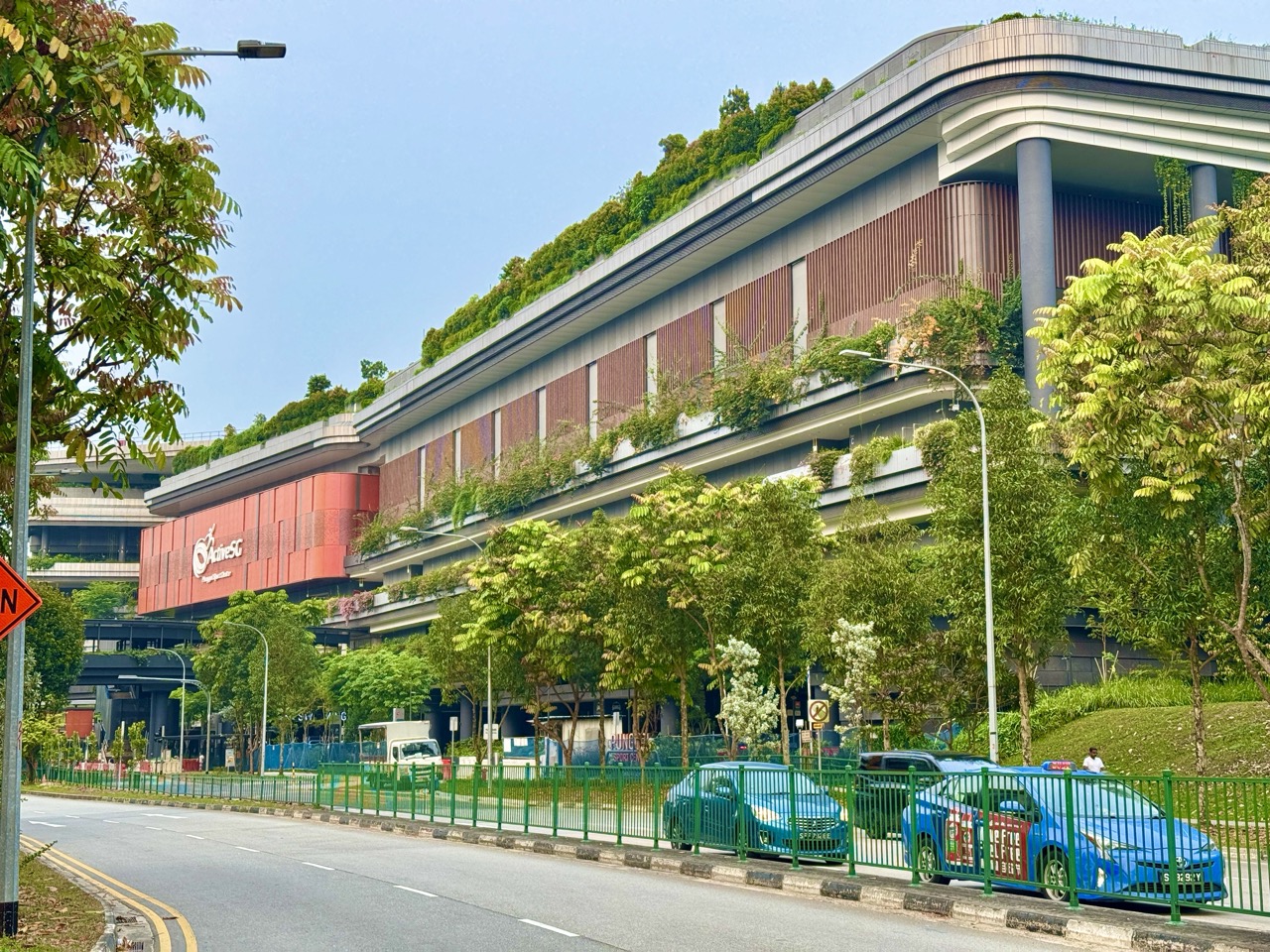
ActiveSG Punggol Gym has a practical feature for residents who want to avoid turning a short workout into a long wait: Sport Singapore publishes a live gym-capacity display through MyActiveSG+’s Gym and Pool Crowd page. The Punggol gym at 11 Sentul Crescent began receiving users during Punggol Sport Centre’s 27 October 2026 soft-launch phase, and the formal centre opening was announced for 22 November. The official crowd information can help you decide whether to travel now, choose a different time or prepare a flexible session. It does not guarantee that your favourite machine will be free when you arrive.
The official ActiveSG FAQ explains that the crowd-capacity page is accessible directly, from “Gym and pool crowd” under the MyActiveSG+ menu, or from the gym-pass purchase area. Visitors should also check for current gym closures, confirm their pass and comply with the venue’s entry instructions. Punggol’s opening-week complimentary gym offer ended on 31 October 2026; current admission and pass eligibility must be checked separately. This article explains how to interpret a changing capacity display, select a sustainable visit time and share equipment respectfully during crowded sessions without pretending to know live occupancy for every future hour.
- Venue: Punggol ActiveSG Gym, 11 Sentul Crescent, Singapore 828656, near SAFRA Punggol and Sam Kee LRT.
- Live crowd check: activesg.gov.sg/gym-pool-crowd, accessed through the official browser service.
- What the meter tells you: an operational snapshot of reported gym crowd or capacity, not a guarantee of vacant treadmills or machines.
- Gym status: soft launch began 27 October 2026; verify today’s opening hours and closures.
- Entry: have the current gym pass and follow MyActiveSG+ QR or eligible identity-card entry instructions.
- Busy-hour method: bring a short primary routine plus safe alternatives for occupied equipment.
- Shared-use habits: do not reserve machines with belongings, remain polite about turns and return equipment after use.
- Health and safety: choose appropriate effort for your own readiness, respect supervision rules and seek qualified advice for individual limitations.
- This guide covers: using the live meter, deciding whether to travel, realistic workout choices, peak-hour etiquette, first-month planning and FAQs.
Definition lock: capacity is not the same as availability
Gym capacity describes the number of users or the occupancy level relative to the venue’s operating limit. Equipment availability describes whether the particular treadmill, bench, rack, cable station or resistance machine you want to use is free. These are related but different measures. A gym at a moderate occupancy level might have every treadmill in use while several other stations remain vacant. Another gym could be crowded in the free-weights corner while the cardio area is quiet.
A capacity display is therefore a planning signal, not an equipment reservation. It should never be described as proof that a specific machine can be used immediately. Before travelling, treat the display as one piece of information alongside opening status, journey time and the flexibility of your workout.
This distinction prevents disappointment. A person who understands it can adapt without feeling that the operator promised an empty room simply because the number looked reasonable fifteen minutes earlier.
Where to check the official live gym crowd
ActiveSG’s official help centre directs users to its Gym and Pool Crowd service. It also explains that the same information can be opened from the MyActiveSG+ menu or from the gym-pass area. The interface may change, so use the current official page rather than copying an old mobile-app tutorial. The former ActiveSG app was replaced by the web-based MyActiveSG+ system.
Look for the correct gym rather than selecting another Punggol facility or a swimming-pool listing. A nearby gym may have a similar name or serve the same residential catchment, but its crowd reading does not describe Punggol. If the page is temporarily unavailable, do not guess a percentage from an older screenshot.
The best habit is to bookmark the official link and check close to your planned departure. A reading collected yesterday has little value for deciding whether to travel tonight.
Why a crowd meter changes as people arrive and leave
Public gyms serve people with different timetables. A group may arrive after school, several office workers might finish at the same time, or visitors may leave after a shorter workout. Occupancy can therefore change between your glance at the meter and your arrival at the building. The value of the service lies in current guidance, not permanent prediction.
The number also depends on the operator’s system and how it represents users and capacity. Do not claim that a displayed percentage translates directly into a precise machine count unless ActiveSG provides that calculation. A visitor cannot infer the availability of ten treadmills from a headline crowd percentage.
Instead, use a practical question: does the current reading make a flexible visit seem worthwhile? If yes, prepare to adapt. If no, consider a genuinely available alternative. This helps avoid false certainty and repeated frustration.
Why the gym has an occupancy limit
In a November 2025 parliamentary response, the Ministry of Culture, Community and Youth explained that ActiveSG gym capacities are determined with the aim of maximising access while preserving sufficient room and exercise time for users and complying with prevailing fire-safety requirements. Capacity is therefore not merely a marketing number or an arbitrary obstacle. It serves several operational purposes.

A busy gym needs clear paths, room for movement and compliance with building requirements. Users should not attempt to squeeze into restricted areas or pressure staff to exceed an operating limit. If the gym reaches its permitted capacity, waiting or returning later may be necessary even when you have purchased an eligible pass.
Fairness also matters. A public gym must balance many residents’ needs. Respecting its crowd-management rules helps more people use the facility over time.
The Punggol Sport Centre opening timeline
Punggol Sport Centre at 11 Sentul Crescent, beside SAFRA Punggol, began soft-launch operations on 27 October 2026. News coverage on 29 October described selected public facilities in operation and a formal opening scheduled for 22 November. A late-October local report also described Punggol ActiveSG Gym appearing on the official crowd tracker. These are dated facts about the first phase, not a claim that every advertised facility is already open.
It is important not to confuse the gym with the swimming complex, sports hall or sheltered courts. The pool had separate availability questions during the soft launch. A gym capacity page tells you about gym crowding, not the operating state of the infinity pool or a badminton court booking.
Before leaving home, check the live venue listing and any closure notices. The article’s publication date should not become a substitute for the operator’s current instructions months later.
Opening hours are a starting point, not a promise
Late-October reports listed the Punggol gym as operating daily from 7am to 10pm during the soft-launch phase. Those hours are useful for planning, but every visit should begin with a current check because closures, maintenance, special activities or operational changes can affect access. Do not present an old opening-week timetable as an indefinite guarantee.
If you have only forty minutes available before another appointment, allow time for travelling, entering, changing and leaving. The advertised closing time is not a reason to begin an elaborate session ten minutes before the building closes. Staff may have operational procedures to complete at the end of the day.
A reliable gym habit is built around realistic windows, not the longest theoretical operating day. A short, completed visit may be more useful than a grand workout plan that cannot fit your schedule.
Avoid confusing gym entry with court booking
MyActiveSG+ contains passes for gyms and pools, reservations for sport facilities and registrations for programmes. These products are not interchangeable. A gym pass does not reserve a badminton court or guarantee a personal training session. A court booking does not confer unlimited entry to the gym. A group-fitness programme may have its own timetable and payment conditions.
The crowd meter serves the gym-entry decision. It is not a ballot system for courts and should not be interpreted as a promise of space in another facility. If a family wants separate activities under one roof, each person must verify the relevant product and supervision arrangements.
Clear definitions save money. Many visitor problems begin with a perfectly valid purchase used for the wrong activity. Read the actual pass name and its conditions before treating it as proof of access.
How gym entry works through MyActiveSG+
ActiveSG’s official gym-entry FAQ explains that users with valid passes can enter using the pass QR code in MyActiveSG+ or an eligible identity card such as an NRIC or student pass, subject to the operating rules. The guidance states that scanning out is currently not required at gyms. Follow the current signage and staff instructions, as processes may change.
Children aged 12 to 14 have additional account and eligibility arrangements under the official guidance. A linked parent account and suitable pass may be needed. Do not assume an adult can simply lend their QR code or that a child of any age may use every machine.
Prepare the necessary access method before travelling. It is frustrating to choose a quiet time from the crowd meter and then lose the session because the correct pass or linked account was never arranged.
A five-minute decision before leaving home
Begin with the current official crowd display. Then check whether the Punggol gym is operating at your intended time and whether your pass is valid. Decide how long the entire journey and session will take. Finally, choose two or three useful exercise options that do not depend on one particular machine. This takes only a few minutes once you know the system.
If the crowd reading appears high, you do not have to abandon all exercise. You might choose a shorter visit, a different permitted activity or a later time if your calendar allows. If the meter looks moderate, still bring an alternative routine because equipment use may be uneven.
The objective is to reduce uncertainty rather than eliminate it. The gym is a shared public facility, and a good plan should tolerate ordinary changes.
The limitation of photographs and social-media crowd reports
A photograph showing a nearly empty gym can be misleading. It records one moment, perhaps taken before a busy period, during a preview or at an unusual angle. A video filmed on opening day may continue circulating months later. Neither proves the current number of users or the status of a particular machine.
Likewise, a neighbour writing “Punggol is always packed” may be describing their single weekday visit. Their experience is real but not automatically representative of all hours. Use such comments as clues about possible patterns, not substitute measurements.
Prefer the current official crowd display and your own observations over absolute claims based on isolated anecdotes. A good local guide should teach residents how to verify changing conditions rather than preserve a headline percentage forever.
Why no universal best hour exists
It is tempting to prescribe one quiet period for everyone, such as early afternoon on weekdays. But demand changes with school terms, holidays, work patterns, special events and changing public interest in a new venue. A time that works for a retiree may be impossible for a parent collecting children. A time that is quiet on one Tuesday may be busy the following week.
Rather than claiming an unverified Punggol-specific peak-hour chart, observe the official crowd display at a few times that are actually possible for you. Note which windows appear manageable and whether the trip fits the rest of your life. A less crowded gym is not useful if reaching it requires repeatedly missing work.
The right hour is a combination of reasonable crowding and a routine you can maintain.

After-work users need a flexible routine
Many adults can exercise only after a working day. Their first instinct may be to copy a routine that requires a specific bench, cable machine and squat rack in a fixed order. That plan can become stressful if several people arrive with similar intentions. A better approach is to identify the movement patterns that matter and several familiar ways to practise them.
For example, the goal might be lower-body strength, a controlled pushing movement, a pulling movement and some comfortable cardio. With appropriate knowledge and readiness, a person can substitute among safe, familiar exercises when equipment is busy. This does not mean improvising hazardous movements or copying a stranger’s advanced technique.
Keeping the purpose stable while adapting the equipment creates a plan that survives peak-hour conditions. It also reduces unnecessary frustration for other gym users.
Design a primary plan and a fallback plan
Before entering, write two simple versions of the session. Plan A is what you would do if your preferred equipment is available. Plan B achieves a similar broad purpose using other familiar, appropriate equipment or a shorter duration. Both should fit your abilities and the gym’s rules. A fallback is not a punishment for failing to obtain a machine.
If a treadmill is occupied, a person might use another suitable cardio option or begin a familiar strength movement. If the seated row is busy, they may practise another known pulling variation, if safe and appropriate. If every suitable station is occupied, ending early and returning later can be sensible. Never use a machine you do not understand simply to avoid waiting.
This approach makes the user responsible for a good workout, not dependent on an ideal sequence that the shared facility may not be able to provide.
How to share a machine without a confrontation
A gym is a shared space. If someone is using a resistance machine, politely ask how many sets they expect to complete, or wait at a reasonable distance. Do not crowd them, touch their belongings or repeatedly interrupt a set. Some users may be willing to alternate between sets when settings and safety permit; others may not. Respect the answer and follow the venue’s etiquette.
If alternating would require complicated adjustments, unsafe loading or an awkward movement, choose another exercise. Public gyms are not improved when every interaction becomes a negotiation. A calm and courteous approach usually serves everyone better.
You also have a responsibility when using equipment. Avoid sitting on a machine for long periods while scrolling through a phone if other people are waiting. Finish the intended work and leave the station ready for the next person.
Resting between sets is legitimate, but monopolising is not
Strength training often involves recovery time between sets. A person taking an appropriate rest is not necessarily wasting a machine. The problem arises when a station becomes a long-term seat, a bag-storage space or a filming location while others are unable to use it. Notice the needs of the shared room and keep your own rest period proportionate.
If you expect a longer break, consider whether you can safely release the station for someone else. Do not sacrifice safe technique or rush a set merely because another user is impatient. Similarly, do not pressure a person to work at an unsafe pace.
Courtesy is a two-way arrangement. A fair gym culture recognises that recovery is part of training while discouraging needless occupation of limited public equipment.
Bags and phones should not reserve space
Leaving a towel, water bottle or bag on a bench does not give its owner a permanent claim to the equipment. It may prevent other users from using a station, create trip hazards or confuse staff about whether it is genuinely occupied. Keep belongings in the places permitted by the gym and follow current storage rules.
Phones can be useful for checking an exercise log, but prolonged messaging should not dominate a scarce machine. If you need to take a call, move to an appropriate area without blocking the gym. Be especially careful with photographs or videos, because other users and children may not have consented to being recorded.
A busy public gym works better when equipment is used for its intended purpose and private belongings remain private, secure and out of the way.
Why a full gym may still allow a useful short session
Capacity is not the same as the availability of every piece of equipment. A busy room can still contain opportunities for appropriate movement, especially if a user has a simple plan and several known alternatives. Someone aiming for gentle cardio might need a different path from someone whose plan depends on one specialised machine.
Do not treat the crowd display as a competition to occupy the maximum amount of equipment. A productive session may contain a warm-up, a few controlled exercises and a comfortable finish. More machines are not automatically better. What matters is the quality of the movement and whether the routine is safe and repeatable.
If the environment is too crowded for your particular needs, respect that assessment. Returning at a different time is not failure. It is a rational response to the conditions of a shared facility.
Warm-up space must remain safe and unobstructed
A busy gym may offer less free floor space for stretching, mobility or movement practice. Never use an emergency exit, walkway or doorway as a makeshift training zone. If the intended warm-up area is full, choose an appropriate alternative, shorten the activity or ask staff about permitted spaces. Do not introduce large equipment into a crowded area without authorisation.
A modest warm-up should prepare the person for the planned activity. It need not become an exhausting performance. The content should reflect the individual’s readiness, especially for children, older adults or people returning after a long break. Where personal health concerns exist, professional advice may be appropriate.
Safety depends on respecting both the body’s capabilities and the real environment. A theoretically good exercise can be a poor choice when there is not enough room to perform it safely.
Use machines correctly instead of rushing under pressure
A beginner may feel intimidated when people are waiting nearby. They may increase the weight, shorten the movement or skip setup because they do not want to appear slow. That is counterproductive. Adjust the machine correctly, use a manageable load and perform controlled repetitions. If the setup is unfamiliar, ask an appropriate staff member or qualified professional for guidance rather than improvising.
Another user’s preference does not determine your safe workload. It is acceptable to stop or choose a different movement if you cannot maintain control. Likewise, experienced users should give newcomers enough space to learn without unsolicited criticism or ridicule.
The goal of public gym access is broader than maximum throughput. The venue should support safe participation by users with different experience levels.
Gym hygiene during busy sessions
Busy conditions make hygiene and organisation more important. Follow the venue’s rules for wiping equipment, using towels and returning items to their proper places. Do not leave loose weight plates, bands or dumbbells on the floor where someone may trip. Respect shared cleaning supplies and avoid making a mess at a station before moving on.
If an item is damaged, report it to staff rather than attempting a makeshift repair. Someone else may use it later without knowing the problem exists. Keep food and drinks where permitted, and avoid leaving open containers beside electrical or moving equipment.
A safe, orderly gym is a collective achievement. Individual users contribute through small habits repeated across every visit, not through dramatic speeches about discipline.
Peak-hour etiquette for free weights
Free weights can attract several users who want similar equipment. Make your needs clear without hoarding multiple dumbbells or plates. Use one station responsibly, return weights when finished and avoid blocking the area while others move. If someone is lifting a heavy load, give them sufficient space and do not walk close to the movement path.
A beginner should not pick up unfamiliar heavy weights simply because lighter ones are temporarily unavailable. Appropriate resistance and safe technique remain priorities. If the required weight is being used, wait reasonably, select a safer familiar exercise or return to that movement later.
The principle is fairness without pressure. Everyone has a reason to be there. The public space operates better when users acknowledge one another rather than behaving as though every piece of equipment belongs to the person who reached it first.
What to do when the cardio machines are occupied
Treadmills and stationary bicycles are convenient, but a busy row of machines does not make movement impossible. If another suitable cardio machine is available and you know how to use it, that may serve the session. If not, consider a different appropriate portion of your routine or a shorter visit. Do not run through a crowded walkway as a replacement treadmill.
A beginner can use comfortable walking before arriving at the venue, when weather and routes permit, as part of everyday movement. That is not equivalent to having access to every indoor machine, but it can contribute to an active routine. Avoid treating paid gym entry as the only valid form of exercise.
Choose alternatives that are genuinely safe for your abilities. A person needing specialised low-impact exercise may not have an interchangeable substitute, and waiting or rescheduling may be the better option.
A beginner’s crowded-gym session
Consider an adult who has thirty-five minutes after work. They check the live crowd display, confirm that the Punggol gym is operating and arrive with a short plan: a comfortable warm-up, one familiar lower-body exercise, one pushing exercise and one pulling exercise. They have safe alternatives for two occupied machines.
The session is not a race. They use conservative effort, respect other visitors, log what they completed and finish without rushing through the final movement. If the gym is busier than anticipated, they prioritise the exercises they can perform safely rather than experimenting with unfamiliar equipment under pressure.
This is a more robust starting routine than a complicated schedule requiring eight stations in precisely the same order. Consistency and control create learning, while perfectionism can make a shared gym feel impossible.
A returning exerciser’s crowded-gym session
A resident who exercised regularly several years ago may remember old personal records and expect to resume immediately at the same weights. Crowding adds another temptation: use whatever heavy machine happens to be free. Neither is a good reason to ignore present readiness. Begin by reassessing movement, comfort and tolerance for exercise.
Choose appropriate familiar exercises and allow sufficient recovery. Ask for help with equipment whose settings have changed. If the environment makes you feel rushed or unable to concentrate, a quieter session or an appropriate professional consultation may be preferable. Relevant health issues deserve individual guidance rather than a generic plan.
Returning to exercise is about rebuilding capability through repeatable practice. The public crowd meter is one planning tool, not permission to hurry through the process.
Working parents should calculate total journey time
A parent may have a narrow window between school pickup, dinner and work obligations. The crowd display can help, but the correct decision also depends on transport, changing and the return journey. Even a relatively quiet gym may not fit a thirty-minute window if reaching the centre takes most of that time.
Start with the calendar, not the ideal workout. If two short sessions per week fit reliably, that may be more sustainable than five sessions that repeatedly disrupt family life. Keep a flexible plan for school events, examination periods and unexpected duties.
Being active should support daily life rather than create constant conflict with it. A useful neighbourhood sports centre reduces some barriers through proximity, but residents still need realistic routines.
Parents and young gym users
ActiveSG’s official guidance sets specific entry arrangements for younger gym users, including a minimum age and linked-parent requirements for those under fifteen. Parents should review these before promising a child independent gym access. A youth entry rate does not mean every exercise or machine is suitable for unsupervised use.
Young participants benefit from appropriate movement education, qualified guidance where needed and an emphasis on technique over appearance or competition. Do not encourage a teenager to imitate the heaviest lifts in a social-media video simply because the machine is free. School activities, recovery and the child’s enjoyment should also shape the plan.
A busy gym requires even more attention to supervision and space awareness. The aim is a safe introduction to exercise, not proof that a young person can handle the same intensity as an experienced adult.
Accessibility and individual needs
A crowd percentage does not tell you whether an accessible route is clear, a suitable machine is available or the environment meets a particular person’s needs. Visitors using mobility aids or requiring other adjustments should check relevant facility information and contact staff about practical access arrangements. Do not assume everyone can substitute any exercise for any other.
An older adult may prefer a quieter time for confidence and ease of movement, while another may happily use the venue during a busier period. Individual needs are more informative than stereotypes. For some people, a predictable route and an appropriate area to exercise matter more than the headline crowd number.
The goal of public access is meaningful participation. A good crowd-management plan respects different capabilities and does not pressure anyone to take unnecessary risks to fit an inflexible timetable.
A four-week experiment to find your best time
In week one, identify two or three times when you can genuinely visit. Check the official capacity display near those windows, and note what the venue appears like when you attend. In week two, repeat one suitable window and compare whether your routine could be completed comfortably. In week three, test a second time if the calendar allows. In week four, choose the most sustainable pattern.
Record only a few useful observations: date, approximate arrival, general crowd level, whether suitable equipment was available and whether the trip fit your life. Do not pretend this small personal sample proves a universal peak-hour pattern for every resident. Public demand may change with school terms and the novelty of the new centre.
The purpose is individual decision-making. A good time is one you can attend regularly while exercising safely and with manageable waiting.
How to respond when the crowd is unexpectedly high
If you arrive and the gym is much busier than the earlier reading suggested, begin with observation rather than frustration. Confirm whether there is an entry restriction or staff direction. Decide whether your safe fallback routine is possible. If it is, adapt calmly. If not, a shorter session or an alternate day may be more useful than arguing about equipment.
Do not pressure staff to exceed the operating capacity or bypass an entry process. The gym limit exists partly to comply with safety requirements. Likewise, do not demand that another user vacate a machine in the middle of an appropriate set because you expected it to be free.
A flexible response is not a lowering of standards. It is the application of good judgement to changing circumstances.
A routine that survives school holidays and new-year crowds
Demand for a public gym can change around school holidays, opening celebrations, New Year resolutions and community events. The late-October Punggol soft launch naturally attracted attention, but opening-week crowd readings should not be promoted as a permanent forecast. A busy launch afternoon and a quiet later weekday are different observations.
Keep your basic training purpose stable: regular appropriate movement, safe technique and sufficient recovery. Adjust the time or equipment as necessary. If your chosen hour becomes difficult, compare alternatives rather than abandoning the habit. A small number of genuine regular sessions can be more valuable than an unrealistic commitment that lasts only a week.
The value of the crowd tool increases when it helps you maintain a sustainable routine, not when it becomes something to refresh obsessively every few minutes.
What the crowd tracker cannot tell you
It cannot guarantee a vacant machine, an available trainer, the cleanliness of a particular station or the comfort of an individual participant. It does not give permission to enter when a gym is closed or bypass the requirements of a valid pass. It does not automatically describe the swimming complex, sports hall or sheltered courts, even when those amenities occupy the same larger development.
An exact crowd percentage can also change quickly. Avoid copying a number into an article and presenting it as “the current Punggol crowd” forever. That would mislead readers after the moment passed. A stronger local guide provides the live official link and explains what question to ask next.
Use the meter as a piece of evidence within a bigger plan. It is a helpful instrument, not a promise about the future.
Frequently asked questions
Where is the official Punggol gym crowd meter?
Visit MyActiveSG+’s Gym and Pool Crowd page and select the relevant gym. The official FAQ also explains how to reach it from the menu.
Is a low crowd reading a guarantee of an empty gym?
No. It is a changing occupancy snapshot. Particular machines may still be in use, and additional users may arrive.
Is Punggol ActiveSG Gym open?
The gym began soft-launch access in late October 2026. Check the current official facility page and closures before travelling.
Does a gym pass reserve a treadmill?
No. A pass provides eligible gym entry according to its conditions, not exclusive access to a particular machine.
Can I scan an identity card instead of a gym-pass QR code?
ActiveSG’s published entry FAQ describes eligible identity-card entry alternatives, subject to the current pass and operating arrangements.
Are children allowed to use the gym?
Official age, pass and linked-parent requirements apply. Parents should check them and arrange appropriate safe guidance.
Should I train harder because the gym is crowded?
No. Choose an appropriate workload and safe exercise alternatives. Crowding is not a reason to rush technique.
Can I reserve a bench with my bag?
Avoid treating personal belongings as a claim to a shared machine. Follow the gym’s rules and be considerate of other users.
Does a crowded gym mean no useful workout is possible?
Not always. A small flexible plan can work, but a shorter visit or different time may be better when suitable equipment is unavailable.
Do gym crowd readings show swimming pool availability?
They are separate facilities. Check the specific pool’s public operating status, not merely a gym reading.
Official references and your next step
Use MyActiveSG+ Gym and Pool Crowd and the official capacity FAQ. For entry, see ActiveSG’s gym-pass and QR/ID entry instructions. The 6 November 2025 MCCY capacity response explains why occupancy limits matter. ActiveSG’s gym directory provides the facility context. For Punggol’s dated launch, read the 29 October 2026 news report.
For the complementary beginner experience, see our first-time Punggol gym guide, and for spending decisions see our ActiveSG family sports budget guide.
Your next step is to bookmark the live crowd meter, check the Punggol gym’s current operating status and create one short workout with two safe equipment alternatives. Try a visit that genuinely fits your week. Keep what works, adapt what is crowded and evaluate again after several sessions.
Editorial note: Written 1 November 2026. This independent guide does not publish a live occupancy percentage or guarantee space. Prices, passes, facility rules, crowd data and operating hours can change.


