
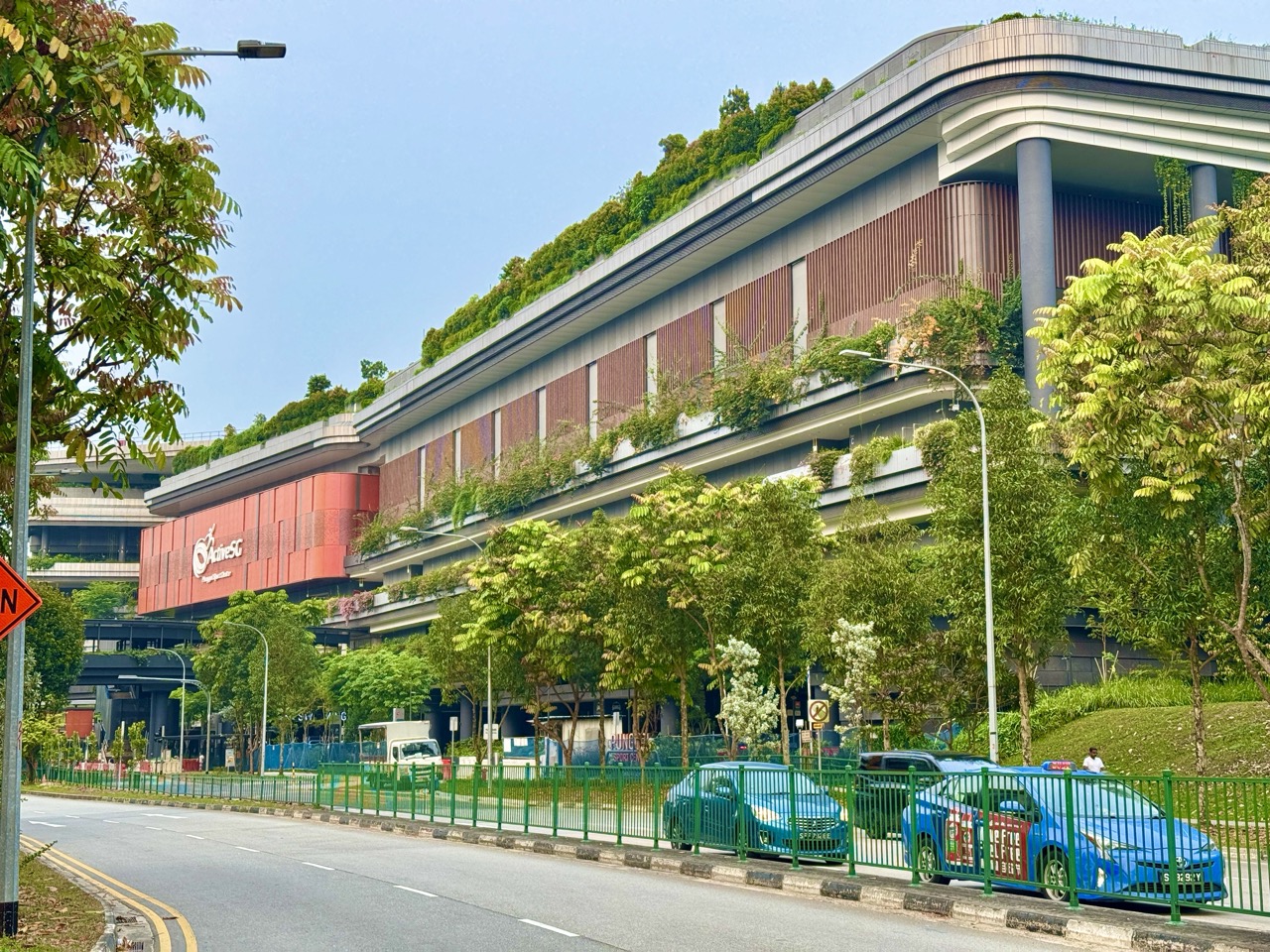
Squash is an ActiveSG activity that Punggol residents can book at an officially listed Sport Singapore venue in 2027, although Punggol Sport Centre does not have a verified publicly bookable squash court. The concrete official alternative is Kallang Squash Centre at 8 Stadium Boulevard, Singapore 397804, which lists daily operating hours of 7am–10pm, subject to facility closures and court allocations. SportSG’s current individual rate table lists standard squash court hire from S$3 off-peak or S$6 peak per hour for eligible Singapore citizens and permanent residents. These are published national reference rates, not a guaranteed 2027 booking price; check the actual MyActiveSG+ slot.
For a first squash visit, bring an appropriately sized racket, suitable non-marking shoes, eye protection and a beginner-friendly ball, then organise a session that is about control rather than speed. Learn where the tin, service line and out line sit; practise clearing the other player’s swing; and work toward controlled drives to the back of the court before entering a full match. This guide provides the actual scoring rules, beginner drills, safety decisions, Kallang booking checks, a workable one-hour session and a route from occasional play to confident recreational rallies. It is deliberately distinct from eduKatePunggol’s earlier 2026 SAFRA Tampines squash introduction.
- Official venue to check: Kallang Squash Centre, 8 Stadium Boulevard, Singapore 397804.
- Published Kallang centre hours: 7am–10pm daily, but check the exact booking, court availability and closure information.
- No specific squash court at Punggol Sport Centre or 2027 Punggol squash programme is verified in this article.
- SportSG’s 2026 published standard squash hire reference: Singapore citizen/PR S$3 non-peak, S$6 peak per court-hour; air-conditioned/gallery courts use separate rates.
- Equipment: racket, suitable squash ball, non-marking court shoes, appropriate clothing and approved protective eyewear.
- Beginner ball: blue-dot, higher-bounce types can help maintain a rally; the double-yellow competition ball may be difficult for first-timers.
- Modern international singles scoring: point-a-rally to 11, win by two points at 10–10; do not copy obsolete nine-point rules.
- Safety priority: stop when a player could be hit by racket or ball; learn let and stroke decisions under the rules.
- One-hour starting plan: court orientation, gentle ball control, paired drives, safe feeds and a short modified match.
- 2026 Pesta Sukan Squash was held at Kallang from 25 July to 3 August; its event calendar does not promise a 2027 competition.
Definition lock and editorial check, 1 November 2026: Squash is a nationally bookable ActiveSG sport, with a confirmed SportSG venue at Kallang. No Punggol Sport Centre squash facility, lesson or 2027 court booking is claimed here.

The difference between a squash venue and a general sport centre
A new sports centre may have badminton courts, tennis courts and a hall, but these surfaces cannot simply be relabelled as squash courts. Squash is played inside a purpose-built enclosed court with marked walls, a front-wall tin and a controlled access door. Punggol Sport Centre’s publicly described facilities do not establish a dedicated squash court. For a resident trying to learn the sport, the right facility is the one the operator actually lists for squash.
Kallang Squash Centre is managed by Sport Singapore and has a published address and operating hours. That is a strong location lead, but it is still necessary to find a free court at the intended time and follow its hiring conditions. The purpose of this article is to close the gap between being curious about squash and actually arranging a lawful first hour.
Why a Punggol resident might choose Kallang
Travelling from Punggol to Kallang takes more planning than walking to a neighbourhood court. Yet a real squash booking provides the proper surface, wall markings and controlled environment. Those advantages matter because the basics of squash depend on the space itself; you cannot practise an authentic front-wall rally on a basketball court or against a random concrete wall.
Compare total travel, booking availability and the participants’ readiness. A parent may prefer a suitable coached taster rather than a casual booking because the child has never held a racket. Two adults with some experience may be comfortable reserving a court and completing a modest practice. Neither option is universally superior; the objective determines which is useful.
What Kallang’s opening hours do and do not mean
SportSG lists Kallang Squash Centre as open daily from seven in the morning until ten at night. This describes the facility’s usual operating hours, not the available courts at every minute. Organised events, maintenance, school programmes and other reservations can occupy courts while the centre itself is operational.
Search the current MyActiveSG+ product for the exact date and category. Check whether the chosen court is standard, air-conditioned or gallery-equipped because published rates differ. If the slot is missing, do not travel with an assumption that staff can create an opening. An official facility directory is the starting point; the booking confirmation is the commitment.
What the 2026 Pesta Sukan calendar proves
SportSG’s Pesta Sukan 2026 squash tournament handbook names Kallang Squash Centre as the venue for competition from 25 July to 3 August 2026, with junior, open and masters categories. This is useful evidence that the centre supports serious organised squash in Singapore, including opportunities across age groups.
It does not prove that the same dates or entry conditions will apply in 2027. A family interested in competition should read the upcoming edition’s rules and confirm the organiser’s age cut-offs, grading and registration. Someone who wants one casual game should not confuse a tournament notice with a reservation for public court hire.
How squash actually works
Two players share an enclosed court and strike a small rubber ball alternately toward the front wall, keeping the ball within the marked limits. The ball may touch other walls along the way, but a legal return must ultimately reach the front wall above the tin and below the out line before its second bounce. The enclosed space makes angles unusually important.
Beginners often think squash is simply about hitting very hard. In reality the game rewards court positioning, controlled length and the ability to make a safe next return. A person who can direct a gentle ball consistently learns more than one who sends it unpredictably around the room.
Know the front wall, tin and out line
The front wall contains several horizontal markings, including a service line and the lower tin. Hitting the tin is not a successful return; it is a fault. The out line runs high along the front and side walls. Players also use floor markings to understand service boxes and the short line.
Walk through the lines before the first serve. Ask each participant to identify where a ball may legally travel, which markings matter only during service and which apply to rallies. This is a much easier way to learn than stopping play after every mistake with a technical lecture.
What the service boxes are for
A serve begins with the server positioned according to the service-box rules, with at least one foot meeting the appropriate floor conditions. The ball must strike the front wall between the service line and the out line before reaching the required opposite side of the court. A foot fault or poor front-wall placement can end a serve before the rally begins.
At first, let the participant rehearse the service routine calmly. Use a suitable beginner ball and allow time to aim. A correct service action is more valuable than a powerful serve that regularly hits a fault line. A qualified coach can refine specific positioning and tell the learner which footwork details matter most.
Why the racket must stay under control
Squash rackets can move rapidly in a confined area. A player who begins a backswing without checking the other person’s position can strike a face, hand or body. The sport’s rules put safety and fair access to the ball at the centre of play. Beginners should be told explicitly that a missed shot is preferable to a dangerous swing.
Establish a stop instruction before beginning. If an opponent is in the swing path or the ball’s likely route could hit someone, stop and seek the appropriate let or stroke determination. Never teach children to ‘swing anyway’ to prove confidence. Safe judgment is a core squash skill.
Eye protection belongs in the preparation
A squash ball is small and can travel quickly. SportSG describes polycarbonate eyewear as an important protective option, particularly when players are learning to control their shots. Junior competitions and providers may have mandatory eyewear requirements. The safest course is to use suitable approved protective eyewear and follow the organiser’s exact rules.
Ordinary fashion glasses may not provide the protection intended for squash. Ask the provider whether equipment can be borrowed or must be purchased. Parents should check the fit and rule before a class rather than discovering the requirement at the court door. A short safety conversation can prevent a far larger problem.
Choosing a ball that helps a beginner learn
Squash balls have different bounce characteristics, often identified by coloured dots. SportSG’s equipment explanation describes blue-dot balls as more responsive and easier for novices, while double-yellow-dot balls are relatively low-bounce competition equipment. Starting with a very slow competition ball can make rallies unnecessarily difficult.
Ask the coach or facility what is permitted for the session. A learner who can keep a moderately bouncy ball in play will understand spacing and timing sooner than someone chasing a ball that drops dead after every hit. Equipment should support the first skill, not imitate an elite match for appearance.
Why warming the ball affects play
A squash ball changes its bounce as it warms during use. A cold ball may be much less lively, particularly with the slower types used by stronger players. The change can confuse somebody who does not understand why a shot that seemed comfortable ten minutes later behaves differently.
A beginner can notice the relationship without overcomplicating it. Use an appropriate ball for the level and warm it as the coach directs. Do not try to create extra heat through reckless striking. The immediate goal is predictable rallies and a clear sense of how the ball behaves.
Racket size and grip for a first visit
A racket that is too heavy, large or awkwardly gripped can make learning more difficult. SportSG publishes formal equipment specifications, but a recreational beginner usually needs practical advice on comfortable handling rather than a long technical comparison of frames and string tension.
Try an appropriate loan racket if available and ask for simple grip instruction. Do not assume a tennis racket can substitute for squash; the sport uses different equipment and conditions. A comfortable racket that allows a controlled short movement is more useful than a costly model bought because of a professional player’s endorsement.
The first feed is about finding the ball
When a coach gently feeds a beginner, the initial challenge is to recognise where the ball will bounce and get the racket into a useful position. That sounds basic but combines eye tracking, movement, timing and balance. A beginner may find it easier to start with a short predictable feed than with a full serve from the back of the court.
Ask the learner to meet the ball with a controlled action and notice where it travels. Keep the drill within safe spacing rules and adjust the feed if success is rare. The point is to develop reliable contact, not to make the first participant look athletic under maximum pressure.
A forehand drive and its purpose
A forehand drive typically sends the ball along a side wall toward the back of the court. It helps a player move the opponent away from the front and regain useful positioning. Beginners should think about direction and height before trying to strike extremely hard.
A gentle feed can give the learner repeated opportunities to send the ball toward a marked safe back-court target. If the ball repeatedly hits the middle of the side wall and rebounds dangerously, simplify the movement and adjust with coaching. Good length grows through repeatable technique, not brute force.
A backhand drive and why it feels different
A backhand drive uses a different body and racket action. Some beginners find it awkward because they are used to a forehand motion in another racket sport. That does not mean they lack ability. They may simply need time to organise grip, stance and direction.
Begin at manageable pace and practice with supervision rather than forcing full-speed rallies immediately. Compare the shape of the desired shot with the forehand: a safe, controlled line into the back court. The learner’s task is accuracy before power. A consistent backhand can make a developing player much more balanced.
Why length matters
In squash, a long shot that finishes deep can put pressure on the opposing player while giving the hitter time to recover a better court position. A short weak ball that sits in the middle invites an easy response. This is why coaches emphasise straight drives early in a player’s development.
The beginner can test that idea with a simple exercise. Aim several gentle balls toward the back, then discuss how much room they would leave an opponent. The aim is to understand the function of the shot, not merely a technical label. Better decisions follow when movement has a purpose.
What players mean by the T
The T is the junction of important floor markings near the centre. Players often recover toward this area because it gives access to several likely return directions. However, a player must also keep the opponent’s legitimate movement and swing path clear. Claiming the T does not mean obstructing someone who needs space to play.
A coach can demonstrate a simple sequence: strike a controlled ball, move away from the opponent’s line and recover toward a useful central position. Practice at moderate pace so the person learns safe recovery without charging through another player’s path.
Move away after your shot
Squash is unusual because both players occupy the same small court. The hitter must learn to complete a shot and then clear space for the opponent. A technically good drive is not fair play if the player remains directly in the next swing path. This movement habit deserves attention from the first session.
Try a cooperative drill where players take turns and speak calmly when space is insufficient. Stop rather than force a dangerous return. A good player contributes to rally safety even when they do not touch the ball. Respect for the opponent is part of how the sport functions.
Why let and stroke decisions exist
A let can result in a replay of a rally in specified interference circumstances. A stroke can be awarded when interference prevents a legitimate opportunity under the rules. These decisions help manage a shared-court sport where people may obstruct a route to the ball. They are not simply ways to win an argument.
Beginners should learn the principle: safety first, then apply the official criteria with a coach or referee. If a shot could hit another person, stop immediately. In friendly play, avoid treating every awkward movement as a reason to fight. Learning the etiquette is more important than claiming every marginal point.
How international scoring works in 2026
Under the current World Squash Federation singles rules, each rally awards one point to its winner, regardless of who served. A game is played to eleven points, but a 10–10 tie continues until one player leads by two. This point-a-rally system is the relevant default for an article about contemporary sport.
Some older SportSG background pages explain historical nine-point or server-only scoring formats. Those are useful history, not the safest default for a 2027 competition guide. If entering an event, read its actual rules. When teaching beginners, use the modern eleven-point framework unless the session is explicitly described as a modified practice.
How to start a practice without pretending it is a match
Two first-timers may struggle to serve reliably and keep a legal rally alive. That does not mean the court booking has failed. Begin with controlled feeds and agreed straight drives. Then introduce service and scoring once the players can control where the ball travels. The modified training phase should be labelled clearly, so participants know it differs from a regulation match.
A coach can introduce progressive challenges: two consecutive cooperative hits, then four, then six. The targets should be realistic. If the players repeatedly collide or swing unpredictably, stop and simplify rather than adding competitive pressure.
The one-hour beginner court plan
An illustrative sixty-minute booking could include ten minutes of orientation and gentle movement, fifteen minutes of ball familiarity and cooperative feeds, fifteen minutes of straight forehand and backhand drives, ten minutes of controlled services, and ten minutes of a short practice game and clearing the court. The time allocation is not an advertised Kallang class.
Build in rest and leave enough time to collect balls and exit when the slot ends. If an exercise proves too demanding, spend more time on the basics rather than rushing through the checklist. A useful session leaves people with better control and confidence, not merely exhaustion.
How to learn without racing another player
A beginner may see an opponent reach every ball and try to imitate their speed. That can turn ordinary movement into unsafe lunges and collisions. The better objective is to recognise where the ball is going earlier and take controlled steps into a useful position. When the player arrives balanced, the next shot is easier to control.
Introduce footwork through a suitable supervised drill, with no ball or a gentle feed as needed. Ask the participant to finish each movement in a position that allows safe recovery. Speed can develop when the movement pattern is stable. Hurrying before understanding makes learning slower.
A four-session improvement sequence
The first visit can establish court lines, safe racket use and a few controlled hits. The second may focus on straight drives and space after the shot. The third can connect serving with recovery. The fourth can add simple cooperative rallies and use a short scoring game to reveal which decisions matter. This is a learning plan, not a guaranteed four-week qualification.
A coach may choose a different sequence for children, adults or experienced players returning after a break. Keep the objective realistic. If the backhand remains uncertain, practise it again rather than declaring failure because the fourth week arrived.
Children and the right first squash class
A child may enjoy the lively ball and enclosed court but still lack the racket control needed for safe independent play. Check the current Beginner Squash for Kids programme or a suitable qualified provider, including age conditions, protective eyewear and group supervision. An ordinary court reservation does not include teaching.
Parents should encourage cooperation before competition. A child who safely hits a gentle ball toward the intended wall is learning. Do not make the first class a contest against a faster sibling. Good sport instruction builds repeatable skills at a level the child can manage.
Teenagers who have played school racket sports
A teenager with badminton or tennis experience may understand racket timing but must learn squash’s walls, shorter swing space and opponent clearance. The familiar sporting background can help, but it does not remove the specific safety issues of a shared enclosed court.
Encourage an introductory squash lesson rather than treating the student as an immediate match-ready player. School CCA commitments and examination periods should shape frequency. A short enjoyable session can be valuable even when there is no ambition to enter a tournament.
Adults returning after years away
An adult who once played squash may remember tactics while current stamina and movement control have changed. Begin with a shorter cooperative practice and let the body reacquaint itself with the environment. Rushing into long games with a strong opponent can encourage unsafe lunges and poor decisions.
Choose a compatible partner and allow rest breaks. If movement causes pain or worrying symptoms, stop and seek relevant professional advice. Returning to a sport should support a sustainable habit rather than an attempt to reproduce a school-era performance in one evening.
Doubles has different demands
Doubles squash uses four players and an appropriate playing format, but it introduces more people into the available space. Court specifications and event rules may differ from singles, and beginners need particular care with racket swings and clear communication. Do not assume that any available singles court can safely accommodate a doubles competition.
Ask the venue and coach about the permitted setup. A friendly family group of four might be better served by rotating two-player sessions than by forcing everyone onto court at once. Safety and useful ball contacts matter more than matching the number of people who arrived.
Shoes, wall condition and court etiquette
Squash courts have a playing surface that requires suitable clean non-marking shoes. Outdoor dirt, wet soles or inappropriate footwear can affect grip and damage the surface. The walls and door also need to remain clear of bags and loose equipment. Follow the venue’s posted rules, particularly if the court includes glass walls for viewing.
Arrive with time to change, inspect the court visually and report concerns to staff. Keep water outside the active playing zone where required. If the floor is wet, do not continue while hoping it dries. A safe court is a shared responsibility.
Heat, fatigue and water breaks
Squash can be physically demanding because rallies require repeated acceleration in a confined space. New participants may underestimate the effort compared with a casual outdoor walk. Begin with manageable intervals and build rest into the session. Drink according to individual needs and pay attention to how the body responds.
The objective is not to prove that someone can finish an hour without pausing. If technique deteriorates, eyesight becomes difficult or symptoms appear, stop. People with relevant medical concerns should obtain appropriate individual advice. A sustainable hobby should leave participants wanting to return.
What the court costs, and what it does not include
SportSG’s published standard squash court rates distinguish peak and non-peak use as well as some air-conditioned or gallery courts. Those amounts represent facility hire, not a full coaching service. A lesson with a private instructor may have separate fees, and eligibility can affect the price.
Before paying, calculate the complete outing: booking, any racket or ball purchase, coaching, transport and the time required. A low court fee is good value only if the participants know how to use the space safely. First-timers may find that a guided lesson provides more learning per dollar than an unguided match.
What should go into a family budget
A family may have one adult who plays and a child who is curious. Rather than immediately buying two expensive rackets and booking a long peak-hour session, investigate whether a beginner class supplies equipment. If the child enjoys the activity, future purchases can reflect actual racket size and playing needs.
The best purchase decision follows demonstrated interest. Keep a record of the first visit’s practical costs, including travel and time. That makes a realistic weekly plan easier than relying on an advertised court hire rate alone.
How to travel from Punggol
Kallang Squash Centre is at 8 Stadium Boulevard, not inside the new Punggol sport complex. The journey depends on the resident’s block, chosen transport and time of day. A parent carrying equipment should plan enough time to locate the proper centre entrance and check in.
Share the exact venue and booking reference with the group, rather than telling friends merely to meet at ‘Kallang Stadium’. Several sports venues occupy the precinct. The right meeting point is part of making a short paid reservation work.
Why a court booking may be unavailable during events
Kallang hosts organised competitions, and its 2026 Pesta Sukan squash tournament is one example. During an event, courts may be reserved for players, warm-ups or officials. A casual visitor cannot infer permission to play because a door appears open or a court looks unused between matches.
Check public bookings and facility notices. When no slot exists, use another verified time or operator-approved court. Respecting event allocations allows the centre to serve recreational and competitive players without conflict.
A fictional first lesson for siblings
Imagine two fictional Punggol siblings aged eleven and fourteen who want to try squash. Their parent finds a legitimate introductory programme rather than booking a court for unsupervised games. At the lesson, the coach explains the tin and out line, fits appropriate eyewear and introduces cooperative ball contact with suitable equipment.
The younger child may produce only a few controlled hits while the older one connects more consistently. Both can still have a successful experience. The parent asks what each learnt and whether they want to return. That is an educational result more meaningful than comparing points on day one.
A fictional adult weekly match
Two Punggol colleagues want a routine that fits a week of work. They secure an actual Kallang slot, arrive with appropriate footwear and agree on a gentle warm-up before any games. One colleague has more experience and uses cooperative rallies first instead of serving at full power immediately.
After a few weeks, they notice that their straight drives are more predictable and neither player crowds the other as often. They may later use PAR 11 scoring more consistently. The reason the habit lasts is that it feels purposeful, safe and manageable.
What a six-week review can measure
Instead of judging only wins and losses, look for evidence that a player can serve legally more often, keep a ball in play with control, use both forehand and backhand, move out of the opponent’s swing path and recover toward a useful position. Those observations connect directly to the sport’s core demands.
Keep feedback brief and specific. A child might say, ‘I can now hit three straight returns safely,’ while an adult says, ‘I pause when the other player needs space.’ Those are real changes. If a difficulty persists, a coach can adjust the practice rather than adding more pressure.
Frequently asked questions about ActiveSG squash
Is squash available at Punggol Sport Centre? This guide has not verified a court there. Which official SportSG centre can I check? Kallang Squash Centre at 8 Stadium Boulevard. What are its usual hours? 7am–10pm daily, subject to current notices. How is modern singles squash scored? Each rally scores a point, games to eleven, with a two-point margin required at 10–10.
Which ball helps a beginner? Higher-bounce blue-dot types may support learning, subject to coaching advice. Why are protective glasses important? The small ball and enclosed racket swings create eye-injury risks. Does a court booking include lessons? Not automatically. What comes first? An actual court or coached programme, safe equipment and controlled cooperative rallies.
Sources and current booking routes
- SportSG — Kallang Squash Centre venue and 7am–10pm hours
- ActiveSG — squash individual rates and eligibility
- ActiveSG — squash ball, racket and eyewear equipment guide
- ActiveSG — basic squash rules and service lines
- ActiveSG — modern point-a-rally scoring
- World Squash Federation — 2024 singles rules
- ActiveSG — Pesta Sukan 2026 squash competition handbook
- MyActiveSG+ — live court booking and programmes
- eduKatePunggol — earlier SAFRA Tampines beginner squash guide
Your Next Step
Find an actual Kallang squash slot or qualified beginner lesson, confirm the exact 2027 rate, put on appropriate eyewear and start with a safe cooperative rally. If an opponent could be struck, stop play. The article is independent learning guidance, not an ActiveSG reservation.


