
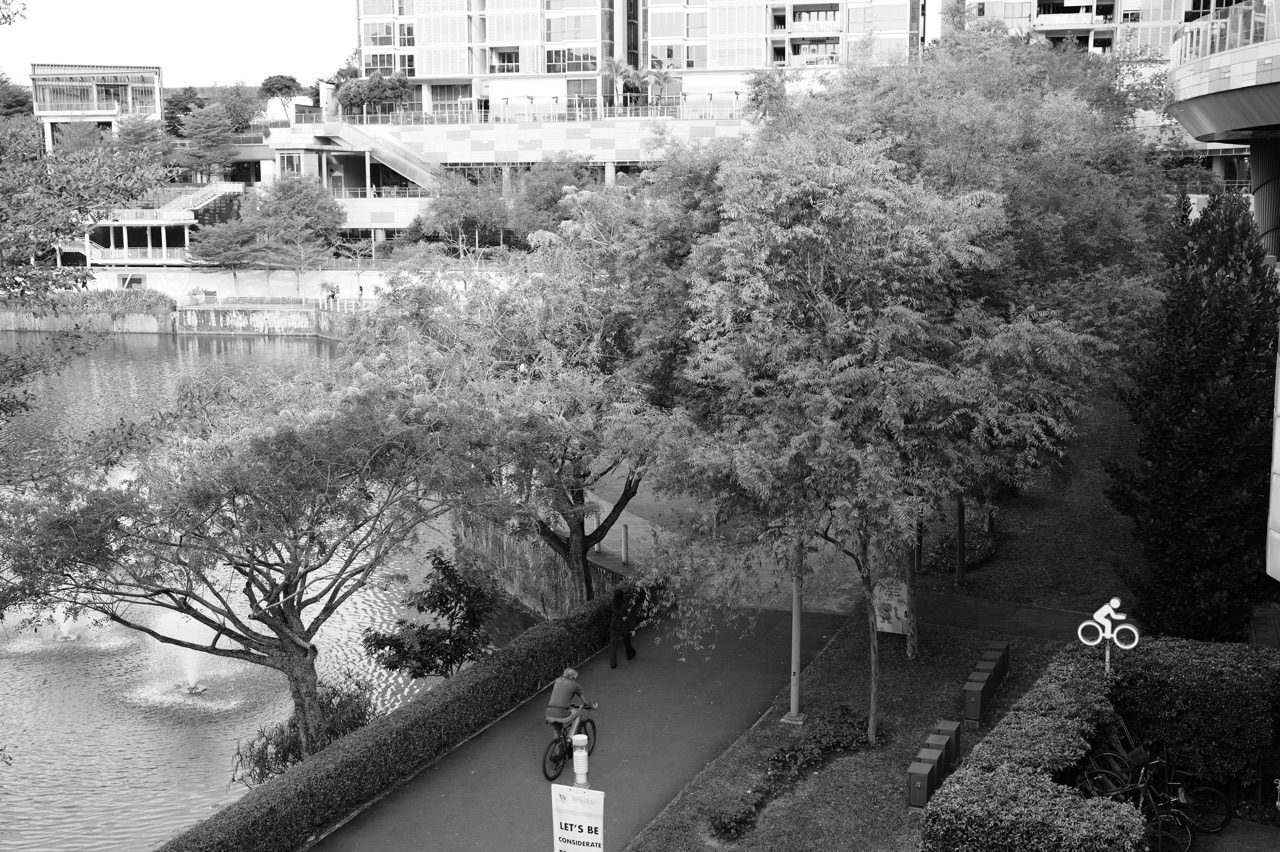
Running and brisk walking are among the most accessible sports-related activities for Punggol residents planning 2027 exercise, because Punggol Waterway Park Connector already provides an 8.4-kilometre route used for jogging and cycling. The new Punggol Sport Centre at 11 Sentul Crescent includes a 5,000-seat football stadium in its development plans, but this is not evidence that the public has an athletics track or unrestricted stadium running access. During the October 2026 soft launch, the football stadium was reported not yet open to the public. For a run today, use a permitted park path; for timed track training, verify an operating ActiveSG athletics stadium or the Home of Athletics instead.
This guide explains how to plan a safe beginner run or family walk around Punggol, understand the difference between a park connector and a dedicated athletics track, and develop skills without chasing unrealistic kilometre targets. It also covers the official ActiveSG Athletics Academy pathway for children and youth, how shared paths work around cyclists and pedestrians, what to do in bad weather, and how parents can decide when a child needs professional coaching rather than a casual waterfront workout. Every recommended activity remains subject to its actual operating rules.
- Local outdoor option: NParks Punggol Waterway Park Connector, 8.4 km of waterfront jogging and cycling route; this does not mean every walker should complete all 8.4 km.
- Park option: Punggol Waterway Park has a published 4.2 km easy nature walk; choose a shorter, comfortable segment for beginners.
- New centre: Punggol Sport Centre, 11 Sentul Crescent, Singapore 828656, has a planned football stadium, not a verified unrestricted 400 m public running track.
- ActiveSG Athletics Academy locations are published by venue; the current official list should be checked for programmes rather than assuming a Punggol course.
- Confirmed dedicated track example: ActiveSG Home of Athletics, 8 Stadium Boulevard, Singapore 397804, with restricted public times and event closures.
- Beginner focus: comfortable effort, suitable footwear, gradual progression and repeatable participation—not speed tests on day one.
- Share park paths with care; NParks restricts cycling on some Punggol Waterway bridges and boardwalks.
- Check heat, lightning, rain, haze and personal readiness before starting; stop for concerning symptoms and seek professional advice where needed.
- Last editorial verification: 1 November 2026; hours, venue access, programmes and closure notices can change.
Fact-check date: 1 November 2026. This independent article does not claim the new Punggol football stadium contains a public athletics track or that a Punggol Athletics Academy programme is currently bookable.

The first mistake: assuming a football stadium equals a running track
Sporting buildings often use the word stadium, but their purposes and public-access arrangements differ. A football stadium may be designed for matches, seating, floodlights and a high-quality pitch. That does not prove it contains a standard 400-metre running track, allows free public laps or operates as a training ground for the ActiveSG Athletics Academy. The official Punggol development list calls it a 5,000-seat football stadium.
Residents should therefore be careful when a social media image shows an impressive pitch. The correct question is whether the operator publishes a running-track facility and public access hours. Until that is verified, use the established park connector for casual running and an independently confirmed ActiveSG athletics venue for track workouts. The distinction prevents unnecessary trips and misleading local information.
What the October 2026 opening actually changed
Punggol Sport Centre began admitting members of the public to selected activities during its late-October 2026 soft launch. Contemporary reports described the gym and some courts opening first, while other facilities, including the stadium, were not yet generally available. A wider official opening was reported for 22 November 2026, but this future date does not establish a 2027 public running-track timetable.
Facility-specific access can change after a development opens. A large complex may reserve spaces for events, teams, maintenance or organised programmes. Before planning anything on a football field or inside the stadium, look for the relevant official page and explicit permission. The useful local activity available without that uncertainty is the existing network of NParks walking and running paths.
Why Punggol Waterway Park Connector is the practical starting point
NParks identifies the Punggol Waterway Park Connector as an 8.4-kilometre route along both sides of the waterway. It is designed for activities including jogging and cycling, with scenic views and links through Punggol. This creates a convenient everyday option for people who want to begin with a few minutes of movement near home rather than travel to a dedicated athletics stadium.
The figure of 8.4 kilometres describes the route, not a recommended beginner workout. A resident can turn around after a short distance or choose a suitable section between familiar access points. The best plan is the one that can be completed safely and repeated, not the one that covers the entire map in the first attempt.
The difference between the park and the park connector
Punggol Waterway Park is a landscaped recreational park with themed areas, bridges, seating and nature features. Its published easy nature-walk activity is approximately 4.2 kilometres. The Park Connector listing covers an 8.4-kilometre route following the waterway. These numbers refer to different recreational descriptions and should not be combined as though one is the distance of a standard athletics lap.
For a casual walk, the park’s attractions and rest stops may be more relevant than distance. For a runner, the longer connector can help create a continuous route, subject to actual path rules and conditions. Both are valuable without being interchangeable with a marked racecourse. If precise distance matters, use a measured event route or reliable tracking method and account for error.
Start from the person’s current ability
Someone who can walk comfortably for half an hour may still find continuous running demanding. Another person might already be able to jog for ten minutes but have difficulty keeping a sustainable weekly routine. The correct starting point is an honest view of present ability, enjoyment and any relevant health restrictions, not a number chosen because a friend posted it online.
Choose a modest first session that is appropriate to the individual. For some beginners, that may be an easy walk; for others, short intervals of comfortable jogging with walking recovery may be suitable. If health symptoms or medical conditions are a concern, consult an appropriate professional before beginning a new exercise programme. Generic internet advice should not override individual needs.
Why walking belongs in an athletics-oriented guide
Walking is not failed running. It is a legitimate way to move, explore a park, accompany family members and build a routine. Someone returning to activity can learn to choose a route, maintain awareness, manage weather and understand their own comfort through walking first. Those habits also support running later if the person wishes to progress.
A family might walk along the waterway while discussing birds, buildings and bridges rather than measure every minute. A working adult may use a short walk after the commute as a realistic way to move regularly. This article includes walking because accessible sport begins with participation, not a requirement to look athletic.
A sensible first run-walk session
An illustrative beginner outing may begin with several minutes of easy walking, then alternate a short comfortable jog with a longer walk, and finish with an easy return to normal pace. The exact times depend on current fitness, conditions and individual advice. The purpose is to learn the difference between comfortable effort and an unsustainable sprint.
A novice should be able to stop or walk whenever needed. If the person cannot speak comfortably, is dizzy or has concerning symptoms, reduce or stop the exercise appropriately. The session’s success is not a fixed distance. It is a safe experience that makes another outing realistic. Build from that rather than forcing a predetermined timetable.
The talk test as a simple effort check
For many healthy beginners, the ability to speak in short comfortable sentences can help them notice when a run becomes too demanding. It is not a medical test or a replacement for monitoring personal symptoms, but it can discourage unnecessary racing. Punggol’s scenic paths can make a person accelerate without noticing, especially when running with faster friends.
Agree at the start that the outing will be comfortable rather than competitive. A group can check in at regular intervals and slow down when someone is struggling. A beginner should not have to apologise for walking. The shared goal is sustainable movement and safe enjoyment of the waterway.
Footwear that suits the actual surface
Running on a paved park connector differs from running on a synthetic track or grass field. Choose shoes that fit, feel secure and suit the surface and the individual’s needs. Expensive racing shoes are not an entry requirement. A new runner may benefit more from a comfortable pair used consistently than from buying specialist footwear before understanding their routine.
Inspect the route for wet patches, leaves, uneven surfaces and other hazards, especially after rain. Slow down where the path becomes narrow or crowded. Do not assume that every section of a long connector has the same surface or grip. Shoes and attention work together; neither makes it safe to ignore the surrounding environment.
Route selection matters more than distance targets
An ideal beginner route begins and ends at places the runner can identify, with an easy way to shorten the outing if needed. The Punggol waterfront offers multiple bridges and access points, but they differ in crowding and whether cycling is permitted. Choose a segment with clear walking space, suitable lighting for the time of day and a manageable distance from home or transport.
Plan a turning point rather than promising to complete the whole waterway. Check conditions before leaving and tell somebody where you are going if you are exercising alone. The goal is to remove small logistical barriers so a healthy routine can happen repeatedly. A beautiful route is valuable only if the person can use it safely.
Why a park connector is not a running lane
Park connectors can be shared by pedestrians, runners, cyclists and other permitted users. NParks publishes guidance on path categories, including shared paths, separated paths and attention zones. A runner cannot simply occupy the middle of a shared route and expect everyone to move. Equally, faster users must behave responsibly around walkers and children.
Follow the markings and current rules, keep to the appropriate side and give others enough space. Avoid sudden turns without checking behind. When stopping to tie a shoelace or look at a map, move out of the active path. A considerate runner contributes to a safer and more welcoming public network.
The Punggol bridges where cycling is restricted
NParks specifically identifies several bridges and a boardwalk at Punggol Waterway Park where cycling and certain personal mobility devices are not permitted. The list includes Kelong Bridge, Wave Bridge and Adventure Bridge. These restrictions matter because a visitor may assume that the same rules apply on every waterway path.
Walkers and runners should also obey the current signage and show consideration for others crossing narrow spaces. Do not encourage a cycling companion to ride through a prohibited bridge simply to keep pace with a running group. The rules protect people in busy scenic areas and help prevent avoidable collisions.
Learning to share with faster cyclists
A runner may be moving at a very different speed from a cyclist on the same permitted section of park connector. Clear positioning and predictable behaviour are essential. Avoid headphones at a volume that makes it impossible to notice warnings, and do not drift suddenly across a path when checking a watch or phone.
When children are present, adults should explain that a shared route is not an exclusive running track. Wait for safe openings before crossing and keep the group together where appropriate. A cyclist’s bell or a runner’s voice should be used considerately, not as a demand to clear the entire public space. Sharing well is a community skill.
When to run alone and when to go with a buddy
Some people enjoy a quiet solo run because it provides time to think. Others find a companion helpful for regular attendance and safety awareness. Both can work when the route and conditions are suitable. New runners may appreciate a friend who is willing to move at their pace rather than set a challenging target.
Agree on the goal before meeting. If one person wants a fast workout and the other wants a gentle walk-jog, plan separate sections or choose another day. A good exercise partner does not pressure somebody to ignore fatigue. The value of a shared outing is encouragement and connection, not competition disguised as help.
Warm-up without turning it into a performance
A short period of easy movement before a run can help a person ease into activity. SportSG’s safety guidance encourages gradual increases in intensity and sensible warm-ups and cool-downs. The warm-up should reflect the exercise and the individual’s ability. A beginner does not need a complicated sequence of athletic drills to begin a comfortable walk or jog.
Start at a manageable effort and pay attention to how the body feels. If stiffness or discomfort changes how the person moves, avoid forcing the planned session. The goal is to prepare for enjoyable activity, not use the warm-up as an opportunity to show off. A sensible start improves the chances of completing the rest of the outing calmly.
Running posture without overthinking every step
People vary in height, stride and comfortable movement patterns. Beginners sometimes become so focused on arm angles, heel contact or foot placement that running feels awkward and artificial. Basic cues such as looking ahead, staying aware of the path and avoiding unnecessary tension can be more useful than copying a professional athlete’s style.
If technique problems persist or discomfort develops, suitable professional coaching or health advice may help. Do not make an unqualified judgement from a short video. A runner learning on a shared path should give more attention to traffic and surroundings than to perfecting an imaginary textbook posture in the middle of a crowded promenade.
Why slow progress is useful progress
A new runner may see online advice to add distance every week. But increasing volume too quickly can make the activity unpleasant and may raise injury risk. There is no single progression that suits every age, history and level of conditioning. Begin with a manageable amount and adjust based on how the person responds over time.
Record whether the outing was comfortable, whether the person recovered normally and whether they are willing to return. If the current routine is already demanding, more is not automatically better. A small consistent habit in Punggol can be a stronger foundation than a sudden ambitious programme that ends after a fortnight.
How to choose between time and distance
Time-based activity can be simpler for beginners because they do not have to chase a particular kilometre marker. A person can walk or jog for a comfortable period and return when the planned time is reached. Distance-based plans become more useful when someone has an established pace or is preparing for a measured event.
Choose whichever measurement supports sensible decisions rather than anxiety. A smartwatch can provide approximate information, but it can also distract someone from enjoying a route. If an outing is shortened because of weather or fatigue, it does not become a failure. The purpose of measurement is to guide learning, not to create another examination.
The first four-week routine
An illustrative first month might begin with one or two short easy outings, then continue with similarly manageable sessions while the person develops familiarity. Later weeks can gradually extend comfortable time or add a small amount of easy jogging if appropriate. This is an example of planning logic, not a medical prescription or a guarantee of achieving five kilometres.
Rest, work, school and family commitments all matter. Some people will progress more slowly; others may already be capable of running continuously. An appropriate coach can individualise the plan. At the end of the month, ask whether the routine feels sustainable and what small change would improve it. That is more useful than comparing progress with somebody else’s running app.
Why recovery belongs on the calendar
A person can enjoy running so much at the beginning that they try to repeat a demanding session every day. But recovery is part of sustainable participation. Soreness, fatigue, sleep and other obligations should inform decisions about when to exercise again. A rest day is not a broken promise; it may help preserve the longer-term habit.
On non-running days, some participants may enjoy easy walking or ordinary household activity if suitable. Others may need complete rest. People with concerning symptoms or health conditions should seek professional advice. The purpose of a 2027 fitness plan is a better routine over months, not the largest possible number of outings in one week.
Family walking with young children
The waterway can provide a pleasant family destination because the route includes scenery, bridges and places to rest. A child’s willingness to walk depends on age, mood, weather and interest. The parent should choose a short segment rather than demand completion of the entire 8.4-kilometre connector. Make room for observation and breaks.
A family could stop to look at birds or discuss why some bridges are designed differently. Keep children close where paths are shared with cyclists and near the waterfront. The outing succeeds when everyone returns safely and the child is willing to go again. It is not necessary to turn every walk into a timed competition.
Teenagers who want to become faster
A teenager may want to run faster for school PE, a sports CCA or personal enjoyment. A faster pace is a legitimate goal, but technique and training load should be suited to the student’s age, existing commitments and readiness. Running additional hard intervals after a demanding school training week may not be wise.
Ask the school’s PE teacher or coach about appropriate independent work. If the goal requires formal sprint starts or track equipment, find an approved athletics environment with competent supervision. A Punggol park connector is useful for comfortable running but is not a place to block shared traffic while recreating a race meet.
NAPFA preparation should not be panic training
Some students become interested in running shortly before a school fitness assessment. That can lead to repeated exhausting timed attempts instead of steady practice. A better approach begins by identifying the actual requirements and understanding what the student can safely do today. School instructions and appropriate coaching should guide the specific preparation.
Families can support regular participation without turning every outing into a test. A calm routine, sensible progress and appropriate rest may be more productive than pressuring a child to beat a time every evening. The purpose of education-linked sport is to develop ability and confidence, not simply to create fear of a number on a stopwatch.
ActiveSG Athletics Academy is a separate pathway
SportSG runs an Athletics Academy with programmes listed by specific training venue and age group. Its published locations include established stadiums and the Home of Athletics. That national offering does not establish that classes are currently available at Punggol Sport Centre. Parents searching for 2027 athletics lessons must check the official locations page and actual registration conditions.
Some programmes are open for enrolment while others may require selection or invitation. Read the age criteria, venue, schedule and entry conditions carefully. A general academy banner is not proof of an available place. If a Punggol class is not listed, a family can consider a verified alternative while maintaining an age-appropriate recreational running habit closer to home.
Track training versus park running
A dedicated athletics track provides marked lanes and a controlled environment that may suit structured distance repetitions, sprint drills and supervised coaching. A park connector offers flexibility, scenery and convenient everyday movement, but it also serves other users. Neither is universally better; the correct choice depends on the activity and the person’s goals.
If a coach asks for precise lane-based work, use an approved facility where the session is permitted. If the goal is a comfortable weekly run, the Waterway may be more convenient. Trying to turn a busy pedestrian route into a private track creates safety and etiquette problems. Respecting the difference is part of good training.
What the Home of Athletics offers
The ActiveSG Home of Athletics at 8 Stadium Boulevard is an established public track managed by Sport Singapore. Its facility page publishes public-access times and warns that athlete training and events can restrict use. A runner considering the venue should read the current hours and closure notices before travelling from Punggol.
This is not an invitation to treat the track as permanently open. The official page showed specific closures around late October and November 2026, illustrating how quickly schedules can change. A dedicated track can provide useful opportunities, but its access is conditional. The purpose of mentioning it here is to show a genuine option for people who need a track rather than assume one exists at the new Punggol football stadium.
How to use an athletics track considerately
Tracks have rules about lanes, direction, footwear, equipment and the periods reserved for training. Casual visitors should follow the facility’s posted instructions and give way appropriately. Do not start a sprint across lanes when other athletes are running structured sessions. Ask staff if you are uncertain about where a beginner should move.
Children require suitable supervision, and specialist equipment should be used only with permission and qualified instruction. A track is a shared training environment, not an outdoor playground that belongs to whoever arrives first. Good etiquette helps people of different abilities benefit from limited public-access times.
Sprint sessions require a different kind of planning
Short fast running requires different preparation and skill from comfortable endurance jogging. A beginner should not begin with repeated maximal sprints just because a straight section of park path looks empty. Sudden acceleration and stopping can create risk, especially on shared, wet or uneven surfaces. A qualified coach can choose an appropriate progression and location.
For ordinary Punggol residents, relaxed running and walking may be more suitable than trying to replicate school athletics drills. If a teenager or adult has a serious sprint-training objective, identify a supervised programme and proper venue. Training specificity matters, but so does respecting public paths and the people using them.
What distance events actually teach
Events such as short sprints, middle-distance races and longer endurance runs use different combinations of pacing and technique. A person cannot infer the correct training programme merely from the number on the event label. Beginners should understand whether their aim is steady aerobic participation or a measured competitive performance.
A coach can help choose suitable activities and progressions. The casual runner benefits from simpler goals: finish an easy session comfortably, learn to recognise effort and build repeatability. If competitive interest develops, the person can seek formal guidance. The transition should be deliberate rather than driven by comparisons with elite athletic performances.
Heat and humidity in Punggol
Outdoor activity in Singapore requires attention to temperature, humidity and sun exposure. A pleasant breeze near the water does not remove the possibility of heat stress. Choose a suitable time, bring water as appropriate, consider sun protection and modify the session when conditions are uncomfortable. Individual tolerance varies.
A person who develops dizziness, confusion, unusual weakness or other concerning symptoms should stop and obtain appropriate help. Families should not push children to complete a target distance in high heat simply because the route has been planned. Safe exercise is responsive to conditions, not a rigid performance contract.
Lightning, rain and slippery surfaces
Thunderstorms can develop quickly. NParks paths may remain physically accessible in light rain, but this does not mean every situation is safe for running or cycling. Avoid exposed activity during lightning danger and follow official weather guidance. Wet paths, bridges and painted surfaces may be slippery, particularly when turning or descending.
If the planned run becomes unsuitable, postpone it or choose a legitimate indoor alternative. Do not treat running under a bridge as sufficient protection from lightning. The goal is regular activity across a year, and that can include sensible cancellations. One missed session is less important than preventing a serious accident.
Haze and air-quality decisions
Outdoor running can be affected by haze and other air-quality conditions. The intensity of exercise influences how much air a person breathes, making current official advisories important. A family should check NEA guidance and consider individual health circumstances before deciding whether to proceed, reduce intensity or move indoors.
Do not assume that a short waterfront route is automatically unaffected because it looks scenic. Likewise, do not impose an outdoor workout on someone with respiratory concerns. Appropriate personal medical advice may be needed. A good long-term routine includes alternative activities and days when outdoor exercise is sensibly avoided.
Morning, evening and nighttime routes
Punggol Waterway Park has published opening hours, but a park being open does not guarantee that every stretch is suitable for all activities at all hours. Lighting, construction, maintenance, personal safety and path rules still matter. Beginners should choose times and routes they understand, especially when exercising alone.
Carry a charged phone where practical, remain aware of surroundings and avoid making unexpected stops on narrow paths. A family with young children may prefer daylight when crossings and cyclists are easier to see. The best time is not determined solely by a social media recommendation; it is the time that fits the participant and the conditions.
A beginner’s route can have a scenic reward
Some people stick with exercise more consistently when the destination is meaningful. Punggol Waterway Park offers landscaped zones, distinctive bridges and wildlife to observe. A short walk-jog might end at a familiar viewing area where the runner cools down and enjoys the scenery. That pleasure is not a distraction from the activity; it may be why the routine continues.
Choose observation points that do not obstruct paths or disturb wildlife. Be considerate of photographers, cyclists and families. A responsible runner can appreciate the park without claiming it as a private exercise space. The landscape is part of what makes local Punggol activity attractive.
A fictional working adult starting from zero
Imagine an adult living near Punggol Waterway who wants to improve their routine after months of sedentary work. Instead of committing to a long run, they choose a short and comfortable walk on a familiar route. After several outings, and when appropriate for their ability, they add modest jogging intervals. They pay attention to fatigue, weather and the demands of the next workday.
The example makes no promise about losing weight or completing a race. Its central achievement is building a routine that is easy to repeat. If discomfort develops, they adjust and seek relevant advice. Everyday participation is more valuable than a dramatic first-day effort that discourages the next outing.
A fictional parent planning ActiveSG athletics
Imagine a parent whose child enjoys sprinting and wants structured coaching. The parent checks ActiveSG Athletics Academy’s official location list and finds that the chosen Punggol date is not a confirmed local academy session. Instead of booking the nearby football stadium by assumption, they investigate the listed programme venues and age requirements.
Meanwhile, the family can enjoy suitable walks or easy runs on permitted Punggol paths, without treating those outings as formal athletics training. If the child joins a verified academy, the coach will manage technical development and training load. This separates casual exercise from structured sport education in a way that respects both.
Budgeting for running and coaching
Walking on a permitted public park path does not normally require buying a sports-hall reservation, though transport and personal equipment may involve costs. A specialised coaching programme, a stadium event or an organised race can involve separate fees and conditions. Do not present a Punggol football-stadium access price as though it were a published running-track tariff.
Start by identifying the actual service required. For a casual family outing, comfortable shoes and a suitable route may be enough. For structured coaching, compare the real programme’s qualifications, schedule, eligibility and total cost. Paying more does not guarantee that a session suits the child, just as free public access does not make an improvised intense workout appropriate.
How to make exercise inclusive
A shared park route attracts runners, walkers, wheelchair users, caregivers and people with varied mobility needs. Inclusion begins with keeping paths clear and allowing others to move at their own pace. A group should not spread across the entire route or use speakers in ways that disturb nearby users. The waterway remains a public space for many purposes.
For participants with accessibility needs, plan a route with suitable surfaces, rest points and practical facilities. NParks describes the connector as wheelchair-friendly, but users should still check the exact segment and current conditions. Do not assume every bridge or detour is identical. Thoughtful planning makes activity more welcoming.
Using a simple training log
A log can record the date, route, approximate duration, comfort level and one practical observation. It does not need to contain a sophisticated chart. A sentence such as ‘Comfortable walk after dinner; next time choose a less crowded segment’ is useful because it helps the person make the next session easier to organise.
Avoid turning a watch’s estimates into a judgement of character. If distance varies because of weather or family responsibilities, that is ordinary life. The purpose of a log is to see patterns and adjust the routine. People who require formal performance analysis can obtain appropriate coaching rather than overinterpret consumer-device numbers.
What progress after eight weeks might look like
Progress may be a slightly longer comfortable walk, a more relaxed run-walk interval, better route knowledge or simply regular attendance. Those changes matter because they show that the activity has become part of daily life. Not every participant needs to prepare for a race or reach the same speed.
If a person wants a competitive goal, they can seek professional advice on suitable progression. If the main aim is enjoyment and wellness, an easy repeatable route may remain enough. Measure progress against the individual’s purpose, not an arbitrary online challenge. Punggol’s public paths support many valid ways to be active.
What to check whenever the new centre updates its facilities
Future facility pages may clarify how the Punggol football stadium is allocated and whether any additional athletic activities become available. Until an official running-track or programme listing is published, avoid describing the stadium as open for laps. A 2027 guide should be capable of accommodating new facts without inventing them in advance.
Check the exact ActiveSG facility name, public-access times, closures and programme descriptions before planning an event. The correct approach to a newly opening precinct is to separate confirmed use from future possibilities. The same care applies to swimming, futsal, archery and the waterfront sports centre.
Frequently asked questions
Does Punggol Sport Centre have a publicly confirmed 400 m running track? This guide cannot verify one; official development descriptions identify a football stadium, not unrestricted athletics-track access. Where can I run in Punggol? NParks lists the 8.4 km Punggol Waterway Park Connector for jogging, subject to current path rules. Must I complete 8.4 km? No; beginners can choose a short suitable segment. Does the ActiveSG Athletics Academy operate at Punggol? Check the current official venue list; a Punggol session is not established by the sport-centre launch.
Where is a confirmed ActiveSG track? Home of Athletics at 8 Stadium Boulevard is a dedicated public track with restricted access times and closures. Can cyclists use every bridge? No; NParks prohibits cycling at particular Punggol Waterway bridges and the boardwalk. What should a beginner focus on? Comfortable effort, safe surroundings and consistency. What about lightning or haze? Follow official weather and air-quality advisories and change plans when conditions are unsafe.
Official sources and useful local guides
- NParks Punggol Waterway Park Connector: 8.4 km route
- NParks Punggol Waterway Park: location, attractions and public opening
- NParks Punggol easy nature walk: 4.2 km
- NParks sharing routes safely and prohibited cycling sections
- NParks shared and separated path guidance
- SportSG ActiveSG Athletics Academy locations and eligibility
- SportSG Home of Athletics public hours and closures
- SportSG beginner athletics information
- MCCY Punggol football stadium and regional sport-centre plan
- 2026 opening update and phased access
- eduKatePunggol guide to sharing waterways with walkers and cyclists
Your Next Step
Choose a suitable Punggol Waterway Park Connector segment for a short comfortable walk or jog. If you specifically need track lanes, formal coaching or a structured athletics programme, confirm the official ActiveSG venue, registration and operating times first. Follow current park-sharing rules, weather notices and individual health guidance.


