
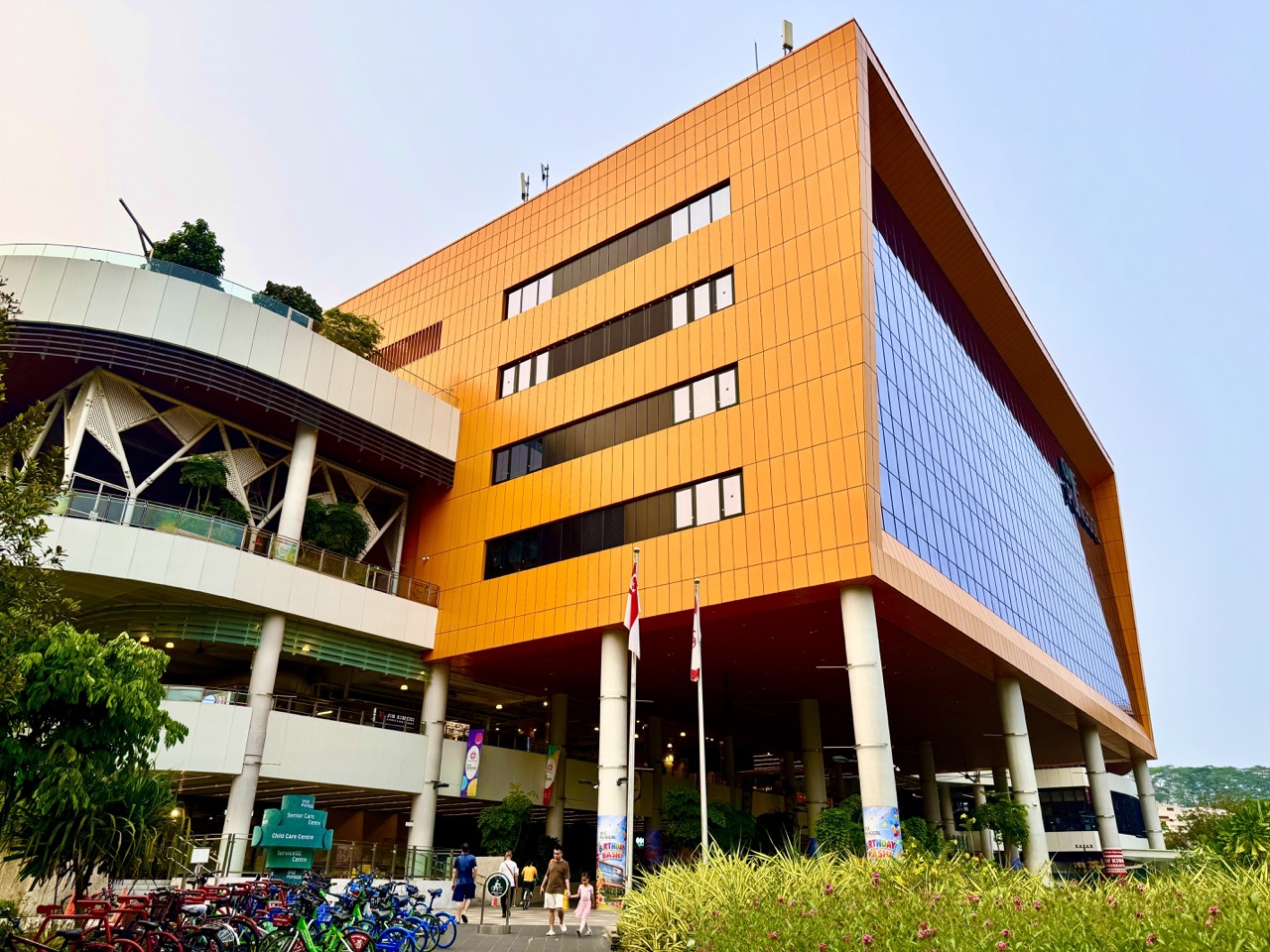
Karate is a concrete sports-class choice in Punggol for early 2027, with an official onePA Karate (HealthierSG) course at One Punggol Community Club, 1 Punggol Drive. Its 7–9pm Saturday intake runs from 19 December 2026 to 3 April 2027, for twelve scheduled lessons priced between S$120 and S$130 according to the booking category. The organiser specifically excludes 26 December 2026 and 23 January, 6 February and 13 February 2027. The listed style is described as Kyokushin or “Kyokunshin” in the course wording, and new students must arrange a separate uniform purchase through the trainer. This is a PA community-club programme, not an ActiveSG gym class or an unrestricted drop-in activity.
A responsible beginner learns karate through safe, supervised fundamentals: dojo etiquette, coordinated posture, basic movement, simple controlled striking patterns, appropriate kata practice and clear rules about partner contact. A parent should understand the difference between kihon (fundamentals), kata (forms) and kumite (partner sparring), including why a full-contact karate tradition cannot be treated as an invitation for children to hit friends. This guide provides an in-depth 2027 parent and adult learning pathway, explaining how the actual One Punggol class works, how it differs from nearby dojo options, what the first term should achieve, how to evaluate a teacher and safety policies, and how to avoid paying for an advertised course that no longer has a place.
- Official onePA 7–9pm course: Karate (HealthierSG), reference C027251097, One Punggol CC, 19 December 2026–3 April 2027, twelve scheduled Saturday sessions.
- Fee on that listing: S$120–S$130 depending on applicable category; verify the current checkout and any additional charges.
- No class on 26 December 2026, 23 January 2027, 6 February 2027 or 13 February 2027 under the published 7–9pm schedule.
- Published entry range: six years old to adults; the coach must still confirm individual readiness, skill level and appropriate class grouping.
- Separate attire: first-time students are instructed to purchase a karate uniform through the trainer; its price is not included in the published headline fee.
- Official organiser: People’s Association, One Punggol CC. This is not a Punggol ActiveSG gym or court hire.
- Provider listing names Poh Beng Whee, with a profile referring to Lawrence, a Kyokushin karate black belt since 1991; confirm the actual session coach.
- Official dojo directory I.K.O.N/Kyokushin Karate Singapore lists One Punggol Saturday 7–9pm, with other nearby and island options.
- A separate 5–7pm Saturday One Punggol karate product exists, but its published exclusion notice includes an inconsistent Wednesday date; check that product directly.
- Core skills: etiquette, controlled stance, movement, kihon, suitable kata progression, listening, safety and appropriate supervised partner drills.
- Kyokushin’s competitive contact format differs from World Karate Federation point-sparring rules; ask which syllabus the named course teaches.
- Never practise striking another person, joint controls, dangerous kicks or contact kumite unsupervised, particularly at home or school.
- Cancellation rules include a pre-course administrative fee and limited refunds after commencement; current onePA terms control.
- All later-2027 enrolments, course places, tuition and uniform prices must be confirmed with the provider.
Definition lock and fact-check — 1 November 2026: This is the onePA One Punggol CC 7–9pm Karate course, a structured PA programme, not an ActiveSG gym class. The official dates and fees describe one existing 2026–2027 intake; actual registration, instructor and protective requirements must be checked before payment.

Why the One Punggol class is a meaningful local result
Punggol families are accustomed to travelling to other estates for specialist martial arts. One Punggol’s published course is a genuine local option with a named community club, dates and fee range. That makes it more useful than a generic description of how karate can improve coordination. The starting point is a real enrolment opportunity whose terms a parent can inspect.
The distinction from ActiveSG matters. SportSG may promote martial arts and physical activity broadly, while the actual class is offered through PA’s onePA system. A gym membership at Punggol Sport Centre does not enrol anyone in the community club’s karate term. The correct operator is the one taking registrations and setting safety conditions.
The Saturday 7pm term extends through April
OnePA’s course C027251097 begins on 19 December 2026 and runs to 3 April 2027. It lists twelve teaching sessions over a longer calendar span. Someone searching only for a 2027 date might wrongly imagine that the class starts in January. It is actually a term continuing from late 2026.
This is important for anyone who wants to join after commencement. The advertised registration deadline belongs to December, and a later opening cannot be assumed. Check the current product, then ask the organiser whether the next new term or any approved joining arrangement is offered.
Four excluded dates protect the family calendar
The published 7–9pm product explicitly says there is no lesson on 26 December 2026, 23 January 2027, 6 February 2027 and 13 February 2027. Those exclusions matter because a simple phone reminder to attend every Saturday would send a family to an empty class on some weeks.
Save the real list of teaching sessions and check for later notifications. Do not invent reasons for the pauses; the listing does not establish whether each was caused by holidays, venue allocations or other decisions. The useful action is to follow the current organiser’s calendar.
Why the two Saturday time slots should not be merged
The club has advertised both 5–7pm and 7–9pm Saturday options. These are different registration products, with different identifiers and potentially different class arrangements. One published 5–7pm page contains a confusing exclusion entry that appears to name a Wednesday rather than a Saturday.
A parent considering the earlier class should contact the provider to confirm its actual calendar instead of copying the later class’s exclusions. An article focused on the 7–9pm product can be precise because that product has a coherent published schedule. Always book the exact preferred time.
Where One Punggol CC is
One Punggol Community Club operates within the integrated One Punggol hub at 1 Punggol Drive. The site includes community services, library and dining areas, so arriving at the main entrance is not the same as arriving at the karate teaching room. An older course used a Level 3 dance studio, but a new term may have a different room allocation.
Ask the organiser where participants should report and where parents may wait or collect a child after 9pm. Accurate directions are a practical safety matter. Young students should not be asked to search a large building alone after class.
What Kyokushin means
Kyokushin is a Japanese karate tradition associated with demanding fundamentals, discipline and forms of full-contact competition. The spelling in local programme listings may appear as Kyokushin or a variant such as ‘Kyokunshin’. The presence of the name identifies a tradition, not the exact syllabus or contact level for every age group.
A responsible parent should ask how the beginner class teaches foundations and when, if ever, partner sparring is introduced. A six-year-old’s lesson must not simply copy the contact intensity of an adult competition. The instructor must set safe age-appropriate boundaries.
The provider’s current dojo directory
Kyokushin Karate Singapore and I.K.O.N Singapore publish One Punggol CC Saturday 7–9pm among their dojo listings. Another provider page mentions two Saturday sessions and describes first-time attire, protection and grading arrangements. Those sites help explain the broader organisation but do not replace the specific onePA booking product.
A household should ask whether the desired instructor, syllabus and fee are the ones shown in the latest course. A dojo website may advertise regular activity while the onePA term sells a fixed number of sessions. A general schedule and an actual confirmed booking serve different purposes.
What the 2026 fee actually buys
The advertised S$120–S$130 is the term course fee on onePA for the named intake. It is not necessarily the complete cost of training. New students are told to arrange a uniform purchase with the trainer, and protective gear or grading could involve further expenses if required.
Before paying, ask for a full estimate and confirm any discounts through legitimate checkout. A parent should not assume the uniform is free or buy a different outfit online without knowing the dojo’s rules. Budget clarity is part of choosing a programme responsibly.
The cancellation terms should be read before enrolment
The published onePA remarks describe a 20 percent administrative fee for eligible pre-start cancellations and restrictions on refunds and transfers after the course begins. These conditions can become important when a family has other Saturday commitments or a child is uncertain about joining.
Read the current terms directly and retain the receipt. If a lesson is missed by choice, do not assume it can be made up at another dojo or converted into an ActiveSG court credit. Community club courses are structured products, not interchangeable gym visits.
Kihon means fundamentals
Kihon is the study of basic karate actions and movement principles. In a beginner class it may include controlled posture, footwork, defensive movement, hand positions and appropriate striking shapes. The instructional purpose is consistency and awareness rather than actual impact on another person.
A learner should know what each exercise is meant to develop. If a child understands that a controlled movement must start and stop safely, they have achieved something important. A long list of named actions does not automatically make the lesson effective.
The role of a ready stance
A stable karate stance gives the learner a consistent starting position for movement. Good posture includes an appropriate relationship between feet, knees, hips and attention, but a generic article cannot assess the exact stance that suits an individual. That is the instructor’s responsibility.
A child should not be forced into a painful shape to imitate a photograph. The teacher can make suitable adjustments and explain how the position supports balance. A comfortable and controlled foundation is better than an exaggerated pose.
Why breathing and pace matter
Some karate exercises use deliberate rhythm and controlled exhalation, while others involve faster movement. A beginner may become tense trying to copy both at once. Simple repeated practice can help coordinate attention and movement without requiring unnecessary effort.
Ask the instructor what the learner should focus on in each drill. A student who breathes comfortably and follows cues is more likely to remain attentive. Avoid claiming that a breathing exercise will cure a specific condition or replace medical care.
Basic footwork before striking drills
Moving forward, back and sideways with control is central to safe martial-arts practice. A beginner who cannot stop appropriately should not be rushed into partner striking. The teacher can develop coordination through non-contact movement tasks.
An early success may look ordinary: the student remains balanced when changing direction and maintains appropriate distance from classmates. That is valuable groundwork for later learning. Speed should develop only after control is reliable.
What a controlled punch drill teaches
A basic punch in a beginner programme can be practised as a supervised technical movement without contact with another person. The goal may be coordination, range awareness and understanding when movement begins and ends. It is not a licence to test force on siblings or friends.
Any target work or partner exercise must be set by qualified staff with appropriate equipment and safeguards. Do not attempt high-force impact practice from an online article. The safest learning progression is the one the coach has actually approved.
Why an impressive kick is not an early goal
Karate is widely associated with kicking, and children may be especially attracted to high kicks seen in videos. But reaching high demands balance, coordination and appropriate range of motion. A person should not attempt extreme positions simply because another learner can.
The instructor chooses suitable technical progressions, while the student learns to maintain control and recover safely. The outcome is not how high the leg travels. It is whether the movement is appropriate and repeatable without creating danger to others.
What a block means in a coached lesson
Defensive movements are often described as blocks, but their meaning depends on the martial-arts tradition and context. A beginner may practise a controlled movement pattern to understand positioning. That is different from responding to an uncontrolled real confrontation.
A teacher can explain the sport purpose and limits of the exercise. Parents should not promise that a child becomes invulnerable after learning a few blocks. Responsible training includes the judgment to avoid violence and seek help when necessary.
Kata connects a series of movements
Kata is a structured sequence of karate movements. It demands knowledge of order, orientation, rhythm, posture and technique. A beginner may first learn a short segment and later understand how the parts connect. A completed kata is not simply a dance done as quickly as possible.
A good instructor demonstrates how to learn and refine a manageable sequence. Parents can ask what the student remembers without demanding a full performance every evening. The value is in growing technical understanding and control.
Kata is different from competition kumite
Kata is a formalised movement sequence, while kumite concerns partner practice or contest under the relevant rules. In a traditional Kyokushin setting, contact and protective expectations may differ from the point-scoring model used by the World Karate Federation. An article should not mix these systems into one imaginary rulebook.
The provider should explain which form of kumite, if any, the course includes and how participants are prepared. A beginner’s kata work does not imply readiness for sparring. Parents should ask about safety, age grouping and protective arrangements before agreeing to contact training.
What kumite means for beginners
Kumite can include controlled partner drills and, at appropriate stages, formal sparring. The level of contact must be defined by the instructor, not assumed by children or parents. Different clubs and rulesets have distinct restrictions and equipment requirements.
An introductory student may begin with distance and timing exercises that involve no impact. Those are real learning activities. If a child is nervous about partner work, the coach should respond with an appropriate progression rather than pressure or ridicule.
No technique belongs in a schoolyard challenge
Learning karate should not lead a student to challenge classmates to punch, kick or spar outside the dojo. A supervised technique is designed for a controlled environment with people who understand the rules. Applying it unpredictably can cause harm even if the child thinks it is playful.
Parents can reinforce a simple expectation: use class skills only in the proper learning setting and seek help in unsafe situations. Good martial-arts education includes restraint and respect for other people.
What a karate gi is
The karate uniform is commonly called a gi. It allows comfortable movement under the dojo’s rules and may display a belt marking the student’s grade. Fit and fabric matter because a poorly sized uniform can distract the learner or interfere with movements.
The One Punggol listing tells new participants to arrange attire with the trainer. Ask which pieces are required, what they cost and whether temporary first-lesson clothing is permitted. Do not buy a generic outfit simply because it is inexpensive or arrives quickly.
Why hand and shin protection may be required
The provider’s published joining page refers to hand and shin-foot guards for regular training. Protective requirements vary with the class and type of practice. Equipment is intended to reduce some risks but does not make unsafe contact acceptable.
Ask the trainer what is mandatory for the named intake and how to select sizes. Do not treat a low-cost unverified protector as equivalent to one the club has approved. Safety remains a combination of appropriate gear, technique, rules and supervision.
The importance of a clean training floor
Karate may involve pivoting, stepping and moving near other students. The floor surface, footwear policy, available space and general condition matter. A community club room is not automatically suitable for every form of training simply because it is spacious.
The organiser should establish boundaries and examine the area before drills. Students should report hazards and avoid leaving bags in movement paths. A safe physical environment allows the coach to focus on learning rather than repeated interruptions.
Dojo etiquette helps create predictability
Many karate classes use formal greetings, bows and a clear instructor-led order. These practices provide a shared language for starting, pausing and ending exercises. They can help new students understand expectations even when the techniques themselves are unfamiliar.
Respect does not mean ignoring discomfort or concealing a concern. A good coach makes it possible for participants to ask questions, report pain and seek help. The culture should support learning and safeguarding rather than demand silence at all costs.
Why the stop signal matters
Students need to know when to cease a movement, particularly during partner exercises. A late reaction can create a hazard even when the action is technically simple. Learning to respond promptly is a foundation of responsible martial arts.
Parents should ask whether the coach introduces this rule before any contact work. A child who stops immediately and waits for direction is demonstrating important progress. Such behaviour deserves as much praise as a technically improved stance.
A realistic first two-hour class
The official Saturday product is two hours long, but a first session should not mean two hours of continuous high-intensity kicking. A coach may use orientation, warm-up, supervised fundamentals, breaks, an age-appropriate form and time to explain rules. The actual design belongs to the provider.
The parent can ask what the learner is expected to achieve by the end. A positive first meeting may be as simple as remembering the ready stance and following classroom etiquette. There is no need to perform difficult sparring or earn a grade immediately.
A four-visit beginner progression
An illustrative progression may begin with safe posture and class rules, then move into simple coordinated actions, introduce a short appropriate kata sequence, and later add controlled distance or partner awareness. This is not a claim about the exact I.K.O.N curriculum.
Different students learn at different rates. A child who struggles with a sequence may need repetition rather than a new set of moves. Progress is reliable control and understanding, not how many technical labels appear on a training certificate.
Children as young as six
The One Punggol course description permits children from age six alongside adults in the broad eligibility statement. That is an entry category, not a guarantee that identical training intensity applies to every person. A good instructor should manage differences in size, attention and experience.
Parents should ask how groups are formed and what happens when a child is overwhelmed. A suitable class respects the learner’s age and confidence. The right first-year goal is safe participation and a positive relationship with movement.
Teenagers with school CCAs
A teenager may have prior martial-arts exposure through school sport or physical education. They may still need an assessment because the dojo’s style and rules could differ from what they know. Existing experience should be explained honestly rather than used as a reason to bypass beginner safety.
Term dates can overlap examinations or other commitments. Review the full schedule and no-class dates before payment. Karate should complement school life, not become another source of unpredictable pressure.
Adults returning after a long break
A returning adult may recognise familiar terms while current balance, mobility and conditioning are different. A realistic restart begins with appropriate movement and discussion of readiness with the coach. An old belt or tournament photograph does not guarantee present ability.
The instructor can decide whether the learner should join a beginner or another group. Avoid forcing advanced kicks or contact drills just to prove that prior experience still counts. The long-term goal is a safe habit that the participant enjoys repeating.
Older adults and individual suitability
The broad course description includes adults, but it does not mean every form of karate is suitable for every older person or physical limitation. Some movements can demand balance, rotation and controlled impact. The actual programme must explain what is required.
Ask about possible modifications, contact expectations and the ability to rest. People with relevant medical concerns should obtain appropriate professional advice. The course is not a rehabilitation service merely because its name includes HealthierSG.
How to compare Kyokushin with Taekwondo
Karate and Taekwondo both teach coordinated martial-arts movement, but their technical traditions, forms and sport rules differ. A child who enjoys one may not necessarily want the other. A family’s decision should be guided by the named coach, safety arrangements and the actual activities taught.
Avoid choosing only on the basis of belt colours or competition medals. A good first lesson should feel appropriate and understandable. The label is less important than whether the class is a suitable learning environment.
How to compare karate with Aikido
Aikido commonly emphasises partner movement, throws and joint-control traditions, whereas karate includes striking-based fundamentals and different forms of kata and kumite. The activities should not be described as interchangeable simply because they share a community-arts category.
Punggol has named programmes for both. Read the correct class page, ask about contact and equipment, and consider the student’s interest. A family can make a better decision after understanding what participants actually do rather than relying on a generic martial-arts promise.
What a grading actually represents
A karate grading may assess the learner’s progress according to the dojo’s syllabus. The criteria, frequency and fees vary by organisation. I.K.O.N’s own joining page mentions grading arrangements, but the onePA course fee should not be treated as automatic payment for an examination or guaranteed belt promotion.
Ask whether grading is optional, what the student is expected to demonstrate and whether any separate payment applies. A child should not be pressured to progress at an unrealistic rate. Training can be valuable without immediate certification.
A teacher’s experience needs practical context
The onePA trainer profile refers to Poh Beng Whee and a practitioner named Lawrence with Kyokushin experience dating to 1991. This may be encouraging, but a family still needs to know who teaches the current class, how beginner students are supervised and what child-safe procedures apply.
A strong athletic biography is not a substitute for observing teaching quality. Ask the organiser about staff credentials, appropriate communication and incident reporting. Good instruction is visible in how coaches respond to real beginners.
Safeguarding during partner training
Physical contact in a martial-arts class must take place within clear boundaries. Children should know how to indicate discomfort, and parents should know who supervises and whom to contact with a concern. The coach should manage mixed-age activities responsibly.
A programme that respects consent and explains touch appropriately is more trustworthy than one that dismisses every question as weakness. Safety is part of proper discipline, not an obstacle to it.
The logistics of a 9pm finish
A Saturday 7–9pm session ends after many younger children’s usual evening routines. The family needs an appropriate pickup arrangement, transport and time for recovery. An otherwise attractive course may not fit every primary-school household.
Check the exact teaching room and exit procedure. A child should not wait unsupervised in an unfamiliar part of the hub. If the schedule is too late, consider a different confirmed product rather than insisting on the published term.
How to evaluate the first month
Useful early measures include whether the student can follow the safety signals, maintain controlled movement, remember a short suitable pattern, show respect to partners and enjoy returning. These are meaningful even when no sparring or grading occurs.
Ask the coach which one skill has become more reliable and what will be taught next. This gives parents a grounded understanding of progress without turning every class into a contest for the highest kick.
A fictional Punggol Primary 2 family
Imagine a family with a seven-year-old who wants to try karate after watching a demonstration. They read the One Punggol 7–9pm product and note the four excluded dates. They ask about the instructor, level, uniform and whether a place is truly available before paying.
At the confirmed first class, the child learns safe etiquette and coordinated movement, not uncontrolled sparring. The parent judges the session by confidence and clear teaching. If the child enjoys it, the family can decide whether the full term suits their life.
A fictional adult joining a community dojo
An adult Punggol resident wants to build a regular hobby and considers the same course. They ask the trainer how beginners of different ages are grouped and whether any physical demands need explanation. They budget for the published fee plus uniform and confirm transport.
The first sessions may involve basic movement and a short kata rather than contact competition. That can still provide meaningful learning and community connection. The adult chooses to continue based on the real experience, not on a promise of instant self-defence expertise.
What to do if registration closes
If the December intake is no longer accepting students, the appropriate response is to enquire with One Punggol CC or the dojo about the next confirmed term. The broader provider’s published weekly schedule does not necessarily mean an unregistered participant can join at any time.
Avoid third-party payment offers or assuming that an old ‘Book now’ button proves current availability. The correct product and organiser decide admission. A later intake should be described only after it is actually listed.
Frequently asked questions about One Punggol karate
Is a Karate course officially scheduled into 2027? Yes. OnePA lists a 19 December 2026–3 April 2027 twelve-session Saturday 7–9pm course. Does it run every Saturday? No. Four excluded dates are published. What is the listed term fee? S$120–S$130, plus separately priced attire if needed. Can a six-year-old join? The course lists ages six to adults, with suitability determined by the provider.
Is it ActiveSG gym tuition? No, it is a PA community-club class. What are kihon, kata and kumite? Fundamentals, formal routines and partner practice or sparring, respectively. Can a child practise contact karate at home? No. Does enrolment promise a grading? Not automatically. What is the next action? Check the current onePA course and confirm instructor, room, fees and a genuine place.
Official course and governing-body sources
- OnePA — One Punggol CC Karate course, 7–9pm Saturdays into April 2027
- OnePA — separate 5–7pm term (check inconsistent exclusion wording)
- Kyokushin Karate Singapore — official dojo locations and schedules
- I.K.O.N Singapore — first-lesson attire, protective equipment and programme rules
- World Karate Federation — current kata and kumite rules (different competition system)
- OnePA — One Punggol CC address and organiser
- eduKatePunggol — already published 2027 event-calendar overview, distinct from this skills guide
- eduKatePunggol — Punggol Aikido 2027 (different martial art)
- eduKatePunggol — Wushu at Punggol community clubs (different sport)
Your Next Step
Open onePA course C027251097, confirm a real Saturday 7–9pm place, copy the four excluded dates and ask the dojo about safe beginner training, required uniform, protective gear and the correct classroom. Leave sparring and contact drills to qualified instruction. This independent article does not reserve a course seat.


