
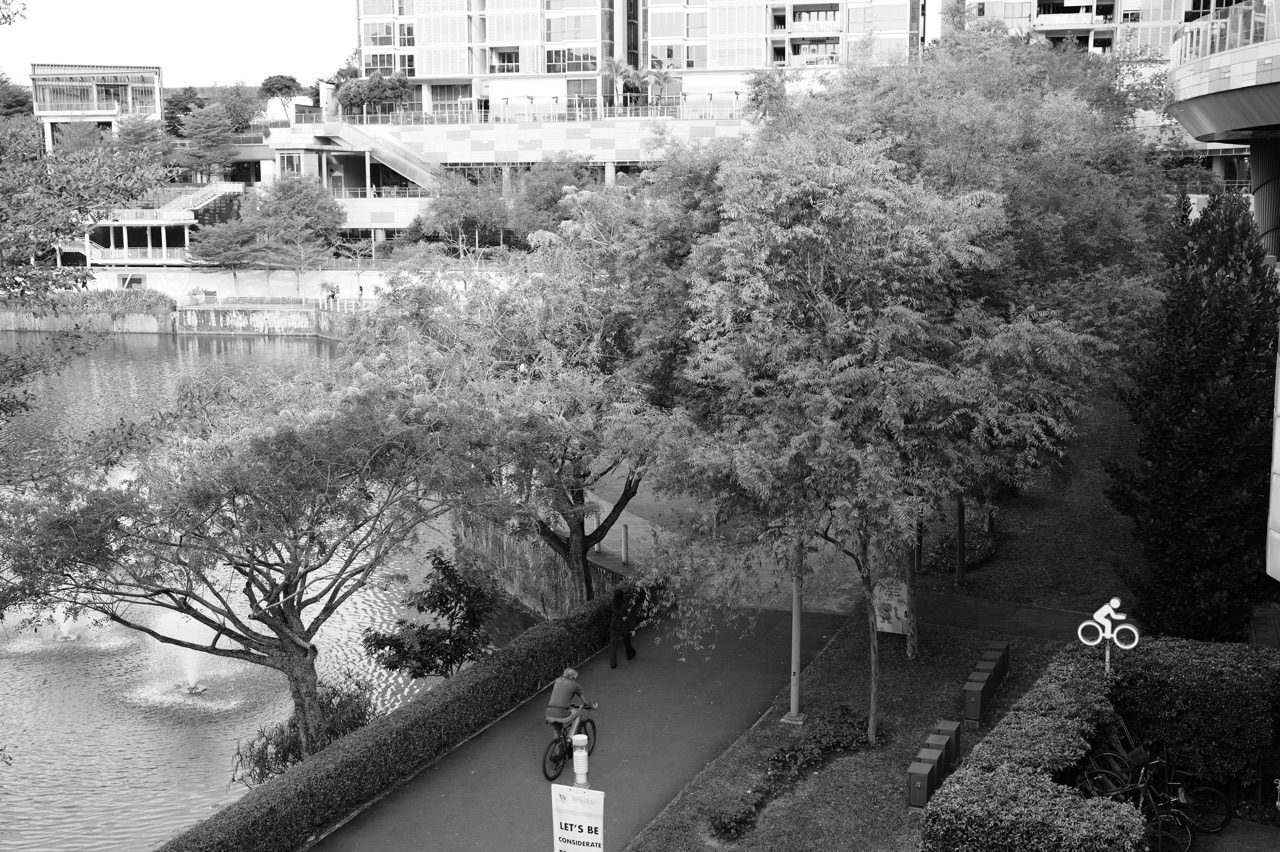
Inline skating is a genuine ActiveSG school-holiday programme option for Punggol residents in 2027, and there is also a legitimate local outdoor setting once a skater has learned to stop: Punggol Waterway Park. SportSG’s national School Holiday Programmes catalogue lists Inline Skating Camp Level 1 and Level 2; an official 2026 camp was held at Clementi Sport Centre, while a separate intermediate ActiveSG course used the sheltered activity area of Bishan Sport Centre. None of those examples confirms that Punggol Sport Centre at 11 Sentul Crescent has a publicly bookable skating course for 2027. Check MyActiveSG+ for the actual camp, date, level and equipment before paying.
A child should learn how to balance, roll, slow down and stop predictably before skating in busy public spaces. NParks explicitly names Punggol Waterway Park as a place to cycle or inline skate on its smooth tracks, and LTA treats people travelling on inline skates as pedestrians for its path classification, including pedestrian-only paths. That permission does not mean a novice should practise amid families, cyclists or narrow crossings. This guide explains how to select a proper ActiveSG Level 1 or Level 2 session, what safety gear to check, how coaches teach braking, how to choose a suitable practice area and how to enjoy the Waterway responsibly without treating the park connector as a private skating rink.
- Official national programme: ActiveSG School Holiday Programmes list Inline Skating Camp Level 1 and Level 2; 2027 actual dates and locations must be checked.
- Concrete 2026 programme example: a Clementi Sport Centre Level 2 skating camp at 518 Clementi Avenue 3, with helmet, pads and skates included for that specific product.
- Another documented programme: intermediate Finesse Inline Skating Centre lessons at Bishan Sport Centre sheltered carpark, 5 Bishan Street 14, in October–November 2026.
- The Bishan intermediate product listed S$90 for four sessions and optional skate-and-protective-gear rental of S$5 per session; do not apply those rates to every course.
- NParks names Punggol Waterway Park as suitable for cycling or skating on designated smooth tracks, subject to current signs and other users.
- LTA’s updated pedestrian-only path guidance says people on inline skates and roller skates are treated as pedestrians; read current signs, not rules for motorised PMDs.
- Beginner priority: correctly fitted helmet and wrist, elbow and knee protection, balance, safe falls, controlled gliding and stopping before speed.
- Skating on a park connector is different from attending an ActiveSG coached class or renting an authorised activity area.
- Learning progression: stable stance, controlled strides, braking, directional control, crossing awareness, then longer recreational routes.
- Do not practise aggressive downhill skating or speed drills on crowded park paths.
- Current Punggol Sport Centre skating class, skating rink or 2027 camp has not been independently verified.
Definition lock — 1 November 2026: ActiveSG inline skating camps are nationally listed products at specified venues, while NParks Punggol Waterway Park is a separate publicly managed recreational path. Neither the park nor a photo establishes a Punggol Sport Centre skating class.

Begin with a course, not a busy waterfront
A smooth park connector looks inviting, but it presents a very different environment from a controlled teaching court. A new skater may not be able to stop when a child steps across the path or a cyclist approaches a corner. That is why a supervised course should establish braking and balance before longer outings become a goal.
Punggol Waterway Park can be a pleasant place to practise familiar skills once the person can respond safely to other users. The learning journey should begin with a venue designed or approved for practice, not with the longest possible scenic route. Enjoyment lasts when the first attempts feel manageable.
What ActiveSG actually advertises
The ActiveSG school-holiday catalogue lists Inline Skating Camp Level 1 and Level 2 among its outdoor activities. These are categories in a national programme system, not a promise that every sports centre offers the same course. The exact venue, duration, level and equipment depend on the individual registration product.
A parent should open MyActiveSG+, select the right child profile and read the current camp details. If no Punggol option appears, look for a confirmed course elsewhere rather than assuming a sports-hall soft launch created a new skating rink. A short journey to an unverified class is still a wasted journey.
The Clementi camp illustrates what a real class looks like
A published 2026 Level 2 camp at Clementi Sport Centre identified a specific date, two-hour session, age band, fee and equipment provision. Its description emphasised safety, basic skating, stopping, turns and eventually managing slopes. That is a more complete service than simply arriving at an outdoor hardcourt with borrowed skates.
However, a Level 2 label should prompt questions about prerequisites. A beginner who cannot stop should not enrol in an intermediate course simply because the date is convenient. Read the level description and ask the provider whether an appropriate first-level camp is available.
The Bishan intermediate programme is another distinct product
A 2026 MyActiveSG+ course at Bishan Sport Centre’s sheltered carpark offered four intermediate sessions and named Finesse Inline Skating Centre as its provider. The listing included technical work such as edge control, transitions and crossovers, and it offered rental equipment for an additional per-session charge.
This tells readers how an advanced programme differs from a first lesson. It also shows why equipment assumptions matter: one camp may provide skates while another prices rentals separately. Never copy a product’s cost or activity into a different 2027 programme without checking.
The Punggol outdoor option is supported by NParks
NParks lists Punggol Waterway Park among places where visitors can cycle or inline skate. It specifically describes smooth waterfront tracks and encourages users to be considerate, stay on track, watch speed and give way. That makes Punggol a genuine recreational setting rather than a location invented for SEO.
But the endorsement concerns outdoor recreation under current park rules. It is not confirmation of an ActiveSG instructor, equipment rental or reserved skating area beside the waterway. A park user must still comply with signage and share space with walkers and cyclists.
LTA treats inline skaters differently from motorised PMDs
LTA’s updated guidance about pedestrian-only paths makes an important distinction. It says individuals using inline skates or roller skates count as pedestrians and may use pedestrian-only paths, whereas bicycles, motorised PMDs and certain other devices are restricted to designated cycling paths. Copying e-scooter rules onto a skater can therefore give the wrong advice.
That classification does not grant skaters permission to endanger pedestrians or ignore site-specific prohibitions. Use the markings in the actual location and slow sufficiently to give way. A beginner may prefer a quieter permitted practice zone even when the legal path allows a skater.
Why the park-connector speed discussion needs care
NParks’ Park Connector Network guidance asks skaters, cyclists and other users to observe designated speed limits and slow at attention zones. There can be different path widths, segregated sections and transitions, so a route is not one continuous private training track.
The right decision is to watch the local signs and adapt to the environment. A technically skilled skater should never use speed as an excuse to pressure slower walkers. On a busy weekend, a shorter calm outing may be more enjoyable and responsible than covering a large distance.
The first important skill is controlled stopping
Rolling forward can feel surprisingly easy once skates start moving; stopping is the capability that makes a recreational route safe. A child who can glide several metres but cannot slow down when instructed is not ready for crowded waterway paths. A course should spend meaningful time on stopping and emergency responses.
Ask a prospective coach what braking methods are taught and how the learner demonstrates control before progressing. Avoid learning only through repeated uncontrolled collisions with walls or barriers. The objective is a deliberate safe stop in an appropriate place.
Helmet fit before the first lesson
A helmet needs to fit correctly and remain fastened so that it can provide the protection it was designed for. A helmet that wobbles or sits loosely is not equivalent to a correctly fitted one. The child’s comfort and manufacturer instructions matter, especially when the session involves repeated movement.
Have the instructor or an appropriate equipment supplier check fit before skating. Do not assume a decorative cap or bicycle-style accessory used incorrectly will suffice. Safety gear should be suited to the intended activity and worn throughout the applicable exercise.
Wrist guards, knee pads and elbow pads
Beginner skaters may place hands, knees or elbows on the ground during a loss of balance. Suitable wrist, knee and elbow protection can reduce some risks, but no gear makes falling harmless. It must be in good condition and fit the user without restricting essential movement inappropriately.
Ask what the course supplies and what families must bring. For children, pads that slide out of place or are too large may not function as intended. A good provider explains how protection is used and how the learner should behave to avoid unnecessary falls.
Why skate size matters as much as shoe size
Inline skates need secure support and appropriate adjustment. A badly sized boot can reduce control, make movement uncomfortable and encourage the skater to compensate with awkward posture. A child who is growing quickly may need different equipment even if last year’s skates still fit loosely.
Begin with a properly fitted rental or provider-approved pair if possible. Check the product’s rental terms before buying. Spending money on a fashionable model before understanding fit can make the first lessons harder than necessary.
Wheel condition and equipment checks
Wheels, frames, closures and brakes affect how the skates behave. Equipment that rolls unevenly or has damaged fasteners may be unsuitable for teaching, particularly for a nervous beginner. A coach should explain what is inspected and what participants should report before using a rented pair.
Do not attempt complicated repairs at the park when an unsafe component appears. Stop the session and seek appropriate assistance. A short equipment check is part of learning to use sports gear responsibly.
The ready stance and stable posture
An inline-skating learner needs a balanced stance that allows small controlled movements. Standing rigidly upright may feel safe at first but can make recovery difficult; an instructor can demonstrate an appropriate ready position and how to return to it after a step.
The first lesson should give time to understand posture before increasing speed. A participant who can regain a stable position after a gentle movement is making meaningful progress even without travelling far. Control comes before distance.
How to begin with tiny movements
One common teaching approach is to start with short controlled steps in a suitable flat space rather than demanding continuous gliding immediately. This lets the learner discover how weight shifts between skates and how wheels respond. The coach chooses the exact exercise according to the learner’s readiness.
If the skater’s feet repeatedly move too far apart or their balance becomes uncertain, simplify rather than urge faster travel. The aim is to create a movement they can repeat. Early confidence should be earned through control, not through luck.
Learning a safe fall in a coached setting
Falling is a practical concern in skating, so an instructor may teach suitable ways to respond to a loss of balance using proper protective equipment and a clear practice surface. The safest technique depends on the situation and should be demonstrated rather than inferred from a short written description.
Parents should not push children into deliberate falls on hard surfaces at home. Ask the coach how the class develops safe recovery and how it decides whether to progress. A child who knows how to stop an exercise and signal discomfort is learning a valuable part of self-management.
Basic gliding after control
Gliding allows a skater to move smoothly without taking a constant series of steps. That is part of the appeal of inline skating, but it also introduces the challenge of momentum. A beginner must understand that rolling continues even after the feet stop pushing.
Start in an appropriate open area and let the instructor choose a manageable distance. Keep a clear braking plan before each attempt. If a skater cannot stop at the intended point, return to easier exercises rather than lengthening the glide.
Heel brake versus other stopping methods
Some recreational skates have a heel brake, while different setups may use other controlled stopping methods. Beginners should not assume every pair of skates behaves the same way. The instructor needs to know which equipment is being used and teach an appropriate method before the participant moves through public space.
Avoid copying a stop from an advanced video that assumes a different wheel setup. A skater who consistently stops in the approved teaching area has a more useful skill than one who can perform an impressive move but loses control on an ordinary path.
Why a T-stop is not the first requirement for everybody
A T-stop is a common skating technique in which one skate is positioned behind the other to create controlled friction. It can be useful as skills develop, but learners need sufficient balance and correct guidance to use it safely without twisting awkwardly or losing control.
The right progression depends on the learner and the instructor’s equipment. Do not insist on a named technique simply because it appears frequently on social media. What matters is whether the skater can slow and stop predictably in a suitable setting.
Turning before a real park route
A park connector includes bends, intersections and changing widths. A beginner should learn to steer deliberately and recognise when to reduce speed before turning. Making a smooth arc in an empty practice court is different from negotiating a corner beside a family with a stroller.
A coach can use a simple turning course and gradually increase complexity. Never make the first turning challenge a busy junction. Reliable direction control is what allows skating to become travel rather than an exercise in avoiding sudden obstacles.
Crossovers belong later in the progression
Intermediate inline-skating programmes often teach crossovers to help maintain movement through curves. The Bishan course includes advanced transitions and edge work, which signals that it expects participants to know basic rolling and stopping already. A beginner should not select that class merely because the timetable fits.
Learn to turn simply first. When that becomes stable, a coach can decide when crossovers are appropriate. Adding technical complexity at the right time is better than forcing the move and increasing fall risk.
Backward skating and spatial awareness
Backward skating can be entertaining to watch but it reduces direct visibility of the travel direction. An intermediate skater needs reliable balance, control and awareness of other users before attempting it. The Bishan programme presents backward variations as part of more advanced lessons.
Such exercises belong in controlled teaching conditions. A public waterfront path filled with pedestrians is not a sensible place for a beginner to practise backward travel. The right goal is competent awareness, not performing a trick for spectators.
Slopes make speed management essential
Punggol’s paths may contain gentle changes in level, ramps and bridges. A slope can increase speed even when the skater does not push, making the stopping distance longer. The 2026 ActiveSG camp description explicitly mentioned learning to handle downhill movement and emergency stopping at a later stage.
A new learner should avoid slopes until the coach confirms readiness. Route planning should identify areas where braking and control are manageable. Do not assume a gentle-looking descent is safe merely because a more experienced person skates down it.
Crossings and attention zones
Park connectors pass through junctions, playground entrances and other places where pedestrians may enter unexpectedly. NParks uses attention-zone markings to signal the need for extra caution. A skater should approach such areas slowly enough to respond safely and follow crossing requirements.
Do not attempt to maintain training speed through these zones. If the space is crowded or visibility poor, stop and proceed only when suitable. Good active mobility behaviour is a core part of being ready for public routes.
Pedestrians deserve priority and comfort
NParks asks users to give way, respect speed limits and maintain considerate spacing. A skilled skater should not slalom between children or expect pedestrians to move because someone has built up momentum. The park is shared with users who may be older, slower or distracted.
Choose the quietest safe available route rather than the busiest scenic section for training. If a participant cannot control speed relative to pedestrians, return to a controlled practice area. Permission to skate does not create a right to rush past others.
Cyclists and skaters can misread each other
A cyclist may approach a path intersection from a direction the skater is not watching, and a skater may turn without the cyclist expecting it. The solution is awareness and generous spacing, not a contest over which user category has priority in every situation.
Look ahead, signal intentions where appropriate and avoid unpredictable direction changes. At a narrow point, slowing or stopping may be more effective than attempting a difficult pass. A responsible skating habit includes keeping other people’s safety in mind.
Rain and wet surfaces
Rain can alter traction, and water on paths can hide debris or slippery surfaces. A beginner may not yet know how their wheels behave in wet conditions, making ordinary stopping less predictable. Do not treat an outdoor lesson as mandatory when the operator or weather conditions make it unsuitable.
Check the class’s cancellation procedures and current park conditions. If the route is wet or obstructed, postpone rather than trying to ‘make the most’ of a planned outing. Missing one day is better than taking avoidable risks that discourage future participation.
Sun, heat and hydration
Outdoor skating can involve sustained movement under Singapore’s sun. Participants should use appropriate clothing, consider sun protection and carry water where practical. The intensity of a session should reflect age, readiness and environmental conditions rather than a desire to cover a target distance.
Children may focus so much on learning that they forget to mention fatigue. A responsible adult or coach should offer breaks and watch whether concentration is deteriorating. A positive first month of skating involves manageable experiences, not exhaustion.
Where to meet for a family waterway skate
Punggol Waterway Park has multiple access points and connections. Telling friends merely to meet ‘at the Waterway’ can result in confusion. Choose an actual safe landmark that does not obstruct paths or entrances, and confirm where the group can put on skates without blocking other users.
Do not occupy a narrow walkway while adjusting equipment. Prefer an appropriate permitted space with enough room for the group and a safe transition to the route. Arrival etiquette is part of respectful park use.
A first-hour class structure
An illustrative sixty-minute coached session might spend ten minutes on equipment checks and safe stance, fifteen on short steps and balance, fifteen on controlled rolling and braking, ten on simple turning, and ten on review and removal of equipment. This is a learning example, not a real ActiveSG camp syllabus.
A coach can change the balance according to ability. If braking is not yet reliable, there is no reason to attempt a longer route in the final minutes. Success means a participant has learned a controllable action and knows what to practise next.
A four-visit beginner progression
Visit one can introduce protective equipment, safe balance and very short movements. Visit two may consolidate braking. Visit three can connect gliding and turning, while visit four can examine route awareness in a controlled environment. The actual order belongs to the trained instructor.
Do not guarantee that four visits make a child ready for a public park connector. Some learners need more practice with stopping or fear of falling. Reliable control matters more than matching a calendar milestone.
How to choose between Level 1 and Level 2
A Level 1 programme should be suitable for a genuine beginner if its published prerequisites say so. A Level 2 programme normally expects basic balance, rolling and stopping skills already established. The distinction may differ by provider, so read the actual product instead of relying on a universal definition.
If a child has skated once at a birthday party but cannot brake, Level 2 may still be inappropriate. Ask the coach what the enrolment assessment covers. Choosing the right level prevents discouragement and protects other participants.
School-holiday camps versus weekly courses
A holiday camp can introduce several concepts in a compact block, whereas a weekly course allows repetition over time. An ActiveSG one-off camp does not automatically provide continuing coaching or progression into another venue. Each product has its own registration and refund rules.
Consider how the learner can practise safely between organised sessions. A child may enjoy a camp but need more supervised repetition before using a public route. Choose by learning need and practical schedule rather than a promotional promise of rapid mastery.
Cost and equipment rental are separate questions
The published Bishan intermediate product listed S$90 for four lessons and S$5 per participant per session for optional skate and protective-gear rental. The Clementi camp example stated that necessary protective gear and skates were included. These are different products with different fee structures.
Before paying for a 2027 course, confirm the complete cost, whether rental is possible, which protective items are required, and what happens if a session is cancelled. A cheaper class without suitable equipment may cost more overall. Avoid purchasing permanent skates until fit and sustained interest are clear.
What parents should ask about coaching
Ask whether the provider has experience with first-time children, how it teaches safe braking, what the student-to-coach ratio is and whether there are different learning stations. A coach should manage the practice space and respond when a child becomes frightened or repeatedly falls.
Parents should not position themselves as a substitute second coach by grabbing and pulling the child unpredictably. The provider may have a specific supported progression. Listen to its instructions and ask questions in an appropriate moment. Consistency helps the learner.
A child who is frightened of falling
Fear of falling can make a beginner stiff, hesitant or reluctant to move. That response tells the instructor that the task needs a smaller progression. The goal is not to push the child into a dramatic fall but to build trust in the equipment, environment and safe recovery procedure.
A useful first visit may involve learning to stand and stop with support. That is a legitimate success even if another child glides farther. Parents can praise specific control and willingness to listen, not compare distances.
Teenagers interested in tricks
An older learner may be attracted by slalom or advanced manoeuvres seen online. Those skills can be worthwhile under suitable instruction, but public park connectors are not private stunt areas. Speed and complex direction changes may be inappropriate around pedestrians, especially near Punggol’s busy waterfront.
Choose an advanced class or approved practice site if the teenager has already mastered foundational safety. The activity should become more technically demanding without becoming less considerate of others. Skill includes knowing when not to demonstrate a trick.
Adults returning to skating
An adult who learned to skate many years ago may remember the general movement but need to rebuild braking confidence and balance. It is reasonable to choose a beginner class again rather than join an intermediate group based on old experience. Equipment condition also needs checking after long storage.
Start with a manageable session in a suitable place and re-establish control before exploring Waterway Park. A positive return should create a repeatable habit, not a risky attempt to reproduce teenage speed in one morning.
The route from one controlled class to Punggol Waterway Park
The transition should be deliberate. First verify the skater can stop, turn and respond calmly to instructions in the teaching area. Next choose a quieter permitted stretch with clear sight lines. Finally, adapt the outing to current pedestrians, weather, signage and the skater’s readiness.
Not every successful classroom skater will be ready for an extended loop immediately. The proper measure is responsible control in a changing environment. If conditions are crowded, shorten the outing or return another day. The park is an option, not a test of courage.
A fictional Punggol Primary 4 learner
Imagine a Primary 4 student who enjoys the idea of skating by the Waterway but has never used inline skates. The family first searches ActiveSG’s holiday programme for a genuine Level 1 class and checks whether rental gear is provided. The child practises stopping and basic turns under a qualified coach.
After several sessions, the family chooses a quiet legal park path only if the instructor and child’s abilities support it. They stay clear of crowded crossings and stop when the path narrows. The outcome is a safe new hobby, not a rapid route-distance record.
A fictional adult learning with a teenager
A parent and teenager both want to learn, but the teenager may progress faster. They select programmes suitable for each age and level instead of requiring one identical challenge. The adult values predictable stopping, while the teenager becomes interested in controlled turns. Both have meaningful objectives.
At home, they discuss what improved rather than comparing who travelled farther. When they eventually visit Punggol Waterway, they respect pedestrians and adjust pace. Shared recreation works best when ability differences are acknowledged rather than hidden.
Frequently asked questions about 2027 inline skating
Does ActiveSG offer inline skating? Yes. Its national school-holiday catalogue lists Level 1 and Level 2 camps. Is a class confirmed at Punggol Sport Centre? Not in this guide; check the actual MyActiveSG+ listing. Where is documented 2026 instruction? Examples include Clementi and Bishan Sport Centres. Does NParks allow skating at Punggol Waterway Park? Yes, subject to path signs and safe shared use.
Can inline skaters use pedestrian-only paths? LTA’s guidance treats them as pedestrians, but local signs and the need to give way remain important. What should a beginner learn first? Safe stance, braking, controlled turning and recovery. Can a child use the park connector after one lesson? Only if skills and conditions are suitable; a single lesson is not automatic proof. Are skates and pads included? It depends on the product; check equipment and rental terms.
Official programmes, path rules and next readings
- SportSG ActiveSG School Holiday Programme — Inline Skating Camp Levels 1 and 2
- MyActiveSG+ — intermediate skating course at Bishan Sport Centre (2026 example)
- MyActiveSG+ — 2026 Clementi skating camp, safety gear included
- NParks — cycling or inline skating at Punggol Waterway Park
- LTA — pedestrian-only path guidance, skaters counted as pedestrians
- NParks — park connector etiquette, users and speed limits
- NParks — park connector safety and sharing guidance
- MyActiveSG+ — current camp registration page
- eduKatePunggol — earlier general inline skating guide (2026)
- eduKatePunggol — Waterway Park walking and cycling guide
Your Next Step
Search the current Inline Skating Level 1 camp or appropriate beginner course, verify that skates and protective equipment are available, and learn controlled stopping before skating along a permitted quiet section of Punggol Waterway Park. Follow current LTA/NParks signs and give way to other users. This independent guide does not claim a local ActiveSG skating booking.


