
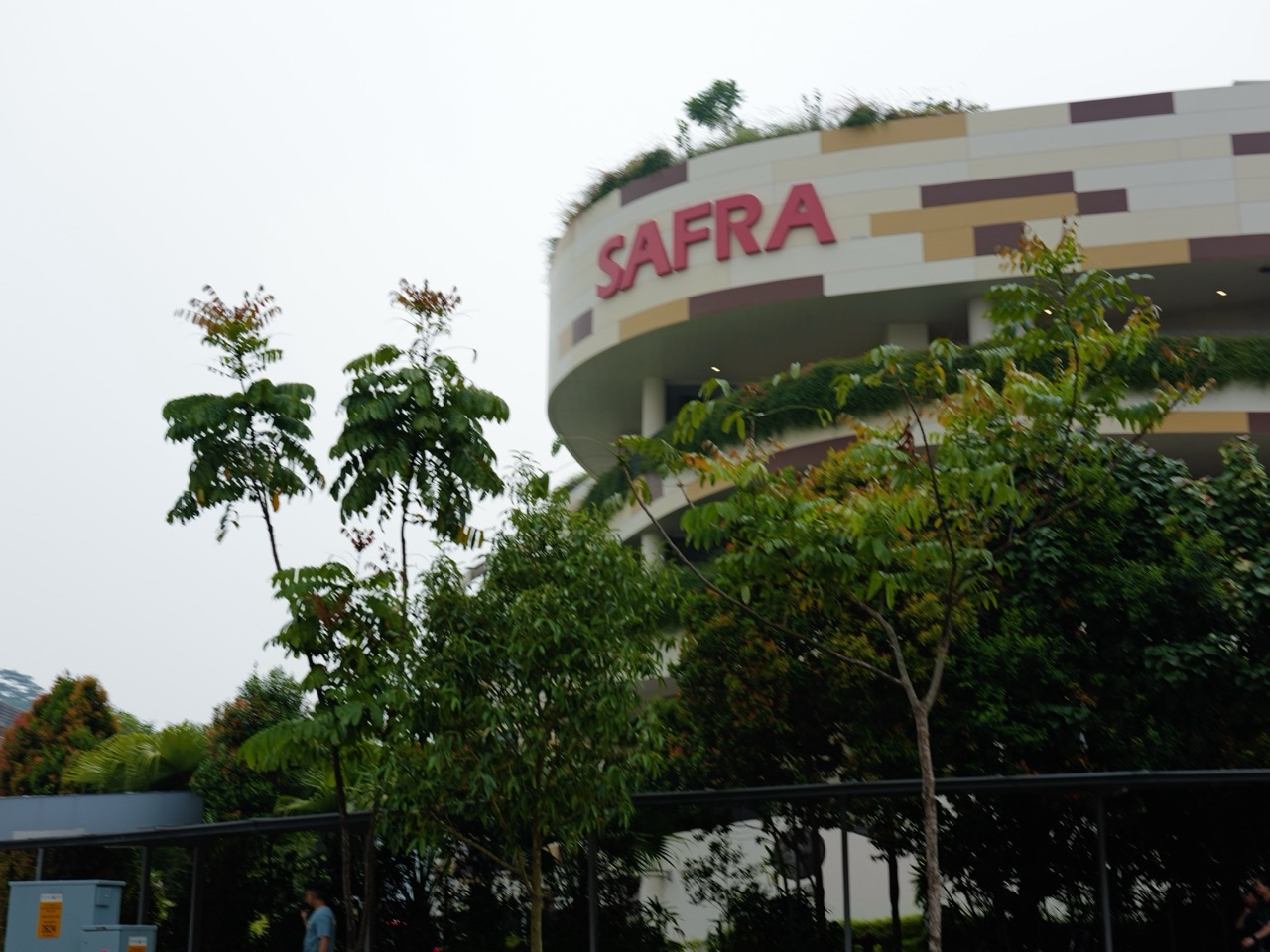
Gymnastics is a realistic activity for Punggol families to explore in 2027, but the correct provider matters. Sport Singapore’s ActiveSG School Holiday Programmes catalogue includes Introduction to Gymnastics and Gym Holiday Programme among its national offerings; a catalogue listing does not establish a class at the new Punggol Sport Centre. Within the Punggol neighbourhood, the separately operated BazGym Gymnastics School at SAFRA Punggol, 9 Sentul Crescent, #04-01, is a documented local gymnastics provider. Its published hours and programme descriptions give parents a concrete enquiry route, while actual 2027 class vacancies, fees and entry conditions must be confirmed directly.
A good first gymnastics class is not about a child performing a handstand or somersault on demand. It is about safe instruction in balance, coordination, landing, spatial awareness, basic shapes and progressive movement using appropriate mats and coach supervision. This guide explains how to compare an ActiveSG holiday taster with an independent recurring class, how to judge an instructor and equipment setup, when to stop pushing for an advanced skill, and how to make a child enjoy returning. It also gives an age-aware family planning framework and separates real Punggol offerings from general SportSG sports information.
- Official national source: SportSG’s ActiveSG School Holiday Programmes catalogue lists Introduction to Gymnastics and Gym Holiday Programme; check exact venue and session before booking.
- Actual neighbourhood provider: BazGym Gymnastics School, SAFRA Punggol, 9 Sentul Crescent, #04-01, Singapore 828654.
- Published SAFRA Punggol BazGym hours: Mondays–Fridays 10am–7pm, Saturdays 9am–5pm and Sundays 10am–5pm; these are venue operating hours, not individual class start times.
- BazGym’s listed focus includes preschoolers, primary students and learners with special needs, subject to assessment and course suitability.
- SAFRA’s July 2026 free-trial promotion was time-limited; it must not be represented as a standing offer for 2027.
- No permanent public ActiveSG gymnastics academy or fixed ActiveSG gymnastics timetable at Punggol Sport Centre is confirmed in this guide.
- Beginner goals: safe landing, body shapes, balance, movement sequences, listening to coach instructions and confidence with appropriate mats.
- Forward rolls, backward rolls, cartwheels, handstands and apparatus skills must be taught progressively with qualified supervision; an article is not a substitute for spotting.
- Ask about instructor experience, child safeguarding, lesson level, group size, mats, equipment checks and emergency arrangements.
- Distinguish trial class, holiday camp, term-based tuition and a competitive squad; these are different products with different commitments.
- Check MyActiveSG+ for actual national holiday programmes and the specific BazGym/SAFRA enquiry channel for local classes.
Definition lock and editorial check, 1 November 2026: ActiveSG offers nationally advertised holiday gymnastics, while BazGym is an independently operated provider at SAFRA Punggol. No permanent Punggol Sport Centre ActiveSG gymnastics class or 2027 lesson vacancy is asserted without a current product listing.

Why two providers appear in one Punggol guide
Punggol parents will see both ActiveSG advertisements and local SAFRA businesses when searching for gymnastics. These are not the same operator. SportSG’s holiday-programme catalogue introduces national classes and links to programme registration, while BazGym is an independent gymnastics school listed by SAFRA at its Punggol clubhouse. It is useful to compare these options, but dishonest to combine their prices, locations or admission rules as though they were one product.
For a family, the choice begins with the outcome. A school-holiday taster might answer whether a child enjoys the activity; a term-based local school could provide routine instruction. A competitive pathway would demand a more specialised conversation. The nearest venue, lowest promotional price and strongest qualification are not automatically the same option.
What the ActiveSG holiday catalogue really confirms
The official ActiveSG School Holiday Programmes page lists Introduction to Gymnastics and Gym Holiday Programme. It presents these among a larger menu of family fitness and movement sessions, with registration through MyActiveSG+. The names show that SportSG advertises beginner gymnastics opportunities nationally. They do not identify Punggol as the confirmed venue for every listed course.
Before booking, open the individual class product and check the date, location, age group and instructor arrangements. The national page can remain online after a programme sells out or when a future session has not yet been announced. A useful parent reads the actual course information rather than assuming an attractive national image represents an available Punggol booking.
Why BazGym at SAFRA is a concrete local lead
SAFRA’s official amenities page describes BazGym Gymnastics School as a provider serving preschool, primary and some special-needs learners. It lists the Punggol clubhouse location at 9 Sentul Crescent, unit #04-01, together with operating hours and contact information. That makes it a stronger local lead than an unconfirmed class at the newer ActiveSG building next door.
However, opening hours are not the same as a timetable for a five-year-old or a vacancy for a particular level. Contact the school to ask what actually runs in 2027 and whether the child’s needs fit the programme. The school, not a third-party article, determines enrolment and trial arrangements.
SAFRA Punggol and Punggol Sport Centre are neighbours, not one venue
SAFRA Punggol is at 9 Sentul Crescent, while Punggol Sport Centre is at 11 Sentul Crescent. Their proximity makes confusion easy, particularly when a parent searches ‘ActiveSG Punggol’ and then sees gymnastics discussed nearby. A class confirmed inside SAFRA is not a class inside the new regional sport centre, even if families can walk between the buildings.
Write the address, unit and actual provider into the family calendar before leaving home. Ask whether the child needs to arrive early for changing or registration. A ten-minute search for the correct door can use much of a short lesson, so accurate location information is an important part of the educational experience.
Why an expired 2026 promotion should not become a 2027 promise
SAFRA promoted a free BazGym trial for eligible cardholders during July 2026. Its published terms included age and membership conditions, but the dates were explicitly limited. Copying that promotion into a 2027 guide as though a free trial were always available would mislead parents about cost.
If a family wants a trial in 2027, enquire about the current policy rather than sending a screenshot of the expired promotion. Ask whether there is a fee, what the child will actually do, whether equipment is provided and how suitability is assessed. Clear cost information avoids awkward conversations at the reception counter.
What gymnastics means for a beginner
Gymnastics is a family of activities that develop control of body position, movement, balance and coordination. Artistic gymnastics, rhythmic gymnastics and other disciplines use different apparatus and skill requirements. A child in an introductory movement class is not automatically training for high-level tumbling or an Olympic apparatus event.
A good beginner class should have a clear foundation: listen to instructions, orient the body in space, move over or around appropriately arranged equipment and practise control before difficult skills. Enjoying a safe sequence is meaningful progress. It is not necessary for every child to do a backflip to experience gymnastics.
Why movement foundations come before tricks
Complex gymnastics skills depend on simpler abilities such as supporting body weight appropriately, coordinating limbs, controlling momentum and managing landing. If those foundations are uncertain, an inverted movement can become dangerous. SportSG’s gymnastics resources explain that beginners generally learn fundamental tumbling before more complicated skills.
Parents should resist judging a class solely by the most spectacular move shown at a demonstration. Ask what the child is learning to control and how the instructor decides whether to progress. A trustworthy programme can explain why a simple balance exercise matters and when a harder task would be appropriate.
The role of balance
Balance is the ability to maintain or regain control of the body in a particular position or movement. Young children may find a stable one-foot stance demanding even when running and jumping feel easy. A qualified coach can turn that challenge into an enjoyable age-appropriate task with appropriate support and equipment.
Progress is not measured only by how long a child can remain motionless. Better awareness, calmer transitions and the ability to respond to instructions matter too. A child who steps down safely when unstable is making a good decision. Balance learning should help a learner recognise control rather than fear mistakes.
What body shapes teach
Gymnastics frequently uses named shapes and positions to help learners coordinate their bodies consistently. Rather than memorising decorative poses, children learn that position changes how a movement feels and where their weight travels. A coach can use simple language, visual examples and appropriate support.
Parents do not need to teach these positions at home from a list of technical names. Ask the instructor which idea the child is practising and whether there is any safe, ordinary movement that reinforces it. Complex inverted or loaded skills belong in a supervised environment with suitable equipment.
Why landing deserves its own lesson
Landing is part of nearly every jumping activity, so the ability to finish a movement under control matters as much as the take-off. Poorly planned impact can stress ankles, knees and other structures. A gymnastics teacher should consider the child’s readiness, matting and movement demands before introducing repetitive jumps.
A parent watching from the side can notice whether the instructor values quiet control rather than simply counting higher jumps. The skill is not about landing perfectly on command; it is about learning appropriate movement patterns and responding safely. If a child looks fatigued or unsteady, the activity should be adjusted.
Mats and equipment are part of the teaching
Gymnastics equipment is not just scenery. Mats, blocks, beams and other apparatus are chosen and positioned for particular skills, and their condition matters. The same movement may be appropriate in one supervised setting and unsafe on a hard household floor. The coach should check the area before participants begin.
Ask whether the programme uses equipment suitable for the child’s height, readiness and class level. No parent should assume that a sofa, bed or park bench can replace specialist equipment. A home video cannot provide the same risk assessment as trained supervision in a properly arranged room.
Forward rolls are supervised progressions
Forward rolling is a familiar foundational gymnastics movement, but it places the body through a controlled rotation. Neck and head positioning, the starting surface and supervision all matter. SportSG’s beginner content describes the technique as a basic skill on which later work can build.
That does not mean parents should read a paragraph and instruct an untrained child to roll on a living-room floor. The right approach is to let the instructor assess readiness and demonstrate an appropriate progression. A child who is not ready may work on simpler body awareness without losing the purpose of the lesson.
Backward rolls require additional care
Backward rolling changes the body’s orientation and can place demands on the neck, shoulders and arms. A move that looks effortless when performed by a trained gymnast may be unsuitable for someone without the necessary preparation. Coaches must decide how to introduce it and what spotting or supporting equipment is required.
A parent should not treat the number of completed backward rolls as a measure of how good the class is. Ask whether the student can follow the current exercises safely and whether the instructor explains the reason for progression. Control and confidence matter more than a collection of impressive named tricks.
A cartwheel is not the first-day benchmark
Cartwheels combine sideward weight transfer, hand support, alignment and coordination. They are exciting to watch and appear in many children’s gymnastics classes, but a first-timer might need substantial earlier work to become ready. The instructor should choose suitable teaching stations and safe spacing.
Parents can celebrate the small capabilities that make a cartwheel possible, such as better balance or controlled support on hands, without pushing for the final skill at home. Progression is individual. A child’s willingness to try an appropriate exercise is more valuable than a risky attempt to keep pace with peers.
Why handstands need more than a wall
Handstands involve supporting body weight while inverted. Even where a wall is used, the movement can impose loads on the wrists and shoulders and may expose the head and neck to risk if balance is lost. A responsible coach assesses readiness, appropriate surfaces and spotting rather than inviting children to kick up unsupervised.
SportSG’s general gymnastics pages include descriptions of handstands, but those descriptions are not a personalised safety plan. Families should leave inversion teaching to appropriately qualified staff. At home, the child can share what was learnt in conversation without being asked to recreate a difficult pose for a photograph.
The difference between strength and strain
Gymnastics can build physical capacities, but loading should suit the learner. The ability to support weight or hold a position may develop gradually, and a child who is tired may begin to use awkward compensating movements. More repetitions are not automatically more education.
A good instructor knows when to simplify a task, offer rest and review the technique. Parents should ask about overall session load if a child attends school sport and other activities. The goal is steady appropriate development, not a contest to see who leaves the class most exhausted.
Movement is not a race against another child
Children develop balance, coordination and confidence at different rates. One child may enjoy a floor sequence immediately while another needs time to understand what the coach wants. Comparison can make a reasonable learner feel rushed, particularly when an audience is watching.
A parent can ask what skill is being built and praise the child’s own progress. ‘You listened and finished the sequence more calmly’ is more helpful than ‘Your friend can already do a handstand.’ A good class encourages each child without treating every participant as a future elite gymnast.
Why instructor qualifications matter
Gymnastics involves movement risks that are not obvious to a first-time parent. Coaches need relevant training, safe teaching methods and the judgment to progress skills only when appropriate. A provider’s marketing photographs or trophies do not replace those practical competencies.
Ask about the instructors’ experience with the child’s age and level, the class size, how spotting is handled, and whether equipment checks are routine. For children, confirm safeguarding arrangements, arrival and collection procedures and a clear way to report concerns. The goal is informed trust, not suspicion for its own sake.
Spotting is a trained coaching responsibility
Spotting means a coach uses appropriate physical assistance to support or control a gymnast during a skill. Done correctly within a structured progression, it can be part of teaching. Done casually by an untrained adult, it can introduce new risks to both the learner and helper.
Parents should not offer to catch a child attempting a new inverted or aerial skill simply because it looks straightforward. Ask how the class supervises unfamiliar movements and what the instructor expects from parents. Professional judgment matters especially when equipment and body position interact.
A first class that begins with orientation
A good introductory session may start by explaining boundaries, where children wait, how to hear the stop signal and which equipment is available. That preparation is not wasted time. It allows the child to focus on movement without worrying about a crowded room or unexpectedly crossing another group.
A parent can help by arriving early, describing the child’s previous experience accurately and giving the coach space to explain. Avoid making promises about skills the child will accomplish. The best first day establishes safety, interest and a realistic starting point.
What a trial session should answer
A trial is useful when it reveals whether the child enjoys the instruction, understands directions and feels comfortable in the environment. It should also help the provider judge whether the proposed level is suitable. Parents can observe how coaches respond when a child hesitates or needs an easier task.
Do not judge the trial by the number of tricks completed. Ask the child what felt interesting and what was uncomfortable. Ask the coach what the next programme would involve and which skills it would develop. A clear answer is more valuable than a pressure-filled request to enrol immediately.
Holiday camp versus a recurring term
An ActiveSG holiday programme may provide a compact introductory experience at a specified venue and date. A term-based independent course can develop continuity over many weeks. The two products are not interchangeable simply because both use the word gymnastics.
Compare the actual amount of instruction, intended age group, group size, cancellation terms, cost and equipment arrangements. A short camp can be ideal for exploration, while a recurring class may be better for gradual progression. The correct decision is the one that matches the family schedule and child’s interest.
Why a weekly habit can beat an intense holiday week
Motor learning often benefits from revisiting manageable skills, receiving feedback and trying again with improved understanding. A child who enjoys one safe weekly session may build a better long-term relationship with movement than a child pushed into a demanding camp and then not exercising for months.
However, not every family can maintain a weekly class. A well-chosen holiday taster followed by ordinary safe active play can still be meaningful. The learning objective should fit real life. Sport should make the week richer, not turn into another impossible calendar obligation.
The parent who wants to help at home
Parents can support gymnastics without reproducing technical apparatus work. They can ensure suitable sleep, nutrition, attendance and a positive conversation about the class. Ordinary safe movement and outdoor play may also support general physical confidence. These activities should not be represented as a replacement for supervised specialist skills.
Ask the instructor what is appropriate outside class, if anything. A coach may advise that the best home task is simply to rest and return ready. Avoid placing furniture together to create improvised beams or asking a child to demonstrate risky inversions for relatives. The safest form of encouragement respects the teaching environment.
A child who feels afraid of a skill
Some children are uncomfortable with an unfamiliar rotation, height or new equipment. That feeling can tell the coach that the task needs clarification or simplification. It should not be treated automatically as a lack of effort. A clear progression and predictable environment help children build trust in their own movement.
Parents can ask what the child is worried about and relay relevant information to the instructor. Do not force the demonstration to obtain a video or keep up with a classmate. Good coaching can preserve the child’s autonomy while supporting learning at a suitable level.
When a child has additional learning or movement needs
SAFRA’s BazGym description notes that some programmes cater to special-needs learners, but that is not a guarantee that every individual session can accommodate every set of requirements. The right question is what adjustments, staff experience and group structure are available for the particular child.
Speak with the school directly about the child’s preferences and practical needs, sharing personal information only as necessary. Ask whether an assessment or trial is available and who will supervise. A class is inclusive when its real arrangements work for the learner, not merely when the advertisement uses an encouraging phrase.
What class size changes
A small class can give an instructor more opportunities to observe movement and respond, while a larger group may allow carefully structured stations and peer motivation. The number alone is not enough to judge safety. Consider the student-to-coach ratio, the complexity of skills, equipment layout and how transitions are managed.
Ask what happens when one child requires additional attention. Do other children remain supervised, and are activity stations controlled? A good answer is specific. Parents are purchasing not merely an hour in a gym but a learning environment with a responsible plan.
Safety around competition aspirations
Some young gymnasts develop serious interest in competitive apparatus or performance. That can be rewarding, but progression requires appropriate training, time and informed decisions by the learner and family. An introductory class should not imply that every participant must join a competitive squad or attend intensive training.
If the child is interested, ask what the next pathway involves, including training hours, selection, travel, equipment, fees and school commitments. An honest discussion prevents families from buying into a level of activity they did not intend. Enjoyment remains a legitimate outcome even without competition.
How to understand the different gymnastics disciplines
Artistic gymnastics includes apparatus work and floor routines, while rhythmic gymnastics combines body movement with handheld apparatus such as ribbon, hoop or ball. Other forms emphasise acrobatics or aerobic sequences. A local beginner movement class may introduce only a few foundations, not every recognised discipline.
Ask the provider what the actual course teaches. A child who enjoys dance-like coordination may prefer a different long-term programme from one who loves balances and tumbling. The label ‘gymnastics’ is the beginning of a conversation about interests, not a complete curriculum description.
A child’s first four visits
An illustrative four-visit plan could emphasise classroom rules and simple shapes on the first day, suitable balance and landing exercises on the second, coordinated movement and supervised progressions on the third, and a review of what the learner understands on the fourth. It is not the school’s published syllabus.
The coach must choose skills according to readiness and may revisit the same foundation for longer. The parent can look for a child who arrives with growing confidence, remembers safety instructions and enjoys improving. Four visits do not guarantee a cartwheel, handstand or badge.
A realistic parent checklist before payment
Confirm the actual location, class level, age requirements, instructor qualification and group size. Ask what equipment and uniform are required, whether make-up lessons exist, how cancellations work and what happens if the child is unwell. For SAFRA and independent providers, check whether membership affects any current benefit.
Do not use a July 2026 promotion or an outdated PDF as the 2027 contract. Keep a copy of the confirmed terms and check them before the first visit. A family can appreciate a class much more when the practical details have already been settled.
How to assess progress after a term
Progress can mean better balance, more controlled landings, clearer sequencing, confidence following safety instructions and an improving ability to repeat appropriate movements. These observations are more useful than whether the child has mastered a spectacular inversion. An instructor can explain the skills being consolidated and why the next stage matters.
Keep feedback specific and encouraging. If a child is not progressing at the expected pace, ask the coach what the barrier appears to be instead of adding pressure. It may be the movement’s complexity, class fit, confidence or insufficient practice. Appropriate adjustment is part of good teaching.
Transport and arrival in Sentul Crescent
The new Punggol Sport Centre and SAFRA Punggol are adjacent but separate buildings. BazGym’s documented unit is #04-01 in SAFRA Punggol, 9 Sentul Crescent. Parents should check the correct entrance and travel from their own block or school, especially during after-school periods.
An unfamiliar family may need time for parking, LRT connection, finding the lift and completing registration. Plan a clear collection point and follow the provider’s safeguarding procedures. The best class becomes less pleasant when a child repeatedly arrives in a rush.
What a fictional Punggol preschool family might do
Imagine a fictional family with a four-year-old who enjoys climbing and balancing on playground equipment. The parents see ActiveSG’s national holiday gymnastics listing but find no suitable Punggol session for their chosen date. They also identify BazGym at SAFRA Punggol and contact the school about age level and a current trial policy.
At a confirmed class, the child learns simple safe movement instructions and enjoys an age-appropriate sequence. The parents judge the experience by comfort, interest and coaching response rather than asking for a difficult skill. If the child wants to return, they compare the actual term commitments with the family schedule.
What a fictional Primary 3 family might do
A nine-year-old Punggol student wants to try gymnastics after watching an international competition. The family asks a suitable provider for an assessment and makes clear that the child is a beginner. The instructor proposes appropriate foundational tasks rather than starting with the dramatic skills seen on television.
After several visits, the child understands a few body shapes and has improved confidence with balance exercises. The parent learns that this is a meaningful starting point. The family’s decision about continuing comes from the child’s interest and the coach’s feedback, not a promised timeline to a competitive routine.
Weather and programme changes
Gymnastics usually takes place indoors, but halls and classes can still close for maintenance, staffing changes, organised events or public-health guidance. A holiday programme might be rescheduled, while an independent school’s term calendar can have separate policies. Check the actual provider’s notice before travelling.
If a session is cancelled, follow the published make-up or refund conditions instead of assuming that another provider must accept the booking. A disciplined family schedule can be flexible when the underlying terms are understood. Reliable participation begins with clear communication.
Photographs and safeguarding
Parents understandably enjoy capturing progress, but gymnastics rooms are shared learning spaces with children who may not wish to be filmed. Follow the provider’s rules and obtain permission before recording. Do not publish identifiable images of other students without appropriate consent.
A short private note about what the child learnt may be more useful than a public video of an incomplete skill. Do not ask a child to repeat a risky movement solely for the camera. Safety and dignity should remain more important than creating content.
The most common mistake: buying the name instead of the lesson
An attractive programme title cannot tell you whether the child will enjoy the instruction. A class may be described as artistic, recreational, developmental or advanced, yet its actual fit depends on the curriculum, age grouping, coach and learner. The best decision is grounded in what will happen during the child’s time there.
Ask for the intended first-month outcomes in plain language. A good answer might emphasise balance, safe coordination and a progression chosen after observation. Be cautious with unrealistic promises of rapid advanced skills. A useful 2027 parent guide should reduce uncertainty instead of magnifying marketing.
Frequently asked questions about gymnastics in Punggol
Does ActiveSG run gymnastics nationally? Its school-holiday catalogue lists gymnastics programmes. Does that confirm a Punggol Sport Centre class? No; check the live programme location. Where is a documented local provider? BazGym at SAFRA Punggol, 9 Sentul Crescent, #04-01. Is a 2026 free-trial offer still valid? The cited July 2026 promotion expired; enquire about current terms.
Can parents teach handstands from a website? No; advanced inverted movements require appropriate coaching and safe equipment. What should the first class achieve? A safe, age-appropriate introduction that develops control and enthusiasm. Does every child need competition? No. What should parents check? Instructor, class fit, safeguarding, cost, equipment and actual 2027 availability.
Official sources and practical enrolment routes
- ActiveSG — official School Holiday Programmes catalogue, including gymnastics
- SAFRA — BazGym Gymnastics School at SAFRA Punggol
- SAFRA Punggol — September 2026 open-house gymnastics showcase (historical)
- ActiveSG — gymnastics beginner skills overview
- ActiveSG — common gymnastics injuries and safety tips
- ActiveSG — gymnastics discipline descriptions
- MyActiveSG+ — find actual holiday course dates and locations
- eduKatePunggol — 2026 BazGym beginner class information
- eduKatePunggol — distinct 2027 January One Punggol class listing
Your Next Step
Choose whether you want a national ActiveSG holiday taster or a recurring local BazGym class. Check the actual date, venue, coach, age level and price; then let qualified instructors guide all tumbling and inverted skills. Do not copy a time-limited 2026 promotional offer into a 2027 booking decision.


