
Residents searching for bouldering in Punggol in 2027 need to know about a major local change before buying a climbing pass: Ark Bloc at 6 Tebing Lane announced it would close from 15 November 2026, and its operator said it would not accept a subsequent lease extension and had no confirmed relocation site. A late lease-extension offer for some Punggol East container-park tenants did not reverse Ark Bloc’s announced decision. The Ark Bloc website still displays operating hours and prices, including a S$28 day pass and longer multipasses, but these should not be presented as a dependable 2027 Punggol offer. Check the operator’s latest closure and refund notice before visiting or purchasing.
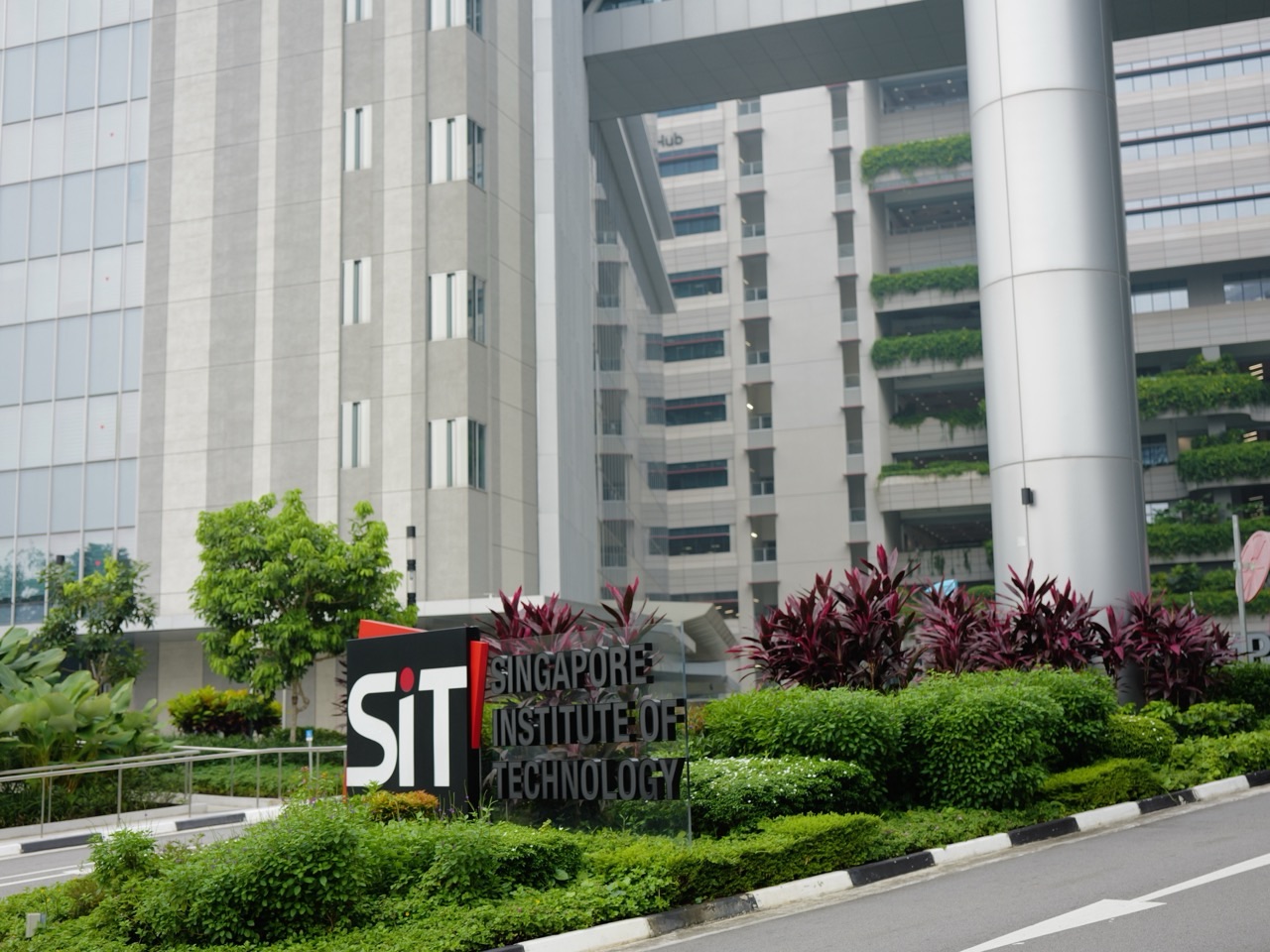
There is a bouldering wall within the Singapore Institute of Technology’s Punggol Campus, but SIT explicitly prioritises students and staff and reviews outside access case by case; a community visitor cannot assume a public walk-in climb. For a more dependable published first-timer route, Climb Central at Kallang Wave Mall, 1 Stadium Place, #B1-01, advertises beginner access, rope climbing, bouldering, a safety briefing and operating hours under its own operator. This guide separates three different services—an announced closing Punggol gym, a university facility with restricted access, and a separately operated commercial climbing centre—then explains how a beginner can choose between bouldering, auto-belay and coached climbing without confusing them with an ActiveSG gym admission.
- Ark Bloc’s former/current site: 6 Tebing Lane, #01-05, Singapore 828835, a bouldering, calisthenics and strongman gym at the Punggol East container-park precinct.
- Ark Bloc officially announced a closure date of 15 November 2026; its co-founder said in October that the operator would not reverse the closure or take the offered extension.
- Ark Bloc’s public website still shows a S$28 single-day pass, 3-entry bundle and other membership prices; these are not evidence that the site remains available during 2027.
- Before any pre-paid pass purchase, confirm current operations, remaining validity and refund policy directly with the operator.
- SIT Punggol Campus: 1 Punggol Coast Road, Singapore 828608, with an officially acknowledged Campus Court bouldering wall and Bouldering Enclave.
- SIT students and staff have priority; external enquiries are handled case by case. For venue access contact SIT.EST.Leasing_Enquiry@singaporetech.edu.sg.
- Climb Central The Kallang: Kallang Wave Mall, 1 Stadium Place, #B1-01, Singapore 397628, a separately operated commercial climbing venue.
- Climb Central official hours: Monday–Friday 11am–11pm, Saturday/Sunday/public holidays 9am–9pm, subject to changes and Kallang Wave redevelopment notices.
- The Kallang programme page describes about 45 climbing lanes, a roughly 4-metre-high bouldering section and a first-visitor safety briefing.
- Bouldering uses shorter walls and floor mats, while rope climbing, top rope, lead climbing and auto-belays require different safety systems and authorised instruction.
- Protective mats do not make falling harmless; never climb behind or beneath another person or assume a spotter can catch any fall.
- An ActiveSG SportSG article about climbing gyms is an educational resource; it is not a public Punggol Sport Centre climbing court booking.
- 2027 fees, venue continuity, age limits, personal equipment requirements and climbing privileges must be checked against each operator’s live rules.
Definition lock and last check — 1 November 2026: Ark Bloc is an independent gym with an announced 15 November closure, SIT’s campus wall has conditional access, and Climb Central at Kallang is a separately operated public climbing business. None is automatically included with a Punggol ActiveSG gym pass or an unverified 2027 Punggol Sport Centre climbing programme.

The most urgent 2027 fact is an announced closure
Ark Bloc’s website is still easy to find, and its posted day-pass and membership descriptions look like an ordinary ongoing gym. But published reporting in October 2026 records that the operator had already made closure arrangements, sold equipment and informed members of a 15 November shutdown. The wider container park’s possible lease extension did not change the gym’s stated decision.
That difference matters for residents planning next year. Do not assume a membership option displayed online will remain usable at Tebing Lane throughout 2027. The correct first question is whether the operator still runs a climb at that address on the intended date. Current business status takes priority over an evergreen price page.
Why the container-park extension did not rescue Ark Bloc
Some Punggol East tenants were offered an extension after initially being told the site would be returned for redevelopment. The gym’s operator explained that it had already committed funds to dismantling work, redeployed people and sold a significant amount of equipment. It did not intend to reverse its plans and had no confirmed new Punggol climbing site.
A resident should not interpret the broader landlord’s lease offer as proof that all tenants remain open. Each operator can make a different decision. When a search result still describes the gym as open, compare that listing with the latest direct announcement before paying or travelling.
Ark Bloc’s old price page and current purchase decisions
The official gym homepage lists a S$28 full-day walk-in pass, multi-entry bundles and a monthly option with an initiation fee. These figures can be useful historical references for understanding the kind of activity it offered. They should not be copied as a live 2027 price if the site is closing.
In particular, a ten-entry or annual-validity product may not be suitable close to the announced shutdown. Ask about future membership arrangements, transferability to another Arkkies facility and refunds directly with the operator. Never assume other gyms are obliged to honour an Ark Bloc pass.
Why an announced date requires a last-minute check
The closure date reported by Ark Bloc was 15 November 2026, but an operator may communicate additional arrangements for equipment, refunds or remaining sessions. A public article written on 1 November should describe that date as announced and explain that later changes need new confirmation.
If someone wants a final visit before closure, ask whether the gym is still operating and which sections remain available. A published opening-hours table cannot guarantee that every wall or training station is usable during dismantling. Safety and operator permission control the actual experience.
What made Ark Bloc distinctive in Punggol
Ark Bloc combined bouldering walls with calisthenics and strongman equipment such as tyre and stone-based activities. That hybrid setup attracted people interested in climbing alongside other physical training. Its location at 6 Tebing Lane also formed part of a neighbourhood social cluster.
The possible loss of that setting is a meaningful change in Punggol’s recreational options. But a 2027 guide should focus on realistic alternatives rather than sentimental descriptions of a facility a reader may not be able to use. The skill of choosing a safe climbing centre transfers to other venues.
The SIT Punggol wall exists, but access is conditional
Singapore Institute of Technology’s official Punggol Campus FAQ names a bouldering wall within Campus Court, and its campus wayfinding includes a Bouldering Enclave. That establishes a genuine climbing structure in the estate. It does not make the wall an unstaffed public recreation site.
SIT states that students and staff take priority and outside parties’ requests are assessed individually. A Punggol resident who is not affiliated with the university should make a proper enquiry rather than walking into a restricted area. A visible wall is not an admission ticket.
Why public campus space is not public sports permission
SIT welcomes community visitors to designated spaces, such as its campus boulevard, park and selected public facilities. Sports amenities can have separate conditions, safety requirements and priority access. The fact that a visitor may enter a café or walking route does not mean they may use an indoor gym or bouldering wall.
This distinction is crucial for families. Parents should not tell children they can climb at SIT simply because the campus is partly open to the public. Ask which activity-specific access arrangements apply to the proposed visit.
How an external person should ask SIT
The SIT campus FAQ gives a leasing and external-facility enquiry channel at SIT.EST.Leasing_Enquiry@singaporetech.edu.sg. A useful message can specify that the person is asking about climbing-wall access, not simply room rental. Request information about eligibility, operator approval, supervision, age limits and any charges.
An enquiry is not a confirmed reservation. If the institution cannot accommodate an outside visitor, choose a licensed commercial climbing operator instead. University sport facilities have an educational function and do not owe unrestricted access to every member of the public.
A bouldering wall and a climbing gym provide different services
A campus wall is part of a university environment, while a commercial gym may provide admissions, rentals, staff briefings and public-facing beginner programmes. The physical climbing movement can look similar, but the arrangements differ. A genuine activity includes rules, qualified oversight and an accessible booking process.
A family choosing between SIT and a private venue should therefore compare permissions and learning support, not merely wall height or distance from home. A publicly advertised climbing pass can be more useful than a closer wall with no public access.
Why The Kallang is a concrete alternative
Climb Central at Kallang Wave Mall is a named operating climbing business at 1 Stadium Place, basement unit #B1-01. The Kallang’s official sports page describes climbing for beginners, a safety briefing, rope routes and a bouldering section. This provides an actual operator and public enquiry route.
The trip is farther than an imagined local wall, but the service is clearer. Families can check current entry, equipment rental and supervision before travelling. Its prices and availability belong to Climb Central, not to an ActiveSG gym pass or the former Ark Bloc business.
The published hours at Climb Central
Climb Central lists weekday hours from 11am to 11pm and weekend/public-holiday hours from 9am to 9pm at its Kallang outlet. Those are normal opening hours, not a guarantee that every climbing lane is available for unrestricted use during courses, setting or maintenance.
The Kallang Wave Mall precinct is undergoing a multi-year enhancement programme, with works expected through 2028. Confirm current entry and any temporary closures directly with the operator before planning a major outing. A correct address remains essential even when the mall is changing around it.
What The Kallang’s beginner page describes
The operator’s official Kallang page reports approximately forty-five lanes, climbing systems suitable for different levels, a four-metre bouldering wall and an initial safety briefing. That is a useful overview of the available formats, but participants must follow staff instructions about which specific area they may use.
A beginner should allow time for the briefing and equipment fitting rather than arrive expecting to start climbing immediately. A public listing does not exempt anyone from the venue’s safety procedures. Good preparation is the first climbing skill.
Bouldering in straightforward language
Bouldering usually involves climbing shorter routes without a rope, over a specially designed padded fall zone. The shorter height does not mean the activity is risk-free. A fall can still produce injury if the climber lands awkwardly or somebody enters the area beneath them.
A first-time participant should learn the venue’s safety and descent rules before attempting a route. The safest beginner course develops control and awareness rather than encouraging a climb to the highest possible point. Height is not the sole measure of difficulty.
How roped climbing differs
Rope climbing can allow a person to ascend taller routes when proper equipment and safety systems are used. Top-rope, lead climbing and auto-belay are different arrangements with distinct training and operator conditions. They should never be treated as interchangeable merely because both involve a rope.
Climb Central’s staff can explain which introductory routes are permitted for the participant and what safety induction is required. An article cannot assess a harness, belay device or user’s ability remotely. Follow the actual operator’s procedures.
Top-rope climbing and responsible supervision
In top-rope climbing, a rope system is arranged above the climber under an approved setup. Managing the system and any belayer role requires the correct training and facility rules. A newcomer should not assume that watching another person’s technique provides certification or permission.
If a class requires a trained belayer, ask whether the provider supplies instruction or staff. Do not experiment with knots and ropes outdoors based on a short online explanation. The safest introduction is a qualified supervised programme.
Auto-belay is not automatic permission
An auto-belay is a mechanical system that can support certain climbing activities when installed and used correctly. The existence of such devices at a gym does not mean a first-time visitor can clip into any route without training. Incorrect attachment can have serious consequences.
Always complete the operator’s required induction, staff checks and equipment confirmation. A novice should use only the routes and devices expressly permitted for them. The word ‘automatic’ describes part of the mechanism, not the removal of human responsibility.
Lead climbing is an advanced category
Lead climbing generally involves a climber managing rope protection progressively while ascending, which differs markedly from beginner top-rope or bouldering. Appropriate knowledge, certification and partner skills are necessary under the operator’s rules. A child or adult should not select a lead-climb product simply because it looks more exciting.
Build the foundational skills first and let qualified instructors determine readiness. A family can enjoy climbing without ever pursuing lead routes. The right goal is appropriate movement and controlled risk, not collecting the greatest number of specialist labels.
The first bouldering safety briefing
A responsible venue explains permitted areas, route markings, falling zones, how to descend, equipment and emergency communication. Some venues require orientation even for people who have climbed elsewhere because wall designs and rules differ. The briefing is an important part of the paid experience.
Listen to the actual staff rather than relying on a friend’s remembered instructions. If a person does not understand a rule, ask before climbing. A safe session begins when everyone knows how to stop and seek assistance.
The landing area must remain clear
A boulderer may lose hold and descend unexpectedly. People standing, sitting or walking through the fall zone can be struck by a falling climber. The correct response is to respect marked areas and never enter beneath someone currently climbing.
Parents should supervise children closely and follow the centre’s spectator rules. Mats are not seating furniture during active climbs. The climbing area is a work space where safe movement and predictable behaviour matter.
Mats reduce risk but do not eliminate it
Purpose-built bouldering mats can absorb some impact, but they cannot guarantee a harmless landing or prevent every injury. Fall height, body position, other users and the surface’s condition all matter. A higher route is not automatically suitable because a mat looks thick.
A first-timer should follow the operator’s advice on controlled descent and falling awareness. Do not improvise high drops for a photograph or jump from the top to save time. A safe climbing hobby rewards judgment.
Why downclimbing can matter
Many bouldering gyms encourage using suitable holds to descend rather than jumping unnecessarily from height. That can reduce the demands of repeated hard landings, though the correct descent depends on the wall and the climber’s readiness. Staff should demonstrate the actual venue’s approach.
A beginner’s goal is to finish a route with control, not merely touch the top. If a person cannot see a suitable way down, ask for guidance before going farther. Safe descent is part of the sport, not an optional final act.
Route colours and start holds
Commercial climbing walls generally use holds and markers to identify routes or bouldering problems. Each route can demand different movements and be graded to describe approximate difficulty. New climbers often benefit from choosing a beginner route with clear start and end instructions.
Ask the gym how its specific grading and hold-colour system works; these are not identical everywhere. A person who understands the route can climb more deliberately and avoid wandering into another line. The target should be an achievable learning challenge.
What a bouldering problem means
Climbers call a short route or movement sequence a problem because it requires decisions about body position, feet and hands. This makes bouldering appealing to people who enjoy puzzles as well as physical activity. A strong climber is not simply someone who can pull hardest.
A beginner may discover that moving one foot differently makes a route feel easier. That observation is the heart of learning. Start with simple problems and celebrate improved understanding rather than demanding a difficult grade on the first visit.
Foot placement before arm strength
New climbers sometimes pull repeatedly with their arms while ignoring their feet. At a properly supervised lesson, an instructor can explain how controlled foot placement contributes to stability and balance. This may help people climb more efficiently, but it must be practised within the route and safety conditions.
Avoid treating a written tip as a substitute for instruction. A learner who understands where to place a foot can make better decisions without pushing into an unsafe position. The aim is coordination and confidence, not exhaustion.
How grip and hold type affect a climb
Climbing holds vary in shape and orientation, changing how a climber can use them. A beginner may find larger positive holds easier to manage and small challenging holds uncomfortable. That is useful information for choosing an appropriate first route.
Do not force fingers onto painful holds to prove ability. A qualified coach can guide selection and technique. An enjoyable introduction should help the participant recognise their limits and choose a manageable next challenge.
Why a first session should include rests
Bouldering can place considerable demand on fingers, forearms and attention even when the route is short. A new climber may exhaust themselves quickly by attempting the same problem repeatedly without recovery. That reduces the quality of later movement decisions.
Take ordinary breaks and follow instructor guidance. A successful one-hour visit need not include continuous climbing. Observing a route and thinking through a movement can be part of learning, while fatigue makes careless decisions more likely.
Skin and hand care
Climbing holds can be rough, and repeated attempts may cause discomfort or skin abrasions. A participant should check hands and stop when pain or damage interferes with safe movement. Chalk use and hand-care rules vary by venue, so read the operator’s policy.
Do not treat torn skin as a necessary badge of effort. A sustainable hobby is built on appropriate frequency and listening to the body’s signals. Ask the instructor about a suitable practice load for a newcomer.
What shoes should a beginner wear
Climbing shoes are designed to help the foot contact holds, but fit and comfort matter. Some gyms rent them, while others have separate policies for particular areas. A new participant should ask about clean socks, shoe rental, and whether ordinary sports shoes are permitted in any introductory section.
Do not purchase an aggressively tight pair before trying the activity. A suitable rental may be more sensible for a first visit. Comfort and control support learning better than expensive equipment chosen without experience.
Why a harness is not part of ordinary bouldering
Standard indoor bouldering typically uses mats and short routes rather than harnesses and ropes. Taller climbing systems require different equipment and procedures. A visitor who sees both within Climb Central should understand which activity the purchased entry authorises.
The venue’s staff decides what a participant needs and how to use it. Do not move from the bouldering area onto a rope wall merely because another climber appears to be doing so. The safety systems are distinct.
Children and adult supervision at Ark Bloc
Ark Bloc’s own homepage says the general gym is for people aged sixteen and above, with children aged five and older allowed only with an accompanying adult. This is a historical/current operator policy for its site, not a guarantee of 2027 access after the announced closure.
Even when a commercial wall welcomes younger children, supervision is a genuine responsibility. A child should not enter a landing zone while another person is climbing. Read the destination gym’s current age, equipment and guardian requirements before arranging a family day.
The Kallang’s different age arrangements
The Kallang climbing page describes its beginner climbing facility as suitable for visitors over the age of five, subject to safety systems and operator rules. This is separate from Ark Bloc’s published policy and SIT’s university access arrangements. A family must use the rules of the venue it actually visits.
If the participant is very young, ask about current height, weight or adult accompaniment requirements rather than assuming an age number is sufficient. The climbing operator’s safety decision is final for the session.
What a teenager might enjoy about climbing
Teenagers sometimes enjoy the combination of physical challenge and puzzle solving. They may also be attracted to difficult moves seen in videos. A good first lesson explains route choices and safe descent rather than encouraging imitation of elite dynamic jumps.
Parents can ask about youth coaching and group supervision. A teenager’s willingness to tackle a problem should be supported within appropriate boundaries. Skilled climbing includes knowing when a route is beyond current readiness.
Adults trying a new sport in Punggol
An adult may have enjoyed strength training at Ark Bloc and now face uncertainty about where to continue climbing after the closure. The logical next step is to identify what they valued: bouldering routes, general training, friends or a combination. The replacement service may be different depending on the answer.
If climbing is the priority, a dedicated gym at Kallang or another operating venue may make sense. If the person mainly wants general strength equipment, a local fitness facility could meet that need without climbing walls. A good plan begins with the activity, not brand loyalty.
The difference between a university club and public membership
SIT may have a student climbing club and campus facilities, but club membership and the university’s access rules are governed by the institution. An external resident cannot assume that because a friend studies at SIT, the friend’s facility privileges may be shared.
Ask SIT about any approved external programme or event rather than turning up unregistered. Respect for campus rules protects students, staff and visitors. If no public arrangement exists, use a commercial facility that openly sells the service.
What 2027 pricing should actually say
Climb Central’s current prices should be obtained from its own booking or admission system because rates can differ by age, equipment and first-time status. Ark Bloc’s posted S$28 day pass is not comparable to a 2027 Kallang package if the Punggol gym has closed. SIT’s external access fees, if offered, are case-specific.
A reader should calculate total cost including rental equipment, transport, supervision and any initiation charge. Avoid presenting a national SportSG article’s 2022 price range as the current entry price in 2027. Responsible budgeting uses the live operator’s checkout.
Transport from Punggol to Climb Central
Climb Central’s Kallang outlet is in the basement of Kallang Wave Mall at 1 Stadium Place, near Stadium MRT. A Punggol resident may need MRT transfers or another transport arrangement depending on their starting block. The exact travel time should be checked for the actual date and mode.
Share the outlet name and basement unit with friends. The Kallang precinct contains many sports facilities, so ‘meet at the stadium’ is not sufficiently clear. Arrive early enough to complete the operator’s briefing and equipment checks.
Kallang Wave Mall renovation can affect the outing
The Kallang’s official site describes enhancement work starting in May 2026 and expected to finish in 2028. Construction activity can change access routes or introduce temporary notices even when a climbing operator remains open. A 2027 visitor should check current directions and facility updates before setting off.
This is not evidence that Climb Central is closing. It is a reason to treat the current venue notice as more authoritative than an old map or marketing image. Good local information teaches the reader how to verify changing physical places.
How to use the first hour sensibly
A reasonable first-time visit might include a safety briefing, fitting any rental equipment, attempting a few appropriate easy routes with rest intervals and discussing how to descend safely. Staff may organise the experience differently, especially for children or rope-climbing introductions.
Do not treat a climbing day pass as a requirement to climb continuously for hours. A shorter controlled session can be more valuable than overexerting fingers and shoulders. The goal is to understand whether the sport suits the participant.
A four-visit progression
An illustrative series of visits can begin with safety and simple routes, then focus on foot control, introduce varied movement at manageable grades, and finish with a review of how the participant chooses routes and descends safely. This is an educational progression, not the published curriculum of Ark Bloc, SIT or Climb Central.
A qualified instructor can adjust the challenge based on actual ability. Some people enjoy repeating easier routes; others want a structured coached course. Neither is a failure. The value lies in sustainable learning and responsible choices.
What to do if the route becomes frightening
A new climber may reach a point where they do not feel able to continue or descend safely. The correct action is to communicate and follow staff guidance, not rush into a risky jump because friends are watching. Fear can be useful information about readiness and route selection.
Good group members provide calm support without pressuring the person to ‘just commit’. A route is optional, and there are other easier problems to try. A positive first experience is more important than finishing a difficult climb.
Why photographs require special care
Climbing gyms may have rules about filming, tripods and spectator locations. A parent standing in a fall zone to capture a dramatic photograph can create danger for both child and other climbers. Ask staff where observers may stand and whether filming is permitted.
Do not publish identifiable images of other visitors without appropriate permission. The safest photograph is one taken without interfering with the route or landing area. Memories are valuable, but not at the cost of safe practice.
A fictional Punggol family after the closure announcement
Imagine a Punggol family planning a school-holiday climb in December 2026. A search result shows Ark Bloc’s S$28 pass, but a more recent article says the gym announced a 15 November closure. The parent contacts the operator instead of buying a multi-entry package. They also learn that SIT’s campus wall is not unrestricted public access.
The family chooses a confirmed beginner session at Climb Central or another operating gym and follows the safety briefing. The child enjoys a manageable route rather than being disappointed by a locked Punggol venue. That is what accurate local guidance should achieve.
A fictional SIT student and a visiting sibling
A fictional SIT student is familiar with the campus climbing wall and wants to bring a younger sibling. Rather than assuming student access automatically covers a guest, the family checks university rules and asks about permitted external use. The answer may be conditional or negative.
If the campus cannot accommodate the guest, they select an authorised public climbing business. The important outcome is respect for the actual operator and a safe experience. A facility existing behind a campus sign does not create unrestricted admission.
How to measure beginner progress
Progress might mean understanding route markings, choosing safer starting holds, placing feet with more control, taking breaks before fatigue and descending with confidence. These skills are meaningful even when the climber never attempts the most difficult grade.
A brief note after each visit can record one movement that became easier and one route decision to explore next time. Avoid comparing a first-timer with experienced climbers who have years of practice. Improvement should reflect the learner’s own safe development.
Frequently asked questions about 2027 Punggol climbing
Is Ark Bloc a safe 2027 booking assumption? No. It announced a 15 November 2026 closure and its operator rejected the later lease extension. Why does its website still list prices? A standing price page may not reflect future site operations; confirm the current status directly. Does SIT Punggol have a climbing wall? Yes, but students and staff have priority and outsiders require case-by-case approval.
Where can a newcomer seek a published public alternative? Climb Central at Kallang Wave Mall, 1 Stadium Place, #B1-01. Is bouldering the same as rope climbing? No; they require different safety arrangements. Do mats prevent every injury? No. Does an ActiveSG gym entry cover these venues? Not automatically; they are separate operators. What is the next step? Confirm the operator’s current access, equipment and first-time briefing before paying.
Official operators, closure information and related guides
- CNA — 2026 Punggol East Container Park extension and Ark Bloc’s decision to close
- Ark Bloc — official listed hours, prices and contact
- Ark Bloc — published first-timer multipass offer, subject to closure
- SIT — Punggol Campus FAQ, bouldering wall and external access rules
- SIT — campus facilities and booking enquiry
- The Kallang — Climb Central rock climbing and first-timer safety briefing
- Climb Central — official Kallang address, hours and contact
- Climb Central — beginner access and safety FAQ
- SportSG — climbing and bouldering guide (background, not live fees)
- Kallang Wave Mall — planned enhancement work from May 2026 through 2028
- eduKatePunggol — SIT Punggol bouldering wall earlier access guide
Your Next Step
Before buying an Ark Bloc pass, ask the operator to confirm the announced November closure, remaining valid sessions and refunds. If seeking a first climb in 2027, check Climb Central’s live Kallang entry and safety rules. If interested in SIT’s wall, request permission first. Follow qualified instruction and never improvise rope systems or climb unsupervised.


