
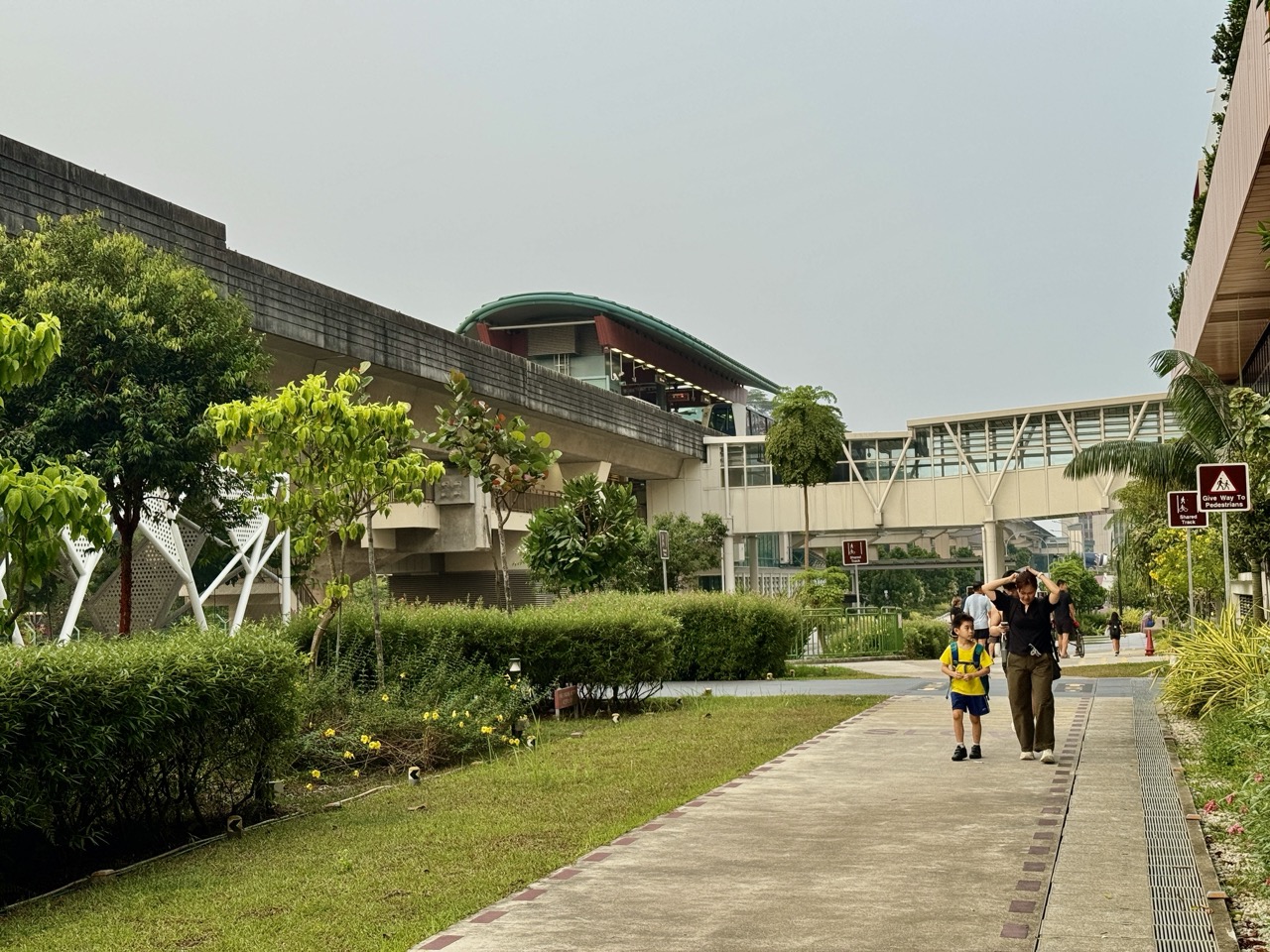
ActiveSG Punggol for new residents in 2027/2028: Punggol Sport Centre at 11 Sentul Crescent began phased opening on 27 October 2026. It gives the growing town a public gym and selected sports-court options, but each activity has its own operating and booking conditions. New households should treat it as one useful local facility, not assume that every planned pool, programme or specialist sport is accessible without confirmation.
A sensible first 30 days after moving to Punggol is to learn one safe route, try a real activity, investigate a welcoming group and then establish a repeatable routine. MyActiveSG+ handles official passes and bookings. The SportSG Interest Groups directory currently includes nearby Sengkang and Hougang rather than naming Punggol as a group venue, so verify any actual social session before travelling.
- Week 1: explore a suitable public walking route from your own home.
- Week 2: try one officially confirmed gym, court or class.
- Week 3: look for a welcoming registered sport interest group or invite friends to a future booked game.
- Week 4: choose one repeatable slot and an easy backup.
- Address: Punggol Sport Centre, 11 Sentul Crescent, near Sam Kee LRT.
- Different operators: SAFRA Punggol at 9 Sentul Crescent has separate entry and payment rules.
- Budget: compare real passes, fees, transport and equipment before committing.
- 2027–2028: check official availability and venue status for the actual date.
The goal is not to finish every sport in thirty days. It is to feel more comfortable in the new town and discover an activity you would actually like to repeat.

Definition lock: a new resident’s sports routine
Moving into Punggol creates an opportunity to discover local recreation, but the first weeks often involve home deliveries, school administration, repairs and new transport routes. A new resident’s sports plan should help establish a comfortable routine and connections rather than create another stressful list of appointments.
The purpose is not to try every attraction in the town. A useful first month has a sequence: learn one suitable route, try one real activity, see whether an organised social opportunity fits, and choose a simple weekly habit.
Sport can help neighbours become familiar faces, yet that does not require joining a strangers’ game without permission. Repeatable participation and respect for shared spaces are better foundations for belonging.
The Sport Centre’s actual location
Punggol Sport Centre is at 11 Sentul Crescent, near Sam Kee LRT and the established SAFRA Punggol clubhouse. It began phased public operation on 27 October 2026. That is a useful anchor, but residents throughout Punggol have different travel times from their homes.
Someone living near Punggol Coast or Northshore Plaza may take a different route from someone near Oasis or Waterway Point. A short distance on a map is not automatically a comfortable journey for a person carrying a sports bag, pushing a stroller or using a mobility aid.
Plan from the front door to the exact activity room. Include road crossings, lift access and a few minutes for registration.
The phased opening and the limits of a 2026 photograph
At the late-October 2026 soft opening, the public gym and selected sports courts became available before all the planned aquatic or specialist functions. Future programmes may expand, but no reader should assume the entire complex operates on identical admission rules.
Exterior photographs show a large modern building, yet a photograph cannot confirm whether a swimming pool, archery range or stadium is open for general public use. Those activities require official facility-specific information.
Use MyActiveSG+ and the operator’s live notices for the specific visit. A guide labelled 2028 must not pretend that all 2026 opening-week conditions remain unchanged.
Why ActiveSG and SAFRA are not the same booking
SAFRA Punggol at 9 Sentul Crescent and the public SportSG complex at 11 Sentul Crescent are neighbours, but they have separate facilities, membership arrangements and ticketing. A family may legitimately enjoy both places, provided it pays for and follows the correct individual activity.
Search results can confuse a first-time resident by displaying the two buildings under general words such as Punggol swimming or Punggol fitness. Even a children’s water-play attraction and a public swimming complex are not interchangeable.
Write the operator name beside each family plan, then confirm its current rules. This prevents arriving at the wrong entrance with an unusable receipt.
First seven days: learn a comfortable public route
Moving week is a good time for an uncomplicated walk rather than a demanding training commitment. Choose a safe route near home, note which paths are shared with cyclists and find appropriate rest points. A brief walk can help a family learn the neighbourhood without spending money.
For a parent, that might mean exploring a local playground route with a child. For an older relative, it could mean finding a step-free path to shops or a familiar public facility. Different households can define success differently.
Start small and learn the local environment. The first week should make the new town feel more understandable, not create pressure to meet a fitness target immediately.
Second week: make one verified reservation
When unpacking and essential errands are under better control, choose an activity whose availability can be confirmed. Depending on the household, that might be a gym visit, a suitable court game or a structured class at a named venue.
A new resident who enjoys badminton can book the correct court and bring a friend. Someone attending alone may prefer an independent activity rather than buy a court for one person. A family with a young child should confirm the course’s age band and supervisor arrangements.
After the session, review travel, cost, comfort and enjoyment. These real observations are more useful than advertising copy.
Third week: explore social possibilities
Recreation can be a natural way to develop friendships over time, but an empty-looking court may already belong to paying users. New residents should respect booked activities and look instead for groups that openly invite newcomers.
ActiveSG operates Sport Interest Groups at selected centres. The published venue list includes Sengkang and Hougang, while Punggol is not named in the current listed set. That is not proof a future Punggol group will never exist; it means the reader should not assume one has been advertised.
Check the live programme registration, relevant sport, fee, age and schedule. If a local opportunity is unavailable, a verified group in a neighbouring town can still be useful.
Fourth week: choose one repeatable weekly slot
By the fourth week, a resident can distinguish what sounded exciting from what actually fitted the new household routine. A sports pass may be worthwhile for frequent attendance, while a free neighbourhood walk or occasional court booking may suit someone with unpredictable hours.
Choose one main activity and an easy alternative for weeks involving work, school assessments or household responsibilities. An inflexible weekly promise can become a burden if it depends on several other people being available.
The test is simple: would the family comfortably repeat the outing during an ordinary busy week? If not, adjust the plan without treating the month as a failure.
Different Punggol neighbourhoods, different travel decisions
Punggol includes Northshore, Matilda, Waterway, Oasis and other neighbourhoods with different connections to the Sentul Crescent area. A local guide should not flatten these into one journey, especially when children or older adults are involved.
Before choosing a regular programme, compare the transport burden against the activity’s real value. A simpler sport near the home may be more sustainable than one that requires a long trip to the largest public building.
Try the route on the relevant weekday if possible. Peak periods, rain and temporary works can change what feels convenient.
A first sport should suit the person
An energetic friend might recommend badminton, while a newcomer enjoys walking, table tennis or a guided fitness class. The right choice is the one that matches interest, ability and comfort. There is no obligation to adopt the most fashionable sport just because new courts exist.
Start with a short, manageable trial and assess how the person feels afterward. An experienced player may want competitive rallies; a beginner may need a lesson or an accommodating group.
Sport should help people feel at home. A programme that causes unnecessary pressure or costs more than the family can comfortably afford is not automatically a better option.
Adults moving alone
A person moving alone may want independent exercise without losing the chance to meet people later. A public gym or walking route can provide a repeatable activity even before friends are found. Organised groups may offer a more social option when the person feels ready.
Joining an advertised, managed group is different from approaching a random reserved game and expecting a place. Respect the existing participants’ boundaries and use official registration when the opportunity is offered through SportSG.
Keep private contact information protected when meeting new acquaintances. A reliable sports community should not demand unnecessary details about a person’s home or finances.
Couples setting up a shared routine
Partners often have different fitness levels and tastes. A shared court game or walk may be enjoyable, but insisting that both follow the same demanding workout can make sport feel like a household obligation.
One partner could attend an appropriate class while the other enjoys an independent activity, then meet afterwards. Each service may need separate payment and registration, which should be considered before planning the outing.
Discuss time and money just as the couple would discuss other household commitments. A small enjoyable routine is more valuable than a spectacular first week followed by disagreement.
Families with younger children
Children need genuine supervision and age-appropriate activities. A booked public court does not automatically include coaching, and a large Sport Centre is not a drop-in childcare centre. Families should distinguish a casual visit from a properly registered class.
A primary-school child moving homes may be adjusting to a new school or travel route. An enjoyable short activity can help without overloading the week. The best first session may be a simple family game, followed later by guided coaching if the child shows interest.
Check programme age bands, collection and handover rules before payment. Do not promise an unannounced 2027 camp at Punggol based on a national programme listing.
Secondary-school students and changing CCAs
A student may have to coordinate school CCA, homework, social life and travel after the family moves. ActiveSG offers possible recreational options outside school, but adding training automatically can reduce sleep and recovery.
A teenager might enjoy a weekend racket game with friends, while another student prefers a gym orientation or walking route. All can be useful if the setting is appropriate and age-specific access rules are followed.
Plan with the student rather than dictating a competitive programme. Regular participation should support school and daily wellbeing, not become another examination.
Older relatives and comfortable activity
Older adults may appreciate familiar walking routes, suitable balance or strength work and opportunities for companionship. A nearby Sport Centre can be useful, but the route and actual access arrangements matter as much as the sports offered.
SportSG’s Active Health directory lists a Punggol Sport Centre lab at #B1-01, subject to current programme and appointment arrangements. That is distinct from automatic medical care or a guaranteed free personal assessment.
Ask the older person which activity feels comfortable, and seek appropriate clinical advice when individual conditions make exercise suitability uncertain.
People with disabilities settling into Punggol
A new building may appear accessible without answering a participant’s specific needs. A person could require a step-free entrance to a certain room, an accessible changing area or a class with appropriate communication and adapted equipment.
Ask the actual facility or organiser about the intended session. National para-sport programmes may run at other locations and should not be labelled as available at Punggol without current evidence.
Let the person direct decisions about assistance and comfort. A successful sporting outing preserves independence and dignity, not just physical entry.
Choosing between a gym and a group
An independent gym visit offers flexibility for a person whose friends have different schedules. A structured group can offer company, organised sessions and a reason to return. The choice depends on the participant’s preference for autonomy or social commitment.
Group programmes may have fixed attendance terms and registration per person, while gym and court bookings use different products. Mixing them up is a common source of first-time user frustration.
Decide which experience is intended, then use its actual registration process. Do not pay for a court when what you wanted was an organised social group.
The first month’s budget
Moving household costs can be substantial, so begin with activities that are financially manageable. A public walking route needs no court fee; gym entry, classes and paid court reservations have different price structures. Equipment and transport can also change the total cost.
A family might try one paid activity during the first month and wait before making a longer commitment. Someone attending a gym frequently can compare pass choices once the schedule is known.
Use current official tariffs and avoid treating the temporary October 2026 gym promotion as a standing 2027–2028 benefit.
ActiveSG accounts: booking versus balloting
MyActiveSG+ has separate products for gym or swim passes, court bookings and coached programmes. Some popular facility slots may involve balloting or other availability rules. A new resident can save considerable frustration by understanding which product is actually needed before beginning payment.
A facility booking is not an instructor-led lesson, and entering a ballot is not the same as receiving a confirmed reservation. Check the actual sport, location, date and booking status before announcing the outing to others.
Use the official account and retain the confirmation. Do not give login details to an unrelated person offering guaranteed courts or make assumptions about future booking releases based on an old screenshot.
Sport Interest Groups are not casual court rentals
ActiveSG Sport Interest Groups are organised opportunities for people to train and play regularly. The published programme information covers participating venues, individual registration, group sizes and a multi-session commitment. These conditions make the product different from renting a court for one afternoon.
A Punggol newcomer may be attracted to the promise of meeting people, yet the published venue list should be checked because Punggol is not in the current set. Sengkang and Hougang are listed options, but actual sessions and available seats still vary.
Review the programme’s current cancellation, equipment, price and registration terms. Do not assume credits can pay for the interest-group programme; the official page states that ActiveSG credits cannot be used for it.
Why a welcoming group matters more than the sport’s reputation
A new resident who enjoyed racket games at school may feel uncomfortable joining an established high-level group without knowing its pace. Another person may be confident about the sport but nervous about meeting unfamiliar people. Finding the right social environment is therefore as important as the activity itself.
Ask whether beginners are welcome, whether partners rotate and how the organiser handles differences in skill. A good group should explain the rules clearly rather than leave newcomers guessing about expectations.
Try one session if the programme permits and evaluate how you were treated. There is no obligation to remain in a setting that feels unwelcoming or unsuitable.
Never interrupt someone else’s paid court
A neighbourhood court may look open to everyone, but a venue with a formal booking system can have paid users entitled to a particular slot. Approaching politely to ask a general question is different from assuming you may join the game. Respecting reservations helps avoid early friction with new neighbours.
If you want to organise a casual match, identify the official availability and confirm the date first. Then invite participants, explain the cost and decide who brings equipment. Do not collect money for an unconfirmed slot.
New residents build a positive reputation through considerate behaviour: arriving on time, using appropriate footwear, ending at the reserved time and leaving the facility clean.
The role of school fields and neighbourhood spaces
Punggol has public community spaces beyond the new Regional Sport Centre. Some school facilities offer community access under SportSG’s Dual-Use Scheme, while neighbourhood courts and open spaces have their own local rules. These options may be easier to reach for residents living away from Sentul Crescent.
However, a school field that is available on one weekend may be restricted during examinations, maintenance or organised school activities. A community court may have permitted sports and hours that differ from a paid sports hall.
Read the operator’s notice, respect boundaries and choose only lawful activities for each location. A short neighbourhood game is not less valuable because it does not take place in the largest building.
Transport: the real route from home to play
Sam Kee LRT serves the area around Sentul Crescent, but a resident travelling from Northshore or Punggol Coast may need a different connection than a person living near Punggol Central. A route planner should include the actual home address, rather than starting every journey from Punggol MRT.
Someone bringing children, rackets or mobility equipment may prefer a route with better shelter or simpler crossings over the shortest distance. The last few minutes from a station can determine whether a session feels stressful.
Try the journey once without a tight booking deadline. Save the comfortable route and leave a buffer before future appointments, especially on rainy days.
A first visit with a stroller
Parents of infants and toddlers often plan their own activities while managing a stroller, changing supplies and the child’s routine. A public sports venue may provide useful access, but adult participation and childcare are separate matters. The presence of a family-friendly building does not mean someone will supervise the child while a parent trains.
Check stroller routes, lifts and appropriate waiting areas with staff. If both parents want to exercise, plan who is responsible for the child and whether the activity permits spectators.
Do not leave a child unattended beside gym equipment or within a sports hall. A short outing can still be enjoyable when the family treats safety and logistics as part of the plan.
Meeting neighbours through regularity rather than pressure
Friendships often grow from repeated low-pressure encounters. Seeing the same people during a weekday walk or an officially organised sports session can build familiarity. That does not require handing out private phone numbers or joining every chat group immediately.
A newcomer can begin with polite conversation, ask about the public activity and respect when others prefer to focus on their workout. When appropriate, a verified group may offer more structure for making friends.
Keep social engagement voluntary. A healthy community allows people to participate quietly as well as socially, and it respects personal boundaries.
Sport does not need to become another expense
A newly moved household may be furnishing a flat and managing higher-than-usual costs. Adding multiple sports memberships before testing them can create financial pressure. Start with a realistic budget and compare the full household cost of each activity.
Public walks cost nothing in court fees, while sports halls, passes and coached lessons have their own rates. Equipment, transport and meals can make a difference. A low-cost activity repeated often may offer more value than a fashionable class attended twice.
Use the operator’s current rates, verify eligibility for any concessions and avoid relying on expired 2026 opening promotions in a 2028 budget.
Weather can make a familiar route temporarily unsuitable
Punggol’s waterfront paths and recreation areas can be pleasant, but lightning, heavy rain, haze and high heat affect outdoor plans. A sheltered court is not a guarantee that every weather-related safety notice can be ignored.
A family could keep a simple indoor alternative or reschedule a planned activity rather than force children through unsafe conditions. For a paid booking, read the actual operator’s cancellation or closure notice rather than assume a refund is automatic.
Check NEA advisories on the day. Being flexible is part of establishing a sustainable routine in Singapore.
A family sport routine should not displace school needs
Children and teenagers settling into a new estate may also be adjusting to schools, friendships and unfamiliar travel. A crowded calendar of coaching programmes may remove the recovery time they need. Sport should support that transition rather than turn into another demand.
A family might choose one dependable weekend game while school logistics stabilise. Once the child is comfortable, a properly supervised programme may make sense. A Secondary student already in a sports CCA might not need additional intensive training.
Ask the learner which activities feel enjoyable and use current school commitments to set the schedule. A child’s enthusiasm is more durable than a parent’s ambitious timetable.
When a public programme is full
Popular slots and classes can fill. A newcomer should not interpret a full booking calendar as evidence that Punggol offers no sporting options at all. Alternative times, nearby centres and different activities can remain viable.
SportSG’s official pages may list options in Sengkang or other towns for a particular interest group. Compare the practical trip and the actual programme rather than insisting that every activity must be within the Punggol boundary.
Do not purchase an unauthorised resold slot or rely on someone claiming secret access to a fully booked class. Use permitted official channels.
Returning to exercise after moving disruption
A move can interrupt months of routine. Someone who was previously active may be tempted to restart with the same intensity immediately, even after several sedentary weeks and poor sleep. A gradual return is often more realistic.
Begin with an activity and duration appropriate to current ability. A public gym orientation or comfortable walk can help rebuild confidence, while a qualified trainer may support more specialised needs. People with medical conditions or injury concerns may need individual professional advice.
Measure progress through consistency and comfort rather than comparing yourself with your earlier peak fitness. A relocation is a legitimate change in circumstances.
How a neighbourhood sport group should handle money
Informal groups sometimes split equipment and court expenses, but clear expectations matter. Decide in advance how booking fees are shared and what happens if someone cancels. Each person should know whether the organiser actually has a valid reserved slot.
A small contribution discussed openly is different from an unexplained payment request by a stranger. SportSG has rules against unauthorised resale and transfer of facility bookings, so do not treat a social-media advertisement as a legitimate route.
Use the official booking system and avoid sharing financial or account credentials with people you do not know well.
2027: updating your neighbourhood routine
As the new sports development matures, facilities and public programmes may change. Some spaces that were not available during the initial 2026 soft opening may later receive new operating notices. That possibility should prompt a fresh official check, not speculation.
A resident can review the routine at school-term changes or after a job move. The activity that fitted a quiet first month may no longer work when commuting and family obligations become busier.
Choose a plan built on actual access, reasonable cost and enjoyment. Keep dated information so new neighbours are not misled by older opening status claims.
2028: from new resident to familiar neighbour
By 2028, a newcomer may have become a regular at a public sports venue or simply built a habit of walking through Punggol. Either result can support a sense of belonging. There is no universal checklist that must be completed to count as part of the community.
Use updated information about prices, programme locations, court conditions and household routines. When a venue changes rules, adapt rather than insist that a historical arrangement should continue.
The strongest local sports plan is not the one with the most bookings. It is the one that allows the resident to participate consistently, respectfully and with pleasure.
Frequently asked questions
Where should a new resident start?
Use the first week to learn one convenient public route, then try one actually available sport or fitness activity. Do not buy several memberships before testing travel and family schedules.
Does Punggol Sport Centre offer every planned facility already?
The Sport Centre began a phased soft opening in October 2026. Its gym and selected courts had confirmed access, while individual other areas required separate operator notices.
How can I join an ActiveSG sport group?
The official Sport Interest Groups programme has its own registration terms and participating venues, including Sengkang and Hougang. Check the live list; Punggol was not named in the current published venue list.
Can ActiveSG credits pay for Sport Interest Groups?
The official interest-group page states that ActiveSG credits cannot be used to pay for that programme. Verify any future change directly with SportSG.
Are SAFRA and ActiveSG passes interchangeable?
No. They are separate operators on Sentul Crescent, each with its own facility products and payment rules.
Can children join without a parent?
Only under the actual age, supervision and consent rules of the named programme. A public court is not the same as supervised childcare.
What if the nearest sport is fully booked?
Consider another legal time, a different participating centre or another activity. Do not use third-party slot resale that violates SportSG’s booking conditions.
What should be checked again in 2028?
Current facility status, exact programme dates and venues, fees, access routes, concession eligibility and household schedules.
Official sources and useful Punggol guides
- MyActiveSG+: official passes, bookings and programmes
- SportSG Sport Interest Groups: locations, equipment and registration
- SportSG: facility closures
- SportSG: prohibition on booking resale
- Active Health labs and services directory
- eduKatePunggol: sports centre status
- eduKatePunggol: children’s sports and parent guidance
- eduKatePunggol: seniors and mobility
Your next step
Choose one reasonable activity, check its venue and operator, try it once, then record whether it fits your new Punggol routine. You do not need to make a large commitment during moving month.
Editorial verification: 1 November 2026. Programme venues, fee terms and operating hours may change for 2027–2028. Always check the latest official booking and service information.


