
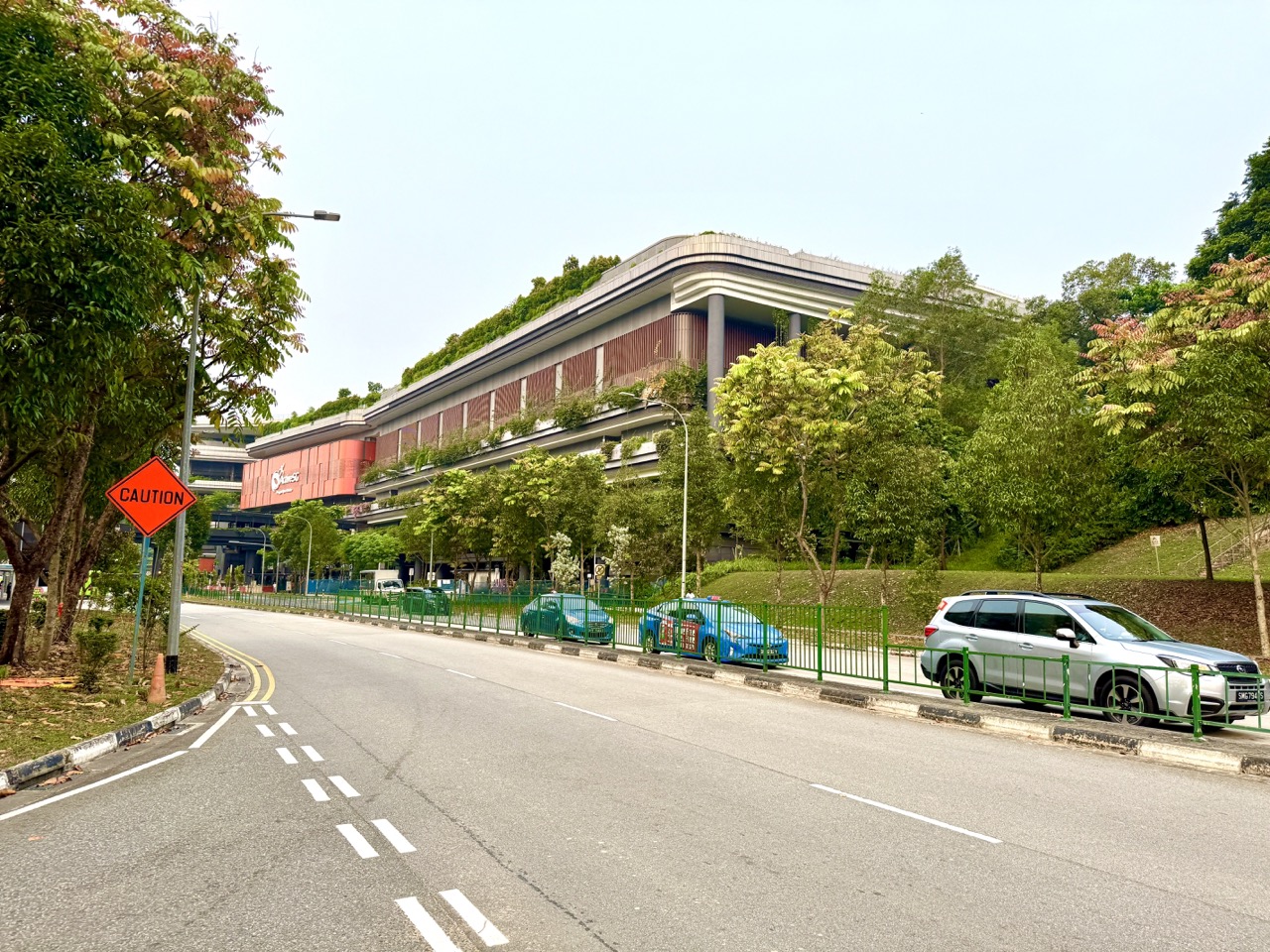
ActiveSG Punggol sports data in 2027/2028: fitness trackers can help residents notice walking, training and recovery patterns, but steps, wrist heart rate and app scores are estimates—not medical diagnoses or proof that an exercise session is safe. Punggol Sport Centre at 11 Sentul Crescent began phased operations on 27 October 2026, and SportSG’s current Active Health directory lists a lab at the centre, #B1-01. Actual assessments, bookings and services still need separate confirmation.
A Punggol resident, SIT student or Digital District employee can use sports data sensibly by asking what was measured, how reliable it is and who may see it. HPB warns that some wrist oxygen readings can be inaccurate, while Singapore’s Personal Data Protection Act places obligations on organisations using identifiable data. This guide explains realistic tracking, fair comparisons, children’s privacy and everyday data literacy without inventing a future wearable programme at Punggol.
- Venue: Punggol Sport Centre, 11 Sentul Crescent; phased public opening from 27 October 2026
- Active Health Lab: listed at #B1-01; confirm the specific programme and appointment
- Tracker readings: useful estimates for trends, not a replacement for medical assessment
- Steps and heart rate: affected by activity type, device and measurement conditions
- Data literacy: look for units, comparable periods, missing data and correlation-versus-causation errors
- Children and workers: avoid compulsory public fitness rankings and unnecessary sharing of identifiable information
- Apps: HPB Healthy 365 and SportSG MyActiveSG+ serve different roles
- 2027–2028: verify current venue services, device claims and privacy controls
The best fitness metric is often the one that helps someone make a sensible decision while leaving room for enjoyment, privacy and recovery. More graphs do not automatically produce better health.

Definition lock: a sports measurement is not a medical diagnosis
Fitness trackers estimate aspects of movement, exertion or physiology through sensors and software. Steps, heart-rate readings and activity minutes can help people reflect on patterns, but they are not equivalent to a clinical assessment. A single unusual display cannot reliably diagnose a disease or prove that a workout was safe.
The British Heart Foundation warns that ordinary fitness trackers are primarily intended for fitness monitoring, not replacing medical tests. HPB also describes limitations in measurements taken at the wrist. The correct response to concerning symptoms is appropriate medical advice, not adjusting a chart until it looks normal.
This article is about reading data sensibly and protecting privacy during ordinary sport, not prescribing exercises or interpreting personal test results.
Why a Punggol sports-data guide matters
Punggol sits alongside a developing technology district, and residents may be familiar with apps, dashboards and digital payments. When they visit Punggol Sport Centre, it is easy to bring the same habit of measuring into gym, racket sport and walking. The challenge is separating useful feedback from numbers that create needless worry.
The Sport Centre at 11 Sentul Crescent began a phased public opening on 27 October 2026, with its gym and selected courts operating before every planned amenity. SportSG also lists an Active Health Lab at Punggol Sport Centre #B1-01. These facts do not imply that every fitness assessment is free, immediately bookable or a substitute for healthcare.
Begin with the activity itself and use data only when it helps answer a clear, reasonable question.
The Punggol Active Health Lab listing
SportSG’s Active Health directory names the lab at 11 Sentul Crescent, #B1-01. Active Health descriptions include guided or self-assessment options and opportunities to understand fitness indicators. That can be useful for a person seeking informed questions about movement or wellbeing.
However, an address in the directory is not proof that every test or coach is available for walk-in use on every day. Different programmes have different eligibility, appointment and payment arrangements. Fitness assessments and medical screenings also have separate purposes.
Check the live Active Health service information and the named Punggol location before making an appointment. Avoid inventing a booking method from an older public article.
Start by asking what the number is for
A student might want to notice whether weekend walking has become more regular. A beginner might use a simple session log to remember activities. A recreational badminton player could reflect on whether practice feels less tiring. These questions are modest and can guide useful observations without collecting excessive information.
The problem begins when someone tracks everything simply because a device permits it. Hundreds of metrics can create a false sense of precision and distract from enjoyment, sleep and recovery. More data is not automatically better data.
Choose one relevant measure and one simple question, then decide whether the result actually improves a decision. If not, put the device away and enjoy the sport.
Steps measure movement imperfectly
A step counter is convenient but does not represent every activity equally. A racket game may involve rapid small movements, while cycling or swimming may not register like walking. Carrying the device differently can also change the result. The number is an estimate shaped by the sensor and its algorithm.
A Punggol resident who walks to Sam Kee LRT might accumulate steps through commuting. Another who cycles safely may achieve meaningful activity with fewer recorded steps. Comparing their raw totals as though they represent identical exercise would be misleading.
Use steps for personal trends when the measurement method is consistent, not as a universal ranking of effort or health.
Heart rate is context, not a score
During activity, heart rate can change with intensity and individual circumstances. Wearables may estimate this through optical sensors, but movement, fit and other factors can affect readings. A number that looks precise to the nearest beat can still contain measurement error.
Do not copy another person’s target heart-rate zone or assume the highest reading indicates the best session. A recreational player, trained athlete and person using certain medication may respond differently. Individual health considerations may require clinical guidance.
Notice symptoms and the general experience of exertion. Seek suitable professional advice for concerning or persistent readings rather than diagnosing a condition from an app.
Wrist fit and movement affect optical sensors
HPB’s tracker guidance notes that incorrect positioning and poor skin contact can affect certain wrist-device measurements. Active movement can add noise to optical readings, particularly when the wrist is swinging or a device is loose. These limitations are technical, not a judgement about the person wearing the tracker.
A badminton player may see a surprising number during rapid strokes. Before interpreting it as an important personal change, consider whether the reading is reliable and whether the person feels well. Do not increase intensity to ‘correct’ a low display.
Follow the device manufacturer’s fit instructions and do not use a consumer reading as proof that all is medically normal.
SpO2 displays have specific limitations
Some fitness trackers estimate blood oxygen saturation, often displayed as SpO2. HPB explicitly cautions that wrist readings can be inaccurate because of movement, poor contact or positioning. That matters when people mistake one digital value for a laboratory-quality clinical result.
A visitor at Punggol Sport Centre might see an unexpected number after exercise and become anxious. The right action depends on how the person feels and any health circumstances, not on trying to manipulate the watch until it returns to an appealing value.
Seek medical advice when appropriate, especially for worrying symptoms. Do not use a consumer tracker to rule out a respiratory or cardiac problem.
Intensity can be discussed without a wearable
The talk test and a person’s rating of perceived effort can help describe the experience of physical activity, although suitability varies. Someone moving at a comfortable pace may speak easily, whereas more demanding movement can make talking difficult. These are broad observations, not diagnostic measurements.
An ordinary Punggol walk or suitable racket session can be adjusted without constantly checking a device. A beginner might learn to identify when they need a break and whether an activity is enjoyable enough to repeat.
Listen to individual limits and safety instructions. People with relevant health conditions should seek tailored advice rather than relying exclusively on self-estimated intensity.
Calorie estimates are not food prescriptions
Wearable devices sometimes show calories burned as a precise-looking figure. These are modelled estimates using assumptions about the person and activity. They should not be used to justify extreme eating, punitive exercise or a rigid rule about how much food may be consumed.
Children and teenagers are particularly vulnerable to confusing fitness metrics with body-worth measurements. A young athlete should be encouraged to develop sport skills, proper nourishment and adequate rest, not to compete over who burned the most calories.
A recreational sports article should not offer personalised diet prescriptions. Seek qualified advice where health or eating concerns arise.
Sleep metrics are approximations
Many wearables estimate total sleep time and stages through movement and sensor signals. These can encourage reflection on bedtime routines, but they are not equivalent to a formal sleep study. A device may label a night as poor even when a person feels adequately rested, or miss issues that merit clinical attention.
An SIT student with late coursework or a Punggol worker on shifts may see a fluctuating sleep dashboard. The useful question is whether the routine supports rest and daily functioning, not whether every graph displays an ideal score.
Persistent sleep problems deserve appropriate advice. Avoid letting the device’s grading system become another source of stress.
Training load and recovery scores are not commands
Some fitness apps estimate readiness or recovery using heart rate, sleep and recent activity. These proprietary summaries can help people notice patterns, but their algorithms and assumptions may be unfamiliar or imperfect. A high readiness score does not override pain, illness or the venue’s safety instructions.
A recreational athlete who feels unusually tired should not force a hard session because an app displays a reassuring number. Conversely, one lower score does not automatically prove something is wrong with the person’s health.
Use such metrics cautiously alongside real wellbeing and professional guidance where required. No algorithm can assess every individual circumstance.
How to build a personal baseline
A baseline is an initial observation against which later changes may be compared. For an everyday sports habit, it can be as simple as noting which days a person took a walk or attended a suitable session. It need not require blood tests, specialist devices or formal performance assessment.
Consistency matters. Compare similar activities under roughly comparable circumstances rather than pretending that two very different sessions are identical. A casual weekend game and a measured treadmill exercise could produce numbers that serve different purposes.
Record the date and what was actually done. A small reliable log often gives more useful context than a screen full of unlabelled statistics.
Trends matter more than isolated peaks
An isolated spike or dip can reflect unusual activity, device error, weather or other conditions. A trend across several comparable sessions may be more informative for a non-clinical question such as whether a walking habit is becoming consistent.
Still, trends do not become medical diagnoses simply because they contain more measurements. If readings repeatedly cause concern or the person experiences worrying symptoms, a healthcare professional is better placed to assess them.
Use the graph to frame sensible questions. Avoid making dramatic decisions based solely on the best or worst point in a week.
The difference between improvement and measurement drift
A device change, firmware update, altered wear position or new recording method can change displayed values even when the person’s actual activity remains similar. This is measurement drift: the observation system has changed, not necessarily the behaviour being measured.
Suppose a family buys a new tracker and sees an apparent jump in daily steps. The result may reflect a different algorithm or wearing pattern. Presenting it as proof of instant fitness improvement would be unsound.
Keep track of major changes to the measurement method and avoid comparing incompatible data as though it came from one stable test.
Using a simple Punggol sports diary
A handwritten or digital diary can record date, activity, enjoyment and one practical note without collecting private physiological details. A resident might note ‘walked near Sam Kee with a friend, felt comfortable, would repeat’ or ‘court session too crowded to enjoy’. These observations directly support future choices.
A student may discover that activity is easier during less demanding school weeks. An adult might realise the trip to the gym takes more time than expected. This is useful planning data even without a wearable.
Choose a recording method you can maintain. A diary should help activity fit daily life rather than create another task that feels compulsory.
Reading a chart’s units and scale
Sports dashboards can mislead when readers ignore the units, time period or vertical-axis range. A change of a few steps may look dramatic on an axis cropped to a narrow interval, while a large-looking chart may use a different period from another screenshot.
Before sharing any graph, inspect its labels: steps per day, minutes per week, resting readings or estimated effort. Ask whether the chart includes missing days or duplicate recordings. A visual without these details can create unwarranted certainty.
This is a useful data-literacy exercise for students: understand what is measured, the denominator and how the figure was calculated before drawing a conclusion.

Correlation is not causation
A person may start attending Punggol Sport Centre and notice a better wellbeing score on a wearable. The two events occur together, but that does not prove the gym caused the change. Sleep, workload, health, season and many other factors can shift at the same time.
A student conducting a simple sports-data project can describe an association without overstating it. Claims of cause require a stronger study design and careful handling of alternative explanations.
Use modest language such as ‘my recorded activity increased’ instead of ‘this court cured my stress’. Evidence should support the claim actually made.
Beware of misleading comparisons between people
Two participants may have very different body sizes, training histories, disabilities, health circumstances and devices. Comparing their heart-rate values or steps as a ranking of discipline can be unfair and uninformative. A younger athlete’s recorded pattern cannot serve as an automatic standard for an older beginner.
Friendly challenges can encourage people, but they should not shame those who move differently or cannot share data. An inclusive group may focus on participation choices and enjoyment rather than publishing leaderboard positions.
Respect the purpose of the activity. Fitness data is personal information, not proof of someone’s worth.
Children’s sport data needs special care
Parents may be tempted to track every child’s activity through a device. A few observations can support safe routines, but continuous sharing or comparison may create unnecessary pressure. Young children often benefit more from varied play and opportunities to learn movement skills than from elaborate scoring.
Do not post a child’s identifiable location traces, school timetable or health details in public groups. A sports coach should collect only information necessary for a legitimate programme and handle it through appropriate channels.
Use age-appropriate conversations about what the child enjoys. Not every meaningful development can be reduced to a number.
Singapore’s personal data framework
The Personal Data Protection Act regulates organisational collection, use and disclosure of personal data, subject to the law’s conditions and exceptions. Notice, appropriate purposes and other obligations are relevant when an organisation manages identifiable fitness or participation records.
It is inaccurate to claim that every data use always requires a new signature or that every personal recording in a public space is illegal. Context and applicable legal provisions matter. The safe editorial principle is to explain the intended purpose clearly and minimise unnecessary collection.
Organisers should consult current PDPC guidance and appropriate advice for specific compliance questions. A public sports blog cannot replace legal assessment.
Workplace step challenges and consent
A company near Punggol Digital District might organise a voluntary movement challenge. If HR begins collecting named step totals or wearable screenshots, the activity raises privacy questions beyond ordinary sports participation. Employees may feel pressured to share sensitive information because a manager has requested it.
A respectful organiser can explore less intrusive options, such as voluntary anonymous feedback or aggregate participation counts, depending on legitimate needs. Not everyone can or wishes to use a tracker.
Company data protection policies and applicable PDPA requirements should be considered before collecting, storing or publishing individual health-related data.
Do not assume a smartwatch image is harmless
A screenshot can reveal more than its main step count. It may contain a name, precise location, heart-rate history, timestamps, route map or linked account details. Sharing it to a group chat can expose information that other people were never intended to receive.
Before posting a record, crop or omit unnecessary private details and consider whether sharing is needed at all. This is especially important when children’s routes or personal health information appear.
An activity can be enjoyed without public proof. Privacy-conscious sports culture allows people to participate without turning personal data into entertainment.
Sport photography and privacy are different from live tracking
Photographs of a sports event and wearable physiological data raise different considerations. MDDI’s May 2026 parliamentary response explains that recording in public places is not automatically prohibited under the PDPA, but organisational use and disclosure of identifiable information must still comply with relevant rules.
A coach or company should nevertheless follow venue policies and obtain appropriate permissions for organised publicity, particularly when minors or changing areas are involved. Avoid publishing images of unrelated participants or private spaces.
Treat a camera, a smart pair of glasses and an ordinary phone with the same seriousness about purpose and consent expectations.
Subscription costs and hidden data sharing
Some fitness apps encourage upgrades for advanced charts, coaching or social features. Before subscribing, review the real price, cancellation terms, what data the provider receives and which sharing options are active. A free device may still rely on a commercial account ecosystem.
A student may not need a costly premium analytics package to record attendance at an occasional badminton game. A simple calendar or paper diary might answer the actual question just as well.
Choose the least complicated tool that serves the goal. A gadget should not become a new financial obligation without clear benefit.
Healthy 365 is another distinct ecosystem
HPB’s Healthy 365 platform includes fitness-tracker features and official activity guidance, but it should not be confused with MyActiveSG+. Healthy 365 activity tracking is not itself a reservation for Punggol courts or a ticket to an ActiveSG gym.
A participant may use a health-promotion app to review movement while separately using the sports operator’s platform for a booking. The systems have different purposes and eligibility arrangements.
Follow each organisation’s current instructions rather than assuming that an app icon showing activity also proves venue entry.
Wearables during badminton and team sports
Fast racket movement, sweat and changes of direction can affect both device readings and comfort. Some sports or venues also have safety or equipment rules about accessories. A participant should not wear a device in a way that creates a hazard or distracts from the game.
Even accurate heart-rate information is less important than following court etiquette, stopping when necessary and respecting others. A beginner need not check a watch between every rally to learn technique.
Ask about the activity’s equipment rules and use the device only if it adds something useful to the experience.
Heat, haze and why data cannot override warnings
A tracker may display a normal activity score when the weather is unsafe. Singapore’s heat, lightning and haze advisories are determined by environmental conditions, not by the comfort score of one participant. The operator may close a facility regardless of individual wearable readings.
A Punggol walker who feels energetic should still consider NEA warnings before heading outside. A group with a paid sheltered court must follow any SportSG closure instructions rather than argue that everyone is physically fit.
Use official advisories and sensible planning. Personal statistics never overrule an actual safety restriction.
A four-week data-literacy experiment
During week one, select a simple question such as whether you can attend one suitable sport session. In week two, repeat the activity if practical. In week three, note what changed in timing or enjoyment, and in week four decide whether the measurements helped you improve the plan.
Do not increase exercise intensity solely to make a graph more attractive. A useful experiment observes a regular activity without imposing unnecessary strain. It is not a clinical study and cannot determine health treatment.
The result can be as simple as learning that a Saturday morning walk is easier to maintain than a late evening gym visit.
What 2027 readers should verify
By 2027, SportSG’s Active Health Lab services, public gym access, wearable products and privacy settings may have changed. A future-year guide should update named programmes and app features from official current sources rather than assume every 2026 feature remains identical.
Likewise, a privacy notice or consent setting should be read at the time data is collected. A company’s previous wellness challenge does not authorise all later uses of employee information.
Keep the editorial distinction between stable data-literacy principles and changing software or venue rules. Readers need both accurate context and an actionable next step.
What 2028 readers should verify
In 2028, a reader may be using a different device, coach, app or Punggol facility from the ones available in 2026. The useful questions remain: What does the number estimate, what could distort it, what decision does it help and who can access the underlying data?
Update the actual Active Health service, gym admission and app privacy controls as applicable. Resist promoting a device’s numerical precision as a guarantee of medical accuracy or an automatic measure of personal progress.
A good sports-data habit is modest: measure what helps, notice limits, respect other people’s information and keep enjoyment central.
Frequently asked questions
Can a fitness tracker diagnose a health condition?
Ordinary consumer trackers are primarily fitness-monitoring tools, not substitutes for medical tests. Seek appropriate healthcare advice for concerning symptoms or repeated worrying readings.
Is there an Active Health Lab at Punggol?
SportSG’s current directory lists an Active Health Lab at Punggol Sport Centre, 11 Sentul Crescent #B1-01. Check actual assessment programmes, appointment conditions and availability with the operator.
Does a step count tell me whether I exercised enough?
Step counts are estimates and miss some activities, such as cycling or swimming. Combine them with the nature of your activity and applicable public health guidance instead of using them as the only measure.
Are optical heart-rate readings always accurate?
No. Wearable measurements can be affected by movement, fit and other technical conditions. A precise-looking display does not guarantee medical-grade accuracy.
Can an employer demand everyone’s wearable data for a fun challenge?
Organisational handling of identifiable employee information raises privacy and employment questions. Review the actual purpose, appropriate legal basis and company policies rather than treating a challenge as blanket permission.
Should parents publish children’s fitness screenshots?
Avoid sharing identifiable location, health and school-route information unnecessarily. Children can enjoy sport without a public leaderboard or constant data tracking.
Are Healthy 365 and MyActiveSG+ the same app?
No. They serve different purposes: HPB health-promotion activity tracking versus SportSG public sports passes, programmes and facility booking.
What data should I track for a first Punggol gym routine?
A basic log of attendance, activity and enjoyment may be enough. Use additional metrics only when they support a clear goal and do not replace professional medical advice.
Official research and related Punggol guides
- SportSG Active Health Lab directory including Punggol #B1-01
- ActiveSG: what happens in Active Health assessments
- HPB: tracker features, SpO2 accuracy cautions and exercise advisory
- British Heart Foundation: consumer tracker limits and heart-rate trends
- Singapore Personal Data Protection Act, current legislation
- MDDI May 2026 explanation of recordings, wearables and privacy
- SportSG: national exercise survey research and data
- MyActiveSG+ public sports facility services
- eduKatePunggol: gym passes and Active Health
- eduKatePunggol: SIT students and after-class recreation
Your next step
Choose one modest question about your own activity, record only what helps answer it and check how the app handles your information. If a reading or symptom causes medical concern, seek appropriate professional advice instead of relying on the tracker alone.
Research date: 1 November 2026. This guide explains sports-data literacy and privacy, not personal medical diagnosis or legal compliance assessment. Individual programmes, software features and future 2027–2028 policies should be checked against current official sources.


