
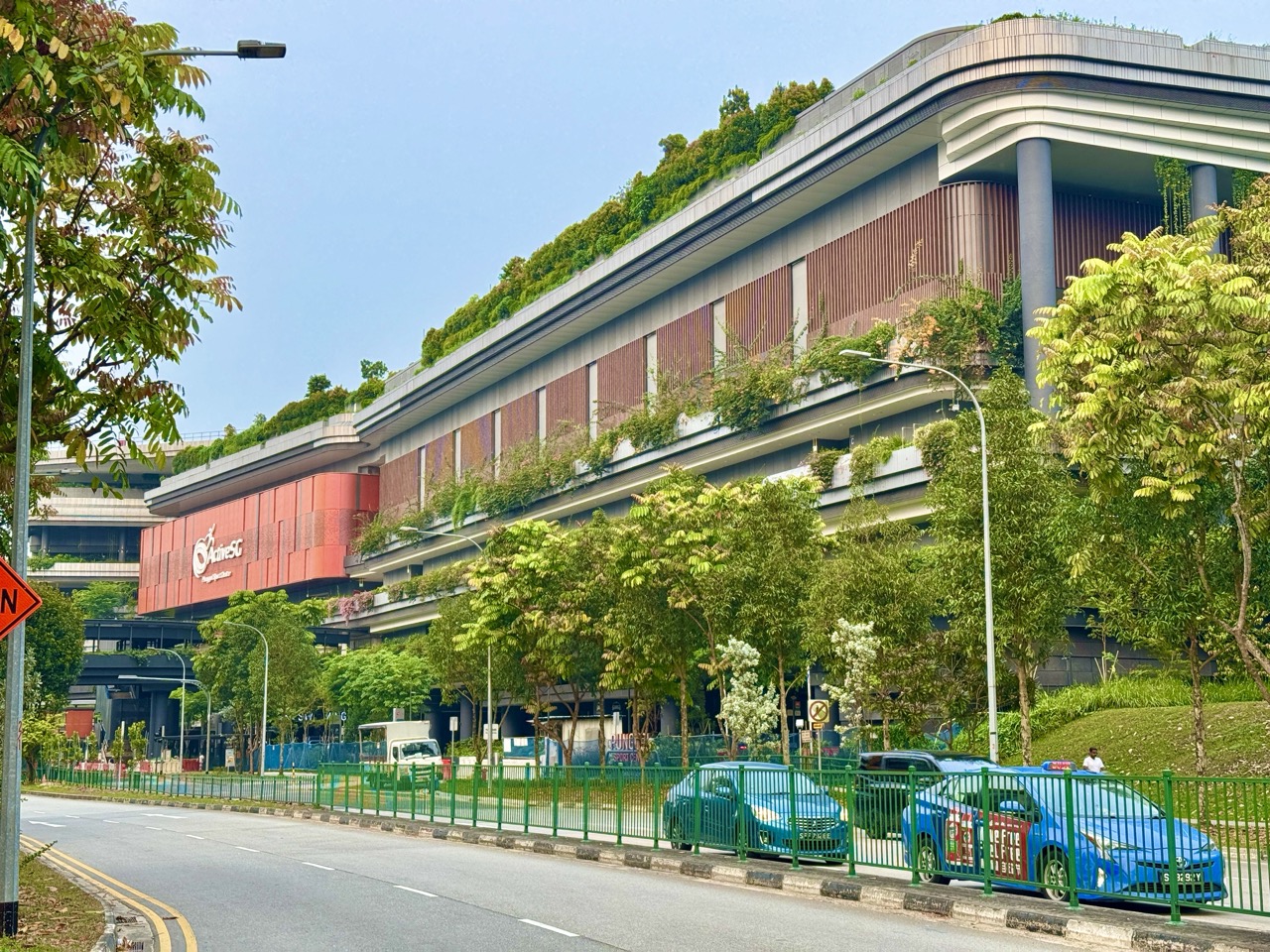
ActiveSG Punggol 2027/2028 for SIT students: Singapore Institute of Technology’s Punggol Campus at 1 Punggol Coast Road has its own gyms, sports courts and student organisations. The separate public Punggol Sport Centre is at 11 Sentul Crescent and began phased operations on 27 October 2026, including a public ActiveSG gym and selected courts. A campus ID, university club membership and an ActiveSG pass are not interchangeable access products.
SIT’s official Punggol Campus guide lists facilities including campus courts, gym, studios and bouldering, while MyActiveSG+ handles public sports passes and booking. For 2027–2028, the most useful choice depends on actual class location, trimester assessments, travel, friends, student clubs and current eligibility—not an assumption that every sports facility in Punggol is available to every student.
- SIT campus: 1 Punggol Coast Road, Singapore 828608, with university-controlled sporting amenities.
- Public Sport Centre: 11 Sentul Crescent, Singapore 828656, with independent ActiveSG access.
- Campus sport: varsity teams, student clubs, courts, studios and gyms under SIT rules.
- ActiveSG: gym or swim passes, public court bookings and programmes have separate terms.
- AY2027: the published SIT trimester calendar has assessment periods in late 2027 and 2028; verify your actual programme timetable.
- Travel: Punggol Coast MRT serves campus; Sentul Crescent is a separate destination.
- Health: start with sustainable movement and protect sleep, meals and academic obligations.
- 2027–2028: confirm future campus and public booking conditions before paying.
The central decision is whether a student wants a campus community, an individual workout or a public group game. These overlap socially but involve very different schedules and permissions.

Definition lock: campus sport versus public ActiveSG
An SIT student can have two different sporting ecosystems available in the wider Punggol area. The university has its own campus gymnasiums, studios, courts and student sports organisations; Sport Singapore operates public ActiveSG facilities at Punggol Sport Centre. These are separate operators with separate access, booking and eligibility rules.
The SIT Punggol Campus is at 1 Punggol Coast Road, Singapore 828608, while Punggol Sport Centre is at 11 Sentul Crescent, Singapore 828656. They are part of the same developing town but are not the same building. A student should not assume that a campus ID grants free admission to the public gym or that an ActiveSG pass opens every university court.
Decide whether the goal is student-club participation, independent public exercise or a booked sport session, then use the correct official channel.
The real campus facilities SIT advertises
SIT’s published campus-facilities guidance names gymnasiums, multi-purpose studios, a bouldering enclave and campus courts. Its Punggol Campus page also mentions drawn courts for basketball, badminton, volleyball, netball, tchoukball and floorball, plus tennis and martial arts spaces.
This is useful information for students choosing where to spend time, but it does not establish unrestricted public access. Campus resources may be allocated to student organisations, lessons and bookings under university rules. Eligibility may differ for alumni or external visitors.
Use SIT’s current student facilities pages and campus booking process. If the person is not an authorised student or user, ask the university rather than attempting to enter a restricted space.
What public ActiveSG adds for an SIT student
The public Sport Centre can create options outside campus facilities: a gym visit under ActiveSG admission rules, sports courts when released for booking, and programmes offered by SportSG. These can suit students whose timetable or preferred activity does not line up with university clubs.
Punggol Sport Centre began phased operations on 27 October 2026. The initial gym and selected court activities should not be interpreted as proof that all planned pools or other specialist spaces were available that same week.
A public facility may be a useful complement rather than a replacement for university sport. The student should compare travel, cost and current access before deciding.
The practical commute is not one campus corridor
SIT Punggol Campus sits near Punggol Coast MRT and a dedicated bus interchange, while Punggol Sport Centre serves the Sentul Crescent area nearer Sam Kee LRT. The route between them depends on available public transport, walking paths and the student’s starting building.
A student who expects to finish class at 5pm and begin a sports booking moments later could lose part of the paid slot through travel and changing time. Someone carrying a laptop, laboratory equipment or a heavy bag may need additional preparation.
Check the actual route and buffer. Do not write an exact walking time into a 2028 guide without verifying the real conditions and the reader’s mobility needs.
Campus transport is deliberately car-lite
SIT’s official campus-locations page describes Punggol Campus as part of a car-lite district and encourages the use of public transport. It identifies Punggol Coast MRT Exit 1, the adjacent bus interchange, Teck Lee LRT within walking distance and dedicated cycling or end-of-trip arrangements on campus.
Students who commute by rail or bicycle should consider how a public Sport Centre outing fits the existing route. Travelling to Sentul Crescent for a specific booking may be sensible on some days but add unnecessary time on others.
Choose a sustainable combination of campus amenities and public sports. The best facility is not always the nearest on a map; it is the one the student can actually reach, enter and use under its rules.
Student clubs are not the same as a recreational court
SIT describes a large student-organisation ecosystem that includes sports clubs and varsity teams. Its published lists include many sports, from badminton and basketball to running, pickleball, climbing and martial arts. But joining a club has different requirements from hiring a public ActiveSG court.
A student may want to meet people through club activities, train for varsity competition, or simply play casually with a friend. Each is a legitimate goal. One should not be promoted as a substitute for another, especially if the student is new or not seeking competitive commitment.
Check the club’s membership and trial procedures through SIT. Use MyActiveSG+ only when the intended activity is a public SportSG booking or programme.
The AY2027 trimester rhythm
SIT publishes an academic calendar for its SIT and joint programmes. Its AY2027 schedule identifies Trimester 1 study weeks beginning 30 August 2027, a recess week in October and final assessments scheduled for 29 November to 5 December 2027. Later trimesters extend into 2028.
These dates help show why a student’s exercise schedule can change over the academic year. A weekly sports commitment that feels manageable in the first weeks may become difficult during project milestones and final assessments. Some programmes may have exceptions, and the university warns that dates can be revised.
Use the actual programme calendar and module commitments, not a generic university timetable. A sensible fitness plan should be able to contract during assessment-heavy periods.
Undergraduates are adults with varied obligations
Unlike a stereotypical school student with a fixed afternoon, an SIT undergraduate may have part-time employment, family responsibilities, internships or industry-linked projects. A sports routine should accommodate these adult commitments rather than assume every evening is available.
An adult learner may prefer a short independent gym session; a first-year student might find a sports club socially valuable; another may use a brisk walk during a break. Different schedules can make different options rational.
Build a habit around an activity that can be repeated without sacrificing sleep, necessary work or a meaningful rest day.
Physical activity guidance for adult students
HealthHub’s adult physical activity guidance recommends 150 to 300 minutes of moderate aerobic activity weekly, plus muscle-strengthening work on at least two days. This is a broad population guideline rather than an instruction for every student to begin a demanding programme immediately.
Movement can come from active travel, walking between destinations, appropriate gym sessions and recreational sport. A student who has been inactive may start with shorter sessions and gradually build confidence. Those with injuries or relevant medical conditions should seek individual guidance.
Use the guideline to inform a balanced week. Avoid confusing fitness with a competition to produce the highest wearable-device score among classmates.
Campus study breaks and short movement
An intensive course can involve hours of reading, coding, laboratory work or group projects. Students may be tempted to stay seated until every task is finished. Short comfortable movement breaks can create a more sustainable pattern without requiring a formal Sports Centre visit.
A student working in the library might walk to a public open area during a break, respecting study and safety rules. This is not equivalent to a full strength session, but it is still movement and a chance to change focus.
Keep breaks realistic. They should support ongoing study, not create an elaborate journey that makes the next class late.
First-year students: start with exploration
Orientation and the early weeks of university are a good time to discover clubs and facilities, but they are also busy. Joining several teams before understanding the academic workload may lead to disappointment. A student can explore interests without immediately committing to every training session.
SIT’s campus-life pages describe sports clubs and community activities as part of student development. Use official club introductions and the current events calendar to learn what is actually offered in the intake year.
Try one manageable activity and review the experience after a few weeks. It is better to become a reliable participant in one suitable group than to overcommit from enthusiasm.
Returning students: match sport to the current trimester
A student in a later year may understand the campus routes but face more demanding coursework, industry assignments or capstone work. The same sport schedule that worked during orientation may no longer fit. Changing an activity plan is not a failure; it is responsible management of time and energy.
A public gym can sometimes provide flexibility when club training is unavailable, while a fixed weekly court game requires coordination. Students can choose differently from one trimester to the next.
Look at assessments and personal obligations before paying for longer-term programmes. The right activity should remain enjoyable rather than become a source of guilt.
Varsity performance and casual recreation
Varsity sport can require training, selection and competition responsibilities. Casual recreation has a different purpose: movement, friendship and recovery from academic work. Neither form should be treated as superior for every student.
Someone with competitive goals may need structured coaching under the university team, while a student with no sporting background may want a friendly introductory class. The public ActiveSG courts can accommodate some casual activities when correctly booked, but a reserved venue is not a replacement for formal team selection.
Choose the actual pathway and follow its rules. Do not infer that participation in a campus sport automatically grants access to national SportSG facilities.
A student’s first public gym visit
An adult student may be eligible for certain ActiveSG products based on current age, citizenship, residency or other criteria, but university enrolment alone should not be described as automatic entitlement to a specific discounted pass. The actual operator sets the current tariff.
For a first visit, prioritise a sensible orientation to equipment and safe technique rather than copying an advanced workout from social media. Crowding, hours and maintenance may affect the practical choice of time.
Check Punggol ActiveSG Gym’s current admission, crowd information and closure announcements, then choose a manageable session.
A study group becoming a sports group
Academic teammates sometimes want to spend time together outside project meetings. A friendly badminton or table-tennis game can be a refreshing change, provided participation is voluntary and everyone understands the costs. Sport should help relationships rather than create another competitive hierarchy.
Book the correct public court only when a date is available, and confirm the session with the participants before collecting money. Choose simple rules and allow beginners to take part without embarrassment.
People who prefer not to play can still socialise separately. A university project team should never treat a recreational outing as an unofficial requirement for inclusion.
Internships and work-study periods
Industry placements and work-study commitments may change where students spend their weekdays and how much time remains for exercise. A campus-only plan can become inconvenient when the student works elsewhere in Singapore. Public sports access may help, but the nearest facility could change during the placement.
Use a flexible menu: walking or independent movement on busy days, a longer session when there is time, and a social sport when teammates are actually free. A rigid calendar that assumes everyone remains at SIT all year is rarely realistic.
Review the routine when the placement starts rather than waiting for repeated missed bookings to create frustration.
Campus gyms and public gyms: cost comparison
University campus facilities may have eligibility, reservations and access conditions under SIT’s own policies, while ActiveSG gym admission follows public rates and pass types. Without a current university rule or membership record, it would be misleading to claim that one option is always cheaper.
A student should compare the real available choices. The nearest campus gym might be convenient on a class day, while a public gym could fit a weekend near home. The economics depend on actual access and likely attendance.
Check both official operators rather than trusting an informal price table. A 2026 opening-week promotion is not a standing 2028 entitlement.
Sleep and the student-athlete calendar
Sport can support wellbeing, but a workout scheduled after late-night project work may worsen exhaustion if it replaces needed rest. Students should see sleep and recovery as parts of a sustainable routine rather than obstacles to proving discipline.
A competitive athlete may need training coordination with coaches, while an ordinary recreational user can sometimes shorten or skip a session during an assessment week. Pushing through illness or significant pain is not a meaningful fitness achievement.
Plan the whole day, including travel, meals, coursework and rest. The best exercise schedule is one that remains safe through academic peaks.
Why there is no single correct student sport pathway
SIT students range from enthusiastic competitive athletes to adults trying a gym for the first time. Some study full-time while others balance family and employment. An activity plan that suits one student might cause unreasonable fatigue or scheduling problems for another.
The right choice begins with the student’s purpose: skill development, friendships, stress relief, health or competition. A university club can provide a shared community, while an independent public workout can be easier to schedule. Both can be valuable if their requirements are understood.
Students should feel free to change activities when interests or obligations evolve. A healthy sports routine is not a fixed identity that must be defended throughout a degree.
Bouldering on campus is not automatic public climbing
SIT’s facilities directory includes a bouldering enclave among the campus resources. That is useful for student discovery but does not make the wall a public ActiveSG attraction or prove that anyone may climb without orientation, permission or the university’s operating rules.
A beginner should check the relevant campus procedures and any supervision or induction required. The same applies to other specialised campus facilities: the existence of equipment is not an invitation for unrestricted use.
Do not present university bouldering as an ActiveSG programme or assume that an external visitor can enter using a SportSG pass. If access is uncertain, ask SIT before making travel plans.
A racket-sport example: campus club or public court?
A student wanting badminton has more than one possible route. The university may have an appropriate student-club or campus-booking opportunity; SportSG can separately list public courts. Neither option is inherently preferable, but their conditions and social context differ.
Suppose four classmates want a one-off casual game after an assignment deadline. A valid public reservation might fit. Someone wanting regular coaching and teammates may prefer the university’s sports-club process. A first-time player might value a gentle introductory lesson.
Check who controls the court, what registration is required and whether the venue is available on the exact day. Do not confuse a student membership with a paid public booking.
The public gym as a flexible alternative
When clubs train at times that conflict with classes, a suitable gym session may allow a student more scheduling flexibility. The ActiveSG public gym is a separate service, and admission depends on the actual applicable pass or entry arrangements. An online statement about an old promotion is not a current ticket.
Start with safe technique and manageable effort. A student who has spent a full day in lectures and project meetings should consider energy and recovery instead of assuming that a demanding workout must always be completed.
Check official crowd information and any maintenance notices. There is no need to force a session during the busiest period if another routine works better.
The AY2027 assessment timetable in practical terms
SIT’s published AY2027 calendar for SIT and joint programmes identifies Trimester 1 final assessment week as 29 November–5 December 2027. Trimester 2 final assessments are scheduled for 3–9 April 2028, and Trimester 3 for 31 July–6 August 2028. The university cautions that schedules may change.
These dates show why a fixed year-round sports plan may be unsuitable for a student with changing coursework. Recess and trimester breaks can offer different opportunities, but they do not automatically mean every student is free: internships or project obligations may continue.
Use the correct calendar for your own programme, especially where partner-university or professional course schedules differ. Do not treat a generic university page as a personal timetable.
A twelve-week movement plan for a busy trimester
The first weeks of a trimester can establish a habit: perhaps one appropriate activity after class and regular movement breaks. During more demanding project periods, the student may shorten sessions or substitute a comfortable walk. Before final assessments, the plan should prioritise rest and academic commitments.
This is not an instruction to train twelve weeks identically. The purpose is to create a flexible structure that can survive an ordinary educational cycle. A small repeatable activity may be more helpful than an ambitious programme abandoned halfway through.
Review the plan when the class timetable changes. A missed week should trigger adjustment, not guilt or unsafe catch-up training.
Group projects and fitness accountability
Study teams often meet frequently during a project. Some classmates may appreciate an optional shared sports outing, which can build friendships outside academic tasks. But participation should not become an unofficial condition for belonging in the group.
Choose a low-pressure activity where beginners can join without embarrassment. Agree on time, cost and transport before booking. If a classmate has a disability or different preferences, ask what would make participation comfortable instead of assuming one sport suits everyone.
Keep the decision voluntary. A team can work well academically even when members choose different ways to exercise.
Budget and student concession claims
Students should not assume that enrolment at a university guarantees the lowest public facility price. SportSG tariff categories depend on current age, status and other eligibility criteria; individual programmes and courts have separate prices. SIT’s internal facility access may also have different terms.
Compare actual cost, not headline discounts. A campus gym may be convenient on some days, while a public sports pass may make sense for a person living near the Sport Centre. Equipment, transport and time are part of the decision.
Check the live rules for both operators and keep receipts where needed. An expired October 2026 free-entry promotion is not a 2028 student benefit.
Sport Interest Groups for students without teammates
A student who is not interested in varsity selection may still want organised social sport. ActiveSG Sport Interest Groups are one option at participating public sports centres, with membership registration and scheduled multi-session formats.
The currently published SportSG venue list includes Sengkang and Hougang but does not name Punggol. A student should therefore not advertise a Punggol interest-group class unless the operator adds it to the live programme list. University sports clubs offer a separate community pathway.
Check group eligibility, fee, sport and dates before registering. A public court rental does not automatically create an organised interest group.
SIT alumni and campus facilities
Students approaching graduation may assume that all campus sports access ends immediately or continues indefinitely. SIT has published information about alumni booking some discussion rooms and sports facilities under a separate university process. The exact availability and conditions must be checked with alumni services.
An alumnus arranging a reunion game should not assume their old student-booking permissions remain unchanged. A public ActiveSG booking can be another option when appropriate, but it also has independent rules.
Use the current official alumni or campus information before organising the gathering. Access is an institutional privilege or paid facility service, not something inferred from having once studied there.
Safety and injury concerns for active students
Competitive athletes and new gym users both need appropriate recovery. A student who is injured should not use a public gym to imitate unverified rehabilitation exercises without suitable medical or professional advice. Persistent pain or alarming symptoms are not evidence of good effort.
An athlete may coordinate with the university coach or qualified practitioner, while an ordinary recreational participant can reduce activity when unwell. The plan should support health rather than add pressure around performance.
Use the actual venue’s safety rules and seek urgent help for emergencies. No general blog can assess a student’s individual fitness to participate.
Humidity, haze and outdoor campus movement
Punggol’s coastal setting can make outdoor routes pleasant, but heat, heavy rain, haze and lightning still matter. A student who regularly walks between transport and campus should consider hydration and current weather notices. Outdoor exercise needs additional caution when conditions are unsafe.
Indoor halls may offer more shelter, but operation can still be affected by safety notices or bookings. A paid slot is not a reason to ignore a venue closure.
Check NEA conditions and official operator updates before departure. Keep a manageable indoor or rest-day alternative available.
Accessibility across two different sports ecosystems
SIT publishes student accessibility support and information about its campus environment. ActiveSG has its own facility and inclusive-sport arrangements. A student requiring step-free access, communication support or adapted equipment should contact the relevant provider rather than assume a campus solution transfers automatically to SportSG.
For example, an accessible entrance at 1 Punggol Coast Road does not answer which lift serves a particular court at 11 Sentul Crescent. The actual activity may also require specialist coaching or support.
Ask about the precise room and session, and allow the student to direct decisions about personal assistance. Accessibility should be practical and respectful.
Academic life and personal data
University students often use apps for scheduling and fitness tracking. Activity information can be helpful privately, but it should not become a public scorecard that pressures classmates to disclose health or body information. Competitive sport already creates enough measurable outcomes without turning ordinary social exercise into surveillance.
Keep booking and account credentials private, use official payment routes and be careful with third-party sellers. SportSG’s policies prohibit unauthorised resale of facility bookings.
Use technology to support participation—checking a court time, finding a route or reflecting on progress—not to override consent or privacy.
Your first public ActiveSG visit after class
Begin with the exact session type and Punggol Sport Centre address. Check how long the journey from your final class or laboratory will take and whether you need to return to campus for belongings. For a booked court, share the correct time and venue with teammates.
Confirm what the venue provides and what you must bring, including suitable footwear when required. Do not assume a classmate’s screenshot proves your own booking or that everyone has access through one campus identity card.
Finish within the paid session time and plan a safe return home. The first visit is successful when you know how to repeat it calmly, not when it becomes an exhausting adventure.
The 2027 and 2028 update rule
Future years may bring new public sports services and changes to SIT’s student activities, but the current facilities should not be described through speculation. Stable facts include the two separate campuses and the need to respect their operator rules; schedules and individual programmes can change.
An article labelled 2028 should verify the academic calendar, campus booking conditions, ActiveSG public rates and actual class or court availability. If a university club changes its training location, link to its official information rather than repeat an old arrangement.
The durable recommendation is to build a flexible sporting habit that strengthens campus life and wellbeing without disrupting learning.
Frequently asked questions
Is SIT Punggol Campus the same as ActiveSG Punggol Sport Centre?
No. SIT is at 1 Punggol Coast Road; SportSG’s public facility is at 11 Sentul Crescent. They have separate sports infrastructure and admission arrangements.
Can SIT students use campus gyms?
SIT lists gyms and studios among campus facilities, but actual eligibility and booking must be checked against university rules. A campus listing is not proof of unrestricted access for every visitor.
Are public ActiveSG gym passes included with student enrolment?
Do not assume so. SportSG rates and passes depend on current eligibility; university enrolment does not by itself establish a free public gym pass.
Which SIT sports are available?
SIT advertises a range of varsity teams and student sports clubs, including racket sports, football, swimming and martial arts. Check current recruitment and activity arrangements with the university.
When are AY2027 trimester assessments?
The published SIT/joint-programme calendar lists 29 November–5 December 2027, 3–9 April 2028 and 31 July–6 August 2028, subject to changes. Some partner programmes follow different calendars.
Can alumni use SIT sports spaces?
SIT publishes an alumni booking pathway for certain facilities. The actual available rooms, times and procedures must be confirmed with alumni services.
Is an SIT gym membership usable at SportSG?
No equivalence should be assumed. Public SportSG admission and university facility permission are independent systems.
Where should a student check live availability?
Use SIT’s official student facilities and clubs information for campus offerings, and MyActiveSG+ for public SportSG passes, court bookings and programmes.
Official sources and neighbouring guides
- SIT: Punggol Campus address and travel
- SIT: Punggol Campus facilities and FAQs
- SIT: gym, studios, library and club facilities
- SIT: sports clubs and varsity teams
- SIT: AY2027 trimester calendar and assessment dates
- SIT Alumni: facilities booking information
- MyActiveSG+: public passes, sports booking and programmes
- SportSG: interest-group venues and membership terms
- HealthHub: adults’ physical activity guidelines
- eduKatePunggol: Sport Centre opening and facility access
Your next step
Choose one actual activity—SIT student sport, university gym or public ActiveSG. Verify the correct operator and venue, plan around your programme’s assessment calendar and try a realistic session before committing to a full-term routine.
Editorial review: 1 November 2026. SIT’s published AY2027 academic dates may be revised, and some programmes use separate calendars. Public SportSG availability, student eligibility and tariffs must be checked for the intended 2027 or 2028 visit.


