
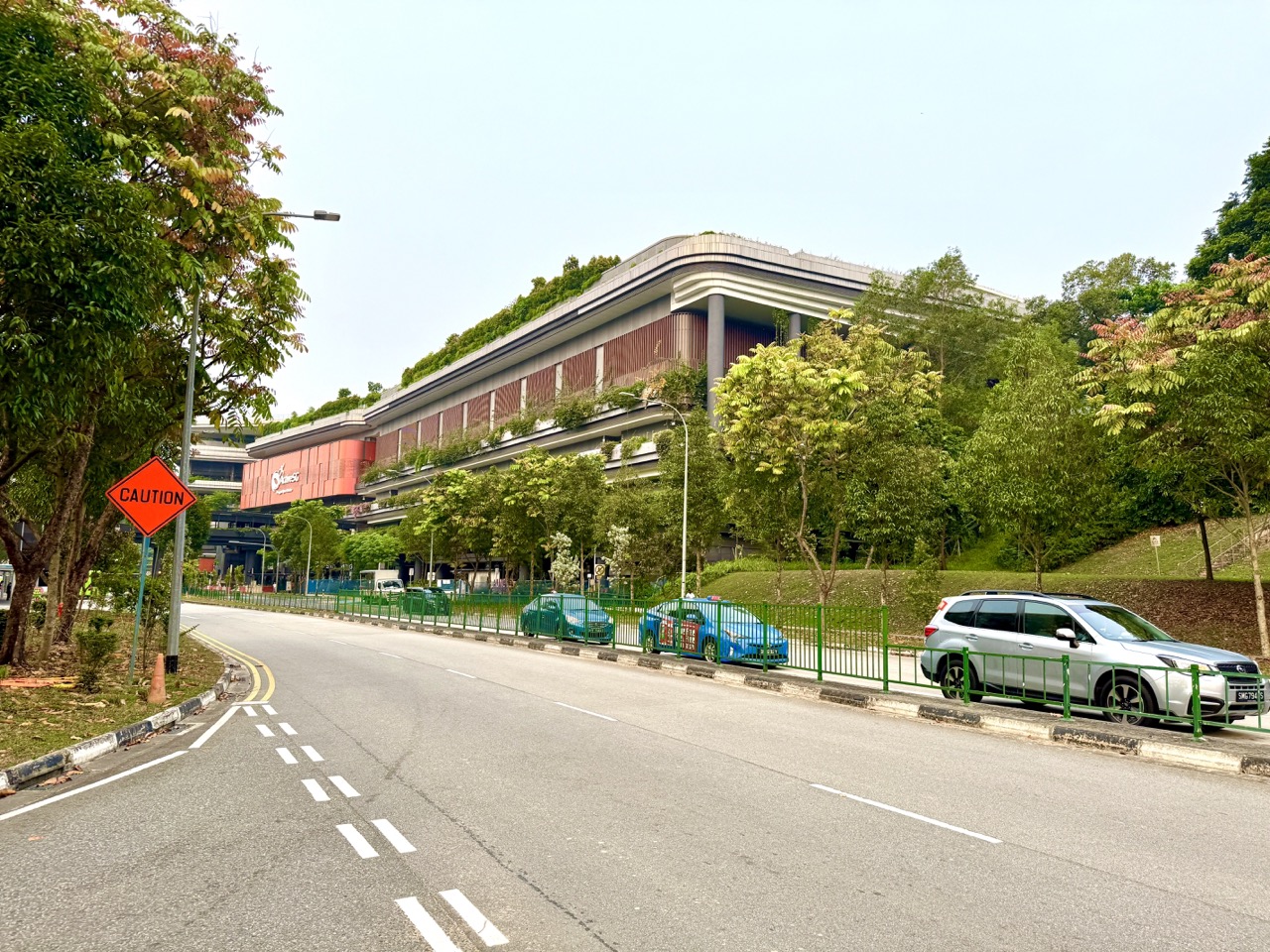
ActiveSG Punggol 2027/2028 for Punggol Digital District workers: Punggol Sport Centre at 11 Sentul Crescent is a public sports destination near Sam Kee LRT, separate from the offices and SIT campus in Punggol Digital District. The Sport Centre began phased operations on 27 October 2026 with its gym and selected courts. Workers planning lunch-break or after-work exercise should check the exact facility, booking and travel time before committing to a routine.
JTC describes Punggol Digital District as a 50-hectare work-and-study ecosystem, while MyActiveSG+ handles public gym passes, sports facilities and programmes. The most useful plan is not necessarily the longest workout: it is the one that fits meetings, shifts, food, sleep, childcare and the real trip between office and sports venue. This guide explains practical choices for 2027 and 2028 without claiming unannounced opening hours or employee concessions.
- Sport Centre address: 11 Sentul Crescent, Singapore 828656; distinct from Punggol Digital District offices on Punggol Way.
- Opening context: phased public operations began 27 October 2026; confirm each named facility separately.
- Workday options: lunchtime walking, after-work gym, scheduled court sports and appropriately booked programmes.
- Do not assume: that every office is within a few minutes of the Sport Centre, or that workplace benefits include ActiveSG entry.
- Official action: MyActiveSG+ for passes and booking; operator notices for closures.
- General activity: adult guidance recommends 150–300 moderate aerobic minutes weekly plus strength work on at least two days.
- Practical test: include changing, food, travel, recovery and household duties in the timetable.
- 2027–2028: recheck future rates, programme locations and operating status.
Two employees in the same building may need completely different plans. A parent rushing to collect a child, a shift worker who needs to sleep, and someone with a predictable evening all have different constraints. The aim here is to choose one workable activity rather than chase a perfect schedule.

Definition lock: a worker’s fitness plan is a timetable decision
A Punggol Digital District worker does not need another list of attractive sporting facilities. The actual question is whether an activity fits the commute, work obligations, changing time, household schedule and next day’s energy. The difference between an imagined lunch-break workout and a repeatable routine is often twenty minutes of overlooked travel and preparation.
Punggol Digital District is the JTC-led 50-hectare business and education development centred around Punggol Way and integrated with the Singapore Institute of Technology. Punggol Sport Centre is a separate public facility at 11 Sentul Crescent, near Sam Kee LRT and SAFRA Punggol. They belong to the same broader town, but workers should not assume the sport centre is inside the business district or an effortless two-minute walk from every office.
The practical method begins with door-to-door travel, a named activity and the actual facility operating schedule. Only then should a worker decide whether to go during lunch, before a shift, after work or on a different day.
Punggol’s work-and-sport geography
JTC describes the district as a business ecosystem intended for technology industries, including cybersecurity, artificial intelligence, robotics and fintech. Its published district overview refers to a scale of approximately 28,000 jobs and 12,000 students, figures describing the planned ecosystem rather than an audited count of people present at any given hour.
The Sport Centre serves the wider Punggol community. A person leaving an office near Punggol Coast may need to walk or take public transport to Sentul Crescent and then reach a particular gym or court inside the building. The sensible route depends on which office tower, entrance and shift end time are involved.
Before making a regular plan, run one real journey during the intended time of day. Count the time from finishing work to beginning exercise, rather than comparing two map pins and assuming the difference is trivial.
What actually opened in late October 2026
Punggol Sport Centre began phased public operations on 27 October 2026. The public ActiveSG gym and selected bookable sports courts were among the opening-phase services; planned swimming, stadium and specialist facilities required their own availability checks. This is particularly important for workers planning an after-office session without time to investigate a closed room.
By 2027 and 2028, more spaces or programmes may be operating, but future availability must come from SportSG’s actual directory and MyActiveSG+. A building-wide opening announcement cannot replace the admission rules of a named court, swimming complex or gym.
Treat the official facility page as the operational source and the development plans as background. The goal is to walk through the correct entrance with the right booking, not merely admire a striking new building.
The lunch-break decision: can the whole loop fit?
A one-hour lunch break is not a one-hour training session. The usable portion may be much shorter after accounting for leaving the desk, travelling, entering the facility, changing clothes, exercising, showering, buying food and returning to work. Underestimating that sequence creates stress and can make the habit collapse after two attempts.
An employee whose office is not adjacent to the sport centre might find a brisk local walk more practical during lunch and reserve a gym visit for another time. Another worker with a long flexible break and easy transport may be able to use the public gym. Both decisions can be sensible.
Write down the real loop with a buffer. If the only way to make it work is to skip food, break company rules or arrive late for meetings, choose a simpler lunch activity.
A twenty-minute activity is not a failed workout
Adults sometimes reject a short activity because it does not resemble a full gym routine. Singapore’s physical activity guidelines encourage movement across daily life, and HealthHub explains that physical activity can be accumulated in smaller bouts. The activity that reliably fits a workday is often more useful than an ideal plan that never happens.
A worker might use part of lunch to walk briskly through an appropriate public route, taking care around shared paths and crossings. On another day the person may use a longer session for strength work. These different pieces can contribute to an active week.
Measure success by whether the routine is practical and appropriate. It is better to complete a manageable session than rush through a strenuous plan with no recovery or safe travel margin.
Know the national guideline without misreading it
Singapore’s adult physical activity guidance recommends about 150 to 300 minutes of moderate aerobic activity each week and muscle-strengthening activity on at least two days. These are population-level recommendations, not a demand that every worker must perform a long workout daily or reach an exact score on a fitness watch.
A Punggol office worker can build movement from walking during travel, recreational racket games, appropriate gym sessions and other daily activities. People returning after a long inactive period should begin more gently, and individual medical conditions may call for professional guidance.
Use the guideline to shape a sustainable week. Do not make a full 150-minute target a reason to abandon the smaller steps you can start today.
A genuine after-work gym plan
After work, the major advantage of a public gym is that the visit does not depend on coordinating three friends. The worker can choose an appropriate session, verify Punggol ActiveSG Gym’s current admission rules and check crowd information before departing. That is useful when meetings or overtime make the finish time unpredictable.
A first session can focus on learning equipment and safe movement rather than rushing to complete a fixed list. A worker who has spent the day at a desk may feel stiff or tired; an appropriately planned warm-up and manageable effort can be more constructive than immediately attempting a personal record.
Check the latest opening hours and any maintenance or closure notice. October 2026 promotional free-entry arrangements must not be reused as 2027 or 2028 entitlements.
How to handle late meetings and overtime
A plan based on leaving at precisely 6pm is fragile if meetings commonly overrun. Workers should choose an activity that can tolerate a later start or create an alternative slot. The booking system matters: a reserved court may be lost if the group cannot arrive, while a permitted gym entry offers a different degree of flexibility.
Suppose a technology team has a deployment running late. One colleague has already booked a racket court for friends. The group needs a communication rule about cancellations and the booking owner should check the actual refund terms. A more flexible walking session could be the better default during volatile work periods.
Do not make colleagues feel guilty for prioritising genuine operational duties or safe rest. The purpose of sport is to support life, not create another workplace obligation.
Shift workers need a different weekly calendar
Employees in operations, support, retail, services or technology monitoring may not work a standard nine-to-six schedule. Their ideal exercise time can change with shifts, sleep, transport and family responsibilities. Copying a daytime office worker’s evening programme may be unrealistic or unsafe.
Plan around recovery and the person’s actual wake schedule. Someone finishing a night shift may be better served by rest and a later gentle activity than by forcing a demanding gym session immediately before sleep. A worker on alternating shifts can keep a small menu of suitable activities for different days.
Use official facility hours to choose realistic periods and avoid assuming the venue is available twenty-four hours a day. Safety and sleep come before forcing the calendar to look identical each week.
Choose a gym visit or a court session deliberately
Gym entry and a sports-court booking solve different needs. A person seeking independence and flexible timing may prefer the gym. A group that wants social connection might book badminton or pickleball when everyone is available. Neither is universally better; the important factor is whether the person can return consistently.
A worker may think of a fixed weekly racket game as an appointment with friends, which helps maintain interest. But that structure also creates pressure if attendance is unreliable. Another person may enjoy a solo training session because it works even when teammates cancel.
Before paying, decide whether the activity requires a pass, a confirmed court booking or enrolment in a coached programme. The official MyActiveSG+ portal separates these workflows.
Do not confuse public sport with office wellness benefits
A company may have its own employee wellness scheme, but no reader should assume that employment in Punggol Digital District includes a free SportSG membership, reserved courts or automatic subsidy. Workplace benefits are determined by the employer, while public ActiveSG prices and eligibility are determined by the sports operator.
An HR team might negotiate an organised activity or decide to support staff participation, but that would require a real arrangement. Without such confirmation, employees should use ordinary public booking and admission rules.
If your company offers a wellness allowance, ask what it covers and keep the receipts the scheme requires. Avoid presenting a hypothetical corporate discount as an existing Punggol facility entitlement.
An office team sport requires fair participation
An after-work game can help colleagues know one another outside formal meetings, but it should remain voluntary. Employees differ in fitness, disability, caring responsibilities and willingness to mix work and leisure. A strong team culture does not require every person to join physically demanding competition.
Organisers can offer a beginner-friendly activity, allow people to decline without embarrassment and make room for non-playing social participation where appropriate. An intimidating high-intensity match may discourage new colleagues who otherwise would enjoy a simpler activity.
Choose the sport by actual interest and ability rather than seniority or popularity. Workplace recreation should expand relationships, not create a new unofficial hierarchy.
Working parents must plan the family handover
An after-work gym visit may seem like a personal scheduling choice until a child needs collecting from student care or another adult needs help at home. A sustainable plan takes household responsibilities seriously. It should not assume that someone else will absorb extra childcare without discussion.
One family may alternate exercise evenings so each parent has a predictable slot. Another might choose a short walk near home after dinner while the child is supervised. A third might enjoy an appropriate family activity at the weekend.
Talk about transport and household time before committing to paid classes. A plan that respects the entire family is more likely to survive busy weeks.
The commute is already a chance to move
Not all activity has to happen inside the Sport Centre. JTC describes Punggol Digital District as walkable and integrated with public spaces, while Punggol’s wider neighbourhood includes transport connections and the waterway. Suitable active travel can contribute to movement without adding an extra hour to the calendar.
Walking from a transport stop or taking a safe route through an open public space is often more convenient than making a special gym trip. Be careful, however, not to treat all paths as fully covered or safe for every activity; conditions, shared-path rules and weather still matter.
Choose a route compatible with appropriate footwear, personal safety and work clothes. Active travel works best as an ordinary habit, not a forced detour through unfamiliar areas.
SIT campus gyms are not ActiveSG gyms
Punggol Digital District integrates the Singapore Institute of Technology campus, which has its own gymnasiums, studios and student facilities. These are separate from the public SportSG facilities at Sentul Crescent, and their campus eligibility and booking requirements should not be assumed to match MyActiveSG+.
An SIT staff member or student may be eligible for campus facilities under institutional rules, while a nearby private-sector employee may not. Similarly, an ActiveSG pass does not grant access to university-only spaces.
Check the actual operator and admission conditions. Keeping the campus and public gyms distinct avoids wasted journeys and misleading workplace recommendations.
Food and recovery on a workday
Someone exercising after a long shift should consider when they last ate, whether they are hydrated and how much time remains before sleep. A rushed workout followed by skipping dinner is not necessarily a good health routine. Ordinary balanced meals and sensible recovery support regular activity.
A worker who finishes at 7pm might choose a modest session and a convenient meal afterward rather than attempting an exhausting class and returning home hungry at midnight. Another person may prefer to exercise before dinner when timing permits.
Plan the whole evening. A session is useful only if it fits food, rest, transport and other basic needs, not merely because the booking slot was available.
Managing heat, haze and rain
Singapore’s weather can change a simple outdoor walk or racket game. Thunderstorms, haze and heat alerts should be treated as real safety information rather than an inconvenience to defeat. A sheltered area does not necessarily remain safe under every condition.
A worker who planned to walk outside during lunch might switch to a suitable indoor activity when air quality is poor. Someone with a paid booking should follow the operator’s official closure and cancellation terms rather than assume an automatic refund.
Check NEA advisories and ActiveSG venue notices on the day. A realistic plan includes alternatives, so one rainstorm does not end the entire exercise habit.
A worker with mobility or access needs
A public sports development can be useful to people with disabilities, but accessibility is specific to the route, room, equipment and support needed. An office worker might have a step-free route to the Sport Centre entrance and still require details about a particular gym machine or changing facility.
Ask the operator about the practical requirements rather than rely on a generic claim that a modern building is accessible. A short phone or online enquiry can save a frustrating first journey.
Respect the individual’s own preference about assistance and exercise style. An inclusive wellness plan offers genuine choice rather than pressuring everyone to use identical equipment.
A practical plan for desk-based stiffness
Long periods of sitting can leave people feeling stiff, yet the answer need not be an aggressive stretching programme. Frequent comfortable movement breaks, sensible posture changes and an enjoyable regular activity can form a manageable starting point. Some discomfort requires medical assessment, especially if persistent or severe.
A Punggol technology worker might take brief breaks to stand or walk, then choose a modest after-work activity. The objective is to create more movement across the day rather than erase all sedentary hours through one demanding session.
Do not treat generic online mobility drills as treatment for an injury. Seek qualified advice when symptoms or conditions require it.
Fitness data is a tool, not a workplace competition
Workers accustomed to dashboards may enjoy tracking exercise minutes, attendance or personal progress. Data can help notice whether a routine is consistent, but step counts and activity scores are imperfect proxies for health. They should not become unofficial measures of employee worth.
A team might run a voluntary movement challenge, but fairness matters. People with disability, caring obligations or different health circumstances should not be disadvantaged by crude ranking systems. Participation can be recognised without publishing sensitive information.
Keep personal health and activity data private unless an individual has freely chosen to share it under clear terms. Use the information to support personal decisions rather than punish colleagues.
How to compare actual costs
Gym entry, passes, court rentals and coached classes follow different pricing rules. Rates may also vary with age, residency, eligibility and peak periods. A historical 2026 price should not be presented as a guaranteed 2027 or 2028 tariff.
For a frequent user, compare the permitted pass types and likely attendance. Someone visiting twice in a month may have a different economical choice from a person coming four times a week. The total cost can include transport, shower supplies and occasionally equipment.
Open the official ActiveSG rates page and calculate the final payable amount for the intended period. Do not buy a long pass based on a schedule you have not tested.
Avoid bot bookings and informal slot resale
When workers organise after-office court games, popular times can be hard to secure. SportSG’s published policies prohibit bot bookings and the unauthorised onselling, subletting or assignment of facility slots. The fact that a colleague finds a seller in a group chat does not make the transaction legitimate.
Use the official booking or ballot process. If the preferred court is unavailable, choose another time, sport or centre rather than taking a risk with an impermissible resale.
Only invite colleagues once the booking is confirmed. A calendar event without a legal and valid court slot is still only a plan.
Working across multiple offices
A professional may divide the week between Punggol Digital District, another Singapore office and home. This hybrid schedule changes which sports location is convenient. It may be inefficient to insist on using Punggol Sport Centre on days spent in the west or central business district.
Choose a primary habit that is flexible across locations, such as walking or appropriate strength work, and use Punggol facilities on the days when the route is genuinely practical. A fixed court game may fit one regular office day better than unpredictable commuting days.
Judge the routine across the whole week. The aim is continuity rather than loyalty to one gym building.
How colleagues can form a low-pressure group
Begin with two or three interested people and one suitable activity, not a company-wide promise of a weekly league. Ask whether participants are beginners, how long they want to play and what cost is comfortable. A small manageable pilot often reveals whether the schedule works.
For racket sports, book the correct sport and court, then explain rules kindly and rotate partners. If the group is large, reserve only the number of slots actually confirmed as available. Do not assume the venue will permit extra people beyond its rules.
After a few sessions, review whether participants enjoy the activity. Allow the group to change sport or frequency rather than maintaining an unworkable plan for appearances.
The first month: build evidence about your routine
During week one, explore the commute and identify an appropriate facility. In week two, try a manageable session. During the third week, repeat it under normal workload rather than only on a quiet day. In the fourth week, examine whether the time, cost and recovery are realistic.
A routine that works only on a public holiday is not yet an after-work routine. Conversely, a short regular activity that leaves room for dinner and sleep is a success, even if it looks modest on paper.
Make adjustments based on the real experience: route, session length, crowding, energy and family responsibilities. Avoid purchasing a costly long-term commitment before this trial.
A flexible eight-week plan
A useful eight-week progression changes one element at a time. Begin by establishing a repeatable time, then become more comfortable with the activity, then add an appropriate challenge if needed. This is a general planning approach, not a prescribed medical training programme.
Someone who enjoys the gym may focus first on safe equipment use. A recreational badminton group might improve organisation and consistency before seeking more competitive play. A walker might gradually explore other suitable routes.
Review the routine at week four and week eight. Is it enjoyable, sustainable and safe? If not, alter the plan without treating every missed session as failure.
What to do when the Sport Centre is unavailable
Public venues occasionally close for maintenance, competitions or safety reasons. A facility’s general opening hours do not guarantee that every piece of equipment or court is available every day. Workers with tight schedules need alternatives that do not require last-minute long-distance travel.
A suitable fallback might be walking, a simple home routine or another officially open sports facility. A group may reschedule rather than travel to a different town. The right choice depends on the activity and how much time remains.
Check ActiveSG closure and booking notices, then follow the actual terms. Keep one easy alternative ready so the exercise habit survives ordinary disruptions.
The 2027 worker’s decision
By 2027, the new public complex may have become a familiar part of Punggol’s sporting landscape. For employees, however, it will still be useful only when it fits their real workplace and household routines. A new swimming area or class might create options, but should not be claimed as available without an official listing.
Review the current gym schedule, court booking inventory, prices and routes at the start of any new employment or shift arrangement. If a worker changes office, the best place and time to exercise may change too.
Use verified services and adjust the habit to circumstances. This guide is meant to help with decisions, not promise that every future programme will operate.
The 2028 worker’s decision
By 2028, employees may have different roles, teams, workloads or home responsibilities. A routine that once worked after office hours may need to move to weekends or shorter sessions. The ability to adapt is part of a sustainable approach to activity.
Do not carry a 2026 free-entry promotion, historical crowd pattern or proposed building feature into a future-year guide as though nothing has changed. Confirm the live operator’s terms before publishing or paying.
Success is a repeatable form of movement that supports work and ordinary life. It might be a public gym visit, a racket game, a lunchtime walk or something entirely different when the week demands it.
Frequently asked questions
Is Punggol Sport Centre inside Punggol Digital District?
No. It is at 11 Sentul Crescent in the wider Punggol area. JTC’s Digital District is integrated with SIT around Punggol Way. Check the actual door-to-door journey before treating the gym as a short office break.
Can I use ActiveSG during lunch?
Only if the current opening hours, travel, changing, food and work obligations make the full outing realistic. A short walk near the office may be more suitable than a rushed gym visit.
Do Digital District employees receive a free ActiveSG pass?
There is no general employee entitlement established by working in the district. Ask your employer about any specific wellness arrangement and check the public operator’s current fees.
Are SIT campus gyms part of the public ActiveSG pass?
No. The university’s campus facilities have their own eligibility and booking rules, separate from SportSG’s public facilities at Sentul Crescent.
What if overtime means missing my booked court?
Check the actual cancellation and no-show rules. For unpredictable work, consider a flexible activity rather than relying exclusively on a paid fixed-time court slot.
What is a practical weekly target?
HealthHub gives adults a general target of 150–300 moderate aerobic minutes plus two strength-focused days. Begin with appropriate small sessions and seek personal advice when health circumstances warrant it.
Will the October 2026 opening-week free entry still apply in 2028?
Do not assume so. Promotions expire and rates change. Use the current ActiveSG admission and concession information for the intended visit.
How can colleagues play together fairly?
Choose a suitable sport, check availability, agree on costs and make participation voluntary. Use the official booking service, respect venue rules and do not purchase resold slots prohibited by SportSG.
Official resources and relevant Punggol guides
- JTC: Punggol Digital District overview, workplaces and campus integration
- JTC: business district and ecosystem figures
- SIT: separate campus gymnasiums and facilities
- MyActiveSG+: buy a pass, book a facility, join a programme
- SportSG: Active Health labs and programme information
- HealthHub: adult activity guidelines and exercise targets
- SportSG: no-onselling policy for sports facility bookings
- eduKatePunggol: gym passes and Active Health
- eduKatePunggol: operating status and visitor orientation
Your next step
Choose one workday, calculate the real journey and reserve only an activity whose timing and operator rules you can meet. Repeat once under a normal workload before buying a longer pass or promising a weekly team game.
Editorial check: 1 November 2026. This guide uses publicly documented 2026 infrastructure and national activity advice, not invented future 2027–2028 hours, company benefits or programme availability.


