
ActiveSG Punggol 2027/2028 and clean sport: Punggol Sport Centre at 11 Sentul Crescent is a public sports facility whose phased opening began on 27 October 2026, not an automatically designated anti-doping testing station. Recreational sport and formal regulated competition have different procedures. Athletes under anti-doping rules must follow the applicable annual WADA Prohibited List and understand strict liability, which can apply even to unintended exposure.
Singapore’s official Anti-Doping Singapore guidance warns that supplements can contain undeclared prohibited substances and are not guaranteed safe by marketing or certification badges. Its Prohibited List page explains annual changes. The purpose of this guide is to help Punggol students, families and club athletes ask responsible questions about fair play, medications and sporting rules—not to recommend any performance product.
- Authority: Anti-Doping Singapore, not a public gym reception counter
- Venue: Punggol Sport Centre, 11 Sentul Crescent; no public anti-doping test advertised here
- Rules: WADA Prohibited List changes annually; 2027 edition effective 1 January 2027
- Strict liability: athletes under relevant rules are responsible for prohibited substances found in samples
- Supplements: undeclared ingredients and contamination remain risks
- Medication: check ADS sources and consult healthcare professionals, rather than stopping prescribed treatment independently
- TUE: formal therapeutic exemption process for eligible athletes and necessary treatment
- 2028: verify the next annual list and current actual sport rules
Fair sport is about respecting others, protecting health and understanding legitimate rules. A strong sporting community does not pressure beginners to buy mysterious products to prove that they belong.

Definition lock: fair sport versus an anti-doping test
Clean sport describes the values and rules that support fair athletic participation. Anti-doping is a specialised framework within organised competitive sport, including prohibited substances, education, testing and eligibility obligations. A recreational racket match and a national championship need not have the same administrative procedures.
Punggol Sport Centre at 11 Sentul Crescent began phased operations in October 2026. Its public gym and sports courts do not automatically become an anti-doping testing station, and a resident visiting the gym should not expect officials to screen products or issue medical clearances.
Begin by understanding whether your sport and competition come under specific anti-doping rules. For a real regulated event, consult Anti-Doping Singapore and the governing sporting body.
Anti-Doping Singapore is the official authority
Anti-Doping Singapore is the national body responsible for the anti-doping programme, including education, testing, investigations and coordination with sport organisations. Its role is different from that of the operator of a public gym or the organiser of a friendly school recreation day.
ADS publishes accessible explanations of rule violations, medication checks, supplements, prohibited lists and Therapeutic Use Exemptions. Those are the sources a competitive athlete needs, rather than an anonymous forum or product advertisement.
A local guide can point to official information and explain how to ask questions, but it cannot determine whether one named medicine or supplement is permitted for a particular athlete.
Why this matters before elite sport
Clean-sport values can be taught long before an athlete approaches a national competition. Young players learn to respect rules, make honest decisions, support teammates and avoid shortcuts that compromise health or fairness. The lessons are relevant to schools and clubs even without formal testing.
An eager teenager may encounter a fitness influencer selling a quick fix. It is helpful for parents to ask what evidence supports the claim, whether a qualified professional is involved and what sporting rules apply to their child.
Early education should encourage responsible judgement, not make every young recreational player feel suspected of cheating.
The WADA Prohibited List is annual
The World Anti-Doping Agency maintains a Prohibited List that is updated annually and normally takes effect on 1 January. The official ADS resources distinguish substances and methods prohibited in competition, out of competition or in particular sports.
The 2027 Prohibited List was published during 2026 for effect on 1 January 2027. A blog written in 2026 should not freeze that list as though it were necessarily identical in 2028 or reproduce a static product catalogue that becomes obsolete.
Before a real event, check the current edition with the relevant authority and seek expert help about any treatment or product whose status is uncertain.
Strict liability makes the athlete responsible
ADS explains that under applicable rules an athlete can be responsible for a prohibited substance found in their sample even where ingestion was not intentional. That is called strict liability. It is one reason why a product with undisclosed ingredients can lead to significant sporting consequences.
This principle does not establish that every casual Punggol gym patron is subject to testing. Applicability depends on the competition and governing rules. But athletes entering organised regulated sport should understand the possibility of inadvertent exposure.
Athletes should ask informed questions before using relevant products and maintain appropriate records rather than trust someone else’s reassurance.
The risk of supplements and contamination
Anti-Doping Singapore warns that dietary supplements may contain contaminants or ingredients not listed on the package. They are not necessarily regulated to the same standards as pharmaceutical medicines, and labels may fail to identify every relevant substance.
A supplement bought from a familiar retailer or recommended by a teammate may still carry risk. A statement that a powder is ‘natural’ is not proof of safety, legality or anti-doping compliance.
ADS does not recommend or advocate supplement use as a general route to sporting improvement. This guide does not recommend buying or consuming performance-enhancing products.
‘WADA approved’ is not a valid shortcut
Product makers sometimes use verification language that creates an impression of zero risk. ADS explains that WADA, the IOC and anti-doping authorities do not universally approve or endorse dietary supplements as guaranteed free of prohibited substances.
Even third-party testing may not eliminate every problem. Different batches, contamination or incomplete labelling can make a product more complex than a marketing badge suggests.
Treat certification claims critically. A competitor should not assume a retail symbol transfers responsibility away from the athlete under strict liability rules.
Medication is not the same as a gym supplement
Someone may require prescribed medication to manage a legitimate health condition. That person should not stop necessary treatment based on an internet warning about sport eligibility. The responsible approach is to discuss relevant anti-doping obligations with the treating clinician and the appropriate authority.
ADS offers a medication-checking service for products sold in Singapore. It also explains that overseas formulations may need other reference systems and that missing database results should not be treated as automatic clearance.
Preserving health is essential. Athletes facing a genuine medication question need individual professional guidance, not a generic product list.
What the medication database does
The ADS Check Medications & Drugs database maps medications sold in Singapore to the applicable Prohibited List. It can help a regulated athlete identify questions about the actual product rather than guessing from a brand name or a friend’s prescription.
Results can depend on the medicine, formulation, route, sport and current rules. A product absent from search results is not necessarily safe, and the database does not provide comprehensive supplement certification.
Use the official database and seek ADS advice when the answer remains unclear. Do not treat a general article as a substitute for the current technical rule.
Therapeutic Use Exemptions are formal decisions
A Therapeutic Use Exemption can allow a qualifying athlete to use an otherwise prohibited treatment for a legitimate medical condition when the relevant criteria and procedures are satisfied. It is a formal sporting decision, not permission that a public gym instructor can grant.
The athlete and doctor may need to provide supporting medical information. Application responsibilities and timing can differ according to the athlete’s competition level and testing-pool category, and exceptional retroactive situations have specific rules.
Consult ADS or the relevant international federation and treating clinician as appropriate. Do not self-authorise a treatment or delay urgent medical care to wait for informal advice.
Coaches and athlete support people
ADS anti-doping rules address more than what appears in a test sample. They also cover conduct involving prohibited administration, trafficking, complicity, tampering or interference with reporting. This reflects the influence coaches and others can exercise over athletes.
Young people may trust a coach’s recommendation without understanding the consequences of an unexplained product. Good coaching encourages questions, professional boundaries and referral to official sources when a matter lies outside ordinary training expertise.
A coach’s confidence is not formal ADS certification. The right response is informed guidance, not unsupported promises of complete safety.
The eleven rule categories
ADS publishes an explanation of eleven types of anti-doping rule violation. These include presence or use of prohibited substances, evasion of testing, tampering, trafficking, administering prohibited substances and other procedural or conduct breaches.
Knowing this helps athletes understand why clean sport is more than a simple ‘do not cheat’ slogan. Testing obligations and conduct surrounding the process may matter for athletes in certain regulated competitions.
Read the official rules before drawing conclusions about a real case. An informal recreational disagreement should not be treated as proof of a rule violation.
Young athletes and an unknown powder
A teenager may be offered an unidentified powder or promoted a rapid-performance product through social media. The sensible response is not to accept claims without evidence, and not to trust that another athlete’s experience proves the contents of the product.
ADS warns about undisclosed ingredients and supplement contamination. A family can seek qualified advice about nutritional needs without experimenting with unfamiliar substances or buying products to satisfy peer pressure.
Developing skill, proper rest and ordinary food habits are appropriate starting points for sporting life. This article does not recommend restricted or unregulated supplements.
Fairness in recreational Punggol games
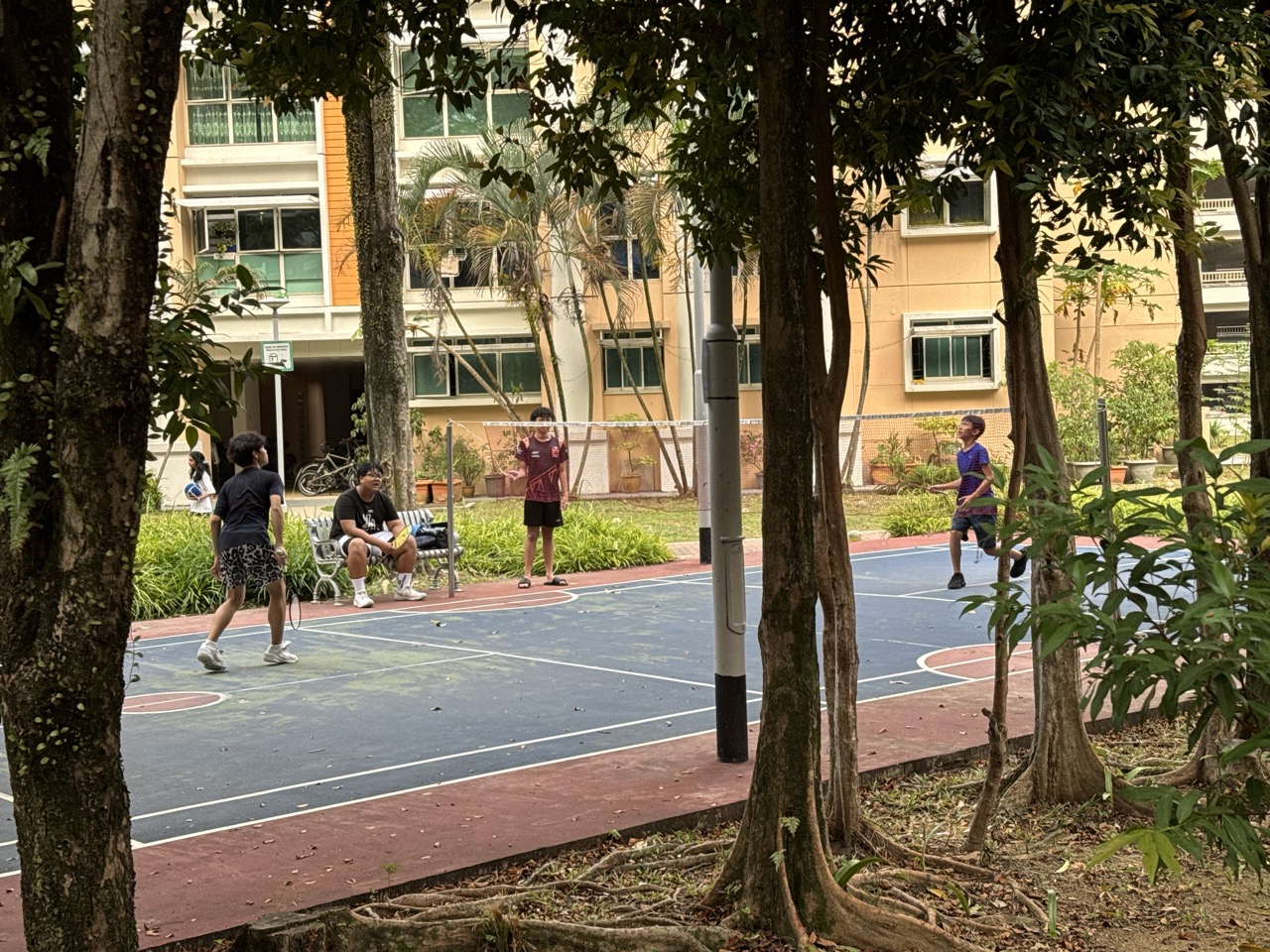
Most neighbourhood badminton games and public gym visits are opportunities for enjoyment, fitness and social connection. Players can practice honesty through scoring, shared use of courts and respecting participants, without turning an ordinary evening into an official anti-doping investigation.
A school or club moving into higher-level competitions may encounter formal codes and education requirements. That transition should be explained calmly rather than making young athletes afraid to participate.
Good sports culture supports both fair competition and welcoming recreation. The purpose is to encourage responsibility rather than suspicion.
A 2027 local guide needs current technical rules
By 2027, a new Prohibited List is in effect, and relevant sport regulations may be updated. The Punggol public facility may also be operating additional services, but that is a separate question from clean-sport governance.
Do not advertise a doping test or medication approval service at Sentul Crescent without explicit operator evidence. Use ADS for the technical rules and ActiveSG for public sport admission.
Keeping those roles separate protects readers from invented services and outdated drug lists.
School CCAs and the limits of adult rules
School CCAs teach rules, cooperation and healthy competition, but ordinary school activities do not automatically follow the same testing obligations as international championships. Students should understand their own actual event regulations rather than assume every sporting environment uses formal doping control.
A school coach can introduce clean-sport values without naming a list of banned medicines or pressuring young pupils to disclose medical details. More technical education becomes appropriate when an athlete enters a competition with specific requirements.
Parents can support that transition by asking the school’s responsible staff for the official governing rules instead of relying on informal rumours.
The National School Games connection
Singapore’s National School Games involve organised school competition with sport-specific rules. A student’s eligibility, conduct and relevant responsibilities need to be confirmed through the school and authorised competition organisers.
Playing a friendly game at a Punggol public court is not proof that the student has entered an official competition. Nor does training at a regional facility automatically provide a national team place or subject everyone to a testing pool.
Keep the different layers of sport clear: recreational access, school competition, national association competition and international-level regulations.
SIT athletes and university sports
Students of the Singapore Institute of Technology at Punggol may participate in university sport under their institution’s rules. The Singapore University Sports Council also advocates anti-doping education and directs competitors to official medication and prohibited-list resources.
The fact that a university student visits Punggol ActiveSG Gym does not itself determine which testing pool or competition rules apply. Those responsibilities come from participation in the relevant sport and event.
Check the university’s current club and competition requirements alongside ADS guidance rather than relying on public gym admission rules.
Do not confuse a medical condition with misconduct
A genuine athlete may require prescribed medicine. Taking medically necessary treatment is a healthcare matter, while sport eligibility under anti-doping rules may require additional checking or an exemption. It would be harmful to treat someone as a cheat simply because they have a chronic condition.
The appropriate path involves the treating clinician, current prohibited-list information and, where necessary, a valid TUE from the authorised body. Private health information should remain within suitable professional channels.
Do not encourage anyone to stop essential treatment because of an unsupported accusation or a social-media interpretation of the rules.
When a medicine is purchased overseas
ADS explains that its Singapore medication database covers products sold locally, while overseas products can require different references such as the Global Drug Reference Online. Medicines with similar brand names may have different formulations, so a casual name match is not enough.
An athlete travelling for competition should seek relevant professional advice in advance and carry suitable documentation through official processes. The actual sport and governing organisation determine which rules apply.
Do not translate a medicine name loosely and assume its anti-doping status. Use proper product information and current official sources.
A negative database search is not permission
If a particular product is missing from a medication database, the absence of a result does not establish that it is permitted. ADS specifically warns about the limits of searches and the separate risks posed by supplements.
A competitive athlete should treat uncertainty as a reason to consult the relevant qualified source, not a loophole. A parent or coach should not declare a substance safe merely because it was difficult to find online.
Preserve the precise product details when asking for professional advice; do not publish private treatment questions in a large sports chat.
Medical records and TUE confidentiality
TUE applications can involve medical reports and other sensitive information. The athlete should submit them to the appropriate authorised organisation under its process, not to casual teammates, event spectators or an unrelated public gym operator.
Parents supporting a minor athlete can help manage communications and records while respecting the learner’s dignity. Coaches should not demand access to more personal information than they legitimately need.
Follow official privacy and case-management instructions. Transparency about sporting compliance does not require exposing private medical histories to the public.
Why performance improvement proves nothing about doping
A player can improve through coaching, training, practice and ordinary physical development. It is unfair and irresponsible to accuse someone of using banned substances simply because their strength, speed or results have improved.
Formal anti-doping allegations require appropriate evidence and handling through competent authorities. Unsupported public rumours can damage reputations, particularly among young athletes and classmates.
Celebrate legitimate sporting progress and use authorised reporting channels for genuine concerns. Guessing from body appearance is not a reliable anti-doping method.
Testing rights and responsibilities
ADS provides education about athlete rights, sample collection, anti-doping processes and applicable obligations. These are governed by formal rules and trained officials. A casual coach or opponent cannot invent a testing requirement for a Punggol recreational game.
An athlete who enters a regulated competition should learn what to expect before an actual test and know which organisation to contact if confused. Understanding procedures can reduce unnecessary fear.
Do not attempt to recreate official testing or interrogate participants at a community facility. Follow the authorised process for real regulated events.
Whereabouts and testing-pool requirements
Certain elite athletes in registered testing pools can have formal whereabouts reporting duties. ADS includes this in its education topics and rules. Such duties should not be applied to every child in a school CCA or every member of the public gym.
A young athlete reading about missed tests might worry that they must declare their exact location whenever they go running. The correct answer depends on whether the athlete has actually been placed in a relevant official pool.
Ask the responsible sport body about the athlete’s own status. Do not fabricate universal location-tracking obligations.
Anti-doping and Safe Sport are separate systems
Anti-doping governance concerns prohibited substances, methods and related sporting conduct. Singapore’s Safe Sport framework addresses harassment, abuse and inappropriate interpersonal behaviour. The frameworks can both matter in sport, but they are not interchangeable reporting routes.
A participant subjected to bullying should not be told that a doping hotline is the only place to seek help. Likewise, a technical TUE enquiry should not be framed as an abuse allegation.
Direct people to the responsible authority for the concern. Clear pathways protect participants and support fair procedure.
A youth coach’s responsibility not to sell
A coach has influence over students who want to improve. Recommending expensive unexplained products through that relationship can create pressure, conflicts of interest or health concerns. An athlete may feel unable to question a respected instructor.
Responsible coaches focus on safe training, realistic progression and credible referrals. They should not promise that a product is absolutely clean or guarantee dramatic results through a purchased powder.
Families can ask about the coach’s professional boundaries and seek independent advice. A sports club should welcome thoughtful questions.
A family conversation about marketing claims
A parent can help a teenager examine a performance-product advertisement without making the discussion confrontational. Ask what the product is, what evidence supports its claims, who sells it and whether an official sport authority has issued relevant cautions.
ADS’s supplement warning explains that contamination and unlisted ingredients are real issues. A testimonial video is not the same as a reliable assessment of an athlete’s individual health or sporting eligibility.
Encourage curiosity and critical thinking. An athlete should be able to say no to an unknown product without losing friends or status.
Why a public gym pass is not specialist education
Buying access to a public gym gives the user the rights described in the operator’s admission product. It does not provide an anti-doping qualification, professional supplement screening or a promise that staff will assess each medicine.
A Punggol gym visitor might attend ordinary recreational activities while independently reading official clean-sport education. The two experiences can complement one another without being the same service.
Do not advertise an unverified anti-doping workshop at Sentul Crescent. Link to the actual ADS education channels for organised training.
Competition-day paperwork is distinct from court booking
Entering a sanctioned event may involve competition rules and acknowledgements beyond facility admission. A court-booking receipt only establishes the permitted use of that space; it does not complete athlete registration or sporting governance requirements.
Parents and coaches should confirm the exact event’s entry documents, eligibility and applicable rulebook before travel. If TUE or medication questions arise, the athlete should use approved specialist channels.
Keep a small checklist of real obligations rather than relying on a generic form copied from an unrelated competition.
Protect young athletes from performance pressure
Young people may feel that winning matters more than health or honesty when adults emphasise rankings constantly. A healthy sporting culture helps them learn technique and handle setbacks without suggesting that risky shortcuts are necessary.
Parents can praise effort, fair decisions, consistent attendance and respectful teammates. Coaches can give realistic feedback without promising instant excellence or using humiliation as motivation.
Clean sport education works best when it supports confidence and responsible values before a technical rules dispute ever occurs.
What fair public sport looks like at Punggol
Most visitors want to enjoy a badminton game, practise a sport or spend time with friends. At that level, fairness includes honest scores, respecting paid bookings, sharing facilities and treating opponents kindly. Participants do not need to know every WADA rule to practise those principles.
When a person moves into formal competition, specific anti-doping obligations may become relevant. This should be presented as learning an additional set of responsibilities, not as a reason to abandon ordinary play.
A welcoming community sports centre can support both recreation and legitimate competitive development.
Report suspected wrongdoing through proper channels
ADS publishes resources for reporting doping concerns and explains protections and conduct expectations around the process. A person with genuine relevant information should use the official procedure, not social-media speculation.
Any allegation can affect reputations and due process. Share accurate facts only with appropriate authorised people, and do not attempt amateur testing, covert investigations or public confrontation.
Responsible reporting protects athletes and supports a fair process. A local blogger should not publish an individual’s name without verified legitimate justification.
2027 verification: read the effective list
The 2027 Prohibited List takes effect on 1 January 2027. Before that date, athletes and support staff can learn about the impending rules, but should still use the edition legally applicable to the actual competition.
Regulators may also publish clarifications or event-specific instructions. A static Punggol blog cannot continually certify the status of medicines, supplements or methods without current official review.
Link to the authoritative live ADS and WADA information, and seek relevant individual guidance.
2028 verification: never reuse a banned-product list blindly
By 2028, WADA may have published another annual edition. A product, method or medication status should be checked against current rules, sport-specific conditions and relevant professional advice.
Likewise, a change in Punggol Sport Centre facilities does not create a public anti-doping service unless the responsible organisation announces one. A physically impressive building is not a regulatory authority.
Separate enduring fair-sport principles from changing lists and local operations. That protects readers from misleading future-year promises.
Your next sporting decision should be responsible
If you are a recreational participant, choose safe and enjoyable activity without pressure to buy unexplained products. If you compete under formal anti-doping rules, identify the relevant governing body, learn current requirements and address medication questions with appropriate professionals.
Parents should help young athletes ask questions and make healthy decisions rather than presenting supplement use as a shortcut to selection. Coaches should respect professional boundaries and refrain from making unsupported clearance claims.
A sport is worth playing fairly. The right next action is verification and education, not a purchase or an invented local testing appointment.
Frequently asked questions
Does ActiveSG Punggol run routine doping tests for visitors?
No such public testing service is established by the centre’s opening. Formal anti-doping testing is administered by authorised bodies under relevant competition rules.
Does the 2027 WADA list apply during 2026?
The 2027 list is scheduled to take effect from 1 January 2027. Check the edition and requirements applicable to the actual event date.
Can an online supplement claim WADA approval?
ADS cautions that anti-doping authorities do not guarantee or approve ordinary dietary supplements as free from prohibited ingredients. Contamination and labelling errors remain risks.
What is strict liability?
Under relevant anti-doping rules, an athlete may be responsible for prohibited substances found in a sample even without intended ingestion.
Should athletes stop prescribed medicines before competition?
Do not stop medical treatment on the basis of a general internet article. Discuss relevant prohibited status with the treating clinician and appropriate anti-doping authority; a TUE may be needed.
What if a medicine is not in the ADS database?
A missing record is not proof that the substance is permitted. Contact ADS or a qualified professional for the applicable sport and medicine.
Are all school athletes in a testing pool?
No such universal obligation should be assumed. Formal testing-pool duties apply to relevant designated athletes under their governing rules.
How do I report a genuine anti-doping concern?
Use Anti-Doping Singapore’s official reporting channels and provide accurate information rather than public accusations or informal investigations.
Official resources and related Punggol reading
- ADS: supplements and strict liability warnings
- ADS: annual WADA Prohibited List
- ADS: 11 anti-doping rule categories
- ADS: clean sport education programme
- ADS Check Medications & Drugs
- ADS: Therapeutic Use Exemption and medical records
- ADS: FAQs on medicines, supplements and whereabouts
- SportSG: athlete support and anti-doping
- Singapore University Sports Council: anti-doping awareness
- eduKatePunggol: teens and CCA sporting development
Your next step
Check the current rules for your actual sport and competition. Use ADS education and appropriate healthcare advice for medication questions, and do not buy an unknown performance supplement based on peer pressure or an unsupported approval claim.
Editorial review: 1 November 2026. This article explains clean-sport education rather than certifying a particular athlete, medicine, supplement or testing venue. Future 2027–2028 prohibited lists and eligibility rules require current ADS/WADA verification.


