
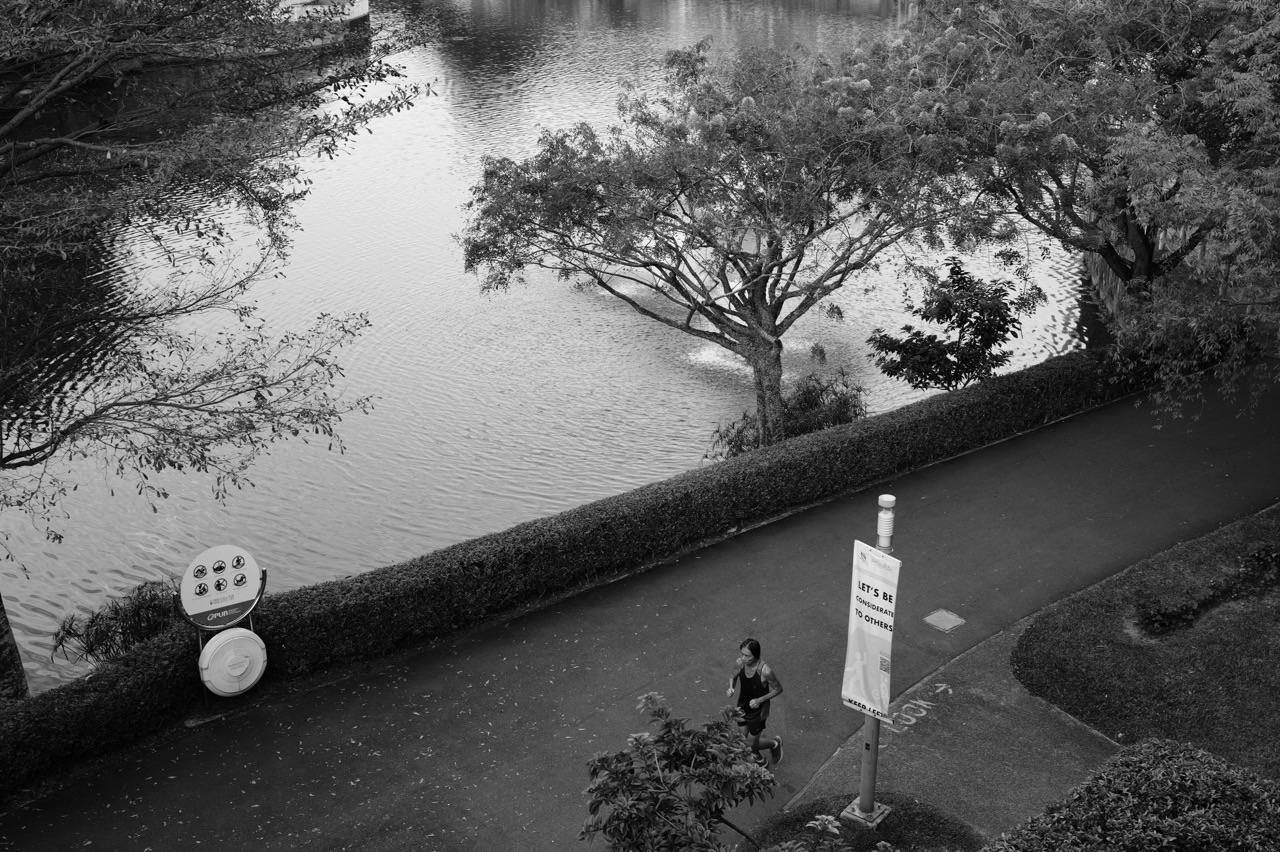
What should Punggol residents expect about heat stress, UV and outdoor safety in 2027? Meteorological Service Singapore already offers live Wet-Bulb Globe Temperature (WBGT) heat-stress readings, while NEA publishes the UV Index and myENV alerts. The 16 October 2026 climate update forecasts El Niño conditions continuing into early 2027, but does not predict a particular Punggol heatwave or guarantee weather on any future day.
Families using Punggol Waterway Park, Coney Island and school sports facilities can use these services to plan safer outdoor activity. The right decisions depend on heat stress, UV exposure, the person’s age and health, duration of exertion and access to shade and water.

Punggol heat and UV: a 2027 family guide
| Heat or UV risk information | Official 2026 advice for a 2027 outing |
|---|---|
| Live heat stress | MSS WBGT map and myENV, with fifteen-minute averaged observations. |
| WBGT factors | Air temperature, humidity, wind and radiant solar heat; not identical to standard air temperature. |
| Moderate heat stress | Reduce prolonged outdoor activity, use shade breaks and increase appropriate fluids. |
| High heat stress | Minimise outdoor activity and use more frequent rest and active cooling. |
| UV protection | NEA advises shade, SPF30+ sunscreen, sunglasses with UVA/UVB protection and hats. |
| Higher UV period | Typically 11am–3pm on relatively clear days, depending on actual clouds. |
| Vulnerable groups | Children, infants, older people, pregnant women, recently ill or chronically ill people and those unfamiliar with local climate. |
| October 2026 seasonal outlook | El Niño likely through early 2027, but not a confirmed specific Punggol heatwave. |
| Emergency | Severe confusion, collapse or seizures with suspected heat stroke: call 995. |
Evidence reviewed 29 October 2026 from MSS, NEA, NParks and workplace safety sources. Use the live readings and professional or emergency guidance for immediate decisions.
What Punggol can and cannot know about 2027 heat
Did you know that Singapore’s Meteorological Service is already forecasting El Niño conditions continuing into early 2027, as of its official update on 16 October 2026? That is a broad seasonal climate outlook, not a prediction that any named Punggol playground will record a heatwave on a particular weekend.
El Niño can influence rainfall and temperatures around the region, but local heat stress depends on weather conditions at the actual time of activity. A family should not use an ENSO forecast alone to decide whether it is safe for a child to run outdoors at noon.
Punggol’s waterfront paths, Coney Island nature trails and open sports fields are valuable places to walk and exercise. They can also expose visitors to sun, humidity and exertion, particularly when the route has limited shelter.
The most useful 2027 preparation is checking Meteorological Service Singapore’s real-time heat-stress map and NEA’s UV information, while adjusting the route for the actual person and conditions.
Why air temperature is not the whole heat story
People often think that a temperature forecast gives a complete measure of heat risk. Singapore’s Meteorological Service uses Wet-Bulb Globe Temperature, or WBGT, because heat stress depends on several environmental factors: air temperature, humidity, wind and solar radiation.
A dry 32-degree day and a humid sunny 32-degree day can create different conditions for the body’s ability to cool itself. In Singapore, humidity limits how quickly sweat evaporates, and strong sunlight adds radiative heating.
WBGT is reported in degrees Celsius but is not the same number as the ordinary air temperature. It should not be calculated by adding a few arbitrary degrees to a weather-app temperature.
A sensible parent can explain the concept by comparing a walk under shade with the same walk across exposed paving. The local conditions feel different because sunlight, wind and moisture affect heat exchange.
The official monitoring map is already available
MSS operates a public heat-stress map at weather.gov.sg/heat-stress and offers readings through the myENV mobile app. The map presents low, moderate and high heat-stress levels using WBGT measurements across Singapore.
The readings are fifteen-minute averages and are automatically updated. This makes the service useful for planning an outdoor activity now rather than basing a decision solely on last month’s weather.
An automated measurement can occasionally be missing or corrected. The nearest reading is a reference for the wider area, not a precise guarantee of the WBGT at every park bench, rooftop or Punggol HDB corridor.
Check conditions close to departure and while out if the day becomes hotter or stormy. A change of weather is a reason to change plans, not to insist on completing a scheduled route.
Low, moderate and high are action categories, not a school examination grade
The public advisory divides heat stress into low, moderate and high bands. Low indicates relatively less concern for normal activity, while moderate calls for reducing prolonged outdoor activity, taking breaks and drinking more. High means minimising outdoor exertion and increasing cooling and recovery time.
These categories are designed for the general population undertaking prolonged outdoor activity. They are not a substitute for an athlete’s sport-specific safety framework, the workplace’s heat-safety requirements or a school’s own outdoor-activity instructions.
The label describes environmental risk, not the physical condition of an individual. An older person, very young child or someone recently unwell can experience difficulty even at a moderate reading.
Families should use the advice as a prompt for practical decisions—shade, shorter routes, hydration and early stopping—rather than a target number to beat.
When in the day should a family walk?
MSS says moderate to high heat stress commonly occurs in the late morning and afternoon. Higher-risk readings are often observed during the hotter months of April and May, although heat stress can occur across the year.
The NEA UV advisory also notes that harmful solar UV radiation tends to be most intense from about 11am to 3pm on clear days. That is a different hazard from heat stress and requires appropriate skin and eye protection.
A young child who wants to visit the waterway might enjoy a shorter early-morning or later-afternoon walk, subject to weather, safe park access and sufficient supervision. But sunset does not automatically mean the air has cooled enough for strenuous exercise.
Check the day’s actual forecast, heat-stress map and lightning risk instead of following a universal rule that every walk at a particular clock time is safe.
The UV Index and WBGT measure different dangers
NEA’s Ultraviolet Index measures solar UV radiation and the potential for skin and eye damage. It reports categories from low through moderate, high, very high and extreme, with readings in Singapore updated during daylight hours.
WBGT indicates environmental heat stress for activity. UV risk and heat stress can overlap on a bright sunny day, but they are not interchangeable measures and one does not replace the other.
NEA and MOH recommend sensible sun protection such as shade, a broad-brimmed hat, sunglasses that block UVA and UVB radiation and sunscreen of at least SPF 30 when prolonged sun exposure cannot be avoided.
Clouds can reduce UV at a particular time, but a cloudy day can still be humid and physically exhausting. A family should consider both the sun and the body’s ability to cool.
Why Coney Island and open waterfront paths need realistic planning
Coney Island Park has a natural, relatively rustic environment and operating hours determined by NParks. A route that is attractive on a map can involve long exposed segments, limited facilities and a return journey that takes more time than expected.
Punggol Waterway Park provides more urban access, benches and links to neighbouring retail and transport facilities, but a runner on a concrete path can still become overheated. The existence of public seating does not make every exposed stretch a safe high-intensity training area.
Plan the outing around the least heat-tolerant member of the group. A route suitable for a healthy adult may not suit a toddler, a person in a wheelchair or an older relative who needs frequent rest.
Carry appropriate water and identify ways to shorten the route safely. Do not cross park closure signs or attempt an unsafe shortcut near the water when returning from an outing.
What groups need extra care
MSS lists several groups that require more caution: children and infants, older adults, pregnant women, people with chronic conditions, those who are ill or recently recovered, and visitors who have recently arrived from cooler climates.
These categories do not mean that every person in a group has identical health risks. Individual capacity, exertion, clothing, acclimatisation and hydration all matter, and qualified medical advice may be appropriate in specific circumstances.
A caregiver should check whether the person is comfortable, can communicate symptoms and has a practical place to rest. A small child may not describe dizziness or thirst as clearly as an adult can.
Someone recently unwell should not feel compelled to complete a long outdoor family run. Rest and an alternative indoor activity may be the more sensible choice.
Heat exhaustion symptoms deserve prompt attention
MSS explains that heat-related illness can involve intense thirst, headache, dizziness, nausea, weakness, muscle cramps, vomiting and other symptoms. These can occur when the body is not cooling effectively during activity.
If someone begins to feel unwell, stop exertion, move to a cooler shaded or indoor area, begin cooling and obtain appropriate help. Offer fluids when the person is conscious and able to swallow safely, using professional guidance as needed.
A neighbour should not dismiss a person as merely unfit or tell a child to continue running to build resilience. A genuine warning symptom is a reason to stop.
If symptoms are severe, persist or worsen, seek qualified medical attention promptly. This article provides general safety information and cannot diagnose an individual.
Heat stroke is a medical emergency
MSS identifies heat stroke as the most serious form of heat-related illness. Warning signs include confusion, disorientation, reduced consciousness, seizures and severe overheating, which can be life-threatening.
If heat stroke is suspected, call Singapore’s emergency ambulance service at 995 immediately, move the person away from heat if safe, and begin active cooling while following emergency dispatcher instructions. Do not delay urgent help to finish a scheduled activity or to wait for the next bus.
Someone who is unconscious or unable to swallow should not be given drinks. Keep the airway and personal safety in mind and follow the emergency guidance provided by trained responders.
High core temperature is common but need not be measured at home before calling for help when serious signs are present. The emergency response is driven by the person’s condition, not a perfect thermometer reading.
Hydration, shade and appropriate clothing are practical controls
The general public heat-stress advice emphasises drinking enough fluids, taking regular shade or indoor rest breaks and avoiding unnecessarily heavy clothing in hot and humid weather. For a sustained outdoor activity, carrying water and identifying refill options can make a difference.
Loose, light-coloured, lightweight clothing can support comfort and sweat evaporation, while hats or umbrellas help reduce direct sunlight. The appropriate choice also depends on the activity and any personal requirements.
Hydration is not a competition to drink as much water as possible. A person doing prolonged intensive sport may have different electrolyte and fluid needs from someone taking a short leisurely walk. Follow sport-specific or medical advice where relevant.
The best planning often reduces exposure in the first place: shorten the route, travel during a better time, choose a shaded alternative and stop before symptoms become serious.
A child’s school sports day uses the school’s own framework
MSS explicitly says school pupils should follow their schools’ heat-stress guidance rather than use the general public advisory as permission to ignore an organiser’s restrictions. Schools must account for ages, supervision, physical intensity and local arrangements.
Parents preparing children for a CCA or physical education lesson can encourage adequate rest, suitable clothing and communicating early when feeling unwell. A school’s instruction to shorten or postpone a session should be respected.
Some public school fields in Punggol are available through ActiveSG at designated weekend times. Public access does not mean an adult or child must play on an exposed pitch when heat, lightning or the facility’s closure notice makes the activity unsuitable.
Heat safety and school resilience are compatible. Learning when to change the plan is a form of sound judgement, not a failure of determination.
Outdoor workers have separate employment obligations
Punggol’s continued development involves delivery riders, maintenance staff, cleaners and construction workers who may spend longer periods outside than a casual park visitor. Workplaces have specific Ministry of Manpower heat-stress requirements that go beyond the general public advice.
Employers should assess actual conditions, provide appropriate rest and hydration, manage acclimatisation and have a response plan, according to the applicable workplace rules. A worker should not be told to rely solely on a recreational WBGT guide if the job has a separate mandatory safety framework.
Residents can be considerate by giving service workers access to appropriate permitted waiting areas and avoiding unreasonable requests that create unnecessary exposure.
A public health advisory provides useful context, but it does not replace the legal employer obligations or professional safety arrangements governing specific work sites.
The October 2026 El Niño outlook is a forecast, not a Punggol heat guarantee
MSS’s 16 October 2026 climate update reports El Niño conditions and forecasts persistence into early 2027, with many models suggesting a gradual weakening during the first part of the year. This is a real dated seasonal outlook that residents may find useful when watching regional weather patterns.
El Niño can influence rainfall patterns in the region, especially during the Southwest Monsoon. However, the relationship with the conditions on a single Punggol afternoon is not deterministic. A forecast made in October must be updated as new climate observations arrive.
Residents should not convert the seasonal outlook into a guaranteed 2027 drought, a fixed number of extreme-heat days or an announced closure of outdoor sports facilities.
The correct next step is monitoring subsequent MSS climate bulletins and daily heat-stress readings while making practical adjustments on the day of activity.
A realistic Punggol outdoor plan for 2027
Before heading out, choose a route appropriate to the participant and check WBGT, UV and lightning conditions using official services. For a longer walk, identify shelter, water and a legal shortcut back to a bus, LRT or public facility.
Let children and older adults set the pace. Avoid unnecessary exposure during periods when UV or heat stress is high. If the weather deteriorates or a person develops symptoms, end the activity and seek help as appropriate.
Afterwards, review what worked. Did the group bring enough water? Was the route too long? Was shade actually available where expected? These questions improve the next outing more than treating every missed exercise target as a disappointment.
Nothing in the official sources confirms a new Punggol-specific 2027 heatwave or guarantees a safe temperature at every hour. Responsible preparation combines real-time information, sensible behaviour and respect for individual limits.
Punggol outdoor heat-safety checklist
- Check the current WBGT heat-stress map, UV Index and lightning forecast before prolonged outdoor activity.
- Choose appropriate time, route, shade and places to rest or shorten the outing.
- Carry water and use suitable clothing and sun protection.
- Use extra care with children, older adults and those with relevant health needs.
- Stop exercise early when weakness, dizziness, nausea or other heat-related symptoms appear.
- Call 995 promptly for suspected heat stroke or severe altered consciousness.
- Follow school, SportSG or workplace-specific safety instructions where applicable.
- Do not interpret a seasonal climate outlook as a local day-by-day weather guarantee.
Frequently asked questions
Is Punggol forecast to have a heatwave on a specific date in 2027?
No. MSS’s seasonal outlook does not predict a local heatwave at an exact future day.
What is WBGT?
Wet-Bulb Globe Temperature, combining effects of air temperature, humidity, wind and solar radiation.
Is WBGT the same as normal thermometer temperature?
No. MSS explains they are different quantities and cannot be simply converted.
Where can I check live heat stress near Punggol?
Use MSS’s weather.gov.sg heat-stress map or the myENV app.
How often are the measurements updated?
MSS provides fifteen-minute averaged WBGT readings updated roughly every fifteen minutes.
When is heat stress more common?
MSS identifies late morning and afternoon, especially during hotter months such as April and May.
When is UV radiation often highest?
NEA points to roughly 11am–3pm on clear days.
What sunscreen does NEA recommend?
At least SPF 30 along with shade, a hat and suitable sunglasses.
Are children and older adults more vulnerable?
They are among the groups for whom MSS advises extra caution.
Can someone have heat stress at night?
Yes. MSS warns humidity and strenuous exertion can still pose risks after sunset.
What if someone becomes dizzy on a run?
Stop, move to a cooler place and seek appropriate help if symptoms persist or worsen.
When is heat stroke an emergency?
Confusion, collapse, seizures or other severe overheating signs warrant immediate medical emergency help on 995.
Does El Niño guarantee no rain in Punggol in early 2027?
No. It influences seasonal tendencies but does not fix local weather or specific rainfall days.
Should a school follow only the public heat guide?
Schools should apply their own heat-safety procedures and instructions.
Official weather, public health and park sources
- MSS current Singapore heat-stress map and MOH advice
- MSS explains WBGT, humidity, symptoms and high-risk groups
- MSS 16 October 2026 El Niño outlook continuing into early 2027
- NEA UV Index and official sun protection
- NEA UV radiation and time-of-day explanations
- NEA myENV weather, UV, heat and public warnings
- NParks Punggol Waterway Park visiting information
- NParks Coney Island Park visiting and access information
- MOM workplace heat stress safety guidance
Related Punggol 2027 outdoor guides
- Punggol 2027 heavy rain, flood alerts and coastal research
- Punggol 2027 cycling and safe shared waterway paths
- Punggol 2027 Coney Island nature walks and park access
- Punggol 2027 weekend school fields and family sport
- Punggol 2027 Waterway Park bridges and family recreation
Editorial note: 29 October 2026. This article describes general environmental risk and public advice, not a diagnosis or an exact 2027 weather prediction. For severe illness or heat stroke, immediate professional medical help is required.


