
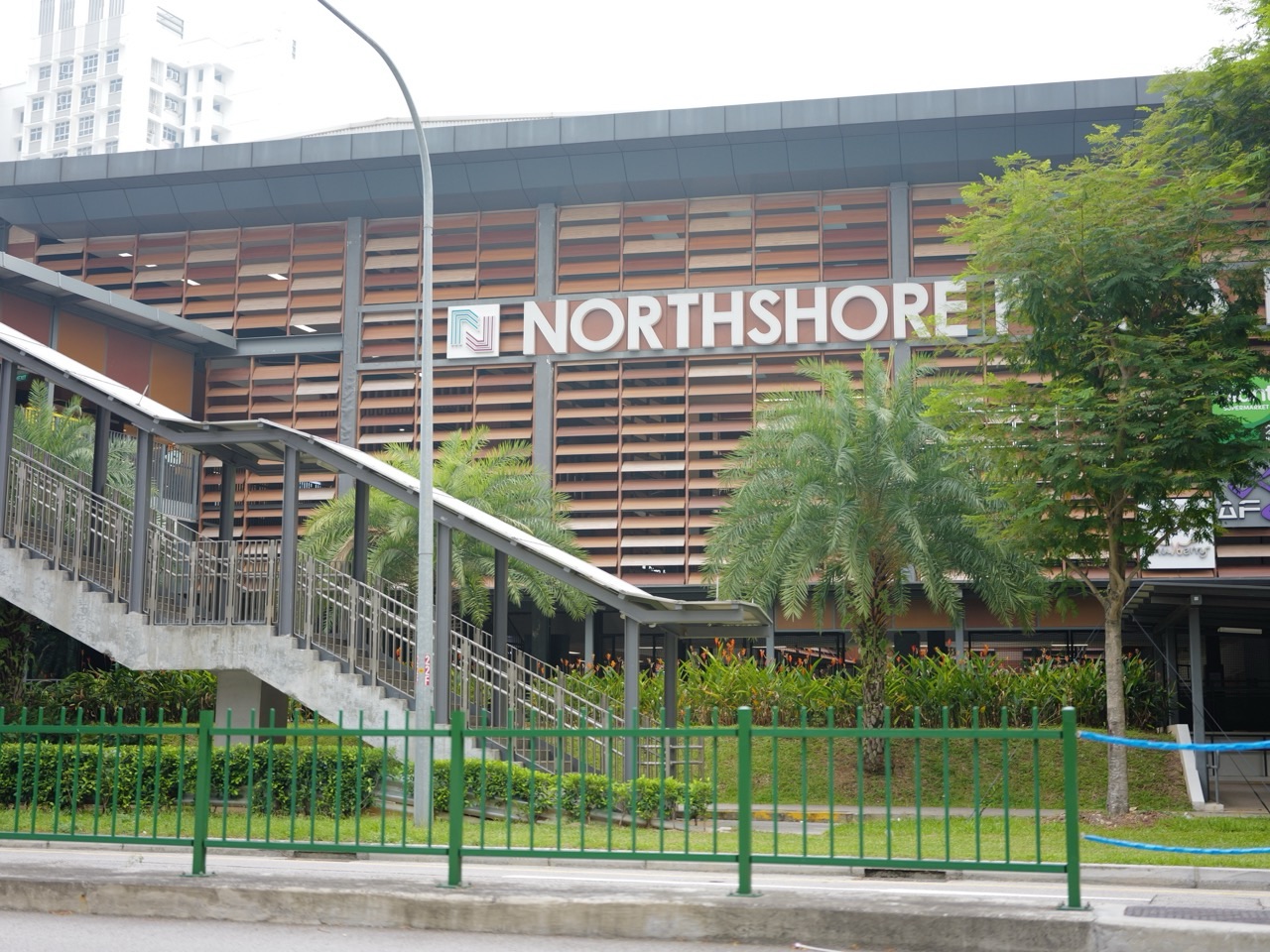
What should Punggol residents expect from household recycling in 2027? Singapore’s Return Right ten-cent beverage refund scheme is already running, with full implementation from 1 October 2026 and a planned nationwide expansion towards 2,000 return machines in its first year. Punggol Northshore also has established smart pneumatic refuse and recycling systems, while Cora Environment serves the City–Punggol public waste collection sector.
These are different programmes. The Return Right deposit applies only to marked eligible plastic and metal bottles or cans. Ordinary blue bins accept approved clean recyclables, e-waste requires specialist collection, and pneumatic housing waste chutes do not make contaminated items magically reusable. This guide explains the existing arrangements and realistic 2027 expansion plans.

Punggol recycling in 2027: the quick answer
| Recycling service | Status and meaning for Punggol in 2027 |
|---|---|
| Return Right beverage deposits | Operating since 1 April 2026, fully implemented 1 October 2026. Eligible marked bottles/cans receive a 10-cent refund. |
| National 2027 target | Increase from over 1,000 machines at launch towards 2,000 nationwide within the scheme’s first year, not 2,000 in Punggol. |
| Punggol Northshore PWCS | Established smart enclosed-pipe refuse and recyclables system in participating HDB developments. |
| Ordinary blue bins | Continue to receive suitable clean paper, plastic, metal and glass recyclables. |
| City–Punggol public waste collector | NEA names Cora Environment Pte Ltd in its sector table. |
| Regulated e-waste | Special collection through ALBA and other approved programmes; do not put batteries in general or blue bins. |
Information verified against NEA and HDB records as at 28 October 2026. Exact 2027 return-point locations, operator schedules and machine availability require current checks.
2027 begins after a major recycling change in October 2026
Did you know that Singapore has already started its national Beverage Container Return Scheme? It began on 1 April 2026, with a six-month industry transition that ended on 30 September 2026. From 1 October 2026, regulated pre-packaged plastic and metal drink containers supplied in Singapore must carry the official deposit mark and include a refundable 10-cent deposit.
For Punggol families, this is not an entirely new programme to wait for in 2027. It is a system already shaping daily shopping habits. The important first-year goal is to grow the island-wide network of Return Right reverse vending machines from over 1,000 at launch towards 2,000 return points within the first year.
That 2,000 figure is an intended nationwide milestone around the first anniversary in 2027, not a guarantee that Punggol alone will gain 2,000 machines or that every HDB block will have one at its void deck.
What drink packaging earns a ten-cent refund?
NEA’s Return Right consumer guide says eligible containers are plastic or metal, between 150 millilitres and three litres, carrying the official BCRS Deposit Mark and a readable barcode. Products include many pre-packed water, soft-drink, dairy-drink and juice bottles or cans.
The condition of the container matters. It must be emptied and remain substantially intact, not crushed or flattened, because the return machine needs to recognise the approved barcode. A cap or packaging element should be handled according to the current machine and operator instructions.
Glass bottles, paper cartons, drink pouches, cups of freshly prepared bubble tea or coffees, and containers outside the regulated volume range are not part of the deposit scheme. They do not automatically produce a refund even when their material seems recyclable.
A family should not assume every item in the refrigerator has a 10-cent deposit merely because the drink is in a bottle. The decisive evidence is the official deposit mark and relevant scheme rules.
The transition ended before 2027
During April–September 2026, retailers could sell both old stocks without the mark and regulated marked containers with the deposit. Only the latter were eligible for refund. NEA set this transition to give producers and retailers time to adjust their packaging and billing.
From October 2026, the full implementation rules apply to regulated beverages supplied in Singapore. If a Punggol resident is still carrying an older unmarked bottle, that does not make it eligible for a retroactive refund. Use the appropriate normal recycling channel if the material can be recycled.
Some older online pages carry the original three-month transition ending June 2026. NEA subsequently extended the transition to six months. Read the latest October 2026 rules rather than repeat an outdated deadline.
Knowing this history matters in 2027 because prices and deposit claims will be easier to understand when consumers distinguish the drink price from the refundable packaging value.
How to return a bottle in three practical steps
First find the Return Right symbol on the empty bottle or can. Check that it remains uncrushed and the barcode is legible. Do not place a dirty food container or ordinary glass item into the machine.
Second, locate a current authorised Return Right machine or participating collection outlet. NEA describes machines at supermarkets, town centres, some hawker centres and residential areas, with the network still being expanded. Use the official Return Right locator instead of assuming an old shopping-centre list is current.
Third, follow the on-screen instructions and receive the ten-cent refund using supported payment modes such as a SimplyGo EZ-Link card, including applicable concession cards, or DBS PayLah!. The exact process may evolve as the operator updates the system.
If a machine is full, offline or rejects an item, do not force the bottle into the slot or leave it on the floor. Check the deposit mark, seek the designated service instructions or choose another authorised return point.
A refundable deposit is not a new environmental tax
NEA says the ten cents is a refundable deposit attached to a qualifying container. It is added at checkout and can be returned to the buyer once the empty eligible container is collected. The deposit itself is not subject to GST, although the drink sale remains subject to normal tax rules.
Major supermarkets agreed to display beverage prices before the deposit and show the additional ten cents at checkout. This can lead to a familiar misunderstanding: a shopper sees a shelf price and then a slightly higher payment total.
A household can treat marked containers as small reusable-value items until returned. But no one gets extra income simply from recycling a container for which the deposit was not paid. The scheme is designed to encourage clean collection and material recovery.
Families should check that the refund goes through before counting it as money recovered. The system is a recycling incentive and not a guaranteed cash-for-trash reward for every form of waste.
What Punggol Northshore’s pneumatic waste system adds
Punggol Northshore has another established feature: HDB’s smart Pneumatic Waste Conveyance System, introduced as part of the smart and sustainable district. HDB’s annual-report account describes waste and recyclables deposited through separate chutes, with enclosed pipes conveying material to collection points.
This is infrastructure built for particular residential developments, not evidence that every HDB block elsewhere in Punggol uses the same waste technology. Its purpose includes cleaner handling and more organised waste collection, while the system still requires households to separate materials correctly.
One practical concern remains important: a food-stained object placed into the recycling chute does not magically become recyclable because it travelled through an enclosed pipe. Machines cannot recover value from heavily contaminated waste without appropriate processing.
A resident should use the designated refuse and recycling chutes according to the estate’s posted instructions. Oversized items, hazardous batteries and e-waste require alternative channels, even in a smart housing district.
Why the ordinary blue recycling bin still matters
NEA’s National Recycling Programme provides collection of paper, plastic, metal and glass recyclables through blue recycling bins in the residential estates it serves. The common collection stream makes recycling convenient, but material must be suitable and reasonably free of contamination.
NEA stated in August 2026 that around 40% of material in Singapore’s blue recycling bins was contaminated. That is a national estimate and should not be presented as a measured contamination rate for a particular Punggol block.
Food and liquid contamination can spoil other items in a bin. One takeaway box containing leftovers may affect otherwise clean paper and cardboard. Emptying containers and separating refuse from recyclables are simple but important actions.
The return scheme for marked bottles and cans complements these blue bins rather than replacing every other recycling programme. Glass and paper packaging outside Return Right can still use the correct normal recycling channels when appropriate.
Who collects ordinary refuse and recyclables in City–Punggol?
NEA’s current public waste collection sector table identifies Cora Environment Pte Ltd as the collector for the City–Punggol sector. The agency publishes Cora’s general hotline as 6861 2288. This is a different organisation from BCRS Ltd., which manages beverage deposit returns, and ALBA, which manages regulated consumer e-waste collection.
Different waste services have different routes and responsibilities. A resident should report problems with the normal collection schedule through the responsible public waste collector or relevant managing authority, not the beverage return machine’s payment helpdesk.
Cash-for-Trash stations are a separate incentive mechanism administered through collectors. NEA’s current page warns that stations are being resumed and asks residents to use the collector’s latest schedule. There is no justification to promise a permanent Cash-for-Trash booth at every Punggol neighbourhood centre.
For an HDB resident, the precise block and type of waste should be identified before making an enquiry, because bulky removal, town-council responsibilities and ordinary kerbside collection are not always the same service.
Electronic waste needs a specialist collection channel
Old phones, batteries, power banks, laptops and lamps should not be dropped indiscriminately into blue bins. NEA’s e-waste collection page lists the regulated collection system operated by ALBA and shows designated bins for different categories of electronics.
Before recycling a phone or computer, back up important files, sign out of accounts and remove personal information appropriately. Delete data securely where feasible and use a reputable authorised recycler. The presence of a recycling logo does not protect account data by itself.
For batteries, NEA advises taping the ends of rechargeable batteries to reduce short-circuit risk and sealing leaking ones safely as directed. The right battery bin can differ from the bin used for ICT equipment or bulbs.
Large appliances and other bulky electrical items may require an authorised collection drive, retailer take-back, or scheduled doorstep service. Leaving a broken refrigerator beside a blue recycling bin is not equivalent to arranging approved collection.
The 2027 expansion goal and what it cannot guarantee
NEA’s March 2026 implementation update aimed to expand Return Right reverse vending machines to 2,000 locations within the scheme’s first year. Those return points are planned nationwide, subject to deployment and demand. A resident should check the actual location finder for a convenient Punggol machine rather than infer an installation from the numerical target.
More machines can make refunds more convenient, especially for families who do not drive. However, a physical machine can be temporarily full or unavailable, so a reliable plan still needs an alternate point or a later visit.
The success of this programme depends not only on machine quantity but on clean and correct returns. NEA’s national contamination figures illustrate why sorting at the source matters.
Future reviews of Singapore’s Zero Waste Masterplan may introduce other measures, but those should not be described as enacted 2027 regulations before the responsible authority publishes final details.
A practical family recycling routine
Give clean marked bottles and cans a dedicated place at home. Rinse or empty as required, leave them intact and use a small container so they are not accidentally crushed under other rubbish.
Keep ordinary recyclable paper, cardboard, plastics, metals and glass separate from food scraps and general refuse. Keep dangerous electronics and batteries in a safe temporary storage location until a suitable collection point is visited.
When heading to an authorised return machine, take the preferred refund card or supported payment method and combine the outing with a normal grocery trip where practical. Children can help count containers under supervision without treating waste collection as a competition to gather unknown objects.
Teach the underlying principle: reducing unnecessary purchases and reusing suitable items often avoids waste before recycling is required. A smarter Punggol neighbourhood is one where residents make good choices even when the technology is invisible.
A simple Punggol household plan
- Check for the official Return Right deposit mark before storing a beverage container for a refund.
- Leave eligible cans and bottles intact and empty; do not crush the barcode.
- Use the official location finder and supported refund method before taking containers out.
- Keep clean mixed recyclables separate from ordinary refuse and leftovers.
- Never deposit used batteries or electronics in a blue bin; use specialist e-waste collection.
- Follow posted rules for any Northshore pneumatic waste or recycling chute.
- Contact the relevant collector or town council with an exact block when reporting missed refuse collection.
- Treat the 2,000-machine milestone as a national plan requiring later confirmation.
Frequently asked questions
Did the ten-cent beverage scheme start in 2027?
No. It began 1 April 2026, with full implementation from 1 October 2026.
What types of containers qualify?
Marked plastic and metal pre-packaged beverage containers from 150 ml to 3 litres.
Can I return a crushed can?
Do not crush or flatten it; the machine needs an intact container and readable barcode.
Are milk cartons and glass bottles eligible?
They are outside the 10-cent deposit scheme, although some materials may be recyclable through other channels.
How do I receive the refund?
The official scheme supports options including SimplyGo EZ-Link and DBS PayLah! at Return Right machines.
Are there definitely 2,000 Return Right machines in Punggol in 2027?
No. NEA’s ambition is 2,000 nationwide within the first year, not in Punggol alone.
Does every Punggol home have pneumatic waste chutes?
No. HDB’s smart PWCS is documented in specific developments such as Punggol Northshore.
Who collects ordinary City–Punggol refuse?
NEA currently names Cora Environment as the public waste collector for that sector.
Can I put rechargeable batteries in the blue bin?
No. Use appropriate specialist e-waste bins following NEA safety advice.
What is the blue bin contamination problem?
NEA stated in August 2026 that around 40% of the national blue-bin recycling stream was contaminated.
Can any old unmarked bottle earn a ten-cent refund?
No. The deposit mark is required to demonstrate scheme eligibility.
Official government and scheme sources
- NEA: Return Right consumer guide, dates, eligibility and refunds
- NEA: full Beverage Container Return Scheme and 2,000-machine goal
- NEA August 2026: around 40% blue-bin contamination
- HDB: Punggol Northshore pneumatic waste and smart management
- NEA: National Recycling Programme and blue bins
- NEA: public waste collection by sector, including Cora City–Punggol
- NEA: regulated e-waste and batteries collection map
- NEA: current recycling and Cash-for-Trash collection points
- Return Right official consumer location finder
Further Punggol resident guides
- Earlier detailed guide: Punggol beverage-container refunds
- What to Worry About in Punggol 2027–2028: Return Right and e-waste
- Northshore 2027 homes and amenities
- 2027 smart parking in Northshore and Matilda
- Punggol local residents’ guide
Editorial note: 28 October 2026. This article distinguishes already-operating systems, the national first-year RVM target and particular HDB-estate facilities. It does not claim that every Punggol return point or pneumatic system is available at all times.


