
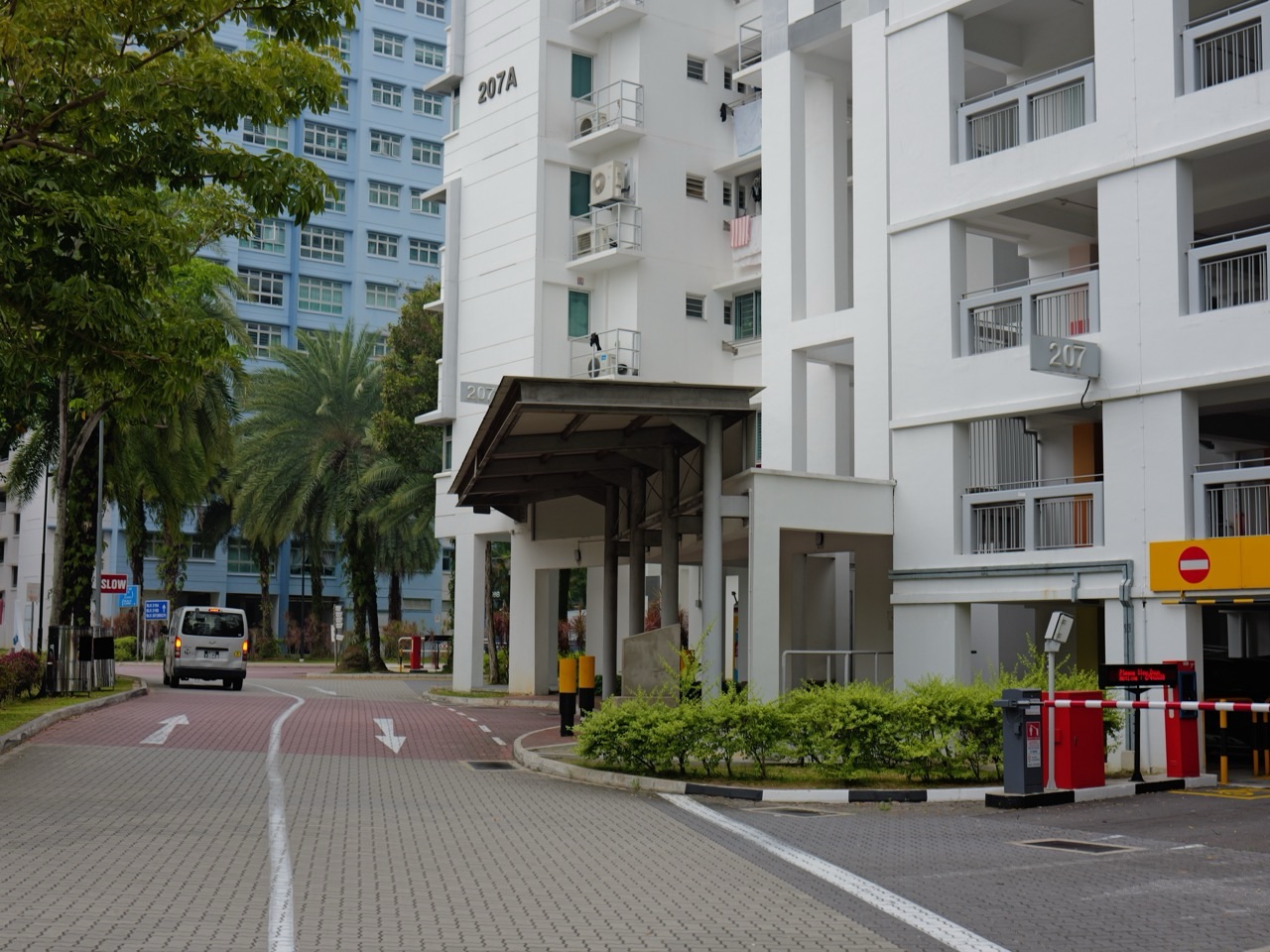
Quick answer: A lift that stops between floors is different from a lift temporarily closed for scheduled maintenance. This guide explains lift reliability, safe trapped-passenger response, Town Council lift maintenance, emergency communications in Punggol using cautious, practical advice. Always follow current official instructions and site notices rather than treating an old article or photo as live operational information.

Punggol residents share building services, public access and neighbourhood responsibilities. An everyday observation can have more than one cause, and a useful report separates what is actually visible from what a professional still needs to establish. The following explanations are organised for quick information retrieval, with examples and practical decisions for families.
Fast reference
| Situation | Useful principle |
|---|---|
| First observation | A lift that stops between floors is different from a lift temporarily closed for scheduled maintenance. |
| Safety decision | If trapped, use the lift alarm or intercom and follow instructions; do not pry doors open or climb out. |
| Correct authority | For a medical or fire emergency use Singapore’s emergency services; ordinary faults go to the lift maintenance contact or Town Council. |
| Family access | Lift safety signs, maintenance notices and accessible alternative routes matter for families using prams and mobility aids. |
| Useful evidence | A reported fault should include block, lift identifier, floor, time and the observed problem, without a speculative mechanical diagnosis. |
1. What the system is designed to do
A lift that stops between floors is different from a lift temporarily closed for scheduled maintenance. In a built-up neighbourhood such as Punggol, the same visible symptom can arise in several different circumstances. Start with the precise location and the immediate risk, then determine what additional information is needed. A resident should not assign technical blame simply because the nearest building, neighbour or service appears connected to the problem. That distinction helps the responsible party assess it properly.
If trapped, use the lift alarm or intercom and follow instructions; do not pry doors open or climb out. This is especially important for households with children, older adults, or residents who use mobility aids. A short inconvenience to one person may interrupt another person’s essential route or daily routine. The safest plan preserves access where possible, uses a suitable alternative and respects restricted or emergency equipment. Avoid turning a small defect into a new hazard by attempting an unauthorised repair.
For a medical or fire emergency use Singapore’s emergency services; ordinary faults go to the lift maintenance contact or Town Council. Keep dates, notices and observations separate from assumptions. A photograph can record a condition at one moment, but it cannot show an unseen cause or certify that a repair has been completed. If an operator or agency has issued current instructions, follow those instead of relying on an undated message. A precise account is both more useful and more credible than a sweeping claim about all Punggol homes.
Punggol household example 1
Consider a family living in a Punggol HDB precinct that encounters the situation described above. One adult first checks that nobody is exposed to an immediate hazard; another records the actual location, time and affected facility from a safe position. They use the appropriate official or estate-management channel and keep a practical alternative ready. They do not force access to restricted equipment, publish a neighbour’s private information or claim that a professional cause has already been established. This is the distinction between responsible observation and unsafe speculation.
2. What residents commonly misunderstand
If trapped, use the lift alarm or intercom and follow instructions; do not pry doors open or climb out. In a built-up neighbourhood such as Punggol, the same visible symptom can arise in several different circumstances. Start with the precise location and the immediate risk, then determine what additional information is needed. A resident should not assign technical blame simply because the nearest building, neighbour or service appears connected to the problem. That distinction helps the responsible party assess it properly.
For a medical or fire emergency use Singapore’s emergency services; ordinary faults go to the lift maintenance contact or Town Council. This is especially important for households with children, older adults, or residents who use mobility aids. A short inconvenience to one person may interrupt another person’s essential route or daily routine. The safest plan preserves access where possible, uses a suitable alternative and respects restricted or emergency equipment. Avoid turning a small defect into a new hazard by attempting an unauthorised repair.
Lift safety signs, maintenance notices and accessible alternative routes matter for families using prams and mobility aids. Keep dates, notices and observations separate from assumptions. A photograph can record a condition at one moment, but it cannot show an unseen cause or certify that a repair has been completed. If an operator or agency has issued current instructions, follow those instead of relying on an undated message. A precise account is both more useful and more credible than a sweeping claim about all Punggol homes.
Punggol household example 2
Consider a family living in a Punggol HDB precinct that encounters the situation described above. One adult first checks that nobody is exposed to an immediate hazard; another records the actual location, time and affected facility from a safe position. They use the appropriate official or estate-management channel and keep a practical alternative ready. They do not force access to restricted equipment, publish a neighbour’s private information or claim that a professional cause has already been established. This is the distinction between responsible observation and unsafe speculation.
3. The immediate safety decision
For a medical or fire emergency use Singapore’s emergency services; ordinary faults go to the lift maintenance contact or Town Council. In a built-up neighbourhood such as Punggol, the same visible symptom can arise in several different circumstances. Start with the precise location and the immediate risk, then determine what additional information is needed. A resident should not assign technical blame simply because the nearest building, neighbour or service appears connected to the problem. That distinction helps the responsible party assess it properly.
Lift safety signs, maintenance notices and accessible alternative routes matter for families using prams and mobility aids. This is especially important for households with children, older adults, or residents who use mobility aids. A short inconvenience to one person may interrupt another person’s essential route or daily routine. The safest plan preserves access where possible, uses a suitable alternative and respects restricted or emergency equipment. Avoid turning a small defect into a new hazard by attempting an unauthorised repair.
A reported fault should include block, lift identifier, floor, time and the observed problem, without a speculative mechanical diagnosis. Keep dates, notices and observations separate from assumptions. A photograph can record a condition at one moment, but it cannot show an unseen cause or certify that a repair has been completed. If an operator or agency has issued current instructions, follow those instead of relying on an undated message. A precise account is both more useful and more credible than a sweeping claim about all Punggol homes.
Punggol household example 3
Consider a family living in a Punggol HDB precinct that encounters the situation described above. One adult first checks that nobody is exposed to an immediate hazard; another records the actual location, time and affected facility from a safe position. They use the appropriate official or estate-management channel and keep a practical alternative ready. They do not force access to restricted equipment, publish a neighbour’s private information or claim that a professional cause has already been established. This is the distinction between responsible observation and unsafe speculation.
4. How to identify the correct managing party
Lift safety signs, maintenance notices and accessible alternative routes matter for families using prams and mobility aids. In a built-up neighbourhood such as Punggol, the same visible symptom can arise in several different circumstances. Start with the precise location and the immediate risk, then determine what additional information is needed. A resident should not assign technical blame simply because the nearest building, neighbour or service appears connected to the problem. That distinction helps the responsible party assess it properly.
A reported fault should include block, lift identifier, floor, time and the observed problem, without a speculative mechanical diagnosis. This is especially important for households with children, older adults, or residents who use mobility aids. A short inconvenience to one person may interrupt another person’s essential route or daily routine. The safest plan preserves access where possible, uses a suitable alternative and respects restricted or emergency equipment. Avoid turning a small defect into a new hazard by attempting an unauthorised repair.
A lift that stops between floors is different from a lift temporarily closed for scheduled maintenance. Keep dates, notices and observations separate from assumptions. A photograph can record a condition at one moment, but it cannot show an unseen cause or certify that a repair has been completed. If an operator or agency has issued current instructions, follow those instead of relying on an undated message. A precise account is both more useful and more credible than a sweeping claim about all Punggol homes.
Punggol household example 4
Consider a family living in a Punggol HDB precinct that encounters the situation described above. One adult first checks that nobody is exposed to an immediate hazard; another records the actual location, time and affected facility from a safe position. They use the appropriate official or estate-management channel and keep a practical alternative ready. They do not force access to restricted equipment, publish a neighbour’s private information or claim that a professional cause has already been established. This is the distinction between responsible observation and unsafe speculation.
5. What a clear report should contain
A reported fault should include block, lift identifier, floor, time and the observed problem, without a speculative mechanical diagnosis. In a built-up neighbourhood such as Punggol, the same visible symptom can arise in several different circumstances. Start with the precise location and the immediate risk, then determine what additional information is needed. A resident should not assign technical blame simply because the nearest building, neighbour or service appears connected to the problem. That distinction helps the responsible party assess it properly.
A lift that stops between floors is different from a lift temporarily closed for scheduled maintenance. This is especially important for households with children, older adults, or residents who use mobility aids. A short inconvenience to one person may interrupt another person’s essential route or daily routine. The safest plan preserves access where possible, uses a suitable alternative and respects restricted or emergency equipment. Avoid turning a small defect into a new hazard by attempting an unauthorised repair.
If trapped, use the lift alarm or intercom and follow instructions; do not pry doors open or climb out. Keep dates, notices and observations separate from assumptions. A photograph can record a condition at one moment, but it cannot show an unseen cause or certify that a repair has been completed. If an operator or agency has issued current instructions, follow those instead of relying on an undated message. A precise account is both more useful and more credible than a sweeping claim about all Punggol homes.
Punggol household example 5
Consider a family living in a Punggol HDB precinct that encounters the situation described above. One adult first checks that nobody is exposed to an immediate hazard; another records the actual location, time and affected facility from a safe position. They use the appropriate official or estate-management channel and keep a practical alternative ready. They do not force access to restricted equipment, publish a neighbour’s private information or claim that a professional cause has already been established. This is the distinction between responsible observation and unsafe speculation.
6. Why location and timing matter
A lift that stops between floors is different from a lift temporarily closed for scheduled maintenance. In a built-up neighbourhood such as Punggol, the same visible symptom can arise in several different circumstances. Start with the precise location and the immediate risk, then determine what additional information is needed. A resident should not assign technical blame simply because the nearest building, neighbour or service appears connected to the problem. That distinction helps the responsible party assess it properly.
If trapped, use the lift alarm or intercom and follow instructions; do not pry doors open or climb out. This is especially important for households with children, older adults, or residents who use mobility aids. A short inconvenience to one person may interrupt another person’s essential route or daily routine. The safest plan preserves access where possible, uses a suitable alternative and respects restricted or emergency equipment. Avoid turning a small defect into a new hazard by attempting an unauthorised repair.
For a medical or fire emergency use Singapore’s emergency services; ordinary faults go to the lift maintenance contact or Town Council. Keep dates, notices and observations separate from assumptions. A photograph can record a condition at one moment, but it cannot show an unseen cause or certify that a repair has been completed. If an operator or agency has issued current instructions, follow those instead of relying on an undated message. A precise account is both more useful and more credible than a sweeping claim about all Punggol homes.
Punggol household example 6
Consider a family living in a Punggol HDB precinct that encounters the situation described above. One adult first checks that nobody is exposed to an immediate hazard; another records the actual location, time and affected facility from a safe position. They use the appropriate official or estate-management channel and keep a practical alternative ready. They do not force access to restricted equipment, publish a neighbour’s private information or claim that a professional cause has already been established. This is the distinction between responsible observation and unsafe speculation.
7. How children and older adults are affected
If trapped, use the lift alarm or intercom and follow instructions; do not pry doors open or climb out. In a built-up neighbourhood such as Punggol, the same visible symptom can arise in several different circumstances. Start with the precise location and the immediate risk, then determine what additional information is needed. A resident should not assign technical blame simply because the nearest building, neighbour or service appears connected to the problem. That distinction helps the responsible party assess it properly.
For a medical or fire emergency use Singapore’s emergency services; ordinary faults go to the lift maintenance contact or Town Council. This is especially important for households with children, older adults, or residents who use mobility aids. A short inconvenience to one person may interrupt another person’s essential route or daily routine. The safest plan preserves access where possible, uses a suitable alternative and respects restricted or emergency equipment. Avoid turning a small defect into a new hazard by attempting an unauthorised repair.
Lift safety signs, maintenance notices and accessible alternative routes matter for families using prams and mobility aids. Keep dates, notices and observations separate from assumptions. A photograph can record a condition at one moment, but it cannot show an unseen cause or certify that a repair has been completed. If an operator or agency has issued current instructions, follow those instead of relying on an undated message. A precise account is both more useful and more credible than a sweeping claim about all Punggol homes.
Punggol household example 7
Consider a family living in a Punggol HDB precinct that encounters the situation described above. One adult first checks that nobody is exposed to an immediate hazard; another records the actual location, time and affected facility from a safe position. They use the appropriate official or estate-management channel and keep a practical alternative ready. They do not force access to restricted equipment, publish a neighbour’s private information or claim that a professional cause has already been established. This is the distinction between responsible observation and unsafe speculation.
8. What photographs can and cannot establish
For a medical or fire emergency use Singapore’s emergency services; ordinary faults go to the lift maintenance contact or Town Council. In a built-up neighbourhood such as Punggol, the same visible symptom can arise in several different circumstances. Start with the precise location and the immediate risk, then determine what additional information is needed. A resident should not assign technical blame simply because the nearest building, neighbour or service appears connected to the problem. That distinction helps the responsible party assess it properly.
Lift safety signs, maintenance notices and accessible alternative routes matter for families using prams and mobility aids. This is especially important for households with children, older adults, or residents who use mobility aids. A short inconvenience to one person may interrupt another person’s essential route or daily routine. The safest plan preserves access where possible, uses a suitable alternative and respects restricted or emergency equipment. Avoid turning a small defect into a new hazard by attempting an unauthorised repair.
A reported fault should include block, lift identifier, floor, time and the observed problem, without a speculative mechanical diagnosis. Keep dates, notices and observations separate from assumptions. A photograph can record a condition at one moment, but it cannot show an unseen cause or certify that a repair has been completed. If an operator or agency has issued current instructions, follow those instead of relying on an undated message. A precise account is both more useful and more credible than a sweeping claim about all Punggol homes.
Punggol household example 8
Consider a family living in a Punggol HDB precinct that encounters the situation described above. One adult first checks that nobody is exposed to an immediate hazard; another records the actual location, time and affected facility from a safe position. They use the appropriate official or estate-management channel and keep a practical alternative ready. They do not force access to restricted equipment, publish a neighbour’s private information or claim that a professional cause has already been established. This is the distinction between responsible observation and unsafe speculation.
9. What to avoid doing yourself
Lift safety signs, maintenance notices and accessible alternative routes matter for families using prams and mobility aids. In a built-up neighbourhood such as Punggol, the same visible symptom can arise in several different circumstances. Start with the precise location and the immediate risk, then determine what additional information is needed. A resident should not assign technical blame simply because the nearest building, neighbour or service appears connected to the problem. That distinction helps the responsible party assess it properly.
A reported fault should include block, lift identifier, floor, time and the observed problem, without a speculative mechanical diagnosis. This is especially important for households with children, older adults, or residents who use mobility aids. A short inconvenience to one person may interrupt another person’s essential route or daily routine. The safest plan preserves access where possible, uses a suitable alternative and respects restricted or emergency equipment. Avoid turning a small defect into a new hazard by attempting an unauthorised repair.
A lift that stops between floors is different from a lift temporarily closed for scheduled maintenance. Keep dates, notices and observations separate from assumptions. A photograph can record a condition at one moment, but it cannot show an unseen cause or certify that a repair has been completed. If an operator or agency has issued current instructions, follow those instead of relying on an undated message. A precise account is both more useful and more credible than a sweeping claim about all Punggol homes.
Punggol household example 9
Consider a family living in a Punggol HDB precinct that encounters the situation described above. One adult first checks that nobody is exposed to an immediate hazard; another records the actual location, time and affected facility from a safe position. They use the appropriate official or estate-management channel and keep a practical alternative ready. They do not force access to restricted equipment, publish a neighbour’s private information or claim that a professional cause has already been established. This is the distinction between responsible observation and unsafe speculation.
10. How planned maintenance differs from a fault
A reported fault should include block, lift identifier, floor, time and the observed problem, without a speculative mechanical diagnosis. In a built-up neighbourhood such as Punggol, the same visible symptom can arise in several different circumstances. Start with the precise location and the immediate risk, then determine what additional information is needed. A resident should not assign technical blame simply because the nearest building, neighbour or service appears connected to the problem. That distinction helps the responsible party assess it properly.
A lift that stops between floors is different from a lift temporarily closed for scheduled maintenance. This is especially important for households with children, older adults, or residents who use mobility aids. A short inconvenience to one person may interrupt another person’s essential route or daily routine. The safest plan preserves access where possible, uses a suitable alternative and respects restricted or emergency equipment. Avoid turning a small defect into a new hazard by attempting an unauthorised repair.
If trapped, use the lift alarm or intercom and follow instructions; do not pry doors open or climb out. Keep dates, notices and observations separate from assumptions. A photograph can record a condition at one moment, but it cannot show an unseen cause or certify that a repair has been completed. If an operator or agency has issued current instructions, follow those instead of relying on an undated message. A precise account is both more useful and more credible than a sweeping claim about all Punggol homes.
Punggol household example 10
Consider a family living in a Punggol HDB precinct that encounters the situation described above. One adult first checks that nobody is exposed to an immediate hazard; another records the actual location, time and affected facility from a safe position. They use the appropriate official or estate-management channel and keep a practical alternative ready. They do not force access to restricted equipment, publish a neighbour’s private information or claim that a professional cause has already been established. This is the distinction between responsible observation and unsafe speculation.
11. What to do when a neighbour is involved
A lift that stops between floors is different from a lift temporarily closed for scheduled maintenance. In a built-up neighbourhood such as Punggol, the same visible symptom can arise in several different circumstances. Start with the precise location and the immediate risk, then determine what additional information is needed. A resident should not assign technical blame simply because the nearest building, neighbour or service appears connected to the problem. That distinction helps the responsible party assess it properly.
If trapped, use the lift alarm or intercom and follow instructions; do not pry doors open or climb out. This is especially important for households with children, older adults, or residents who use mobility aids. A short inconvenience to one person may interrupt another person’s essential route or daily routine. The safest plan preserves access where possible, uses a suitable alternative and respects restricted or emergency equipment. Avoid turning a small defect into a new hazard by attempting an unauthorised repair.
For a medical or fire emergency use Singapore’s emergency services; ordinary faults go to the lift maintenance contact or Town Council. Keep dates, notices and observations separate from assumptions. A photograph can record a condition at one moment, but it cannot show an unseen cause or certify that a repair has been completed. If an operator or agency has issued current instructions, follow those instead of relying on an undated message. A precise account is both more useful and more credible than a sweeping claim about all Punggol homes.
Punggol household example 11
Consider a family living in a Punggol HDB precinct that encounters the situation described above. One adult first checks that nobody is exposed to an immediate hazard; another records the actual location, time and affected facility from a safe position. They use the appropriate official or estate-management channel and keep a practical alternative ready. They do not force access to restricted equipment, publish a neighbour’s private information or claim that a professional cause has already been established. This is the distinction between responsible observation and unsafe speculation.
12. Why common property is different from private property
If trapped, use the lift alarm or intercom and follow instructions; do not pry doors open or climb out. In a built-up neighbourhood such as Punggol, the same visible symptom can arise in several different circumstances. Start with the precise location and the immediate risk, then determine what additional information is needed. A resident should not assign technical blame simply because the nearest building, neighbour or service appears connected to the problem. That distinction helps the responsible party assess it properly.
For a medical or fire emergency use Singapore’s emergency services; ordinary faults go to the lift maintenance contact or Town Council. This is especially important for households with children, older adults, or residents who use mobility aids. A short inconvenience to one person may interrupt another person’s essential route or daily routine. The safest plan preserves access where possible, uses a suitable alternative and respects restricted or emergency equipment. Avoid turning a small defect into a new hazard by attempting an unauthorised repair.
Lift safety signs, maintenance notices and accessible alternative routes matter for families using prams and mobility aids. Keep dates, notices and observations separate from assumptions. A photograph can record a condition at one moment, but it cannot show an unseen cause or certify that a repair has been completed. If an operator or agency has issued current instructions, follow those instead of relying on an undated message. A precise account is both more useful and more credible than a sweeping claim about all Punggol homes.
Punggol household example 12
Consider a family living in a Punggol HDB precinct that encounters the situation described above. One adult first checks that nobody is exposed to an immediate hazard; another records the actual location, time and affected facility from a safe position. They use the appropriate official or estate-management channel and keep a practical alternative ready. They do not force access to restricted equipment, publish a neighbour’s private information or claim that a professional cause has already been established. This is the distinction between responsible observation and unsafe speculation.
13. How to respond when the situation changes
For a medical or fire emergency use Singapore’s emergency services; ordinary faults go to the lift maintenance contact or Town Council. In a built-up neighbourhood such as Punggol, the same visible symptom can arise in several different circumstances. Start with the precise location and the immediate risk, then determine what additional information is needed. A resident should not assign technical blame simply because the nearest building, neighbour or service appears connected to the problem. That distinction helps the responsible party assess it properly.
Lift safety signs, maintenance notices and accessible alternative routes matter for families using prams and mobility aids. This is especially important for households with children, older adults, or residents who use mobility aids. A short inconvenience to one person may interrupt another person’s essential route or daily routine. The safest plan preserves access where possible, uses a suitable alternative and respects restricted or emergency equipment. Avoid turning a small defect into a new hazard by attempting an unauthorised repair.
A reported fault should include block, lift identifier, floor, time and the observed problem, without a speculative mechanical diagnosis. Keep dates, notices and observations separate from assumptions. A photograph can record a condition at one moment, but it cannot show an unseen cause or certify that a repair has been completed. If an operator or agency has issued current instructions, follow those instead of relying on an undated message. A precise account is both more useful and more credible than a sweeping claim about all Punggol homes.
Punggol household example 13
Consider a family living in a Punggol HDB precinct that encounters the situation described above. One adult first checks that nobody is exposed to an immediate hazard; another records the actual location, time and affected facility from a safe position. They use the appropriate official or estate-management channel and keep a practical alternative ready. They do not force access to restricted equipment, publish a neighbour’s private information or claim that a professional cause has already been established. This is the distinction between responsible observation and unsafe speculation.
14. What an acknowledgement does not guarantee
Lift safety signs, maintenance notices and accessible alternative routes matter for families using prams and mobility aids. In a built-up neighbourhood such as Punggol, the same visible symptom can arise in several different circumstances. Start with the precise location and the immediate risk, then determine what additional information is needed. A resident should not assign technical blame simply because the nearest building, neighbour or service appears connected to the problem. That distinction helps the responsible party assess it properly.
A reported fault should include block, lift identifier, floor, time and the observed problem, without a speculative mechanical diagnosis. This is especially important for households with children, older adults, or residents who use mobility aids. A short inconvenience to one person may interrupt another person’s essential route or daily routine. The safest plan preserves access where possible, uses a suitable alternative and respects restricted or emergency equipment. Avoid turning a small defect into a new hazard by attempting an unauthorised repair.
A lift that stops between floors is different from a lift temporarily closed for scheduled maintenance. Keep dates, notices and observations separate from assumptions. A photograph can record a condition at one moment, but it cannot show an unseen cause or certify that a repair has been completed. If an operator or agency has issued current instructions, follow those instead of relying on an undated message. A precise account is both more useful and more credible than a sweeping claim about all Punggol homes.
Punggol household example 14
Consider a family living in a Punggol HDB precinct that encounters the situation described above. One adult first checks that nobody is exposed to an immediate hazard; another records the actual location, time and affected facility from a safe position. They use the appropriate official or estate-management channel and keep a practical alternative ready. They do not force access to restricted equipment, publish a neighbour’s private information or claim that a professional cause has already been established. This is the distinction between responsible observation and unsafe speculation.
15. How to check current official instructions
A reported fault should include block, lift identifier, floor, time and the observed problem, without a speculative mechanical diagnosis. In a built-up neighbourhood such as Punggol, the same visible symptom can arise in several different circumstances. Start with the precise location and the immediate risk, then determine what additional information is needed. A resident should not assign technical blame simply because the nearest building, neighbour or service appears connected to the problem. That distinction helps the responsible party assess it properly.
A lift that stops between floors is different from a lift temporarily closed for scheduled maintenance. This is especially important for households with children, older adults, or residents who use mobility aids. A short inconvenience to one person may interrupt another person’s essential route or daily routine. The safest plan preserves access where possible, uses a suitable alternative and respects restricted or emergency equipment. Avoid turning a small defect into a new hazard by attempting an unauthorised repair.
If trapped, use the lift alarm or intercom and follow instructions; do not pry doors open or climb out. Keep dates, notices and observations separate from assumptions. A photograph can record a condition at one moment, but it cannot show an unseen cause or certify that a repair has been completed. If an operator or agency has issued current instructions, follow those instead of relying on an undated message. A precise account is both more useful and more credible than a sweeping claim about all Punggol homes.
Punggol household example 15
Consider a family living in a Punggol HDB precinct that encounters the situation described above. One adult first checks that nobody is exposed to an immediate hazard; another records the actual location, time and affected facility from a safe position. They use the appropriate official or estate-management channel and keep a practical alternative ready. They do not force access to restricted equipment, publish a neighbour’s private information or claim that a professional cause has already been established. This is the distinction between responsible observation and unsafe speculation.
16. The role of accessibility
A lift that stops between floors is different from a lift temporarily closed for scheduled maintenance. In a built-up neighbourhood such as Punggol, the same visible symptom can arise in several different circumstances. Start with the precise location and the immediate risk, then determine what additional information is needed. A resident should not assign technical blame simply because the nearest building, neighbour or service appears connected to the problem. That distinction helps the responsible party assess it properly.
If trapped, use the lift alarm or intercom and follow instructions; do not pry doors open or climb out. This is especially important for households with children, older adults, or residents who use mobility aids. A short inconvenience to one person may interrupt another person’s essential route or daily routine. The safest plan preserves access where possible, uses a suitable alternative and respects restricted or emergency equipment. Avoid turning a small defect into a new hazard by attempting an unauthorised repair.
For a medical or fire emergency use Singapore’s emergency services; ordinary faults go to the lift maintenance contact or Town Council. Keep dates, notices and observations separate from assumptions. A photograph can record a condition at one moment, but it cannot show an unseen cause or certify that a repair has been completed. If an operator or agency has issued current instructions, follow those instead of relying on an undated message. A precise account is both more useful and more credible than a sweeping claim about all Punggol homes.
Punggol household example 16
Consider a family living in a Punggol HDB precinct that encounters the situation described above. One adult first checks that nobody is exposed to an immediate hazard; another records the actual location, time and affected facility from a safe position. They use the appropriate official or estate-management channel and keep a practical alternative ready. They do not force access to restricted equipment, publish a neighbour’s private information or claim that a professional cause has already been established. This is the distinction between responsible observation and unsafe speculation.
17. How to avoid rumours and false diagnoses
If trapped, use the lift alarm or intercom and follow instructions; do not pry doors open or climb out. In a built-up neighbourhood such as Punggol, the same visible symptom can arise in several different circumstances. Start with the precise location and the immediate risk, then determine what additional information is needed. A resident should not assign technical blame simply because the nearest building, neighbour or service appears connected to the problem. That distinction helps the responsible party assess it properly.
For a medical or fire emergency use Singapore’s emergency services; ordinary faults go to the lift maintenance contact or Town Council. This is especially important for households with children, older adults, or residents who use mobility aids. A short inconvenience to one person may interrupt another person’s essential route or daily routine. The safest plan preserves access where possible, uses a suitable alternative and respects restricted or emergency equipment. Avoid turning a small defect into a new hazard by attempting an unauthorised repair.
Lift safety signs, maintenance notices and accessible alternative routes matter for families using prams and mobility aids. Keep dates, notices and observations separate from assumptions. A photograph can record a condition at one moment, but it cannot show an unseen cause or certify that a repair has been completed. If an operator or agency has issued current instructions, follow those instead of relying on an undated message. A precise account is both more useful and more credible than a sweeping claim about all Punggol homes.
Punggol household example 17
Consider a family living in a Punggol HDB precinct that encounters the situation described above. One adult first checks that nobody is exposed to an immediate hazard; another records the actual location, time and affected facility from a safe position. They use the appropriate official or estate-management channel and keep a practical alternative ready. They do not force access to restricted equipment, publish a neighbour’s private information or claim that a professional cause has already been established. This is the distinction between responsible observation and unsafe speculation.
18. The impact of weather and time of day
For a medical or fire emergency use Singapore’s emergency services; ordinary faults go to the lift maintenance contact or Town Council. In a built-up neighbourhood such as Punggol, the same visible symptom can arise in several different circumstances. Start with the precise location and the immediate risk, then determine what additional information is needed. A resident should not assign technical blame simply because the nearest building, neighbour or service appears connected to the problem. That distinction helps the responsible party assess it properly.
Lift safety signs, maintenance notices and accessible alternative routes matter for families using prams and mobility aids. This is especially important for households with children, older adults, or residents who use mobility aids. A short inconvenience to one person may interrupt another person’s essential route or daily routine. The safest plan preserves access where possible, uses a suitable alternative and respects restricted or emergency equipment. Avoid turning a small defect into a new hazard by attempting an unauthorised repair.
A reported fault should include block, lift identifier, floor, time and the observed problem, without a speculative mechanical diagnosis. Keep dates, notices and observations separate from assumptions. A photograph can record a condition at one moment, but it cannot show an unseen cause or certify that a repair has been completed. If an operator or agency has issued current instructions, follow those instead of relying on an undated message. A precise account is both more useful and more credible than a sweeping claim about all Punggol homes.
Punggol household example 18
Consider a family living in a Punggol HDB precinct that encounters the situation described above. One adult first checks that nobody is exposed to an immediate hazard; another records the actual location, time and affected facility from a safe position. They use the appropriate official or estate-management channel and keep a practical alternative ready. They do not force access to restricted equipment, publish a neighbour’s private information or claim that a professional cause has already been established. This is the distinction between responsible observation and unsafe speculation.
19. How to prepare before an incident
Lift safety signs, maintenance notices and accessible alternative routes matter for families using prams and mobility aids. In a built-up neighbourhood such as Punggol, the same visible symptom can arise in several different circumstances. Start with the precise location and the immediate risk, then determine what additional information is needed. A resident should not assign technical blame simply because the nearest building, neighbour or service appears connected to the problem. That distinction helps the responsible party assess it properly.
A reported fault should include block, lift identifier, floor, time and the observed problem, without a speculative mechanical diagnosis. This is especially important for households with children, older adults, or residents who use mobility aids. A short inconvenience to one person may interrupt another person’s essential route or daily routine. The safest plan preserves access where possible, uses a suitable alternative and respects restricted or emergency equipment. Avoid turning a small defect into a new hazard by attempting an unauthorised repair.
A lift that stops between floors is different from a lift temporarily closed for scheduled maintenance. Keep dates, notices and observations separate from assumptions. A photograph can record a condition at one moment, but it cannot show an unseen cause or certify that a repair has been completed. If an operator or agency has issued current instructions, follow those instead of relying on an undated message. A precise account is both more useful and more credible than a sweeping claim about all Punggol homes.
Punggol household example 19
Consider a family living in a Punggol HDB precinct that encounters the situation described above. One adult first checks that nobody is exposed to an immediate hazard; another records the actual location, time and affected facility from a safe position. They use the appropriate official or estate-management channel and keep a practical alternative ready. They do not force access to restricted equipment, publish a neighbour’s private information or claim that a professional cause has already been established. This is the distinction between responsible observation and unsafe speculation.
20. A simple family communication plan
A reported fault should include block, lift identifier, floor, time and the observed problem, without a speculative mechanical diagnosis. In a built-up neighbourhood such as Punggol, the same visible symptom can arise in several different circumstances. Start with the precise location and the immediate risk, then determine what additional information is needed. A resident should not assign technical blame simply because the nearest building, neighbour or service appears connected to the problem. That distinction helps the responsible party assess it properly.
A lift that stops between floors is different from a lift temporarily closed for scheduled maintenance. This is especially important for households with children, older adults, or residents who use mobility aids. A short inconvenience to one person may interrupt another person’s essential route or daily routine. The safest plan preserves access where possible, uses a suitable alternative and respects restricted or emergency equipment. Avoid turning a small defect into a new hazard by attempting an unauthorised repair.
If trapped, use the lift alarm or intercom and follow instructions; do not pry doors open or climb out. Keep dates, notices and observations separate from assumptions. A photograph can record a condition at one moment, but it cannot show an unseen cause or certify that a repair has been completed. If an operator or agency has issued current instructions, follow those instead of relying on an undated message. A precise account is both more useful and more credible than a sweeping claim about all Punggol homes.
Punggol household example 20
Consider a family living in a Punggol HDB precinct that encounters the situation described above. One adult first checks that nobody is exposed to an immediate hazard; another records the actual location, time and affected facility from a safe position. They use the appropriate official or estate-management channel and keep a practical alternative ready. They do not force access to restricted equipment, publish a neighbour’s private information or claim that a professional cause has already been established. This is the distinction between responsible observation and unsafe speculation.
21. How to follow up responsibly
A lift that stops between floors is different from a lift temporarily closed for scheduled maintenance. In a built-up neighbourhood such as Punggol, the same visible symptom can arise in several different circumstances. Start with the precise location and the immediate risk, then determine what additional information is needed. A resident should not assign technical blame simply because the nearest building, neighbour or service appears connected to the problem. That distinction helps the responsible party assess it properly.
If trapped, use the lift alarm or intercom and follow instructions; do not pry doors open or climb out. This is especially important for households with children, older adults, or residents who use mobility aids. A short inconvenience to one person may interrupt another person’s essential route or daily routine. The safest plan preserves access where possible, uses a suitable alternative and respects restricted or emergency equipment. Avoid turning a small defect into a new hazard by attempting an unauthorised repair.
For a medical or fire emergency use Singapore’s emergency services; ordinary faults go to the lift maintenance contact or Town Council. Keep dates, notices and observations separate from assumptions. A photograph can record a condition at one moment, but it cannot show an unseen cause or certify that a repair has been completed. If an operator or agency has issued current instructions, follow those instead of relying on an undated message. A precise account is both more useful and more credible than a sweeping claim about all Punggol homes.
Punggol household example 21
Consider a family living in a Punggol HDB precinct that encounters the situation described above. One adult first checks that nobody is exposed to an immediate hazard; another records the actual location, time and affected facility from a safe position. They use the appropriate official or estate-management channel and keep a practical alternative ready. They do not force access to restricted equipment, publish a neighbour’s private information or claim that a professional cause has already been established. This is the distinction between responsible observation and unsafe speculation.
22. A lesson in evidence-based thinking
If trapped, use the lift alarm or intercom and follow instructions; do not pry doors open or climb out. In a built-up neighbourhood such as Punggol, the same visible symptom can arise in several different circumstances. Start with the precise location and the immediate risk, then determine what additional information is needed. A resident should not assign technical blame simply because the nearest building, neighbour or service appears connected to the problem. That distinction helps the responsible party assess it properly.
For a medical or fire emergency use Singapore’s emergency services; ordinary faults go to the lift maintenance contact or Town Council. This is especially important for households with children, older adults, or residents who use mobility aids. A short inconvenience to one person may interrupt another person’s essential route or daily routine. The safest plan preserves access where possible, uses a suitable alternative and respects restricted or emergency equipment. Avoid turning a small defect into a new hazard by attempting an unauthorised repair.
Lift safety signs, maintenance notices and accessible alternative routes matter for families using prams and mobility aids. Keep dates, notices and observations separate from assumptions. A photograph can record a condition at one moment, but it cannot show an unseen cause or certify that a repair has been completed. If an operator or agency has issued current instructions, follow those instead of relying on an undated message. A precise account is both more useful and more credible than a sweeping claim about all Punggol homes.
Punggol household example 22
Consider a family living in a Punggol HDB precinct that encounters the situation described above. One adult first checks that nobody is exposed to an immediate hazard; another records the actual location, time and affected facility from a safe position. They use the appropriate official or estate-management channel and keep a practical alternative ready. They do not force access to restricted equipment, publish a neighbour’s private information or claim that a professional cause has already been established. This is the distinction between responsible observation and unsafe speculation.
23. What good long-term management looks like
For a medical or fire emergency use Singapore’s emergency services; ordinary faults go to the lift maintenance contact or Town Council. In a built-up neighbourhood such as Punggol, the same visible symptom can arise in several different circumstances. Start with the precise location and the immediate risk, then determine what additional information is needed. A resident should not assign technical blame simply because the nearest building, neighbour or service appears connected to the problem. That distinction helps the responsible party assess it properly.
Lift safety signs, maintenance notices and accessible alternative routes matter for families using prams and mobility aids. This is especially important for households with children, older adults, or residents who use mobility aids. A short inconvenience to one person may interrupt another person’s essential route or daily routine. The safest plan preserves access where possible, uses a suitable alternative and respects restricted or emergency equipment. Avoid turning a small defect into a new hazard by attempting an unauthorised repair.
A reported fault should include block, lift identifier, floor, time and the observed problem, without a speculative mechanical diagnosis. Keep dates, notices and observations separate from assumptions. A photograph can record a condition at one moment, but it cannot show an unseen cause or certify that a repair has been completed. If an operator or agency has issued current instructions, follow those instead of relying on an undated message. A precise account is both more useful and more credible than a sweeping claim about all Punggol homes.
Punggol household example 23
Consider a family living in a Punggol HDB precinct that encounters the situation described above. One adult first checks that nobody is exposed to an immediate hazard; another records the actual location, time and affected facility from a safe position. They use the appropriate official or estate-management channel and keep a practical alternative ready. They do not force access to restricted equipment, publish a neighbour’s private information or claim that a professional cause has already been established. This is the distinction between responsible observation and unsafe speculation.
24. The three decisions to remember
Lift safety signs, maintenance notices and accessible alternative routes matter for families using prams and mobility aids. In a built-up neighbourhood such as Punggol, the same visible symptom can arise in several different circumstances. Start with the precise location and the immediate risk, then determine what additional information is needed. A resident should not assign technical blame simply because the nearest building, neighbour or service appears connected to the problem. That distinction helps the responsible party assess it properly.
A reported fault should include block, lift identifier, floor, time and the observed problem, without a speculative mechanical diagnosis. This is especially important for households with children, older adults, or residents who use mobility aids. A short inconvenience to one person may interrupt another person’s essential route or daily routine. The safest plan preserves access where possible, uses a suitable alternative and respects restricted or emergency equipment. Avoid turning a small defect into a new hazard by attempting an unauthorised repair.
A lift that stops between floors is different from a lift temporarily closed for scheduled maintenance. Keep dates, notices and observations separate from assumptions. A photograph can record a condition at one moment, but it cannot show an unseen cause or certify that a repair has been completed. If an operator or agency has issued current instructions, follow those instead of relying on an undated message. A precise account is both more useful and more credible than a sweeping claim about all Punggol homes.
Punggol household example 24
Consider a family living in a Punggol HDB precinct that encounters the situation described above. One adult first checks that nobody is exposed to an immediate hazard; another records the actual location, time and affected facility from a safe position. They use the appropriate official or estate-management channel and keep a practical alternative ready. They do not force access to restricted equipment, publish a neighbour’s private information or claim that a professional cause has already been established. This is the distinction between responsible observation and unsafe speculation.
Four detailed household scenarios
A morning before school
A lift that stops between floors is different from a lift temporarily closed for scheduled maintenance. The family begins by checking what has actually happened and whether it is urgent. Their first action is based on safety rather than an attempt to diagnose technical equipment. They identify the exact block, route or facility and use current instructions. If access is disrupted, they select a safe alternative for the person affected. A useful report gives facts, not assumptions.
If trapped, use the lift alarm or intercom and follow instructions; do not pry doors open or climb out. After contacting the relevant party, the family records the case details and any official response. They understand that acknowledgement and completion are different stages. If conditions change, they provide new observations rather than reposting an old photograph as current evidence. The practical result is a safer response, clearer accountability and a more reliable understanding of the neighbourhood.
A family caring for an older relative
If trapped, use the lift alarm or intercom and follow instructions; do not pry doors open or climb out. The family begins by checking what has actually happened and whether it is urgent. Their first action is based on safety rather than an attempt to diagnose technical equipment. They identify the exact block, route or facility and use current instructions. If access is disrupted, they select a safe alternative for the person affected. A useful report gives facts, not assumptions.
For a medical or fire emergency use Singapore’s emergency services; ordinary faults go to the lift maintenance contact or Town Council. After contacting the relevant party, the family records the case details and any official response. They understand that acknowledgement and completion are different stages. If conditions change, they provide new observations rather than reposting an old photograph as current evidence. The practical result is a safer response, clearer accountability and a more reliable understanding of the neighbourhood.
An unexpected weekend problem
For a medical or fire emergency use Singapore’s emergency services; ordinary faults go to the lift maintenance contact or Town Council. The family begins by checking what has actually happened and whether it is urgent. Their first action is based on safety rather than an attempt to diagnose technical equipment. They identify the exact block, route or facility and use current instructions. If access is disrupted, they select a safe alternative for the person affected. A useful report gives facts, not assumptions.
Lift safety signs, maintenance notices and accessible alternative routes matter for families using prams and mobility aids. After contacting the relevant party, the family records the case details and any official response. They understand that acknowledgement and completion are different stages. If conditions change, they provide new observations rather than reposting an old photograph as current evidence. The practical result is a safer response, clearer accountability and a more reliable understanding of the neighbourhood.
Following up after maintenance
Lift safety signs, maintenance notices and accessible alternative routes matter for families using prams and mobility aids. The family begins by checking what has actually happened and whether it is urgent. Their first action is based on safety rather than an attempt to diagnose technical equipment. They identify the exact block, route or facility and use current instructions. If access is disrupted, they select a safe alternative for the person affected. A useful report gives facts, not assumptions.
A reported fault should include block, lift identifier, floor, time and the observed problem, without a speculative mechanical diagnosis. After contacting the relevant party, the family records the case details and any official response. They understand that acknowledgement and completion are different stages. If conditions change, they provide new observations rather than reposting an old photograph as current evidence. The practical result is a safer response, clearer accountability and a more reliable understanding of the neighbourhood.
Frequently asked questions
1. What is the first step?
A lift that stops between floors is different from a lift temporarily closed for scheduled maintenance. Check the specific facility, current official guidance and actual risk before acting. Do not assume an observation at one Punggol location proves a townwide condition.
2. Who should be contacted?
If trapped, use the lift alarm or intercom and follow instructions; do not pry doors open or climb out. Check the specific facility, current official guidance and actual risk before acting. Do not assume an observation at one Punggol location proves a townwide condition.
3. What information should I record?
For a medical or fire emergency use Singapore’s emergency services; ordinary faults go to the lift maintenance contact or Town Council. Check the specific facility, current official guidance and actual risk before acting. Do not assume an observation at one Punggol location proves a townwide condition.
4. Should I attempt repairs?
Lift safety signs, maintenance notices and accessible alternative routes matter for families using prams and mobility aids. Check the specific facility, current official guidance and actual risk before acting. Do not assume an observation at one Punggol location proves a townwide condition.
5. What if children are involved?
A reported fault should include block, lift identifier, floor, time and the observed problem, without a speculative mechanical diagnosis. Check the specific facility, current official guidance and actual risk before acting. Do not assume an observation at one Punggol location proves a townwide condition.
6. What if the affected person has limited mobility?
A lift that stops between floors is different from a lift temporarily closed for scheduled maintenance. Check the specific facility, current official guidance and actual risk before acting. Do not assume an observation at one Punggol location proves a townwide condition.
7. Can a photograph prove the cause?
If trapped, use the lift alarm or intercom and follow instructions; do not pry doors open or climb out. Check the specific facility, current official guidance and actual risk before acting. Do not assume an observation at one Punggol location proves a townwide condition.
8. How do I check a notice?
For a medical or fire emergency use Singapore’s emergency services; ordinary faults go to the lift maintenance contact or Town Council. Check the specific facility, current official guidance and actual risk before acting. Do not assume an observation at one Punggol location proves a townwide condition.
9. Is the same rule valid for private estates?
Lift safety signs, maintenance notices and accessible alternative routes matter for families using prams and mobility aids. Check the specific facility, current official guidance and actual risk before acting. Do not assume an observation at one Punggol location proves a townwide condition.
10. What if the problem occurs at night?
A reported fault should include block, lift identifier, floor, time and the observed problem, without a speculative mechanical diagnosis. Check the specific facility, current official guidance and actual risk before acting. Do not assume an observation at one Punggol location proves a townwide condition.
11. How should I follow up?
A lift that stops between floors is different from a lift temporarily closed for scheduled maintenance. Check the specific facility, current official guidance and actual risk before acting. Do not assume an observation at one Punggol location proves a townwide condition.
12. What is the main lesson?
If trapped, use the lift alarm or intercom and follow instructions; do not pry doors open or climb out. Check the specific facility, current official guidance and actual risk before acting. Do not assume an observation at one Punggol location proves a townwide condition.
Official starting points
HDB Town Council and Branch Responsibilities
SCDF Fire Safety and Emergency Services
OneService Municipal Reporting
Related Punggol guides
Understanding the system is useful only when it helps residents make safe, specific decisions. Observe carefully, use official channels and preserve access for the people who depend on the facility.


