
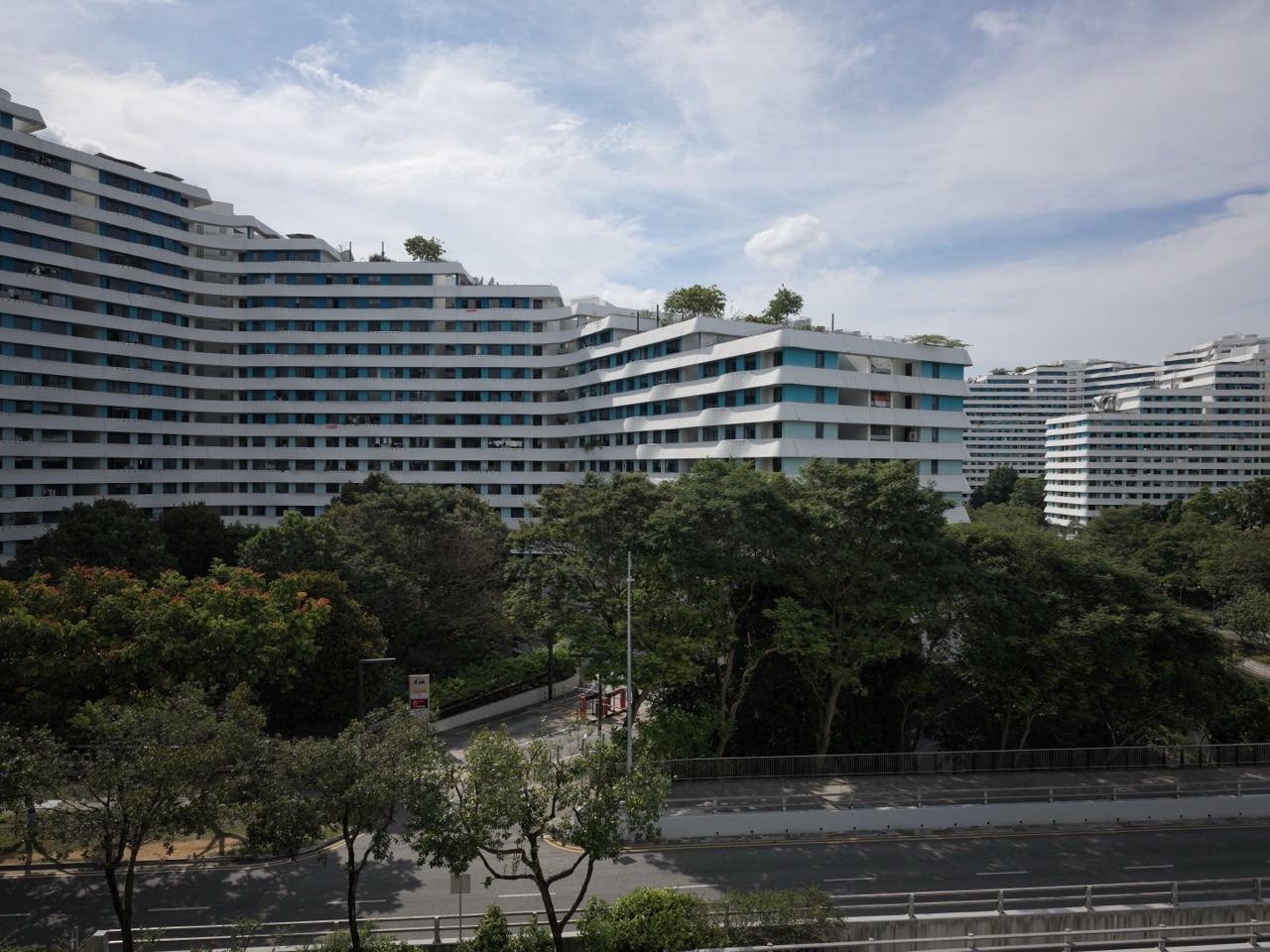
How do you cool a Punggol HDB flat without unnecessarily high electricity use? Start by controlling sunlight, improving safe air circulation and choosing between fans and air-conditioning according to the room’s actual conditions. Singapore’s Energy Market Authority (EMA) advises setting air-conditioning at 25°C or higher when appropriate, or using a fan instead. NEA recommends checking air-conditioner filters regularly, using curtains or blinds against direct heat and avoiding furniture that blocks ventilation. But 25°C is an energy-saving recommendation—not a guarantee that every resident, infant, older person or medically vulnerable person is safe or comfortable in every condition.
This Cooling a Punggol HDB Home 2026 guide focuses on the ordinary decisions: why rooms feel hot, how fans differ from air-conditioning, humidity and air movement, when natural ventilation is useful, what changes during haze, filters and appliance maintenance, energy labels, realistic bill calculations, sleep, homework and shared family spaces. It is separate from Healthy HDB Home in Punggol, which covers general household safety and dampness, and Punggol Haze at Home, which specifically deals with smoke and indoor air. Here the purpose is the daily cooling-and-energy balance.
Punggol home cooling: immediate practical answers
| Problem | Useful first response | What to avoid |
|---|---|---|
| Afternoon sunlight heats a room | Use suitable blinds or curtains to limit direct solar gain. | Assuming colder air-con alone is the only solution. |
| A room feels warm but outdoor air is suitable | Consider ventilation and a fan when safe and practical. | Blocking all airflow with large furniture. |
| Air-conditioning costs are increasing | Review suitable temperature, operating time, filters and unit efficiency. | Claiming a fixed saving without knowing actual usage. |
| The house feels sticky despite a fan | Consider humidity, ventilation, activities and actual comfort. | Assuming a fan removes moisture like an air-conditioner. |
| Outdoor haze worsens | Follow NEA guidance on windows and indoor air protection. | Opening every window for ‘fresh air’ regardless of pollution. |
| The filter is dusty | Check and maintain it according to NEA and manufacturer guidance. | Unsafe servicing of electrical or refrigerant components. |
| A new appliance is needed | Compare current NEA energy ticks, cooling capacity and life-cycle costs. | Choosing only by lowest price or largest horsepower. |
| Children are studying in the afternoon | Reduce glare and heat while preserving light, air and comfort. | Equating an extremely cold room with better concentration. |
| An older person feels excessively hot | Prioritise safe comfort, hydration where appropriate and medical needs. | Sacrificing health to meet a fixed energy target. |
| You want to calculate costs | Use rated or measured power, hours and current tariff. | Inventing a universal 2026 Punggol air-con bill. |
1. Separate the three problems people call ‘a hot room’
A room can feel uncomfortable for several reasons. It may be receiving strong sunlight through windows; the air itself may be warm; humidity may make perspiration feel less effective; or air may be stagnant. These are related but not identical. A fan helps move air, while a suitable air-conditioner actively cools and can remove moisture. Blinds reduce some direct solar heat gain. Understanding the main cause helps avoid buying a product that does not solve the actual discomfort.
Two Punggol flats in the same neighbourhood can behave differently. One may face the afternoon sun directly while another is shaded by an adjacent block. A high-floor unit may have different wind exposure from a sheltered lower-floor unit. The number of occupants, cooking activity, appliance heat and window orientation can change comfort. The best cooling plan therefore begins with observing the actual room at the time it becomes uncomfortable, not choosing a solution solely because the estate is called Punggol.
NEA’s Energy-Efficient Interior Design Tips recommend using fans, lighter colours, suitable window coverings, unobstructed airflow and partitions that reduce the space requiring air-conditioning. These are physical design measures rather than slogans about ‘turning everything green’. A child can learn why a curtain helps before an adult considers replacing the entire air-conditioning system.
The household should also distinguish transient discomfort from an equipment fault. If a previously comfortable room suddenly becomes uncomfortably hot, a cooling unit may need inspection. A fan that does not operate safely, a damaged socket or unusual burning smell is an electrical concern, not a reason to keep experimenting with settings. Obtain suitable professional assistance rather than improvising a repair.
2. Fans, natural ventilation and air-con do different jobs
| Approach | Main effect | When it may help | Limit |
|---|---|---|---|
| Ceiling or standing fan | Moves air and can improve perceived cooling. | When air is suitable and room conditions allow. | Does not actively cool air like refrigeration. |
| Open windows | Allows outdoor and indoor air exchange when conditions permit. | When outdoor air quality and safety are acceptable. | Can admit hot air, rain, insects or haze smoke. |
| Blinds or curtains | Reduce direct sunlight entering a room. | Sunny window exposure. | Do not remove heat already produced by people and appliances. |
| Air-conditioner | Cools and may dehumidify air. | When cooling is needed and the unit is suitable. | Uses electricity and needs maintenance. |
| Air-con plus fan | Distributes cooled air more evenly. | May improve comfort at a higher setting. | Actual savings depend on operation and room. |
| Door or partition management | Targets cooling to occupied spaces. | When fewer rooms need cooling. | Must preserve safety and ventilation needs. |
EMA’s Electricity Conservation Tips recommend using ceiling fans for efficient air movement, opening windows where possible, and reducing direct sunlight with curtains or blinds. That combination can make a real difference in a room that is uncomfortable mainly because of sunlight or stagnant air. It is less effective when the outdoor air is unsafe to bring inside or when a person needs active cooling for health reasons.
A fan creates air movement but does not magically lower the air temperature to a selected number. Air-conditioning, by contrast, consumes electricity to extract heat and control room conditions. Someone who is trying to cool a sealed room during haze may require a different arrangement from someone who can open windows on a pleasant clear day. The correct choice changes with the environment.
Do not present natural ventilation as automatically superior to all mechanical cooling. Outdoor conditions, security, rain exposure, insects and the occupant’s health can make opening windows inappropriate at times. Similarly, air-conditioning is not automatically wasteful when it is used sensibly for real comfort or health needs. The goal is suitable service at reasonable energy cost, not a household ideology.
3. The 25°C advice: energy guidance, not universal medical clearance
EMA advises households to use air-conditioning at 25°C or higher when appropriate, while NEA’s energy-saving materials use 25°C as a practical efficiency recommendation. In a normal comfortable room, raising the thermostat from an unusually low setting may reduce the amount of cooling work. But actual savings depend on the machine, building, outdoor conditions and use pattern. Do not apply a single published percentage to every unit as a personal bill guarantee.
Someone might try 25°C with a suitable fan and find the room comfortable. Another household may need a different setting because of medical vulnerability, significant solar heat, occupancy or other factors. A baby, older adult or person who is ill should not be left in an unsafe environment merely to satisfy a generic energy target. The priority is appropriate thermal comfort and safety, using qualified medical guidance where necessary.
For a resident who habitually selects a very low temperature because the room initially feels hot, start by considering sunlight control, filter condition and whether a fan helps distribute air. If the unit is oversized, undersized or poorly maintained, the set temperature alone may not solve the problem. A professional can assess technical faults or correct capacity when needed.
4. Energy advice percentages are examples, not a Punggol electricity guarantee
NEA’s Energy Saving Tips by Appliance provides illustrative comparisons for using a fan instead of an air-conditioner, combining short air-con use with a fan, timers and raising the thermostat. The agency explains that its quoted savings are based on stated model and tariff assumptions. They cannot be applied blindly to a household using multiple split units, different fans or a different electricity contract.
EMA’s practical message is similar: choose an appropriate setting, reduce unnecessary operating time and use efficient equipment. A family should look at actual usage data where available instead of claiming that every one-degree increase will save exactly the same number of dollars. Energy use may be affected by room size, wall exposure, number of people, insulation and temperature difference.
A Punggol resident interested in lower bills can begin by observing the hours air-conditioning is on. If the unit cools an empty room for long periods because everyone assumes someone else needs it, changing that routine may help. However, health and pet welfare needs, safe indoor air arrangements and the presence of vulnerable people must be considered. ‘Switch it off whenever nobody speaks up’ is not a safe universal instruction.
5. Original electricity arithmetic: power, hours and tariff
Suppose an appliance uses an average of 0.8 kilowatts during a simplified example period and runs for five hours. The energy used is 0.8 × 5 = 4 kilowatt-hours (kWh). If an illustrative electricity tariff were S$0.30 per kWh, the energy component would be 4 × 0.30 = S$1.20. This is a teaching calculation with invented input assumptions, not a measured Punggol air-conditioner cost or a verified current electricity tariff.
| Illustrative assumption | Calculation | What it does and doesn’t show |
|---|---|---|
| Average running power | 0.8 kW | Illustration, not the nameplate power of all split units. |
| Running time | 5 hours | Usage in a fictional day. |
| Energy | 0.8 × 5 = 4 kWh | Energy consumed under those assumptions. |
| Illustrative tariff | S$0.30/kWh | Not presented as a verified 2026 tariff. |
| Energy cost example | 4 × S$0.30 = S$1.20 | Excludes other bill elements and variations. |
| Reduced runtime example | 0.8 × 4 = 3.2 kWh | Only valid if average power truly remains the same. |
| Difference in example | 0.8 kWh | A model result, not a guaranteed reduction. |
Modern inverter air-conditioners may vary their power during operation, so assuming a fixed running power across every hour is a simplification. The actual bill also depends on the applicable tariff, taxes and consumption of other appliances. A careful household can use the SP app or suitable electricity-meter information where available to observe patterns over time. A single estimated kWh example should never be treated as a professional energy audit.
This arithmetic is useful for Secondary-school Mathematics: identify quantities, multiply consistent units and state assumptions. It is also useful for daily decisions because it distinguishes a claim that energy might decrease from a verified measured decrease. eduKateSG’s Clementi Mathematics exemplar emphasises understanding structure and reasoning before performing quick calculations; household energy arithmetic offers a practical application.
6. Curtains, shade and windows: inexpensive room design decisions
Sunshine is valuable for daylight but can heat a room directly when it enters through windows. NEA recommends closing suitable blinds or curtains during the hottest part of the day, using appropriate shading or solar film where suitable, and avoiding furniture that blocks airflow. Such adjustments may reduce how much active cooling is required. A heavy curtain in the wrong location may also block useful air exchange or trap discomfort, so observe the real room rather than buying blindly.
An HDB flat with a large afternoon-facing window might benefit from managing sunlight during peak exposure. A room used for school homework may also need glare reduction so pupils can read comfortably without bright reflections. A window film product can have building or installation considerations and should be assessed under applicable requirements. Do not install unauthorised external fixtures or modify shared building structures merely because an advertisement promises dramatic savings.
Light-coloured surfaces can help reflect heat and light, as NEA describes, but repainting an entire home may not be financially sensible purely to improve comfort. Start with reversible options such as appropriate blinds, well-positioned fans and clearing blocked air paths. Design improvements are most effective when they respond to an observed problem.
7. Filters and servicing: what homeowners can check and what needs a professional
NEA recommends checking air-conditioner filters monthly and cleaning or replacing them as necessary, alongside regular servicing and periodic inspection. Dust buildup can reduce airflow and efficiency, and a neglected unit may perform poorly. But cleaning a removable filter according to the manufacturer is very different from servicing refrigerant systems, electrical components or a complicated drainage fault. Use qualified personnel when the task requires it.
The site’s Aircon Servicing in Punggol guide covers service enquiries and what to expect. This page is the decision layer: if the unit is struggling, check ordinary maintenance and actual sun exposure before assuming the only solution is setting the thermostat lower. If it leaks, smells unusual, makes alarming noises or has electrical problems, stop unsafe use and consult a competent technician.
A filter maintenance routine should be suitable for the household. People with allergies, mobility limitations or respiratory conditions may need help handling dusty parts. Follow manufacturer precautions, keep electrical power safety in mind and avoid climbing dangerously to reach equipment. A child should not be asked to clean air-conditioning parts or open a high-mounted unit as a school sustainability project.
8. Haze changes the window decision
On an ordinary day with suitable outdoor air, natural ventilation may make a flat more comfortable and reduce dependence on mechanical cooling. During haze, the National Environment Agency advises reducing the entry of outdoor smoke particles by closing windows and doors as appropriate, limiting indoor particle sources and using suitable cleaner-air approaches where needed. The right arrangement changes with actual air quality and household vulnerability.
The site’s Punggol Haze at Home guide covers particulate filtration and air-conditioner recirculation in more detail. The important cooling point is that opening windows to bring a breeze inside may also bring pollution during a smoke episode. A resident should follow current haze.gov.sg advisories and appropriate health advice rather than insisting on one ventilation rule every day of the year.
Keeping windows closed temporarily can make mechanical cooling or fans more relevant, but neither fans nor basic air-con recirculation necessarily removes fine particulate pollution to the same degree as appropriately sized and maintained filtration. A person with sensitive respiratory health may need professional advice about cleaner-air arrangements. An energy-saving tip should never be used as a reason to disregard air-quality protection.
9. Humidity, condensation and the difference between comfort and mould
Singapore’s humidity affects how warm a person feels. Fans can assist perceived cooling through air movement, while suitably operating air-conditioners can lower temperature and remove moisture as part of the process. Condensation on a cold surface or persistent dampness may indicate a separate moisture problem. Do not assume that running a fan endlessly cures a plumbing leak or that setting the thermostat extremely low prevents all mould.
If a Punggol HDB bathroom remains wet for long periods, investigate ventilation and the source of moisture. If a cupboard smells persistently musty, ask whether there is seepage or condensation and seek appropriate maintenance help. The Healthy HDB Home guide covers dampness, air, dengue and safety. In this article the main distinction is that thermal comfort and underlying water damage are related problems requiring potentially different repairs.
Avoid purchasing fragranced products simply to hide a damp smell. Air fresheners do not repair leaks or guarantee improved indoor air. Similarly, an air purifier marketed for haze is not automatically a dehumidifier. Before buying equipment, identify whether the room’s main problem is heat, moisture, dust or smoke; different tools solve different tasks.
10. Homework, screen glare and children’s comfort
A student working after school may feel tired in a sunny bedroom. The problem could involve glare, heat, long sitting hours or insufficient rest. A parent might immediately lower the thermostat, but it may be useful to reduce direct light, manage the study space and encourage appropriate movement breaks. The Movement Microbreaks in Punggol guide addresses the concentration-and-sitting pattern separately.
A cool room is not a substitute for sleep, hydration or a manageable homework schedule. Equally, a home need not be kept uncomfortably warm because the family is concerned about the bill. Children learn better when their environment is suitable and predictable, but no universal temperature number guarantees improved academic performance. Good parenting uses actual comfort, learning needs and safety rather than a rigid slogan.
A household with several children may need to decide which room is used for study and when. Cooling one occupied suitable space might be more efficient than running air-conditioning in every empty room. NEA’s interior design advice supports targeted cooling where appropriate. Preserve sufficient ventilation, safety and privacy; do not close doors in a way that creates hazards simply to save a small amount of electricity.
11. Older adults, babies and people with health vulnerabilities
Thermal comfort is also a health question. Some older adults or people with certain medical conditions may have different tolerance for heat or difficulty noticing symptoms. An infant cannot communicate the same way an adult does. A broad conservation recommendation such as ‘use 25°C’ is not a substitute for appropriate medical or caregiving guidance. The household should prioritise safe, suitable conditions and seek individual advice when needed.
If someone appears severely unwell during heat exposure—such as with significant confusion, collapse or other urgent concerning symptoms—seek emergency help rather than experimenting with air-con settings. Routine energy conservation must never delay care. The guide does not prescribe temperature or fluid amounts for a particular individual, especially when medical restrictions apply.
A caregiver may also face the challenge of balancing another adult’s comfort preferences. One person prefers a fan while another gets cold easily. Instead of arguing about who deserves control of the remote, discuss seating, clothing, air movement and whether different rooms can be used appropriately. Respect matters in a small shared flat. A well-designed cooling routine serves occupants rather than treating them as identical energy units.
12. Laundry drying and indoor heat
Drying clothes indoors can add moisture to a room, especially during repeated rainy afternoons. A tumble dryer uses electricity, while open-air drying depends on weather, space and building rules. NEA and EMA recommend air-drying clothing where appropriate instead of automatically using a dryer. But clothes should also be dried hygienically and not left in damp piles that create odour or mould problems.
Punggol’s HDB layouts differ in their drying areas and airflow. Do not obstruct emergency exits, common corridors or shared walkways with laundry to improve ventilation. If rain prevents normal drying, choose a suitable household arrangement that respects neighbours and safety. A mechanical dryer may be reasonable for some households with real care needs; the goal is to use the appropriate method deliberately.
During haze, open-window laundry drying may conflict with indoor air protection. That is another reason for a flexible plan. The correct arrangement depends on outdoor air, weather and how laundry contributes to room moisture. A family should avoid expecting one method to be optimal every single day.
13. Buying a new air-conditioner: read energy labels and actual capacity
When an air-conditioner needs replacement, look at the current NEA energy label, the model’s appropriate cooling capacity, equipment efficiency, annual energy information and installation requirements. NEA operates a Mandatory Energy Labelling Scheme for regulated products; the label uses ticks to communicate relative efficiency within categories. A higher-rated model can be more efficient, but the correct size and appropriate use still matter.
The NEA purchasing guide explains that oversized and undersized air-conditioners may operate less efficiently. It also encourages considering life-cycle cost, which includes purchase price plus estimated electricity over the appliance’s life. This is more informative than selecting the unit with the most impressive cooling-capacity number or the cheapest upfront advertisement.
A household should get a competent assessment of actual room dimensions, window exposure, installation feasibility and servicing needs. Never attempt unqualified refrigerant or electrical installation. HDB and building rules may apply to equipment locations, and the vendor should be able to explain these. A vague claim that ‘five ticks means my bill will drop by half’ is not a substitute for comparing specific models under actual usage.
14. Climate Vouchers and changing 2026 eligibility
NEA’s household-sector page describes the Climate Friendly Households Programme, including additional voucher eligibility and an expanded set of product categories from April 2026. The scheme’s conditions depend on housing type, resident eligibility and the particular product. It would be incorrect to say that every Punggol household automatically receives the same cash amount or that any air-conditioner can be purchased with vouchers regardless of its efficiency classification.
Check the current Climate Friendly Households programme and NEA’s official description before planning an appliance purchase. A voucher can reduce upfront cost, but the household should still compare life-cycle efficiency and actual need. Replacing a working appliance prematurely simply to use a voucher may not be the most sensible choice.
If you are renting an HDB flat, ask who owns and maintains the equipment and who pays the electricity bill. A tenant may have less freedom to replace air-conditioning than a homeowner. The responsible party should be involved in decisions about repairs or installation. Money-saving guidance that ignores tenancy and building permissions is incomplete.
15. Worked example: a sunny Punggol bedroom
A fictional household notices a bedroom warms sharply during the afternoon. The family usually sets the air-con very cold for several hours. Instead, they first observe when the sun enters, try appropriate blinds during the hottest time, clear furniture that blocks the window and consider whether a fan improves comfort. They then evaluate a more moderate air-con setting. The result should be judged by actual comfort and energy use, not a promise of a fixed savings percentage.
If the room remains uncomfortable, the family checks whether the cooling unit needs servicing or whether solar exposure is unusually strong. An equipment problem should be resolved by a qualified provider. The scenario illustrates an order of diagnosis: sunlight, airflow, appliance and needs before drastic purchases. The right response for another flat might differ.
16. Worked example: a multigeneration family during haze
A Punggol HDB household includes schoolchildren and an older relative with respiratory vulnerability. On a normal clear day they often use windows and fans, but during a haze episode they follow official guidance to reduce smoke infiltration. That changes their cooling and air-quality decisions, and the resident with higher health needs becomes a central consideration. They do not insist on opening every window because of an earlier energy-saving poster.
The family uses its existing appropriate cooling arrangement and checks any filtration needs under reliable guidance. After outdoor air improves, they can reconsider natural ventilation when suitable. The general lesson is that a healthy home responds to changing conditions. Saving electricity is important but should not overrule acute environmental health protection.
17. Worked example: a Punggol commuter monitoring bills
Another resident thinks air-con is responsible for an electricity bill increase, but the household recently added a second computer and changed work-from-home days. They look at available consumption records rather than blaming the air-conditioner immediately. They identify which appliances run, how long they run, and whether an actual repair or habit change could be useful. A bill change has several possible causes.
The resident might discover that cooling occupied rooms for long hours is a meaningful source of use, or that an appliance is malfunctioning. The important part is verification. EMA’s smart meter information helps some households view usage patterns, but not every Punggol home has the same app setup. A broad article should not invent access or tariff figures. The best savings claim is one supported by actual before-and-after measurement under comparable conditions.
18. An achievable four-week home comfort experiment
| Week | Main household observation | Small safe action | What to measure |
|---|---|---|---|
| 1 | When and why does the room feel hot? | Note sunlight, occupancy and existing settings. | Comfort pattern without blame. |
| 2 | Which low-cost controls help? | Try suitable blinds, fan placement and unobstructed airflow. | Comfort and practical repeatability. |
| 3 | Is the appliance functioning well? | Check permitted filter maintenance and seek servicing if needed. | Actual cooling performance and safe operation. |
| 4 | Is energy use appropriate? | Review hours, consumption and the room’s health needs. | A reasoned choice, not a guaranteed percentage. |
This framework does not require families to suffer through uncomfortable heat while testing energy-saving ideas. If someone is ill, vulnerable or uncomfortable to a concerning degree, use appropriate cooling and seek relevant support. The goal is to find safe, practical improvements. Some households may learn that their present setup is already reasonable; others may identify a filter problem or unnecessary operation in an empty room.
19. Common cooling mistakes
- Setting an extreme low temperature to cool faster without evaluating the room. Consider sun, airflow and unit condition.
- Assuming fans actually lower room air temperature. They primarily move air and may improve perceived comfort.
- Opening windows during significant haze without checking official guidance. Outdoor smoke matters.
- Closing every window permanently because of one haze day. Review ventilation when conditions change.
- Using 25°C as a compulsory medical threshold. It is an energy recommendation, not individual clearance.
- Ignoring a dirty filter or leaking unit. Maintenance may be necessary.
- Buying a larger air-conditioner without evaluating capacity. Oversizing can be inefficient.
- Misreading energy ticks as a promised percentage saving. Compare actual registered models and conditions.
- Overloading a small room with appliances. Their heat can affect comfort.
- Blocking walkways with curtains, furniture or fans. Preserve safe movement.
- Expecting every family member to prefer identical cooling. Consider real needs and health.
- Using a fictional per-kWh tariff as a current bill estimate. Verify actual electricity costs.
20. Frequently asked questions
Is 25°C the official energy-saving recommendation?
EMA recommends 25°C or higher when appropriate; actual safe comfort depends on the occupant and conditions.
Does a fan make air colder?
It generally moves air and can improve perceived cooling, but it does not refrigerate the room like air-con.
Should I use a fan or air-conditioning?
Choose according to indoor comfort, outdoor conditions, vulnerability and actual energy needs.
Can blinds lower heat entering the room?
NEA recommends suitable curtains or blinds against direct hot sunlight.
Should I open windows during haze?
Follow NEA’s current haze guidance; closing windows as appropriate can reduce smoke infiltration.
Is air-conditioning enough to remove PM2.5?
Do not assume so. Filtration and cleaner-air arrangements have separate requirements.
How often should I check my air-con filter?
NEA suggests checking roughly monthly and maintaining according to manufacturer guidance.
What if an air-conditioning unit leaks?
Seek appropriate qualified servicing; don’t improvise electrical or refrigerant repairs.
Do more energy ticks mean more efficient equipment?
In general the NEA energy label helps compare relative efficiency within the applicable product category.
Does buying a five-tick unit halve everyone’s bill?
No. Total electricity use depends on room, hours, other appliances and tariff.
Can a ceiling fan and air-con work together?
They may improve air distribution and perceived comfort; actual efficiency depends on operation.
Does a cold room guarantee better student concentration?
No. Rest, glare, activity breaks and individual comfort matter too.
Are Punggol high-floor flats always cooler?
No. Window exposure, shade, ventilation and other conditions differ.
Is natural ventilation always best?
No. Outdoor heat, haze, security and other conditions may make it inappropriate.
Why does my flat feel humid?
Indoor activities, ventilation and outside humidity can contribute; persistent dampness may need investigation.
Can mould be fixed with a fan alone?
Not necessarily. The moisture source must be identified and managed.
Should seniors use the same room temperature as young adults?
No universal setting fits everyone; individual health needs and comfort matter.
Can climate vouchers help with cooling appliances?
Certain eligible households and products qualify under current official terms; verify rather than assume.
How can I calculate an appliance’s energy cost?
Use measured or justified average kW × hours × current kWh rate, noting simplifying assumptions.
What is one realistic first change?
Observe direct sunlight and room use, then try a safe modest improvement before buying major equipment.
Connected eduKate Punggol household, health and education guides
- Life in Punggol — Master Lifestyle Hub
- Healthy HDB Home in Punggol
- Punggol Haze at Home — Windows and Indoor Air
- Aircon Servicing in Punggol
- Electricity, Water and Utility Bills in Punggol
- Punggol Green Roofs and Shade
- Working From Home in Punggol
- Movement Microbreaks in Punggol
- After-Work Wellbeing in Punggol
- eduKateSG — How Singapore’s Systems Connect
- eduKateSG — Understanding Mathematics Through First Principles
Authoritative official sources
- EMA — Household Electricity Conservation
- NEA — Air-Conditioner, Fan, Timer and Filter Guidance
- NEA — Energy-Efficient Interior Design
- NEA — Choosing Efficient Appliances and Cooling Capacity
- NEA — Regulated Appliance Energy Labels
- NEA — Climate Friendly Households Programme
- Climate Friendly Households — Current Scheme
- MSS — Heat Stress
- Singapore Official Haze Information
Editorial review: 23 October 2026. General household cooling, sustainability and wellbeing guidance, not an individual energy audit, medical temperature prescription, electrical-repair instruction or voucher eligibility decision. Electricity calculations are illustrative, not verified Punggol bills. Follow current EMA, NEA, manufacturer, HDB and healthcare requirements. Household scenarios are fictional.


