
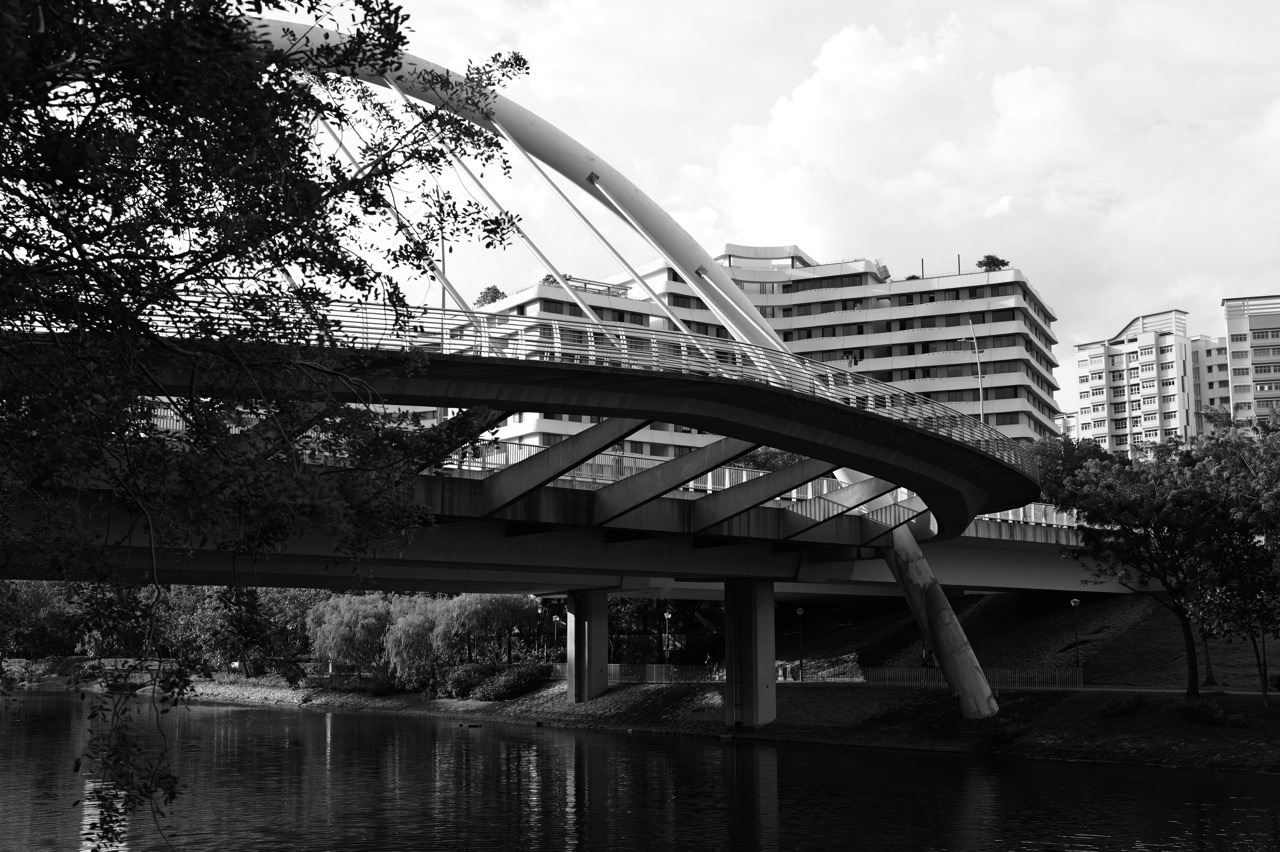
The top 10 things to do in Punggol for Film and Media Production students are to plan a six-shot Waterway Park documentary, storyboard bridge-based movement, conduct a consent-first family interview, create an original soundscape, study outdoor light, edit an honest Punggol Digital District timeline, practise continuity with consenting actors, make useful captions, choose properly licensed music and produce an ethical sixty-second portfolio film. Most can be planned and completed at home or in an approved school space.
First action: write a one-sentence question that the film will answer, then build a six-frame storyboard before opening a camera app. Punggol’s waterway, library, town square and new digital district offer rich public context, but location filming requires the relevant site permissions. NParks’ 2026 filming application guidance specifies permits and recommends applying at least one month before proposed filming dates. Do not infer blanket production permission from public park opening hours.
This October 2026 guide treats filmmaking as a combination of storytelling, visual grammar, sound, rights, accessible editing and factual responsibility. It is distinct from a generic photography or visitor guide: every project has a reader job, a worked example, a common error and a step for testing the edit. Published site information comes from relevant public authorities; sample scripts, shot counts and scenarios are original educational models.
Choose your production skill
- Writer or director: start with story purpose, shot sequence and continuity.
- Documentary learner: research and contextualise a location or interview before making claims.
- Camera learner: compare framing, perspective, weather and lighting safely.
- Sound learner: make original controlled audio rather than capturing private conversations.
- Editor: test shot continuity, voice-over accuracy, captions and music licences.
- Producer: manage location permission, participant consent, schedule and file storage.
- Portfolio student: finish a small accurate project and preserve a dated revision log.
The filmmaking workflow: purpose before camera
A short film succeeds when a viewer can answer one clear question. Film students often begin with a camera feature or an attractive location, then discover that the footage has no reason to progress. The stronger process is to define the information or emotion, write a one-sentence audience promise and list the shots required to fulfil it. Each shot should change the viewer’s knowledge. A shot that repeats the previous information may be beautiful but unnecessary.
Pre-production determines what is possible. Before any real location filming, check the managing authority, access hours, permissions, equipment restrictions and whether participants and identifiable visitors require consent in the specific context. A busy public bridge is not a production studio. Location visits should not involve blocking circulation, climbing for angles or using drones without applicable authorisation. A convincing animatic and private rehearsal can solve most early creative problems safely.
Post-production is not a licence to turn planned projects into completed facts. A sound effect can make a calm scene seem hazardous; a cropped map can make a partial route appear complete; a commercial track can create rights issues even with attribution. Good editors ask not only ‘Does the cut feel powerful?’ but also ‘What will the audience believe happened, and is that belief justified by the evidence?’
Ten Punggol media-production activities
Plan a six-shot Punggol Waterway documentary on paper
Where: NParks’ Punggol Waterway Park guide; storyboard work at home.
Why it matters
The park’s bridges, planting and public paths give a clear visual subject, but a student film becomes meaningful only when the sequence answers a specific question. NParks identifies named bridges and a preserved old-road bus shelter. An establishing view alone cannot tell a story about history, ecology or daily travel. Film planning should begin with the intended information and what each shot needs to communicate, rather than inviting a group to occupy a public path with equipment.
Production method
Write one question such as ‘How does a public crossing connect the waterway’s two sides?’ Draw six numbered frames: wider location, path approach, bridge detail, human-free movement cue, a nearby context frame and a closing overview. Add a caption for each that says what the viewer learns. Build the entire film as a paper animatic with your own sketches first. If a real park shoot is desired, consult NParks’ current filming permit and conditions; do not treat ordinary casual sightseeing permission as a blanket production authorisation.
Original Punggol example
A student initially collects six attractive sketches of the same bridge, all from nearly identical angles. Their storyboard looks polished but tells the audience nothing new. They replace the second frame with an approach path and the fourth with a clearly labelled diagram of where the crossing goes. The sequence now explains a spatial relationship. A later editor can check each frame against the educational objective before any camera is taken outdoors.
Diagnosis and improvement
Ask a reader to summarise the film’s factual answer after seeing only the six captions. If they cannot, the problem may be missing information, not a lack of cinematic effects. Compare wide versus close frames and mark the source of any bridge name. A sketch labelled Jewel Bridge should be checked against NParks, not assigned from its shape alone. Distinguish observation from interpretation in every caption.
Permissions and safety
NParks’ September 2026 filming-permit guidance requires advance permits for filming projects; its application page recommends at least one month before the proposed date. A planned production must follow the correct category, site and equipment rules. Do not use drones, tripods, track systems, props or group blocking without applicable approval.
Source and access check: Plan a six-shot Punggol Waterway documentary on paper.
Create a bridge-inspired storyboard with visual continuity
Where: Waterway Park’s Jewel, Wave, Sunrise and Kelong bridge descriptions.
Why it matters
A bridge connects spaces, which makes it an intuitive setting for teaching the 180-degree rule, screen direction and match cuts. It is also easy to introduce continuity errors unintentionally: if a character walks left to right in one shot and right to left in the next with no visible reason, viewers may think they have changed direction. Students can study this on paper without filming strangers or interfering with a real bridge.
Production method
Use NParks’ list of named crossings as inspiration and choose a fictional bridge outline for a home production. Draw the axis of action between a character and a destination, then position an imaginary camera on one side for two consecutive frames. Label character movement, camera angle and eyeline. Create a deliberate alternative that crosses the axis, and ask a peer to explain why the spatial relationship feels different. Keep the problem about visual clarity, not a rigid rule that artists may never break.
Original Punggol example
A fictional character goes toward a library across a stylised bridge. In the first frame they enter from the left; in the next they also move left-to-right. A student originally flips the image horizontally to make it look dramatic but reverses the path’s screen direction. The corrected cut preserves orientation or adds a motivated neutral shot. The audience can now follow the journey without needing an explanatory subtitle.
Diagnosis and improvement
Test continuity by removing dialogue and asking viewers which way the character is travelling. If they hesitate, mark the frame where the spatial relationship becomes ambiguous. Repeat using a tabletop paper figure and phone camera indoors, keeping bystanders out of frame. Record the correction in a shot log so the class understands why edits are made.
Permissions and safety
Do not stage acting, running or camera motion on a busy public crossing. A bridge photo in an article is reference material, not permission to reproduce a third party’s image or re-create the bridge in a restricted location.
Source and access check: Create a bridge-inspired storyboard with visual continuity.
Build a consent-first family interview, not an ambush documentary
Where: A consenting relative in a private Punggol home.
Why it matters
A powerful short film can be built from one willing person’s recollection of living in a changing town. NLB’s Punggol Stories makes clear that local history contains individual memories alongside other archival sources. A respectful student should distinguish a personal account from a verified timeline. The interview subject must know where the recording will be shown, whether they may decline questions and how the recording will be kept or deleted.
Production method
Write five open-ended questions about familiar daily routines, such as how the person reached school or met neighbours in a past period. Obtain meaningful consent for recording and its intended use; for a child participant, use the appropriate guardian and institutional arrangements. Film in a quiet private space with minimal equipment, or write a transcript if the subject prefers not to be on video. In editing, preserve the speaker’s intended context. Verify all dated external facts independently before attaching archival photographs or captions.
Original Punggol example
An older relative says, ‘I used to think it took forever to reach the town centre.’ The student initially captions this as proof that a journey took forty-five minutes in a particular year. The memory is a subjective description, not a recorded transport timetable. A faithful caption says the speaker remembers the trip feeling long, and the student uses LTA or archival material separately if a dated transport claim is important.
Diagnosis and improvement
Give the interviewee an opportunity to review sensitive sections where appropriate. Compare a full answer with the proposed short excerpt and ask whether the meaning changed through trimming. Keep a source sheet for any historical facts in voice-over. A filmmaker earns trust by representing the person’s statement fairly rather than forcing it into a predetermined script.
Permissions and safety
Privacy rights and consent obligations depend on context and purpose. PDPC’s current guidance distinguishes personal or domestic recording from organisational use and encourages clear permission where applicable. Do not upload identifiable family information, school details or interviews without the necessary consent.
Source and access check: Build a consent-first family interview, not an ambush documentary.
Design sound from household recordings instead of secretly recording the park
Where: Home sound-design desk, inspired by the Punggol waterway environment.
Why it matters
Water, movement and open space can be represented by sound, but recording a crowded public place may capture identifiable conversations and create privacy or venue-rule issues. Beginning media students should learn how sound communicates place without relying on unrestricted ambient recordings. They can make original, harmless sounds at home, combine them with a visual storyboard and practise mixing at a comfortable playback level.
Production method
Write a sound cue sheet listing ambience, foreground action, transition and silence. Record your own water being poured into a bowl, light footsteps on a safe indoor surface and a soft door-close sound, with everyone involved aware of the purpose. Edit each clip’s start and stop, then arrange them beneath your own storyboard. Label every sound ‘performed at home’ if it is not a field recording. Compare the story with and without the water cue and ask what the viewer assumes about the setting.
Original Punggol example
A student adds a loud rushing-water track to a calm waterway image. Viewers think a flood is occurring, although no actual flow event was documented. They reduce the cue and use a quieter ordinary-water sound. The correction demonstrates that audio can imply physical conditions even when the images have not changed. A truthful documentary should not use design as a substitute for evidence.
Diagnosis and improvement
Ask three listeners to identify whether each sound suggests calm, urgency or ordinary movement. If the effect is misleading, revise the volume or timing. Check sound levels through ordinary equipment without encouraging maximum-volume listening. Include a silent interval where appropriate and note how the cut changes. Teach students that audio design and nonfiction accuracy are not opposing goals.
Permissions and safety
Do not record private conversations, use alarm sounds in shared buildings, broadcast loud effects in parks or claim a manufactured clip is a real Punggol environmental sample. Copyright still applies to purchased effects and commercially released tracks.
Source and access check: Design sound from household recordings instead of secretly recording the park.
Compare daylight and shade before promising a perfect golden-hour scene
Where: A safe public Punggol Waterway viewpoint or a tabletop indoor lighting model.
Why it matters
Lighting creates emotional tone, but a student must distinguish an artistic choice from a weather forecast or a confirmed sunset. NParks documents the park as an accessible public landscape with views, while the time, cloud cover and direction of light vary daily. Learning to evaluate contrast and exposure helps students make choices in difficult locations without needing to delay a shoot until unsafe weather or darkness.
Production method
Take one ordinary authorised landscape observation from a lawful public position, or use an original sketch if production access is not arranged. Identify the brightest area, shaded area and focal subject. At home use a small cool battery lamp and paper scene to recreate two lighting directions. Keep camera framing the same while altering only the light position and record differences in facial shadows or set shape. Write a note explaining which shot is documentary and which is an illustrative set recreation.
Original Punggol example
An aspiring filmmaker describes a north-facing path as guaranteeing orange sunset light on the bridge. That prediction is unsupported without the actual geometry and daily weather. The learner revises the production plan to prioritise legible structure and a clearly labelled optional warm-light treatment indoors. The film’s factual information no longer depends on a specific atmospheric effect.
Diagnosis and improvement
Compare colour balance and exposure between frames. Ask whether a dramatic warm filter causes viewers to infer a time of day that was not filmed. If the work is nonfiction, add context rather than quietly misrepresenting the original conditions. The best correction may be removing a filter, not adding another effect.
Permissions and safety
Do not stare at the Sun through a camera, use unapproved high-power lamps or block paths with equipment. Follow NEA lightning and heat advisories for outdoor work and NParks permit conditions for the filming project.
Source and access check: Compare daylight and shade before promising a perfect golden-hour scene.
Cut an honest before-and-after story about Punggol Digital District
Where: JTC’s Punggol Digital District community information and historical planning documents.
Why it matters
New development makes a tempting montage: older road, construction, new station and lively shopping. But film editing can mislead by showing a planned feature as though it already operates. JTC confirms a current public mall, hawker centre and the first 400 metres of a planned 1.3km Heritage Trail. An accurate production must identify which footage depicts a presently open area and which drawings represent an earlier proposal.
Production method
Use official dated descriptions to build a four-part chronology. Frame one is a documented historical fact about the district’s planning; frame two is a genuine public transport milestone; frame three is an operating present-day amenity; frame four is a future plan labelled accordingly. Create placeholder title cards and original diagrams at home before considering a lawful location shoot. Record the source URL and publication date for each factual claim in a production spreadsheet.
Original Punggol example
A student’s draft voice-over says, ‘The complete 1.3km Heritage Trail now links every destination.’ JTC’s current page states the first 400m is open. The student replaces the statement with a confirmed partial-opening caption and clearly marks the longer route as planned. The timeline remains exciting, but the film no longer sends viewers toward an unverified or closed section.
Diagnosis and improvement
Review the finished montage frame by frame: can a viewer tell what is archived, current, staged or planned? Is any digitally generated image labelled? An audience test should include the question ‘Which facilities could I visit based on this film?’ If respondents name proposed-only features, the edit needs correction.
Permissions and safety
Do not enter construction works, SIT teaching rooms, private business offices or technical installations to get an impressive shot. Building publicity and public rail access do not authorise access to all parts of Punggol Digital District.
Source and access check: Cut an honest before-and-after story about Punggol Digital District.
Edit a simple continuity scene with two consenting performers
Where: A Punggol home or school-approved indoor room.
Why it matters
Continuity is easier to understand when the director controls the entire scene. A short exchange between two fictional characters, each with a clear objective, allows students to plan shot sizes, eyelines and cut points. Editing should preserve action and intention across takes. This creates a distinct project from a Waterway Park documentary because the focus is time, performance, match action and scene construction rather than facts about the place.
Production method
Write a thirty-second scene about an invented person handing a map to a friend. Confirm that both performers consent to their participation and recording. Film a safe wide shot, two closer views and one object insert with consistent props. Mark the placement of the map, performers’ hands and room lighting between takes. Edit the exchange and look for jumps in hand position, eyeline or the sequence of actions. Use a simple shot-log table to correct only the most disruptive change.
Original Punggol example
The map moves from the left hand to the right hand between two cuts without a motivated transfer. The audience notices the jump. The student reshoots one insert or selects an angle where the continuity remains clear. This correction is about visual information, not computer-generated smoothing. An ordinary phone and paper prop are enough.
Diagnosis and improvement
Watch the rough cut without sound and ask whether the direction of movement makes sense. Then listen without video and check that the intended message is understandable. If one version communicates more clearly, the editor knows which part of the production needs attention. Save the raw take and revised cut so a teacher can see the reasoning.
Permissions and safety
Use only original scripts and willing performers, protect minors’ privacy, avoid filming neighbours from windows and do not borrow building security footage for a student project.
Source and access check: Edit a simple continuity scene with two consenting performers.
Add useful subtitles and sound descriptions to a one-minute film
Where: Any privately produced student video, edited at home or school.
Why it matters
Accessibility changes who can understand a film, particularly when dialogue, ambient sound or rapid editing carries important information. A caption track should identify spoken words accurately and describe significant sound cues when relevant, without overcrowding the screen. A film can also need visual context for people who cannot read a tiny place label. Inclusive design is not simply turning on automatic captions and trusting every word without checking.
Production method
Write a short original script and time captions with the video. Check spelling of Punggol place names against official sources. Place captions where they do not obscure essential visuals, use readable contrast, avoid excessive line length and ensure they stay long enough to read. Include a meaningful sound-description caption when an unheard event matters to the plot, such as a door closing or a train chime, while avoiding irrelevant decorative captions.
Original Punggol example
A phone-generated caption transcribes ‘Punggol Coast’ as ‘Punggol Point’. The mistake changes a real destination and could send a viewer to the wrong station. A careful editor checks the transcript against the script and LTA’s station naming, then corrects the caption. This is an accessibility and fact-checking repair, not a cosmetic spelling preference.
Diagnosis and improvement
Ask one tester to watch without sound and identify the story and destination. Ask another to listen without viewing the screen and describe what is unclear. Record one specific obstacle, revise and repeat. Where full audio description is outside the project’s capability, state that limitation honestly instead of advertising universal accessibility.
Permissions and safety
Do not publish identifiable people in captioned clips without appropriate permissions. Avoid impersonating official transport announcements or using third-party subtitles without rights. Maintain confidential transcripts when private details are involved.
Source and access check: Add useful subtitles and sound descriptions to a one-minute film.
Score a film with original or correctly licensed music
Where: Home audio workstation; optional formal music-and-media arts programme.
Why it matters
A familiar pop song can give an amateur film instant emotional impact, but it may carry separate rights for the musical composition and sound recording. IPOS explains that copyright covers films, musical works, sound recordings and other creative expression, with permissions or appropriate licences needed for many uses. A school-based permitted use is not automatically equivalent to posting a soundtrack on a public commercial platform.
Production method
Begin with the simplest safe option: create a short original melody or a rhythmic sound pattern using your own voice and ordinary instruments. Record it in a controlled private space and maintain the original project files. If selecting external music, identify the composition rights, recording rights, exact licence, platform distribution and attribution conditions before adding it. Create two mixes with and without music and ask whether the score is adding narrative meaning or concealing an unclear story.
Original Punggol example
A student uses a well-known commercial song under a thirty-second film and writes ‘credit to the artist’ in the video description. Credit alone may not provide necessary permissions. The project is revised with an original short score performed by a consenting participant, or properly licensed music meeting the intended use. The edit preserves the learning goal without relying on an unsupported legal assumption.
Diagnosis and improvement
Check your credits sheet. Every external image, sound cue and music track should have an identifiable source and applicable permission. Inspect whether the soundtrack overwhelms speech and whether the emotional mood fits. The film should remain understandable if a licensing problem forces the music to be removed later.
Permissions and safety
Do not assume every online file is free to reuse and do not tell students that a fixed short duration automatically makes music copying lawful. Consult IPOS and the specific licence terms for publication beyond an authorised classroom context.
Source and access check: Score a film with original or correctly licensed music.
Publish an ethical 60-second portfolio cut with a correction log
Where: A home or school-approved project, inspired by verified Punggol public sites.
Why it matters
The final film is an editorial product as well as an artistic one. IMDA’s Skills Framework for Media identifies content production, production services and emerging skills as distinct professional areas. A small portfolio demonstrates their underlying habits: planning, permission, production, post-production, quality assurance and responsible distribution. The key is not achieving a million views but explaining which work you performed, what the film claims and how it could be corrected.
Production method
Select no more than six original shots or storyboard frames and assemble a one-minute sequence answering a single question about a local theme. Include an opening title, accurate place description, legible captions and credits. Keep any borrowed images under valid terms and remove unconsented identifiable bystanders. Use a checklist for factual claims, audio levels, continuity, permissions and accessibility. Publish only if platform, participants and content permissions are clear; otherwise keep the finished video private as coursework.
Original Punggol example
A rough cut captions the waterway as a ‘natural river’. Official HDB planning information describes the 4.2km Punggol waterway as a planned man-made waterway. The filmmaker updates the narration and records the reason in a correction log. The film is now more useful and the portfolio shows evidence-based improvement, not a hidden flaw. An accurately corrected student project is more valuable than one that merely looks polished.
Diagnosis and improvement
Show the film to two consenting reviewers: one checks whether the intended fact is understood and the other checks whether text, sound and images are accessible and clear. Record their answers, fix the most material problem and preserve version history. A truthful portfolio names the student’s actual contributions and cannot claim a commercial client or official partner never involved.
Permissions and safety
Check NParks permits for filming in parks, IPOS rights for media, privacy/consent for participants and venue rules for any other location. Do not publish sensitive wildlife locations, private home identifiers or schoolchildren without suitable safeguards.
Source and access check: Publish an ethical 60-second portfolio cut with a correction log.
Three complete learning itineraries
An entirely at-home film-planning day
Select one public Punggol feature from NParks, HDB or JTC information. Spend fifteen minutes writing the factual question, twenty minutes making six annotated storyboard frames and twenty minutes assembling a simple paper animatic. Then draft an accessible caption track and source list. An audience member should be able to explain the subject without narration. This teaches pre-production, clarity and verification without moving a camera into a controlled public environment.
A one-minute interview with a willing family member
Choose a person who wants to participate and explain the intended audience. Write no more than five open-ended questions. Record only after appropriate consent and in a suitable private space, keeping the topic low-risk. Cut a short excerpt without distorting its meaning and make a transcript. Where a historical year or institution is mentioned, add an independently sourced caption or mark the detail as the person’s recollection. A short film can respectfully preserve memory without impersonating official oral history.
A school-approved production and editing exercise
With teacher and participant permission, create a short fictional scene in an appropriate indoor space. Use a wide shot, two close views and one insert. Check direction, hand placement, room tone and transitions. Add captions, use an original simple soundtrack and ask two consenting viewers whether the scene is understandable. Keep raw and revised versions. Production competence is demonstrated by explaining which edit changed the outcome, not by employing expensive equipment.
A production checklist worth printing
- Film objective and intended audience described in one sentence.
- Every factual claim has an identifiable attributable source and date.
- Location owner, filming classification, permission and timing checked before any shoot.
- Participants informed about filming, editing and publication; privacy safeguards documented.
- Shot list and storyboard cover the necessary information without repeated decoration.
- Audio captured legally and without intrusive recording of bystanders.
- Camera and blocking do not interfere with public accessibility or safety.
- All third-party music, photos, footage and scripts have relevant permissions.
- Captions spell local locations correctly and remain readable.
- Final review checks chronology, misleading implications, consent, accessibility and a fallback if a claim cannot be verified.
Common problems in a first Punggol film
A film can have attractive footage and still confuse the viewer. If its establishing shot is from Waterway Park and the next scene uses Punggol Point, the edit should communicate that the location changed. If a photo comes from 2018, it should not be passed off as today’s scene merely because the editing software removed metadata. If the voice-over claims a completed 1.3km Heritage Trail, a current JTC check must correct it. Every one of these mistakes affects a reader’s understanding of the real town.
Another problem is a lack of a simple audience test. The student may know the place intimately, but a first-time viewer cannot infer unspoken transitions. Ask viewers to name the topic, the turning point and the evidence. When the answers differ from the intended meaning, rewrite a caption or replace a redundant frame. Avoid solving a structural story problem by adding music, a stronger colour grade or another digital effect.
Frequently asked questions
Can film students record anywhere in Punggol Waterway Park?
No blanket permission should be assumed. NParks’ September 2026 filming-permit page describes on-location filming requirements and advance application arrangements.
How early should a park filming permit be considered?
NParks currently recommends applying at least one month before a proposed filming date, with the appropriate project category and location.
Do all small family photos need the same permit as a production?
The correct rules depend on the activity and site. Casual visitor photography and organised filming or commercial photography should not be conflated; use NParks’ current guidance.
What is a storyboard?
A sequence of planned visual frames showing shot content, order, movement and how information will be conveyed.
What is a shot list?
A practical production record of shots needed, their purpose, location, timing and any associated constraints.
What is continuity editing?
Editing that keeps action, screen direction and relationships understandable across cuts.
Can I film a stranger for a school social-media video?
Do not assume that public visibility settles all consent and privacy questions. Ask for appropriate consent and follow the location’s rules and your school’s policies.
Can children be interviewed in a student documentary?
Only with relevant institutional rules, guardian permissions where applicable, and safeguarding. Use low-risk topics and protect identifiable details.
Can I use Punggol Stories photographs in my video?
Check NLB exhibition terms, original ownership and reuse rights before reproduction. Public display does not automatically permit unlimited editing or online publication.
Can I use a popular song if I give credit?
Credit alone is not necessarily a licence. IPOS explains that musical works and sound recordings may require distinct rights clearance.
Does a thirty-second song extract always count as fair use?
No fixed short duration automatically resolves copyright. Assess the applicable law, purpose, permissions and licence conditions.
Is Punggol Digital District fully open?
JTC identifies operating mall and hawker amenities and the first 400m of Heritage Trail, but some district features remain phased or upcoming.
Is a generated illustration equivalent to documentary footage?
No. If depicting unobserved or future conditions, disclose its illustrative nature and do not label it as genuine recorded evidence.
How can beginners create sound safely?
Record original controlled sounds at home with participant awareness and modest playback levels.
Why should student films have captions?
They help people understand dialogue and meaningful audio information and can reduce ambiguity about place names and actions.
Does a film need a cinema camera?
No. Clear story planning, stable recording and careful editing matter more for a beginner than expensive equipment.
How long should a first film be?
One focused minute can be enough to demonstrate a complete question, scene or argument with an identifiable beginning and ending.
What should go in a film portfolio?
A brief, storyboard, permission notes, source references, shot log, raw and revised cuts, captions and a short reflection on what changed.
Can I shoot on a closed or fenced Heritage Trail section?
No. Follow current JTC public access and the managing authority’s filming rules; never use a masterplan as permission to enter worksites.
Where can schools find endorsed arts media programmes?
NAC’s 2026–2028 Arts Education Programme directory includes Digital Media among its six art forms, subject to actual school and provider arrangements.
Primary sources and related eduKate Punggol guides
- Plan a six-shot Punggol Waterway documentary on paper
- Create a bridge-inspired storyboard with visual continuity
- Build a consent-first family interview, not an ambush documentary
- Design sound from household recordings instead of secretly recording the park
- Compare daylight and shade before promising a perfect golden-hour scene
- Cut an honest before-and-after story about Punggol Digital District
- Edit a simple continuity scene with two consenting performers
- Add useful subtitles and sound descriptions to a one-minute film
- Score a film with original or correctly licensed music
- Publish an ethical 60-second portfolio cut with a correction log
- NAC 2026–2028 digital media arts education programmes
- IPOS copyright scope for film and music
- JTC currently operating district amenities
- Related Punggol family storyboard and zine work
- Punggol acting and script exercises
- Punggol image, source and fact checking
- eduKateSG detailed worked-example structure
A strong film knows what it is asking the audience to believe
Punggol provides an abundance of rich local contexts, but an ethical student filmmaker earns each audience belief with clear images, honest captions and appropriate permissions. Start small, tell one story, test whether viewers understand it, and keep a record of every factual or creative correction. Good production skills grow when the finished film is both expressive and trustworthy.


