
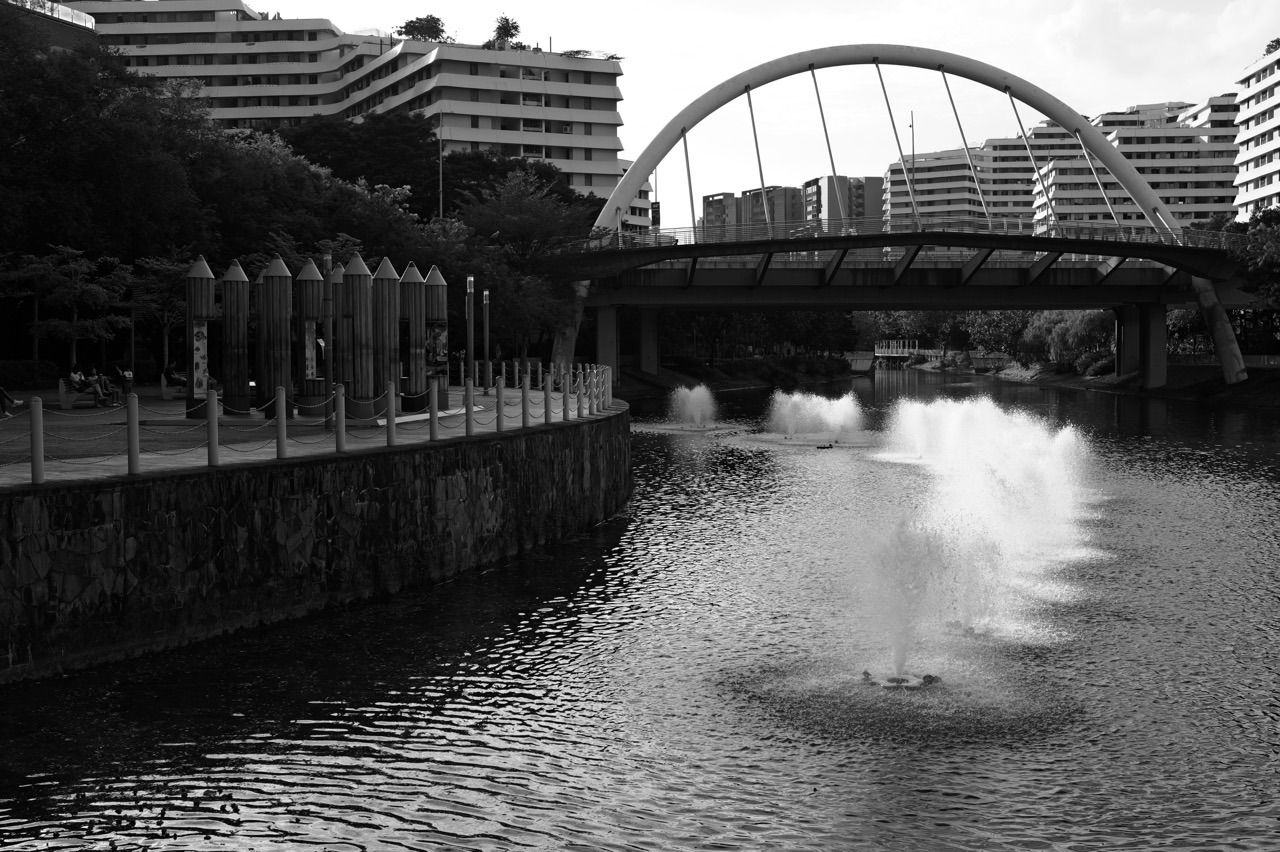
The top 10 things to do in Punggol for birdwatchers are built around three strong habitat settings: Punggol Waterway Park for accessible urban waterside observation, Coney Island for a quieter and more rustic daylight nature outing, and Lorong Halus Wetland and connected park connectors for birds associated with reservoirs, planted wetland edges and grassland. Beginners can begin with binoculars and a small notebook; serious birders can plan slower species-specific observation sessions using up-to-date authority information.
NParks’ recent park connector descriptions identify birdlife along these routes. The Punggol Waterway page explicitly describes birdwatching opportunities. The Punggol Park Connector page mentions Grey Heron, migratory Little Egret and Collared Kingfisher. The Lorong Halus Park Connector page mentions Chestnut Munias and Little Grebes near the wetland. These are examples of species associated with a wider route, not live sightings, permanent residents at a particular bench or guarantees that a visitor will see them.
This 2026 guide presents ten distinctive field experiences: a Waterway Park baseline walk, a parakeet canopy watch, a Coney Island woodland watch, a careful Coney Island edge visit, a Little Grebe scan, a munia grassland session, a heron-waterline observation, a kingfisher patience exercise, a Punggol Promenade reservoir-edge watch, and a four-week ethical bird log. Each includes a plan, identification discipline, access warnings and a suggested learning task. Choose one or two in a day, not all ten.
Birdwatching is most meaningful when it protects birds. NParks explicitly advises quiet observation, no playback of bird calls, leaving nesting birds alone and not sharing nest locations online. Coney Island Park operates 7am–7pm according to NParks; Punggol Point Park is affected by upgrading works from August 2026, so do not plan a closed northern-park viewing point. Rain, lightning, heat, haze and habitat disturbances can cancel a session. An absence of birds is not a reason to stray off a permitted path.
Quick birdwatching choice: ten Punggol field exercises
- 1. First-time birder — Waterway Park one-bridge baseline watch; Easy navigation; begin quietly.
- 2. Tree-canopy listener — Waterway parakeet and canopy observations; Do not promise a species sighting.
- 3. Woodland enthusiast — Coney Island forest-edge birdwatching; 7am–7pm, stay on trail.
- 4. Coastal habitat comparison — Coney Island public habitat edges; No entry into vegetation.
- 5. Waterbird observer — Lorong Halus Little Grebe scanning; Use legal viewpoints and patience.
- 6. Grassland-seed observer — Lorong Halus munia habitat watch; Distance first, no disturbance.
- 7. Large-waterbird learner — Punggol Park Connector heron study; Field marks before species names.
- 8. Kingfisher enthusiast — Collared Kingfisher patient watch; Do not chase calls or approach.
- 9. Reservoir promenade watcher — Punggol Promenade Riverside Walk; Short visit, check current access.
- 10. Citizen-science learner — Four-week ethical Punggol bird log; Record uncertainty, avoid nest locations.
A good birdwatching guide does not promise an animal will appear on command. These activities are ranked for what an observer can practise: listening, field marks, habitat comparison, ethical photography, patience or systematic record-keeping. Some share a broader park because a birder can undertake genuinely different field exercises in the same habitat on different days.
The field rules: observing birds without changing their behaviour
Record the evidence, not just a species name
Start by learning what counts as good birdwatching. Seeing many birds is pleasant but not the only success. A careful observer notices where a bird is perched, how it moves, whether it searches for food on the ground or in the water, and what habitat it is using. This matters because different species can share colours or body shapes. It is better to record ‘small white egret with yellowish bill not clearly seen’ than confidently misidentify a distant bird.
Let habitat guide questions without dictating answers
Use habitat as a hypothesis rather than proof. A planted urban waterway is different from a rustic island woodland, and a reservoir-edge wetland differs from a shop-lined promenade. Official NParks pages describe species along particular routes, which helps visitors know what to learn about, but individual sightings vary with season, time, disturbance and weather. Do not advertise a particular animal as a guaranteed attraction in the way a fixed architectural landmark is.
Keep equipment and photography non-intrusive
Birding ethics should control equipment choices. Binoculars are often more useful than a phone’s digital zoom, because magnification allows distant observation without walking toward wildlife. Long lenses are optional. Flash, call playback, baiting and approaching nests can stress birds and change their behaviour. NParks specifically asks birdwatchers to avoid playback and not publish nesting locations. Protecting birds matters more than collecting a rare photograph.
Stop and watch instead of chasing birds
Make each field session short enough for comfortable observation. A beginner may record more accurate details after thirty quiet minutes at one safe vantage point than after walking across all of Punggol. Carry water, sun protection, insect repellent where appropriate, and a lightweight notebook. Avoid blocking paths with tripods. If a bird moves out of view, let it go rather than entering tall grass or approaching water edges.
Identify by multiple field marks
Use an identification protocol: note approximate size relative to a familiar bird, body outline, bill shape, leg length, colour blocks, movement, call if naturally heard, and where the bird was. State whether the view was brief or clear. If uncertain, leave the species provisional and compare later with a reliable field guide. Distinguish a recorded possibility from a verified sighting, and never copy another person’s photograph as your own evidence.
Leave when the conditions or habitat require it
Plan around official conditions, not social-media excitement. NParks park pages, PCN closure notices and NEA weather information are important for practical access. Heavy rain and lightning make exposed waterfront observation inappropriate. Coney Island gates impose a hard closing time. If haze or extreme heat makes prolonged outdoor waiting unwise, use an indoor study session with official species materials rather than treating fieldwork as a test of toughness.
The top 10 Punggol birdwatching activities
1. Begin with a 30-minute Waterway Park baseline birdwatch
Place: Punggol Waterway Park public paths near a manageable bridge. Expected result: improved observation rather than a guaranteed bird count.
Why this is a worthwhile field experience
Waterway Park is one of Punggol’s easiest places to build a repeatable birdwatching habit. NParks lists birdwatching among the park’s activities, and its park connector description notes opportunities to observe different birds along the waterway. A short, familiar stretch has an advantage over a remote destination: the beginner can return on different dates and compare what appears without needing complicated transport or specialist equipment.
For serious beginners, knowing the purpose of the visit makes it easier to stay patient. Sightings are variable, so choose a skill the location allows: listening for natural calls, separating waterbirds from land birds, comparing silhouettes or noting habitat. If no target species appears, a well-recorded observation of common birds is still useful. Keep private notes distinct from public claims about the local wildlife population.
How to observe responsibly
Pick a public bridge with a clear, safe place to stand off the shared path. Spend ten minutes listening, ten scanning the tree or water edge, and ten writing down observations. Use a few simple categories: perched, flying, feeding, calling or unidentified. Avoid naming a species until distinctive details are visible. Choose daylight with comfortable weather and note the date, time and approximate conditions.
Use the current official park map and on-site instructions for Punggol Waterway Park public paths near a manageable bridge. Choose a public standing position where other walkers and cyclists can pass. Check the return route and local weather before setting up binoculars or a camera. A nature outing should avoid unnecessary pressure on the habitat; a bird that moves away should be allowed to do so without pursuit. If the place is busy, wait or move on rather than crowding it.
Worked Punggol field observation
A parent and teenager arrive with ordinary binoculars. They see two distant birds but cannot identify the first. Instead of guessing, they record size and flight pattern and later compare the notes with a guide. The second bird perches long enough to observe its bill and colours. The session is productive because both records distinguish what they actually saw from what they inferred.
The essential skill demonstrated here is separating observation from interpretation. A person can notice movement, sound, posture and colour without yet knowing the name of the bird. A species identification becomes more reliable when several independent field marks agree. Keeping uncertainty visible is a strength of birdwatching, not an admission that the outing had no value.
Ethics, access and limits
Waterway paths are shared with walkers and cyclists. Never place a tripod or crowd in the moving lane. Avoid leaning over railings, disturbing vegetation or calling birds toward you. A park listed as open twenty-four hours is not an endorsement for wandering along dark unfamiliar paths with binoculars; comfortable daylight remains the sensible default.
NParks asks birdwatchers to remain quiet, avoid playback of bird calls and leave nesting birds undisturbed without sharing nesting locations online. Do not feed birds, clear vegetation, approach chicks, cross barriers or monopolise a narrow path for a camera setup. Those restrictions are part of the activity itself. They protect both wild animals and other people using a shared public landscape.
Which other Punggol session might suit better?
Choose this when you are new to birdwatching or short on time. Select Coney Island when you want habitat diversity and can accommodate more rustic ground. Use Lorong Halus for a more focused wetland species session. The baseline route is valuable precisely because it is ordinary and repeatable.
Small fieldcraft exercise to keep
Create a baseline sheet with time, sky condition, number of distinct bird types confidently distinguished and two behaviours observed. On the next visit, compare the notes without treating a higher count as the only measure of success.
The underlying habitat or etiquette reference is available here. A species listed on an official route page is contextual evidence, not a live bird-sighting report. Do not confuse a historical or general listing with confirmation of what is visible from a particular bench today.
2. Listen for parakeets and other canopy birds along the waterway
Place: Tree-lined public sections of Punggol Waterway Park. Expected result: improved observation rather than a guaranteed bird count.
Why this is a worthwhile field experience
NParks’ Punggol Waterway Park page features the Long-tailed Parakeet among species of interest and notes that it may move in pairs or small groups. Tree canopy can be a valuable place to study movement and sound without forcing observers into vegetation. The exercise should be framed as listening and looking responsibly, not as a promise that Long-tailed Parakeets will be at a specified tree on a specified morning.
For serious beginners, knowing the purpose of the visit makes it easier to stay patient. Sightings are variable, so choose a skill the location allows: listening for natural calls, separating waterbirds from land birds, comparing silhouettes or noting habitat. If no target species appears, a well-recorded observation of common birds is still useful. Keep private notes distinct from public claims about the local wildlife population.
How to observe responsibly
Choose a shaded publicly accessible path and stop where other visitors can pass. Listen without playing bird calls, then look for movement in the branches. Use binoculars sparingly to investigate a visible bird. Note whether the observation was of a natural call, a silhouette or identifiable colours; never confuse a call heard at a distance with a bird you have actually seen.
Use the current official park map and on-site instructions for Tree-lined public sections of Punggol Waterway Park. Choose a public standing position where other walkers and cyclists can pass. Check the return route and local weather before setting up binoculars or a camera. A nature outing should avoid unnecessary pressure on the habitat; a bird that moves away should be allowed to do so without pursuit. If the place is busy, wait or move on rather than crowding it.
Worked Punggol field observation
An observer hears sharp calls overhead, looks up and notices a group of moving green silhouettes. They record the general shapes and movement, then later compare with possible parakeet descriptions. Rather than announcing a species immediately, the observer leaves the entry provisional because bill and tail details were unclear.
The essential skill demonstrated here is separating observation from interpretation. A person can notice movement, sound, posture and colour without yet knowing the name of the bird. A species identification becomes more reliable when several independent field marks agree. Keeping uncertainty visible is a strength of birdwatching, not an admission that the outing had no value.
Ethics, access and limits
Do not use recorded calls to draw birds closer. NParks cautions that playback can stress wildlife. Avoid standing beneath obvious nesting activity for prolonged photography, and do not share precise nest sites online. Binoculars and patient listening should replace chasing a bird through vegetation or across cycling paths.
NParks asks birdwatchers to remain quiet, avoid playback of bird calls and leave nesting birds undisturbed without sharing nesting locations online. Do not feed birds, clear vegetation, approach chicks, cross barriers or monopolise a narrow path for a camera setup. Those restrictions are part of the activity itself. They protect both wild animals and other people using a shared public landscape.
Which other Punggol session might suit better?
Choose a canopy watch when you enjoy audio clues and movement above eye level. A heron-waterline watch is better when you want to learn large-bird posture and bill shape from a fixed viewpoint. Both rely on patience, but canopy birds may be harder to see clearly in dense foliage.
Small fieldcraft exercise to keep
Create two evidence columns: ‘heard’ and ‘seen’. Add one sentence about the height and direction of movement. This discipline reduces false identifications and helps novice birders understand how sound supports but does not replace visual evidence.
The underlying habitat or etiquette reference is available here. A species listed on an official route page is contextual evidence, not a live bird-sighting report. Do not confuse a historical or general listing with confirmation of what is visible from a particular bench today.
3. Spend a quiet woodland birdwatching session on Coney Island
Place: Coney Island Park public woodland trails and edges. Expected result: improved observation rather than a guaranteed bird count.
Why this is a worthwhile field experience
Coney Island’s rustic habitats provide a different birdwatching context from landscaped urban waterway paths. NParks emphasises its ecological significance, biodiversity and boardwalk/woodland experience. For a birdwatcher, the main attraction is a slower rhythm that allows attention to movement, sound and understory structure, not a guarantee of a rare species. The value of the island increases when visitors leave its wildlife undisturbed.
For serious beginners, knowing the purpose of the visit makes it easier to stay patient. Sightings are variable, so choose a skill the location allows: listening for natural calls, separating waterbirds from land birds, comparing silhouettes or noting habitat. If no target species appears, a well-recorded observation of common birds is still useful. Keep private notes distinct from public claims about the local wildlife population.
How to observe responsibly
Enter through a currently open West or East gate during the 7am–7pm operating window. Choose a short section and agree on a turn-back well before closing, allowing for uneven ground. Stop in appropriate places on the trail to listen and scan. Do not walk into the vegetation to confirm a species. Carry water, suitable shoes and protection against insects; keep the group small and quiet.
Use the current official park map and on-site instructions for Coney Island Park public woodland trails and edges. Choose a public standing position where other walkers and cyclists can pass. Check the return route and local weather before setting up binoculars or a camera. A nature outing should avoid unnecessary pressure on the habitat; a bird that moves away should be allowed to do so without pursuit. If the place is busy, wait or move on rather than crowding it.
Worked Punggol field observation
Two birders arrive early and identify a place where the trail borders denser vegetation. They wait silently for fifteen minutes and note three types of movement, only one clearly identifiable. Instead of rushing toward a sudden sound, they remain in place. They later discuss how their notes differ from waterway sightings, then leave while there is ample time before gate closure.
The essential skill demonstrated here is separating observation from interpretation. A person can notice movement, sound, posture and colour without yet knowing the name of the bird. A species identification becomes more reliable when several independent field marks agree. Keeping uncertainty visible is a strength of birdwatching, not an admission that the outing had no value.
Ethics, access and limits
Rugged terrain can make birdwatching hard for visitors with limited mobility. A narrow nature trail is not the right place for a large tripod-and-photographer group. Park rules protect flora and fauna, and visitors should avoid sensitive nesting sites, feeding wildlife, flash disturbance or extracting natural materials. Sudden storms are a reason to defer the visit.
NParks asks birdwatchers to remain quiet, avoid playback of bird calls and leave nesting birds undisturbed without sharing nesting locations online. Do not feed birds, clear vegetation, approach chicks, cross barriers or monopolise a narrow path for a camera setup. Those restrictions are part of the activity itself. They protect both wild animals and other people using a shared public landscape.
Which other Punggol session might suit better?
Choose Coney Island when you want to observe natural habitat and can invest more time and preparation. Choose Waterway Park for easier short visits or Lorong Halus when wetland and reservoir waterbirds are the main purpose. Island access and closing time must take precedence over a desired photograph.
Small fieldcraft exercise to keep
Draw a simple map of habitat types you can see from permitted paths, such as denser tree cover and more open edges. Record where birds were heard versus seen, without putting nests or sensitive wildlife locations on a public map.
The underlying habitat or etiquette reference is available here. A species listed on an official route page is contextual evidence, not a live bird-sighting report. Do not confuse a historical or general listing with confirmation of what is visible from a particular bench today.
4. Compare bird activity near Coney Island’s open habitat edges
Place: Permitted Coney Island public paths near habitat transitions. Expected result: improved observation rather than a guaranteed bird count.
Why this is a worthwhile field experience
An ecological ‘edge’ is where one kind of habitat meets another; observing one can reveal differences in how birds move between vegetation and more open space. Coney Island offers a chance to examine these transitions without entering closed areas. This is a distinct exercise from woodland listening: here the birder watches flight paths, perches and behavioural differences across habitat boundaries.
For serious beginners, knowing the purpose of the visit makes it easier to stay patient. Sightings are variable, so choose a skill the location allows: listening for natural calls, separating waterbirds from land birds, comparing silhouettes or noting habitat. If no target species appears, a well-recorded observation of common birds is still useful. Keep private notes distinct from public claims about the local wildlife population.
How to observe responsibly
Use the current NParks map to find a legal trail section where two habitats can be observed from a fixed public position. Keep a comfortable distance from birds and do not describe a rare species as guaranteed. Note where a bird emerges, whether it lands or crosses the open area, and whether it returns to cover. Work quietly and exit during park operating hours.
Use the current official park map and on-site instructions for Permitted Coney Island public paths near habitat transitions. Choose a public standing position where other walkers and cyclists can pass. Check the return route and local weather before setting up binoculars or a camera. A nature outing should avoid unnecessary pressure on the habitat; a bird that moves away should be allowed to do so without pursuit. If the place is busy, wait or move on rather than crowding it.
Worked Punggol field observation
A birder sits at a suitable public rest point and watches small birds crossing between trees and a more open area. They count several transitions but refrain from guessing the reason each bird moved. Back home they research how food, shade and disturbance might influence those patterns. The visit generates questions rather than sensational claims.
The essential skill demonstrated here is separating observation from interpretation. A person can notice movement, sound, posture and colour without yet knowing the name of the bird. A species identification becomes more reliable when several independent field marks agree. Keeping uncertainty visible is a strength of birdwatching, not an admission that the outing had no value.
Ethics, access and limits
The temptation to approach an opening for a ‘clean shot’ is strong, but stepping into vegetation can trample habitat and disrupt birds. Do not use drones, artificial calls or bait to engineer a sighting. The island’s natural surfaces and limited services are also practical constraints; a short observation window is better than risking a late return.
NParks asks birdwatchers to remain quiet, avoid playback of bird calls and leave nesting birds undisturbed without sharing nesting locations online. Do not feed birds, clear vegetation, approach chicks, cross barriers or monopolise a narrow path for a camera setup. Those restrictions are part of the activity itself. They protect both wild animals and other people using a shared public landscape.
Which other Punggol session might suit better?
Choose habitat-edge observation when you are interested in behaviour rather than just collecting a species list. Choose the same park’s woodland listening exercise for sound and canopy skills. Both can be completed on different visits so that observers do not rush between points.
Small fieldcraft exercise to keep
Make a two-column record of ‘edge behaviour’ and ‘uncertainty’. Separating observation from interpretation teaches the same discipline used in sound scientific field notes: what happened is not always the same as why it happened.
The underlying habitat or etiquette reference is available here. A species listed on an official route page is contextual evidence, not a live bird-sighting report. Do not confuse a historical or general listing with confirmation of what is visible from a particular bench today.
5. Scan Lorong Halus Wetland for Little Grebes from a legal viewpoint
Place: Lorong Halus Wetland and the adjacent permitted park connector viewing areas. Expected result: improved observation rather than a guaranteed bird count.
Why this is a worthwhile field experience
NParks’ Lorong Halus Park Connector page names the Little Grebe among bird species visitors may observe near the wetland. The water-treatment landscape and reservoirs make this a distinctive place to study small waterbirds. Grebes can be difficult to pick out at a distance, so patience, a steady view and recording uncertain detail matter more than trying to photograph something before it dives or moves out of sight.
For serious beginners, knowing the purpose of the visit makes it easier to stay patient. Sightings are variable, so choose a skill the location allows: listening for natural calls, separating waterbirds from land birds, comparing silhouettes or noting habitat. If no target species appears, a well-recorded observation of common birds is still useful. Keep private notes distinct from public claims about the local wildlife population.
How to observe responsibly
Use the official connector and PUB wetland information to choose a designated viewing area; never enter water-treatment infrastructure. Scan a defined patch of open water with binoculars, pause and scan again. Record the approximate size, silhouette and movement of any waterbird. If the bird dives and reappears elsewhere, resist counting it as a new individual automatically. Keep field notes conservative.
Use the current official park map and on-site instructions for Lorong Halus Wetland and the adjacent permitted park connector viewing areas. Choose a public standing position where other walkers and cyclists can pass. Check the return route and local weather before setting up binoculars or a camera. A nature outing should avoid unnecessary pressure on the habitat; a bird that moves away should be allowed to do so without pursuit. If the place is busy, wait or move on rather than crowding it.
Worked Punggol field observation
An observer watches a small waterbird near the reservoir edge. After several minutes it disappears beneath the surface and later reappears, but distance prevents clear identification. They write ‘small diving waterbird; Little Grebe possible’ rather than an exact confirmed tick. On a later visit with better optics and light, the observer gains greater confidence.
The essential skill demonstrated here is separating observation from interpretation. A person can notice movement, sound, posture and colour without yet knowing the name of the bird. A species identification becomes more reliable when several independent field marks agree. Keeping uncertainty visible is a strength of birdwatching, not an admission that the outing had no value.
Ethics, access and limits
Do not approach unstable banks, enter the reservoir or collect water samples. The wetland treats runoff from a former landfill, and its facilities serve a public environmental function. Exposed walks require sun and rain precautions. Even when a bird is absent, the site deserves respect; feeding or baiting to create a picture is inappropriate.
NParks asks birdwatchers to remain quiet, avoid playback of bird calls and leave nesting birds undisturbed without sharing nesting locations online. Do not feed birds, clear vegetation, approach chicks, cross barriers or monopolise a narrow path for a camera setup. Those restrictions are part of the activity itself. They protect both wild animals and other people using a shared public landscape.
Which other Punggol session might suit better?
Choose this exercise when you want to learn waterbird observation and are comfortable waiting. Choose the Munia grassland watch for flock and feeding behaviour outside open water. A general waterway walk is easier when travel time or comfort is limited.
Small fieldcraft exercise to keep
Add a sketch of the bird’s silhouette and note how long it remained above water between observed dives, without claiming a scientific statistic from a single anecdotal visit. Sketching can be more valuable than a distant blurred photograph.
The underlying habitat or etiquette reference is available here. A species listed on an official route page is contextual evidence, not a live bird-sighting report. Do not confuse a historical or general listing with confirmation of what is visible from a particular bench today.
6. Look for Chestnut Munias in suitable Lorong Halus grassland views
Place: Lorong Halus Park Connector public path near wetland and grassy areas. Expected result: improved observation rather than a guaranteed bird count.
Why this is a worthwhile field experience
NParks specifically names Chestnut Munias as a birdwatching possibility along the Lorong Halus connector. A focused munia session teaches a different visual skill from grebe scanning: observing small birds’ flock movement, short flights, perched silhouettes and foraging behaviour from a safe distance. The aim is to use official species context without pretending a munia flock is guaranteed in a particular patch of grass.
For serious beginners, knowing the purpose of the visit makes it easier to stay patient. Sightings are variable, so choose a skill the location allows: listening for natural calls, separating waterbirds from land birds, comparing silhouettes or noting habitat. If no target species appears, a well-recorded observation of common birds is still useful. Keep private notes distinct from public claims about the local wildlife population.
How to observe responsibly
Choose a public path where grasses can be seen without stepping into habitat. Remain still for several minutes and watch for natural movement. Use binoculars from the path and note flock size only when you can avoid double-counting. Try to observe differences in body proportions or plumage before settling on a name. Do not shake grass or scatter food to make birds emerge.
Use the current official park map and on-site instructions for Lorong Halus Park Connector public path near wetland and grassy areas. Choose a public standing position where other walkers and cyclists can pass. Check the return route and local weather before setting up binoculars or a camera. A nature outing should avoid unnecessary pressure on the habitat; a bird that moves away should be allowed to do so without pursuit. If the place is busy, wait or move on rather than crowding it.
Worked Punggol field observation
A group of two learners sees several small birds perched near grasses. They record relative size, flock movement and whether they are feeding, then compare their notes with the NParks-listed species. The birds fly before a complete view is available, so the group records an uncertain identification and treats that as acceptable.
The essential skill demonstrated here is separating observation from interpretation. A person can notice movement, sound, posture and colour without yet knowing the name of the bird. A species identification becomes more reliable when several independent field marks agree. Keeping uncertainty visible is a strength of birdwatching, not an admission that the outing had no value.
Ethics, access and limits
A small bird photographed in low light can be misidentified. Avoid overconfidence based on a blurred image or the fact that a species is known along the connector. Visitors must not leave the public trail to flush birds into the open. Sensitive vegetation may shelter nesting wildlife; leave it undisturbed.
NParks asks birdwatchers to remain quiet, avoid playback of bird calls and leave nesting birds undisturbed without sharing nesting locations online. Do not feed birds, clear vegetation, approach chicks, cross barriers or monopolise a narrow path for a camera setup. Those restrictions are part of the activity itself. They protect both wild animals and other people using a shared public landscape.
Which other Punggol session might suit better?
Choose this for small-bird flock behaviour and patient binocular practice. Choose the Little Grebe scan when you want waterbirds, or a Waterway Park canopy watch when sound-based observation is more interesting. Each technique provides a different challenge.
Small fieldcraft exercise to keep
Write an evidence note with flock count range rather than pretending perfect precision. For example, ‘approximately five to seven individuals, distant and moving quickly’. An honest range is often more useful than an exact but unsupported number.
The underlying habitat or etiquette reference is available here. A species listed on an official route page is contextual evidence, not a live bird-sighting report. Do not confuse a historical or general listing with confirmation of what is visible from a particular bench today.
7. Study herons and egrets along the Punggol Park Connector
Place: Appropriate public viewpoints beside Punggol Park Connector water edges. Expected result: improved observation rather than a guaranteed bird count.
Why this is a worthwhile field experience
NParks’ 6.1-kilometre Punggol Park Connector description names Grey Heron and migratory Little Egret among its birdlife. Their contrasting proportions and behaviours make them useful subjects for learners studying larger waterbirds. The connector runs through water-themed landscapes and joins other recreational links, but this activity requires only one safe and well-chosen viewpoint rather than the entire named route.
For serious beginners, knowing the purpose of the visit makes it easier to stay patient. Sightings are variable, so choose a skill the location allows: listening for natural calls, separating waterbirds from land birds, comparing silhouettes or noting habitat. If no target species appears, a well-recorded observation of common birds is still useful. Keep private notes distinct from public claims about the local wildlife population.
How to observe responsibly
Choose a waterline viewing position that does not block the connector. Scan for large wading silhouettes, bill lengths and leg positions. Record habitat and posture first, then check whether visible field marks support an identification. If a bird stands still for a long time, use the opportunity for a careful sketch instead of walking closer. A zoomed photograph may help if taken without disturbance.
Use the current official park map and on-site instructions for Appropriate public viewpoints beside Punggol Park Connector water edges. Choose a public standing position where other walkers and cyclists can pass. Check the return route and local weather before setting up binoculars or a camera. A nature outing should avoid unnecessary pressure on the habitat; a bird that moves away should be allowed to do so without pursuit. If the place is busy, wait or move on rather than crowding it.
Worked Punggol field observation
A beginner initially calls every long-legged waterbird a heron. A companion asks them to compare size and posture without imposing a name. They observe one bird standing still and another actively moving near water. Later they review a field guide and find which marks were genuinely visible. The exercise improves precision, regardless of whether the species count is one or two.
The essential skill demonstrated here is separating observation from interpretation. A person can notice movement, sound, posture and colour without yet knowing the name of the bird. A species identification becomes more reliable when several independent field marks agree. Keeping uncertainty visible is a strength of birdwatching, not an admission that the outing had no value.
Ethics, access and limits
The route name Punggol Park Connector should not be confused with Punggol Park near Hougang Avenue 8 and 10. Plan the actual point on an official map. Do not approach the water’s edge or trap a bird between people and a railing. During migration periods, extra excitement is not permission to crowd individual birds.
NParks asks birdwatchers to remain quiet, avoid playback of bird calls and leave nesting birds undisturbed without sharing nesting locations online. Do not feed birds, clear vegetation, approach chicks, cross barriers or monopolise a narrow path for a camera setup. Those restrictions are part of the activity itself. They protect both wild animals and other people using a shared public landscape.
Which other Punggol session might suit better?
Choose herons and egrets for large-bird identification practice. Choose kingfishers for more challenging patience and listening. When weather is unsuitable, use field-guide illustrations indoors and return another day.
Small fieldcraft exercise to keep
Draw two body-outline sketches and list the field marks actually observed. Add a separate line for possible species, preserving uncertainty. This method prevents an attractive photograph from becoming false evidence for a specific identification.
The underlying habitat or etiquette reference is available here. A species listed on an official route page is contextual evidence, not a live bird-sighting report. Do not confuse a historical or general listing with confirmation of what is visible from a particular bench today.
8. Practise patience while watching for a Collared Kingfisher
Place: Appropriate Punggol Park Connector public sections with nearby trees and waterways. Expected result: improved observation rather than a guaranteed bird count.
Why this is a worthwhile field experience
The NParks Punggol Park Connector listing mentions Collared Kingfisher among commonly seen birds along its water-themed route. A kingfisher-focused outing is a lesson in patient scanning and behaviour, not a guarantee that a bird will appear on a fixed branch. Even a naturally heard call may be enough to prompt careful listening, provided the observer does not respond with recorded audio to attract birds.
For serious beginners, knowing the purpose of the visit makes it easier to stay patient. Sightings are variable, so choose a skill the location allows: listening for natural calls, separating waterbirds from land birds, comparing silhouettes or noting habitat. If no target species appears, a well-recorded observation of common birds is still useful. Keep private notes distinct from public claims about the local wildlife population.
How to observe responsibly
Begin in suitable daylight and choose a safe position with an unobstructed view of a public landscape, not a nest or private property. Scan obvious perches, listen naturally and note any bird that moves between ground, branch and water edge. Photograph only from your existing position and use binoculars to look for distinctive proportions. Keep the session short if the sun becomes uncomfortable.
Use the current official park map and on-site instructions for Appropriate Punggol Park Connector public sections with nearby trees and waterways. Choose a public standing position where other walkers and cyclists can pass. Check the return route and local weather before setting up binoculars or a camera. A nature outing should avoid unnecessary pressure on the habitat; a bird that moves away should be allowed to do so without pursuit. If the place is busy, wait or move on rather than crowding it.
Worked Punggol field observation
A visitor hears a sharp natural call and scans several tree perches. A colourful bird appears briefly, but the view is too short to determine all field marks. The visitor writes a provisional kingfisher observation and notes where the sound originated, not a precisely marked nesting site. They leave the bird undisturbed and use reference material to refine the record later.
The essential skill demonstrated here is separating observation from interpretation. A person can notice movement, sound, posture and colour without yet knowing the name of the bird. A species identification becomes more reliable when several independent field marks agree. Keeping uncertainty visible is a strength of birdwatching, not an admission that the outing had no value.
Ethics, access and limits
Bird-call playback can stress birds and is discouraged by NParks. Approaching perches repeatedly or gathering a crowd around nesting activity is inappropriate. Do not publish exact locations of nests, eggs or chicks. A bird that vanishes into cover has ended the encounter; give it the space it chose.
NParks asks birdwatchers to remain quiet, avoid playback of bird calls and leave nesting birds undisturbed without sharing nesting locations online. Do not feed birds, clear vegetation, approach chicks, cross barriers or monopolise a narrow path for a camera setup. Those restrictions are part of the activity itself. They protect both wild animals and other people using a shared public landscape.
Which other Punggol session might suit better?
Choose this when patience and listening are appealing. Choose a waterbird scan if you need a more static field of view or are new to using binoculars. None of these activities requires expensive photographic gear, and no bird should be forced into view for a beginner’s satisfaction.
Small fieldcraft exercise to keep
Record an observation with three columns: heard, visible field marks and confidence level. If identification remains uncertain, keep the note instead of turning it into a confident list entry. A respectful birder values reliable evidence over a glamorous name.
The underlying habitat or etiquette reference is available here. A species listed on an official route page is contextual evidence, not a live bird-sighting report. Do not confuse a historical or general listing with confirmation of what is visible from a particular bench today.
9. Take a short reservoir-edge watch on Punggol Promenade Riverside Walk
Place: Punggol Promenade Riverside Walk public path near Serangoon Reservoir and Tebing Lane. Expected result: improved observation rather than a guaranteed bird count.
Why this is a worthwhile field experience
NParks’ park connector directory describes Riverside Walk as a 1.2-kilometre wheelchair-friendly promenade with reservoir views. The accessible-style route and nearby amenities can be useful for birdwatchers who prefer a compact rather than rustic outing. Waterside birds may be visible at different distances, but the point is to practise patient observation of open water and planted edges without making unsupported promises about particular species.
For serious beginners, knowing the purpose of the visit makes it easier to stay patient. Sightings are variable, so choose a skill the location allows: listening for natural calls, separating waterbirds from land birds, comparing silhouettes or noting habitat. If no target species appears, a well-recorded observation of common birds is still useful. Keep private notes distinct from public claims about the local wildlife population.
How to observe responsibly
Find a legitimate public viewing position, check up-to-date access notices and choose a limited observation window. Let birds remain at their natural distance. Record whether activity occurs on the water, near shore or in vegetation. If photography is part of the plan, keep camera equipment entirely outside the passage of walkers, cyclists and mobility aids. Finish before the heat or weather becomes uncomfortable.
Use the current official park map and on-site instructions for Punggol Promenade Riverside Walk public path near Serangoon Reservoir and Tebing Lane. Choose a public standing position where other walkers and cyclists can pass. Check the return route and local weather before setting up binoculars or a camera. A nature outing should avoid unnecessary pressure on the habitat; a bird that moves away should be allowed to do so without pursuit. If the place is busy, wait or move on rather than crowding it.
Worked Punggol field observation
A photographer and friend stop on a short reservoir route before lunch. One watches with binoculars while the other writes down visible movement. They realise a distant white bird is too far away to distinguish an egret from another species confidently, so they record it as unidentified. The discipline prevents a false rare-bird claim on social media.
The essential skill demonstrated here is separating observation from interpretation. A person can notice movement, sound, posture and colour without yet knowing the name of the bird. A species identification becomes more reliable when several independent field marks agree. Keeping uncertainty visible is a strength of birdwatching, not an admission that the outing had no value.
Ethics, access and limits
Waterfront walk accessibility should not be confused with unlimited entry into adjacent construction, coastal closures or private infrastructure. The wider northern Punggol Point Park is affected by upgrading in 2026–2027, so do not depend on that park as a return or viewpoint. Respect current paths and do not approach reservoir edges.
NParks asks birdwatchers to remain quiet, avoid playback of bird calls and leave nesting birds undisturbed without sharing nesting locations online. Do not feed birds, clear vegetation, approach chicks, cross barriers or monopolise a narrow path for a camera setup. Those restrictions are part of the activity itself. They protect both wild animals and other people using a shared public landscape.
Which other Punggol session might suit better?
Choose Riverside Walk when a shorter waterside observation and nearby food stop suit the day. Choose the larger Waterway Park if you want a familiar town-centre start, or Lorong Halus for a purpose-built wetland and its officially described species opportunities.
Small fieldcraft exercise to keep
Record two habitat descriptors—a planted edge and open water, for instance—and one behavioural difference observed between them. Add weather and time of day so later comparisons do not confuse seasonal changes with changes in visit conditions.
The underlying habitat or etiquette reference is available here. A species listed on an official route page is contextual evidence, not a live bird-sighting report. Do not confuse a historical or general listing with confirmation of what is visible from a particular bench today.
10. Build a four-week ethical Punggol birdwatching journal
Place: Repeat chosen public viewpoints at Punggol Waterway Park, Lorong Halus or an open approved nature route. Expected result: improved observation rather than a guaranteed bird count.
Why this is a worthwhile field experience
A consistent journal is a birdwatching activity that can reveal more than one ambitious walk. Repeating the same accessible viewpoint reduces variation in travel, habitat and effort, making it easier to notice changes in weather, bird behaviour and observer skill. A journal also encourages accountability: it separates verified observation from possible identifications and avoids the social-media pressure to claim a new species at every visit.
For serious beginners, knowing the purpose of the visit makes it easier to stay patient. Sightings are variable, so choose a skill the location allows: listening for natural calls, separating waterbirds from land birds, comparing silhouettes or noting habitat. If no target species appears, a well-recorded observation of common birds is still useful. Keep private notes distinct from public claims about the local wildlife population.
How to observe responsibly
Choose one or two official public viewpoints and return at a reasonably similar hour for four weeks. Record date, time, conditions, observation duration, broad habitat, species identified with confidence, uncertain birds and general behaviours. Keep sensitive nest details out of publicly shared notes. If weather is unsafe during a planned week, reschedule rather than exposing yourself to lightning or heat to preserve a streak.
Use the current official park map and on-site instructions for Repeat chosen public viewpoints at Punggol Waterway Park, Lorong Halus or an open approved nature route. Choose a public standing position where other walkers and cyclists can pass. Check the return route and local weather before setting up binoculars or a camera. A nature outing should avoid unnecessary pressure on the habitat; a bird that moves away should be allowed to do so without pursuit. If the place is busy, wait or move on rather than crowding it.
Worked Punggol field observation
An observer visits the same Waterway Park bridge on four different comfortable mornings. The first visit contains mostly anonymous silhouettes; by week three they distinguish several common birds by posture and call. The journal shows improving evidence quality even when the fourth visit has fewer sightings. It is a record of learning, not a competition with wildlife.
The essential skill demonstrated here is separating observation from interpretation. A person can notice movement, sound, posture and colour without yet knowing the name of the bird. A species identification becomes more reliable when several independent field marks agree. Keeping uncertainty visible is a strength of birdwatching, not an admission that the outing had no value.
Ethics, access and limits
Do not publish precise locations of nests or other vulnerable wildlife. A notebook or phone should never distract attention at road crossings or shared paths. Repeated visits must not create an informal feeding site, off-trail shortcut or regular disturbance at a perch. Be cautious about interpreting small samples as proof of species population trends.
NParks asks birdwatchers to remain quiet, avoid playback of bird calls and leave nesting birds undisturbed without sharing nesting locations online. Do not feed birds, clear vegetation, approach chicks, cross barriers or monopolise a narrow path for a camera setup. Those restrictions are part of the activity itself. They protect both wild animals and other people using a shared public landscape.
Which other Punggol session might suit better?
Choose a four-week journal when you want deeper skill and a manageable hobby, not just a sightseeing day. Choose a single Lorong Halus or Coney Island outing when you have limited time for repetition. The two methods can complement each other, but the regular baseline gives context to occasional exciting field visits.
Small fieldcraft exercise to keep
Finish every entry with one thing observed, one thing uncertain and one thing to research. Review four entries together and identify which field marks have become easier to recognise. This is a practical way to learn the difference between an exciting anecdote and a repeatable, evidence-based observation.
The underlying habitat or etiquette reference is available here. A species listed on an official route page is contextual evidence, not a live bird-sighting report. Do not confuse a historical or general listing with confirmation of what is visible from a particular bench today.
Three field itineraries that avoid rushing wildlife
1. A 45-minute first field session
Choose one Punggol Waterway Park bridge, stand safely off shared paths and split time into quiet listening, binocular observation and written notes. Avoid making a species target a condition for success. Finish early enough for shade, hydration and a comfortable return.
Allow the observation to end even when nothing unusual appears. Birdwatching rewards repeat visits, not forced results. When rain, haze, heat or lightning makes the plan inappropriate, use reference books or approved recordings indoors to practise identification rather than continuing outdoors for the sake of a planned checklist.
2. Two-hour wetland theme
Use the officially mapped Lorong Halus Park Connector approach, choose a safe approved viewpoint and spend time first scanning open water and then grassland without entering vegetation. Compare notes and complete identification at home rather than chasing a moving bird.
Allow the observation to end even when nothing unusual appears. Birdwatching rewards repeat visits, not forced results. When rain, haze, heat or lightning makes the plan inappropriate, use reference books or approved recordings indoors to practise identification rather than continuing outdoors for the sake of a planned checklist.
3. A daylight habitat comparison
Visit one Coney Island permitted trail section during its 7am–7pm opening, keep a turn-back margin and record habitat differences. Leave well before closing. If weather or ground conditions are unsuitable, switch to reference reading at Punggol Regional Library.
Allow the observation to end even when nothing unusual appears. Birdwatching rewards repeat visits, not forced results. When rain, haze, heat or lightning makes the plan inappropriate, use reference books or approved recordings indoors to practise identification rather than continuing outdoors for the sake of a planned checklist.
How to keep an evidence-based Punggol bird log
Each record should include date, approximate time, broad public habitat, observation duration, weather, bird count only where defensible, observed field marks and confidence. ‘Unidentified small brown bird’ can be a good record when the view was poor. A species name without supporting features is a weaker record. Try to sketch the bill, tail and posture in a few strokes, even if drawing is not a strong skill.
For moving groups, avoid double-counting. A flock may leave one shrub and appear on the next, so an exact head count is often unwarranted. State a reasonable estimate or range when movement is quick. When viewing diving waterbirds, do not automatically count every reappearance as a new individual. Consistency matters more than an impressive total.
Avoid using a rare-bird claim to seek attention. Verify unusual identifications against reputable references and more experienced observers, and keep sensitive nest or roost details private. Photos of wildlife should be taken at a respectful distance without disrupting natural behaviour. If a publication includes another photographer’s picture, obtain permission and credit properly rather than presenting it as an original field record.
A four-week repeated-point project can teach more than a rushed one-day checklist. Use roughly similar observation effort at a familiar public viewpoint. Differences in birds observed may reflect time, noise, weather or chance, and four visits do not establish a population trend. The journal’s goal is careful attention and improving identification discipline, not a scientific survey masquerading as one.
Ten-item birdwatcher packing and safety list
- Use binoculars if available; expensive camera equipment is optional.
- Bring a small notebook or a phone note with clear field headings.
- Choose practical shoes for the actual ground and weather.
- Carry water and appropriate insect and sun protection.
- Check official park opening times and closures before travel.
- Read NEA lightning, rain, heat and air-quality information.
- Stay on designated public paths and clear shared movement corridors.
- Never play bird calls, feed wildlife or approach nests.
- Record uncertain identifications as uncertain, not confirmed.
- Keep precise nesting locations and vulnerable wildlife details off public maps.
Five birdwatching mistakes to avoid
The first mistake is letting a location name become a false promise. Coney Island, Lorong Halus and Punggol Waterway are known for biodiversity, but wild birds move freely. If a guide lists Little Grebe, Chestnut Munia or kingfisher, the species should be treated as a possibility and something to study, not an attraction scheduled for a particular minute.
The second mistake is moving toward birds instead of improving observation technique. Good binoculars and patience often yield more field information with less disturbance. Leave a bird alone when it shows signs of moving away. Do not use flash, bait or call playback to force behaviour that improves a photograph.
The third mistake is using a crowded trail as a photography studio. Pedestrians, cyclists and mobility-aid users need room, and public park paths are not private shooting locations. Stop in a designated suitable place and let people pass. Tripods and large lenses do not give a right to block an accessible route.
The fourth mistake is treating all waterfront places as interchangeable. Waterway Park is an urban public park; Coney Island contains rustic habitat and has fixed daily operating hours; Lorong Halus also performs an environmental water-treatment role. Each has its own access patterns and limits. Use the actual authority’s map rather than a generic Punggol pin.
The fifth mistake is sharing sensitive locations too freely. A visible nesting bird can attract crowding and disturbance when posted with an exact map pin. NParks’ explicit instruction not to share nest locations exists for this reason. A description such as ‘observed from a permitted public path in northeast Singapore’ can tell a useful story without exposing a vulnerable nesting site.
Frequently asked questions
Where is the best birdwatching location in Punggol for beginners?
Punggol Waterway Park offers a repeatable urban waterside setting with clear public access choices. Start from a short, comfortable section and identify birds with caution. Lorong Halus and Coney Island suit more deliberate wetland and rustic-habitat visits.
What birds might be found at Lorong Halus?
The NParks Lorong Halus Park Connector description mentions Chestnut Munia and Little Grebe. This is an indication of species to learn about, not a guarantee for a particular visit or exact viewing point.
What bird species does NParks mention along Punggol Park Connector?
The official description names Grey Heron, migratory Little Egret and Collared Kingfisher. A visitor should still record only what they personally identify from reliable visual or natural audio evidence.
Can I see a Long-tailed Parakeet in Waterway Park?
NParks features the Long-tailed Parakeet on its Waterway Park page, but it does not promise a sighting. Watch canopy movement quietly and do not attract birds with audio playback or feeding.
What time should I go birdwatching?
NParks notes that birds are generally active in the early morning, with some opportunities near dusk. Choose daylight, current safe weather and a route that can be completed before gated parks close.
Is Coney Island open for dawn or evening birdwatching?
NParks lists 7am to 7pm opening hours. Do not enter before opening or stay past closing, and account for walking time back to the gate.
Do birders need expensive cameras?
No. Binoculars and careful notes often teach identification better than heavy camera equipment. Photography is optional. Never move closer to nests or wildlife merely to compensate for limited zoom.
Can I play bird calls to make birds come closer?
No. NParks explicitly advises against bird-call playback because it can stress birds. Observe natural calls without trying to change their behaviour.
Can I share a nesting location online?
NParks advises leaving nesting birds alone and not sharing nest locations online. Protect sensitive details even if the photograph itself seems harmless.
Should I feed birds to improve photographs?
No. NParks park etiquette prohibits feeding wildlife. Feeding changes natural behaviour and can create health, ecological and human-wildlife problems.
How should I record an uncertain species?
Write down visible details, rough size, location type, behaviour and confidence level. Use ‘possible’ or ‘unidentified’ when necessary. Never convert a distant blur into a confirmed species just because a website lists that bird nearby.
What if air quality, heat or lightning is poor?
Use NEA myENV and official advisories before and during the visit. Cancel or shorten exposed sessions when unsafe and do an indoor identification or reading exercise instead. Birdwatching is not worth an avoidable weather risk.
Official species, park and safety references
Species examples cited here are grounded in NParks’ published Punggol Park Connector, Lorong Halus Park Connector and Waterway Park information, while wetland context comes from PUB. They do not represent an up-to-the-minute sighting database. Verify active access and weather before each visit; do not rely on an old guide for gate or construction status.
- NParks birdwatching etiquette and field tips
- NParks Punggol Waterway Park
- NParks Punggol Waterway Park Connector
- NParks Coney Island
- NParks Lorong Halus Connector species
- NParks Punggol Park Connector species
- PUB Lorong Halus Wetland environmental setting
- NParks park etiquette
- NEA myENV
- Punggol nature-lovers top ten
- Red-wattled Lapwing local guide
- Little Heron local identification guide
The next outing: one viewpoint, one skill, one careful note
Pick one publicly accessible Punggol habitat and a birdwatching skill that interests you. Use a safe viewpoint, observe without interfering, and write one honest entry including uncertainty. Return another day for a comparison. A birdwatcher learns the neighbourhood more deeply through respectful repeated attention than through chasing an unrealistically long list of guaranteed sightings.


