
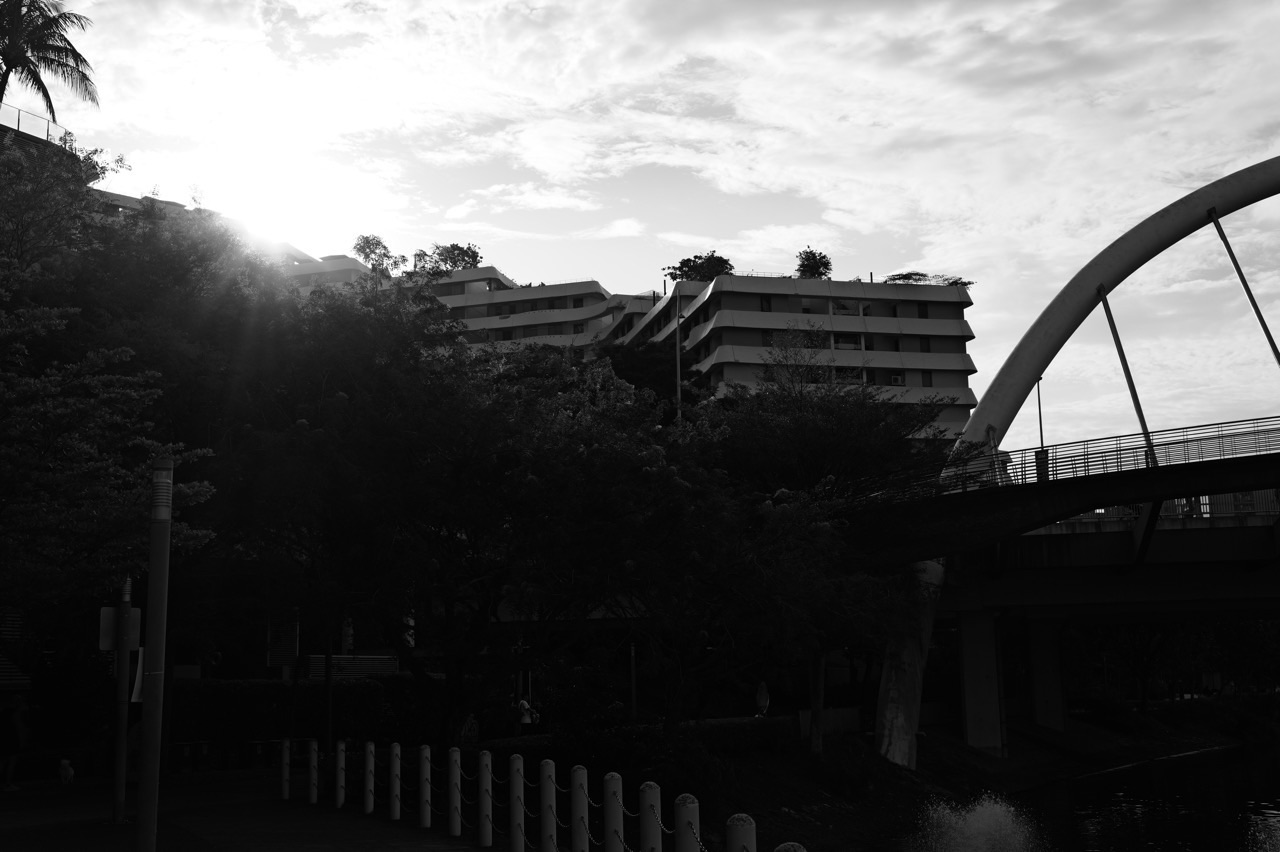
Punggol Arcadia launched on 13 November 2008 as a 750-home HDB Build-To-Order project near the planned town centre. The launch offered three-room, four-room and five-room flats at the junction of Punggol Place and Punggol Field, making it a useful snapshot of a town that was still promising amenities not yet fully built.
For readers searching Punggol Arcadia history, Punggol Arcadia BTO 2008 or what Punggol looked like before Waterway Point and the mature town centre, the launch record matters because it captures expectation. Buyers were not only considering the flats; they were also reading a future map of MRT access, schools, buses and a town centre still described as planned.
Did you know? “near the planned town centre” is a historically rich phrase. It shows that housing can arrive before the full commercial centre it expects to rely on. Punggol Arcadia belongs to the period when residents were buying into both a home and a still-developing urban promise.
The Crazy-Rich Idea: Confidence Is Part of Town-Building
New towns require people to make decisions before every future amenity is complete.
A BTO launch can therefore be read as a confidence milestone:
housing offer today + planned amenities tomorrow = commitment to a future town.
13 November 2008 Is the Sales-Launch Date
The date does not mean the project was already completed or occupied.
Sales launch, construction, completion, key collection and move-in are separate milestones.
The 750 Homes Belonged to a Town Still Filling In
The project was presented in relation to transport, schools and a future town centre. That context helps explain what buyers were being asked to imagine in 2008.
The Later Town Centre Should Not Be Backdated Into 2008
Waterway Point and later town-centre amenities belong to subsequent milestones.
For the later retail chapter, read Crazy Rich Punggol | Waterway Point and the Luxury of a Town Centre Where Transport, Homes, Shopping and Water Meet.
A Geography Lesson: Housing Can Lead Commercial Development
Residential population can arrive before the full set of nearby shops and services. Towns therefore often mature unevenly, with housing, transport and commercial facilities advancing on different schedules.
An English Lesson: “Planned” Is Not “Opened”
A planned town centre is evidence of intention at the time of launch. It is not proof that later facilities already existed.
Evidence Anchors
The crazy-rich Punggol lesson is that urban growth depends partly on people believing the next layer will arrive. Punggol Arcadia records a moment when housing demand helped carry the town forward before the later town centre was fully real.
Punggol Arcadia launched on 13 November 2008 as a 750-home HDB Build-To-Order project. Contemporary coverage placed it at the junction of Punggol Place and Punggol Field.
The launch offered three-room, four-room and five-room flats. Its location near the planned Punggol town centre was part of the explanation given for the project’s position within the growing town.
For readers searching Punggol Arcadia history, November 2008 is the sales-launch milestone. It is not the date when the town centre was completed or when every buyer moved into the estate.
Choose your reading route
What was announced at launch · A snapshot of Punggol before later amenities
Full article contents
A contemporary archive of Channel NewsAsia’s 13 November 2008 report records the project’s size, flat types and location. It says applications were due by 26 November.
The independent Housing Map BTO chronology also lists 13 November 2008 and 750 units for Punggol Arcadia.
The launch account refers to a planned town centre. Reading “planned” carefully matters: it describes the expectations presented to buyers then, not the later completed neighbourhood.
A launch announcement is a useful historical snapshot because it shows which existing and future places were used to explain a development.
For Arcadia, the account connected housing with the MRT, bus interchange, schools and the future town centre. That combination shows how a residential project was presented as part of a wider town rather than as isolated blocks.
This article does not reproduce old launch prices as current buying guidance. Its purpose is to preserve the launch date and the setting described at that time.
Completion, occupation and later changes belong in subsequent timeline entries supported by their own records.


