
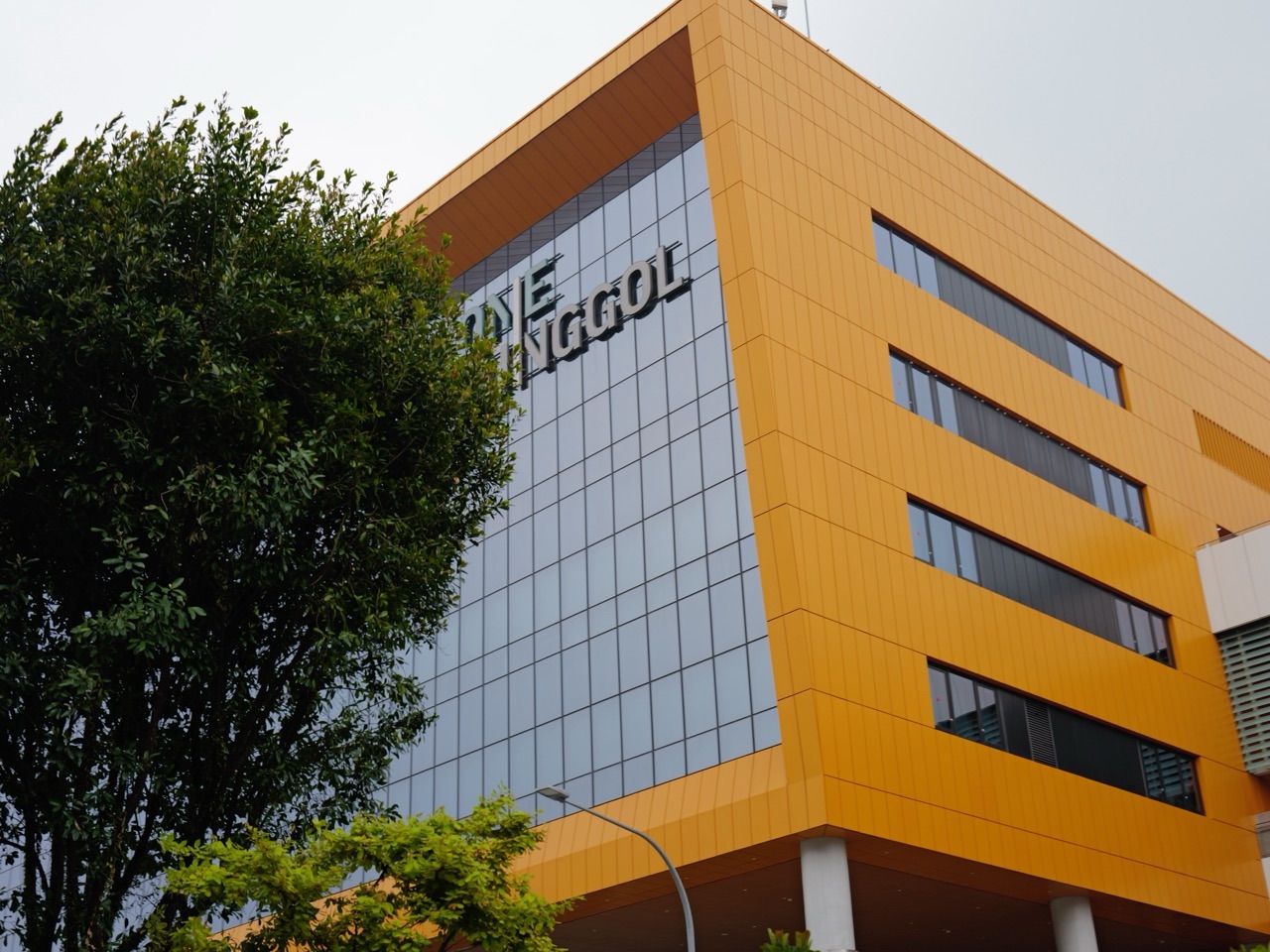
The World and Us Zone is on Level 2 of Punggol Library at One Punggol. NLB’s current page describes a collection of books from countries around the world, giving families a place to begin exploring beyond familiar settings.
If you are searching for children’s books about countries, geography or cultures in Punggol, use the zone as a starting point and choose material that fits the child’s interest and reading level. NLB’s original library announcement identified the collection’s target audience as children aged four to twelve.
Punggol Library is at 1 Punggol Drive, One Punggol #01-12, Singapore 828629, with main hours of 10am–9pm daily. Plan a short browse, select a book or two, and follow normal NLB borrowing instructions if you want to continue reading at home.

Find what you need
What the World and Us Zone offers · Choosing a book your child wants to open · Talking about places with care · A simple family reading activity · Planning the visit and continuing at home
What the World and Us Zone offers
The official World and Us Zone page confirms the Level 2 location and international collection.
NLB’s opening description connects the zone with geography, cultures and migration. Use those themes to choose a question for the visit: where a story takes place, how a place is represented, or why someone moves.
Browse what is available on the day. A themed collection does not mean every country or requested title will have a book immediately on the shelf. Ask staff for help locating something specific.
Choosing a book your child wants to open
Begin with an interest the child already has. Animals, buildings, journeys, food or a story character can lead naturally to a new place without requiring a complete lesson about a country.
Read a few pages together before choosing. Check the vocabulary, length and format, and let the child tell you what caught their attention.
Pair a story with a factual book when useful. The story can offer a character’s viewpoint; the factual book can help answer a question about a setting. Each book still needs to be read for what it actually says.
Talking about places with care
Use the words “in this story” or “in this book” when discussing a custom or setting. A single example does not describe everyone living in a country.
Ask what the child noticed and what they want to find out next. A question about a map, a building or a journey can lead to another source instead of a quick guess.
Notice the publication date when reading about present-day places. Some information changes, and an older book may be better understood as a picture of a particular time.
A simple family reading activity
Choose one book and find the place mentioned in its title or opening pages. If a map is included, look at it together and note what the book helps you locate.
Invite the child to draw or describe one detail from the reading and one question it raises. Keep the response short enough that the child still wants to read another page.
On a later visit, use that question to choose the next book. This suggested routine turns a browse into a continuing conversation without requiring a large project.
Planning the visit and continuing at home
Check the official library page for current hours. Punggol Library closes on public holidays and at 5pm on the eves of Christmas, New Year and Chinese New Year.
When borrowing, follow the instructions for your eligible NLB account and check the resulting loan record. If you are unsure whether a particular item can be borrowed, ask before taking it away.
For another story-based stop, see our Stories Come Alive Room guide. Keep the family plan flexible so browsing and reading have time to develop.
Independent eduKatePunggol guide. Official information checked on 11 October 2026. Follow current operator notices and the confirmed instructions for your visit or booking.


