
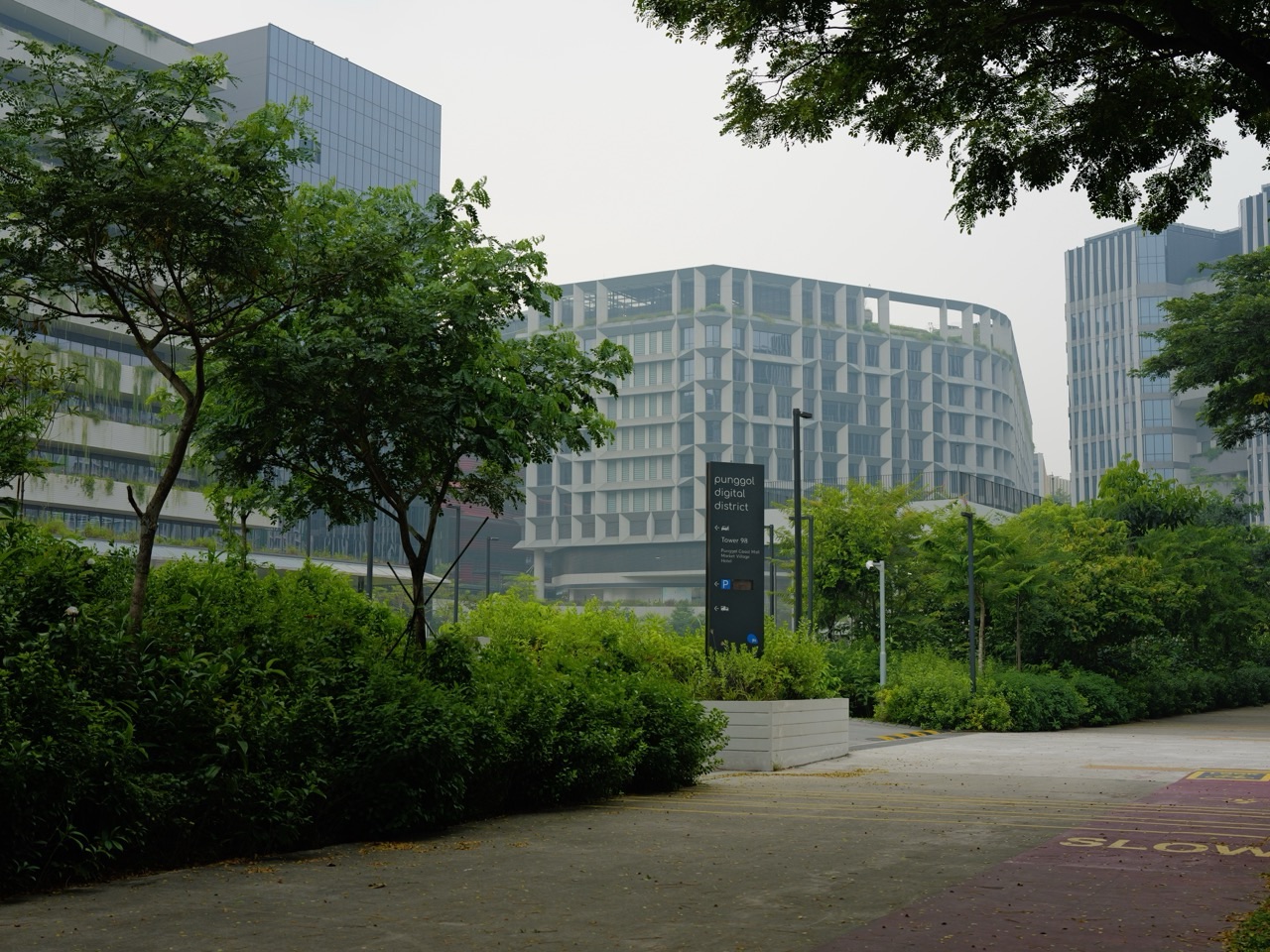
The Punggol Digital District smart grid is a project combining rooftop solar generation, battery storage and digital energy management. JTC appointed Univers and PacificLight to design, build and operate it, with integration into PDD’s Open Digital Platform.
What does a smart grid do at PDD? JTC describes monitoring electricity use, managing changing solar output and using stored energy during periods of higher demand. The intended benefit is better coordination of energy supply and consumption across the district.
For its opening status, JTC’s detailed smart-grid feature still describes a design-stage project targeted for completion in 2026. That wording does not confirm a commissioning date. This guide explains the published design and the terms readers are likely to encounter in PDD sustainability reports.

Who is developing the project?
JTC’s 3 November 2024 appointment announcement names the Univers–PacificLight consortium and identifies the Energy Market Authority and the Public Sector Science and Technology Policy and Plans Office as development partners with JTC.
The announcement is a useful starting point for a project timeline. Keep the appointment date separate from a future completion target, and add a confirmed commissioning milestone only when an official source records it.
What role do solar panels play?
Solar photovoltaic panels generate electricity; the project combines them with a battery energy storage system, often shortened to BESS. JTC’s feature explains that storage can help manage changes in solar production caused by weather and cloud cover.
For a simple explanatory model, imagine a sunny period followed by a cloudier one. Draw generation changing over time, then show where stored energy could help. This is an illustration of the principle, not measured output from PDD.
Why include battery storage?
JTC describes storing surplus solar electricity and releasing it during cloudy or high-demand periods. Storage gives the system another way to respond when electricity production and demand do not line up.
The useful distinction is between making electricity and deciding when to use it. A solar panel and a battery have different jobs. In a student diagram, label each role before drawing arrows between them.
What does peak shaving mean?
Peak shaving means reducing the demand placed on the supply network during its busiest periods. JTC discusses using stored energy, on-site generation or changes in consumption to help manage these peaks.
Think of two hypothetical demand charts with the same time axis: one has a sharp spike, while the other spreads some demand across time. This comparison explains the aim without inventing a PDD performance percentage or promising a particular bill reduction.
How do EnOS and the ODP fit in?
The appointment announcement identifies Univers’ EnOS as the central management platform and describes connections with PDD’s Open Digital Platform. JTC’s sustainability overview also describes coordinated demand management.
For further reading, use our ODP guide and SIT microgrid digital-twin explainer. Keep the district smart-grid project and the university microgrid identified by their own names, partners and sources when comparing them.
Independent eduKatePunggol guide. Official sources checked on 11 October 2026. Consult the linked official pages for current service details and arrangements.


