
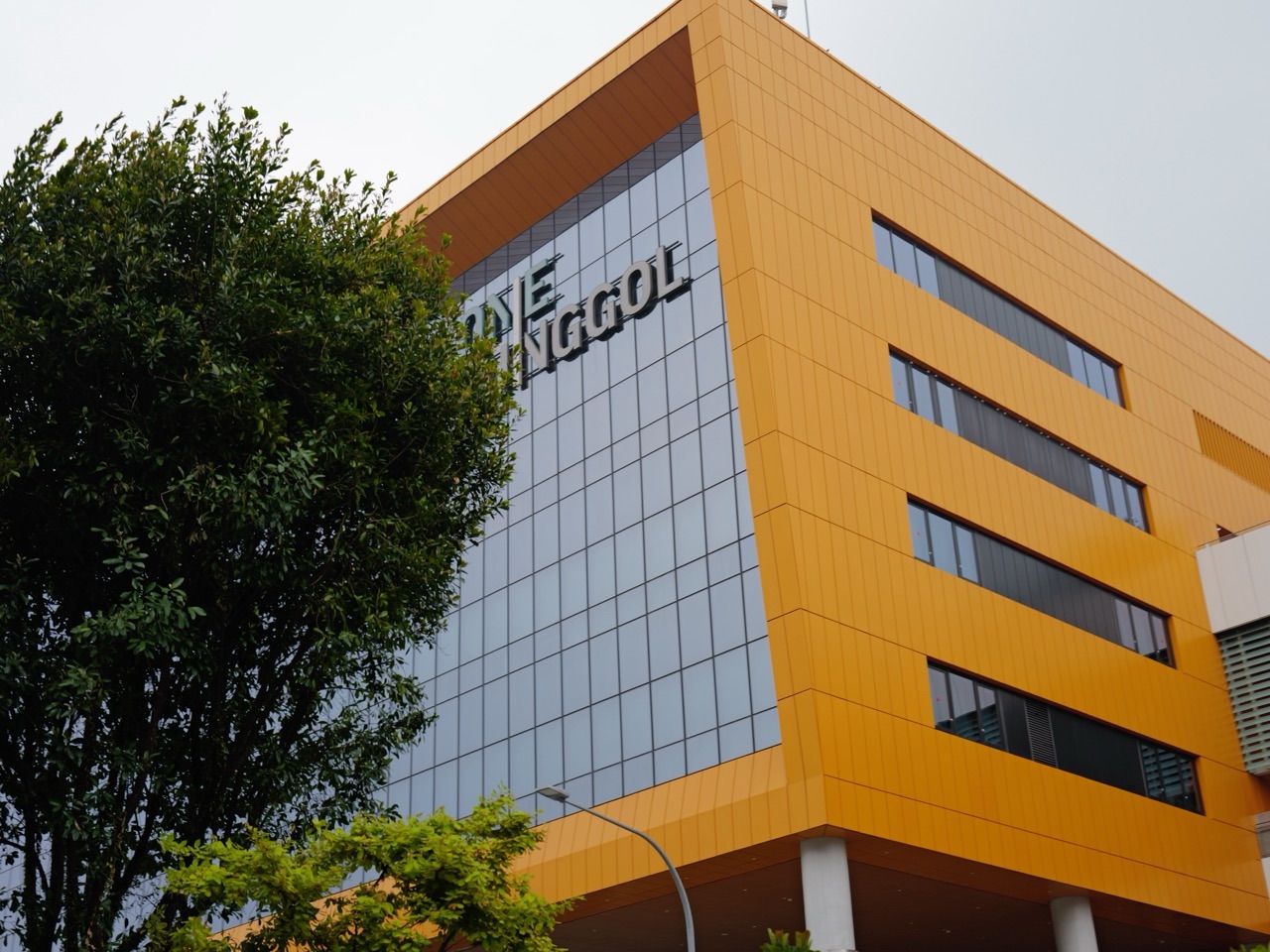
The Lens of Literature is at Level 3, Sing Lit, Punggol Library. NLB lists the permanent exhibition’s visiting window as 10am–9pm. For a visit to One Punggol, check the official Punggol Stories listing and any library closure notices before travelling.
The installation is an interactive table featuring curated poems, novels and short-story excerpts by Singapore writers. Visitors can also compose a poem and take it home as a digital souvenir. It is a different experience from watching the animated Words That Move installation on Level 1.
The Lens of Literature features writing in English, Chinese, Malay and Tamil about changes in Singapore’s heartlands. For families and students searching for a Punggol Library poetry activity, start with one theme or one excerpt and leave time to explore it without rushing.

Find what you need
Four themes to explore · Use the interactive table thoughtfully · A simple family conversation · Pair literature with another exhibition · Continue with a book
Four themes to explore
NLB organises the material into Balik Kampong, about village life and rural landscapes; Life, Interrupted, about experiences of the Japanese Occupation; Tides of Change, about the move from kampongs to HDB flats; and Our Future is Now, featuring speculative fiction.
Our suggested reading route is to choose the theme that interests you most. Someone curious about how grandparents lived might begin with village life; a student who enjoys imagining new worlds could begin with speculative fiction.
Use the interactive table thoughtfully
Begin by reading a short selection rather than trying to cover every work. Notice the setting, the speaker and one detail that gives the passage its character. A familiar place can look different when described through another person’s experience.
If you use the poetry-composition feature, follow the instructions on the table. Check the displayed process for keeping the digital souvenir; this guide does not promise a particular delivery method, device connection or storage period.
A simple family conversation
Ask a child what they recognise and what feels unfamiliar. A word about a home, a landscape or an everyday routine can become a useful starting point for a conversation about change.
For an older student, ask how a writer’s description differs from a factual timeline. These are optional discussion prompts, not an official lesson or a school assessment attached to the exhibit.
Pair literature with another exhibition
The installation forms part of the Punggol Stories trail. Our Singaporium guide introduces the heritage stop on Level 4, where you can explore the neighbourhood’s history from another angle.
For the animated poetry stop, see Words That Move’s location and hours. Plan around that installation’s own published window rather than assuming every trail component runs on the same schedule.
Continue with a book
Write down an author or title that catches your attention. Search the library catalogue for the full work and check whether it is available to borrow or read. An excerpt on display does not establish the availability of a particular edition.
You can also begin with NLB’s Singapore literature reference guide. One short encounter at the table can become the beginning of a longer reading interest.
Independent eduKatePunggol guide. Official sources checked on 11 October 2026. Consult the linked official pages for current service details and access arrangements.


