
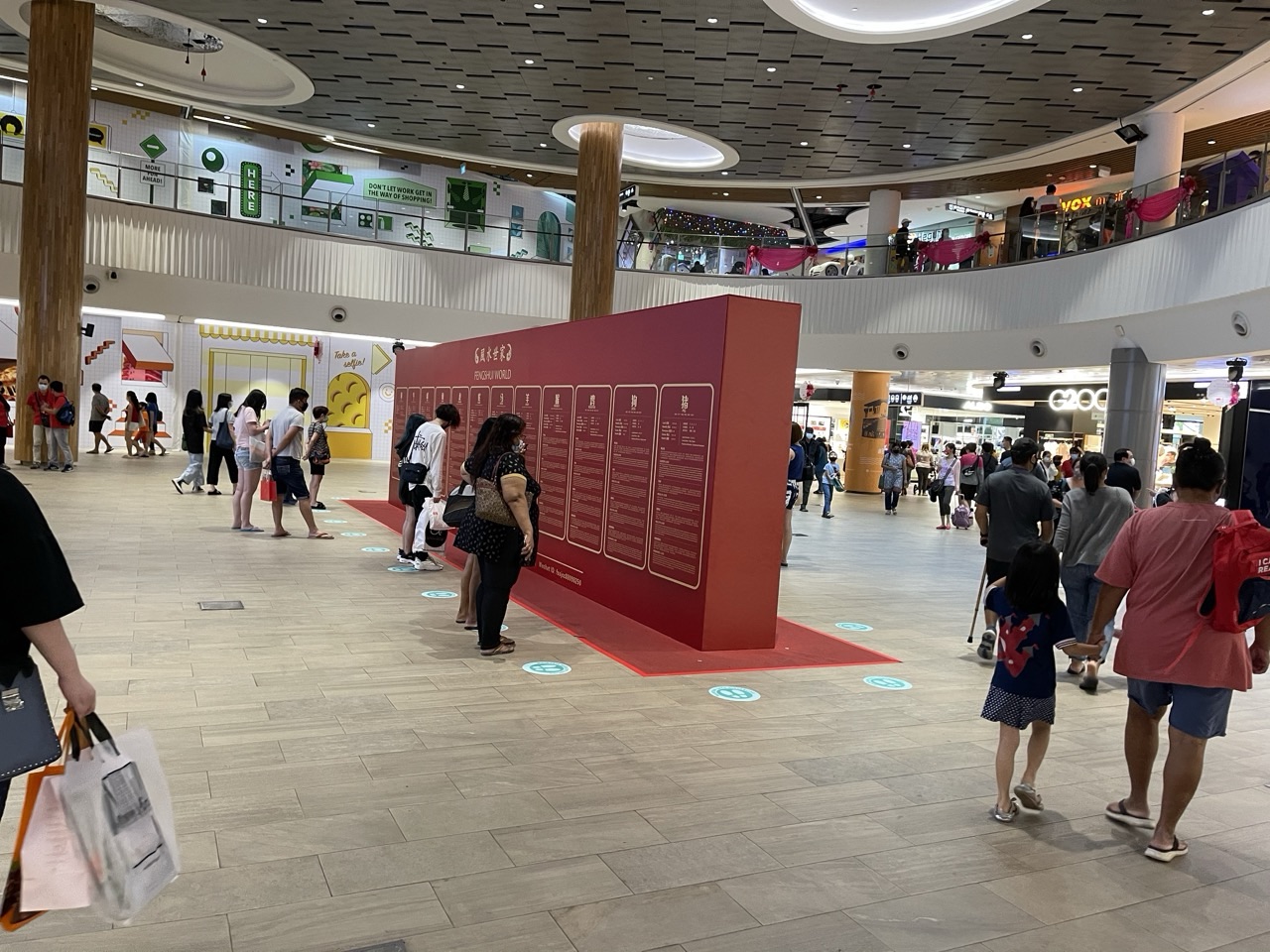
Education in Punggol can happen while a family is simply getting things done. Collecting a parcel, buying supplies, using a service counter, making a payment, checking an appointment or completing an ordinary neighbourhood errand can teach children how adult systems actually work.
For families thinking about Punggol education, practical independence and everyday responsibility, errands are useful because they combine planning, language, money, maps, waiting, forms and social behaviour inside one real task. The child sees that daily life depends on small systems being understood and used correctly.
The goal is not to make every errand a lesson. It is to stop hiding all the adult coordination from children until the day they are suddenly expected to manage it themselves.
1. Let the Child Know the Purpose
“We need to collect this parcel before the counter closes” gives the child a reason for the trip. Purpose makes the route, timing and documents easier to understand.
2. Errands Begin With Preparation
What do we need to bring? Identification? A collection code? A receipt? A reusable bag? An appointment detail?
Children learn that successful execution often begins before leaving home.
3. Opening Hours and Deadlines Matter
A service may close before the family arrives. A collection may have a deadline. These constraints teach children that plans operate inside other people’s systems.
4. Routes Turn Geography Into Action
Which stop is closest? Can two errands be combined? Is walking faster than taking another connection?
The child learns to think about sequence and location rather than simply following an adult.
5. Queues Teach Waiting and Observation
Waiting in line is not glamorous, but it teaches turn-taking and how public systems manage many people.
Children can observe signs, queue numbers and what information people prepare before reaching the counter.
6. Forms Teach Precision
Names, dates, contact details and reference numbers have to be entered in the correct place. This is functional literacy with consequences.
Older children can help read and check non-sensitive parts of simple forms.
7. Payments Teach Verification
Children can learn to check the amount before paying and confirm that a receipt or transaction matches what was expected.
Digital payment still requires judgement even when no cash changes hands.
8. Service Counters Teach Polite Functional Language
A child can learn how to greet, explain the request, listen to instructions and say thank you. This is oral communication used for a real purpose.
9. Problems Need Escalation
The reference number is wrong. The item is not ready. The queue is longer than expected. Errands expose children to small failures in systems.
Parents can model calm escalation: check the information, ask the right person, decide the next step.
10. Younger Children Can Own One Piece
Carry the list, find the correct counter, watch the queue number or check off one item. Older children can plan the route or handle the conversation under supervision.
11. Do Not Expose Sensitive Information Unnecessarily
Practical learning does not require giving children access to private financial, identity or account information beyond what is appropriate.
The lesson is how systems work, not unrestricted access to adult data.
12. Combine Errands to Teach Efficiency
If the family needs groceries, a parcel collection and a repair pickup, the child can help decide the order. This introduces route optimisation and time budgeting naturally.
13. Review the Errand Briefly
- What did we need to prepare?
- What slowed us down?
- What information mattered?
- What would make the next trip easier?
14. Education in Punggol Includes Knowing How to Use the Town
Children grow up surrounded by public and commercial systems they initially experience only through adults. Gradually involving them in errands teaches that independence is not just travelling alone or doing homework without reminders.
It is also knowing how to prepare, communicate, pay, wait, verify and solve small practical problems in the world outside home.
Continue Through eduKatePunggol
- Contents & Learning Routes
- Everyday Errands in Punggol 2026
- Let the Child Plan a Family Outing
- Learning Independence Through Travel, Money, Time and Maps
Explore the Punggol Education & Town-Life reading library for related guides.


