
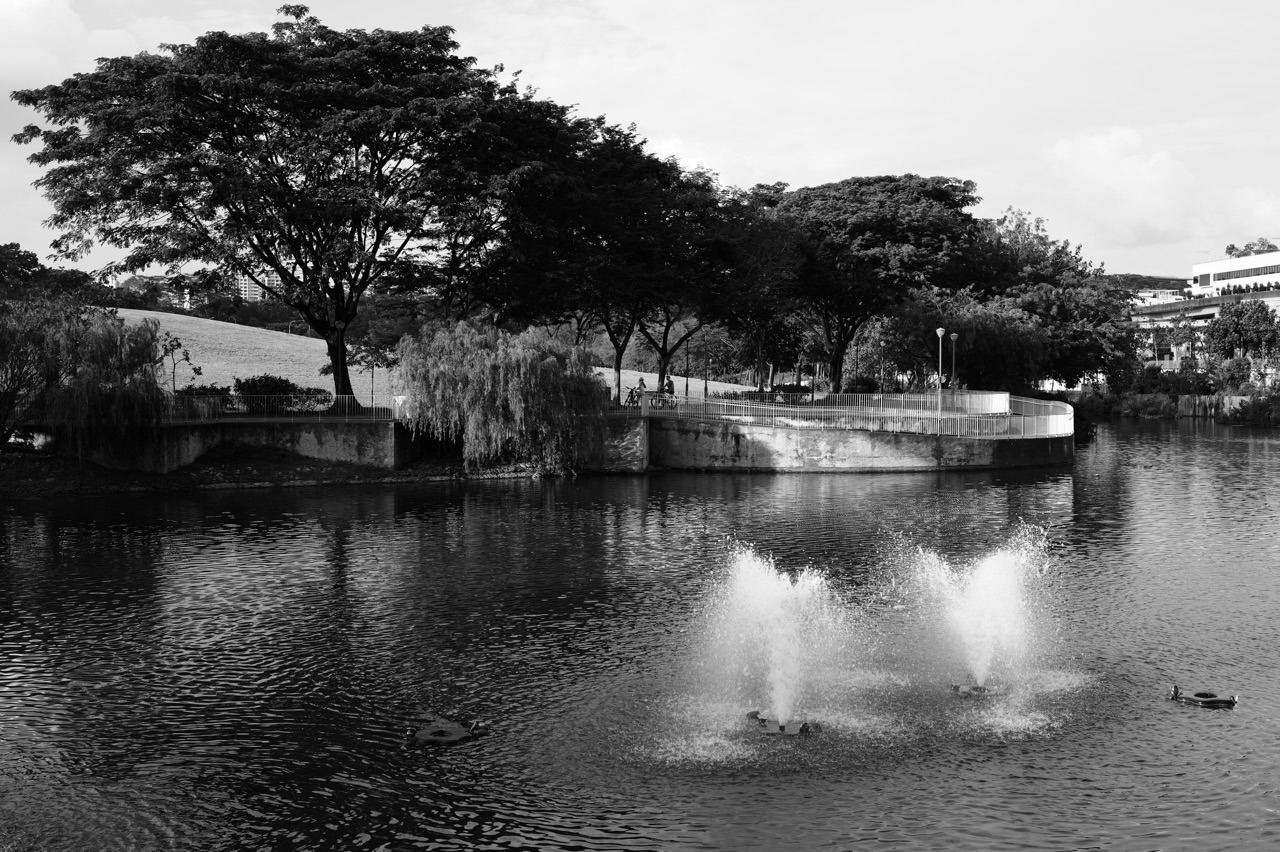
Punggol 21 and Punggol 21 Plus explain why modern Punggol looks the way it does. The first big waterfront-town vision was unveiled in 1996. A decade later, after economic conditions and housing demand changed, planners did not simply abandon the idea. Punggol was reworked through Remaking Our Heartland and the later Punggol 21 Plus direction, eventually producing the Waterway, Eco-Town, Northshore, Punggol Coast and a far more complete waterfront town.
For readers searching Punggol 21 history, Punggol 21 Plus, how Punggol was developed or Punggol waterfront town planning, the most important answer is this: Punggol was not built from one perfect masterplan. The original vision had to survive the Asian Financial Crisis, changing housing demand, slow early development and the practical reality that residents needed schools, transport, shops, parks and community facilities—not just an attractive concept.
Did you know? that makes Punggol one of Singapore’s clearest examples of a town receiving a genuine second draft. The original 1996 waterfront ambition survived, but the delivery model evolved. Instead of treating revision as failure, the later plan used what had been learned from the first phase to build a stronger system around the same core idea.
The Crazy-Rich Idea: Good Planning Is Not Being Right the First Time
A rigid plan looks confident.
A resilient plan learns.
That is the deeper value of the Punggol 21 story.
The town did not become rich because every 1996 assumption proved correct.
It became richer because the waterfront ambition could be preserved while the implementation changed.
This is planning as continuity rather than stubbornness.
1996: The First Draft Was “A Waterfront Town of the 21st Century”
HDB’s history dates the public Punggol 21 blueprint to 1996, when then Prime Minister Goh Chok Tong unveiled the vision for a new-generation waterfront town.
The ambition was unusually strong for a heartland project:
- housing organised around water;
- distinct neighbourhood identities;
- more intimate urban form;
- better links between home and public space;
- a town that felt different from earlier new towns.
The concept was not simply “build more flats in Punggol”.
It was “use the waterfront to organise daily life”.
Then Reality Intervened
Plans are made inside economic conditions.
Those conditions changed.
The Asian Financial Crisis and weaker housing demand slowed the pace of development. Early Punggol also faced the familiar new-town problem: residents could move into housing before the full ecosystem of amenities felt mature.
This is where the story becomes more useful than a simple launch timeline.
A town is not a drawing.
It is a dependency network.
- housing needs transport;
- transport needs ridership;
- shops need population;
- families need schools;
- public space needs maintenance;
- community life needs time and density.
2007: Remaking Our Heartland Becomes the Second Draft
In 2007, Punggol became one of the towns highlighted under Remaking Our Heartland.
The refreshed direction did not throw away the waterfront idea.
It made the idea more operational.
Water became not merely a view but a public-space system.
Connectivity became more explicit.
Neighbourhood character became more deliberate.
The town’s next phase became easier to understand as one connected project rather than a collection of housing parcels.
My Waterway@Punggol Turned the Vision Into Something Residents Could Touch
A masterplan becomes believable when residents can walk through it.
My Waterway@Punggol was crucial because it converted “waterfront town” from branding into physical daily life.
Water became:
- a route;
- a park edge;
- a cycling corridor;
- a gathering space;
- a housing orientation;
- a town identity.
For the water-system story, continue with Crazy Rich Punggol | Punggol Waterway, Reservoirs and the Luxury of Water as Public Life.
The Second Draft Also Added a Stronger Sustainability Identity
Punggol later became associated with Singapore’s first Eco-Town programme.
That introduced another planning layer:
- energy efficiency;
- water-sensitive design;
- green mobility;
- urban biodiversity;
- better environmental performance at precinct scale.
The important point is sequencing.
Punggol 21 created the waterfront ambition.
Later phases added stronger sustainability and smart-town systems.
For that branch, read Crazy Rich Punggol | Singapore’s First Eco-Town and the Luxury of Sustainable Living.
Northshore Shows What Happens When the Second Draft Matures
Northshore belongs to a later Punggol that had already learned from earlier phases.
The district combines waterfront housing, smart-home systems, neighbourhood services and stronger links to the coast.
It is not simply “Punggol 21 exactly as imagined in 1996”.
It is what the original ambition became after two decades of learning.
For that evolution, continue with Crazy Rich Punggol | Punggol Northshore Smart Homes, Waterfront Living and the Future of HDB.
Punggol Coast Creates Another Centre of Gravity
The opening of Punggol Coast MRT and the growth of the eastern/northern development area added another major layer.
For years, Waterway Point and Punggol MRT formed the obvious centre of town life.
Punggol Coast creates a second major node linked to SIT and Punggol Digital District.
The town therefore evolves again—from one centre into a more distributed urban system.
For that branch, continue with Crazy Rich Punggol | Punggol Coast MRT and the Luxury of a Second Town Centre.
A Planning Lesson: Preserve the Invariant, Change the Implementation
Punggol’s strongest invariant was the waterfront-town idea.
The implementation changed around it.
That is a useful design principle far beyond urban planning.
- Keep the goal if it is still valuable.
- Change the route if reality changes.
- Do not confuse fidelity to purpose with fidelity to the first plan.
That is what makes Punggol 21 Plus more interesting than a simple “new version”.
It demonstrates recoverability.
A Mathematics Lesson: A Timeline Is a Model Too
Timelines compress reality.
A row labelled “2007 — Punggol 21 Plus” can hide years of planning, construction and staged completion.
Students should therefore distinguish:
- announcement date;
- policy date;
- construction period;
- opening date;
- full operational maturity.
This is the same reason one date cannot explain reclamation, MRT construction or a whole town.
A timeline is useful because it simplifies.
It becomes dangerous when the simplification is mistaken for the entire system.
An Economics Lesson: Delayed Development Is Not the Same as Failed Development
A slower build-out can reflect:
- lower housing demand;
- economic recession;
- construction sequencing;
- infrastructure dependencies;
- changes in population needs;
- policy reprioritisation.
Calling every delay a failure removes the reason from the analysis.
Punggol is useful precisely because the final town emerged through adjustment rather than straight-line execution.
An English Lesson: “Plan”, “Vision”, “Programme” and “Completion” Are Different Words
Urban history gets confusing when these terms are treated as interchangeable.
- A vision describes an intended future.
- A plan organises how that future might be achieved.
- A programme coordinates actions and investments over time.
- A project delivers a specific component.
- Completion means that component is actually delivered.
Punggol 21 was a vision and planning framework.
My Waterway@Punggol was a delivered project.
Confusing the two creates false dates.
From Reclaimed Land to Planned Town
The Punggol 21 story only makes sense because an earlier physical transformation had already changed the coast.
For that preceding chapter, read Crazy Rich Punggol | Land Reclamation, a Changing Coastline and the Luxury of Making Land.
That article explains how the platform changed.
This one explains how the platform was turned into a town.
The Crazy-Rich Test: Can a Town Learn Without Losing Its Identity?
Punggol’s answer appears to be yes.
The waterfront idea survived.
The implementation changed.
New layers arrived:
- Eco-Town;
- smart housing;
- Punggol Digital District;
- SIT;
- Punggol Coast;
- expanded public-space networks.
A place can therefore preserve continuity without freezing itself.
That may be the most useful lesson of the entire Punggol 21 timeline.
The crazy-rich Punggol lesson is that the best second draft does not erase the first idea. It keeps what mattered, fixes what reality exposed, and makes the town more complete than the original drawing could have predicted.
Punggol 21 is the planning idea that turned a rural north-eastern coastline into the modern Punggol new town. But the town residents know today was not built from one uninterrupted masterplan. Punggol was announced, slowed, redesigned, restarted and expanded through several distinct planning generations: Punggol 21, Punggol 21 Plus / Remaking Our Heartland, Eco-Town, Waterway districts, Northshore smart housing, Punggol Point, and finally Punggol Coast / Punggol Digital District.
HDB’s current town history dates the first public Punggol 21 blueprint to 1996, when then Prime Minister Goh Chok Tong unveiled the vision of “A Waterfront Town of the 21st Century.” In September 2007, then Prime Minister Lee Hsien Loong announced new plans under the first Remaking Our Heartland programme. HDB’s historical publications refer to this renewed waterfront push as Punggol 21 Plus. In 2010, Punggol was also named Singapore’s first Eco-Town.
The most useful way to read that history is not as a list of launches. It is as a planning problem: how do you keep the original waterfront ambition when demographics, economics, housing technology, transport and national priorities change over thirty years?
The timeline at a glance
| Period | Planning phase | What changed |
|---|---|---|
| 1996 | Punggol 21 | Original “Waterfront Town of the 21st Century” new-town vision |
| Late 1990s–early 2000s | Slow build-out | Economic conditions and demand slowed the original pace; early estates developed without the complete promised waterfront system |
| 2007 | Remaking Our Heartland / Punggol 21 Plus | Punggol selected as a pilot ROH town; waterfront vision reinforced and expanded |
| 2008–2011 | Waterway design and construction | Waterfront housing design competitions, Waterway and bridge/public-space system |
| 2010 | Eco-Town | Punggol announced as Singapore’s first Eco-Town |
| 2013 | Matilda generation | New district identity and family housing west of Town Centre |
| 2014 onward | Northshore smart district | Smart HDB Town framework, seafront housing and technology-enabled precinct design |
| 2018 onward | Punggol Point / northern coast | Green Heritage district and new northern housing |
| 2020s | Punggol Coast / PDD / SIT | Second MRT node, university, jobs, retail, new civic/economic centre |
Before Punggol 21: a very different landscape
Modern Punggol was not planned over empty land. The area had Malay kampongs, plantations, vegetable farms, poultry and pig farms, fishing activity, seafood restaurants, recreational attractions and coastal infrastructure.
That older landscape is why today’s town contains place names and heritage references that do not come from the HDB planning era: Wak Sumang, Matilda House, Punggol Point, old Punggol Road, seafood culture and the farming coast.
Use How Punggol Became Punggol for the deeper pre-new-town story.
1996 — Punggol 21
HDB records that the Punggol 21 blueprint was first unveiled in 1996. The idea was ambitious: a new-generation HDB town organised around water, distinctive precincts and more intimate housing clusters rather than simply repeating the new-town formula of earlier decades.
The public slogan—A Waterfront Town of the 21st Century—matters because water was not merely a marketing theme. The long-term plan required Punggol to be physically reorganised around reservoirs, waterways, coast and public waterfront space.
The first Punggol did not arrive as quickly as planned
The Asian Financial Crisis and changing housing demand affected the speed and scale of the early Punggol build-out. Residents who moved into early precincts experienced an incomplete town: housing could arrive before the full retail, transport, waterfront and community system imagined in the original vision.
This historical gap helps explain an older resident memory that can sound strange today: Punggol was once discussed as a place with too few amenities rather than a crowded town with multiple malls, two NEL stations and more than 200,000 residents.
2007 — Remaking Our Heartland and Punggol 21 Plus
In September 2007, Punggol became one of the first pilot towns under the Remaking Our Heartland programme, alongside Yishun and Dawson. HDB says the new strategies were intended to reinforce and realise the waterfront-town vision.
HDB’s historical publications describe the 2007 relaunch as Punggol 21 Plus. The “Plus” is important: the planners were not abandoning Punggol 21. They were adding the missing infrastructure, housing types, amenities and public-space systems needed to make the original idea work.
The Waterway became the planning spine
The 4.2km Punggol Waterway became the clearest physical symbol of the renewed plan. HDB’s own retrospective on the project describes the challenge of creating an urban water body through the town and studying examples such as the Seine and Thames to understand waterfront urban design.
The Waterway did several jobs at once:
- increased the amount of housing fronting water;
- created a continuous park and mobility corridor;
- gave different districts a shared landscape;
- connected reservoirs and the wider water system;
- made bridges and waterfront public spaces into wayfinding landmarks.
Use How Punggol Became a Waterfront Town.
2008 — “Shaping My Punggol” and design competitions
HDB’s historical ROH archive records a sequence of public planning and design exhibitions after the 2007 relaunch:
- 2007 — Remaking Our Heartland exhibition;
- May 2008 — Shaping My Punggol;
- December 2008 — Punggol Waterfront Housing Design Competition;
- 2011 — exhibition of winning waterfront-housing design entries;
- 2012 onward — further district / future-home planning exhibitions.
This is useful evidence that Punggol’s design was iterative and public-facing rather than one 1996 drawing implemented unchanged.
2010 — Singapore’s first Eco-Town
In 2010, Punggol was announced as Singapore’s first Eco-Town, with the vision of a “Sustainable Waterfront Town of the Tropics.”
The environmental agenda included:
- water-sensitive planning;
- green mobility;
- energy and resource efficiency;
- district-level environmental modelling;
- new smart / sustainable HDB systems;
- nature integrated into ordinary movement.
Some ideas remained experiments; others became normal features of later HDB planning.
Waterway Terraces and the architectural identity of the Waterway
Waterway Terraces became one of the architectural symbols of the new Punggol: stepped forms, high-density public housing and direct relationship to the water. It helped make the Waterway a lived residential space rather than a park residents had to travel to.
Matilda — district identity becomes more deliberate
By the 2013 planning generation, HDB was articulating Punggol as a set of districts with different identities rather than one homogeneous new town. Matilda drew on local heritage and the verandah language associated with the old Matilda House area.
That district logic later became even clearer in Northshore and Punggol Point.
Northshore — smart housing moves from experiment to district
In 2014, HDB presented Northshore as a Smart and Sustainable District. The Smart HDB Town Framework introduced district-scale use of environmental modelling, smart lighting, smart-enabled homes, parking and other systems.
The Northshore generation also pushed Punggol’s housing further toward the sea and created a new-generation neighbourhood-centre model at Northshore Plaza.
Use How Smart Housing Arrived in Punggol.
Punggol Point — Green Heritage at the old northern edge
HDB’s 2018 Punggol Point district planning added thousands of homes around the historic northern end of Punggol. The district deliberately used a Green Heritage identity to connect new housing with the coast, old Punggol Road, Punggol Point and the area’s recreational history.
Punggol Coast — Punggol stops being only a residential town
The largest conceptual change in the 2020s is not another housing district. It is the arrival of a major education-and-employment centre inside Punggol.
Punggol Coast now contains:
- Punggol Coast MRT;
- Singapore Institute of Technology;
- Punggol Digital District;
- Punggol Coast Mall;
- Punggol Coast Hawker Centre;
- business towers;
- Campus Boulevard;
- the first open section of the Heritage Trail;
- a new bus interchange.
Punggol was originally a commuter new town. PDD/SIT create the possibility that significant numbers of residents can study or work inside the town itself.
The original Punggol 21 promise was “waterfront”. The 2020s version is “complete town”.
The most important shift across thirty years is this:
1996 asked how to build a new kind of waterfront housing town. The 2020s ask how to make that town contain housing, schools, work, university, healthcare, sport, nature, retail and memory at the same time.
What was actually completed from the early vision?
- major waterfront housing;
- a town-wide Waterway;
- distinct precinct/district identities;
- green and cycling corridors;
- new-generation neighbourhood centres;
- large numbers of schools and family services;
- strong public transport;
- coastal public access.
What changed beyond the original vision?
- the scale of smart-town technology;
- Punggol Coast MRT;
- SIT campus;
- Punggol Digital District;
- the future Cross Island Line extension;
- Catholic Junior College’s planned move;
- the emerging sports/civic cluster;
- more explicit heritage preservation through old Punggol Road and the Heritage Trail.
Why the timeline matters to residents
Without the planning timeline, Punggol can look like a random collection of new projects. The sequence explains why:
- early estates feel different from Northshore;
- Waterway Point became dominant before Punggol Coast existed;
- transport is now decentralising north;
- new housing clusters arrived before some final amenities;
- construction seems constant—several planning generations are overlapping.
Punggol 21 was not a failed plan
It is easy to describe the early slowdown as “Punggol 21 failed”. That is too simple. The original schedule and assumptions changed, but the core waterfront idea survived and became more ambitious through later plans.
A more accurate description is:
Punggol 21 established the ambition; Punggol 21 Plus and later planning generations built the mechanisms that finally made the ambition work.
The resident timeline
Different residents arrived into different Punggols.
| If you moved in around… | The Punggol you met |
|---|---|
| Early 2000s | Young town, incomplete amenities, early Punggol 21 housing |
| 2011–2015 | Waterway opening, Waterway housing, Town Centre beginning to mature |
| 2016–2020 | Waterway Point era, Matilda/Sumang expansion, Northshore building |
| 2021–2025 | Northshore/Punggol Point keys, One Punggol, library, Coast construction |
| 2025 onward | Punggol Coast MRT, SIT/PDD, second northern centre |
The town is still unfinished
Even in 2026, Punggol remains in active transformation. The Regional Sports Centre, Cross Island Line Punggol Extension, CJC relocation, Punggol Point Park upgrade, future hotel and other projects continue the town-building sequence.
Use Punggol Timeline 2026–2036 for the forward-looking side.
Current historical/planning sources
- HDB — Punggol town history
- HDB — Remaking Our Heartland / Punggol planning archive
- NHB Roots — History of Punggol
Last checked: 26 September 2026.
Continue the history route
- How Punggol Became Punggol
- How Punggol Became a Waterfront Town
- How Smart Housing Arrived in Punggol
- Punggol Timeline 2026–2036
- The Complete Punggol Guide
Punggol was not built once. It has been rebuilt as an idea every decade: first a waterfront new town, then a remade heartland, then an Eco-Town, then a smart district, then a northern university-and-jobs centre. That layered history is the real story of Punggol 21.
Punggol history web: What “Punggol” Means · 1942 Sook Ching Site · Pig Farms & Farming Coast · Street & Station Names · Seafood Heyday · Complete Punggol Guide.
Estate routing: Return to the eduKatePunggol Atlas for the full learning, family and town knowledge graph, or continue through the nature, heritage and history routes above.
Punggol 21 and Town Development: RFE Historical-Plan and Current-Status System
Standards + RFE gate: this Future Build extension preserves the canonical owner, keeps current facts with current authorities, distinguishes observation from guarantee, and uses RFE to define closure rather than merely lengthening the page.
RFE-0 | Current Problem
The current problem is explaining Punggol 21, Punggol 21 Plus and later town development without confusing historical proposals, revised plans, announced projects and completed present-day infrastructure.
RFE-1 | Operational Job
The operational job is to gather only the evidence or current conditions needed to solve that problem, route changing facts to their proper owners, and stop when the reader can act or explain the topic accurately.
RFE-2 | Receiver
The receiver is the resident, student, family, planner, visitor or history reader trying to understand how present-day Punggol emerged from changing plans. The amount and type of detail should fit that receiver rather than an abstract encyclopaedia target.
RFE-3 | Observable Closure
Closure is reached when the reader can separate original planning intent, later revisions, announced future projects and completed current conditions, with dates and status kept distinct.
RFE-4 | Historical / Functional Hypothesis
urban plans are not static promises: they respond to policy, demand, engineering, financing, land use and later priorities, so the historical value lies in tracing change rather than judging old plans by whether every element appeared exactly as first imagined. This is a functional interpretation and remains subordinate to evidence.
RFE-5 | Cost, Conflict and Retirement
retire superseded status claims when projects move from proposal to construction to operation; preserve historical plans as history while moving current facts to their proper live owners. Costs include travel, time, uncertainty, safety exposure, interpretation risk and the cost of crowding the page with claims that do not improve understanding.
Authority boundary: current project and infrastructure status belongs to the responsible public agencies and operators; historical planning interpretation should remain tied to dated records and sourced chronology.
Canonical owner
Keep one article as the owner of this reader job. New observations or ordinary factual drift should deepen and refresh the same owner rather than fragmenting the subject across near-duplicate URLs.
Apply the same discipline to this town-development history: identify the evidence or current condition that could genuinely change the conclusion. If nothing new would change the decision or interpretation, more text is not automatically more useful.
Date discipline
Every changing condition or historical status should be anchored to a date or period. A dated fact is easier to update and less likely to be misread as permanent.
Apply the same discipline to this town-development history: identify the evidence or current condition that could genuinely change the conclusion. If nothing new would change the decision or interpretation, more text is not automatically more useful.
Source ownership
Send each claim to the source type that can genuinely support it. Access belongs to current public operators, wildlife safety to official agencies, weather to current authoritative services, and historical interpretation to documentary evidence.
Apply the same discipline to this town-development history: identify the evidence or current condition that could genuinely change the conclusion. If nothing new would change the decision or interpretation, more text is not automatically more useful.
RFE-0 problem
State the unresolved problem before adding detail. The article should answer a question that can close, not accumulate information indefinitely.
Apply the same discipline to this town-development history: identify the evidence or current condition that could genuinely change the conclusion. If nothing new would change the decision or interpretation, more text is not automatically more useful.
RFE-1 operational job
Define what the reader must be able to do after reading: plan an outing, observe safely, distinguish hypotheses, or read a planning timeline correctly.
Apply the same discipline to this town-development history: identify the evidence or current condition that could genuinely change the conclusion. If nothing new would change the decision or interpretation, more text is not automatically more useful.
RFE-2 receiver
Name the actual receiver. A photographer, child, runner, student, local-history reader and planning researcher can require different levels of detail and different closure conditions.
Apply the same discipline to this town-development history: identify the evidence or current condition that could genuinely change the conclusion. If nothing new would change the decision or interpretation, more text is not automatically more useful.
RFE-3 observable closure
Closure is not just finishing the article. It is the point at which the reader can act or explain the subject correctly without needing more speculative detail.
Apply the same discipline to this town-development history: identify the evidence or current condition that could genuinely change the conclusion. If nothing new would change the decision or interpretation, more text is not automatically more useful.
RFE-4 function
Ask what function the place, story or plan serves. A bridge can be both transport and viewing point; a wetland can be habitat and infrastructure; a planning concept can be both historical document and source of present-day context.
Apply the same discipline to this town-development history: identify the evidence or current condition that could genuinely change the conclusion. If nothing new would change the decision or interpretation, more text is not automatically more useful.
RFE-5 cost conflict retirement
Every information system carries cost: time, uncertainty, overclaiming risk, travel or interpretation burden. The article should know when to stop adding complexity.
Apply the same discipline to this town-development history: identify the evidence or current condition that could genuinely change the conclusion. If nothing new would change the decision or interpretation, more text is not automatically more useful.
Stable fact versus changing fact
Separate facts that are structurally stable from facts that can change tomorrow. This is the core defence against turning a useful 2026 guide into misleading historical residue.
Apply the same discipline to this town-development history: identify the evidence or current condition that could genuinely change the conclusion. If nothing new would change the decision or interpretation, more text is not automatically more useful.
Observation versus guarantee
A recommended environment can improve the chance of a useful experience, but cannot guarantee weather, wildlife, light or crowd conditions. The article should explain opportunity without promising outcomes.
Apply the same discipline to this town-development history: identify the evidence or current condition that could genuinely change the conclusion. If nothing new would change the decision or interpretation, more text is not automatically more useful.
Access versus attraction
A place can remain interesting while access changes. Closure, upgrading or partial restrictions should change the route advice without erasing the place from history.
Apply the same discipline to this town-development history: identify the evidence or current condition that could genuinely change the conclusion. If nothing new would change the decision or interpretation, more text is not automatically more useful.
Map versus lived route
A map can show distance, but not heat, rain, crowding, fatigue, lighting or the pace of a child or older adult. Real route fit should be tested from the receiver’s actual start point.
Apply the same discipline to this town-development history: identify the evidence or current condition that could genuinely change the conclusion. If nothing new would change the decision or interpretation, more text is not automatically more useful.
First mile
The first connection from home, MRT, LRT, bus stop or carpark often determines whether an outing is practical. Include it when it changes the decision.
Apply the same discipline to this town-development history: identify the evidence or current condition that could genuinely change the conclusion. If nothing new would change the decision or interpretation, more text is not automatically more useful.
Last mile
The last approach can contain the greatest weather exposure or access uncertainty. Treat it as part of the main route, not an afterthought.
Apply the same discipline to this town-development history: identify the evidence or current condition that could genuinely change the conclusion. If nothing new would change the decision or interpretation, more text is not automatically more useful.
Return path
Plan the end before beginning. The same conditions that make sunrise or wildlife observation appealing can leave the reader far from food, shelter or easy transport afterwards.
Apply the same discipline to this town-development history: identify the evidence or current condition that could genuinely change the conclusion. If nothing new would change the decision or interpretation, more text is not automatically more useful.
Morning conditions
Morning outings can offer cooler temperatures and different light or wildlife activity, but access, transport and weather still need current verification.
Apply the same discipline to this town-development history: identify the evidence or current condition that could genuinely change the conclusion. If nothing new would change the decision or interpretation, more text is not automatically more useful.
Evening conditions
Evening changes lighting, return transport, family timing and safety considerations. A location that works in daylight may need a different plan after sunset.
Apply the same discipline to this town-development history: identify the evidence or current condition that could genuinely change the conclusion. If nothing new would change the decision or interpretation, more text is not automatically more useful.
Rain
Rain changes visibility, surfaces, shelter, photography, wildlife behaviour and family comfort. A wet-weather plan should be an actual alternative, not a promise to continue regardless.
Apply the same discipline to this town-development history: identify the evidence or current condition that could genuinely change the conclusion. If nothing new would change the decision or interpretation, more text is not automatically more useful.
Lightning
Lightning is a hard safety boundary for outdoor plans. Current official guidance should replace sunk-cost thinking.
Apply the same discipline to this town-development history: identify the evidence or current condition that could genuinely change the conclusion. If nothing new would change the decision or interpretation, more text is not automatically more useful.
Heat
Heat changes pace, hydration and route length. It should influence the plan for children, older adults, photographers carrying equipment and runners.
Apply the same discipline to this town-development history: identify the evidence or current condition that could genuinely change the conclusion. If nothing new would change the decision or interpretation, more text is not automatically more useful.
Haze
Haze can reduce visibility and affect outdoor suitability. Current air-quality guidance should outrank the planned itinerary.
Apply the same discipline to this town-development history: identify the evidence or current condition that could genuinely change the conclusion. If nothing new would change the decision or interpretation, more text is not automatically more useful.
Cloud
Cloud can improve or flatten light depending on conditions. The article can explain variability without converting it into a forecast.
Apply the same discipline to this town-development history: identify the evidence or current condition that could genuinely change the conclusion. If nothing new would change the decision or interpretation, more text is not automatically more useful.
Wind
Wind can affect comfort, cycling effort, waterfront photography and bird observation. Treat it as a current condition rather than a permanent site characteristic.
Apply the same discipline to this town-development history: identify the evidence or current condition that could genuinely change the conclusion. If nothing new would change the decision or interpretation, more text is not automatically more useful.
Crowds
Crowds can change noise, photography, wildlife observation and family comfort. They are a variable to plan around, not an intrinsic flaw in the location.
Apply the same discipline to this town-development history: identify the evidence or current condition that could genuinely change the conclusion. If nothing new would change the decision or interpretation, more text is not automatically more useful.
Children
Children may value play and movement more than the adult objective of photography or history. A family outing should preserve that difference rather than forcing a single interpretation of the place.
Apply the same discipline to this town-development history: identify the evidence or current condition that could genuinely change the conclusion. If nothing new would change the decision or interpretation, more text is not automatically more useful.
Teenagers
Teenagers can use these places for independent exploration, photography, exercise and learning. Independence should grow with route knowledge, communication and return planning.
Apply the same discipline to this town-development history: identify the evidence or current condition that could genuinely change the conclusion. If nothing new would change the decision or interpretation, more text is not automatically more useful.
Older adults
Seating, shade, toilets and easy exits may matter more than total route coverage. Those are valid receiver constraints.
Apply the same discipline to this town-development history: identify the evidence or current condition that could genuinely change the conclusion. If nothing new would change the decision or interpretation, more text is not automatically more useful.
Mobility
Where accessibility is material, verify current official access rather than inferring from a general description or old photo.
Apply the same discipline to this town-development history: identify the evidence or current condition that could genuinely change the conclusion. If nothing new would change the decision or interpretation, more text is not automatically more useful.
Photography
Photography is an observation job. The article can help with orientation and conditions but should not guarantee colour, cloud shape, crowd level or unobstructed composition.
Apply the same discipline to this town-development history: identify the evidence or current condition that could genuinely change the conclusion. If nothing new would change the decision or interpretation, more text is not automatically more useful.
Birdwatching
Birdwatching depends on patience, habitat and respectful distance. A wildlife guide should never encourage disturbance in order to obtain a sighting.
Apply the same discipline to this town-development history: identify the evidence or current condition that could genuinely change the conclusion. If nothing new would change the decision or interpretation, more text is not automatically more useful.
Otters
Wildlife encounters should remain observational. Current official guidance should control what to do when animals are present.
Apply the same discipline to this town-development history: identify the evidence or current condition that could genuinely change the conclusion. If nothing new would change the decision or interpretation, more text is not automatically more useful.
Wild boars
Do not turn an animal’s presence into a tourist attraction. Safety, distance and official guidance take priority over photographs or curiosity.
Apply the same discipline to this town-development history: identify the evidence or current condition that could genuinely change the conclusion. If nothing new would change the decision or interpretation, more text is not automatically more useful.
Feeding
Feeding wildlife changes behaviour and creates risk. The article should follow official guidance and never treat feeding as a way to improve sightings.
Apply the same discipline to this town-development history: identify the evidence or current condition that could genuinely change the conclusion. If nothing new would change the decision or interpretation, more text is not automatically more useful.
Approach distance
The correct distance is governed by safety and respectful observation, not by camera ambition. If the animal changes behaviour because of the observer, the observer is already part of the event.
Apply the same discipline to this town-development history: identify the evidence or current condition that could genuinely change the conclusion. If nothing new would change the decision or interpretation, more text is not automatically more useful.
Sighting log
A dated sighting can be interesting evidence of one observation. It should not be rewritten as a permanent guarantee that the species will be found at the same place and time.
Apply the same discipline to this town-development history: identify the evidence or current condition that could genuinely change the conclusion. If nothing new would change the decision or interpretation, more text is not automatically more useful.
Habitat context
Describe habitat carefully and at an appropriate level. A local guide can point to wetlands, waterways, park edges and coastal zones without pretending to provide a full ecological survey.
Apply the same discipline to this town-development history: identify the evidence or current condition that could genuinely change the conclusion. If nothing new would change the decision or interpretation, more text is not automatically more useful.
Environmental change
Construction, vegetation change, water management and human activity can alter local observation conditions. Current access and current ecology should not be inferred solely from historical descriptions.
Apply the same discipline to this town-development history: identify the evidence or current condition that could genuinely change the conclusion. If nothing new would change the decision or interpretation, more text is not automatically more useful.
Historical spelling
Older spellings can be evidence of language, transcription and administrative practice. Their existence does not automatically prove a single etymology.
Apply the same discipline to this town-development history: identify the evidence or current condition that could genuinely change the conclusion. If nothing new would change the decision or interpretation, more text is not automatically more useful.
Language contact
Place names can pass through Malay, English, dialect, mapping and administrative systems. The article should acknowledge that transmission can complicate a neat origin story.
Apply the same discipline to this town-development history: identify the evidence or current condition that could genuinely change the conclusion. If nothing new would change the decision or interpretation, more text is not automatically more useful.
Folk etymology
A memorable local explanation can be culturally important while still remaining difficult to prove. Label tradition and hypothesis honestly rather than either dismissing or upgrading them without evidence.
Apply the same discipline to this town-development history: identify the evidence or current condition that could genuinely change the conclusion. If nothing new would change the decision or interpretation, more text is not automatically more useful.
Documentary evidence
Maps, official records, historical writing and institutional publications can help establish chronology. The article should distinguish what a source actually shows from what later readers infer.
Apply the same discipline to this town-development history: identify the evidence or current condition that could genuinely change the conclusion. If nothing new would change the decision or interpretation, more text is not automatically more useful.
Oral history
Oral history captures memory and lived meaning. It is valuable evidence of how people understood a place, but it may need corroboration for precise historical claims.
Apply the same discipline to this town-development history: identify the evidence or current condition that could genuinely change the conclusion. If nothing new would change the decision or interpretation, more text is not automatically more useful.
Uncertainty language
Use words such as ‘may’, ‘possibly’, ‘one interpretation’ and ‘the evidence is not conclusive’ when the source base does not support certainty. Precision about uncertainty is a strength.
Apply the same discipline to this town-development history: identify the evidence or current condition that could genuinely change the conclusion. If nothing new would change the decision or interpretation, more text is not automatically more useful.
Competing interpretations
Present plausible interpretations side by side when evidence does not decisively settle the question. The goal is not to manufacture a winner.
Apply the same discipline to this town-development history: identify the evidence or current condition that could genuinely change the conclusion. If nothing new would change the decision or interpretation, more text is not automatically more useful.
Historical plan
A planning document records intent at a specific time. It should not be treated as a guarantee that every feature would appear unchanged.
Apply the same discipline to this town-development history: identify the evidence or current condition that could genuinely change the conclusion. If nothing new would change the decision or interpretation, more text is not automatically more useful.
Plan revision
Later revisions are part of the town’s history. Explain what changed and why the distinction matters without implying failure merely because planning evolved.
Apply the same discipline to this town-development history: identify the evidence or current condition that could genuinely change the conclusion. If nothing new would change the decision or interpretation, more text is not automatically more useful.
Announcement versus completion
An announced project belongs to the future-status layer until the responsible owner confirms operation or completion. Tense is part of factual accuracy.
Apply the same discipline to this town-development history: identify the evidence or current condition that could genuinely change the conclusion. If nothing new would change the decision or interpretation, more text is not automatically more useful.
Construction versus operation
Construction can be visible while a facility remains unavailable. Do not convert physical progress into an opening claim.
Apply the same discipline to this town-development history: identify the evidence or current condition that could genuinely change the conclusion. If nothing new would change the decision or interpretation, more text is not automatically more useful.
Current operation
Once infrastructure is operating, move it out of speculative/future language and update the historical page so the chronology remains coherent.
Apply the same discipline to this town-development history: identify the evidence or current condition that could genuinely change the conclusion. If nothing new would change the decision or interpretation, more text is not automatically more useful.
Superseded plan
A superseded plan remains historically meaningful. Keep it as evidence of an earlier development phase rather than deleting it or presenting it as current.
Apply the same discipline to this town-development history: identify the evidence or current condition that could genuinely change the conclusion. If nothing new would change the decision or interpretation, more text is not automatically more useful.
Town identity
Residents can experience a town differently from the planning documents that shaped it. The article should allow present-day lived identity and historical planning history to coexist.
Apply the same discipline to this town-development history: identify the evidence or current condition that could genuinely change the conclusion. If nothing new would change the decision or interpretation, more text is not automatically more useful.
Waterfront identity
Waterfront design can influence movement, recreation and the visual identity of Punggol. Avoid reducing that identity to one project slogan.
Apply the same discipline to this town-development history: identify the evidence or current condition that could genuinely change the conclusion. If nothing new would change the decision or interpretation, more text is not automatically more useful.
Transport identity
MRT, LRT, buses, cycling and walking infrastructure change how the town functions. Current operational details should remain with transport owners rather than being frozen inside a history page.
Apply the same discipline to this town-development history: identify the evidence or current condition that could genuinely change the conclusion. If nothing new would change the decision or interpretation, more text is not automatically more useful.
Housing identity
Housing form, precinct design and amenities shape daily life. Historical context can explain sequence without making investment claims.
Apply the same discipline to this town-development history: identify the evidence or current condition that could genuinely change the conclusion. If nothing new would change the decision or interpretation, more text is not automatically more useful.
Education identity
Schools, SIT and other learning institutions can alter how families use the town. Institution-specific current facts should remain with their own owners.
Apply the same discipline to this town-development history: identify the evidence or current condition that could genuinely change the conclusion. If nothing new would change the decision or interpretation, more text is not automatically more useful.
PDD context
Punggol Digital District belongs in current/future town context where relevant, but its changing tenants, access and operational details should stay with current institutional owners.
Apply the same discipline to this town-development history: identify the evidence or current condition that could genuinely change the conclusion. If nothing new would change the decision or interpretation, more text is not automatically more useful.
Evidence hierarchy
Prefer primary or directly responsible sources for current status, and strong documentary sources for historical claims. Secondary summaries can help interpretation but should not silently become the source of record.
Apply the same discipline to this town-development history: identify the evidence or current condition that could genuinely change the conclusion. If nothing new would change the decision or interpretation, more text is not automatically more useful.
Contradiction check
When two sources appear to disagree, check dates, definitions and scope before deciding that one is wrong. Many apparent contradictions are different snapshots.
Apply the same discipline to this town-development history: identify the evidence or current condition that could genuinely change the conclusion. If nothing new would change the decision or interpretation, more text is not automatically more useful.
Missing evidence
Absence of evidence is not proof of the opposite. Mark the gap and continue only as far as the sources allow.
Apply the same discipline to this town-development history: identify the evidence or current condition that could genuinely change the conclusion. If nothing new would change the decision or interpretation, more text is not automatically more useful.
Editorial review
Remove detail that does not change understanding, action or evidence quality. A long article should become more precise, not more decorative.
Apply the same discipline to this town-development history: identify the evidence or current condition that could genuinely change the conclusion. If nothing new would change the decision or interpretation, more text is not automatically more useful.
Evidence review
Find the discriminating clue. For an outing, it may be access or weather. For a name-origin claim, it may be an early source. For planning history, it may be the dated document that changes status.
Apply the same discipline to this town-development history: identify the evidence or current condition that could genuinely change the conclusion. If nothing new would change the decision or interpretation, more text is not automatically more useful.
Source routing
Route current facts to current owners, historical claims to sourced chronology, safety to official guidance, and local synthesis to the Punggol owner. Do not let one page absorb every domain.
Apply the same discipline to this town-development history: identify the evidence or current condition that could genuinely change the conclusion. If nothing new would change the decision or interpretation, more text is not automatically more useful.
Refresh trigger
Refresh when current access, wildlife guidance, institutional status or a materially stronger historical source changes the conclusion. Ordinary stylistic updates are not enough reason to fork the canonical owner.
Apply the same discipline to this town-development history: identify the evidence or current condition that could genuinely change the conclusion. If nothing new would change the decision or interpretation, more text is not automatically more useful.
Retirement condition
Stop research or route comparison when the reader job is closed. More detail should be added only when it changes the decision, interpretation or evidence quality.
Apply the same discipline to this town-development history: identify the evidence or current condition that could genuinely change the conclusion. If nothing new would change the decision or interpretation, more text is not automatically more useful.
Worked RFE Scenarios
Sunrise outing with cloud
The family reaches a good location but the sky is overcast. The outing has not ‘failed’ if the route, walk or family time was still worthwhile. The article should never guarantee colour.
Re-run RFE-0 through RFE-5: define the problem, the job, the receiver, observable closure, the functional context, then the cost and retirement condition. This keeps the page testable and honest about uncertainty.
Sunset outing after rain
Wet surfaces and changing cloud can alter comfort and visibility. Re-run the access and weather plan rather than following the dry-weather itinerary mechanically.
Re-run RFE-0 through RFE-5: define the problem, the job, the receiver, observable closure, the functional context, then the cost and retirement condition. This keeps the page testable and honest about uncertainty.
Photographer chasing one composition
If one viewpoint is crowded or inaccessible, the receiver can change composition or location. Do not encourage bypassing closures for a photograph.
Re-run RFE-0 through RFE-5: define the problem, the job, the receiver, observable closure, the functional context, then the cost and retirement condition. This keeps the page testable and honest about uncertainty.
Family with young children
The adult may want golden hour while the child needs food, toilets and movement. The outing closes when the family has a good shared experience, not when the camera checklist is complete.
Re-run RFE-0 through RFE-5: define the problem, the job, the receiver, observable closure, the functional context, then the cost and retirement condition. This keeps the page testable and honest about uncertainty.
First wildlife sighting
A sighting should trigger observation and distance, not pursuit. The goal is to see without changing the animal’s behaviour.
Re-run RFE-0 through RFE-5: define the problem, the job, the receiver, observable closure, the functional context, then the cost and retirement condition. This keeps the page testable and honest about uncertainty.
No wildlife sighting
The absence of a sighting is normal. Do not treat a quiet visit as evidence that the species has disappeared from Punggol.
Re-run RFE-0 through RFE-5: define the problem, the job, the receiver, observable closure, the functional context, then the cost and retirement condition. This keeps the page testable and honest about uncertainty.
Wildlife near path
Follow official guidance, give space and adjust the route if needed. The route is secondary to safety and respectful behaviour.
Re-run RFE-0 through RFE-5: define the problem, the job, the receiver, observable closure, the functional context, then the cost and retirement condition. This keeps the page testable and honest about uncertainty.
Student researching the name Punggol
The student should be able to present competing explanations with confidence labels and sources, rather than picking the most colourful story as fact.
Re-run RFE-0 through RFE-5: define the problem, the job, the receiver, observable closure, the functional context, then the cost and retirement condition. This keeps the page testable and honest about uncertainty.
Family repeating a name-origin story
A locally repeated story can be included as tradition while the article separately states what documentary evidence can and cannot establish.
Re-run RFE-0 through RFE-5: define the problem, the job, the receiver, observable closure, the functional context, then the cost and retirement condition. This keeps the page testable and honest about uncertainty.
Reader comparing old maps
Spellings and boundaries may differ. The task is to understand chronology and transcription, not assume every variation represents a different place.
Re-run RFE-0 through RFE-5: define the problem, the job, the receiver, observable closure, the functional context, then the cost and retirement condition. This keeps the page testable and honest about uncertainty.
Reader studying Punggol 21
Treat the plan as a dated planning vision. Compare later development with it carefully, without assuming any difference means the earlier plan was false.
Re-run RFE-0 through RFE-5: define the problem, the job, the receiver, observable closure, the functional context, then the cost and retirement condition. This keeps the page testable and honest about uncertainty.
Project announced but not open
Keep future tense. The presence of construction, publicity or a target date does not justify writing as though the facility already operates.
Re-run RFE-0 through RFE-5: define the problem, the job, the receiver, observable closure, the functional context, then the cost and retirement condition. This keeps the page testable and honest about uncertainty.
Project opens
Update the current-status owner and adjust the history page chronology. Do not leave the page trapped in permanent future tense.
Re-run RFE-0 through RFE-5: define the problem, the job, the receiver, observable closure, the functional context, then the cost and retirement condition. This keeps the page testable and honest about uncertainty.
New evidence changes interpretation
If a stronger historical source changes the name-origin or planning interpretation, update the canonical page and explain the evidence shift rather than spawning a conflicting duplicate.
Re-run RFE-0 through RFE-5: define the problem, the job, the receiver, observable closure, the functional context, then the cost and retirement condition. This keeps the page testable and honest about uncertainty.
Successful research closure
Once the reader can distinguish evidence, interpretation and uncertainty, the historical job is complete. RFE retirement means stopping before speculation becomes filler.
Re-run RFE-0 through RFE-5: define the problem, the job, the receiver, observable closure, the functional context, then the cost and retirement condition. This keeps the page testable and honest about uncertainty.
Final RFE Publication Check
The canonical owner remains unique; current access, weather, safety and institutional status remain with their proper owners; historical evidence and uncertainty are explicit; observation is not guarantee; receiver and closure are clear; and the article has a reason to stop. Publication is a dated evidence state, not permanent validation.


