
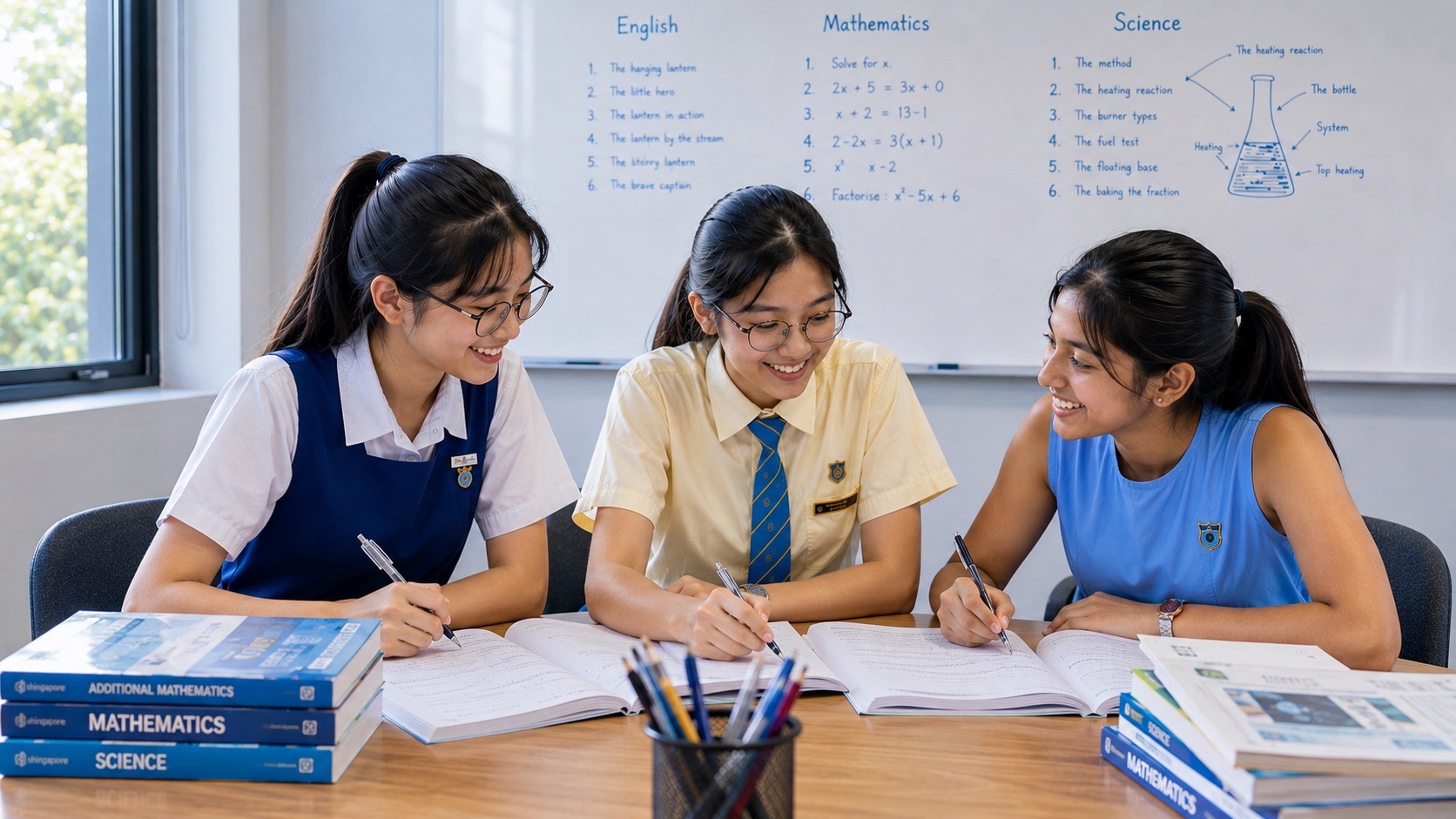
A child may follow every step while a teacher or tutor is explaining, nod at the right moments and even answer questions during the lesson. Yet when the child returns home and tries a similar question alone, the method seems to disappear. Parents may think the learner was not paying attention, but following a demonstration and producing the work independently are different demands.
A lesson should create an opportunity for the learner to attempt the skill, not only watch it being done. Children need time to retrieve the idea, make decisions, try a question and reveal where they are still dependent on prompts. Parents can ask whether the lesson included a genuine independent attempt before assuming that the topic has been learned.
- Separate following an explanation from producing an answer independently.
- Build a short learner attempt into the lesson, not only at home.
- Reduce prompts gradually instead of removing all support at once.
- Check the first independent attempt for the exact missing step.
- Use a fresh question to confirm that the learner can repeat the process without the original demonstration.
Why a clear demonstration can create false confidence
During an explanation, the teacher makes many decisions for the learner: which information matters, which method applies, what to do first and how to check the result. The child can understand the explanation as it unfolds without yet being able to make those decisions alone.
This is particularly common when examples are demonstrated from beginning to end and the student is asked only whether the steps make sense. Recognition during a lesson is useful, but it is not enough evidence that the child can retrieve and apply the method later.
Build an attempt into the teaching sequence
1. Explain the purpose and model one example
Show the learner what the task requires and demonstrate the main decisions. Explain why the first step is chosen and what clues matter. Do not assume that copying the written solution exposes the reasoning behind it.
2. Let the child complete a similar question with support
Ask the learner to take the next step while the teacher provides a prompt only when needed. This reveals whether the child is following the logic or simply waiting for the next instruction.
3. Remove one prompt at a time
Once the child can proceed with support, reduce the hints. The learner might first choose the method independently, then organise the steps, and finally check the answer. The release of support should follow evidence of readiness.
4. Give a short independent attempt
Before the lesson ends, ask the child to complete a fresh question without being told which method to use. This is an important check. If the learner cannot begin, the teacher can still clarify the missing decision while the example and explanation are available.
5. Agree on one next action
If the independent attempt fails, identify the exact gap. It may be vocabulary, a prerequisite concept, choosing the method or carrying out a step. Set a focused practice task rather than sending the child home with a broad instruction to revise everything.
What parents can ask about a lesson
Ask, “What did my child attempt independently today?” and “Which part still needed a prompt?” These questions are more revealing than asking how many pages were completed. A lesson can cover a topic without the learner yet being ready to use it alone.
At home, let the child try one related question before looking back at the worked example. If the learner is stuck, use a small hint and then allow the child to continue. Avoid turning the exercise into a test of whether the child remembers every word from the lesson.
What progress should look like
Over time, the child should begin more tasks without waiting for a demonstration, choose methods more accurately and need fewer prompts to complete the work. The ability to explain why a method applies is also important. These changes show that responsibility is moving from the adult to the learner.
The central principle
Understanding a demonstration is only the beginning of learning. Children need an opportunity to attempt the skill, receive targeted support and try again independently. A lesson that ends before the learner has made a genuine attempt may leave parents discovering the gap only when homework begins.


