
Interested in solar panel installation, photovoltaic (PV) technician, renewable energy operations or solar project jobs in Singapore? The solar industry employs site surveyors, project coordinators, PV installers, electrical technicians, commissioning teams, maintenance technicians, energy analysts and engineers. The work ranges from measuring a rooftop and planning a project to installing mounting systems, coordinating electrical connections, monitoring output and maintaining equipment.
Who is allowed to connect and commission a solar PV system? EMA’s implementation guidance separates the responsibilities. A Qualified Person (QP), who is a registered architect or Professional Engineer with a valid practising certificate, oversees design and regulatory compliance. A Licensed Electrical Worker (LEW) handles the electrical connection and commissioning steps, including turning on the system. A solar installer or technician may support approved work, but the job title alone does not authorise regulated electrical work.
Quick guide:
- Solar PV installer, technician, electrician, project coordinator and engineer roles
- EMA’s Qualified Person and Licensed Electrical Worker responsibilities
- Residential versus non-residential licensing thresholds
- ITE, polytechnic and professional electrical training pathways
- Rooftop safety, commissioning, maintenance and performance monitoring
- Finding actual employers and checking worksite, training and licences
Independent Punggol career guide, updated 20 November 2026. This is not an electrical installation manual or professional licence. Solar design, structural approvals, electrical connections and commissioning must be handled by appropriately qualified and licensed persons.
1. What a solar PV system does
A solar photovoltaic system converts sunlight into electricity. Panels produce direct current (DC), while inverters convert the electricity into alternating current (AC) for use in a building or connection to the grid. A project includes more than the panels: mounting structures, cabling, inverters, protection equipment, monitoring, access and structural considerations all matter. The design and approvals depend on the building and system size.
2. Solar careers cover several different roles
A PV installer may help prepare the site and install equipment under the approved design. An electrical technician supports electrical installation and testing within the authorised scope. A commissioning team checks that the system is ready to operate under approved procedures. A project coordinator manages schedules, contractors and documents. An engineer or Qualified Person takes responsibility for design or professional decisions within their scope. An energy analyst may monitor yield and performance. Do not treat all these roles as interchangeable.
3. The Qualified Person’s role
EMA’s implementation guide says a Qualified Person is a professional registered as an architect with the Board of Architects or a Professional Engineer with the Professional Engineers Board, holding a valid practising certificate. The QP ensures that the design and installation are carried out properly and comply with applicable regulations. Depending on the project, approvals may involve BCA for structural safety, URA for planning or SCDF for fire safety. This professional responsibility is not replaced by a generic solar training certificate.
4. The Licensed Electrical Worker’s role
EMA says a Licensed Electrical Worker assists with electrical aspects of the PV system and is responsible for the electrical connection and turning on the system. The LEW assesses the connection requirements and handles the necessary electrical licensing steps. Which class of LEW is required depends on the installation and approved load. An employee who is not licensed must not independently undertake regulated electrical work simply because they have been employed by a solar contractor.
5. Residential and non-residential systems: why thresholds matter
EMA’s solar planning guidance exempts systems below 1 MWac from generation licensing and directs owners of systems at 1 MWac and above to check the applicable licensing requirements. The licence class depends on capacity and connection arrangements; the Licensed Electrical Worker should confirm the correct licence and any market-registration requirements with EMA. Non-residential electrical installations with approved load exceeding 45 kVA require an Electrical Installation Licence and an appropriate LEW. Residential installations and non-residential installations are treated differently. These thresholds relate to separate regulatory questions; do not combine them into one simplified rule.
6. Technical training and recommended courses
EMA identifies technical courses that can help licensed electrical workers deepen their knowledge, including Solar PV Technology at Ngee Ann Polytechnic, Fundamentals of Electric Vehicles and Solar PV Systems at Singapore Polytechnic, and grid-tied PV installation and commissioning training at the Singapore Institute of Power and Gas. These courses support technical development; they do not automatically confer an EMA licence or professional engineer status. Verify current course availability, eligibility and fees with the provider.
7. ITE and polytechnic pathways
Students can investigate ITE and polytechnic programmes in electrical engineering, electronics, mechatronics, power engineering, building services and sustainable energy. Course choices should be matched to the intended job. A site installation assistant may need practical electrical and construction awareness; an electrical technician pathway has more demanding technical and licensing prerequisites; an engineer role may require a relevant degree and further professional experience.
8. Solar project coordination and operations roles
Not every solar career is a hands-on electrical job. Employers also need project coordinators, procurement executives, site planners, customer service staff, monitoring analysts and operations administrators. These roles can support scheduling, permits, supplier coordination, performance reporting and customer communications. The person should understand when a technical decision must be referred to the QP, LEW or other responsible professional.
9. Rooftop surveys and site constraints
Before installation, a project team must understand the roof structure, access, shading, orientation, equipment routes, waterproofing constraints and other site conditions. Structural and fire-safety considerations may require professional review or authority approval. A junior employee can collect approved site information and photographs, but should not certify structural adequacy or make a design decision beyond their training.
10. Installation work and working at height
Solar installation may involve roof access, lifting equipment, weather exposure, electrical hazards and work near edges. Employers must use safe work procedures, appropriate training, access systems and supervision. This article does not provide instructions for rooftop installation. A worker should never climb onto a roof or handle electrical equipment without site authorisation and the correct controls.
11. Commissioning and turning on the system
Commissioning confirms that the installed system is ready to operate under the approved design and applicable requirements. EMA’s guidance assigns the electrical connection and turning-on responsibilities to the LEW. A technician may support documentation or approved tests, but cannot sign off or energise equipment beyond their authorisation. Ask the employer who signs each record and who is responsible for the final electrical connection.
12. Monitoring output and diagnosing performance issues
After commissioning, monitoring platforms may show energy production, inverter status, alerts and performance trends. Maintenance teams investigate faults according to approved procedures. A low output reading does not automatically mean the panels are defective; weather, shading, inverter status, soiling, grid conditions and system settings can affect performance. A technician should report the evidence and follow the authorised troubleshooting route rather than alter settings or wiring without permission.
13. Maintenance and inspection careers
Solar maintenance can include visual inspections, approved cleaning, vegetation management around ground-mounted systems, checking monitoring alerts and coordinating specialist work. Electrical inspection and repair must be handled by the appropriately licensed worker. Ask whether the employer expects travel between rooftops, site access outside ordinary hours, use of specialist equipment or standby response.
14. Punggol’s local context and the actual job market
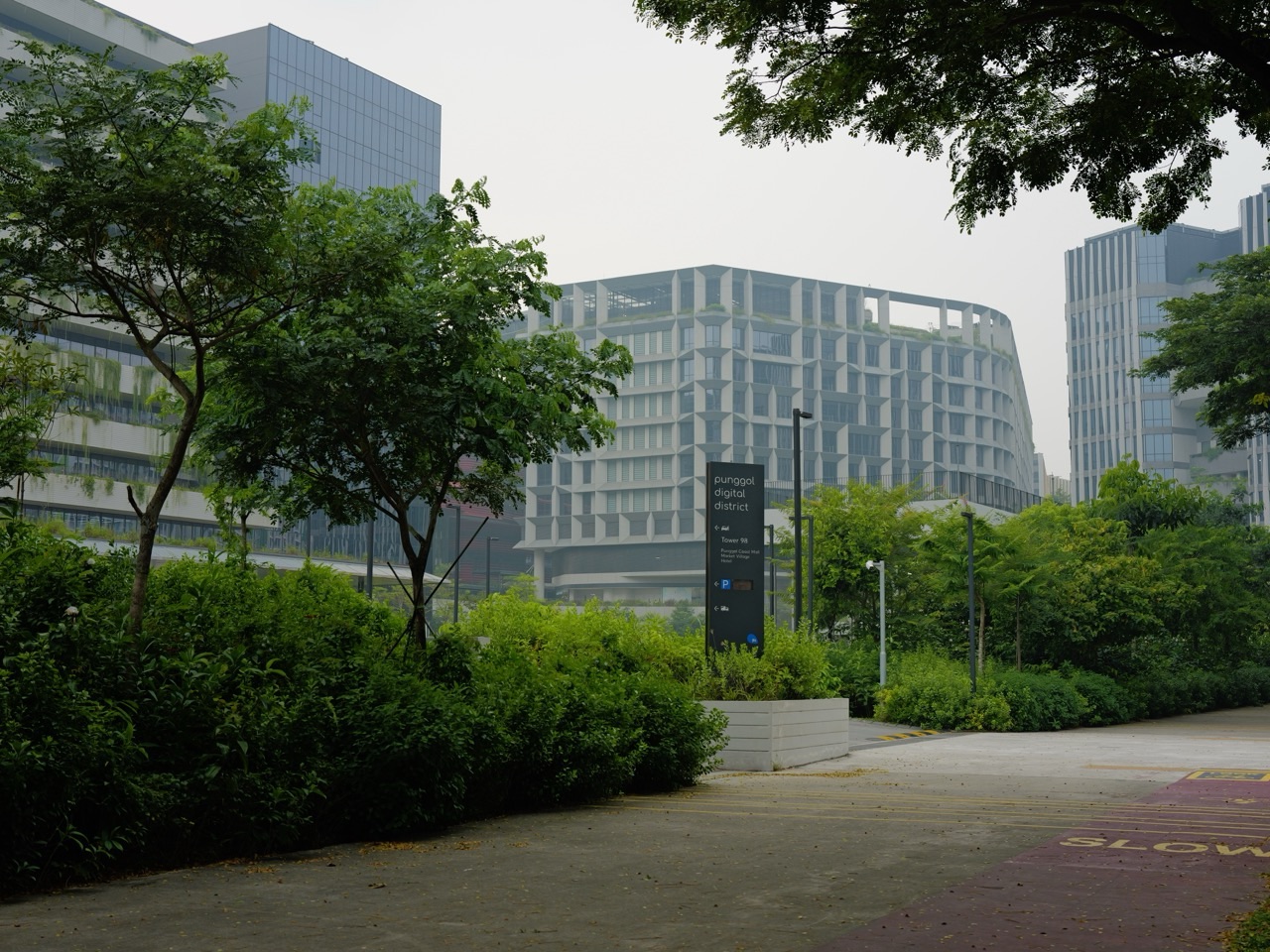
Punggol’s smart-district, building and sustainability themes make solar and energy-management careers relevant to residents who want to work in the wider green economy. However, a rooftop solar project or supplier operating in Singapore does not prove that a job is based in Punggol. Solar employers may deploy workers islandwide, including to industrial, commercial, public and residential sites. Confirm the reporting base, travel, vehicle or transport arrangements and project locations.
15. Build a safe solar portfolio
A candidate can create a fictional project schedule, a high-level solar system component map, a mock monitoring dashboard or a supplier comparison with invented figures. Explain assumptions and clearly state that the example is educational. Do not design a real electrical installation, claim to have performed a commissioning test or use a client’s roof plan without authorisation.
16. Pay, work patterns and job conditions
Pay depends on role, electrical licence, technical experience, site responsibilities, employer and project cycle. Compare basic salary, allowances, overtime, travel, working-at-height requirements, training support and whether the role is project-based or permanent. Installation teams may work outdoors and start early; monitoring or analysis roles may have office or shift patterns. Do not assume every solar job offers the same working conditions.
17. Interview questions
Ask whether the role is installation support, electrical work, commissioning, project coordination or performance monitoring; what licence or qualification is required; who the QP and LEW are; what tasks the employee may perform; whether work at height is involved; what safety training and equipment are provided; which sites will be covered; and whether the employer supports EMA-recognised technical development.
18. Frequently asked questions
Can a short PV course make me a Licensed Electrical Worker?
No. EMA has separate electrician, electrical technician and electrical engineer licence requirements, including relevant qualification, experience and assessment.
Who turns on a solar PV system?
EMA’s guidance assigns the electrical connection and turning-on responsibilities to a Licensed Electrical Worker.
Does every residential solar system need a generation licence?
Not every system needs the same licence. EMA lists a generation-licensing exemption for solar PV systems below 1 MWac. For systems at 1 MWac and above, the Licensed Electrical Worker should confirm the applicable licence and registration requirements with EMA. Electrical installation licensing is a separate requirement.
Does every solar installer need to be a professional engineer?
No. The QP has specific professional responsibilities; installation teams include other workers operating within their training and authorisation.
Will a solar job be in Punggol?
Not necessarily. Many employers deploy teams across Singapore; verify the reporting base and project locations.
Official sources and related eduKatePunggol guides
- EMA — Solar PV implementation guide and QP/LEW responsibilities
- EMA — Do I need a licence for a solar PV system?
- EMA — Electrician’s licence
- EMA — Electrical Technician licence
- EMA — technical courses for licensed electrical workers
- MyCareersFuture — current solar and renewable energy vacancies
- Careers in Punggol hub
- Green jobs and sustainability careers
- Electrician and EV charging careers
Start with the correct professional boundary. Solar work needs installation, engineering, electrical and project skills, but regulated design and commissioning responsibilities sit with the appropriately qualified and licensed professionals. Choose training that matches the job you actually want.


