
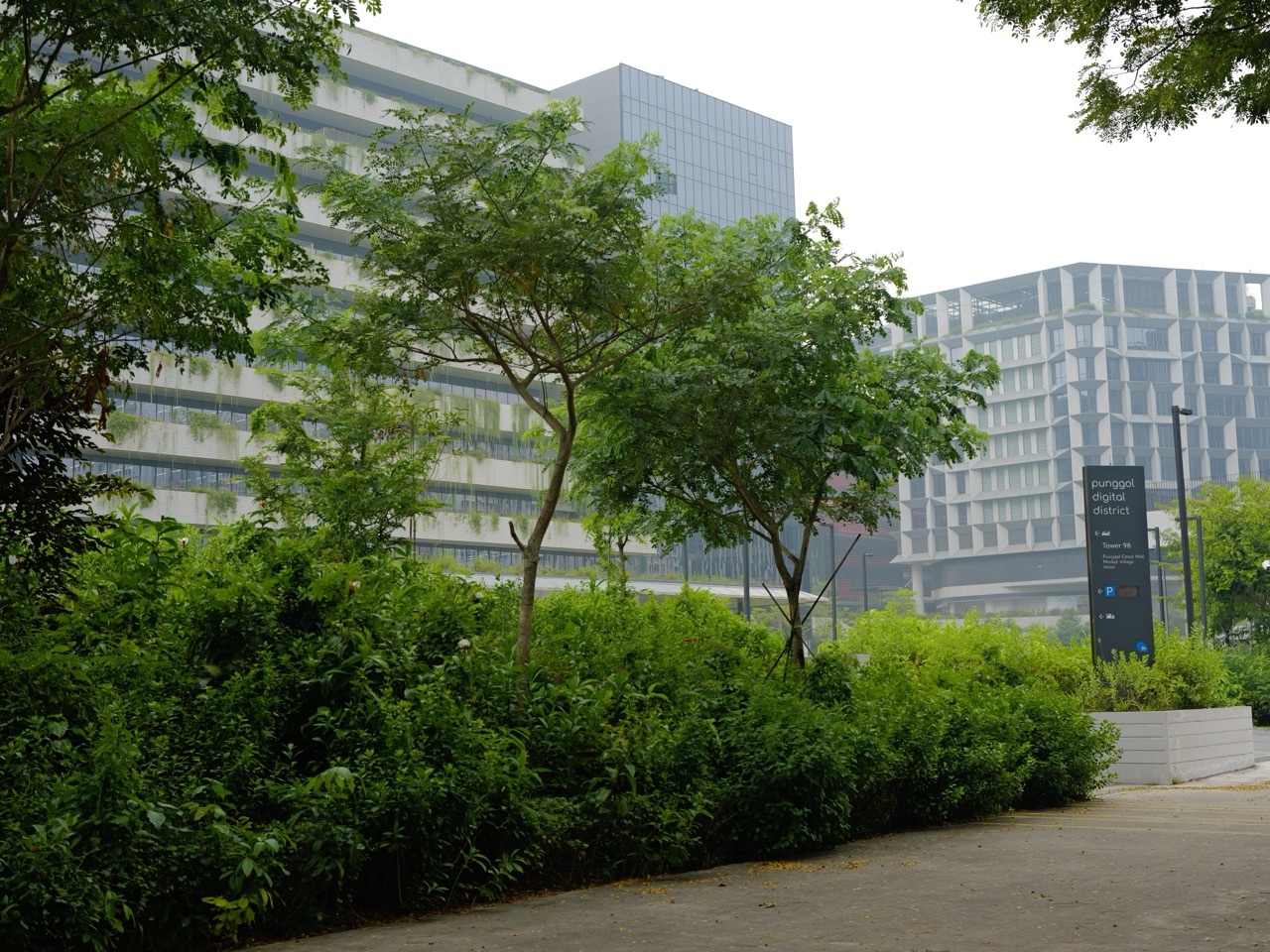
Interested in semiconductor manufacturing, wafer fabrication, process technician or equipment maintenance jobs in Singapore? The industry employs process technicians, equipment technicians, manufacturing technicians, test technicians, quality technicians, engineers and production specialists. Punggol Digital District is part of Singapore’s wider technology and innovation landscape, but semiconductor factories are located across several industrial areas. A job advertised by an international manufacturer may be based in the west or north, not Punggol.
Is there a career-conversion route? The Singapore Semiconductor Industry Association’s Career Connect page describes opportunities for experienced engineers and technicians, including process, equipment, manufacturing, test and automation roles. It says eligible Singapore Citizens and Permanent Residents may access Workforce Singapore Career Conversion Programmes with participating employers. Entry conditions and placement availability must be verified; this is not a guaranteed job scheme.
Quick guide:
- Process, equipment, manufacturing, test and quality technician roles
- Wafer fabrication, assembly, packaging and semiconductor testing
- ITE, polytechnic and university technical pathways
- Shift work, cleanroom discipline, safety, quality and troubleshooting
- SSIA Career Connect and eligible career conversion opportunities
- How to check employers, training, transport and worksite before applying
Independent Punggol career guide, checked 19 November 2026. This is not a semiconductor job offer or guarantee of placement. Actual vacancies, shift patterns, eligibility and training are determined by employers and programme operators.
1. What does a semiconductor factory make?
Semiconductors are materials and devices used to control electrical signals in electronics. Integrated circuits and chips are used in phones, computers, vehicles, communications equipment, medical devices, industrial controls and data-centre systems. Making them at scale involves specialised processes, equipment, material control, testing and quality assurance. Singapore’s ecosystem includes wafer fabrication, equipment, materials, assembly, packaging, testing, research and engineering services.
2. Process Technician: the manufacturing workflow
A process technician supports production according to approved process specifications, work instructions and standard operating procedures. Duties may include monitoring tools, recording process data, checking process status, responding to alarms through approved escalation, supporting troubleshooting and ensuring production records are complete. A technician does not independently alter a controlled process simply because a batch appears delayed. Deviations must be documented and handled by the authorised team.
3. Equipment Maintenance Technician
Equipment technicians help maintain the tools and facilities used in manufacturing. Work may include preventive maintenance, equipment readiness, part replacement, basic fault identification and coordination with engineers or vendors. The scope depends on training and equipment. Some tasks require specialist authorisation, electrical safety procedures or a permit system. Ask the employer which tasks are performed independently and which require engineer or specialist sign-off.
4. Manufacturing, assembly, packaging and test
Semiconductor production is not only wafer fabrication. After chips are formed on wafers, processes can include wafer probing, singulation, assembly, packaging, final test and reliability evaluation. Different companies specialise in different stages. A packaging technician may work with assembly equipment and materials, while a test technician supports electrical test processes and data review. Read the advert to identify the actual production stage.
5. Process Engineer and Equipment Engineer: degree-level paths
Engineers generally own broader technical analysis, process optimisation, equipment projects, root-cause investigation and improvement planning. MOM’s COMPASS Shortage Occupation List includes specified semiconductor-related engineering roles, including process engineer, with additional conditions. These are professional engineering job categories, not entry-level technician vacancies and not an automatic employment pass route for every applicant. A technician may progress through relevant study and experience, but should not claim an engineering title without the qualifications and job scope.
6. ITE and polytechnic routes
Applicants can explore ITE courses in electronics, mechatronics, engineering, precision engineering and related technical areas, followed by relevant polytechnic diplomas. Exact course names and admissions requirements change, so check current directories. Useful foundations include mathematics, electronics, mechanical systems, measurement, data recording, workplace safety and quality methods. Practical lab work and industry attachments can help a candidate understand equipment and process discipline.
7. University routes and specialist engineering
University programmes in electrical, mechanical, materials, chemical, mechatronics and related engineering or science fields can lead into process, equipment, manufacturing, test, materials and research roles. Employers may require a relevant degree for specific engineering positions. Research and development roles may need postgraduate study or specialist experience. Distinguish a production-support position from process research or advanced device engineering; their requirements differ.
8. SSIA Career Connect and career conversion
The Singapore Semiconductor Industry Association’s Career Connect page describes a route for experienced engineers, technicians and technical professionals to submit profiles for consideration by member companies. It highlights roles such as process engineer, equipment engineer, manufacturing engineer, test engineer, automation engineer, process technician, equipment maintenance technician and manufacturing technician. The page says eligible Singapore Citizens and Permanent Residents may tap on Workforce Singapore Career Conversion Programmes, subject to programme criteria and participating employers. This is not automatic placement.
9. Cleanroom working and contamination control
Many semiconductor processes take place in controlled environments. Workers may need to follow gowning, entry, material movement and contamination-control requirements. These are workplace-specific procedures taught by the employer. Cleanroom work can involve standing, repetitive tasks, shift schedules and strict attention to cleanliness. Ask about the actual environment, PPE, training, ergonomics and work pace. Never bypass an entry or contamination-control rule.
10. Shift work and production schedules
Manufacturing facilities may run around the clock. Some technician roles use rotating shifts, night shifts, weekends or public-holiday coverage. Others work office hours or follow a different roster. Ask for the exact rotation, rest-day pattern, shift allowance, overtime rules and transport arrangements. For Punggol residents, test the commute to the actual factory at shift start and finish; the worksite may be in Woodlands, Tampines, Pasir Ris, Ang Mo Kio or the west.
11. Quality, traceability and data discipline
Manufacturing relies on accurate equipment records, batch history, process parameters, inspection results and escalation notes. A technician should record facts clearly and never alter a reading to make a process appear compliant. If a result is uncertain, follow the approved procedure and ask the responsible engineer or supervisor. A safe portfolio can use fictional production data to show how a candidate identifies missing records or flags a trend.
12. Safety and technical boundaries
Semiconductor facilities may involve electrical systems, chemicals, gases, moving equipment, vacuum systems, high temperatures and other process hazards. Training and authorisation are specific to the site and task. This guide is not an equipment operating manual. Never attempt maintenance or chemical handling based on online instructions or an unauthorised request. Ask about safety induction, emergency response, supervision, PPE and incident reporting.
13. What employers may look for
Employers may value technical foundations in electronics, mechanical systems, measurement or engineering; ability to follow exact work instructions; logical troubleshooting and escalation; teamwork with engineers and operators; reliability for shift work; respect for safety and controlled environments; and accurate data recording. The balance differs by role. A test technician may need different technical knowledge from an equipment maintenance technician.
14. Where to search for semiconductor jobs
Search company career portals, SSIA Career Connect and MyCareersFuture. Use titles such as process technician, equipment technician, manufacturing technician, test technician, equipment maintenance technician, process engineer, equipment engineer and quality engineer. Check whether the role is wafer fabrication, packaging, testing, reliability, failure analysis or equipment service. The job title alone does not reveal the work.
15. Pay and career progression
Pay depends on qualification, employer, production stage, shift, experience and technical responsibility. Compare guaranteed basic pay, shift allowances, overtime, bonuses, transport, medical benefits, training and contract conditions. Progression can lead to senior technician, equipment specialist, process specialist, shift leader, manufacturing supervisor, quality or further engineering study. It depends on competence, available roles and additional training.
16. Interview questions
Ask which manufacturing stage and product the role supports; what equipment and process area you will work in; what qualification is essential; whether the role is cleanroom-based; the exact shift and transport arrangement; who reviews troubleshooting and process changes; what safety authorisations are needed; whether employment is permanent, contract or place-and-train; and what technical progression support is offered.
17. Frequently asked questions
Can I enter semiconductor manufacturing with ITE?
Some technician pathways accept relevant ITE qualifications, but requirements vary by employer and process area.
Is a process technician an engineer?
No. They are different roles with different responsibilities and qualification requirements.
Do semiconductor technicians work shifts?
Many production roles do, but not all. Check the actual roster.
Does SSIA guarantee a job?
No. It provides a route for profile consideration and information on eligible career conversion opportunities.
Are semiconductor jobs located in Punggol?
Industry jobs are spread across Singapore. Confirm the actual factory and commute.
Official sources and related eduKatePunggol guides
- Singapore Semiconductor Industry Association — Career Connect
- EDB — semiconductor talent and industry skills
- MOM — Semiconductor and process engineer occupation details
- Micron — process technician vacancy example
- ITE — current engineering course options
- MyCareersFuture — semiconductor and manufacturing jobs
- Careers in Punggol hub
- Built environment technician careers
Choose the manufacturing stage and worksite first. Semiconductor careers reward precision, safety, technical learning and process discipline. Verify the actual employer, shift and training route rather than assuming every role is a local Punggol job.


