
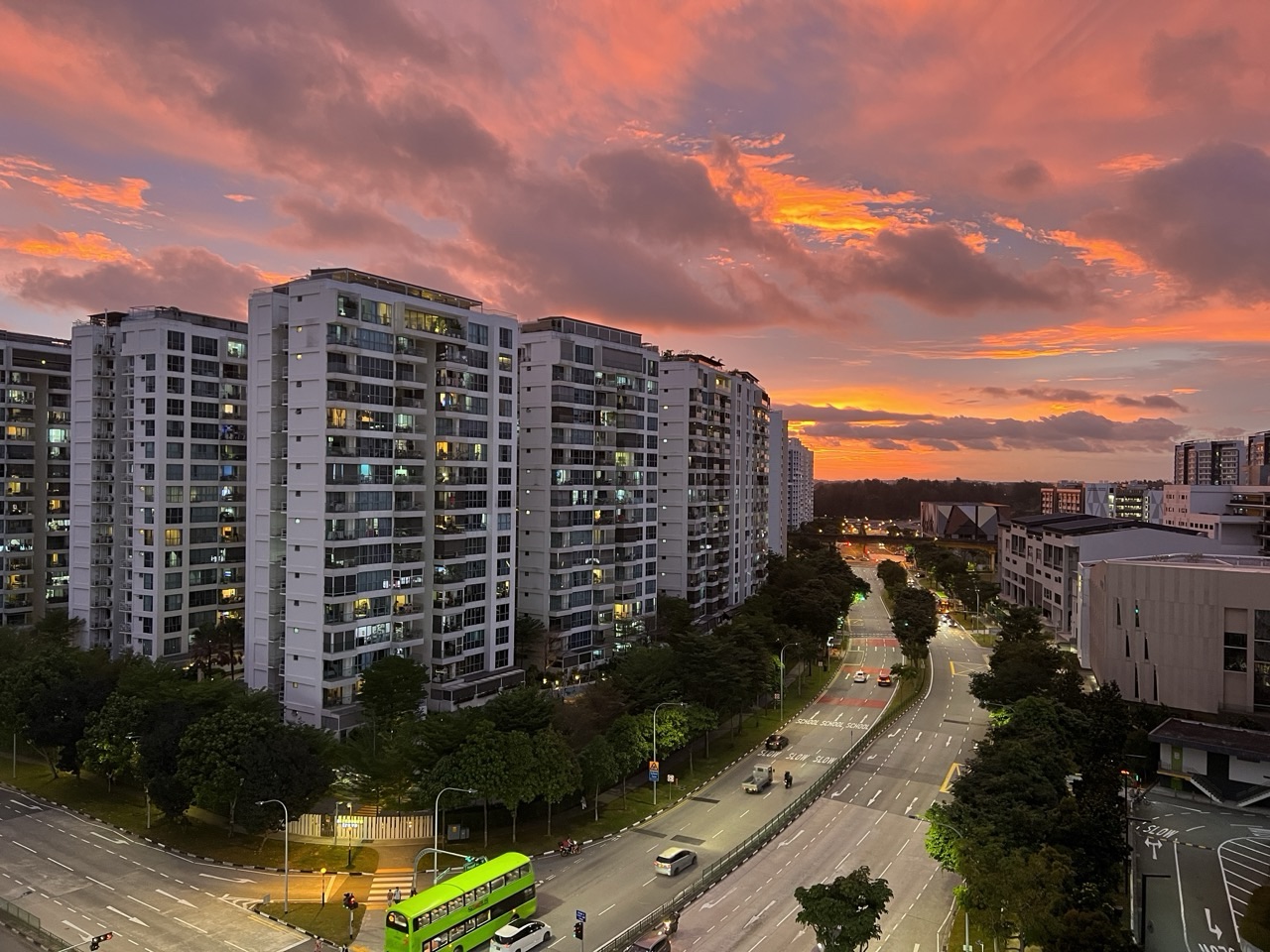
What must you do after a car accident in Punggol? If anyone may be seriously hurt, call 995 for medical assistance and 999 where urgent police help is needed. Stop safely, protect people from further traffic danger, exchange the parties’ particulars and document the scene when it is safe. Then contact your own motor insurer’s official accident hotline for reporting and, if required, its authorised tow truck or approved workshop. Singapore’s Motor Claims Framework (MCF) requires motorists to report accidents to the insurer within 24 hours or by the next working day, including minor collisions and incidents privately settled with another driver.
When do you also need a Traffic Police report? The Singapore Police Force requires reporting for accidents involving fatality, certain injuries, damage to government property, a foreign vehicle, a pedestrian or cyclist, or hit-and-run. A simple property-damage-only collision between two cooperative Singapore drivers, with none of those conditions, does not usually need a separate Traffic Police accident report, but it still needs an insurer report. GIA warns motorists not to accept an unauthorised tow truck or workshop that appears at the accident scene. A calm, accurate process is safer than signing an unfamiliar authorisation or paying a stranger who claims your insurance will otherwise be invalid.
- First priority: people, traffic safety and 995/999 for appropriate emergencies.
- At the scene: exchange name, contact, identity, vehicle registration, insurer and relevant details without confrontation.
- Evidence: photograph safe vehicle positions, damage, plates, road markings and surroundings; retain dashcam footage.
- Insurer deadline: within 24 hours or by the end of the next working day under the Motor Claims Framework.
- Private settlement: still report to the insurer even when both drivers agree not to claim immediately.
- Police criteria: fatality, specified injuries, government property, foreign vehicle, pedestrian/cyclist or hit-and-run.
- Tow truck: call only your insurer’s verified hotline to arrange approved assistance where possible.
- Workshop: use insurer-authorised accident reporting centres and suitable repair arrangements under policy terms.
- Third-party repair claims: allow the required pre-repair survey process where applicable before authorising repairs.
- NCD: making a report alone is not identical to having an at-fault claim; insurer decisions and policy rules matter.
At the accident scene: people before cars, claims or photographs
A car accident is a safety event before it is an insurance problem. Check whether anyone is hurt and whether the position of the vehicles creates continuing danger. If there are serious injuries, follow emergency call-taker instructions and do not move an injured person without appropriate professional guidance. Motorists should remain calm, avoid confrontation and not obstruct emergency responders. A driver may be shaken, and immediate decisions should be simple enough to follow under stress.
GIA encourages photographing the accident scene before vehicles are moved to preserve evidence. However, safety, traffic laws and the instructions of police or emergency responders take priority. A person should not stand on a live expressway lane to obtain a better photograph or delay urgent rescue. If safe photography is impossible, take the appropriate safety action and later describe the conditions accurately.
Do not make an immediate admission of legal fault or agree to a large cash payment while confused or frightened. Give factual information, exchange the necessary particulars and contact the insurer. Fault and liability may depend on vehicle trajectories, road signals, independent witnesses and the actual evidence. The person who speaks most loudly at the scene is not necessarily correct about legal responsibility.
What information should you exchange with another motorist?
The General Insurance Association’s accident guidance advises exchanging names, NRIC or FIN details where applicable, contact information, addresses, insurers and vehicle registration numbers. Preserve these privately for the actual claim, not in a neighbourhood chat. A witness’s contact details may be helpful when the parties disagree about what happened.
Document the road, nearest landmark, direction of travel, visible damage and any relevant conditions, such as an obscured sign or rain. For a collision near Waterway Point, ‘Punggol Central junction by the named road’ is more useful than simply ‘outside the mall’. For a HDB multi-storey car park, record the block, car park and level; several car parks may have similar layouts.
If the other driver refuses to provide information or behaves threateningly, do not escalate into physical confrontation. Record the vehicle number and other safe observations and report to appropriate police or insurance channels. A driver’s refusal is not permission to follow them to a private home or disclose their identity to the public.
Taking useful photographs without interfering with traffic
GIA recommends pictures of the wider scene, vehicle positions and damage, registration plates and nearby conditions. The wider view can help establish lanes, traffic lights, signs, junction geometry and weather. Close-up photographs help identify damage, but a close-up alone may not show the circumstances of the collision. Where several vehicles are involved, document those in immediate contact as instructed by the insurer.
Preserve dashcam recordings early if the device overwrites old footage. Store original files securely and avoid editing out relevant context. A cropped clip may be useful for explanation, but the original recording can be important evidence if a dispute arises. Do not publish footage showing identifiable individuals, injured people or children simply to invite online verdicts about fault.
If the road is unsafe or emergency vehicles are arriving, obey official directions. Insurer reporting can include an honest explanation that photographs were not safe to take. No claim process should require a driver to risk a second collision to obtain a particular angle.
When Traffic Police requires a report
SPF’s current traffic reporting guidance identifies the reporting triggers: fatality; specified injuries, including someone taken to hospital from the scene by an ambulance or a party receiving at least three days of outpatient medical leave; damage to government property; a foreign vehicle; a pedestrian or cyclist; and hit-and-run. Report through the official Traffic Accident Report e-service with Singpass or through a police station where appropriate.
Criteria must be applied to the actual case. A low-speed rear-end collision in an HDB car park with no injury and no government damage normally differs from a crash involving a cyclist or a Malaysian-registered car. If another person reports injuries later or new facts emerge, seek guidance from Traffic Police and your insurer on the reporting obligations. Do not conceal relevant circumstances to avoid administrative work.
A police report and an insurer report are separate. Completing the police e-service does not satisfy every motor insurer’s accident reporting requirement. Likewise, reporting to the insurer does not remove the need for a police report when one of the specified criteria applies. Keep both confirmation references if both are required.
How quickly should a required police report be made?
GIA advises making required Traffic Police reports promptly, with its guidance referring to as soon as possible or within 24 hours for appropriate cases. Specific circumstances and official requirements should be checked with SPF. If a person has been taken to hospital or is unable to provide information because of serious injury, safety and medical care must take precedence, and the insurer and authorities can explain any applicable reporting difficulties.
SPF’s online process asks for date, time, location, vehicle particulars, witnesses, positions and a factual description. A simple drawing or safe photograph may help. Do not fill in details that you do not actually know to make the account seem complete. Saying ‘I could not see the signal from my position’ is more credible than guessing what it displayed.
If an incident involves a foreign-registered vehicle, keep the foreign driver’s address, phone, email and available insurance details as directed by SPF. Accidents near the Causeway or involving visiting Malaysian cars can require more information than a domestic-only property-damage collision.
The Motor Claims Framework deadline: 24 hours or next working day
The Motor Claims Framework applies to motor insurers in Singapore and requires policyholders to report an accident within 24 hours or by the next working day. This includes minor damage and incidents where no claim is initially intended. The obligation exists so insurers can record the event and respond if the other party later submits a claim or previously unseen damage emerges.
A weekend collision generally allows reporting by the next working day according to GIA’s FAQ, which gives a Saturday night and the following Monday as an example. That does not mean the driver should ignore the event all weekend when the insurer has a 24-hour hotline. Report promptly if safe and convenient, especially when there is injury, disputed liability or towing needed.
Some policyholders fear that merely calling the insurer will automatically destroy their No-Claims Discount. GIA says claim impact and premiums depend on the insurer’s investigation and outcomes, not simply the act of reporting. Failing to report can actually put coverage at risk. Do not sacrifice contractual protection in an attempt to avoid paperwork.
Why a private settlement still requires insurer notification
A driver may offer to transfer money for a minor bumper scrape and ask that nobody contact insurance. GIA’s official FAQ says policyholders should still report the accident, even if a private settlement is agreed. The reason is straightforward: the other party may later discover additional damage or make a claim despite the initial agreement. The insurer needs a factual record of the incident.
A private arrangement should never be used to hide injuries or a police-report trigger. Some damage may be difficult to see at the scene. Electronic sensors, structural components or mechanical systems can be affected even when the paint marks seem small. The parties are free to discuss legitimate settlement terms, but they do not override the insurer-reporting requirement under the MCF.
If someone pressures you to sign a settlement document immediately, read it carefully and consider obtaining insurer guidance. A driver who is shaken or unfamiliar with legal language may not understand what rights or liabilities are being accepted. Do not provide bank OTPs or open a payment link sent by an unknown intermediary promising instant claim closure.
What happens if a motorist misses the reporting deadline?
GIA warns that failing to report can lead to policy consequences including repudiation of liability for relevant covered claims, reduction of NCD or refusal to renew. The actual outcome depends on the policy and applicable law. For example, compulsory third-party bodily injury coverage has particular statutory protection distinct from ordinary property-damage contractual coverage. Do not assume every failure creates the same result.
If a genuine medical emergency or overseas breakdown prevented timely reporting, tell the insurer immediately and provide the facts. GIA’s guidance recognises that exceptional circumstances can require consideration. A driver should not fabricate a reason for late reporting; accurate information may help the insurer understand what occurred.
After noticing a missed deadline, prompt honest notification is generally better than silence. Keep the accident date, communication record and any evidence. Seek qualified insurance or legal advice where a significant dispute arises.
Tow trucks: why unauthorised operators are a serious risk
After a crash, someone may approach the driver and claim they can tow the car to a friendly workshop, arrange a replacement vehicle and handle all insurance paperwork. GIA strongly advises motorists not to deal with unauthorised tow-truck operators or repair workshops that arrive at the scene. A driver may unknowingly sign a broad authorisation with high storage, towing or rental charges and lose control over where the car is taken.
Call the motor insurer’s verified accident hotline, using the number on the policy, insurer’s official app or independently verified website. Ask whether towing is needed, what type of tow service is approved and where the car should be delivered. The insurer can explain whether its authorised reporting centre or workshop should receive the vehicle. Do not accept a caller’s claim that they are ‘sent by your insurer’ without verification.
If the vehicle is seriously damaged, do not attempt to drive it simply to avoid towing fees. A bent wheel, fluid leak, smoke, airbag deployment or other fault may make travel unsafe. Follow qualified emergency and insurer advice and prioritise the safety of occupants and other road users.
What should you check before signing a tow or workshop document?
Read the name of the company, towing destination, stated fees, storage terms, repair authorisation, legal representation and any agreement to assign insurance claim proceeds. A driver may be told that signing is ‘only to move the car’, when the document could include broader commitments. Ask your insurer before signing something you do not understand.
A legitimate authorised operator can identify the insurer arrangement and provide proper records. A person insisting on immediate cash, withholding documents or refusing to disclose a destination deserves caution. If a stranger claims the vehicle cannot be recovered unless a large private payment is made, seek help from the insurer and appropriate police or consumer service rather than comply under pressure.
Retain vehicle keys and personal belongings where safe and where consistent with the necessary repair process. Do not interfere with emergency responder instructions or a lawful investigation. The objective is to preserve control over the legitimate claim without creating a new safety hazard.
Insurer reporting centres and authorised workshops
Most insurers publish a network of Approved Reporting Centres (ARCs) or authorised workshops. Under the MCF, motorists should report the accident and bring the damaged vehicle to the approved facility within the prescribed period where possible. A family living in Punggol should use the specific insurer’s current list, rather than assume the nearest workshop along a major road is covered by the policy.
Even when another driver appears at fault, GIA advises checking your own insurer’s workshop requirements before repairs. A claimant may need to allow the other party’s insurer a pre-repair inspection. Sending the car to an unrelated workshop without notification can complicate evidence, approvals, costs and settlement. The repair should not begin merely because a tow operator says the other insurer will pay everything.
Ask the authorised workshop for a written assessment, likely repair timeline, parts arrangements and whether a courtesy or rental car is covered. Some policies include loss-of-use benefits while others do not. Do not book a costly replacement car on the assumption that all insurers reimburse every day of rental.
Pre-repair inspection for third-party claims
GIA explains that claimants making third-party property-damage claims should allow the third-party insurer to inspect the damaged vehicle within two working days before repairs begin, in accordance with relevant pre-repair survey arrangements. This helps parties agree on the damage and reasonable scope of repairs.
A repair estimate can include hidden damage, labour, parts and related costs. The fact that a bumper looks lightly scratched does not alone prove the final repair bill must be tiny, but a high invoice also needs credible justification. The inspection process can reduce arguments about whether an expensive repair is proportionate. The workshop and insurer should explain how the survey is arranged.
Do not authorise work that destroys or conceals relevant damage before the prescribed inspection is completed, except where necessary for safety or according to authorised instructions. A driver should ask the insurer how to proceed when the vehicle cannot safely remain in its current state.
Own-damage claims versus third-party claims
An own-damage claim uses the policyholder’s applicable comprehensive insurance to repair their own car under policy terms, subject to excesses, exclusions and NCD implications. A third-party claim seeks compensation from another responsible party or insurer. The correct route depends on evidence, liability and the actual insurance coverage. A third-party claim may be contested even when one driver believes the other was obviously at fault.
Check the policy’s definition of approved workshops, excess, driver eligibility and any restrictions on named or young drivers. An inexperienced family member driving a car with insurance limitations may create coverage complications. A vehicle’s ownership does not automatically establish that every licensed relative is insured to drive it.
GIA notes that disputes about liability can require insurers to review both sides’ reports, photographs, videos and damage surveys. An insurance claim is not concluded by one person’s confident statement at the scene. Keep communication factual and let the appropriate process assess responsibility.
No-Claims Discount: reporting is not the same as admitting fault
No-Claims Discount rewards eligible motor insurance claims history under insurer terms. After an accident, an insurer may revise NCD depending on claim outcome, responsibility and policy conditions. GIA states that the duty to report does not by itself determine NCD; an accident’s resulting claim and assessment matter. A family should not avoid notification out of fear that every reported incident automatically incurs the maximum penalty.
Some policies offer NCD protectors or different excesses, but these do not guarantee a premium will remain unchanged after every claim. Read the wording and ask what the actual accident means for the renewal. Changing to another insurer also involves disclosure obligations and underwriting decisions.
If the parties settle privately after reporting, confirm with the insurer how the event will be recorded and whether any claim has been made. Do not rely solely on the other driver’s promise that they will not pursue compensation later. A record protects against unexpected future allegations.
What if the other driver refuses to report?
GIA’s motor insurance FAQ explains that a claimant can contact the other party’s insurer, which can seek its policyholder’s accident report. An insurer may inform Traffic Police if its policyholder repeatedly fails to report after reminders. A driver’s refusal can delay assessment, but it does not remove your own obligation to report accurately and promptly.
Retain the other car’s registration number, photographs and other suitable details. Do not repeatedly harass the other party, threaten their family or visit their home. Insurance and legal channels exist to investigate disputed events. A person who appears uncooperative may still have relevant information, and the final finding depends on evidence rather than the loudest conversation.
When attempts to resolve a claim reach a genuine impasse, the insurer can explain its complaints process. GIA points to the Financial Industry Disputes Resolution Centre (FIDReC) as a possible route for eligible disputes. Legal advice may be appropriate for more serious claims or bodily injuries.
Accidents involving cyclists or pedestrians in Punggol
Punggol has shared paths, cycle lanes, zebra crossings and busy areas near schools and LRT stations. A collision involving a pedestrian or cyclist is one of the Traffic Police reporting triggers. Even when a person says they are fine, the driver should follow applicable police and insurer reporting instructions rather than treat it as an ordinary property-only incident.
Do not pressure an injured pedestrian or cyclist to sign an immediate private waiver or decline appropriate medical care. Their condition may not be clear at the scene. Give truthful assistance and follow emergency or police instructions. A person riding a bicycle may also have separate obligations to stop, exchange particulars and report relevant incidents.
For children, priority is safe medical assessment and safeguarding. A driver should not film a distressed child for public circulation or imply the child caused the accident before facts are established. Preserve evidence privately through authorised claim and reporting channels.
HDB car parks: low-speed collisions still count
A minor collision while reversing in an HDB multi-storey car park may leave a dent or scraped bumper but no apparent injury. If none of SPF’s police-report triggers apply, a Traffic Police report is not generally necessary, but the Motor Claims Framework still requires notification to the insurer. A private agreement about paint repair does not remove that obligation.
Photograph the cars’ positions and nearby car park markings when safe, then exchange details. Do not block a ramp for an extended argument or impede other vehicles. If the vehicles can be moved safely and police instructions do not require preserving position, follow the applicable traffic and insurer guidance.
Some people find a damaged parked car with no note left by the driver. Record the time, location and damage, contact the insurer and report suspected hit-and-run as appropriate under SPF guidance. Do not accuse a neighbour merely because their car is parked nearby.
Car accidents in heavy rain or during a storm
Rain reduces visibility and can affect braking and traffic flow. A Punggol collision near a waterfront road may also occur during poor weather or around flooded areas. Stop safely and ensure people are not exposed to moving vehicles or lightning while gathering information. Do not step into floodwater to inspect a bumper or attempt to drive a visibly damaged car through a waterlogged junction.
Use appropriate emergency assistance and contact the insurer for towing or reporting. A damaged car may be more dangerous to move in wet conditions, especially if tyres, brakes or lights are affected. The workshop can assess the vehicle’s condition after safe recovery.
Do not assume a storm automatically eliminates driver responsibility or that every weather-related accident is covered without deductible. Liability and insurance depend on the event, road rules and actual policy terms.
Rental and car-sharing vehicles: notify the operator as well
A Punggol resident may use car sharing or short-term rental rather than own a vehicle. If a collision occurs, follow safety and legal reporting requirements, then immediately follow the rental or car-sharing operator’s accident protocol. The agreement may require contacting a specific emergency hotline and restrict which tow or workshop may handle the car. Do not assume the owner’s standard private policy terms are identical.
Many rental contracts contain excess, loss-of-use, repair and administration provisions. A driver should read them before beginning a booking. The app’s displayed damage waiver may not cover every collision, driver profile or unauthorised use. Taking a car without understanding those conditions can create substantial financial exposure from a minor incident.
The Motor Claims Framework applies across relevant motor policies, and GIA advises car rental firms to ensure hirers know the reporting procedure. Returning the rental car at the end of the booked slot is not a substitute for reporting a collision promptly. Keep the legitimate operator and insurer contact details accessible during the booking.
Accidents in Johor Bahru or involving Malaysian cars
For an accident in Malaysia, GIA advises reporting to the nearest police station in the country and contacting the insurer for appropriate guidance, including towing arrangements. A Singapore policy may have particular geographical and contractual coverage conditions. A driver should not assume every Singapore insurer offers free cross-border recovery or accepts any Malaysian towing company.
If a foreign-registered car is involved in a Singapore collision, it is a Traffic Police reporting trigger. Collect suitable information about the foreign vehicle and driver through safe legitimate means. The claim may require more coordination, but it should not be managed by paying an unknown middleman who approaches at the roadside.
Before a road trip, check the policy’s cross-border cover, approved breakdown contact, driver eligibility and documents. A careful preparation checklist can reduce rushed decisions if a collision occurs far from home.
Medical symptoms after a collision
Some injuries become more noticeable after the initial shock. A person who develops concerning pain, confusion, breathing difficulty or other symptoms should seek appropriate clinical evaluation. Do not self-diagnose that a neck or head injury is minor because the car damage looks slight. Healthcare professionals determine assessment and treatment.
Keep medical reports and relevant receipts for an appropriate insurer or legal claim, while protecting privacy. SPF’s traffic-report criteria include specified injury and medical-leave conditions, and changes in diagnosis can alter reporting considerations. Contact the appropriate authorities if later documentation suggests a required report was not yet lodged.
Emergency healthcare should not be delayed while waiting for an insurance approval or a workshop estimate. People come before property and paperwork. A driver in serious distress should seek appropriate help even if the car is still drivable.
What an insurer may ask for after the initial report
The insurer may request the police report where required, accident narrative, licence and vehicle information, photographs, dashcam evidence, repair assessment, other party’s particulars and relevant medical records. Provide accurate documents through its official secure process. Do not edit original evidence to hide an unfavourable fact; an incomplete record can undermine a legitimate claim.
Claims may take time to resolve, particularly when liability is disputed or another insurer must inspect the vehicle. Ask for the next step, reference number and expected communication method. It is reasonable to seek updates, but no generic article can guarantee a fixed compensation date or repair cost.
Keep any workshop authority form, repair invoice and insurer correspondence in a private folder. A clear record can help with follow-up and renewal decisions and prevent the family from repeating the same details to several parties.
Three Punggol accident examples
Example 1: a scrape in a multi-storey car park
Two drivers have a low-speed collision with no injuries or police-report trigger. They exchange details, take safe photos and report promptly to their respective insurers even if they discuss paying for minor repairs privately. They avoid a public accusation in the car park chat and use the insurer’s approved reporting centre.
Example 2: a road collision involving a cyclist
The driver stops safely, contacts emergency services if needed and follows the Traffic Police reporting requirement because a cyclist is involved. They notify the insurer separately within the MCF deadline. They do not ask the cyclist to sign a private waiver on the spot or take unnecessary photographs of an injured person.
Example 3: an unknown tow operator appears after a major crash
The owner refuses to sign a broad unfamiliar authorisation and calls the verified insurer hotline for towing advice. The vehicle is moved only through safe authorised arrangements. The driver keeps the towing destination, company and paperwork recorded rather than simply trust a stranger’s claim that their workshop will make the accident ‘free’.
Ten common mistakes after a collision
- Ignoring medical and traffic safety to photograph damaged paint.
- Failing to report a small collision to the insurer because it looks trivial.
- Assuming a signed private settlement removes the MCF reporting duty.
- Thinking a police report automatically completes the insurer report.
- Accepting a tow truck without verifying it through the insurer.
- Signing an unfamiliar repair authorisation or legal assignment in distress.
- Beginning third-party property-damage repairs before required inspection arrangements.
- Posting dashcam images of other drivers or injured children in public groups.
- Assuming NCD disappears solely because a factual report was made.
- Letting a damaged rental vehicle’s booking end without notifying the operator.
A practical four-stage response checklist
Stage 1: secure people and the scene
Stop safely, assess injuries, call 995/999 where appropriate and follow emergency directions. Exchange particulars and record evidence only where safe. Avoid arguments and do not use a damaged vehicle if it may be unsafe.
Stage 2: notify the insurer promptly
Contact the verified hotline, ask about authorised tow and reporting centre, and complete the MCF report within 24 hours or by the next working day. Report even when there is no visible damage or the drivers discuss a private settlement.
Stage 3: meet separate police and repair requirements
Check SPF’s reporting triggers and file the required traffic accident report if relevant. Coordinate towing and workshop inspection, including any third-party pre-repair survey. Preserve photographs, reports and communications securely.
Stage 4: follow the claim and protect future decisions
Track repair, settlement, excess, NCD and rental consequences through official insurer channels. Review what could prevent another accident, such as better observation or safer route choices, without turning a frightening incident into blame among family members.
Frequently asked questions about car accidents in Punggol
Must a small car accident be reported to insurance?
Yes. The Motor Claims Framework requires reporting minor accidents even without visible damage.
What is the reporting deadline?
Within 24 hours or by the next working day under the MCF.
Must I report if I settle privately?
Yes. A private settlement does not remove the insurer reporting requirement.
Do I always need a Traffic Police report?
No. SPF requires it for specified incidents such as certain injuries, a foreign vehicle, pedestrian/cyclist, hit-and-run or government damage.
Do I need a police report for a simple no-injury car scrape?
Usually not if none of SPF’s reporting triggers apply, but insurer reporting remains necessary.
What if a cyclist is involved?
It is a Traffic Police reporting trigger; follow emergency and insurer requirements.
What if a Malaysian-registered car is involved?
A foreign-vehicle collision is among SPF’s reportable categories.
What if it is a hit-and-run?
SPF requires a traffic accident report; preserve safe evidence and notify the insurer.
What if public property is damaged?
Damage to government property is a police-report trigger.
When do injuries trigger police reporting?
SPF lists specified ambulance-to-hospital and at least three days of outpatient medical leave criteria, among others.
Should I call 995 or 999?
Use 995 for appropriate emergency medical/rescue needs and 999 for immediate police assistance.
Should I photograph the scene?
Yes if safe, including vehicles, positions, licence plates and relevant road surroundings.
Do I need the other driver’s NRIC or FIN?
GIA lists party identity, contact, address and insurer particulars for appropriate accident reporting.
What if the other driver refuses to share details?
Preserve registration and safe evidence, and report through insurer/police channels as appropriate.
Can I drive the car away after a major collision?
Do not drive if it is unsafe; follow professional and official instructions.
Who should arrange a tow truck?
Call your own insurer’s verified accident hotline for approved assistance where possible.
Should I use a tow truck that approaches uninvited?
GIA strongly advises against unauthorised towing and workshops.
Do I need an approved reporting centre?
Usually under MCF and policy arrangements; follow the insurer’s current requirements.
Can I choose any repair workshop?
Check your insurance policy and the reporting/claim procedure before authorising repair.
Is pre-repair inspection required for third-party claims?
Yes, applicable claims need the other insurer’s inspection opportunity under relevant guidelines.
How long can the third-party pre-inspection take?
GIA describes a two-working-day inspection arrangement before repairs.
Does reporting automatically eliminate NCD?
No. The claim and insurer’s assessment, not simply reporting, determine effects.
Can failure to report affect insurance?
Yes. GIA warns of denied claims, NCD effects and cancellation or renewal consequences.
What if an accident happens on Saturday night?
GIA’s FAQ treats Monday as the next working day in its example, but prompt notification remains sensible.
What if the other driver never reports?
Contact their insurer with your evidence; GIA describes insurer follow-up steps.
Can a rental or car-sharing driver skip the MCF process?
No. Follow applicable insurer and rental operator accident requirements promptly.
What if the car is damaged in Johor Bahru?
Seek local police reporting where required and call your insurer for cross-border assistance.
Who decides legal fault?
Insurers and appropriate legal processes assess evidence; an angry assertion at the scene is not decisive.
Can repair bills include hidden damage?
Yes. Insurers assess technical repairs and related costs based on evidence.
Can I post dashcam footage publicly?
Preserve it for authorities and insurers; avoid unnecessary public identification and accusations.
Where do I report to Traffic Police?
Use the official SPF Traffic Accident Report e-service or an appropriate police station.
How do I challenge an insurance claim decision?
Follow the insurer’s complaint process and consider eligible FIDReC or legal routes.
Where is the official accident checklist?
SPF’s traffic accident reporting page and GIA’s Motor Claims Framework resources.
Official sources and related Punggol guides
- SPF: mandatory Traffic Police accident reporting categories
- GIA: Motor Claims Framework and private settlement FAQ
- GIA: accident scene steps, insurer deadlines and towing warnings
- GIA: third-party, NCD and missing other-party reports
- GIA: third-party pre-repair inspection and dispute procedures
- SPF: report a qualifying traffic accident
- eduKate: earlier Punggol accident and motor claims reference
- Lifestyle in Punggol: car-sharing and rental considerations
- Lifestyle in Punggol: parking and car ownership
- Lifestyle in Punggol: learning to drive safely
Traffic Police reporting, Motor Claims Framework and insurer principles reviewed against SPF and GIA official guidance in November 2026. Claim outcomes and reporting consequences depend on the real event and policy. In an emergency, protect people and follow the police or emergency responder’s instructions first.


