
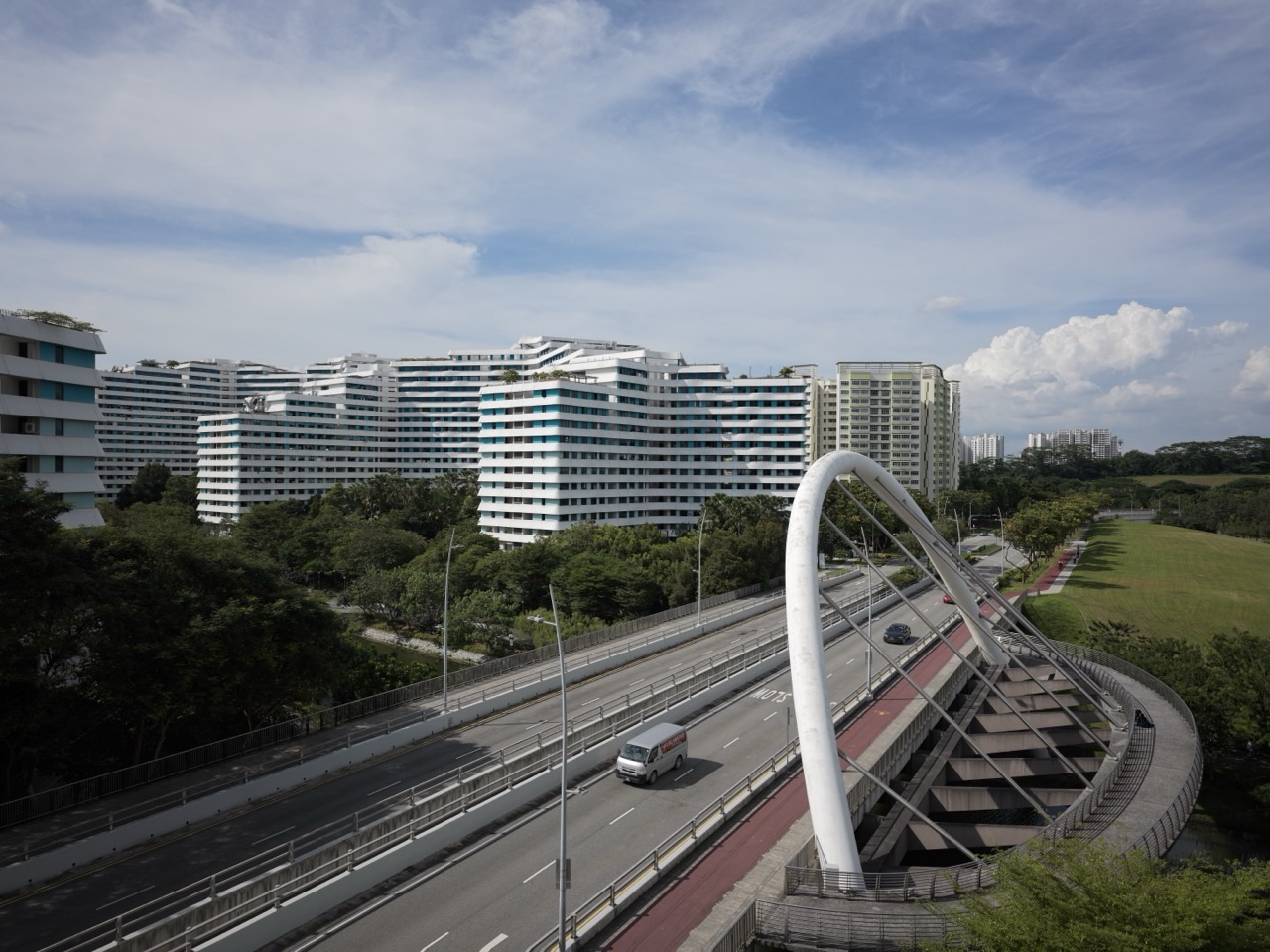
An October 2026 analysis of HDB records put the trailing 12-month median for Punggol two-room resale flats at S$397,400, based on 122 transactions. Use that as a dated benchmark for an existing flat. A short-lease two-room Flexi flat bought from HDB follows a different route, with its own eligibility, funding and ownership conditions.
Compare actual properties and eligible projects. Check the remaining or offered lease, room layout, cash and CPF, regular trips and the date you can move. If you are selling to downsize, put both transactions on one timeline.
Quick Read
- Treat the published resale figure as historical context.
- Check the actual HDB short-lease eligibility and project availability.
- Compare layout and access from the exact home.
- Check financing, future conditions and move timing separately.
CHAPTER 1 OF 10
Start by separating the two purchase routes
A two-room HDB resale flat is an existing home bought from an owner on the open market. Its remaining lease, condition, actual floor plan and possession date belong to the particular unit. A short-lease two-room Flexi flat is a separate route offered by HDB to eligible senior households. The price, term, selection, financing and later ownership conditions come from the applicable HDB rules and sales exercise. Start with the route that your household can use.
A comparison that says only “two rooms” can hide most of the decision. An existing flat can be available sooner, but it might need work and a difficult move. A flat bought directly from HDB can offer a short lease that suits an eligible buyer, but you need to see where supply is available and when it can be occupied. Punggol appearing in a resale search does not establish that a current new-flat exercise offers the location you want.
Write down the decision you need to make
Are you choosing a smaller home after selling, buying your first home, or looking for a long-term home that is easier to manage in retirement? A single buyer considering resale may need a very different comparison from a couple looking at short-lease options. Use the official eligibility guidance for your actual circumstances. Then compare real homes that can serve the same practical purpose.
Set a latest date for moving and identify the two hardest daily activities to accommodate. For one household those might be a regular clinic trip and bathroom access. For another they might be working from home and staying close to relatives. Put the requirements above the headline prices so you can compare the routes on more than their advertised totals.
CHAPTER 2 OF 10
Read the Punggol two-room resale benchmark
An October 2026 analysis by Two Homes, based on HDB resale transactions, reported a trailing twelve-month median of S$397,400 from 122 Punggol two-room sales. Use it as a dated town-wide reference. It is not an HDB valuation of any listing and does not predict a 2027 price. Different sources may report different samples or snapshots. Check the dates and records used before comparing the figures.
For a current shortlist, open HDB’s transaction data and select Punggol and the exact flat type. Enter the block or street where possible. Note the floor area, storey range, lease commencement, remaining lease and sale price. If few records appear, expand to comparable blocks rather than using a different flat type to estimate the price.
Compare two examples with the same method
Start with one resale property your household could genuinely buy. Find a few sales that share its area and lease profile and record why they are relevant. If a unit near a station asks more than a similar-sized home farther away, inspect the actual route and the flat’s condition. A purchase price can reflect several features at once. A map and a price spread give you questions to check.
When a 2027 sale appears, record it separately from the October benchmark. A narrow local comparison can be useful even when the wider market gives a different impression. Compare transaction evidence rather than deciding that every two-room flat should sit near the old median. A good record will say where the evidence is strong and what remains unclear.
Compare data snapshots on the same terms
An analysis using a different download date or transaction window can show a different number of sales and median. Keep the source, period and size of the sample on the same line. For a shortlist, use the old town figure to frame the search and the current official records to choose close examples. An older town figure is less useful than a newer property-specific sale when the two answer different questions.
If you view a property near the reported median, verify why the asking price appears reasonable. Check size, remaining lease and nearby sales rather than assuming a close match to the town number is enough. A dated benchmark establishes the scale of the market, while the actual address tells you what still needs checking.
CHAPTER 3 OF 10
Check short-lease Flexi eligibility and terms
HDB’s seniors guidance describes short-lease two-room Flexi choices from 15 to 45 years in five-year increments. Check the current eligibility table, the ages of the people included, and the requirement for the lease to cover the applicable person or people to the required age. HDB’s eligibility and sales information establish which leases and units you can actually select. A price for one lease or a different project cannot establish your available choice.
HDB states that housing loans are unavailable for short-lease two-room Flexi purchases. Read HDB’s and CPF’s guidance for what you can use, and check the money and dates for the exact purchase. Compare the amount you must organise with the expected proceeds of an existing property if you need to sell. The lower headline amount of a shorter lease can still require a different funding plan.
Think through the lease length before comparing prices
Ask how long the household needs the property to serve it and how likely it is to need different care or access. The chosen term must fit HDB’s rules. The practical question is how much certainty and usable housing the option gives you. A shorter lease from HDB and a resale flat with a longer remaining lease have different rights and conditions, so a simple price-per-year comparison can be misleading.
Write the term, applicable occupancy and disposal conditions, and who can live there. Then ask what would happen if someone needs to move in with family or enter a different living arrangement later. Check HDB’s current guidance for the actual property before relying on open-market sale or rental as an exit plan.
Check CPF available after setting aside retirement funds
CPF Board says members must first set aside the Basic Retirement Sum in their CPF accounts before using excess Ordinary Account savings to buy a short-lease two-room Flexi flat. Check the official rules and your own figures before using the balance you see as money available for the purchase. The actual amount can affect whether a route that looks less expensive is feasible.
Put the verified amount beside the price and other payments for the actual project. If you would need the proceeds of a sale, check when those funds can be applied. A household can choose a useful short lease and still need a realistic plan for the purchase timing and the resources it wants available after moving.
| Question | Existing resale flat | Short-lease Flexi from HDB |
|---|---|---|
| Lease | Remaining term of the exact unit | Eligible term under current HDB terms |
| Availability | Actual seller and possession date | Actual exercise, project and waiting time |
| Funding | Verify loan, CPF and cash | Confirm cash and CPF without a housing loan |
| Later plans | Read resale and occupation conditions | Check short-lease conditions on disposal and rental |
CHAPTER 4 OF 10
Compare a flat you can see with a project you can book
A resale viewing gives you the actual rooms, access, surrounding routes and some evidence about condition. You can ask about possession and price for that unit. A new-flat route may offer a brochure, project plan and estimated timing before you have the same view of the completed home. Check when each kind of information becomes available and which decision you have to make first.
For a Flexi option, read the actual project and sales materials. Check whether the project is available, the lease you could choose and the proposed key collection or waiting period. If a desired Punggol option is not available, decide whether another town could still serve the family’s routines. Do not compare a real resale flat against an assumed future release as though both can be chosen today.
Ask whether a different block would solve the problem
A household might want Punggol for a relative rather than for a particular project. Test a route from an available resale block and another address that could meet the same care need. A household fixed on remaining close to an existing routine may give less weight to a new property farther away. A household more flexible about location may benefit from comparing project options elsewhere.
If the purchase relies on a future announcement, set a date to revisit the plan and keep a fallback. Compare the cost of waiting, including temporary arrangements if needed, with the benefit you expect from the new home. A realistic wait and an agreed fallback can make the comparison more useful than assuming a flat will appear at a convenient time.
Compare current supply with the route you actually want
An HDB sales exercise can contain projects in towns that fit some household needs but not others. Open the actual sales information. Identify the available flat type, timing and location rather than assuming that an exercise offering a short-lease route necessarily gives you an option in Punggol. A resale unit, in contrast, can be inspected at the exact address if the seller is still offering it.
If location is a condition of the purchase, walk the route from one actual Punggol resale candidate. Then look at any eligible project in a location your household could genuinely use. This helps you decide whether the waiting time, price and longer-term terms are worth changing your daily route.
CHAPTER 5 OF 10
Test whether a two-room layout fits actual use
Bring measurements of essential furniture and any mobility equipment. Use the plan and the real unit where available. Consider the route from the front door to the bathroom, space around the bed, where bags and supplies go, and how a visitor or caregiver would use the home. Check whether an ordinary evening would require moving furniture repeatedly or blocking an important passage.
A two-room flat can be very usable when the household needs one sleeping area and a comfortable place to cook and sit. It can become difficult if it must also support frequent overnight care, work calls and substantial storage. Look at which activities can happen at the same time. A flat model, brochure or marketed size cannot substitute for that check.
Draw three activities on the same plan
Mark where you would sleep, where you would eat and where you would make a call or read. Then mark a walking route between those spaces, including clearance to open doors. If a caregiver regularly visits, add the items they may need to bring and the route they would take. In a compact unit these details can matter more than the stated area alone.
Compare the layout with one feasible three-room resale alternative if you are uncertain. The larger home may introduce costs or work you would rather avoid. The smaller home may still provide all the required uses if the plan is efficient. Make the comparison with the exact needs rather than assuming one size is automatically right for retirement or living alone.
Compare the access route with the furniture plan
A layout that works at the front door may become less useful after a large chair or table is installed. Measure the space left for turning and opening doors. Ask whether a bathroom fitting, entrance threshold or storage space affects a member of the household. If a necessary change is possible, obtain a realistic cost and allow for the timing.
For a new option, use the project floor plan and any applicable viewing opportunities. For resale, check the actual fittings and modifications. Put what you can verify in one column and what depends on future work in another. This allows a fair comparison even when you cannot inspect both completed homes today.
CHAPTER 6 OF 10
Check access to transport, groceries and care
Time a route from the exact Punggol block. One home may reach Punggol MRT on foot, while another uses an LRT or bus leg or can reach Punggol Coast more easily. Walk the route at a time and pace that reflect the people who will use it. Include the lift, crossings, weather exposure and the return trip. If someone needs step-free access, check the whole path and an alternative.
Do a separate trial for groceries or a health appointment if that trip matters. Punggol Polyclinic is at Oasis Terraces, for example, but the right provider and route depend on your household. Try the journey with someone who will make it regularly. A cheaper home can offer good value if the daily trip is easier, and a closer station can matter less if the harder journey is elsewhere.
Check what changes when someone travels alone
An older resident may have a lift route that works with an accompanying family member but is less practical alone. Let that person choose a normal errand and explain where they would wait, cross or ask for help. Then test a return with shopping or at a time when the paths are busier. Observe how the block supports everyday independence.
Ask a relative to try their own route from where they live. A household may benefit more from an easy visit by a caregiver than from shaving several minutes off a trip rarely made. A useful comparison explains who benefits, how often, and whether the route still works under less convenient conditions.

CHAPTER 7 OF 10
Compare cash, CPF and the actual proceeds of a sale
For a resale purchase, verify HFE, the relevant financing and how much CPF and cash are available. Check the lease and applicable conditions for the exact flat. For the short-lease option, use the actual HDB price and payment rules. Do not borrow a payment plan from a longer-lease purchase. Put confirmed resources and estimated amounts on separate lines so the household can see what still needs checking.
If you plan to sell an existing home, calculate what you expect after the loan, applicable CPF refund and other obligations. Cash proceeds and money returned to CPF are different resources. Match each to the dates and types of payments you need. A high sale price may help the move, while giving no assurance that the required funds are available at the first payment deadline.
A worked example for planning the cash sequence
Imagine the family expects to complete the old sale after a payment is due on the next home. The sale might provide sufficient resources once it completes, but the timing could leave a shortfall. Ask what HDB or the applicable professionals confirm about the sequence, and check any official arrangement that may be relevant. Do not commit on the assumption that the dates will align themselves.
Put essential work, moving and temporary housing beside the purchase schedule. A resale flat that is available sooner may still need time before it can be used. A short-lease option might leave a waiting period that your existing home or another arrangement has to cover. Use dates and actual payments rather than a simple difference between the headline purchase prices.
Put the payment source beside each amount
In the comparison sheet, distinguish cash available now, CPF you can use under the relevant rules and proceeds expected after a sale. Give each source a date. This prevents a future sale or an unverified CPF balance from being used twice in the same plan. Check the result for the real project before relying on a payment date.
CHAPTER 8 OF 10
Ask what can happen after the move
Read the terms for the actual short-lease Flexi purchase. HDB’s short-lease rules restrict open-market resale and rental. Check the official terms and how surrender or other later changes are handled where relevant. For a resale property, check the applicable classification and occupation or rental conditions. Owners of one- and two-room HDB flats cannot use HDB’s bedroom-rental route, even when a property otherwise looks suitable for sharing.
A smaller home may be the right long-term choice without providing every option a different flat offers. Ask which flexibility matters to the household. One owner may want to stay for the long term and prioritise accessible routes. Another may expect a change in care or want a different property later. Read the written conditions before treating the alternatives as interchangeable.
Work through an ordinary change in plans
Suppose the resident later moves closer to a child. Ask how each option would be handled under the applicable rules. A sale or surrender can have different timing and financial consequences. If someone might need to move in to provide care, check the layout and arrangements in the exact home. A question about access may be more important than a theoretical resale estimate.
Keep long-term planning separate from speculation about property prices. The decision should work on confirmed funding and suitable living arrangements. If a future event would change the plan significantly, record what you know about the official route and whom you would ask for current information at the time.
Read the options before assuming you can change course
If you expect to need a different care arrangement later, ask what the applicable terms allow. A short-lease flat purchased from HDB has a different exit route from a flat that can be sold on the open market subject to its applicable conditions. Confirm what HDB says before including a future sale or rental in a financial projection.
A household with a likely change can also plan practical responses. Could a family member visit regularly? Is the home accessible if you need help later? Would the unit still be manageable if one activity changes? Those answers help determine whether an option serves the period you expect to live there.
CHAPTER 9 OF 10
Make a timetable for the old and new homes
Record the date the old property must be handed over, when the new flat can be entered and when it will be usable. Add essential works and other appointments. If a short gap appears, check whether temporary housing or another permitted arrangement can cover it. If selling an HDB flat, read the applicable process for timing and any request to remain temporarily. Use the actual agreement and approvals.
For a resale flat, ask about vacant possession, any proposed extension and the work needed before moving. For a new flat, follow the project and key collection information. An estimated key date is a planning input. A confirmed handover and a usable home are distinct events. Keep room in the budget for what happens between them.
Plan the first month, including who can help
Make a short list of services and items needed immediately. This might include a usable bathroom, essential furniture, deliveries and a way to get to appointments while the household settles. If a family member can help only on certain days, put those dates beside the move. A move can be manageable if the arrangements are small and specific.
If you are downsizing, decide what to keep, give away, store or replace before scheduling the move. Measure the new flat. A home that fits on paper can become awkward if the household takes too much from the old one. A smaller property works best when it supports the possessions and activities the residents genuinely use.
Check the time between possession and living there
For an existing flat, note whether flooring, bathroom fittings or an appliance need work before you move. For a new flat, check what the sale includes and which essential items the household has to arrange after keys. Make a realistic estimate of the time required. Use the later, usable date in your comparison with the current home.
If the old home must be given back sooner, check where the household will stay and how regular appointments, deliveries and care will work. A small gap can be manageable when it has a real plan and price. It can become the main problem if the two dates are treated as interchangeable.
CHAPTER 10 OF 10
Make the final shortlist with actual options
Write the exact property or project, verified lease, eligibility outcome, funds, usable layout and expected possession date on one page. Use a separate line for what remains uncertain. Put the regular trip and access route beside the price. If you are choosing between a real resale and a possible new-flat option, mark the differences in availability and confirmed timing.
Check the option that gives you the best practical combination of place, space and funding. One household may choose a resale flat because the daily routes and existing condition are clear. Another may prefer a short-lease purchase if eligible and it fits the household’s long-term use. The right answer depends on the exact home rather than on the label.
Choose the next action that improves the decision
Pull a recent two-room transaction for a real address. Then check the current HDB Flexi eligibility and available project information for the household if that route is relevant. Ask which issue would change your choice: the lease, the waiting period, money due or the day-to-day access. Verify that issue before spending more time comparing features you may not need.
If the first options fall through, reuse the layout and route tests with the next properties. Keep the lease and payment calculations tied to the actual units. A clear shortlist lets the family continue looking without carrying an old purchase assumption into a new home.
Common questions
How much did a two-room resale flat cost in Punggol?
The cited October 2026 analysis reported a S$397,400 trailing 12-month median. Check recent HDB transactions for your exact block.
Can I get a housing loan for a short-lease Flexi flat?
HDB says a housing loan is unavailable for short-lease two-room Flexi purchases. Confirm the allowable funds for your case.
What short leases does HDB describe?
HDB lists 15 to 45 years in five-year increments for the applicable seniors route, subject to eligibility and the rules for the chosen lease.
Can I rent out a bedroom in a two-room HDB flat?
HDB does not allow one- or two-room flat owners to rent out a bedroom. Check the specific restrictions on short-lease Flexi flats as well.
What to do next
Look up one real resale flat, check the current Flexi conditions if applicable, and compare both using the same household, access and move requirements.
Official sources and tools
- October 2026 two-room analysis using HDB transaction records
- HDB registered resale data
- HDB seniors eligibility and short leases
- HDB housing loan eligibility and short-lease conditions
- HDB bedroom rental rules
- HDB’s new-flat purchase process
- SingHealth Punggol Polyclinic directions
- CPF Board on funds for short-lease two-room Flexi


