
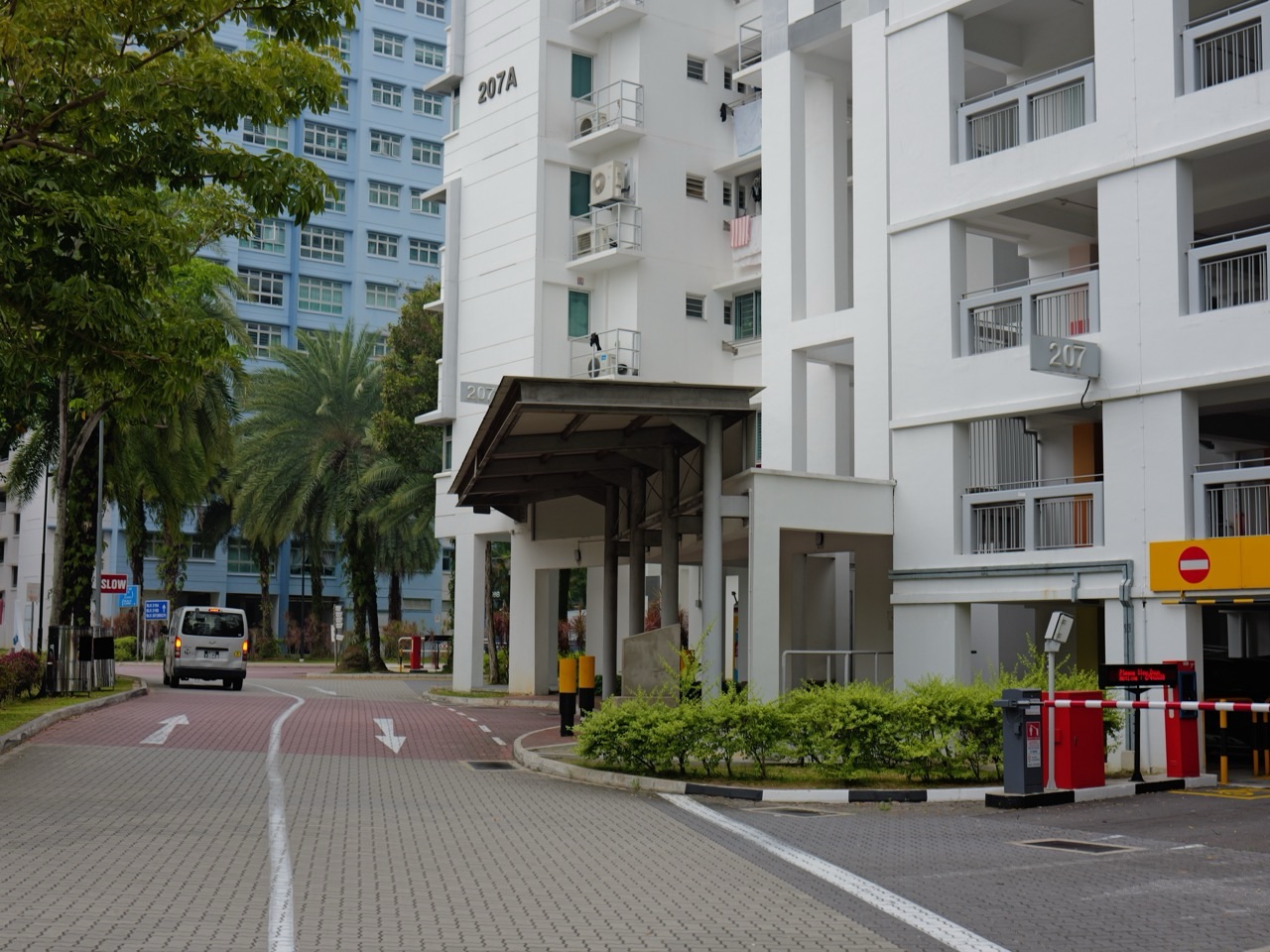
What should a Punggol family do during a fire, blackout or urgent household emergency? For fire or life-threatening medical emergencies, call SCDF 995. For immediate police help, call 999. If it is unsafe or impossible to speak to the police, the current emergency SMS number is 70999, not the older 71999. For a power outage, EMA advises checking whether nearby homes are affected, using torchlights rather than candles, avoiding unnecessary appliance use and consulting official information; SP Group’s Electricity Service Centre is at 1800 778 8888. If somebody is trapped in an HDB lift, use its alarm and the posted Essential Maintenance Service Unit (EMSU) contact—do not force open the doors.
The safest emergency plan is one the household can actually follow in a dark, noisy or stressful situation. Learn the block’s stair exits, keep emergency contacts accessible, check smoke alarms and electrical safety, organise essential medication and an appropriate Ready Bag, and agree on how children, seniors or mobility-impaired relatives will obtain help. This guide is specifically about a Punggol HDB family’s first decisions. It does not replace SCDF instructions, an emergency dispatcher, the building’s evacuation information or medical assessment.
- Fire, rescue or life-threatening medical emergency: 995.
- Immediate police assistance: 999.
- Police emergency SMS if speaking is unsafe or impossible: 70999 since October 2024.
- SCDF emergency SMS for users with hearing/speech impairments: 70995 under its service arrangements.
- Electricity Service Centre for power failures: 1800 778 8888.
- Lift entrapment: use the lift alarm and posted EMSU details; never pry open the doors.
- Fire evacuation: follow SCDF and building instructions; do not use a lift during fire unless directed by firefighters or trained responders.
- Home Fire Alarm Devices: mandatory in new residential premises and certain existing premises undergoing fire-safety works, under SCDF’s June 2018 rules.
- Ready Bag: accessible torchlight, suitable backup power, radio and important essentials tailored to the household.
- Flood and storm alerts: check PUB, NEA myENV and MSS; avoid floodwater and unsafe exposed paths.
- Scam concern: ScamShield Helpline 1799 for suspected scams; use 999 for an active police emergency.
Which number should you call in Singapore?
SCDF lists 995 for emergencies requiring its fire, rescue or emergency medical services. The Singapore Police Force lists 999 for immediate police assistance. These numbers exist for urgent help, not for ordinary home-maintenance bookings or enquiries about an electricity bill.
| What is happening? | Contact or route | Important distinction |
|---|---|---|
| Active fire or life-threatening illness/injury | 995 | Follow emergency call-taker instructions |
| Immediate police emergency | 999 | Do not substitute a general feedback form |
| Police emergency when speaking is unsafe/impossible | SMS 70999 | Include the emergency and exact location |
| SCDF SMS for relevant hearing/speech impairment | SMS 70995 | Follow the SCDF service’s intended use |
| Power interruption | SP Electricity Service Centre 1800 778 8888 | Check official outage updates |
| Trapped inside HDB lift | Lift alarm / posted EMSU | Never force doors |
| Suspicious scam communication | ScamShield 1799 | Not a replacement for emergency 999 |
| Ordinary common-property maintenance | Relevant Town Council | Not a reason to occupy emergency lines |
Keep the building’s actual address nearby. An emergency operator needs accurate location information: block number, street, unit or floor, and access details where useful. A caller should follow questions and instructions instead of assuming the dispatcher already knows the correct Punggol block. An HDB development may contain several lifts and entrances, so specificity can matter.
The correct police emergency SMS number is 70999
SPF announced the switch from 71999 to 70999 effective 1 October 2024. Its current instructions explain that SMS 70999 can be used when a caller needs police emergency assistance but cannot speak safely, such as a situation where speaking would reveal their location. The message should state what is happening and where, then follow any response from the emergency operator.
This does not mean texting is faster than calling. SPF advises dialling 999 when it is safe to speak because a direct conversation enables quicker clarification. Emergency SMS exists to support particular circumstances. A household should not replace the main police number with 70999 on a printed emergency list; keep both with their different intended uses.
The older 71999 number may still appear in outdated PDFs or household notes. Replace it with the current emergency SMS number. For people who rely on accessible communication, check the latest SCDF and police service instructions and ensure the family understands the appropriate method.
If a fire starts in the HDB flat
SCDF’s high-rise fire guidance explains that residents should alert others, call 995 and use safe evacuation routes. A person should fight a small fire only if able to do so without endangering themselves or others. If a fire is growing, smoke is heavy or the route is unsafe, do not delay evacuation to retrieve possessions or attempt improvised firefighting.
When leaving, close doors where this can be done safely to reduce smoke and fire spread, and follow the nearest suitable protected exit route as directed. Do not use an ordinary passenger lift during a fire. Fire lifts are designed for emergency personnel and controlled operations, not independent resident evacuation. Follow building fire instructions and professional responders.
A household should know where its main exit and relevant staircases are located before any incident. A corridor that is easy to navigate in daylight can be confusing in thick smoke or darkness. Keep escape paths free from accumulated boxes, bicycles, appliances and renovation materials. A fast exit depends on the route being physically available.
What if smoke blocks the exit?
A person must not blindly enter a smoke-filled corridor or stairwell. If unable to escape safely, follow SCDF’s emergency instructions, contact 995, give the exact location, and take appropriate steps to limit smoke entering the place of refuge as directed. SCDF’s published fire handbook includes staying low under smoke and closing doors when trapped away from the fire. Do not attempt to jump from a high-rise window.
Evacuation advice depends on the actual fire location, available routes and professional instructions. This article cannot assess conditions in a particular block. Residents should follow SCDF responders rather than a generic online diagram if the real situation differs. A family should not make heroic assumptions about which corridor is safe without checking.
For residents with mobility limitations, the plan may need professional input, appropriate building arrangements and advance discussion with caregivers. Do not ask untrained neighbours to carry a person down many flights of stairs as a standard plan. Emergency responders have specific procedures for people unable to use ordinary exits, and the household should make its needs known accurately.
Home Fire Alarm Devices: what is compulsory?
SCDF’s Home Fire Alarm Device guidance explains that HFAD installation is mandatory for new residential premises and existing residential premises undergoing specified fire-safety works with plans submitted on or after 1 June 2018. It is not universally compulsory for every older existing unit that is not undergoing those works, although SCDF strongly encourages installation for safety.
A smoke alarm provides early warning by sounding an alarm when smoke is detected. SCDF recommends devices with appropriate long-life built-in batteries and compliance with recognised standards. The correct number and position of devices depend on the dwelling type and requirements; an ordinary single-storey flat generally needs a detector along a circulation or escape route under the relevant code.
An installed device still needs care. Follow the manufacturer’s testing, maintenance and replacement instructions. A detector with a low battery warning or an alarm that never passes testing may not provide reliable protection. Do not remove the battery to stop nuisance alarms and then forget to restore protection. Ask a qualified installer where needed.
Smoke alarms, kitchen fires and everyday prevention
Many home-fire risks arise from ordinary activities such as cooking, unsafe electrical use or charging devices incorrectly. Do not leave cooking unattended when heat is being applied, and keep combustible materials away from the stove. A pan fire requires suitable response; water should never be poured onto burning oil. Follow SCDF’s advice and retreat to safety if you cannot handle a small fire safely.
Overloaded sockets, damaged cables and incompatible chargers can create hazards. Use suitable approved electrical products and avoid running extension cords under rugs or across wet areas. Battery-powered devices should be charged using appropriate equipment and inspected if visibly swollen or damaged. Never puncture or attempt to repair a damaged lithium battery at home.
A family can assign adults to check that cooking and charging activities are finished before bed, without making children responsible for dangerous appliances. A short repeatable household routine is more useful than a long list that nobody follows. Safety is a shared habit but regulated work belongs to qualified professionals.
Fire extinguishers: know your limits
A suitable fire extinguisher can help with a small fire when the user is trained and the situation is safe. SCDF’s emergency material describes the need to avoid endangering yourself or others. A household should not buy an extinguisher and assume ownership alone creates the skill to operate it. Learn the correct type, maintenance and basic safe use through reputable training.
Never continue fighting a fire that spreads or creates a dangerous amount of smoke. Call 995, alert others and use the appropriate exit. Protecting people takes priority over saving appliances, documents or furniture. An extinguisher is a supplementary safety tool, not a reason to delay emergency services.
Some HDB common areas have emergency equipment maintained under public schemes. Its presence does not mean any untrained person must attempt a rescue. Read the posted instructions and respond within safe personal capability and official guidance.
Power outage: EMA’s ABC method
The Energy Market Authority’s Power Outage Readiness page gives an easy sequence. A — Assess whether the outage affects just your unit or nearby homes. B — Be careful with appliance use and use safe battery-operated lighting. C — Check official updates from SP Group or EMA about restoration, and contact the Electricity Service Centre when appropriate.
A blackout in one flat may relate to its own electrical installation, while a wider outage can affect several buildings. A person should not open or attempt to repair a damaged distribution board in the dark. If a circuit trips repeatedly, there may be a fault requiring a Licensed Electrical Worker. Do not bypass the residual current circuit breaker or try unqualified rewiring.
For a widespread interruption, EMA gives the Electricity Service Centre hotline as 1800 778 8888. SP Group and EMA publish restoration updates through their official channels. Avoid forwarding unverified claims about sabotage, exact restoration times or alleged causes. A rumour can create unnecessary fear and make it harder for neighbours to find genuine information.
What to use for lighting during a blackout
EMA recommends battery-operated torchlights rather than candles, because open flames create a fire hazard during an emergency. Keep working torches accessible rather than buried in storage, and check them periodically. A household may also have battery-powered radios or suitable portable charging equipment. Do not use damaged power banks or improvised electrical connections.
Keep a flashlight somewhere adults can reach safely in darkness. For a family with young children, one adult may need to provide calm reassurance while another checks the situation. A child can learn where the safe light is stored but should not be asked to repair electrical equipment or search dark stairwells alone.
A phone’s flashlight can help briefly, but draining the only communication device can be unhelpful during a prolonged outage. A separate torch and safely charged power bank are useful backups. Some mobile networks may become congested during a major incident, so keep communications concise and follow official instructions.
Refrigerators, freezers and food during a power cut
EMA recommends keeping refrigerator doors closed so food remains cold for as long as possible. The precise safe duration depends on appliance condition, initial temperature, contents, room temperature and how frequently the door is opened. Do not use a universal number of hours as proof that all meat, milk or seafood remains safe after a lengthy outage.
When power returns, inspect the situation according to Singapore Food Agency food-safety guidance. If chilled food has become unsafe or its temperature history is uncertain, discard it. A household should not serve questionable perishables merely because the fridge seems cold again. Replace essentials gradually rather than filling an appliance before confirming reliable cooling.
Some families may rely on medical refrigeration or powered health equipment. These needs should have a personalised contingency plan developed with the treating healthcare provider. A general Ready Bag cannot determine safe medication storage or electrical backup for every medical device. Seek appropriate professional advice before an outage occurs.
If trapped in an HDB lift during a blackout
EMA advises using the lift’s alarm and calling the Essential Maintenance Service Unit (EMSU) for help, with the relevant number displayed inside or outside HDB lifts. Do not force the doors open or try to climb out between floors. Lift systems may have emergency procedures that require qualified technicians and authorised rescue workers.
A person trapped inside should remain calm, communicate with the authorised response service and provide the block and lift identifier where possible. If there is a life-threatening medical or safety situation, seek appropriate emergency assistance. Other residents should not attempt to pry open lift doors or improvise ropes and tools for rescue.
For older residents or wheelchair users, a lift outage can make the home difficult to access even without entrapment. Families should maintain a realistic plan for essential appointments and communicate mobility needs to the management and response services. Do not pressure an untrained neighbour to carry somebody down many flights of stairs.
What if only your HDB flat has lost power?
Check the situation from a safe location: are common corridor lights and neighbouring flats still functioning? Has an appliance made unusual noises or a safety device tripped? EMA’s first step is to assess the scope. If the issue appears limited to the flat and there are signs of an electrical fault, do not attempt risky tests or repairs. A Licensed Electrical Worker is the appropriate professional for regulated work.
Do not assume every loss of electricity is a national supply disruption. An old appliance, faulty wiring or specific circuit may be involved. Likewise, do not assume a power failure has been caused by a neighbour without evidence. Appropriate diagnosis saves time and avoids conflict.
Keep children away from exposed wiring and do not use wet or visibly damaged sockets. A person should not repeatedly reset a tripping protective device simply to keep a problematic appliance running. Electrical safety protection exists for a reason.
The emergency Ready Bag: prepare what your household needs
EMA recommends an accessible Ready Bag containing battery-operated torchlights, a portable power source and a battery-operated radio, with periodic testing. A Punggol household can add practical essentials according to its members: copies of important emergency contact information, necessary medication instructions, suitable hygiene supplies and a small amount of water where appropriate. Keep the bag manageable rather than so large nobody can carry it safely.
The contents should reflect actual needs. A household with an infant may require feeding and changing supplies. A senior may need medication and mobility-related information. A family with a pet should consider safe containment and veterinary contacts. A person dependent on medical equipment needs a clinician-informed backup strategy rather than a generic emergency checklist.
Store items where the responsible adult can access them even when power is off. Do not place important supplies inside a permanently locked cupboard whose key nobody can find. Check expiry dates and battery condition periodically. A bag prepared years ago but never maintained may be less helpful than a simpler current kit.
Essential documents without exposing private information
Some families keep scanned copies of essential documents and emergency contacts in approved secure storage. The aim is to be able to identify people, contact relevant services and recover after an interruption. Do not store a list of banking passwords or Singpass OTPs in an unsecured bag or public shared file. A thief should not gain broad access to the household’s accounts by finding the emergency kit.
Make sure adults know how to contact the appropriate healthcare provider and who is authorised to collect children from school or care. A printed list of telephone numbers can be useful if the internet is unavailable. For residents who are hard of hearing or unable to use a conventional voice call, check the correct accessible emergency communication process in advance.
Review the information when the family moves, a caregiver changes or a child begins a new school. An emergency plan containing the previous flat number or a disconnected telephone number can cause unnecessary delay. Accuracy is more important than decorative presentation.
Assign roles without making children responsible for emergencies
Adults can agree who calls for help, who gathers children, who assists a person with limited mobility and where the family meets outside when instructed to evacuate. The roles should be simple enough to remember. Do not assume that both parents will be home: an incident may occur while one adult is working or a child is at school.
Teach children age-appropriate actions: recognise a smoke alarm, tell an adult, move away from danger and follow the instructed escape route. Children should not attempt firefighting, handle gas valves or rescue people from a lift. A gentle practice conversation can build confidence without frightening a young child with graphic disaster scenarios.
Teenagers can learn how to call 995 or 999, give an exact address and ask for help. They should also understand why false emergency calls are harmful. A responsible plan distinguishes genuine urgent danger from ordinary inconvenience, while ensuring that a worried teenager is not discouraged from seeking help when someone is seriously unwell.
Older residents, wheelchair users and accessible evacuation
A person with reduced mobility may not be able to use stairs quickly. The family should identify accessibility needs and discuss appropriate arrangements with the relevant managing authority or qualified professionals before a fire. In a real incident, follow SCDF instructions and make the person’s precise location and needs known to responders.
Do not create a household rule that relatives must physically carry an adult down a multi-storey staircase without suitable training and a safe arrangement. Such an improvised plan can injure the person being carried and the helpers. Firefighting and evacuation responders have specialised procedures for people who need assistance.
Keep routes clear inside the flat and common corridors. A narrow entrance filled with shoes and boxes can create problems even in ordinary life. Small housekeeping changes often improve safety without expensive renovation.
Pets during an emergency
Families with cats or dogs can prepare appropriate carriers, leads and essential pet information. In a real life-threatening situation, follow emergency service instructions and do not put people in danger by delaying evacuation to search inaccessible areas for an animal. Good preparation means reducing the chance that the pet cannot be safely contained quickly.
Keep the microchip and licence information current under AVS rules. A frightened animal may hide or resist handling, so a regular safe carrier routine can help during travel or evacuation. Do not leave a pet loose in a common staircase when an emergency affects other residents.
Pet medication and care needs should be discussed with a veterinarian when necessary. A general household article cannot supply appropriate doses or emergency treatment for an animal. The owner should have a legitimate vet contact and know where to seek qualified help.
Heavy rain, flooding and unsafe outdoor routes
Emergency readiness includes weather. NEA myENV provides alerts for rain, lightning, haze and other environmental conditions, while PUB publishes selected flood and water-level information. A family should avoid exposed park paths during lightning and should never walk, cycle or drive into floodwater. It can conceal hazards and become dangerous quickly.
Punggol Waterway Park may be listed as open 24 hours, while Coney Island closes at 7pm, but neither rule makes outdoor conditions safe during a thunderstorm. A resident should understand how to return to an appropriate enclosed shelter and when to postpone an outing. Avoid staying beneath an isolated tree or on a bridge to take photographs of dramatic weather.
During school or childcare travel, inform the care provider when a route is unsafe and use the agreed authorised backup collection arrangement. Do not send a child alone across floodwater to avoid a late pickup. The objective is safe care and communication, not perfect punctuality at any cost.
Scams during emergencies and service disruptions
People may be more vulnerable to suspicious messages when anxious about an outage or family incident. A caller may claim to be from SP Group, a Town Council, the police or a courier and demand immediate payment or a Singpass code. Verify identity through independently obtained official contacts. Government agencies do not ask people to transfer funds to private accounts to restore public emergency services.
SPF lists the ScamShield Helpline at 1799 for suspected scams. This is separate from 999 for immediate police emergencies. Do not use a random link circulated in a neighbourhood chat to pay an alleged outage reconnection fee or provide account credentials.
Share official information without publishing the household’s exact travel and emergency details to everyone online. A private contact list and a verified community reporting route can reduce confusion. When rumours circulate, check SP Group, EMA, SCDF or SPF rather than repeating unverified claims.
What should be printed and placed somewhere accessible?
- Full HDB block, street and unit details for emergency calls.
- SCDF 995 and Police 999.
- Police emergency SMS 70999 where speaking is unsafe.
- Appropriate accessible emergency communication information for residents who need it.
- SP Electricity Service Centre 1800 778 8888.
- The lift’s actual posted EMSU number and the relevant Town Council contact.
- Trusted adults, approved child collection contacts and necessary care provider numbers.
- Important medication information kept with appropriate privacy and consent.
- The location of suitable torches and Ready Bag essentials.
- A brief note to follow current SCDF or other official instructions during real incidents.
The list should be checked regularly, especially after moving or changing schools. Do not publish personal numbers on a community noticeboard or leave financial passwords beside it. The right amount of accessible information can help family members respond while protecting privacy.
Three Punggol scenarios and what the first response should be
Scenario 1: smoke and a strong burning smell in the flat
The adult alerts others and follows SCDF’s emergency fire guidance, calling 995 and evacuating safely where possible without using lifts. The adult does not begin filming a video, search for insurance paperwork or continue cooking. If escape is unsafe because of smoke, the family follows emergency instructions and communicates its location to responders.
Scenario 2: electricity fails throughout the HDB block
The family uses battery-operated lighting, checks whether common areas are also dark and consults SP Group or EMA official updates. The refrigerator stays closed as much as practical, unnecessary appliances are switched off safely and the household avoids candles. If a neighbour is trapped in a lift, they use the posted EMSU/lift emergency system rather than neighbours prying open the doors.
Scenario 3: a threatening incident outside the home
Where immediate police help is needed, call 999. If a person cannot speak safely or speaking would reveal their location, the current police emergency SMS is 70999. Provide the nature of the emergency and exact location. The household does not attempt to confront a violent person or circulate unverified allegations in a public chat.
A four-week home emergency-readiness plan
Week 1: identify official contacts and escape routes
Check the block’s staircase and lift emergency information, save the correct 995 and 999 numbers, and verify the current EMSU and Town Council contacts. Discuss what different emergencies require. A family should distinguish a routine power interruption from an immediate fire or life-threatening medical event.
Week 2: prepare and test suitable equipment
Check the home smoke alarm according to its instructions, examine the accessible Ready Bag supplies and replace expired or damaged items appropriately. Follow EMA’s recommended RCCB testing and use a Licensed Electrical Worker if protection fails. Do not attempt hazardous DIY electrical or fire-safety changes.
Week 3: practise calm communication
Teach children how to seek help and give the block address. Review which adult is responsible for a young child, older relative or pet if an incident occurs. Keep the exercise age-appropriate and reassuring. Where someone has complex mobility or medical needs, seek professional planning advice.
Week 4: review the family plan for real life
Consider what happens when one adult is at work, a child is at school or the incident occurs after midnight. Confirm contacts and a safe communication method. Store the Ready Bag accessibly and review the plan periodically. The goal is straightforward action when necessary, not living in constant fear of emergencies.
Frequently asked questions about Punggol family emergency readiness
What number do I call for a fire in Singapore?
995, the Singapore Civil Defence Force emergency number.
What number do I call for a serious medical emergency?
995 for life-threatening emergency medical services.
What is the police emergency number?
999 for immediate police assistance.
What is the current police emergency SMS number?
70999, replacing 71999 from 1 October 2024.
When is police emergency SMS appropriate?
When emergency assistance is needed but calling and speaking is unsafe or impossible.
What is SCDF’s accessible emergency SMS number?
SCDF has described SMS 70995 for relevant users with hearing or speech impairments during emergencies, under its service rules.
What is SP Group’s power-failure hotline?
EMA lists the Electricity Service Centre at 1800 778 8888.
What is EMA’s ABC power-outage method?
Assess the situation, Be careful with power usage and Check official updates.
Should I use candles when electricity fails?
EMA recommends battery-operated torchlights rather than candles to avoid fire hazards.
Should I open my refrigerator frequently during a blackout?
No. EMA advises keeping its doors closed to preserve cooling for longer.
What should I do if trapped in an HDB lift?
Use the alarm and posted EMSU contact, remain calm and never force open the doors.
Should I use a lift during a building fire?
Do not use a lift unless directed by SCDF firefighters or appropriate trained responders.
What if smoke blocks the corridor?
Do not blindly enter heavy smoke. Call 995, give your location and follow SCDF’s instructions for safely sheltering or evacuating.
Do all existing older flats legally need a new HFAD?
SCDF’s mandatory rule covers new homes and specified existing homes undergoing qualifying works since June 2018; other existing owners are strongly encouraged to install alarms.
What is a Home Fire Alarm Device?
A smoke or heat detection device that provides early warning through an audible alarm.
How often should smoke alarms be tested?
Follow the manufacturer’s and SCDF’s maintenance instructions, including periodic tests and battery alerts.
Can I put water on an oil fire?
No. Water can spread burning cooking oil; follow SCDF’s safe fire-response advice and evacuate when necessary.
Should I try to fight a fire myself?
Only a small fire if trained and safely able. Do not delay evacuation or 995 when conditions are dangerous.
What goes into a Ready Bag?
EMA suggests torchlights, portable backup power, radio and relevant household essentials; tailor it to personal needs.
Should babies and older people have separate preparations?
Include age-appropriate care supplies and seek professional advice for medication, mobility or powered medical equipment needs.
What if an electrical circuit keeps tripping?
Do not bypass protective devices. Obtain appropriate Licensed Electrical Worker assessment.
How do I know whether a blackout affects the whole block?
EMA suggests checking the surroundings from a safe place and consulting official SP/EMA updates.
Can I drive through floodwater to get home?
No. Avoid entering floodwater and follow official road or storm warnings.
How can I check Singapore weather and flood alerts?
Use NEA myENV, PUB and Meteorological Service Singapore official information.
What is the ScamShield Helpline number?
1799 for scam concerns; it does not replace 999 for immediate police emergencies.
Where can I find the lift emergency number?
EMA says the relevant EMSU number is displayed inside or outside HDB lifts.
Should I send family passwords in an emergency contact list?
No. Keep passwords and one-time codes protected; share only necessary legitimate contact information.
Can a child be taught what to do during fire?
Yes, with age-appropriate actions such as seeking an adult, recognising alarms and following safe evacuation instructions.
What if a family member cannot use stairs?
Discuss appropriate arrangements in advance with relevant professionals and follow SCDF instructions during an actual incident.
Is an insurance policy a substitute for fire prevention?
No. Insurance covers specified financial risks; smoke alarms, safe electrical use and evacuation planning protect people.
Official sources and further Punggol reading
- EMA: ABCs of a power outage and Electricity Service Centre number
- SCDF: Home Fire Alarm Device requirements and recommendations
- SCDF: high-rise fire and evacuation guidance
- SCDF: 995 emergency medical services
- SPF: 999, 70999 and ScamShield 1799
- SPF: when and how to use emergency SMS 70999
- NEA myENV: weather, haze and flood conditions
- eduKate: detailed Punggol fire safety and smoke alarms
- eduKate: power failures and electrical readiness
- Lifestyle in Punggol: HDB maintenance and electrical safety
- Lifestyle in Punggol: rain, lightning and haze
Emergency numbers and safety instructions checked against SCDF, EMA and SPF official guidance in November 2026. In an actual emergency, follow the emergency operator and authorised responders. This guide cannot assess a live fire, medical emergency or electrical hazard.


