
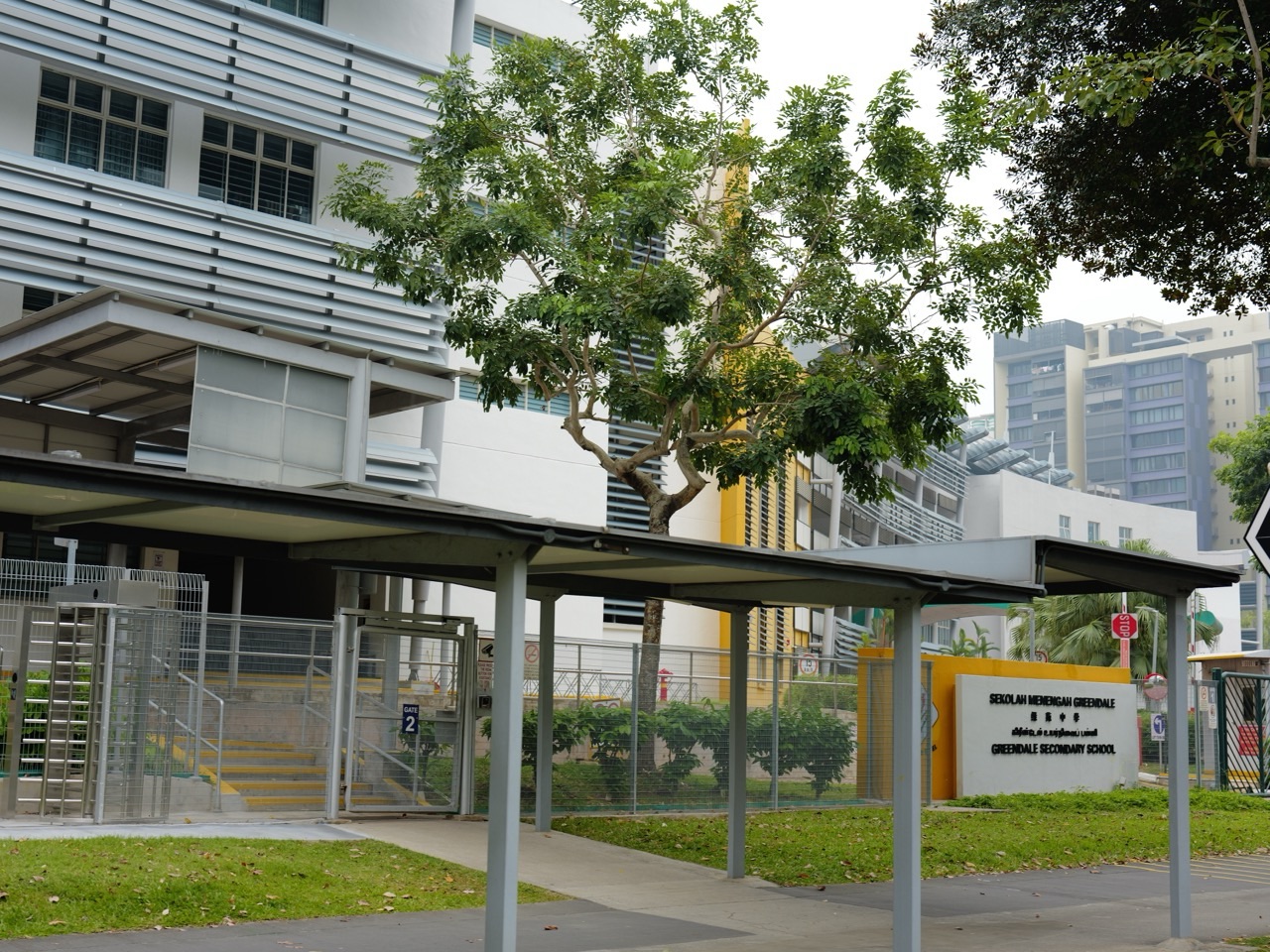
After the 2026 PSLE results and Secondary 1 school-choice exercise, eligible pupils receive a separate Secondary 1 posting outcome naming the school to which they have been allocated for entry in 2027. The exact 2026 S1 posting results date should be taken from MOE’s official announcement; do not copy the 2025 release window into 2026. Under the 2025 exercise, families could check the outcome through the MOE S1 Portal with a parent’s Singpass, SMS to the local mobile number supplied in the application, or the pupil’s primary school. MOE also stated that newly posted pupils did not need to report physically to the assigned secondary school on the day the posting results were released.
The practical next step is to verify the assigned school and its official website, read its first-day reporting instructions, confirm books and uniforms, review the travel route and contact the school promptly if the child cannot attend the first day for a valid reason. A parent disappointed by the assignment should distinguish an ordinary posting appeal from a transfer request and should not assume a vacancy can be created through a private message. This guide follows the family from results notification to the first weeks of Secondary 1, including Full Subject-Based Banding, school communications, affordability and settling into a new community.
- Two result days: PSLE subject results and S1 school posting results are different announcements on different dates.
- 2026 dates: as of 6 November 2026, use the official MOE calendar for the current exercise; 2025 deadlines are not 2026 deadlines.
- How posting was checked in 2025: S1 Portal with a parent’s Singpass; SMS if a local number was provided; or the primary school.
- Immediate reporting: 2025 instructions said no need to report to the assigned school on S1 posting results day; confirm 2026 directions.
- School onboarding: look for the posted school’s website, Parents Gateway messages, orientation, books, uniforms and reporting time.
- Missing the first day: if there is a valid reason, contact the posted secondary school promptly to confirm the child will take up the place and ask for instructions.
- Posting Groups: PG1, PG2 and PG3 concern entry; G1, G2 and G3 identify subject levels under Full SBB.
- Transfer or appeal: subject to current official criteria and vacancies; dissatisfaction alone does not guarantee a change.
- Six choices: an application preference list is not six offers; the posting outcome identifies an allocated school.
- Punggol families: plan the real LRT, MRT or bus journey, not just a map distance.
- First goal: help the child settle into the assigned school’s community, routine and teaching without stigma.
PSLE results and S1 posting results are separate
The PSLE result gives subject Achievement Levels and an overall score used for education placement. The later Secondary 1 posting result names the school allocated through the relevant admissions process. Confusing them can cause families to look for a school allocation on the day only the score is issued, or to wait until December before submitting choices that were due earlier.
After receiving the PSLE score, eligible families submit school preferences in the official window. The S1 exercise then considers merit, eligible Posting Group, school preferences, available places and any applicable priority conditions. The school name that arrives later is the result of that separate allocation process. Keep the two announcements in different folders so no deadline is accidentally missed.
What happened in the 2025 S1 posting cycle
SEAB’s 25 November 2025 release described S1 choice submission through MOE’s portal until 1 December 2025 and posting results scheduled for 18 or 19 December 2025. Those are historical dates, not a notice that the 2026 exercise will follow an identical timetable. Each cohort receives its own official announcements and instructions.
For students entering Secondary 1 in 2027, confirm the 2026 submission and posting-result dates on MOE’s S1 Posting page and through the primary school. The family should not paste last year’s opening or closing time into a calendar with the year changed. The operational principle is useful even though the exact dates may differ: submit first, receive allocation later, then follow the school.
Where will the allocated school appear?
In the 2025 process, MOE listed three ways to access S1 posting outcomes: the online S1 Portal using a parent’s Singpass; SMS to a local mobile number supplied during application; and the pupil’s primary school. Families should check the relevant 2026 announcement for the current channels and any changes to login details or reporting arrangements.
A parent with limited access to a device or Singpass can ask the primary school for official help instead of relying on somebody else’s login. Keep the child’s candidate information private. A screenshot from another parent is not evidence about your own child, and posting results should be checked through an authoritative personal channel.
Do children report immediately to the secondary school?
The published 2025 instructions explicitly stated that students did not have to report physically to their assigned secondary schools on S1 posting results day. Instead, parents were directed to the posted school’s website for reporting details, booklists, uniform purchases and related information. Parents on Parents Gateway would also receive school messages later that day.
For the 2026 cohort entering school in 2027, follow the newly issued MOE and school directions. Do not take the child to a school gate simply because the posting SMS has arrived. A result-day visit may be unnecessary or disruptive if the school has not scheduled an onboarding session. Use the official welcome information to plan the real first-day reporting.
Why the assigned school’s website becomes the main source
After allocation, families need practical information that cannot be supplied by an old league table: school start time, orientation programme, purchasing arrangements, reporting location, forms, parent briefing and booklists. These details differ among institutions. A national PSLE overview explains admission rules but will not necessarily tell a family where to buy the correct exercise books for a particular campus.
Open the exact website shown through MOE SchoolFinder or the official school communication. Check that the school’s name and address match the allocation. Save the current Secondary 1 parent notice rather than an outdated PDF found through search. If a page refers to last year’s cohort, contact the school before treating it as current.
What to check when the school’s name is unfamiliar
Parents may never have considered the assigned school during the PSLE year, especially when an oversubscribed shortlist leaves the student outside the preferred set. An unfamiliar name does not automatically imply poor teaching or a bad fit. Start with the school website, programmes, learning support, CCAs and actual transport route. Ask what kind of school experience it offers.
Consider visiting the neighbourhood or attending the school’s official orientation, when arranged. The child might discover a programme or activity that was absent from family conversations before the result. A calmer investigation helps the family move from disappointment to real information, without pretending the child must immediately feel delighted.
If the child receives a school not on the six-choice list
MOE’s PSLE posting guidance explains that pupils who cannot be placed in any listed school may be assigned another school with available places under the applicable rules. Families sometimes misread this as proof that the system ignored their application. More often it means the ranked schools could not admit the child given eligibility, demand and vacancy conditions.
First verify the result and the actual school, then examine what the school offers. You can seek official clarification if a factual administrative concern exists. Do not assume the child is entitled to the first or nearest preferred school solely because that name appeared on the choice form. Admission is determined by the rules and available places.
Why six choices are not six simultaneous offers
The S1 preference list identifies a sequence of desired schools; it does not place the child on six guaranteed waiting lists. Posting considers candidates according to the relevant allocation process and produces an outcome. Families should not contact the schools from all six choices after results day demanding that they issue separate offers.
The correct next step is to accept and prepare for the assigned place according to the official instructions, while pursuing any legitimate appeal or transfer process separately. Keeping those tasks distinct helps prevent a child from treating the new school as temporary or unworthy before attending.
What is a school posting appeal?
A posting appeal concerns the assigned secondary school rather than the accuracy of PSLE subject grades. MOE and schools have defined processes for specific types of requests, sometimes involving school-level applications and criteria such as the current cut-off point and availability. A result that differs from a family’s preference does not by itself guarantee an appeal will be successful.
Before applying, read the current instructions and ask which circumstances are recognised, whether a school has vacancies and how the decision is made. Keep the assigned school’s reporting arrangements moving at the same time. An appeal does not necessarily suspend the child’s obligation to begin Secondary 1 at the school allocated.
Is an examination results review the same as a posting appeal?
No. A PSLE results review asks SEAB, through the primary school, to verify the examination subject result under a separate and short appeal window. A school posting appeal asks about an allocated school place after the posting process. They have different authorities, purposes, deadlines and requirements.
If a family believes a Mathematics grade is incorrect, it should ask the primary school about the formal SEAB review promptly. If the grade is accepted but the family wants another school, it should use the appropriate posting or transfer guidance. Mixing the two can cause costly or missed applications without addressing the real concern.
What if a child is absent on the first day of Secondary 1?
The 2025 SEAB/MOE release explained that students unable to report on the first school day in January 2026 for valid reasons should contact their posted secondary school directly after receiving the posting result to confirm that they will take up the place. The school would then reserve the place. This is an example of why families should not remain silent about a real absence.
For the 2027 intake, check the school’s current instructions on absence and reporting. A planned trip, medical appointment or significant family circumstance should be discussed promptly. Do not assume that sending a message after classes have begun is equivalent to following the official process. Keep confirmation from the school privately.
How to confirm that the place is being taken up
Read the allocated school’s joining instructions and complete any stated administrative steps. If the child cannot be present for an authorised reason, tell the school who the student is, what the actual difficulty is and when the family expects the child to attend. Ask which documents or acknowledgements are required.
Make sure the school receives the message through a verified contact address or telephone number. Avoid posting the child’s full identification number in a public parent chat. A clear acknowledgement is more useful than a long explanation sent to an unofficial contact who does not handle student registration.
What if the family is overseas in December?
Travelling during the holidays can complicate buying books, collecting uniforms and attending orientation. Once the posting is confirmed, check the assigned school’s dates and complete any online information requests. If necessary, ask whether someone may purchase uniform items or textbooks on the family’s behalf, according to the vendor’s procedure.
Before leaving Singapore, save the official school contact and plan when the child will practise the journey and review the timetable. An overseas trip does not automatically exempt the student from a mandatory school form or reporting requirement, so communicate early rather than assuming every task can be completed on the first morning.
What if the family is moving house?
A planned move within Punggol or to another Singapore estate can change transport and caregiving arrangements, but it does not automatically cancel an S1 allocation or grant entitlement to a preferred school near the new address. School transfers or appeals follow current criteria and actual vacancies.
If the family moves after submitting choices, update relevant contact information through authorised channels and discuss any genuine transport or care difficulty with the allocated school. Keep proof of your new arrangements if the school requests it, but do not share household documents casually with public groups or unofficial advisers.
How Full Subject-Based Banding affects the first timetable
Secondary schools under Full SBB use Posting Groups for initial admission and G1, G2 and G3 for subject levels. A pupil’s overall PSLE score is not always the whole story of readiness for each subject. The receiving school may provide information about more demanding subject-level options where the student meets the relevant criteria.
Parents should read the school’s subject-offer instructions carefully instead of assuming every student in the same Posting Group attends identical lessons for all four years. Ask about English, Mathematics, Science and Mother Tongue options, how the school evaluates readiness and what support or review arrangements it offers. Do not promise a subject change without official confirmation.
Does the result automatically assign every subject level?
Initial subject levels follow MOE’s entry framework and the school’s applicable offers, but individual arrangements can depend on the student’s subject-specific results and the options available. A pupil strong in one subject may have an opportunity for greater challenge, while another needs a steady start at the standard level associated with their entry route.
The school should explain the subject-level decision and any relevant form or acceptance process. A parent should ask whether accepting a more demanding level is appropriate for the child, not merely whether it is technically available. Learning at the right level supports confidence and progress.
What happens with Mother Tongue or Higher Mother Tongue?
The student’s registered language and PSLE results may affect secondary Mother Tongue and Higher Mother Tongue options. The receiving school can explain which languages it offers, whether any lessons take place at a separate centre and what eligibility or placement steps apply. A strong language performance does not mean that every secondary campus offers every higher-language subject on site.
Ask the child about their interest in the language and whether the additional timetable is manageable. Remember that Higher Mother Tongue is different from a third-language programme. Confirm the school’s actual arrangement rather than relying on stories from another institution.
What about third language eligibility and MOELC?
Some students may qualify to apply for additional languages at MOE Language Centre or related approved programmes, subject to specific criteria and availability. This is separate from the ordinary posting of a student to a secondary school. Parents should look for current official offers and deadlines rather than assume an interest in another language automatically produces a place.
Extra language learning can be enriching but creates time commitments alongside CCAs and homework. Before accepting, ask where lessons occur, which days they are held and how the child will travel safely from school. A programme that looks attractive in a brochure should also work in everyday family life.
When are booklists normally issued?
Schools publish booklists and instructions for buying required textbooks, workbooks and other materials as part of their onboarding process. The exact day and vendor may differ between schools and can depend on the timing of posting results. Do not purchase an entire series of textbooks from a generic list before the child is placed in the correct subject-level classes.
Read the assigned school’s current instructions first. Some books may be supplied through assistance arrangements, while digital resources or school learning materials follow separate access rules. Families can avoid waste by buying only confirmed items and asking about any unclear subject-level choices.
Uniforms and shoes: buy for the actual school
Secondary schools have their own uniforms, PE attire, name-tag requirements and approved footwear rules. The school website or official vendor instructions are more dependable than a neighbour’s memory. Children may also need different sizes after a rapid growth period at the end of Primary 6.
Ask about uniform fitting, collection and exchange arrangements. It is reasonable to buy enough for regular washing but not to spend unnecessarily on a large stock of items the child may outgrow. Families eligible for financial assistance should clarify what is provided before making purchases.
Personal learning devices and school accounts
Secondary students may use a school-prescribed personal learning device under the relevant programme and MOE arrangements. But families should not rush to purchase a device of their own choosing before the assigned school states what is required, how procurement works and whether funding or subsidies apply.
Check school guidance on learning accounts, cybersecurity, password management and responsible technology use. Parents can help by creating a quiet place for homework and discussing when the device is for study, communication or recreation. A more expensive device is not automatically a better learning environment.
How to prepare the commute from Punggol
Distance on a map is not the same as the time a twelve-year-old needs to reach school safely. Homes near Punggol Field, Matilda, Northshore or Punggol Point may have different access to LRT loops, the North East Line and local buses. A route that looks direct from the town centre may require additional transfers from the family’s block.
Try the journey at a realistic school-day hour before term begins. Notice the walking route, traffic crossings, crowded transfers and where the child should go if a service is delayed. Plan the journey home after CCAs too, because afternoon travel may differ from the morning.
What to do if the child gets lost on the first day
Prepare a simple plan with the school address, main route, one alternative and a parent or caregiver’s contact details. Teach the child how to ask a station officer or school staff for help. Do not expect the child to navigate an unfamiliar interchange flawlessly on the first attempt.
A parent can travel with the student during a rehearsal and gradually hand over more independence. The aim is confidence, not proving that the child can manage every disruption alone. Keep the school informed of any significant issue that affects arrival and follow its reporting procedures.
What about CCAs in the first month?
Secondary school Co-Curricular Activities give students opportunities for sport, arts, service, teamwork and leadership. The exact trial, selection and attendance arrangements are school-specific. A pupil who loved a primary CCA may discover a new interest, while another may want to continue developing an existing strength.
Let the child explore without treating every activity as a future portfolio. Consider training schedules, travel and homework. A sustainable CCA choice supports belonging and development; it should not automatically be ranked by perceived prestige or the number of awards visible on a website.
How friendships and mixed form classes work
Under Full SBB, secondary students can share common form class experiences even while taking some subjects at different levels. This may help children build friendships across different academic starting positions. The school’s actual timetable and classroom organisation determine how subjects are grouped.
Parents can help by avoiding language that labels classmates according to their Posting Group. Encourage the student to learn names, ask friendly questions and find common activities. A new school’s social environment may feel unfamiliar at first; patience and supportive routines often help the transition.
What if the child strongly dislikes the assigned school?
Listen carefully to what the child means. The issue might be fear of losing old friends, disappointment about an expected school, a genuine concern about bullying or an impractical commute. Those are different problems. Before choosing a response, ask for specific examples and compare the actual school information with assumptions.
If there is a legitimate administrative or welfare concern, consult the school or the appropriate MOE route. Otherwise, visiting an orientation programme and learning about the school’s teachers and CCAs may help. Avoid telling the child that the assigned school is inferior before they have had a chance to experience it.
When a transfer request may be considered
School transfer arrangements depend on the applicable reasons, rules and vacancy position. A parent should not assume that a high historical PSLE score or a family preference creates a right to another school after allocation. Current-year cut-off points and other criteria may matter in certain routes, while medical or exceptional circumstances can follow separate assessment procedures.
Obtain written instructions from the school or MOE, submit only accurate documents and keep the assigned school informed of the student’s ongoing attendance. An application that is pending should not be described to the child as a confirmed transfer.
What if no transfer is approved?
A refusal can be disappointing, but the child still has an education environment to enter. The family can focus on making that environment work: meeting teachers, learning where to seek support, understanding subject-level options and joining suitable activities. Meaningful learning is possible in many schools with different cultures and programmes.
Parents should avoid continuing to discuss an unsuccessful appeal every evening as though the school remains an unacceptable temporary option. Once the decision is final, investing in the real placement is more constructive for the child’s sense of belonging and independence.
The first-week administrative checklist
Confirm reporting time and location, current school contact, uniform, timetable, required materials, transport, meal arrangements and any forms the school requires. If the child uses medication or has relevant support needs, communicate those through official confidential channels to the appropriate staff. Keep an emergency contact arrangement current.
Do not overwhelm the child with a thick collection of instructions during breakfast. Go through the key steps the night before and store remaining details where the adult can find them. The child should know how to get to class and ask for help, not memorise every administrative rule on the first day.
An example: the family receives a far-away school
Imagine a pupil named Ben living near Punggol Northshore who is posted to an eligible school farther away than the family’s first choices. The parent is initially disappointed and immediately searches for an appeal. Before making a claim, the family checks the school’s programme, the morning journey and the child’s actual concerns.
The travel may still be practical with a reliable connection, or it may create a genuine difficulty that merits discussion with school staff. The family documents the issue and follows the official process rather than assuming any online petition will grant a place elsewhere. Meanwhile, Ben can attend orientation and begin making friends.
An example: the child is overseas on the first day
Imagine a family with a valid unavoidable commitment that means the child will not be in Singapore when classes start. The parent should contact the assigned school promptly after receiving the posting result, explain the reason truthfully and ask how to confirm the child will take up the place. The school can explain which dates, documents or arrangements apply.
The family should not wait until after the first day to assume everything will be understood. Written acknowledgement helps protect both sides from miscommunication. When the child arrives, the parent can arrange any missed orientation information or book collection according to the school’s instructions.
A four-week plan from posting outcome to school
Week one: confirm the official allocation, read the school’s welcome notice and address any genuine absence or appeal issue promptly. Week two: organise books, uniform, finances and school accounts. Week three: practise the journey and help the child understand the school day. Week four: settle into a routine with realistic homework, sleep and CCA expectations.
These are family planning stages, not fixed official dates. The school’s actual reporting instructions, holiday arrangements and form deadlines take precedence. Keeping the work in small, specific steps reduces stress and gives the child time to look forward to new experiences.
Frequently asked: when are the 2026 S1 posting results out?
Confirm the date through MOE’s current 2026 S1 posting announcement. The published 2025 release was 18 or 19 December 2025; those dates must not be relabelled as 2026.
Frequently asked: can I check the posting through SMS?
The 2025 exercise allowed SMS notification when a local mobile number was provided. Verify whether this applies to the current cohort and use the official S1 Portal or school if SMS is unavailable.
Frequently asked: must my child report on posting results day?
The 2025 guidance said no, and directed families to the posted school’s website. Check the current 2026/2027 instructions before deciding how to report.
Frequently asked: what if the first day of school is missed for a valid reason?
Inform the posted secondary school directly and promptly to confirm that the student is taking up the place. Follow the school’s current procedures and request acknowledgement.
Frequently asked: can we appeal because the school was sixth choice?
A lower-ranked preference or an unexpected posting is not automatically grounds for a successful appeal. Check the current criteria, vacancies and official process.
Frequently asked: must a DSA student submit six ordinary school choices?
A student with a successful accepted DSA allocation generally follows that route and does not participate in the ordinary S1 list. Check the actual offer and eligibility.
Frequently asked: will my child immediately take all G3 subjects?
Subject-level options depend on the Posting Group, the student’s grades and school arrangements. Ask the receiving school rather than assuming one level for every subject.
Frequently asked: can the family buy all books before posting?
It is safer to wait for the correct school and subject-level booklist, especially where a pupil may take subjects at different levels.
Frequently asked: what happens to Punggol transport if the school is far?
Test the real morning and after-CCA journey and ask about legitimate concerns through school or official channels. A distant route does not automatically create admission entitlement to a nearer school.
Frequently asked: what should the parent say to a disappointed child?
Acknowledge the feeling, explain what is known and explore the assigned school’s actual opportunities. Protect the child’s dignity while any genuine formal request is considered.
Continue the PSLE parent guides
The four guides in this set address different problems. Follow the link that matches the family’s next decision, or return to the core scoring and school-choice explainers.
- PSLE prelim results vs actual Achievement Levels: predictions and final revision
- 2027 Secondary 1 school fees, MOE FAS, independent bursaries and transport
- Lost PSLE certificate, proxy collection and digital records retrieval
- How PSLE subject Achievement Levels and Posting Groups work
- PSLE results collection and the first 48 hours
- Secondary 1 school cut-off points and six choices
Official instructions and related guides
- SEAB — 2025 PSLE Results Release and S1 Posting information (historical process)
- SEAB — 2025 S1 Portal, Singpass and result date details
- MOE — current Secondary 1 posting website
- MOE — SchoolFinder
- MOE — PSLE Full Subject-Based Banding overview
- SEAB — 2026 PSLE results date remains tentative
- eduKate Punggol — PSLE scoring and 6 secondary school choices
- eduKate Punggol — DSA-Sec confirmed offers and waiting lists
- eduKate Punggol — Full SBB PG1, PG2 and PG3 transition guide
Checked 6 November 2026. Statements describing the 2025 posting cycle are explicitly historical. The 2026 S1 posting results date, 2027 first-day arrangements and current appeals procedures must be confirmed through the actual MOE and assigned-school announcements.


