
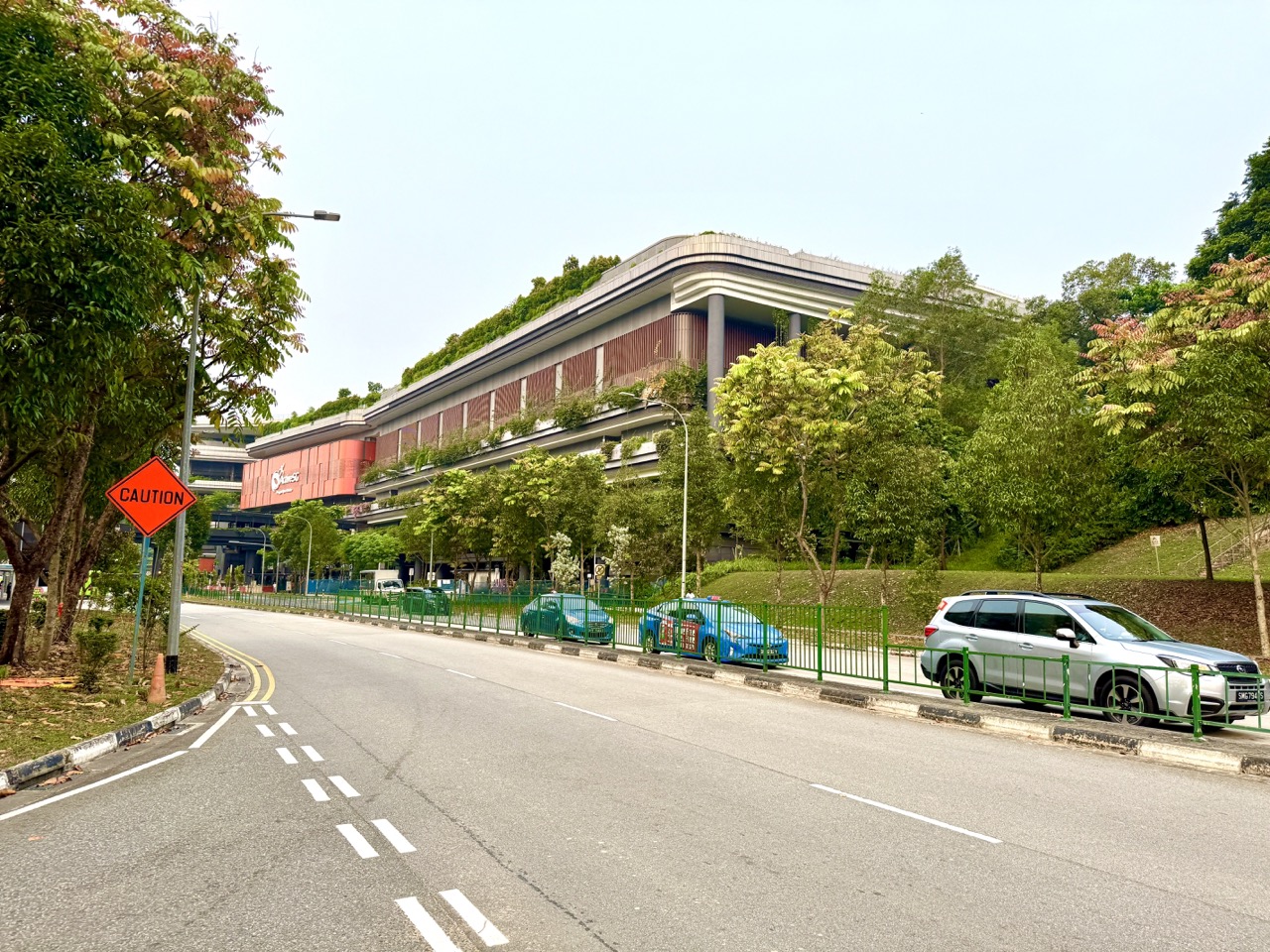
Basketball baseline inbound practice is an activity to organise only during a confirmed authorised basketball session at Punggol Sport Centre’s Level 3 Team Sport Hall, 11 Sentul Crescent, Singapore 828656. A first-hand October 2026 review described a basketball-court configuration in the multi-use hall alongside volleyball layouts. That does not mean the facility is available for walk-in basketball whenever its doors are open. Verify a valid MyActiveSG+ basketball reservation or an approved organiser’s programme, including the exact time, court configuration and conditions, before gathering players.
A basketball throw-in restarts play by passing the ball from out of bounds to a player on the court. Under the FIBA Official Basketball Rules 2026, the thrower-in normally has no more than five seconds once the ball is at their disposal; a designated-spot throw-in also limits how far the player may move sideways. There is a crucial exception after the other team scores: the non-scoring team may throw in from anywhere along its own endline, move laterally and pass between teammates who remain behind that line, while the same five-second count continues. This guide distinguishes these situations, then teaches safe baseline cuts, a reliable safety pass, legal screens and realistic beginner practice. It does not duplicate our Punggol passing, triple-threat or pick-and-roll articles.
- Venue: Punggol Sport Centre, Level 3 Team Sport Hall, 11 Sentul Crescent, Singapore 828656.
- Booking: confirm a genuine basketball allocation or authorised programme through MyActiveSG+; no universal walk-in claim.
- Basic rule: the thrower-in must release the ball within five seconds after it is at the player’s disposal.
- Designated-spot throw-in: lateral movement is limited to a total of one metre, with backwards movement permitted as space allows.
- After a successful goal: the non-scoring team may move along its own endline and pass behind the endline before the inbound, without restarting the five-second count.
- No direct basket: a throw-in cannot go directly into the basket without touching another player.
- First training task: announce the situation, establish a clear safety receiver, then practise a controlled legal inbound without pressure.
- Next tasks: safe baseline cuts, a simple change of direction, a legal screen and a predictable defender.
- Safety: keep pathways clear, do not grab the thrower or cross a boundary to interfere, and stop for slips or collision risk.
- Primary references: https://about.fiba.basketball/en/services/resource-hub/downloads and https://book.insporta.app/basketball/laws/law-17-throw-in/

Definition lock: a throw-in is a restart
A throw-in occurs when a player located out of bounds passes the basketball back into play in accordance with the rules. It is different from a live dribble and from a pass between two players already on court. FIBA Article 17 describes where the throw-in begins, what ends it and which violations apply. The important first coaching lesson is that the thrower-in must release a pass legally; no player may simply step onto the court holding the ball to restart the action. A well-taught baseline throw-in is therefore a team timing exercise rather than a dramatic trick play.
Why the Punggol hall is suitable
The new Punggol sports complex has a Level 3 Team Sport Hall that can accommodate a basketball-court layout, according to a 30 October 2026 on-site report. Multi-use halls have changing allocations for programmes and other sports, so visible markings do not establish entitlement to play. The organiser should verify the current booking and ensure the allotted court has a safe baseline area for inbound drills. This is especially important because several athletes may stand out of bounds or cut towards the basket while another participant looks over their shoulders to pass.
What the five-second clock actually measures
Under FIBA’s throw-in rule, the thrower-in must release the basketball within five seconds once the ball is at their disposal. That is not necessarily five seconds from the referee’s whistle, nor does the ball need to arrive in a teammate’s hands before the count finishes. Beginners may imagine they have time to hold the ball while everyone improvises a cut; this creates an avoidable turnover. Train players to scan before receiving the ball, identify a first and second passing option, and make a calm release under an announced count.
Why five seconds is a decision constraint
The rule creates pressure because the ball handler cannot dribble to improve an angle while standing out of bounds. Every teammate’s movement matters. A receiver who waits motionless for a pass may remain covered until the count expires. Conversely, four teammates all cutting at once can block one another. A simple plan with one primary receiver and one safety option can be more reliable than an elaborate action that nobody remembers. Start without defenders, then add passive coverage once the group knows where to move.
Designated-place and post-basket throw-ins differ
Many throw-ins are administered from a specific point behind the boundary, such as after an ordinary out-of-bounds decision. FIBA applies movement limits to the thrower-in at such a designated spot. After an opponent scores a valid basket, however, the non-scoring team has a different endline privilege. These situations should never be merged into the claim that an inbounder may always run freely along the baseline. A first practice should clearly announce whether it is an ordinary spot throw-in or a restart after a made basket.
A designated spot allows limited sideways movement
FIBA Article 17 restricts movement away from a designated throw-in place. The player may move laterally no more than one metre in total before release, while moving directly backwards as far as the surrounding space allows. This is not the same as running the length of the baseline looking for an opening. If a beginner takes several lateral steps in a normal spot throw-in, a violation may follow even if the eventual pass lands legally. Use a small marked imaginary space without applying tape to the hall floor.
Backwards movement is a separate allowance
At a designated spot, the inbounder may move backwards away from the boundary as permitted by physical circumstances. That can create a different passing angle or more room for a strong legal delivery. It does not grant permission to move into spectators, a wall, or another booked court. During learning, ask the thrower to take one comfortable backward step and identify whether the receiver is easier to see. The purpose is understanding the allowed movement, not using every available centimetre of space.
What changes after a successful field goal
After a valid goal or successful last free throw, any player on the non-scoring team may throw in from any place behind that team’s endline under the relevant FIBA rule. The player may move laterally and backwards and the ball may be passed among teammates behind the line. This is a specific exception to the designated-spot restriction. It helps a team restart against full-court pressure, but does not cancel other rules such as the original five-second period or the requirement to pass onto the court legally.
The five seconds do not reset on an endline pass
A common misconception is that passing the basketball from one teammate to another behind the endline after a made basket grants a fresh five seconds. FIBA specifies that the count starts when the ball is at the disposal of the first out-of-bounds player. Moving it behind the line does not reset the count. A recreational group can demonstrate this with one player receiving the ball, making a safe behind-line pass, and a second player releasing it onto the court before the same original count expires.
After a score, the endline is not a free-running race
The special endline allowance can help the non-scoring team find a better restart location, but the players must still avoid barriers, photographers and others sharing the venue. A person who sprints along the edge while teammates are crossing may create collisions and lose track of the five seconds. Train a calm predetermined movement: identify who will collect the ball, where the first receiver stands and whether a behind-line handoff or pass is genuinely useful. More motion is not always a better inbound.
The throw-in begins with a legal position
A player assigned a designated throw-in spot must remain out of bounds, respect the official instructions and pass from behind the relevant boundary. Stepping onto the court while holding the ball is a violation under FIBA Article 17. Some beginners try to improve their passing angle by placing one shoe across the line before release. A simple shadow drill helps separate the legal stationary thrower from the teammate running in bounds. The same clear boundary awareness also protects players from accidental collisions.
A direct throw-in basket is not a valid shortcut
FIBA’s throw-in provisions prohibit the thrower-in from causing the basketball to enter the basket directly. The restart is intended to put the ball in play through another player. A young learner who sees an open hoop from the baseline might attempt an impressive immediate shot, but it is not a proper substitute for a legal inbound. Teach players to locate a receiving teammate first. A ball that touches another player and is then legally scored involves different circumstances and must be judged accordingly.
Touching the ball again too early is prohibited
The out-of-bounds thrower-in cannot be the first person to touch the ball on court before it has contacted another player. A beginner might toss the basketball in, walk immediately over the baseline and try to catch it before a teammate does. That is not the intended legal restart. During a teaching exercise, give the first receiver a clear responsibility, then let the inbounder enter play at the appropriate moment. Understanding the sequence creates cleaner teamwork than improvised chasing.
The defender may not interfere across the boundary
FIBA’s throw-in rules prohibit defenders and other players from extending body parts across the boundary line before the ball is thrown into play in a way that violates the rule. A defender who reaches into the inbounder’s hands to steal the ball is not demonstrating legitimate pressure. Teach passive defenders to remain on the legal side of the boundary and influence passing lanes through position instead. When the official late-game warnings apply, further interfering boundary-line violations can carry serious consequences.
The late-game boundary warning is specific
When two minutes or less remain in the fourth quarter or an overtime, FIBA provides a particular warning signal and penalties for certain defender interference with a throw-in. This is a formal officiating matter, not a general claim that every casual half-court practice involves a technical foul whenever someone stands near the baseline. The sensible beginner lesson is to keep defenders behind the boundary and away from the thrower’s hands. Teams preparing for competition should consult the latest rulebook and officials.
A corner inbound has different geometry
An inbound spot near a corner can make it harder to see players cutting on the opposite side, and a defender may use the boundary as part of the passing pressure. The inbounder cannot simply move across the full baseline when the throw-in is administered from a designated point. A simple safe return option may therefore be valuable. During practice, position a receiver nearby in bounds and another closer to the top. The thrower checks both before releasing a controlled pass.
Attacking-baseline and defensive-baseline inbounds
Coaches often call an inbound from the baseline near the team’s attacking basket a baseline-out-of-bounds or BLOB play. A restart behind the team’s own basket after conceding a score is another baseline throw-in situation, but the strategic purpose differs: the team usually wants to advance the ball and avoid immediate pressure. FIBA’s coaching manual discusses attacking-baseline structure separately. Do not teach one fixed set of cuts as though it suits both ends of the court and every restart rule.
Why the safety receiver is essential
A safety receiver is a teammate deliberately positioned to offer a reasonable inbound pass if the primary cutting action fails. This may be a player moving towards an open wing or perimeter area rather than directly underneath the basket. FIBA’s World Association of Basketball Coaches manual stresses basic passing, cutting and the safety catch for baseline-out-of-bounds instruction. A beginner team should build this fallback before trying surprise scoring cuts. Avoid allowing the five-second count to run out while everyone waits for the perfect highlight.
The first option should be simple
The first passing target should be someone who can catch in balance, see the ball and protect it from a nearby defender. A short controlled pass is often more reliable than a long throw through several opponents. The receiver’s job begins before the basketball leaves the inbounder’s hands: they move to an agreed open area and show a visible catching target. A good first drill repeats the same safe movement until both thrower and receiver can execute it predictably.
A second option prevents panic
Sometimes the intended receiver is covered. The inbounder needs an agreed alternative rather than staring at the first player until the five-second limit expires. A second teammate can move into a different legal passing lane while the others give space. Begin with the primary receiver deliberately standing still and the safety receiver offering an easy pass. This teaches the thrower to change decisions calmly. Only later should a passive defender make the first choice less accessible.
Cutting away then back creates space
A cutter may briefly move away from the desired receiving area before changing direction and returning into an open lane. That can influence a defender’s position without requiring illegal contact. The cut should be sharp enough to be purposeful but comfortable enough to stop safely. A beginner who runs directly towards the inbounder without checking teammates may create a crowded passing path. A gentle walk-through can show where the space opens and which receiver should be first.
A backdoor cut is one possible option
When a defender overplays the intended front passing lane, an attacker may cut behind them towards the basket. This is a common basketball idea, but the inbounder must still deliver a legal pass and avoid lobbing blindly into a crowded area. A beginner should first practise the route with a passive defender who remains a safe distance away. The aim is recognising the open space, not sending a high-speed ball towards a teammate who cannot see it.
Screens can assist but must be legal
A baseline-inbound play may use an off-ball screen to help a receiver move into a useful position. Under FIBA rules, screens must respect legal position and relevant time-and-distance requirements; setting a moving collision is not a valid shortcut. A novice should first learn a stationary safe screen in a no-contact drill. Our separate Punggol pick-and-roll guide explains screening principles in more detail. Here the main purpose is creating a receiving lane within the five-second inbound window.
The screener should not obstruct the thrower
A poorly positioned screen may block the inbounder’s line of sight or force a teammate to squeeze through the same narrow area. A set play works only when the thrower can see the intended target and release safely. During practice, freeze the players before the inbound and ask whether two teammates have crossed movement paths. Adjust positions instead of demanding faster running. A useful screen supports the pass; it does not turn the baseline into a physical obstacle course.
Moving towards the ball versus away from it
FIBA’s coaching guidance emphasises cutting to the ball and moving away from it as two simple ways to become open. A player cutting towards the inbounder may offer a short safe pass, while a teammate moving away can create space or threaten a deeper target. These are choices based on actual defenders, not mandatory choreography. A beginner can rehearse one movement at a time with an agreed destination and a clear catching target.
Avoid making all four teammates cut together
When every in-bounds player runs towards the same spot, the passer has little room and several athletes may collide. A better plan assigns staggered or complementary movement so at least one clear passing lane exists. During a gentle exercise, put two cutters on separate routes and hold the other players still as support. Add the others only after the first two can move without interfering. Complex choreography is not automatically better than one reliable pass.
A receiver should be ready to face the court
Catching the inbound is not the end of the possession. The receiver may need to establish a legal pivot, pass onward or begin a lawful dribble. A player who catches while falling towards the baseline can immediately lose the ball or step out. Begin with a gentle pass to a teammate standing comfortably in bounds, who catches, balances and scans the court. Our Punggol triple-threat guide addresses the next decision after receiving.
Do not throw through a defender’s body
An inbounder facing pressure might attempt to force the ball straight through an opponent’s arms or torso. A poorly judged hard pass can be dangerous and may not reach its target. Good options involve finding a visible open lane or using a teammate’s movement to create one. A beginner training drill should avoid intentionally striking defenders with the ball. Use a passive defender and broad receiving targets until the player can choose a legal safe pass.
The baseline can hide a simple defender
A defender may stand between the inbounder and a teammate near the near-side block, making a pass appear open from the receiver’s perspective but obstructed from the baseline. The passer should look at the actual line between hands and target, not only the teammate’s general position. Practice with one stationary passive defender who changes position slowly. Ask the thrower to select a safe alternative. The goal is visual judgement rather than rapid guessing.
Inbounds after a made free throw
The special endline movement allowance after a successful last free throw resembles the restart after a made field goal, under the FIBA rule. A beginner should still confirm the actual officiated situation rather than assume the same process follows every unsuccessful or technical free throw. A legal basket creates a particular baseline restart, while other stoppages may lead to designated-point throw-ins. A good teaching drill labels its starting event before the players move.
Why the five-second count begins at disposal
The referee’s whistle may occur before the player has the ball ready for a formal throw-in. FIBA defines the count by the ball being at the thrower-in’s disposal. In ordinary informal play, a group should agree when the practice count starts and keep it consistent. A five-count exercise can build prompt decisions, but participants should not pretend their personal count automatically overrides an official referee in a real match. The rule belongs to the actual playing conditions.
The thrower needs a scanning routine
A useful simple routine is to identify the primary receiver, glance at the safety option and watch for a defender covering the intended path. The thrower should remain balanced and ready to release within the count. A person who stares at only one target may telegraph the pass, while one who scans endlessly may run out of time. Practice the routine slowly without a defender, then add a calm announced five-count. The aim is quicker clarity, not panic.
A shoulder fake is optional
A thrower might briefly indicate one passing direction before sending the basketball to another available teammate. Such a fake is only useful if the player maintains legal position, protects the ball and does not spend the entire five-second window on deception. Beginners should first execute one safe pass consistently. Add a modest fake later as a variation. A badly timed dramatic movement that sends the ball into a defender is not an improvement.
Teach players to call for the ball
A receiving teammate who has moved into an open lane can show hands and use a clear simple call. This can help the thrower notice an option quickly, particularly when several people are moving. The call should be early enough to support a decision and not simply loud. Practice with one receiver at a time and agree that nobody shouts instructions that conflict with the set action. Calm communication is part of a dependable restart.
The first shadow baseline arrangement
Place one thrower legally out of bounds and three or four cooperative teammates inside the court, without defenders. Agree on a primary and safety receiver. Everybody rehearses the planned movements at walking speed with no ball. The thrower points to the first option, then to the alternative. Pause before any imaginary pass to check whether the lanes cross. This simple visual exercise can reveal confusion before live basketball increases pressure.
The first controlled inbound drill
Give the thrower a basketball at a designated safe baseline spot. One primary receiver moves gently into a clear lane, and the thrower sends a controlled pass within an announced five-count. The receiver catches in balance and returns the ball after a pause. No defender is required. Repeat several times until both participants understand the movement. The goal is a legal reliable restart, not a layup at maximum speed.
Primary receiver covered: use the safety pass
Add a passive defender who stands near the first receiver but makes no steal attempt. The thrower sees the covered lane and sends a gentle pass to an agreed safety player in a different area. The two receivers must not run into one another. After the catch, stop and discuss whether the decision happened early enough. This exercise can prevent many five-second violations in later friendly games.
A baseline cut with a second option
Place one cutter near the basket and a safety receiver farther out. The cutter starts in an agreed position, moves away and then towards the expected passing lane. If the cut produces clear space, the thrower may send a gentle pass; if it remains covered, the thrower chooses the safety receiver. Begin with passive defenders and no contested finish. The main skill is selecting the open option rather than forcing the planned cut.
A no-contact screen inbound
A teammate sets a legal stationary screen, and another makes a short controlled cut into a broad receiving area. The thrower scans both the cutter and a safety outlet. The screen must be set without contact or obstruction during the introductory drill. Rotate the roles after a few attempts so the group understands each responsibility. A beginner should not be asked to body-check another player just to demonstrate an inbound play.
A behind-endline pass after a score
During a clearly labelled post-basket scenario, one player begins behind the endline holding the ball at their disposal. They move a short safe distance, pass to a second teammate also behind the line and that teammate throws the ball onto the court before the same original five-count expires. This demonstrates the special allowance without inventing another five seconds for the second person. Do not try this sequence during a designated-spot throw-in where the legal movement conditions differ.
A designated-spot movement demonstration
Mark an imaginary spot behind the baseline and ask the player to take one small lateral step within the permitted total movement, then a comfortable backward step. The thrower finishes with a controlled pass to a receiver in bounds. A partner identifies whether the player stayed behind the line. This teaches how much movement is allowed without requiring physical boundary markers. Do not run along the entire baseline as though every restart followed a made basket.
A court-clock practice without a referee
A partner can count aloud at a measured pace while the inbounder scans and passes. The exercise should use the same starting cue each time, representing the moment the ball becomes available. A recreational count is a teaching aid, not a formal referee’s decision. Begin with one clear receiver and later make the first option unavailable. The learner should be able to release calmly rather than throw as the final number is shouted.
A catch-and-face drill after the inbound
Once the receiver catches legally, have them establish an appropriate pivot and look towards the next passing, shooting or dribbling option. A second teammate can offer a safe outlet. This connects the throw-in with the continuing possession instead of stopping every exercise at the catch. Do not add a rushed defender before the receiver can hold balance. The next skill is ordinary basketball, where our separate triple-threat and passing guides offer more detailed contact instruction.
A wing-to-wing passing continuation
The team may inbound safely to one wing, then transfer the ball to another teammate while moving into normal offence. A gentle two-pass sequence can teach that the throw-in should not merely avoid a violation but also produce a usable possession. The receiver should see the next option before beginning a hurried dribble. Start with passive defenders and broad targets. A good outcome is an accurate legal pass chain, not a spectacular immediate basket.
A ten-minute beginner orientation
A short lesson can compare an ordinary designated-spot throw-in with the special post-basket baseline allowance, then practise one receiver and a safety outlet. Ten minutes is an illustrative segment inside a genuine booking, not an official ActiveSG course or a promise that the participants will master baseline plays. The clearest early achievement is identifying when the five-second count begins and choosing a legal safe pass rather than panicking.
A thirty-minute partner session
Begin with a comfortable warm-up and court boundary review, then practise the standard five-count, a short primary receiver cut and a safety pass. If at least three participants are present, introduce a gentle no-contact screen or behind-endline post-basket movement. Leave time for balls to be collected and for the next booking. Each drill should teach one problem rather than several complicated tactics at the same time.
An hour with a small team
Five or six participants can rotate as inbounder, primary cutter, safety receiver, screener and passive defender during a permitted court session. Start with predictable action and then allow the passive defender to choose which receiver to cover. Stop after the first pass and analyse the decision before adding a controlled scoring continuation. A productive hour gives everyone a chance to make the inbound decision rather than leaving one strong player as the permanent passer.
Why a full-speed BLOB is not a beginner requirement
Competitive baseline-out-of-bounds plays may contain several screens and timed cuts. Their complexity can hide basic errors in passing, footwork or communication. FIBA’s coaching resources emphasise the fundamentals and a safety catch, especially for children. Teach a simple reliable restart before designing an elaborate scoring play. A team that completes the inbound calmly has achieved something meaningful, even if the resulting possession requires ordinary patient offence.
Younger players need clear roles
Children may find the five-second count stressful while also learning to catch and pivot. Use a shorter unopposed practice and simple names for the primary and backup receivers. Parents should verify actual age and supervision arrangements rather than assume public court hire includes coaching. Celebrate a child who moves into a clear receiving lane and catches safely. Do not turn every missed pass into a public criticism or a high-speed physical contest.
Teenagers benefit from rule-based practice
Secondary-school basketball players may already know how to pass and cut yet lose possession from a baseline throw-in under pressure. A short drill can clarify the special after-basket privilege, the designated-spot movement limit and the safety outlet. The first success is a reliable legal restart within five seconds. School CCA membership does not grant automatic access to the public Team Sport Hall, so any additional session still needs proper authorisation.
Returning adults can keep the pace moderate
An adult returning to basketball may enjoy the tactical puzzle of a baseline set play without wanting repeated hard screens and sprints. A walking-speed drill can teach the same passing lanes and five-second decision. Mobility, balance and relevant health conditions vary across individuals. Choose a suitable movement range, allow rests and seek professional guidance when needed. The goal is a repeatable social sporting activity, not recreating a professional’s explosive cut.
Loose balls and wet floors create hazards
A throw-in drill may involve several players cutting towards the baseline, with their attention on the inbounder rather than the ground. Keep spare basketballs and bags outside movement lanes, secure shoes and inspect the surface for moisture or damage. If a ball rolls into another booked court, stop and retrieve it only when safe. The hall is shared equipment and should not be modified without staff permission. A legal play is not worth a preventable fall.
Do not block exits or neighbouring bookings
A baseline inbound uses space outside the painted court as well as in bounds. That does not give the group permission to occupy walkways, emergency routes or areas belonging to other users. Place the thrower only where the actual booking and operator rules allow it. If the baseline lies too close to spectators or fixed equipment, simplify the drill or choose a different authorised location. Venue safety takes priority over reproducing a textbook set play.
A defender should not make the drill dangerous
An experienced player can apply pressure while remaining legally positioned and respecting others’ bodies. Deliberate pushing, hitting the inbounder, crossing the boundary to interfere or running through a cutter are not appropriate teaching actions. Use passive defenders first, then controlled permitted movement. Qualified coaching may introduce realistic defensive pressure later. A successful drill should make receivers more confident, not afraid that a collision is the goal.
When symptoms or repeated collisions require stopping
Sharp pain, significant dizziness, faintness, chest discomfort or severe unusual breathlessness require stopping and appropriate assistance. A general sports guide cannot diagnose the problem or clear a participant to continue. Repeated near-collisions, confused cuts or uncontrolled body movement also signal that the practice is too demanding. Reduce speed, simplify positions or end early. A booked hall does not oblige players to complete an unsafe drill.
A four-week legal-inbound progression
Week one can establish the boundary, five-second rule and one safe receiving target. Week two adds a cut away and back plus a safety outlet. Week three introduces a legal stationary screen and the special after-basket endline movement. Week four connects the inbound to an ordinary passing and triple-threat possession against passive defence. This is an illustrative recreational sequence, not an official ActiveSG programme. Repeat an easier stage whenever the thrower panics or a passing lane becomes unsafe.
Five avoidable mistakes
Holding the ball for more than five seconds loses the restart; identify options earlier. Running freely sideways from a designated throw-in spot misunderstands the movement limit; distinguish it from the post-basket exception. Stepping onto the court with the ball is a violation; keep the thrower clearly out of bounds. Sending every teammate towards one receiver creates congestion; assign a safety outlet. Finally, attempting a direct throw-in basket ignores the ordinary restart rule. Each problem needs a specific correction rather than shouting ‘pass faster’.
Frequently asked questions
Where can I practise baseline inbounds at ActiveSG Punggol? In a properly authorised basketball session at the Level 3 Team Sport Hall. How long does the thrower have? Five seconds from when the ball is at their disposal. May a designated-spot inbounder run along the baseline? No, ordinary lateral movement is restricted. After an opponent scores, may the non-scoring team move along its endline? Yes, subject to the relevant conditions. Does passing behind the endline restart the five seconds? No. Can a throw-in go straight into the basket? No. Must a beginner learn elaborate plays? No, start with a legal safety pass.
Sources and next step
The venue’s basketball configuration was documented by TheSmartLocal’s first-hand Punggol Sport Centre review. For basketball law, consult FIBA’s current official rules and the 2026 FIBA throw-in explanation. FIBA’s coaching resources discuss baseline cuts, passing and the safety catch. Book actual access using MyActiveSG+. Start with one inbounder and two gentle receiving options, then introduce a passive defender. For passing technique see our Punggol passing guide.


