
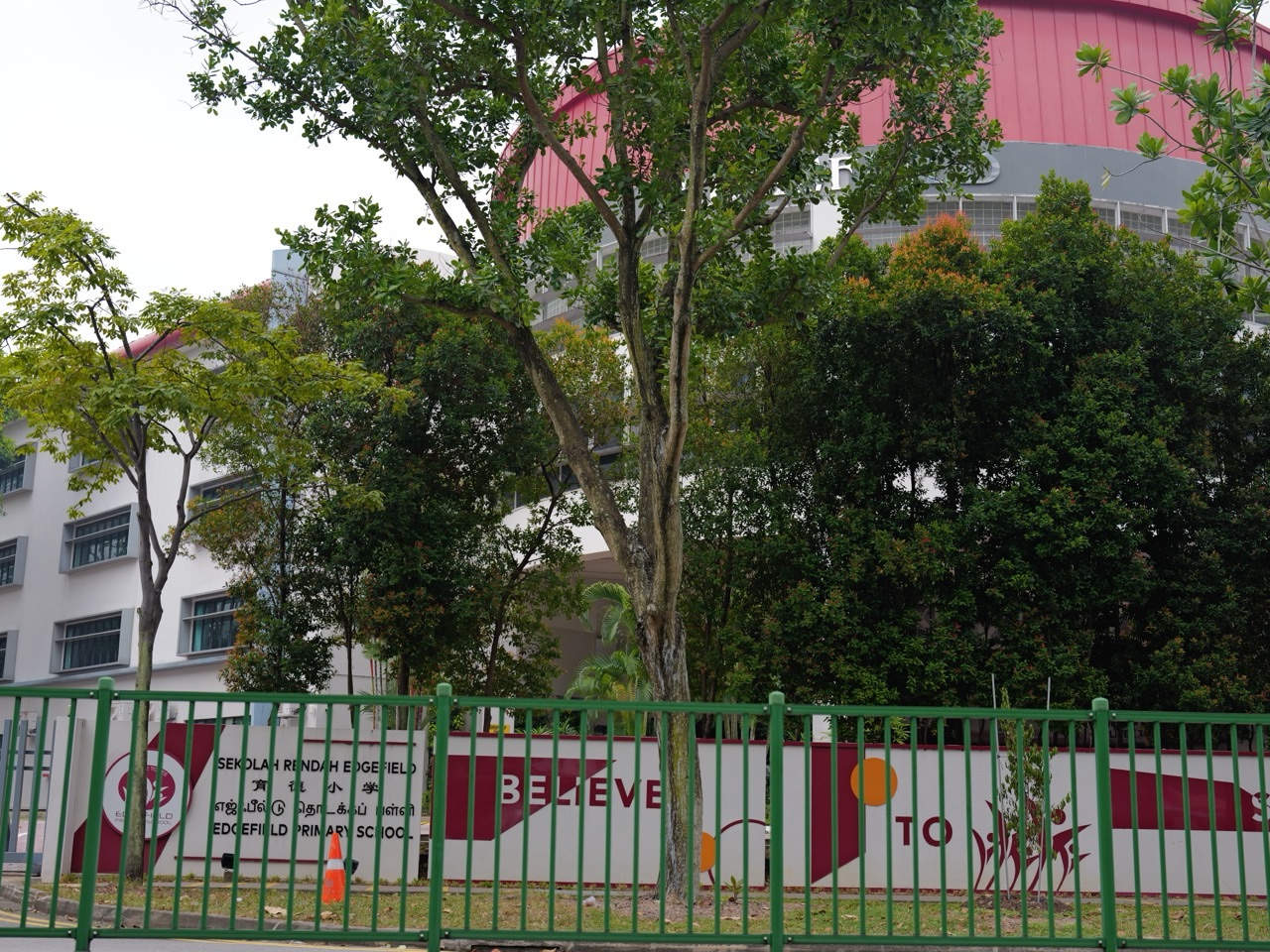
Schools and education at Punggol often involve photographs from performances, sports, class events and graduation activities. Parents should distinguish permission to take a picture from permission to use it in a yearbook, share it with a class group or publish it on a public website. An image can reveal pupils’ faces, uniforms, names and locations. School media policies, the particular publication purpose and relevant permissions matter. A child’s participation in a school activity does not automatically mean every person present may freely reuse their image for marketing.
This guide explains consent, class photographs, school social-media posts, private parent-group forwarding, yearbooks, student-work images, corrections and photo-removal requests. It also clarifies a legal distinction: Singapore’s PDPA guidance for private educational organisations cannot be applied without qualification to MOE government schools, which are subject to public-sector rules and policies. The material is practical parent information, not legal advice about an individual dispute. Families should use the school’s actual media and safeguarding processes.
- Taking an image, recording an event and publishing it are separate purposes.
- Read the school’s actual media or photography notice before sharing.
- A yearbook audience is different from a publicly indexed social-media post.
- Schoolchildren’s names, class details, marks and locations may appear unintentionally.
- PDPC education guidance discusses consent according to context and legal status.
- Government schools and private education providers are not governed identically by PDPA provisions.
- Parents should not automatically forward other pupils’ images from class chats.
- MOE media competition rules provide a specific example of requiring appropriate permissions.
- School photo captions should distinguish illustration from documentary evidence.
- For an unwanted post, contact the responsible publisher privately and use appropriate safeguarding routes.
Definition lock: media consent, personal data and publication purpose
Media consent is permission or another applicable legal basis for collecting, using or disclosing photographs or recordings for a stated purpose. Personal data includes information that can identify an individual in the relevant context. School publication can mean restricted internal display, yearbook use or public online release, each involving different reach. The applicable data-protection duties depend on the nature of the school, the publisher, the purpose and current rules. This guide does not treat every photograph as automatically unlawful or all permissions as unlimited.
A seven-question school-photo review
- Who took or commissioned the photograph?
- What school or event permission applies?
- Is its intended use internal, restricted or openly public?
- Who can be identified from faces, names, uniforms or background details?
- Does the caption accurately describe the actual place and date?
- Has permission or a relevant preference changed?
- Which official publisher should be contacted if the family has a concern?

1. Taking a photograph and publishing it are different decisions
School photographs can record meaningful experiences: a class presentation, a sports activity, a graduation ceremony or a reading event. Yet having permission to attend an event is not automatically permission to post every person’s image publicly. A photograph can identify students, show their uniform and reveal the places they attend. Families should distinguish the original recording, internal school use, sharing within a restricted group and publication on an open website or social platform. These purposes have different implications for privacy and safeguarding.
Singapore’s Personal Data Protection Commission provides education-sector guidance about photos, student information and relevant consent practices. The guidance includes examples where an organisation explains a particular photography purpose and where publishing on social media is a distinct use. It does not create a universal one-line rule that every photo always requires the same written form. The applicable obligations depend on the institution’s legal status, context, purpose and governing policy.
A practical parent or publisher decision
Government schools and private educational organisations also need to be distinguished. The PDPA’s Data Protection Provisions generally do not apply to public agencies in the same way they apply to private organisations. Public-sector data handling is governed by other laws, rules and agency policies. Parents should therefore not copy one private-school PDPA example and claim it automatically determines the statutory obligations of every MOE government primary school. The actual school can explain its media-consent and data-protection process.
A parent should first ask why the picture is being made. Is it an internal class record, a yearbook, a school newsletter, a public promotional post or a contest entry intended for publication elsewhere? An approved photograph for one purpose may not carry unlimited permission for every later use. A general class photograph and an identifiable close-up of a vulnerable pupil can also have different practical risks.
An overclaim to avoid and a changed-context check
Some families assume that if a school invited parents to watch an event, all recording is automatically allowed. That may be false under the school’s current rules or the particular venue’s restrictions. Ask whether recording is permitted, where it may be used and whether identifiable other children appear. A parent may be proud of the child without treating everyone present as public content.
For transfer, consider a fictional photograph taken at an authorised class celebration. The school may use it in an internal display, while a parent wants to upload the same image to an open social-media account. Are those identical purposes? No. The family should verify publication permission and consider the interests of other identifiable children.
2. Consent depends on context, institution and stated purpose
The PDPC’s April 2024 education-sector advisory includes examples of explicit, implied and deemed consent under particular facts. It describes, for instance, a graduation photograph where students were informed of an intended yearbook use and had an opportunity to indicate they did not want their photo published. The example is illustrative, not a guarantee that silence means consent in every situation. Parents should look at what notice was actually given and which law and institution apply.
The guidance also discusses a school planning to publish class photos and videos on social media after a separate recording purpose. An organisation may need to examine whether the new publication purpose is appropriate and what notification or consent mechanism is lawful under the relevant circumstances. The details in a regulatory illustration should not be reused as a universal fourteen-day rule for all children. A specific school form or official policy should be consulted.
A practical parent or publisher decision
Some caregivers want to withdraw a previously given permission. The PDPC material discusses consent withdrawal in the context of organisations subject to the PDPA. A school may have an appropriate process for changing the parent’s media preference, but the possible effect on material already distributed, archived or held by third parties can vary. Ask the institution what the actual withdrawal request covers rather than assume one button can erase every previously shared copy.
Age and guardianship also matter. A very young child may not understand what worldwide publication means, and an adult may need to decide what is appropriate under the school’s procedures. But a child can still have a meaningful view about being photographed or embarrassed publicly. Parents can listen to that preference without requiring the child to interpret privacy law or government forms independently.
An overclaim to avoid and a changed-context check
Consent should not be confused with a requirement to participate in an educational activity. A child may still attend a lesson even if the family has concerns about publicity, subject to school arrangements and the nature of the activity. Ask what alternative or accommodation is possible through the school. Do not publicly accuse staff of excluding a pupil before clarifying the actual policy and available options.
For transfer, imagine a notice stating photos will be included in a printed graduation book. The parent later sees a proposal to use them in an open advertisement. What should be clarified? The distinct publication purpose, relevant permissions and the school’s actual media policy, rather than assuming the first notice covers everything.
3. MOE school competitions can have explicit recording and publicity conditions
MOE’s Our Schools, Our Stories competition information pack is a concrete example of why media consent deserves attention. Its 2024 rules tell participating schools to ensure appropriate permission for students involved in photo or video submissions. They also warn that a school’s general permission for its own students does not automatically extend to outside participants or community partners. The rules describe how selected entries may appear on public education channels.
That is a competition-specific source, not a general claim that every photo in a Punggol school is governed by exactly the same release. A family considering a school media project should read the applicable current contest or school instructions. External judges, publication channels and sponsor arrangements may create additional questions compared with an ordinary internal class display. The public reach can be much broader than a parent expects.
A practical parent or publisher decision
Teachers and pupils should also consider whether a piece of music, photograph, illustration or video clip belongs to someone else. The MOE competition pack explicitly raises copyright and permissions. A child cannot assume that using a song for a school entry grants permission to distribute that music publicly online. Likewise, an image from a commercial website should not be copied into a student documentary without considering licensing.
Some students may be excited about making a film and inadvertently include classmates or people encountered in public. A responsible school project can use approved footage, authorised participants, original illustrations and clear labels. A child should not be sent to approach strangers alone to gather dramatic interviews. Educational creativity does not override safeguarding, copyright or the right of others to decline participation.
An overclaim to avoid and a changed-context check
AI-generated material creates another distinction. A synthetic image may be permissible as a clearly labelled illustrative element under certain project rules, but it should not be misrepresented as documentary proof of a real pupil or school event. The exact use of AI may be restricted by the school or competition. Authors should describe what is original, generated or externally sourced accurately.
For transfer, imagine a school competition film containing student interviews and a popular copyrighted song. What needs checking beyond the pupils’ storytelling? Participation permissions, the relevant publication licence and music rights all matter before public release.
4. Yearbooks, classroom displays and public social posts have different reach
A printed yearbook may circulate among students and families, while a publicly indexed school website can reach people who have no connection with the institution. A classroom display may be visible only to staff and pupils, and a private parent group may have a different membership. These contexts create different expectations and practical risks. A family should not treat the words school publication as one uniform audience.
Some parents share a picture of an excellent class project to celebrate their child. If the photo also contains other students’ names or a teacher’s private comments, it may reveal more than intended. Cropping the picture can help reduce unnecessary exposure, but the parent should still check whether the image and accompanying information are appropriate to share. A schoolwork achievement can be described without publicising another child’s mark.
A practical parent or publisher decision
A student may feel comfortable appearing in a classroom display but not on a large public social-media account. The family can listen and explain the choices at an age-appropriate level. The school may have a process for respecting media preferences within its programme. Do not assume a pupil who declines publicity is rejecting the educational activity or showing poor school spirit.
Sports and CCA photographs can reveal detailed locations, team arrangements and attendance patterns. A caption that includes a school name, exact time and a young pupil’s full identity may increase exposure. The family can share a general achievement without posting a live location or detailed daily route. Delaying a post and removing unnecessary identifying context may reduce risk, though neither guarantees complete privacy.
An overclaim to avoid and a changed-context check
A public event does not eliminate all ethical considerations. Parents may be permitted to take photographs at certain public performances, yet a school or venue can have additional recording rules, and a publication may affect identifiable children. Lawful collection in one context and responsible public sharing are not the same practical question. Readers should check both institutional permission and potential harm.
For transfer, compare a photograph kept privately in a family album with an identical image uploaded to a public channel. Which information and audience changes? The child can learn that disclosure to new recipients matters even when the visual content stays the same.
5. Class group chats can multiply an image far beyond the original audience
A parent may share an event photograph in a small class chat believing that only familiar adults will see it. However, recipients can save, screenshot and forward images to other groups. The original sender may lose control over copies even when they later delete the post. Children should not be promised that removing one message ensures complete erasure. A thoughtful family decides whether sharing is necessary before the picture leaves the private device.
School class chats are not automatically official information channels. A teacher’s approved photo or a school newsletter may be intended for a particular audience under stated conditions. A parent should not assume receiving the file grants a right to republish it elsewhere. The family can ask the responsible school when the use is unclear and avoid forwarding identifiable student material to unrelated public communities.
A practical parent or publisher decision
Some images include background details that expose more than the main subject: name tags, classroom schedules, parent contact lists or a whiteboard containing assessment information. Cropping or obscuring such details can reduce exposure, but a parent should review whether consent and the image’s purpose are suitable at all. A picture’s background may matter as much as its foreground.
Social chat pressures can affect children too. A pupil may be embarrassed when a funny school moment is widely shared without permission. Adults should model consent rather than dismiss the child’s concern as oversensitivity. If a photograph causes harm or bullying, the school and appropriate safeguarding or platform-reporting channels may be needed. A parent-chat argument is not necessarily the best place to resolve the issue.
An overclaim to avoid and a changed-context check
Parents should resist collecting informal class photo archives with names and academic information. A large uncontrolled folder can become difficult to secure and may include people who did not expect repeated use. Keep only information needed for legitimate family purposes, store it securely and respect school-specific conditions. Convenience alone is not a reason to build a permanent public database of pupils.
For transfer, suppose a parent receives a photograph from a private chat and another adult requests permission to post it on a business account. What should the sender do? Verify ownership, purpose and relevant consents; do not assume the earlier chat share authorised commercial publication.
6. Student work, certificates and report slips can reveal personal information
Photographs of schoolwork can show more than the actual writing or drawing. A worksheet may include the pupil’s full name, class, mark, teacher comments or other identifiable details. A certificate may reveal school affiliation and achievement, while an examination slip can contain identifiers or specific assessment outcomes. Parents should consider whether those details are necessary for the purpose of the post or could be removed safely.
A family may wish to share a child’s composition to celebrate improvement. A suitable alternative is discussing the learning achievement in a general way or sharing a cropped portion after checking the child’s preferences and the school’s rules. Revealing another pupil’s errors, a teacher’s confidential note or a class ranking does not add educational value. A child’s learning progress is not automatically public information.
A practical parent or publisher decision
Medical or learning-support documentation deserves greater caution. A report may identify a student’s educational accommodations, health condition or family circumstances. Posting it in a parent group to ask whether a support decision is fair can create privacy risks and stigma. The school and qualified professionals have appropriate channels for discussing individual needs. The parent can ask a general question without publishing the complete document.
DSA portfolios and contest entries can require selected examples of student work. The submission should follow the official organiser’s instructions, use only authorised relevant material and avoid identifying teammates unnecessarily. A glossy page with a full class list is not automatically stronger evidence of the applicant’s talent. Real ownership, appropriate consent and accurate attribution matter more than quantity.
An overclaim to avoid and a changed-context check
Children also need protection from adult expectations. A pupil may be proud of a project but uncomfortable with a public post announcing the mark to extended relatives. Parents can respect the child’s agency while retaining responsibility for final online-sharing decisions. A celebration does not need a public audience to be meaningful.
For transfer, offer a fictional prize certificate containing a student’s full name, school and class. Can the family find a suitable way to celebrate without exposing more than necessary? The answer should begin with purpose, child comfort and privacy, not an automatic assumption that every award must be posted.
7. Captions must be truthful about the school, place and event
A photograph is often used to illustrate an educational article, but it may not depict the specific programme being discussed. A school building exterior proves the building was photographed; it does not prove a named lesson occurred there or that a particular pupil received support. An honest caption distinguishes a general location reference from documentary evidence of the event. This is especially important when websites publish hundreds of locally themed education guides.
Consider a factual photo of a Punggol school gate accompanying a guide to 2027 subject choices. A suitable caption can identify the campus and say it is a local illustration, not a claim about admission vacancies or a future cut-off point. An unsuitable caption might declare that the pictured school has guaranteed places or offers an unverified programme. Visual truthfulness is part of educational accuracy.
A practical parent or publisher decision
Images of unidentified people require similar care. A stock or illustrative photo of students studying cannot be described as the actual class featured in a school report unless that connection has been verified and authorised. AI-generated classroom images should be labelled appropriately where relevant. The reader deserves to know when visual material represents a concept rather than a recorded event.
Captions can also create misleading claims through dates. A photo from a 2025 ceremony should not be presented as evidence of an event in November 2026. An older school publication may remain accessible on the website after a programme changes. The publisher should check the relevant time and source rather than reuse a caption with a new date for convenience.
An overclaim to avoid and a changed-context check
Parents can teach this skill by showing a safe photograph of a public campus exterior and asking what it confirms. The child may say the building has a particular sign or colour. They should not infer the school’s academic results or number of vacancies. This connects visual literacy to responsible reasoning without requiring the child to understand every legal aspect of image rights.
For transfer, introduce a new picture of a garden beside a school. Can the student explain that the photo shows plants but does not prove every pupil attends a formal gardening course? That distinction is useful in both journalism and school marketing.
8. Photo takedown requests should start with the responsible publisher
A family may find a child’s identifiable image on a webpage or social channel and believe it was used beyond the purpose they understood. The appropriate first step is to record the URL, publication context and concern privately, then contact the school or organisation responsible for the post through its official channel. Describe the specific image and requested action rather than circulate it more widely to seek public support. The publisher can explain applicable consent, policy and removal procedures.
Removal can take time or be incomplete where material has already been downloaded, shared or archived by others. A school or organisation may be able to remove the original publication but cannot necessarily erase every copy on the internet. The family should understand the practical limits and, where relevant, use platform reporting or other appropriate remedies. An online article cannot guarantee immediate deletion or establish that a statutory breach has occurred.
A practical parent or publisher decision
Where a private organisation is subject to PDPA obligations, the PDPC provides guidance on consent, withdrawal and appropriate data handling. For government schools, the relevant public-sector regime and MOE policies may govern instead. A parent can ask for clarification about the applicable procedure without assuming the same legal obligations apply to every institution. Specific legal disputes deserve appropriate professional advice.
If the image exposes a child’s safety, location or other sensitive information, the parent should explain the urgency. A photograph showing a live pickup arrangement or personal details may require prompt attention. The family should not delay an immediate safety response while debating a technical consent definition online. The responsible school and appropriate authorities can address safeguarding concerns.
An overclaim to avoid and a changed-context check
A common mistake is responding to an unwanted photo by reposting it publicly with an angry caption. That may increase exposure and make further copies. A more protective approach uses a private, specific contact and retains necessary evidence securely. A child who is distressed should also receive suitable support, not be told that publicity is inevitable and they must simply accept it.
For transfer, imagine an outdated school promotional image still identifies a pupil who has left the school. Can the caregiver ask for a review of the original post without republishing it? Yes. The correct process focuses on the responsible publisher, purpose and current information.
9. Third-party providers and parent volunteers have separate responsibilities
Schools may work with photographers, event vendors, enrichment providers or volunteer parents during activities. A school authorisation for a particular event does not automatically grant every participant the right to collect images for an unrelated promotional campaign. Families should understand who is taking the photographs, on whose behalf, for what purpose and through which channels the material may be shared. The answer can differ between an official school photographer and a private vendor.
PDPC guidance discusses organisations acting on behalf of public agencies and data intermediaries, noting that their obligations depend on the role and context. A contractor performing an authorised government function may be subject to different provisions from the same company’s independent commercial marketing. Parents should not automatically conclude that a vendor may reuse pupil photos on its own website because it provided a service at the school.
A practical parent or publisher decision
Parent Support Group volunteers can help with permitted event logistics and sometimes photograph activities under school instructions. A volunteer title does not create ownership of classmates’ images or permission to set up a public social-media archive. Schools can explain appropriate photography and publication rules. Adult enthusiasm is not a substitute for clear boundaries, particularly when children are identifiable.
A private tuition or camp provider may request permission to use event photographs in marketing. That is a distinct purpose from delivering the educational service. Families should read the notice or consent terms and ask about alternatives where appropriate. A parent’s own photo from the event does not necessarily grant the provider rights to publish everyone visible in it. The terms and applicable law must be considered.
An overclaim to avoid and a changed-context check
Some pupils may join inter-school competitions or public performances with multiple organisers. Permission from one school may not cover people from another institution or members of the public. MOE’s media competition rules recognise this distinction for external participants. A responsible organiser identifies the correct permission and publication purpose before collecting and distributing footage.
For transfer, imagine a commercial enrichment vendor asking a school volunteer for all event images to advertise a new course. Which questions matter? Whether the vendor has its own lawful purpose and permission, and whether the school authorised such disclosure. The volunteer should not simply forward the entire folder.
10. A family photography agreement can be simple and age-appropriate
Parents can make school photo decisions more consistent by agreeing on a few practical rules. Identify when photography is permitted, which images remain private, what may be shared with relatives and when a new publication request should be checked. The agreement should reflect school rules and the child’s developmental stage. It need not be a complicated legal document to prevent many ordinary mistakes.
A younger pupil can learn to ask before taking a photograph of a friend and to tell an adult when someone posts an embarrassing image. An older pupil can consider audience, context, captions and the possibility of resharing. The adult remains responsible for account settings, significant consent decisions and response to harm. Teaching privacy should not require the child to manage every legal or technical question alone.
A practical parent or publisher decision
Parents should model the same habits. A caregiver who warns children not to share classmates’ images but uploads identifiable sports-team photos without checking creates inconsistent expectations. A family can celebrate achievement through a description, approved group photo or private album rather than automatic public posting. Respect for other children is part of the educational message.
An agreement should consider time. A photo shared during an event may reveal the child’s current location, while posting afterward may reduce some exposure. However, delaying publication does not eliminate questions of consent, personal information or permanent copies. The family should recognise those limits rather than teach one simple trick as complete safety.
An overclaim to avoid and a changed-context check
Schools may update their media policies or seek a specific new release for an event. A prior general decision should be reviewed when the purpose changes materially. Parents can keep track of official preferences without posting the underlying forms publicly. When uncertain, a short factual question to the school is more reliable than an assumption based on another family.
For the final changed-context check, ask the child to compare a private photograph of their art project with a public post showing the project, full name, classmates and live location. Which information can be reduced or withheld, and whose permission matters? That is a useful family decision beyond one school photo day.
Worked fictional case: a class photo considered for a public post
A fictional school takes a graduation photo for an internal yearbook and informs participating families of that purpose. Later, someone proposes using the same image on a public promotional page. The parent should ask the responsible institution what publication purpose, permissions and data-protection framework govern the new use rather than assume the yearbook notice automatically settles the question. The family can also consider the child’s preferences and the privacy of other identifiable pupils. If a public image is already posted and the family objects, the appropriate first step is a private, specific request to the publisher and any necessary safeguarding follow-up.
Four-week family and school media-literacy routine
Week one: identify the school’s current photography and publicity guidance. Week two: review the different audiences for a private family album, class chat and public page. Week three: practise a fictional caption that describes only what a picture genuinely proves and removes unnecessary identifying information. Week four: discuss how a parent should contact the official publisher about an inaccurate or unwanted post. These are conversation exercises, not a claim that consent is legally identical in every school context.
Frequently asked questions
Does a school event ticket automatically permit public photos of every child?
No blanket conclusion follows. Check the school’s or venue’s recording rules and the relevant publication purpose and permission arrangements.
Is taking a photograph the same as posting it on school social media?
No. Recording, internal use and public publication have different audiences and can require distinct consideration under applicable rules.
Does the PDPA apply identically to government and private schools?
No. Public agencies are generally outside the PDPA Data Protection Provisions and have other public-sector rules, while private educational organisations have their applicable PDPA obligations.
Do private education organisations always need a separate signed form for every image?
Not necessarily. The PDPC describes context-specific forms of consent and exceptions. The actual notice, purpose, legal status and facts matter.
Can permission for a yearbook automatically be assumed for advertisements?
No. A new publication purpose should be considered under the applicable law and institutional policy, rather than assuming every earlier permission extends indefinitely.
Can parents post classmates’ names and marks to praise a school event?
That can expose unnecessary personal information. Keep identifiable academic and private student details out of public posts unless appropriately authorised.
What should parents do about an unwanted school photo online?
Contact the responsible publisher privately with the specific URL and concern, ask about its procedure, and use appropriate safeguarding or platform support where needed.
Are school photographs usable as evidence of every programme offered?
No. An image proves only its actual content and verified context; captions should not invent programme availability, dates, admission outcomes or pupil experiences.
Can a parent volunteer share school event images with a commercial vendor?
Not automatically. The school’s authorisation and the vendor’s separate purpose and permission obligations must be understood.
Your Next Step
Before sharing a school photograph, check the original purpose, the school’s current policy and who else is identifiable. Ask the child appropriately how they feel about public posting, and remove unnecessary personal or location details where suitable. If permission or publication is unclear, contact the school or responsible publisher privately rather than expanding circulation. For a concrete legal dispute, seek the appropriate professional or regulatory guidance.
Official sources and related Punggol guides
- PDPC: Advisory Guidelines for the Education Sector, April 2024
- PDPC: Current Personal Data Protection Guidance by Topic
- MOE Our Schools, Our Stories: Photograph, Participant and Copyright Permissions
- MOE Parents Gateway: Published Privacy Policy
- Punggol View Primary: Responsible Use of School Digital Resources
- MOE Character and Citizenship Education and Cyber Wellness
- Schools and Education at Punggol | Student Journalism and Truthful Captions
- Schools and Education at Punggol | Cyber Wellness and Class Chats
- Schools and Education at Punggol | Parents Gateway Consent and Notices
Editorial reference: 6 November 2026. Legal and policy information is contextual; government-school and private-organisation obligations may differ. All pupil events and permission disputes are fictional. The article is not legal advice or a determination that any named institution has breached a duty.


