
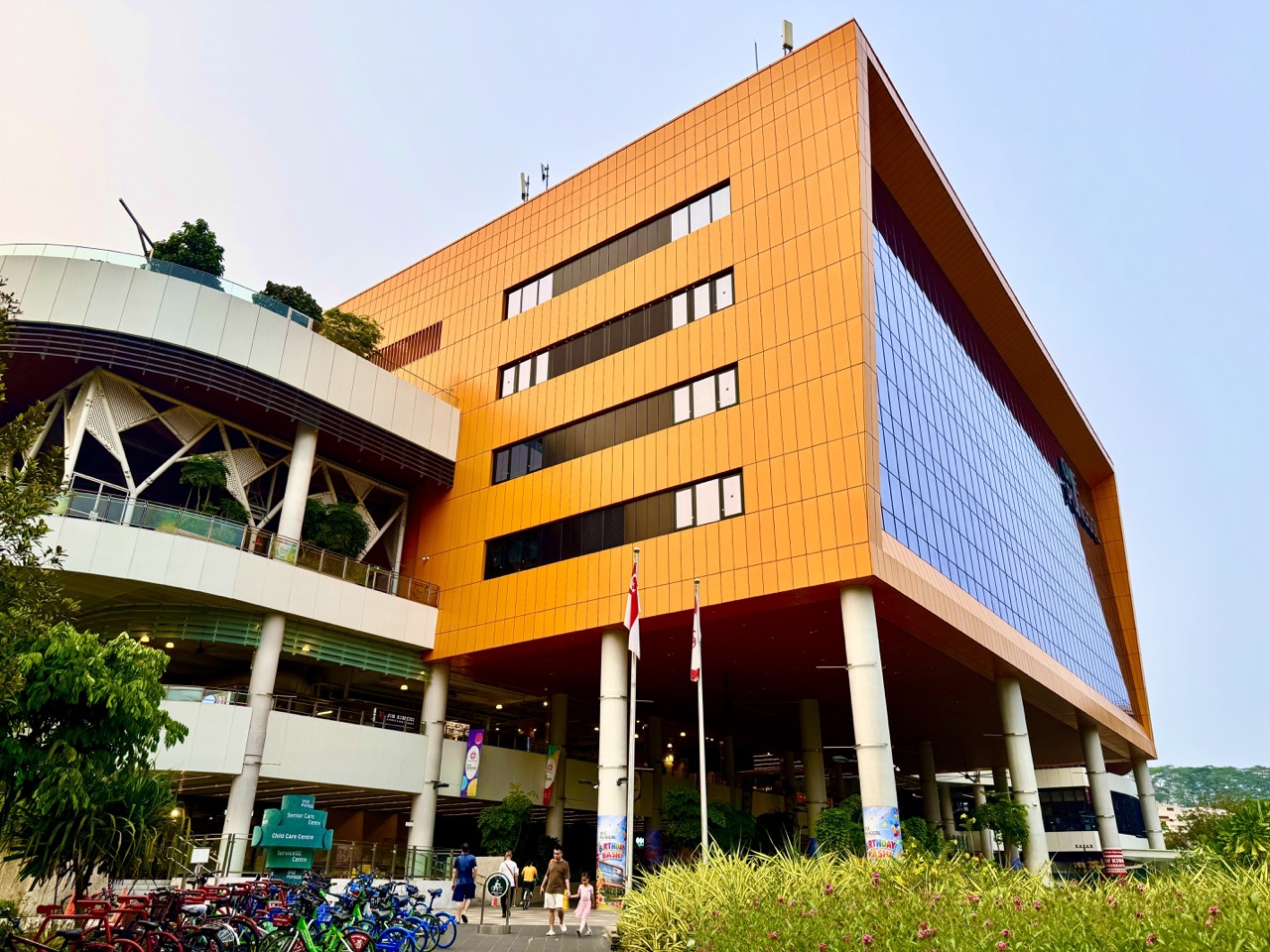
A public toilet cubicle door in Punggol can jam at an awkward moment. Someone turns the small latch to leave, but it will not release. The lock might feel stiff, the handle may move without opening, or the door may be pressed against a misaligned frame. The safest first response is to remain steady, tell other people or staff that assistance is needed, and avoid climbing a partition or forcing the door with sharp objects. If the person has fallen, is injured, cannot breathe normally or faces another immediate danger, ask someone to obtain emergency assistance.
A jammed cubicle lock is a facility-maintenance and accessibility issue, not a personal failure. The National Environment Agency (NEA) advises owners of public toilets to keep all facilities in working order, including doors and high-contact fittings, and to repair defects promptly. The Building and Construction Authority (BCA) sets accessibility requirements for applicable building work, recognising that toilet doors and fittings should be usable by people with different abilities. Neither source gives a universal lock-picking method for a member of the public. The correct recovery procedure belongs to authorised facility staff and, if necessary, emergency responders.
- If you are inside: call out calmly, use a phone or an installed assistance alarm if available, and tell responders exactly which toilet and cubicle you are in.
- If you are outside: speak to the person, alert the facility operator and keep the space clear without forcing access or recording the person.
- If there is injury or immediate danger: seek urgent emergency assistance. Call 995 for rescue or medical emergencies and provide the location.
- Do not climb partitions: there may be sharp fittings, slippery floors and significant fall risks.
- Do not insert tools into unfamiliar locks: this can injure people or make the mechanism more difficult to release.
- Report the specific fault: name the facility, floor, washroom location, cubicle and observed problem.
- Keep privacy: do not photograph or film the occupied cubicle or publish another person’s identity.
- After the incident: ask the operator to isolate the faulty cubicle until inspected and repaired.
1. Understand the problem before reacting
A cubicle door can fail to open for several different reasons. A latch may remain engaged, a handle may be loose, a door might be pressed against a swollen or misaligned frame, or a lock could be obstructed by damage. From inside the cubicle, these failures can feel identical: the door will not open when expected. The appearance does not identify the mechanism, and a person who is anxious should not feel compelled to diagnose it.
Try to describe what actually happens during ordinary, gentle use: for example, ‘the handle turns but the door stays shut’ or ‘the latch moves only partway’. A facilities technician can investigate whether a fitting needs adjustment, cleaning or replacement. Repeated violent pulling is not a safe substitute for a proper inspection. If a normal opening attempt fails, move to a communication and assistance plan instead.
2. What to do in the first minute inside a cubicle
Speak loudly enough to attract nearby attention without exhausting yourself. Say that the door will not open and identify the cubicle if possible. If you have a phone, contact the facility desk, a family member nearby or the security counter. If an emergency assistance button or pull cord is provided, use it according to its label. The priority is to make your location known to a responsible person.
Stay in a stable position and avoid leaning on loose partitions or climbing onto a toilet bowl. Toilet fixtures are not intended as escape ladders. If a person feels dizzy, breathless or unwell, they should tell the responder immediately rather than concealing their condition out of embarrassment. For a straightforward lock fault with no distress, trained maintenance help is usually more appropriate than an improvised rescue.
3. When the situation becomes an emergency
A jammed lock on its own does not automatically require an ambulance or fire engine. The level of urgency changes if there is a medical emergency, a fall with possible injury, a vulnerable person unable to communicate, fire, smoke, flooding with electrical exposure or another immediate threat. The Singapore Civil Defence Force’s Emergency Medical Services information asks callers to give an exact address or location, landmarks and the nature of the incident.
If the circumstances justify 995, explain that someone is trapped in a specific public toilet, their condition and whether they can speak. Give the Punggol building name, floor, toilet location and any nearby entrance. Do not promise that responders will arrive by a particular time or tell bystanders to use force before receiving professional guidance. When no emergency danger exists, the facility’s own manager should coordinate a safe release.
4. What bystanders should do outside
If you hear someone calling for assistance, respond verbally so they know help has been heard. Ask whether they are injured, whether there is a phone or emergency button, and which cubicle they occupy. Tell a member of staff or security promptly. If you cannot find staff, look for the premises’ official contact rather than asking a stranger to pry the door.
Keep other visitors from crowding the entrance or interfering with the lock. Do not take photographs towards an occupied cubicle, climb into the next cubicle to look over a partition, or instruct children to crawl underneath. Privacy and safety matter even when the person is embarrassed and wants to leave quickly. Give the facility operator the facts, then follow its directions.
5. Why a cubicle door can stick without a broken lock
Not every jam is caused by the latch. A wet or damaged door frame may change alignment; a hinge may sag; a floor-level obstruction can prevent movement; or a latch strike can fail to line up correctly. A person who experiences the incident cannot responsibly identify the cause from one failed attempt. That uncertainty is normal and useful to acknowledge.
The operator may need to check whether an adjustment to hinges, frame, latch or other components is appropriate. Repairs must preserve the accessibility and privacy intended for the facility. An improvised wedge or tape may make the door appear serviceable while creating a new problem. The correct aim is safe, repeatable operation, not simply getting one occupant out and reopening the cubicle immediately.
6. Why accessible toilets need particular care
An accessible toilet may be used by someone with a wheelchair, mobility aid or limited hand strength. A difficult latch or unusually heavy door can make a small defect a serious barrier. BCA’s Code on Accessibility in the Built Environment explains the baseline standards applying to new buildings and relevant additions or alterations, including usable entrances and toilet facilities.
A resident should not assume that a door violates the code just because it feels different from another building. The applicable code edition and actual building design need assessment. But a lock that is trapping someone or a door that cannot be operated as intended is a maintenance concern regardless of whether a visitor knows the technical compliance clause. Explain any mobility or medical difficulty when requesting assistance.
7. A child is locked inside: the adult’s priority
A child may become frightened and pull harder on a door, especially if they believe they have done something wrong. Speak calmly through the partition, tell them an adult has called for help, and ask them to stop climbing or using objects as tools. Keep your explanation brief and concrete. ‘Stand on the floor and speak to me’ is more helpful than lengthy advice on the mechanism.
Inform staff immediately and tell them the child’s approximate age, whether they can answer and whether they report injury or distress. An adult should not automatically climb a neighbouring partition to reach the lock. The right response is safe supervised access by authorised staff or emergency responders when needed. Afterward, offer privacy and reassurance without turning the event into a public spectacle.
8. A senior or mobility-aid user is inside
Someone with reduced mobility may be unable to bend, climb or press against a heavy door. Asking them to force a latch or reach for a hard-to-access opening can increase the risk. Find out whether they need medical help, whether the door can be reached from a seated position, and whether they are comfortable waiting for the facility team under the circumstances.
Tell the operator that the person may need accessible rescue or assistance. If the person has fallen or becomes unresponsive, escalate urgently. Do not rely on another person’s guess that the occupant should be able to crawl beneath the door. An inclusive response begins with listening to the person’s actual needs rather than assuming everyone can move in the same way.
9. How to find the right person in a Punggol facility
At a shopping mall, the information counter, security desk or building management is usually an appropriate first contact. At a hawker centre or coffeeshop, alert the premises operator or cleaner and ask them to escalate the physical lock problem to facilities staff. At a community hub, sports centre or public building, the responsible desk may differ by level or venue.
In parks and publicly managed toilets, there may be a number on signage or a relevant operator listed for the site. Do not assume a Town Council operates every toilet in the Punggol planning area. Some facilities are privately managed and others belong to public agencies. The precise name of the building and facility helps avoid calls to the wrong organisation.
10. NEA’s guidance is about functioning facilities
NEA’s Advisory to Owners of Public Toilets tells owners to ensure facilities remain in good working order and to maintain high-contact surfaces such as door handles. It recommends cleaning schedules, inspection records and prompt attention to defects. A stuck door therefore belongs in a maintenance report, not only a complaint about cleanliness.
The advisory does not say every cubicle must have exactly the same latch design. A manager needs to determine what is installed and whether it remains safe and functional. If a lock repeatedly jams, a proper repair or replacement may be necessary. Changing a door finish without resolving the latch problem would miss the issue that matters to users.
11. What a member of staff should communicate
Staff should establish whether the person inside can respond, whether immediate medical help is needed, the exact cubicle location and whether an authorised maintenance or security person can assist. They should not promise a universal release method or tell an untrained colleague to break the door without assessing the situation. Clear communication reduces the chance of misunderstanding and unsafe improvised actions.
The occupant benefits from regular verbal updates: who has been notified, whether help is nearby, and what to expect next. Privacy matters throughout. People waiting in the toilet do not need the occupant’s personal details. A facilities team should know when to hand the matter to emergency responders rather than persisting with routine repair if someone is at risk.
12. Why climbing the partition is not the solution
A typical cubicle partition may be lightweight, tall, slippery or topped with sharp components. A toilet bowl and seat are not stable climbing platforms. Climbing can cause a fall, head injury, damage to fixtures or injury to a nearby person. The fact that a partition appears lower than a wall does not make it a safe escape route.
Similarly, reaching through a ceiling gap or standing on a bin is not a reliable way to operate a latch. It may also compromise the privacy of others. Once someone has been heard, it is generally safer to wait for authorised assistance, unless emergency responders direct a different action based on the actual risks.
13. Why tools and lock-picking advice are unsuitable
An unfamiliar latch can have hidden screws, springs and sharp edges. A coin, wire, screwdriver or other object may slip, break or leave the door harder to open. Instructions for one manufacturer’s emergency-release design cannot safely be applied to another lock. That is why a public guide should not provide a generic method of defeating a cubicle lock.
Maintenance staff should follow their authorised procedure and the manufacturer’s instructions. In an actual rescue, emergency responders can assess the situation and choose safe equipment. The occupant and bystanders do not need to know the internal locking mechanism in order to report a fault well.
14. Preventing privacy violations during a rescue
A person trapped in a toilet is in a vulnerable position. Other visitors should avoid filming, photographing, livestreaming or making jokes. A short description of the occupied cubicle and faulty door is enough for staff to act. Even a well-intentioned photograph through a partition can expose the person or other washroom users.
If a reporting system requires an image later, OneService’s Chatbot FAQ allows a generic surrounding-location photograph when the problem itself cannot safely be photographed. A photo of the exterior toilet sign, with a clear written description of the door fault, can be a more respectful record than an image inside an occupied cubicle.
15. What to record after the person is safely out
Once the immediate problem is resolved, note the venue, level, approximate time, cubicle position, what happened when the lock was used normally and whom you informed. If an injury occurred, follow the operator’s incident process and obtain appropriate care. Do not ask a distressed person to reenact the failure for a video.
A written report helps the manager determine whether a specific latch requires repair and whether other doors should be checked. Describe the symptom rather than asserting the cause. ‘Inside latch would turn but the door would not release’ is an observation; ‘someone deliberately locked the person in’ is an accusation that requires evidence.
16. Which toilet should be closed for inspection?
After an incident, the operator may need to mark the affected cubicle out of service until qualified staff assess it. That decision should be made by the premises manager, not visitors. A handwritten ‘use at your own risk’ notice without fixing an unsafe latch is not a satisfactory substitute for maintenance.
The rest of the toilet may remain usable if there is no broader hazard and management confirms that normal access is safe. Do not claim the entire building must be closed based on one broken cubicle. Equally, do not assume a jam that cleared once cannot recur. The manager should base reopening on a practical check of the actual hardware.
17. A door that will not latch is also a problem
A cubicle with a latch that fails to hold closed can compromise privacy and discourage people from using the facility. It is a different condition from a latch that traps someone, but both deserve an operator report. A person should not need to hold a door closed with a foot or place furniture against it while using the toilet.
Staff should verify whether the issue concerns the latch, strike, hinge, frame or another fitting. A repair must preserve the intended accessible operation and privacy. If the door is temporarily unavailable, a clear out-of-service sign helps users choose an alternative before entering.
18. When a cleaner sees the fault before a visitor
Cleaning staff use washrooms regularly and may be the first to notice a stiff lock, door that catches or damaged handle. A good maintenance system allows them to log the exact cubicle, isolate obvious hazards and notify someone authorised to repair the hardware. They should not be made responsible for mechanical repairs outside their training.
NEA recommends cleaning inspection cards and documented maintenance routines. A manager can include a check of door operation and fittings during routine inspections without making cleaners dismantle them. Repeated defects at the same location may justify reviewing the hardware model or the way the door is being used.
19. A simple facility inspection plan
The operator can review doors during a scheduled safe maintenance round, check the handles and latches under ordinary conditions, look for loose screws or damaged panels, and record which cubicles need technical attention. These are management responsibilities, not an invitation for the public to test every latch. Staff should make sure a unit is empty before any inspection.
A useful record includes the exact cubicle, date reported, observed symptom, contractor action and a completion check. If a mechanism was replaced, the operator can retain the product information for future servicing. This helps avoid the situation where one door is repaired repeatedly without a clear history.
20. Why older and newer toilets can feel different
Public washrooms were built at different times and renovated under different standards. A newer accessible toilet may use a different latch or power-operated door from an older cubicle. It would be misleading to say that every Singapore toilet must have identical hardware or the same outside emergency-release fitting.
BCA’s code applies to defined categories of building works; its editions have evolved. The building operator should check the appropriate requirements and product information for the actual installation. Residents can still report a faulty mechanism without proving a technical breach. Safe, usable access is a practical standard of care for everyone.
21. How parents can prepare children for ordinary outings
Before a child begins using public toilets independently, explain how to identify a safe, available cubicle, operate a normal latch gently and seek help if it will not open. The lesson can be delivered conversationally at home without practising on real locks in a busy public washroom. Children should know that asking for assistance is appropriate.
Choose a simple family meeting point outside the facility and decide who the child should call if there is an unexpected problem. Do not teach children to climb partitions or force latches. A child who knows to speak clearly and wait in a stable position is better prepared than one who has memorised a risky mechanical trick.
22. What an accessible help signal should achieve
Some accessible toilets provide an emergency assistance alarm or pull cord. Its intended role is to summon help when a user cannot safely leave or needs assistance. A person should follow the labelled instructions if the device is available and the circumstances warrant it. The exact signal and where it reaches depend on the design of the facility.
Do not assume every public toilet has such an alarm, and do not pull a cord merely to test whether it works during a normal visit. If the alarm itself appears damaged or unavailable, include that in the facility report. A manager can then arrange the appropriate inspection.
23. Why a mobile phone can help but is not essential
A phone can connect an occupant with a family member or facility desk, but not everyone carries one into a toilet. Some visitors have limited vision, hearing or language confidence. The correct community response should not require a phone: a verbal call for help should still lead to staff assistance.
If the trapped person can send a message, keep it precise: ‘I am inside the accessible toilet on Level 2 near the library entrance. The door will not open and I need staff assistance.’ Avoid sharing personal location details beyond what the responder needs or broadcasting a live video from inside the washroom.
24. What if a visitor is blamed for damaging the door?
A mechanism can fail during normal use without intentional damage. The circumstances should be recorded and assessed. Avoid admitting to a repair cost merely because someone immediately blames the occupant, or accusing staff of negligence before a proper review. Explain what happened factually and ask the operator to identify the cause.
Where there is an alleged injury, damage or compensation question, keep the incident reference and any correspondence. An article cannot determine liability without the evidence and applicable terms. The immediate priority remains safe release and restoration of a usable facility, not a dispute over a bill.
25. When the premises manager does not respond
If a non-urgent fault remains unresolved, follow up with the original report reference and the specific current condition. In a public facility, the relevant operator or municipal reporting channel may be appropriate. NEA’s public toilet management overview explains its role in standards and maintenance advice.
Do not post an allegation that the toilet is unsafe throughout Punggol. Explain that one cubicle door at a named venue could not be unlocked, when it occurred and what reply was received. If someone is actually trapped again or in immediate danger, that requires a direct response rather than an ordinary follow-up email.
26. Sample incident report
A concise message can say: ‘At [venue], Level [floor], [male/female/accessible] public toilet, the cubicle nearest [landmark] could not be opened from inside at approximately [time] on [date]. Staff were contacted and the occupant was released safely. Please inspect the latch and ensure the cubicle is not reopened until confirmed usable.’ Replace the placeholders with observed facts.
Do not include the occupant’s name, photograph or medical details unless the authorised incident process requires them securely. A precise location and mechanism symptom allow the maintenance team to find the correct door. The same report can be used for a cubicle that fails to latch, with the description adapted accordingly.
27. Four realistic Punggol scenarios
A parent is helping a preschooler at a community hub and hears an older child calling from a nearby cubicle. The parent tells the child that help is coming, alerts the security or facilities team and stays near enough to communicate without looking over the partition. The staff arrange safe assistance. The parent does not ask a younger child to crawl underneath.
At a shopping centre, a visitor turns a handle but the cubicle door remains closed. They call the information desk from their phone, identify the floor and toilet entrance, and wait while staff attend. Afterward, they report that the handle moved freely but the door did not release. This factual detail helps diagnose the door without any improvised lock manipulation.
At an outdoor public facility, a senior in an accessible washroom cannot operate the latch and feels faint. A companion alerts the operator and calls emergency assistance because of the medical concern. The focus changes from ordinary door maintenance to safe rescue and care; staff can address the mechanism later.
At a hawker centre, a cubicle latch is repaired after an earlier complaint but the door catches again the next day. The cleaning supervisor records both incidents under one maintenance history and asks the operator for a proper review rather than repeatedly marking the door as repaired after a temporary adjustment.
28. What good follow-up should look like
A useful response from an operator identifies the affected cubicle, takes it out of use where necessary, assigns a suitable repairer and checks operation before reopening. A more careful investigation may review whether the frame or hinge contributes to the problem. The exact repair process depends on the door and building.
The person who made the complaint can ask whether the defect has been addressed without demanding technical details or access to staff-only facilities. A repair closure should be meaningful. An operator should not claim that an annual hygiene-cleaning schedule by itself proves a mechanical latch is safe.
29. The difference between cleaning and mechanical maintenance
Cleaning a door handle reduces dirt and contact contamination. Mechanical maintenance checks whether the handle, latch, hinge and strike permit the door to open and close as intended. Both matter, but one does not replace the other. A freshly cleaned toilet can still have a faulty lock.
NEA’s maintenance guidance combines cleanliness and good working order because a public toilet is a functioning facility, not merely a surface to disinfect. A resident report should name which part is the problem so that the correct team is dispatched. A cleaner may replenish toilet paper immediately while a damaged latch requires a trained repairer.
30. Key mistakes to avoid
Most poor responses share one feature: attempting to solve an uncertain mechanical issue with force. That can injure the occupant, damage the door and complicate proper rescue. Another common error is assuming that being locked in means the occupant acted incorrectly. The mechanism may simply need attention.
Other mistakes include photographing another person’s distress, crowding the toilet doorway, assuming a manufacturer-specific emergency release is universal, and reporting ‘toilet broken’ without a location. A safe and useful response separates the immediate human problem from the later maintenance work.
A reader’s decision checklist
- Is anybody injured, unresponsive, unable to breathe normally, exposed to fire or in immediate danger? Escalate urgently.
- Can the occupant communicate and remain in a stable safe position? Keep contact and ask authorised staff to attend.
- Is the problem at a specific latch, handle or entire door? Describe the observed action; do not diagnose the internals.
- Is the occupied space an accessible toilet with emergency assistance facilities? Follow the posted instructions.
- Is the door still in service after the incident? Ask management to confirm an inspection.
- Have you recorded the exact building, level, toilet and cubicle?
- Do your photos or messages protect privacy and avoid identifying other visitors?
- Is the report with the owner or managing body, and is the reference kept for any follow-up?
Frequently asked questions
Should I climb over the cubicle partition if the door is stuck?
No. Partitions, toilets and fittings are not intended as climbing equipment. A fall can turn an ordinary maintenance fault into a serious injury. Call for authorised help and seek emergency assistance where the circumstances justify it.
Can somebody outside use a coin to release the lock?
Some accessible toilet designs provide particular emergency release arrangements, but these differ between installations. Do not assume a coin works on every lock or try unfamiliar mechanisms without the operator’s guidance. Let authorised staff or responders use the correct procedure.
Does every Punggol public toilet have an emergency button?
No blanket claim is warranted. Features depend on the building and the applicable design. If an alarm or pull cord is present and assistance is needed, follow the posted instructions. If there is no device, calling out and contacting staff remain sensible.
Who should I call first if there is no medical danger?
The building’s security desk, information counter, cleaner-supervisor or facilities manager. Tell them the exact cubicle and whether the person can respond. At an unattended facility, use its posted operator contact or an appropriate public-service route.
When should I call 995?
When there is a real medical, rescue, fire or similar immediate emergency. Explain the person’s condition and precise location. A routine stiff latch with a safe, communicating occupant normally calls for facilities assistance rather than an emergency ambulance.
Can I record the trapped person to prove what happened?
Avoid filming the occupant or other people using the toilet. A written incident description and, where appropriate, an exterior location photograph are usually more respectful. OneService allows a generic surroundings image when photographing the issue would be unsafe or inappropriate.
What if the door opens later without a repair?
Still report the incident. Intermittent faults can return. The manager may need to check the latch alignment or hardware and should not assume one successful opening proves it is reliable.
What if a child cannot tell me which cubicle they are in?
Keep calm verbal contact, ask simple location questions and alert staff to help identify the correct position. Do not have other children crawl around partitions. If the child reports injury or becomes unresponsive, escalate.
Does an accessible toilet door have to be the same as a normal cubicle?
Not necessarily. BCA’s accessibility requirements address usability in applicable building works, and different facilities may use different compliant arrangements. Report the actual operational problem rather than judging the code from appearance alone.
Can a visitor demand the entire toilet be closed?
The operator decides how to isolate the affected facility based on risk and maintenance. A specific unsafe cubicle should not be reopened casually, but one latch problem does not necessarily establish that all fixtures in the building are defective.
What if the premises manager says it is the user’s fault?
Explain exactly how the lock was operated and what happened. Ask for an incident record and an assessment rather than agreeing to an unsupported conclusion. Liability depends on facts, terms and applicable law.
What if the stuck door is in a private condominium?
Contact its security or managing agent rather than a public Town Council by default. If someone is actually at immediate risk, use the applicable emergency service. The private owner or MCST can coordinate inspection and repair.
Official sources and related reading
- NEA — Advisory to Owners of Public Toilets
- NEA — Public Toilet Management Overview
- BCA — Code on Accessibility in the Built Environment
- SCDF — Emergency Medical Services and How to Give a Location
- OneService — App and Chatbot for Municipal Reports
- OneService — Privacy-Respecting Report Photographs
- eduKate Punggol — Public Toilet Soap and Hand Dryer Problems
- eduKate Punggol — Local Service Guide
Reviewed 6 November 2026. This guide does not diagnose or authorise the opening of any particular door. The emergency threshold depends on the person’s condition. The responsible facility operator or emergency responders must determine the safe release method and repair procedure.


