
A fire hose reel cabinet that is hidden behind delivery cartons, blocked by furniture or visibly damaged deserves a prompt report. Fire hose reels are part of a building’s firefighting provisions, not ordinary cleaning equipment. A locked or inaccessible cabinet, missing visible component or obstructed hose path may affect what residents and emergency responders can do if a fire begins. Do not use the equipment to test whether it still works.
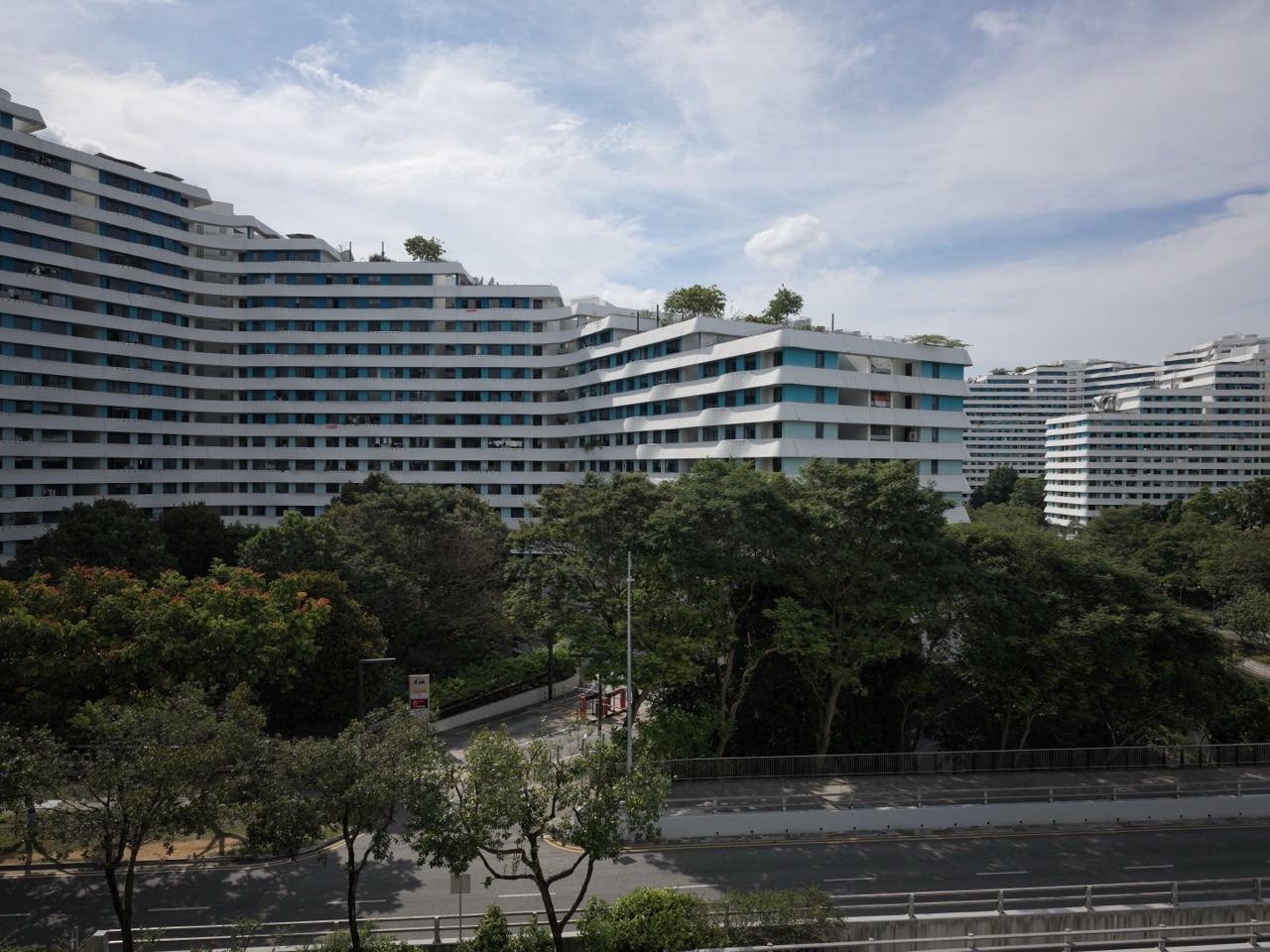
For Punggol HDB blocks, private condominiums, malls and community facilities, the correct action begins with the exact location and the responsible management body. Singapore’s SCDF Fire Code states that hose reels should be in prominent and accessible places, and that furniture, parked vehicles, loading activities and stored materials must not obstruct access or their intended coverage. A Ministry of Home Affairs parliamentary reply dated 8 September 2026 specifically named blocked fire hose reels as a fire hazard that may attract enforcement.
This guide explains the difference between a hose reel, a standby fire hose and a rising main, which observations are useful for reporting, and what residents should do if a cabinet looks broken or a corridor becomes cluttered. It is not a firefighting tutorial or an inspection certificate. When a real fire threatens anyone, the first priority is personal safety and calling 995, not investigating a cabinet.
The essential advice
- Keep hose reel cabinets and escape routes accessible; do not store shoes, cartons, bicycles or furniture in front of firefighting equipment.
- If a cabinet is broken, open unexpectedly, leaking or apparently missing a part, inform the appropriate Town Council, MCST or building manager.
- Do not pull out the hose, open the inlet valve, use the nozzle or dismantle the cabinet to check its contents.
- Photograph the outside and its obstruction from a safe public location. Include the block, level and nearest fixed landmark.
- Differentiate actual fire hose reels from dry-riser landing valves and emergency fire-hose cabinets; the operator may maintain them differently.
- If smoke or a fire is present, follow SCDF evacuation advice and call 995; never delay a safe escape to test firefighting hardware.
- Use SCDF’s official fire-safety feedback channel for a suspected unresolved fire-safety breach and retain a reference number.
1. What is a fire hose reel?
A fire hose reel is a fixed firefighting installation that holds a hose connected to a suitable water supply. It is intended for use under appropriate circumstances as part of a building’s fire-safety design. A hose reel may be contained in a red or otherwise conspicuous cabinet, mounted in a recess or placed in a designed position along a circulation route.
The SCDF Fire Code, Clause 6.2, contains provisions for hose reel systems, including siting, access and testing. These are professional design and maintenance requirements. They do not authorise a resident to perform a flow test simply because the cabinet door opens.
A visual survey may reveal whether the entrance to a cabinet is obstructed, but it cannot establish pressure, coverage or proper maintenance. An installation’s readiness requires competent inspection and testing.
2. A hose reel is not the same as a dry riser
Residents often call every red firefighting cabinet a hose reel, but the systems differ. A hose reel generally has a reel of hose intended to deliver water from an installed supply. A rising main is part of a system for supplying water to firefighters at different building levels. Depending on its design, it may have landing valves and separate fire hoses stored nearby.
SCDF’s published fire code discusses these components in related sections because their purpose is firefighting, but the equipment and procedures are different. An exposed landing valve without a rolled hose is not automatically evidence that a fire hose reel is missing.
Use the sign on the cabinet when describing it. If unsure, write ‘red fire-safety cabinet beside the Level 6 staircase appears damaged’ and let the building’s authorised fire-safety professional identify the equipment. Accurate uncertainty is more useful than a confident but wrong equipment name.
3. What counts as a blocked cabinet?
An obstruction is not limited to an object physically touching a cabinet door. A cupboard, delivery trolley, event display or stack of parcels can make it difficult to reach the equipment or deploy its hose. A door may have enough room to open a few centimetres while the equipment remains practically inaccessible.
SCDF’s Fire Code specifically addresses access to hose reels. It advises that the position should be prominent and accessible, and that parking, vehicle loading, furniture, equipment and stored materials must not obstruct normal hose use. For a busy residential or commercial development, the issue can arise temporarily during moving, renovations or deliveries.
A resident should not measure clearance with a ruler and pronounce a fire-safety certificate valid. The management body needs to decide if the equipment’s accessibility and design requirements are satisfied. The public role is to describe a genuine obstruction and request action.
4. Why corridors and escape routes matter
A fire emergency may require people to leave a building quickly. Stored items along a narrow corridor can slow escape, create combustible fuel and restrict access to firefighting equipment. These are related but distinct hazards.
SCDF’s residential-estate fire safety guidance explains the proper use of common corridors and the need to keep firefighting provisions clear. The National Fire and Emergency Preparedness Council’s HDB guidance also describes the 1.2-metre minimum clear passage for certain allowable shoe-rack arrangements.
That minimum passage rule is not permission to place a shoe rack in front of a hose reel. Access to firefighting equipment and escape routes must not be obstructed even when an item seems small or a nominal passage remains.
5. Four conditions worth reporting
The cabinet is covered by storage
A stack of boxes may hide the label or prevent the door from opening. Record the exact location and what is obstructing it. Do not open other people’s parcels or move heavy or hazardous items merely to prove that the cabinet is blocked.
The cabinet door or panel is broken
A broken hinge, shattered glass, sharp metal edge or door that cannot open normally can create a safety concern. Do not try the lock or remove the glass. Photograph what is visible from a safe point and alert the operator.
The hose or nozzle appears missing or damaged
You may see an empty holder or other unusual condition through an existing viewing window. It is appropriate to report the observation. It is not appropriate to open the case, unroll equipment or assert that the system has failed without professional verification.
The cabinet or fitting leaks
Water dripping from the cabinet or a connected pipe needs evaluation. Keep clear of pooled water and any nearby electrical hazards. Do not tighten valves or attempt a do-it-yourself plumbing repair. The responsible fire-protection contractor should assess the system.
6. The newest enforcement context
On 8 September 2026, the Ministry of Home Affairs answered a parliamentary question about flammable material accumulation in public areas. It explicitly listed blocked firefighting equipment, including hose reels, among problematic fire hazards.
The response said SCDF uses escalating enforcement, from notices for minor breaches to composition fines for more serious or repeated non-compliance, and considers prosecution in particularly egregious cases. That does not mean every misplaced carton automatically results in prosecution. The practical lesson is that obstruction should be corrected rather than treated as a harmless convenience.
Residents should avoid quoting potential penalties as a threat to a neighbour before the facts and applicable arrangements have been reviewed. A calm, precise report through the management body is usually a better first step.
7. What if a neighbour is storing boxes beside the cabinet?
The safest route depends on the situation. If there is no immediate danger, inform the responsible Town Council or building manager about the obstruction. You may also ask the neighbour politely to keep the equipment clear, but do not provoke a confrontation, damage their items or make unsupported accusations.
A household may genuinely be moving home or receiving several deliveries. That context does not erase the fire-safety concern. The management body can direct lawful removal or temporary relocation and explain the relevant common-area rules.
Avoid circulating images with residents’ faces, unit numbers on personal parcels or other private details if they are not needed to establish the obstruction. A cropped image showing the blocked cabinet and a precise location can be sufficient for a maintenance report.
8. How to make a useful report
- State the building name or Punggol HDB block and street.
- Identify the exact level, corridor, stairwell or lobby where the cabinet is located.
- Copy the label or describe the cabinet neutrally if the equipment type is uncertain.
- Describe only what you saw: items blocking access, broken hinge, shattered glass, suspected missing part or visible leak.
- Record the date, time and whether the condition remains ongoing.
- Take safe overview photographs without opening equipment or interfering with other people’s property.
- Report through the Town Council, MCST, building manager or approved fire-safety contact; use SCDF’s fire-safety feedback route if needed.
- Save the reference number and report promptly again if an urgent safety condition develops.
A useful statement is: ‘At Block [number], Level [floor], the red hose reel cabinet beside the staircase is partly concealed by stacked furniture and the door cannot be opened normally without moving the items.’ This is an example, not a report of a known defect.
9. Who should repair it?
Common fire equipment in an HDB estate
Use the relevant Town Council or designated estate-management contact. The responsible party can arrange a fire-protection contractor or refer the concern to the proper authority. Residents should not appoint their own contractor to alter common equipment.
A condominium common area
Contact the MCST or managing agent. Maintenance of shared fire-safety systems may be arranged under the development’s service contracts and fire-safety management plan. A homeowner should not change a communal cabinet because it is outside their private lot.
A shopping mall or community facility
Notify the building’s operations team or fire safety manager, if one is appointed. The correct contact may be onsite security or facilities management, but urgent fire hazards need escalation rather than routine customer-service handling.
A workplace or food establishment
Business premises may have an owner, occupier or designated fire safety manager responsible for compliance. SCDF’s Fire Code and specific applicable obligations should be assessed by qualified professionals, not the customer.
10. What should a building owner maintain?
Firefighting equipment needs appropriate inspection and servicing. The applicable code and standards include requirements for system readiness, testing and protection from damage. A hose that looks neatly rolled is not necessarily serviceable; water pressure, nozzle condition, connections and overall equipment must be checked under the correct procedures.
SCDF’s published technical notes discuss annual testing as part of maintaining hose reels in working order. The frequency and scope for an individual installation should be established by its responsible fire-safety professional under the currently applicable requirements.
A resident may ask the manager whether an observed defect has been inspected and repaired. They should not demand access to controlled test valves or perform an independent pressure test.
11. When a real fire begins
If there is a fire, smoke, unusual heat or another immediate threat, call 995 and follow SCDF emergency instructions. Leave the danger area safely, warn others without putting yourself at risk, and do not delay evacuation because someone wants to retrieve or inspect a hose reel.
SCDF’s emergency handbook explains that a person should only attempt to fight a small fire if safe and able to do so, while never endangering themselves or others. A fire hose reel is not a substitute for an evacuation plan or professional firefighting response. Different fire types can make the use of water hazardous.
Do not unroll a hose across a crowded escape route or activate equipment without understanding its safe use. In emergencies, the proper order is to protect people and obtain authorised assistance.
12. A Punggol moving-day example
A family is moving into a flat and leaves several large furniture cartons in a shared corridor while the movers carry items inside. The boxes are placed in front of a red hose reel cabinet. Another resident notes that access is obstructed and alerts the movers or building management. The cartons are shifted to an authorised location away from the equipment.
The key issue is not whether the blockage lasted ten minutes or several hours. It is that a fire could start unpredictably, and essential equipment should remain accessible. Building management can advise on proper moving arrangements and temporary holding points.
13. A resident sees a broken cabinet door
A parent notices loose glass and a cabinet door hanging partly open in a common lobby. The family keeps children away and reports the exact block and level, describing the broken material. They do not pick up glass bare-handed, inspect the hose or attempt to force the door shut.
A suitable maintenance team can isolate the hazard and decide what repair is required. The resident has contributed by observing and reporting instead of turning a cabinet condition into an improvised repair project.
14. A tenant wonders whether the hose is missing
A tenant sees a red cabinet that looks unusually empty. Before posting an allegation of theft, the tenant notes the label and asks the managing agent to check the contents and equipment history. The object might be a hose-reel installation, a standby-hose compartment or another fire-safety feature.
If a part is genuinely missing, the responsible operator can initiate a repair or replacement. The person reporting it does not need to identify a culprit or know the technical equipment specification.
15. Why access is a design problem as well as a behaviour problem
Fire code compliance is not only a matter of attaching a cabinet to a wall. The cabinet must be placed where it is accessible and its intended coverage is not undermined by barriers. Furniture layouts, tenant fit-outs, retail displays and temporary event installations can all affect actual access.
A management team may need to mark a clear zone, change storage practice or update delivery procedures. The solution is not always just reminding one resident. Proper building operation recognises recurring causes and prevents the same obstruction returning.
16. What parents can teach children
A child can learn the difference between emergency equipment and an ordinary storage cupboard. The cabinet is not a toy and should not be opened for fun. The child should know to tell an adult if something is blocking the equipment or broken nearby.
The lesson is about public responsibility: access to emergency tools matters even on days when nothing happens. A person who leaves boxes in front of a cabinet affects other families, not just their own home.
Older students can also learn that good hazard reports separate observations from assumptions. ‘The cabinet door will not open because boxes are in front’ is factual. ‘The entire firefighting system is broken’ requires professional evidence.
17. Common mistakes
- Using the hose reel to wash a corridor, vehicle or floor.
- Opening a valve or unrolling a hose to test serviceability.
- Storing items in front of the cabinet while claiming the remaining passage is wide enough.
- Removing a broken cabinet cover without authorisation.
- Confusing a standby fire hose cabinet with a hose reel and claiming a component is missing.
- Using an outdated community-room renovation plan to judge the current system.
- Confronting a neighbour aggressively rather than reporting a dangerous obstruction.
- Trying to fight an unsafe fire instead of escaping and calling 995.
Frequently asked questions
Is it illegal to put boxes in front of a hose reel?
SCDF’s Fire Code requires hose reels to remain accessible, and MHA identifies blocking firefighting equipment as a fire hazard. Actual enforcement depends on the circumstances and applicable law; do not treat any obstruction as harmless.
Can a resident use a hose reel during a fire?
SCDF provides guidance on using firefighting equipment only when it is safe to do so. For a real fire, call 995 and prioritise safety and evacuation. This article does not provide operating instructions.
Do all red fire cabinets contain the same thing?
No. Hose reels, standby fire hoses, rising-main components and other emergency facilities can be different. Read labels and ask the responsible operator to confirm.
Who handles a blocked cabinet in an HDB block?
Begin with the relevant Town Council or estate-management channel and provide the exact block and floor. Serious unresolved fire-safety concerns may be raised with SCDF.
Should I open a damaged cabinet to photograph inside?
No. Photograph the visible outside condition safely and allow the responsible professional to inspect the equipment.
Official sources and local reading
- SCDF — Fire Code Clause 6.2: Rising Mains and Hose Reels
- SCDF — Fire Safety Guidelines for Residential Estates
- Ministry of Home Affairs — Fire Hazards from Blocked Equipment (8 September 2026)
- NFEC — HDB Corridor and Fire Safety Guidance
- SCDF — Official Fire-Safety Feedback
- eduKate Punggol — Reporting Fire Hydrant Obstructions and Leaks
- eduKate Punggol — Complete Neighbourhood Guide
Reviewed 6 November 2026. This article is public safety and reporting information, not a code-compliance inspection, fire-equipment test or emergency response procedure. For an actual fire or immediate danger, call 995 and follow SCDF instructions.


