
PG3 means Posting Group 3 for initial Secondary 1 admission, while G3 Science describes the academic level of an individual subject under Singapore’s Full Subject-Based Banding system. This guide explains g3 science sound, vibrations and waves through clearly defined concepts, original examples and independent reasoning. The student should begin by identifying what the task asks, what is known, what remains uncertain and which method or evidence supports a valid answer.
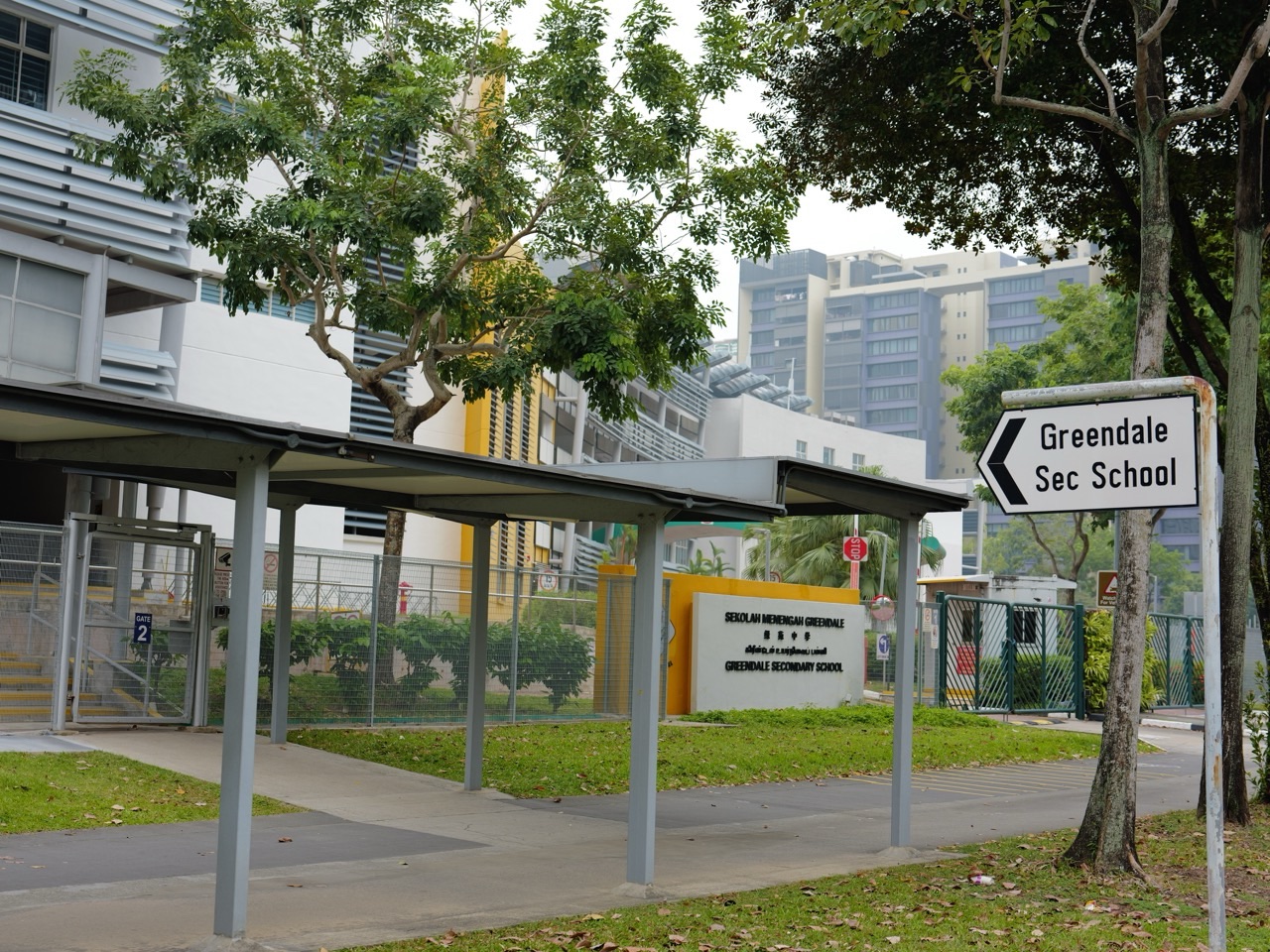
For families at Edgefield, Greendale, Punggol Secondary and Yusof Ishak Secondary, the actual school curriculum, topic order and teacher feedback take priority. The inaugural 2027 Singapore-Cambridge Secondary Education Certificate is for the graduating cohort of that year, not for a child beginning Secondary 1 in 2027. Examples in this guide are hypothetical teaching exercises and do not claim to be official school assignments or measured Punggol facts.
- Sound begins with vibration: A plucked string vibrates and produces sound. Connect the source motion to a disturbance in surrounding matter.
- Sound needs a medium: Sound passes through air, water or solids but not an ideal vacuum. Distinguish mechanical sound waves from light.
- Compression and rarefaction: Air particles oscillate around positions as sound travels. Explain energy transfer without claiming air travels all the way from source to ear.
- Frequency and pitch: A faster vibration usually corresponds to a higher pitch. Separate frequency from loudness.
- Amplitude and loudness: A larger vibration amplitude can produce a stronger sound under comparable conditions. Avoid treating amplitude and frequency as synonyms.
- Wavelength and frequency: A wave’s wavelength and frequency relate to propagation speed. Keep units and medium assumptions clear.
- Sound speed: Sound moves at different speeds in different media. Do not assume one universal speed for all conditions.
- Echoes: A reflected sound reaches a listener after a delay. Explain why distance and timing matter.
- Absorption and reflection: Soft furnishings can reduce some reflections. Avoid claiming all materials block all sound equally.
- Hearing and the ear: Vibrations reach the ear and are converted into nerve signals. Distinguish physical transmission from perception.
- Noise and wellbeing: Prolonged loud noise may harm hearing. Follow established safe-listening guidance rather than guessing a safe exposure.
- Sound measurement: Decibels describe sound levels on a logarithmic scale. Do not interpret a ten-decibel change as a simple ten-percent change.
- Fair comparisons: Two instruments are played at different distances from a meter. Identify distance as a confounding factor.
- Wave diagrams: A graph shows oscillations over time. Distinguish time period from physical wavelength.
- Punggol public spaces: A student notices louder sound near a busy path. Describe an observation without inventing official noise readings.
- Safety and modelling: A proposed demonstration involves very loud speakers. Use supervised safe simulations instead of harmful sound exposure.

1. Sound begins with vibration
The central idea in sound begins with vibration is to understand the conditions under which a claim or procedure is valid. Consider this original example: A plucked string vibrates and produces sound. Before applying a familiar rule, the pupil should state what the example means, what information is directly given and what additional detail would be needed for a stronger conclusion. This prevents the common mistake of treating a topic label as a complete explanation. In G3 Science, good work is not simply a correct-looking final sentence; the reasoning should be visible, appropriately qualified and connected to the actual question.
A useful teaching conversation starts with the literal information. Which words, quantities, observations or relationships are present? Which ones are assumptions made by the reader? If the example contains numbers, check their units and whether they describe a rate, total, difference or proportion. If it contains a scientific model, identify what the model represents and leaves out. If it concerns language or a geographic claim, consider audience, context, time and scale. The same question can have a different answer when an important condition changes, so the child should be able to name the condition before calculating or interpreting.
The independent exercise is: Connect the source motion to a disturbance in surrounding matter. Ask the teenager to attempt this without a model answer in view. The result should include not only the conclusion but an explanation of why it follows. If the child hesitates, offer one smaller example rather than the final answer. Then ask them to reconstruct the principle. An answer that can only be repeated immediately after coaching may indicate short-term familiarity rather than mastery. A new scenario, with one meaningful change, gives a better test of whether the student can transfer the idea to unfamiliar questions.
A common error is to generalise too far. One example may suggest a pattern without proving that it always holds; a diagram may simplify reality; and a correct formula may still be inappropriate if the situation’s assumptions differ. Compare this topic with sound needs a medium and identify which reasoning steps remain useful and which require revision. Ask the learner to explain a tempting incorrect answer as well as the correct one. Understanding why the alternative fails can be more educational than repeating the correct wording many times, because it exposes the boundary of the concept.
For home practice, choose one real school question connected to this idea and identify the first unsupported step in the child’s response. Discuss the correct principle and allow a new independent attempt. Revisit it several days later with different surface details, then record one improvement and one remaining question. Keep the session proportionate to homework, co-curricular activities and rest. A teacher or qualified tutor can help when a specific misconception persists, but additional worksheets alone do not guarantee understanding. The desired outcome is a learner who can justify an answer without depending on the last worked example.
2. Sound needs a medium
The central idea in sound needs a medium is to understand the conditions under which a claim or procedure is valid. Consider this original example: Sound passes through air, water or solids but not an ideal vacuum. Before applying a familiar rule, the pupil should state what the example means, what information is directly given and what additional detail would be needed for a stronger conclusion. This prevents the common mistake of treating a topic label as a complete explanation. In G3 Science, good work is not simply a correct-looking final sentence; the reasoning should be visible, appropriately qualified and connected to the actual question.
A useful teaching conversation starts with the literal information. Which words, quantities, observations or relationships are present? Which ones are assumptions made by the reader? If the example contains numbers, check their units and whether they describe a rate, total, difference or proportion. If it contains a scientific model, identify what the model represents and leaves out. If it concerns language or a geographic claim, consider audience, context, time and scale. The same question can have a different answer when an important condition changes, so the child should be able to name the condition before calculating or interpreting.
The independent exercise is: Distinguish mechanical sound waves from light. Ask the teenager to attempt this without a model answer in view. The result should include not only the conclusion but an explanation of why it follows. If the child hesitates, offer one smaller example rather than the final answer. Then ask them to reconstruct the principle. An answer that can only be repeated immediately after coaching may indicate short-term familiarity rather than mastery. A new scenario, with one meaningful change, gives a better test of whether the student can transfer the idea to unfamiliar questions.
A common error is to generalise too far. One example may suggest a pattern without proving that it always holds; a diagram may simplify reality; and a correct formula may still be inappropriate if the situation’s assumptions differ. Compare this topic with compression and rarefaction and identify which reasoning steps remain useful and which require revision. Ask the learner to explain a tempting incorrect answer as well as the correct one. Understanding why the alternative fails can be more educational than repeating the correct wording many times, because it exposes the boundary of the concept.
For home practice, choose one real school question connected to this idea and identify the first unsupported step in the child’s response. Discuss the correct principle and allow a new independent attempt. Revisit it several days later with different surface details, then record one improvement and one remaining question. Keep the session proportionate to homework, co-curricular activities and rest. A teacher or qualified tutor can help when a specific misconception persists, but additional worksheets alone do not guarantee understanding. The desired outcome is a learner who can justify an answer without depending on the last worked example.
3. Compression and rarefaction
The central idea in compression and rarefaction is to understand the conditions under which a claim or procedure is valid. Consider this original example: Air particles oscillate around positions as sound travels. Before applying a familiar rule, the pupil should state what the example means, what information is directly given and what additional detail would be needed for a stronger conclusion. This prevents the common mistake of treating a topic label as a complete explanation. In G3 Science, good work is not simply a correct-looking final sentence; the reasoning should be visible, appropriately qualified and connected to the actual question.
A useful teaching conversation starts with the literal information. Which words, quantities, observations or relationships are present? Which ones are assumptions made by the reader? If the example contains numbers, check their units and whether they describe a rate, total, difference or proportion. If it contains a scientific model, identify what the model represents and leaves out. If it concerns language or a geographic claim, consider audience, context, time and scale. The same question can have a different answer when an important condition changes, so the child should be able to name the condition before calculating or interpreting.
The independent exercise is: Explain energy transfer without claiming air travels all the way from source to ear. Ask the teenager to attempt this without a model answer in view. The result should include not only the conclusion but an explanation of why it follows. If the child hesitates, offer one smaller example rather than the final answer. Then ask them to reconstruct the principle. An answer that can only be repeated immediately after coaching may indicate short-term familiarity rather than mastery. A new scenario, with one meaningful change, gives a better test of whether the student can transfer the idea to unfamiliar questions.
A common error is to generalise too far. One example may suggest a pattern without proving that it always holds; a diagram may simplify reality; and a correct formula may still be inappropriate if the situation’s assumptions differ. Compare this topic with frequency and pitch and identify which reasoning steps remain useful and which require revision. Ask the learner to explain a tempting incorrect answer as well as the correct one. Understanding why the alternative fails can be more educational than repeating the correct wording many times, because it exposes the boundary of the concept.
For home practice, choose one real school question connected to this idea and identify the first unsupported step in the child’s response. Discuss the correct principle and allow a new independent attempt. Revisit it several days later with different surface details, then record one improvement and one remaining question. Keep the session proportionate to homework, co-curricular activities and rest. A teacher or qualified tutor can help when a specific misconception persists, but additional worksheets alone do not guarantee understanding. The desired outcome is a learner who can justify an answer without depending on the last worked example.
4. Frequency and pitch
The central idea in frequency and pitch is to understand the conditions under which a claim or procedure is valid. Consider this original example: A faster vibration usually corresponds to a higher pitch. Before applying a familiar rule, the pupil should state what the example means, what information is directly given and what additional detail would be needed for a stronger conclusion. This prevents the common mistake of treating a topic label as a complete explanation. In G3 Science, good work is not simply a correct-looking final sentence; the reasoning should be visible, appropriately qualified and connected to the actual question.
A useful teaching conversation starts with the literal information. Which words, quantities, observations or relationships are present? Which ones are assumptions made by the reader? If the example contains numbers, check their units and whether they describe a rate, total, difference or proportion. If it contains a scientific model, identify what the model represents and leaves out. If it concerns language or a geographic claim, consider audience, context, time and scale. The same question can have a different answer when an important condition changes, so the child should be able to name the condition before calculating or interpreting.
The independent exercise is: Separate frequency from loudness. Ask the teenager to attempt this without a model answer in view. The result should include not only the conclusion but an explanation of why it follows. If the child hesitates, offer one smaller example rather than the final answer. Then ask them to reconstruct the principle. An answer that can only be repeated immediately after coaching may indicate short-term familiarity rather than mastery. A new scenario, with one meaningful change, gives a better test of whether the student can transfer the idea to unfamiliar questions.
A common error is to generalise too far. One example may suggest a pattern without proving that it always holds; a diagram may simplify reality; and a correct formula may still be inappropriate if the situation’s assumptions differ. Compare this topic with amplitude and loudness and identify which reasoning steps remain useful and which require revision. Ask the learner to explain a tempting incorrect answer as well as the correct one. Understanding why the alternative fails can be more educational than repeating the correct wording many times, because it exposes the boundary of the concept.
For home practice, choose one real school question connected to this idea and identify the first unsupported step in the child’s response. Discuss the correct principle and allow a new independent attempt. Revisit it several days later with different surface details, then record one improvement and one remaining question. Keep the session proportionate to homework, co-curricular activities and rest. A teacher or qualified tutor can help when a specific misconception persists, but additional worksheets alone do not guarantee understanding. The desired outcome is a learner who can justify an answer without depending on the last worked example.
5. Amplitude and loudness
The central idea in amplitude and loudness is to understand the conditions under which a claim or procedure is valid. Consider this original example: A larger vibration amplitude can produce a stronger sound under comparable conditions. Before applying a familiar rule, the pupil should state what the example means, what information is directly given and what additional detail would be needed for a stronger conclusion. This prevents the common mistake of treating a topic label as a complete explanation. In G3 Science, good work is not simply a correct-looking final sentence; the reasoning should be visible, appropriately qualified and connected to the actual question.
A useful teaching conversation starts with the literal information. Which words, quantities, observations or relationships are present? Which ones are assumptions made by the reader? If the example contains numbers, check their units and whether they describe a rate, total, difference or proportion. If it contains a scientific model, identify what the model represents and leaves out. If it concerns language or a geographic claim, consider audience, context, time and scale. The same question can have a different answer when an important condition changes, so the child should be able to name the condition before calculating or interpreting.
The independent exercise is: Avoid treating amplitude and frequency as synonyms. Ask the teenager to attempt this without a model answer in view. The result should include not only the conclusion but an explanation of why it follows. If the child hesitates, offer one smaller example rather than the final answer. Then ask them to reconstruct the principle. An answer that can only be repeated immediately after coaching may indicate short-term familiarity rather than mastery. A new scenario, with one meaningful change, gives a better test of whether the student can transfer the idea to unfamiliar questions.
A common error is to generalise too far. One example may suggest a pattern without proving that it always holds; a diagram may simplify reality; and a correct formula may still be inappropriate if the situation’s assumptions differ. Compare this topic with wavelength and frequency and identify which reasoning steps remain useful and which require revision. Ask the learner to explain a tempting incorrect answer as well as the correct one. Understanding why the alternative fails can be more educational than repeating the correct wording many times, because it exposes the boundary of the concept.
For home practice, choose one real school question connected to this idea and identify the first unsupported step in the child’s response. Discuss the correct principle and allow a new independent attempt. Revisit it several days later with different surface details, then record one improvement and one remaining question. Keep the session proportionate to homework, co-curricular activities and rest. A teacher or qualified tutor can help when a specific misconception persists, but additional worksheets alone do not guarantee understanding. The desired outcome is a learner who can justify an answer without depending on the last worked example.
6. Wavelength and frequency
The central idea in wavelength and frequency is to understand the conditions under which a claim or procedure is valid. Consider this original example: A wave’s wavelength and frequency relate to propagation speed. Before applying a familiar rule, the pupil should state what the example means, what information is directly given and what additional detail would be needed for a stronger conclusion. This prevents the common mistake of treating a topic label as a complete explanation. In G3 Science, good work is not simply a correct-looking final sentence; the reasoning should be visible, appropriately qualified and connected to the actual question.
A useful teaching conversation starts with the literal information. Which words, quantities, observations or relationships are present? Which ones are assumptions made by the reader? If the example contains numbers, check their units and whether they describe a rate, total, difference or proportion. If it contains a scientific model, identify what the model represents and leaves out. If it concerns language or a geographic claim, consider audience, context, time and scale. The same question can have a different answer when an important condition changes, so the child should be able to name the condition before calculating or interpreting.
The independent exercise is: Keep units and medium assumptions clear. Ask the teenager to attempt this without a model answer in view. The result should include not only the conclusion but an explanation of why it follows. If the child hesitates, offer one smaller example rather than the final answer. Then ask them to reconstruct the principle. An answer that can only be repeated immediately after coaching may indicate short-term familiarity rather than mastery. A new scenario, with one meaningful change, gives a better test of whether the student can transfer the idea to unfamiliar questions.
A common error is to generalise too far. One example may suggest a pattern without proving that it always holds; a diagram may simplify reality; and a correct formula may still be inappropriate if the situation’s assumptions differ. Compare this topic with sound speed and identify which reasoning steps remain useful and which require revision. Ask the learner to explain a tempting incorrect answer as well as the correct one. Understanding why the alternative fails can be more educational than repeating the correct wording many times, because it exposes the boundary of the concept.
For home practice, choose one real school question connected to this idea and identify the first unsupported step in the child’s response. Discuss the correct principle and allow a new independent attempt. Revisit it several days later with different surface details, then record one improvement and one remaining question. Keep the session proportionate to homework, co-curricular activities and rest. A teacher or qualified tutor can help when a specific misconception persists, but additional worksheets alone do not guarantee understanding. The desired outcome is a learner who can justify an answer without depending on the last worked example.
7. Sound speed
The central idea in sound speed is to understand the conditions under which a claim or procedure is valid. Consider this original example: Sound moves at different speeds in different media. Before applying a familiar rule, the pupil should state what the example means, what information is directly given and what additional detail would be needed for a stronger conclusion. This prevents the common mistake of treating a topic label as a complete explanation. In G3 Science, good work is not simply a correct-looking final sentence; the reasoning should be visible, appropriately qualified and connected to the actual question.
A useful teaching conversation starts with the literal information. Which words, quantities, observations or relationships are present? Which ones are assumptions made by the reader? If the example contains numbers, check their units and whether they describe a rate, total, difference or proportion. If it contains a scientific model, identify what the model represents and leaves out. If it concerns language or a geographic claim, consider audience, context, time and scale. The same question can have a different answer when an important condition changes, so the child should be able to name the condition before calculating or interpreting.
The independent exercise is: Do not assume one universal speed for all conditions. Ask the teenager to attempt this without a model answer in view. The result should include not only the conclusion but an explanation of why it follows. If the child hesitates, offer one smaller example rather than the final answer. Then ask them to reconstruct the principle. An answer that can only be repeated immediately after coaching may indicate short-term familiarity rather than mastery. A new scenario, with one meaningful change, gives a better test of whether the student can transfer the idea to unfamiliar questions.
A common error is to generalise too far. One example may suggest a pattern without proving that it always holds; a diagram may simplify reality; and a correct formula may still be inappropriate if the situation’s assumptions differ. Compare this topic with echoes and identify which reasoning steps remain useful and which require revision. Ask the learner to explain a tempting incorrect answer as well as the correct one. Understanding why the alternative fails can be more educational than repeating the correct wording many times, because it exposes the boundary of the concept.
For home practice, choose one real school question connected to this idea and identify the first unsupported step in the child’s response. Discuss the correct principle and allow a new independent attempt. Revisit it several days later with different surface details, then record one improvement and one remaining question. Keep the session proportionate to homework, co-curricular activities and rest. A teacher or qualified tutor can help when a specific misconception persists, but additional worksheets alone do not guarantee understanding. The desired outcome is a learner who can justify an answer without depending on the last worked example.
8. Echoes
The central idea in echoes is to understand the conditions under which a claim or procedure is valid. Consider this original example: A reflected sound reaches a listener after a delay. Before applying a familiar rule, the pupil should state what the example means, what information is directly given and what additional detail would be needed for a stronger conclusion. This prevents the common mistake of treating a topic label as a complete explanation. In G3 Science, good work is not simply a correct-looking final sentence; the reasoning should be visible, appropriately qualified and connected to the actual question.
A useful teaching conversation starts with the literal information. Which words, quantities, observations or relationships are present? Which ones are assumptions made by the reader? If the example contains numbers, check their units and whether they describe a rate, total, difference or proportion. If it contains a scientific model, identify what the model represents and leaves out. If it concerns language or a geographic claim, consider audience, context, time and scale. The same question can have a different answer when an important condition changes, so the child should be able to name the condition before calculating or interpreting.
The independent exercise is: Explain why distance and timing matter. Ask the teenager to attempt this without a model answer in view. The result should include not only the conclusion but an explanation of why it follows. If the child hesitates, offer one smaller example rather than the final answer. Then ask them to reconstruct the principle. An answer that can only be repeated immediately after coaching may indicate short-term familiarity rather than mastery. A new scenario, with one meaningful change, gives a better test of whether the student can transfer the idea to unfamiliar questions.
A common error is to generalise too far. One example may suggest a pattern without proving that it always holds; a diagram may simplify reality; and a correct formula may still be inappropriate if the situation’s assumptions differ. Compare this topic with absorption and reflection and identify which reasoning steps remain useful and which require revision. Ask the learner to explain a tempting incorrect answer as well as the correct one. Understanding why the alternative fails can be more educational than repeating the correct wording many times, because it exposes the boundary of the concept.
For home practice, choose one real school question connected to this idea and identify the first unsupported step in the child’s response. Discuss the correct principle and allow a new independent attempt. Revisit it several days later with different surface details, then record one improvement and one remaining question. Keep the session proportionate to homework, co-curricular activities and rest. A teacher or qualified tutor can help when a specific misconception persists, but additional worksheets alone do not guarantee understanding. The desired outcome is a learner who can justify an answer without depending on the last worked example.
9. Absorption and reflection
The central idea in absorption and reflection is to understand the conditions under which a claim or procedure is valid. Consider this original example: Soft furnishings can reduce some reflections. Before applying a familiar rule, the pupil should state what the example means, what information is directly given and what additional detail would be needed for a stronger conclusion. This prevents the common mistake of treating a topic label as a complete explanation. In G3 Science, good work is not simply a correct-looking final sentence; the reasoning should be visible, appropriately qualified and connected to the actual question.
A useful teaching conversation starts with the literal information. Which words, quantities, observations or relationships are present? Which ones are assumptions made by the reader? If the example contains numbers, check their units and whether they describe a rate, total, difference or proportion. If it contains a scientific model, identify what the model represents and leaves out. If it concerns language or a geographic claim, consider audience, context, time and scale. The same question can have a different answer when an important condition changes, so the child should be able to name the condition before calculating or interpreting.
The independent exercise is: Avoid claiming all materials block all sound equally. Ask the teenager to attempt this without a model answer in view. The result should include not only the conclusion but an explanation of why it follows. If the child hesitates, offer one smaller example rather than the final answer. Then ask them to reconstruct the principle. An answer that can only be repeated immediately after coaching may indicate short-term familiarity rather than mastery. A new scenario, with one meaningful change, gives a better test of whether the student can transfer the idea to unfamiliar questions.
A common error is to generalise too far. One example may suggest a pattern without proving that it always holds; a diagram may simplify reality; and a correct formula may still be inappropriate if the situation’s assumptions differ. Compare this topic with hearing and the ear and identify which reasoning steps remain useful and which require revision. Ask the learner to explain a tempting incorrect answer as well as the correct one. Understanding why the alternative fails can be more educational than repeating the correct wording many times, because it exposes the boundary of the concept.
For home practice, choose one real school question connected to this idea and identify the first unsupported step in the child’s response. Discuss the correct principle and allow a new independent attempt. Revisit it several days later with different surface details, then record one improvement and one remaining question. Keep the session proportionate to homework, co-curricular activities and rest. A teacher or qualified tutor can help when a specific misconception persists, but additional worksheets alone do not guarantee understanding. The desired outcome is a learner who can justify an answer without depending on the last worked example.
10. Hearing and the ear
The central idea in hearing and the ear is to understand the conditions under which a claim or procedure is valid. Consider this original example: Vibrations reach the ear and are converted into nerve signals. Before applying a familiar rule, the pupil should state what the example means, what information is directly given and what additional detail would be needed for a stronger conclusion. This prevents the common mistake of treating a topic label as a complete explanation. In G3 Science, good work is not simply a correct-looking final sentence; the reasoning should be visible, appropriately qualified and connected to the actual question.
A useful teaching conversation starts with the literal information. Which words, quantities, observations or relationships are present? Which ones are assumptions made by the reader? If the example contains numbers, check their units and whether they describe a rate, total, difference or proportion. If it contains a scientific model, identify what the model represents and leaves out. If it concerns language or a geographic claim, consider audience, context, time and scale. The same question can have a different answer when an important condition changes, so the child should be able to name the condition before calculating or interpreting.
The independent exercise is: Distinguish physical transmission from perception. Ask the teenager to attempt this without a model answer in view. The result should include not only the conclusion but an explanation of why it follows. If the child hesitates, offer one smaller example rather than the final answer. Then ask them to reconstruct the principle. An answer that can only be repeated immediately after coaching may indicate short-term familiarity rather than mastery. A new scenario, with one meaningful change, gives a better test of whether the student can transfer the idea to unfamiliar questions.
A common error is to generalise too far. One example may suggest a pattern without proving that it always holds; a diagram may simplify reality; and a correct formula may still be inappropriate if the situation’s assumptions differ. Compare this topic with noise and wellbeing and identify which reasoning steps remain useful and which require revision. Ask the learner to explain a tempting incorrect answer as well as the correct one. Understanding why the alternative fails can be more educational than repeating the correct wording many times, because it exposes the boundary of the concept.
For home practice, choose one real school question connected to this idea and identify the first unsupported step in the child’s response. Discuss the correct principle and allow a new independent attempt. Revisit it several days later with different surface details, then record one improvement and one remaining question. Keep the session proportionate to homework, co-curricular activities and rest. A teacher or qualified tutor can help when a specific misconception persists, but additional worksheets alone do not guarantee understanding. The desired outcome is a learner who can justify an answer without depending on the last worked example.
11. Noise and wellbeing
The central idea in noise and wellbeing is to understand the conditions under which a claim or procedure is valid. Consider this original example: Prolonged loud noise may harm hearing. Before applying a familiar rule, the pupil should state what the example means, what information is directly given and what additional detail would be needed for a stronger conclusion. This prevents the common mistake of treating a topic label as a complete explanation. In G3 Science, good work is not simply a correct-looking final sentence; the reasoning should be visible, appropriately qualified and connected to the actual question.
A useful teaching conversation starts with the literal information. Which words, quantities, observations or relationships are present? Which ones are assumptions made by the reader? If the example contains numbers, check their units and whether they describe a rate, total, difference or proportion. If it contains a scientific model, identify what the model represents and leaves out. If it concerns language or a geographic claim, consider audience, context, time and scale. The same question can have a different answer when an important condition changes, so the child should be able to name the condition before calculating or interpreting.
The independent exercise is: Follow established safe-listening guidance rather than guessing a safe exposure. Ask the teenager to attempt this without a model answer in view. The result should include not only the conclusion but an explanation of why it follows. If the child hesitates, offer one smaller example rather than the final answer. Then ask them to reconstruct the principle. An answer that can only be repeated immediately after coaching may indicate short-term familiarity rather than mastery. A new scenario, with one meaningful change, gives a better test of whether the student can transfer the idea to unfamiliar questions.
A common error is to generalise too far. One example may suggest a pattern without proving that it always holds; a diagram may simplify reality; and a correct formula may still be inappropriate if the situation’s assumptions differ. Compare this topic with sound measurement and identify which reasoning steps remain useful and which require revision. Ask the learner to explain a tempting incorrect answer as well as the correct one. Understanding why the alternative fails can be more educational than repeating the correct wording many times, because it exposes the boundary of the concept.
For home practice, choose one real school question connected to this idea and identify the first unsupported step in the child’s response. Discuss the correct principle and allow a new independent attempt. Revisit it several days later with different surface details, then record one improvement and one remaining question. Keep the session proportionate to homework, co-curricular activities and rest. A teacher or qualified tutor can help when a specific misconception persists, but additional worksheets alone do not guarantee understanding. The desired outcome is a learner who can justify an answer without depending on the last worked example.
12. Sound measurement
The central idea in sound measurement is to understand the conditions under which a claim or procedure is valid. Consider this original example: Decibels describe sound levels on a logarithmic scale. Before applying a familiar rule, the pupil should state what the example means, what information is directly given and what additional detail would be needed for a stronger conclusion. This prevents the common mistake of treating a topic label as a complete explanation. In G3 Science, good work is not simply a correct-looking final sentence; the reasoning should be visible, appropriately qualified and connected to the actual question.
A useful teaching conversation starts with the literal information. Which words, quantities, observations or relationships are present? Which ones are assumptions made by the reader? If the example contains numbers, check their units and whether they describe a rate, total, difference or proportion. If it contains a scientific model, identify what the model represents and leaves out. If it concerns language or a geographic claim, consider audience, context, time and scale. The same question can have a different answer when an important condition changes, so the child should be able to name the condition before calculating or interpreting.
The independent exercise is: Do not interpret a ten-decibel change as a simple ten-percent change. Ask the teenager to attempt this without a model answer in view. The result should include not only the conclusion but an explanation of why it follows. If the child hesitates, offer one smaller example rather than the final answer. Then ask them to reconstruct the principle. An answer that can only be repeated immediately after coaching may indicate short-term familiarity rather than mastery. A new scenario, with one meaningful change, gives a better test of whether the student can transfer the idea to unfamiliar questions.
A common error is to generalise too far. One example may suggest a pattern without proving that it always holds; a diagram may simplify reality; and a correct formula may still be inappropriate if the situation’s assumptions differ. Compare this topic with fair comparisons and identify which reasoning steps remain useful and which require revision. Ask the learner to explain a tempting incorrect answer as well as the correct one. Understanding why the alternative fails can be more educational than repeating the correct wording many times, because it exposes the boundary of the concept.
For home practice, choose one real school question connected to this idea and identify the first unsupported step in the child’s response. Discuss the correct principle and allow a new independent attempt. Revisit it several days later with different surface details, then record one improvement and one remaining question. Keep the session proportionate to homework, co-curricular activities and rest. A teacher or qualified tutor can help when a specific misconception persists, but additional worksheets alone do not guarantee understanding. The desired outcome is a learner who can justify an answer without depending on the last worked example.
13. Fair comparisons
The central idea in fair comparisons is to understand the conditions under which a claim or procedure is valid. Consider this original example: Two instruments are played at different distances from a meter. Before applying a familiar rule, the pupil should state what the example means, what information is directly given and what additional detail would be needed for a stronger conclusion. This prevents the common mistake of treating a topic label as a complete explanation. In G3 Science, good work is not simply a correct-looking final sentence; the reasoning should be visible, appropriately qualified and connected to the actual question.
A useful teaching conversation starts with the literal information. Which words, quantities, observations or relationships are present? Which ones are assumptions made by the reader? If the example contains numbers, check their units and whether they describe a rate, total, difference or proportion. If it contains a scientific model, identify what the model represents and leaves out. If it concerns language or a geographic claim, consider audience, context, time and scale. The same question can have a different answer when an important condition changes, so the child should be able to name the condition before calculating or interpreting.
The independent exercise is: Identify distance as a confounding factor. Ask the teenager to attempt this without a model answer in view. The result should include not only the conclusion but an explanation of why it follows. If the child hesitates, offer one smaller example rather than the final answer. Then ask them to reconstruct the principle. An answer that can only be repeated immediately after coaching may indicate short-term familiarity rather than mastery. A new scenario, with one meaningful change, gives a better test of whether the student can transfer the idea to unfamiliar questions.
A common error is to generalise too far. One example may suggest a pattern without proving that it always holds; a diagram may simplify reality; and a correct formula may still be inappropriate if the situation’s assumptions differ. Compare this topic with wave diagrams and identify which reasoning steps remain useful and which require revision. Ask the learner to explain a tempting incorrect answer as well as the correct one. Understanding why the alternative fails can be more educational than repeating the correct wording many times, because it exposes the boundary of the concept.
For home practice, choose one real school question connected to this idea and identify the first unsupported step in the child’s response. Discuss the correct principle and allow a new independent attempt. Revisit it several days later with different surface details, then record one improvement and one remaining question. Keep the session proportionate to homework, co-curricular activities and rest. A teacher or qualified tutor can help when a specific misconception persists, but additional worksheets alone do not guarantee understanding. The desired outcome is a learner who can justify an answer without depending on the last worked example.
14. Wave diagrams
The central idea in wave diagrams is to understand the conditions under which a claim or procedure is valid. Consider this original example: A graph shows oscillations over time. Before applying a familiar rule, the pupil should state what the example means, what information is directly given and what additional detail would be needed for a stronger conclusion. This prevents the common mistake of treating a topic label as a complete explanation. In G3 Science, good work is not simply a correct-looking final sentence; the reasoning should be visible, appropriately qualified and connected to the actual question.
A useful teaching conversation starts with the literal information. Which words, quantities, observations or relationships are present? Which ones are assumptions made by the reader? If the example contains numbers, check their units and whether they describe a rate, total, difference or proportion. If it contains a scientific model, identify what the model represents and leaves out. If it concerns language or a geographic claim, consider audience, context, time and scale. The same question can have a different answer when an important condition changes, so the child should be able to name the condition before calculating or interpreting.
The independent exercise is: Distinguish time period from physical wavelength. Ask the teenager to attempt this without a model answer in view. The result should include not only the conclusion but an explanation of why it follows. If the child hesitates, offer one smaller example rather than the final answer. Then ask them to reconstruct the principle. An answer that can only be repeated immediately after coaching may indicate short-term familiarity rather than mastery. A new scenario, with one meaningful change, gives a better test of whether the student can transfer the idea to unfamiliar questions.
A common error is to generalise too far. One example may suggest a pattern without proving that it always holds; a diagram may simplify reality; and a correct formula may still be inappropriate if the situation’s assumptions differ. Compare this topic with punggol public spaces and identify which reasoning steps remain useful and which require revision. Ask the learner to explain a tempting incorrect answer as well as the correct one. Understanding why the alternative fails can be more educational than repeating the correct wording many times, because it exposes the boundary of the concept.
For home practice, choose one real school question connected to this idea and identify the first unsupported step in the child’s response. Discuss the correct principle and allow a new independent attempt. Revisit it several days later with different surface details, then record one improvement and one remaining question. Keep the session proportionate to homework, co-curricular activities and rest. A teacher or qualified tutor can help when a specific misconception persists, but additional worksheets alone do not guarantee understanding. The desired outcome is a learner who can justify an answer without depending on the last worked example.
15. Punggol public spaces
The central idea in punggol public spaces is to understand the conditions under which a claim or procedure is valid. Consider this original example: A student notices louder sound near a busy path. Before applying a familiar rule, the pupil should state what the example means, what information is directly given and what additional detail would be needed for a stronger conclusion. This prevents the common mistake of treating a topic label as a complete explanation. In G3 Science, good work is not simply a correct-looking final sentence; the reasoning should be visible, appropriately qualified and connected to the actual question.
A useful teaching conversation starts with the literal information. Which words, quantities, observations or relationships are present? Which ones are assumptions made by the reader? If the example contains numbers, check their units and whether they describe a rate, total, difference or proportion. If it contains a scientific model, identify what the model represents and leaves out. If it concerns language or a geographic claim, consider audience, context, time and scale. The same question can have a different answer when an important condition changes, so the child should be able to name the condition before calculating or interpreting.
The independent exercise is: Describe an observation without inventing official noise readings. Ask the teenager to attempt this without a model answer in view. The result should include not only the conclusion but an explanation of why it follows. If the child hesitates, offer one smaller example rather than the final answer. Then ask them to reconstruct the principle. An answer that can only be repeated immediately after coaching may indicate short-term familiarity rather than mastery. A new scenario, with one meaningful change, gives a better test of whether the student can transfer the idea to unfamiliar questions.
A common error is to generalise too far. One example may suggest a pattern without proving that it always holds; a diagram may simplify reality; and a correct formula may still be inappropriate if the situation’s assumptions differ. Compare this topic with safety and modelling and identify which reasoning steps remain useful and which require revision. Ask the learner to explain a tempting incorrect answer as well as the correct one. Understanding why the alternative fails can be more educational than repeating the correct wording many times, because it exposes the boundary of the concept.
For home practice, choose one real school question connected to this idea and identify the first unsupported step in the child’s response. Discuss the correct principle and allow a new independent attempt. Revisit it several days later with different surface details, then record one improvement and one remaining question. Keep the session proportionate to homework, co-curricular activities and rest. A teacher or qualified tutor can help when a specific misconception persists, but additional worksheets alone do not guarantee understanding. The desired outcome is a learner who can justify an answer without depending on the last worked example.
16. Safety and modelling
The central idea in safety and modelling is to understand the conditions under which a claim or procedure is valid. Consider this original example: A proposed demonstration involves very loud speakers. Before applying a familiar rule, the pupil should state what the example means, what information is directly given and what additional detail would be needed for a stronger conclusion. This prevents the common mistake of treating a topic label as a complete explanation. In G3 Science, good work is not simply a correct-looking final sentence; the reasoning should be visible, appropriately qualified and connected to the actual question.
A useful teaching conversation starts with the literal information. Which words, quantities, observations or relationships are present? Which ones are assumptions made by the reader? If the example contains numbers, check their units and whether they describe a rate, total, difference or proportion. If it contains a scientific model, identify what the model represents and leaves out. If it concerns language or a geographic claim, consider audience, context, time and scale. The same question can have a different answer when an important condition changes, so the child should be able to name the condition before calculating or interpreting.
The independent exercise is: Use supervised safe simulations instead of harmful sound exposure. Ask the teenager to attempt this without a model answer in view. The result should include not only the conclusion but an explanation of why it follows. If the child hesitates, offer one smaller example rather than the final answer. Then ask them to reconstruct the principle. An answer that can only be repeated immediately after coaching may indicate short-term familiarity rather than mastery. A new scenario, with one meaningful change, gives a better test of whether the student can transfer the idea to unfamiliar questions.
A common error is to generalise too far. One example may suggest a pattern without proving that it always holds; a diagram may simplify reality; and a correct formula may still be inappropriate if the situation’s assumptions differ. Compare this topic with sound begins with vibration and identify which reasoning steps remain useful and which require revision. Ask the learner to explain a tempting incorrect answer as well as the correct one. Understanding why the alternative fails can be more educational than repeating the correct wording many times, because it exposes the boundary of the concept.
For home practice, choose one real school question connected to this idea and identify the first unsupported step in the child’s response. Discuss the correct principle and allow a new independent attempt. Revisit it several days later with different surface details, then record one improvement and one remaining question. Keep the session proportionate to homework, co-curricular activities and rest. A teacher or qualified tutor can help when a specific misconception persists, but additional worksheets alone do not guarantee understanding. The desired outcome is a learner who can justify an answer without depending on the last worked example.
Four-week learning plan
Week 1: Diagnose
Review two marked tasks and identify the earliest incorrect assumption, reading or calculation. The plan should follow the student’s actual G3 Science year level and school workload. A manageable sequence of precise corrections is preferable to racing through every later-year topic. Discuss persistent needs with the school teacher.
Week 2: Explain
Teach one principle with a clean example and contrast it with a case where the same shortcut fails. The plan should follow the student’s actual G3 Science year level and school workload. A manageable sequence of precise corrections is preferable to racing through every later-year topic. Discuss persistent needs with the school teacher.
Week 3: Transfer
Provide an unfamiliar problem without hints and ask the student to justify the method. The plan should follow the student’s actual G3 Science year level and school workload. A manageable sequence of precise corrections is preferable to racing through every later-year topic. Discuss persistent needs with the school teacher.
Week 4: Review
Repeat after a delay and compare independent work with the original school response. The plan should follow the student’s actual G3 Science year level and school workload. A manageable sequence of precise corrections is preferable to racing through every later-year topic. Discuss persistent needs with the school teacher.
Frequently asked questions
Is PG3 the same as G3?
No. PG3 is an initial Secondary 1 posting group, while G3 is an individual academic subject level.
Does every Punggol school teach the same topic in the same week?
Not necessarily. Follow the actual school’s curriculum and teacher instructions.
Does the inaugural 2027 SEC apply immediately to a Secondary 1 entrant?
No. The 2027 SEC is for the graduating cohort of that year. Incoming Secondary 1 students follow lower-secondary learning first.
Can parents use hypothetical local examples?
Yes, when clearly labelled. Do not present invented school activities, statistics or environmental measurements as real facts.
How do we know whether a correction worked?
Use a new independent task after several days and ask the learner to explain why the answer is valid.
Is tuition automatically required?
No. Additional teaching should address a defined need and fit the child’s wellbeing and school schedule.
Your next step
Choose one recent G3 Science question, locate the first misunderstanding and explain the missing concept. Test a fresh example after several days without hints. Prioritise the child’s actual school syllabus and feedback.
Official references and connected learning
MOE Full Subject-Based Banding · MOE secondary education · SEAB SEC framework · eduKateSG Clementi teaching reference.
Independent education guide. Examples are original illustrations, not official examination questions or guarantees of results.


