
PG3 is Posting Group 3 for Secondary 1 admission, while G3 Science is an individual academic subject level under Full Subject-Based Banding. This guide teaches g3 science light, reflection and refraction through first principles, precise definitions, original worked situations and independent correction. The immediate priority is to understand what a question asks, identify the evidence or mathematical relationship that matters, and explain why a response is justified rather than repeat a memorised formula or paragraph.
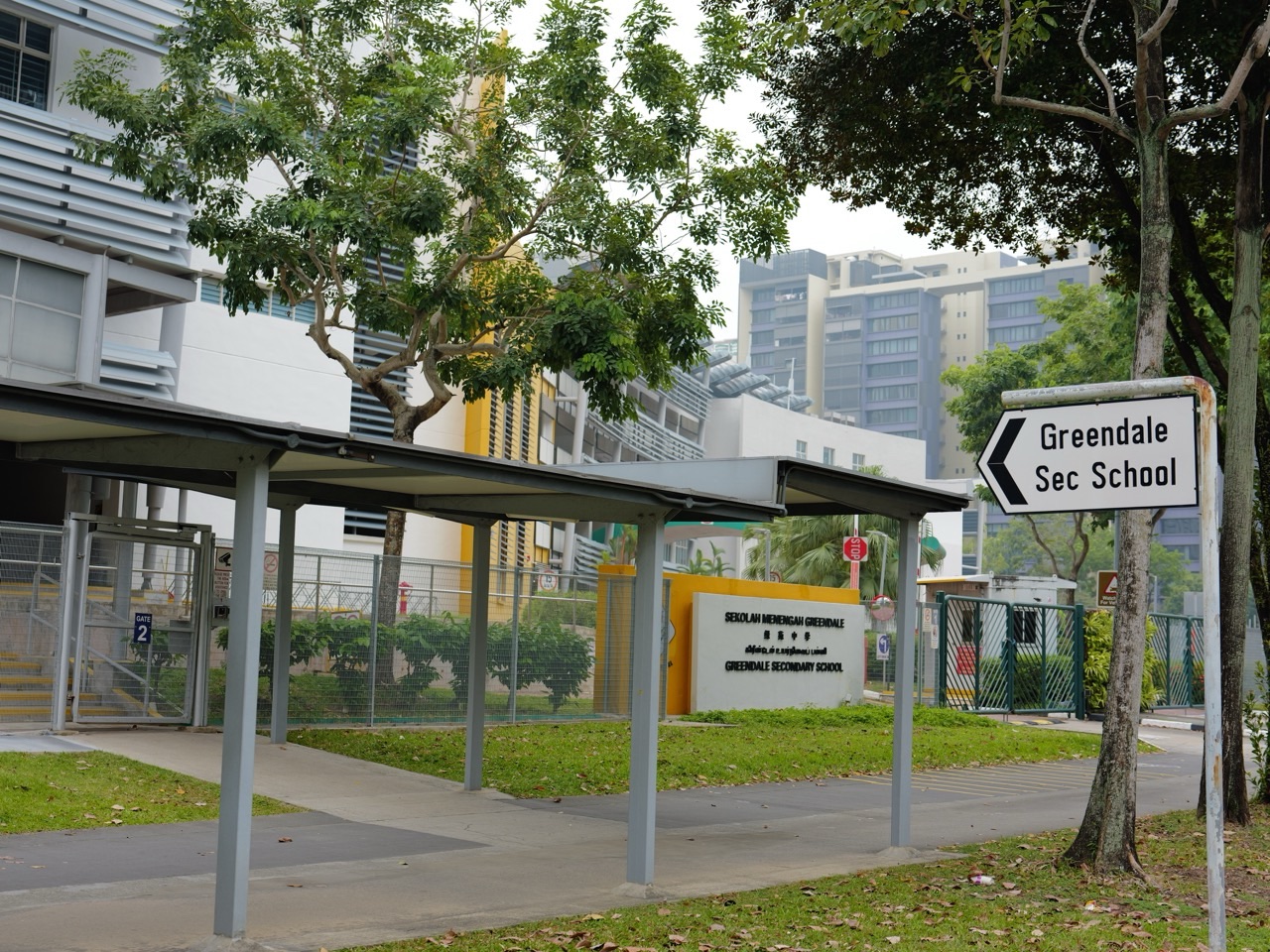
Students at Edgefield, Greendale, Punggol Secondary and Yusof Ishak Secondary should follow their school’s actual subject sequence and teacher feedback. The inaugural 2027 Singapore-Cambridge SEC is for that year’s graduating cohort, not a student entering Secondary 1 in 2027. The examples here are original and hypothetical, not official school tasks or verified local measurements. Some concepts may be introduced at different year levels, so this is a structured learning reference rather than a compulsory Secondary 1 examination checklist.
- Light as a form of energy: A lamp illuminates a room. Distinguish energy transfer from matter being transported.
- Luminous and non-luminous objects: A bulb emits light while a book reflects light. Explain how a non-luminous object becomes visible.
- Straight-line travel: A narrow beam forms a shadow behind an opaque object. Use a simple ray model within its limitations.
- Transparent translucent opaque: Glass, frosted material and cardboard transmit light differently. Distinguish transmission from scattering and blocking.
- Ray diagrams: A ray diagram uses arrows to indicate light travel direction. Label the source and surfaces accurately.
- Reflection: A light ray reflects from a smooth mirror. State that angle of incidence equals angle of reflection.
- Normal line: The normal is perpendicular to the reflecting surface. Measure angles from the normal, not the mirror surface.
- Plane mirror images: An image appears behind a plane mirror. Describe virtual-image geometry without claiming light originates behind the mirror.
- Diffuse reflection: A rough wall scatters reflected light in many directions. Explain why a wall is visible without forming a clear mirror image.
- Refraction: A ray changes direction crossing materials with different optical properties. Distinguish bending from reflection.
- Speed and optical medium: Light travels at different speeds in different media. Avoid treating ‘denser’ as a complete explanation without context.
- Apparent depth: An object underwater may appear displaced when viewed from air. Use a ray explanation and avoid invented exact measurements.
- Lenses: A convex lens can converge suitable incident rays. Explain focal behaviour using a diagram.
- Colour and filters: A coloured filter transmits selected components of incident light. Avoid claiming filters create light from nothing.
- Fair investigations: Two surfaces are compared using different light sources. Explain why the comparison is confounded.
- Safety and everyday optics: A pupil proposes looking into a laser beam. Reject unsafe demonstrations and use teacher-approved diagrams or simulations.

1. Light as a form of energy
The first principle of light as a form of energy is to know exactly what is being described and what information is required before reaching a conclusion. Consider this original example: A lamp illuminates a room. It provides a specific starting point rather than an instruction to memorise a topic label. Ask the child to restate the situation, identify the relevant quantities, words or observations, and explain which features matter. If something important has not been specified, say so instead of inventing it. This is a fundamental habit in G3 Science, because a plausible answer can still be incorrect when it rests on a condition the task never supplied.
Work through the example by asking what is known directly and what must be inferred, calculated or justified. In Mathematics, the learner should define the quantities and check that operations preserve the relationship. In Science, a model or observation must be distinguished from the explanation offered for it. In Geography, a local pattern should be tied to the place, scale and time represented. In English, the wording, audience and context determine meaning. The same discipline applies here: the final response should be no more certain than the evidence. Ask the pupil to explain why one interpretation is stronger than another and what additional information could change the judgement.
A useful practice task is: Distinguish energy transfer from matter being transported. Let the student attempt this without immediately seeing a model answer. If they hesitate, ask which part of the example they understand and which relationship remains unclear. A parent can then demonstrate one smaller case while explaining the underlying principle. Avoid giving a rule with no reason or telling the learner to use a technique merely because the chapter title resembles the question. The goal is a method the teenager can reconstruct independently when a new problem looks different from the one they studied the previous day.
A common misconception is to extend a correct statement beyond its conditions. One successful example does not prove that a rule works universally; a graph can describe a trend without establishing its cause; a word may change meaning with context; and a model can simplify details that matter in another situation. Compare this topic with luminous and non-luminous objects and ask which features transfer and which do not. This contrast encourages flexible understanding rather than a long list of unrelated facts. If the learner gives an unsupported answer, identify the first incorrect assumption, explain it and invite a corrected attempt using the same original evidence.
The next stage is delayed independent practice. After a short guided session, put the worked example away and provide a fresh related task several days later. The student should identify the demand, select a suitable approach, explain the result and check for errors or limitations. Keep an error record that states the misconception and the corrected idea rather than copying pages of model answers. Parents should coordinate with the school’s actual syllabus, homework and co-curricular commitments. When a persistent difficulty remains, share the relevant work with the teacher or a tutor who can target the specific gap. Progress is demonstrated by accurate transfer, not simply more completed exercises.
2. Luminous and non-luminous objects
The first principle of luminous and non-luminous objects is to know exactly what is being described and what information is required before reaching a conclusion. Consider this original example: A bulb emits light while a book reflects light. It provides a specific starting point rather than an instruction to memorise a topic label. Ask the child to restate the situation, identify the relevant quantities, words or observations, and explain which features matter. If something important has not been specified, say so instead of inventing it. This is a fundamental habit in G3 Science, because a plausible answer can still be incorrect when it rests on a condition the task never supplied.
Work through the example by asking what is known directly and what must be inferred, calculated or justified. In Mathematics, the learner should define the quantities and check that operations preserve the relationship. In Science, a model or observation must be distinguished from the explanation offered for it. In Geography, a local pattern should be tied to the place, scale and time represented. In English, the wording, audience and context determine meaning. The same discipline applies here: the final response should be no more certain than the evidence. Ask the pupil to explain why one interpretation is stronger than another and what additional information could change the judgement.
A useful practice task is: Explain how a non-luminous object becomes visible. Let the student attempt this without immediately seeing a model answer. If they hesitate, ask which part of the example they understand and which relationship remains unclear. A parent can then demonstrate one smaller case while explaining the underlying principle. Avoid giving a rule with no reason or telling the learner to use a technique merely because the chapter title resembles the question. The goal is a method the teenager can reconstruct independently when a new problem looks different from the one they studied the previous day.
A common misconception is to extend a correct statement beyond its conditions. One successful example does not prove that a rule works universally; a graph can describe a trend without establishing its cause; a word may change meaning with context; and a model can simplify details that matter in another situation. Compare this topic with straight-line travel and ask which features transfer and which do not. This contrast encourages flexible understanding rather than a long list of unrelated facts. If the learner gives an unsupported answer, identify the first incorrect assumption, explain it and invite a corrected attempt using the same original evidence.
The next stage is delayed independent practice. After a short guided session, put the worked example away and provide a fresh related task several days later. The student should identify the demand, select a suitable approach, explain the result and check for errors or limitations. Keep an error record that states the misconception and the corrected idea rather than copying pages of model answers. Parents should coordinate with the school’s actual syllabus, homework and co-curricular commitments. When a persistent difficulty remains, share the relevant work with the teacher or a tutor who can target the specific gap. Progress is demonstrated by accurate transfer, not simply more completed exercises.
3. Straight-line travel
The first principle of straight-line travel is to know exactly what is being described and what information is required before reaching a conclusion. Consider this original example: A narrow beam forms a shadow behind an opaque object. It provides a specific starting point rather than an instruction to memorise a topic label. Ask the child to restate the situation, identify the relevant quantities, words or observations, and explain which features matter. If something important has not been specified, say so instead of inventing it. This is a fundamental habit in G3 Science, because a plausible answer can still be incorrect when it rests on a condition the task never supplied.
Work through the example by asking what is known directly and what must be inferred, calculated or justified. In Mathematics, the learner should define the quantities and check that operations preserve the relationship. In Science, a model or observation must be distinguished from the explanation offered for it. In Geography, a local pattern should be tied to the place, scale and time represented. In English, the wording, audience and context determine meaning. The same discipline applies here: the final response should be no more certain than the evidence. Ask the pupil to explain why one interpretation is stronger than another and what additional information could change the judgement.
A useful practice task is: Use a simple ray model within its limitations. Let the student attempt this without immediately seeing a model answer. If they hesitate, ask which part of the example they understand and which relationship remains unclear. A parent can then demonstrate one smaller case while explaining the underlying principle. Avoid giving a rule with no reason or telling the learner to use a technique merely because the chapter title resembles the question. The goal is a method the teenager can reconstruct independently when a new problem looks different from the one they studied the previous day.
A common misconception is to extend a correct statement beyond its conditions. One successful example does not prove that a rule works universally; a graph can describe a trend without establishing its cause; a word may change meaning with context; and a model can simplify details that matter in another situation. Compare this topic with transparent translucent opaque and ask which features transfer and which do not. This contrast encourages flexible understanding rather than a long list of unrelated facts. If the learner gives an unsupported answer, identify the first incorrect assumption, explain it and invite a corrected attempt using the same original evidence.
The next stage is delayed independent practice. After a short guided session, put the worked example away and provide a fresh related task several days later. The student should identify the demand, select a suitable approach, explain the result and check for errors or limitations. Keep an error record that states the misconception and the corrected idea rather than copying pages of model answers. Parents should coordinate with the school’s actual syllabus, homework and co-curricular commitments. When a persistent difficulty remains, share the relevant work with the teacher or a tutor who can target the specific gap. Progress is demonstrated by accurate transfer, not simply more completed exercises.
4. Transparent translucent opaque
The first principle of transparent translucent opaque is to know exactly what is being described and what information is required before reaching a conclusion. Consider this original example: Glass, frosted material and cardboard transmit light differently. It provides a specific starting point rather than an instruction to memorise a topic label. Ask the child to restate the situation, identify the relevant quantities, words or observations, and explain which features matter. If something important has not been specified, say so instead of inventing it. This is a fundamental habit in G3 Science, because a plausible answer can still be incorrect when it rests on a condition the task never supplied.
Work through the example by asking what is known directly and what must be inferred, calculated or justified. In Mathematics, the learner should define the quantities and check that operations preserve the relationship. In Science, a model or observation must be distinguished from the explanation offered for it. In Geography, a local pattern should be tied to the place, scale and time represented. In English, the wording, audience and context determine meaning. The same discipline applies here: the final response should be no more certain than the evidence. Ask the pupil to explain why one interpretation is stronger than another and what additional information could change the judgement.
A useful practice task is: Distinguish transmission from scattering and blocking. Let the student attempt this without immediately seeing a model answer. If they hesitate, ask which part of the example they understand and which relationship remains unclear. A parent can then demonstrate one smaller case while explaining the underlying principle. Avoid giving a rule with no reason or telling the learner to use a technique merely because the chapter title resembles the question. The goal is a method the teenager can reconstruct independently when a new problem looks different from the one they studied the previous day.
A common misconception is to extend a correct statement beyond its conditions. One successful example does not prove that a rule works universally; a graph can describe a trend without establishing its cause; a word may change meaning with context; and a model can simplify details that matter in another situation. Compare this topic with ray diagrams and ask which features transfer and which do not. This contrast encourages flexible understanding rather than a long list of unrelated facts. If the learner gives an unsupported answer, identify the first incorrect assumption, explain it and invite a corrected attempt using the same original evidence.
The next stage is delayed independent practice. After a short guided session, put the worked example away and provide a fresh related task several days later. The student should identify the demand, select a suitable approach, explain the result and check for errors or limitations. Keep an error record that states the misconception and the corrected idea rather than copying pages of model answers. Parents should coordinate with the school’s actual syllabus, homework and co-curricular commitments. When a persistent difficulty remains, share the relevant work with the teacher or a tutor who can target the specific gap. Progress is demonstrated by accurate transfer, not simply more completed exercises.
5. Ray diagrams
The first principle of ray diagrams is to know exactly what is being described and what information is required before reaching a conclusion. Consider this original example: A ray diagram uses arrows to indicate light travel direction. It provides a specific starting point rather than an instruction to memorise a topic label. Ask the child to restate the situation, identify the relevant quantities, words or observations, and explain which features matter. If something important has not been specified, say so instead of inventing it. This is a fundamental habit in G3 Science, because a plausible answer can still be incorrect when it rests on a condition the task never supplied.
Work through the example by asking what is known directly and what must be inferred, calculated or justified. In Mathematics, the learner should define the quantities and check that operations preserve the relationship. In Science, a model or observation must be distinguished from the explanation offered for it. In Geography, a local pattern should be tied to the place, scale and time represented. In English, the wording, audience and context determine meaning. The same discipline applies here: the final response should be no more certain than the evidence. Ask the pupil to explain why one interpretation is stronger than another and what additional information could change the judgement.
A useful practice task is: Label the source and surfaces accurately. Let the student attempt this without immediately seeing a model answer. If they hesitate, ask which part of the example they understand and which relationship remains unclear. A parent can then demonstrate one smaller case while explaining the underlying principle. Avoid giving a rule with no reason or telling the learner to use a technique merely because the chapter title resembles the question. The goal is a method the teenager can reconstruct independently when a new problem looks different from the one they studied the previous day.
A common misconception is to extend a correct statement beyond its conditions. One successful example does not prove that a rule works universally; a graph can describe a trend without establishing its cause; a word may change meaning with context; and a model can simplify details that matter in another situation. Compare this topic with reflection and ask which features transfer and which do not. This contrast encourages flexible understanding rather than a long list of unrelated facts. If the learner gives an unsupported answer, identify the first incorrect assumption, explain it and invite a corrected attempt using the same original evidence.
The next stage is delayed independent practice. After a short guided session, put the worked example away and provide a fresh related task several days later. The student should identify the demand, select a suitable approach, explain the result and check for errors or limitations. Keep an error record that states the misconception and the corrected idea rather than copying pages of model answers. Parents should coordinate with the school’s actual syllabus, homework and co-curricular commitments. When a persistent difficulty remains, share the relevant work with the teacher or a tutor who can target the specific gap. Progress is demonstrated by accurate transfer, not simply more completed exercises.
6. Reflection
The first principle of reflection is to know exactly what is being described and what information is required before reaching a conclusion. Consider this original example: A light ray reflects from a smooth mirror. It provides a specific starting point rather than an instruction to memorise a topic label. Ask the child to restate the situation, identify the relevant quantities, words or observations, and explain which features matter. If something important has not been specified, say so instead of inventing it. This is a fundamental habit in G3 Science, because a plausible answer can still be incorrect when it rests on a condition the task never supplied.
Work through the example by asking what is known directly and what must be inferred, calculated or justified. In Mathematics, the learner should define the quantities and check that operations preserve the relationship. In Science, a model or observation must be distinguished from the explanation offered for it. In Geography, a local pattern should be tied to the place, scale and time represented. In English, the wording, audience and context determine meaning. The same discipline applies here: the final response should be no more certain than the evidence. Ask the pupil to explain why one interpretation is stronger than another and what additional information could change the judgement.
A useful practice task is: State that angle of incidence equals angle of reflection. Let the student attempt this without immediately seeing a model answer. If they hesitate, ask which part of the example they understand and which relationship remains unclear. A parent can then demonstrate one smaller case while explaining the underlying principle. Avoid giving a rule with no reason or telling the learner to use a technique merely because the chapter title resembles the question. The goal is a method the teenager can reconstruct independently when a new problem looks different from the one they studied the previous day.
A common misconception is to extend a correct statement beyond its conditions. One successful example does not prove that a rule works universally; a graph can describe a trend without establishing its cause; a word may change meaning with context; and a model can simplify details that matter in another situation. Compare this topic with normal line and ask which features transfer and which do not. This contrast encourages flexible understanding rather than a long list of unrelated facts. If the learner gives an unsupported answer, identify the first incorrect assumption, explain it and invite a corrected attempt using the same original evidence.
The next stage is delayed independent practice. After a short guided session, put the worked example away and provide a fresh related task several days later. The student should identify the demand, select a suitable approach, explain the result and check for errors or limitations. Keep an error record that states the misconception and the corrected idea rather than copying pages of model answers. Parents should coordinate with the school’s actual syllabus, homework and co-curricular commitments. When a persistent difficulty remains, share the relevant work with the teacher or a tutor who can target the specific gap. Progress is demonstrated by accurate transfer, not simply more completed exercises.
7. Normal line
The first principle of normal line is to know exactly what is being described and what information is required before reaching a conclusion. Consider this original example: The normal is perpendicular to the reflecting surface. It provides a specific starting point rather than an instruction to memorise a topic label. Ask the child to restate the situation, identify the relevant quantities, words or observations, and explain which features matter. If something important has not been specified, say so instead of inventing it. This is a fundamental habit in G3 Science, because a plausible answer can still be incorrect when it rests on a condition the task never supplied.
Work through the example by asking what is known directly and what must be inferred, calculated or justified. In Mathematics, the learner should define the quantities and check that operations preserve the relationship. In Science, a model or observation must be distinguished from the explanation offered for it. In Geography, a local pattern should be tied to the place, scale and time represented. In English, the wording, audience and context determine meaning. The same discipline applies here: the final response should be no more certain than the evidence. Ask the pupil to explain why one interpretation is stronger than another and what additional information could change the judgement.
A useful practice task is: Measure angles from the normal, not the mirror surface. Let the student attempt this without immediately seeing a model answer. If they hesitate, ask which part of the example they understand and which relationship remains unclear. A parent can then demonstrate one smaller case while explaining the underlying principle. Avoid giving a rule with no reason or telling the learner to use a technique merely because the chapter title resembles the question. The goal is a method the teenager can reconstruct independently when a new problem looks different from the one they studied the previous day.
A common misconception is to extend a correct statement beyond its conditions. One successful example does not prove that a rule works universally; a graph can describe a trend without establishing its cause; a word may change meaning with context; and a model can simplify details that matter in another situation. Compare this topic with plane mirror images and ask which features transfer and which do not. This contrast encourages flexible understanding rather than a long list of unrelated facts. If the learner gives an unsupported answer, identify the first incorrect assumption, explain it and invite a corrected attempt using the same original evidence.
The next stage is delayed independent practice. After a short guided session, put the worked example away and provide a fresh related task several days later. The student should identify the demand, select a suitable approach, explain the result and check for errors or limitations. Keep an error record that states the misconception and the corrected idea rather than copying pages of model answers. Parents should coordinate with the school’s actual syllabus, homework and co-curricular commitments. When a persistent difficulty remains, share the relevant work with the teacher or a tutor who can target the specific gap. Progress is demonstrated by accurate transfer, not simply more completed exercises.
8. Plane mirror images
The first principle of plane mirror images is to know exactly what is being described and what information is required before reaching a conclusion. Consider this original example: An image appears behind a plane mirror. It provides a specific starting point rather than an instruction to memorise a topic label. Ask the child to restate the situation, identify the relevant quantities, words or observations, and explain which features matter. If something important has not been specified, say so instead of inventing it. This is a fundamental habit in G3 Science, because a plausible answer can still be incorrect when it rests on a condition the task never supplied.
Work through the example by asking what is known directly and what must be inferred, calculated or justified. In Mathematics, the learner should define the quantities and check that operations preserve the relationship. In Science, a model or observation must be distinguished from the explanation offered for it. In Geography, a local pattern should be tied to the place, scale and time represented. In English, the wording, audience and context determine meaning. The same discipline applies here: the final response should be no more certain than the evidence. Ask the pupil to explain why one interpretation is stronger than another and what additional information could change the judgement.
A useful practice task is: Describe virtual-image geometry without claiming light originates behind the mirror. Let the student attempt this without immediately seeing a model answer. If they hesitate, ask which part of the example they understand and which relationship remains unclear. A parent can then demonstrate one smaller case while explaining the underlying principle. Avoid giving a rule with no reason or telling the learner to use a technique merely because the chapter title resembles the question. The goal is a method the teenager can reconstruct independently when a new problem looks different from the one they studied the previous day.
A common misconception is to extend a correct statement beyond its conditions. One successful example does not prove that a rule works universally; a graph can describe a trend without establishing its cause; a word may change meaning with context; and a model can simplify details that matter in another situation. Compare this topic with diffuse reflection and ask which features transfer and which do not. This contrast encourages flexible understanding rather than a long list of unrelated facts. If the learner gives an unsupported answer, identify the first incorrect assumption, explain it and invite a corrected attempt using the same original evidence.
The next stage is delayed independent practice. After a short guided session, put the worked example away and provide a fresh related task several days later. The student should identify the demand, select a suitable approach, explain the result and check for errors or limitations. Keep an error record that states the misconception and the corrected idea rather than copying pages of model answers. Parents should coordinate with the school’s actual syllabus, homework and co-curricular commitments. When a persistent difficulty remains, share the relevant work with the teacher or a tutor who can target the specific gap. Progress is demonstrated by accurate transfer, not simply more completed exercises.
9. Diffuse reflection
The first principle of diffuse reflection is to know exactly what is being described and what information is required before reaching a conclusion. Consider this original example: A rough wall scatters reflected light in many directions. It provides a specific starting point rather than an instruction to memorise a topic label. Ask the child to restate the situation, identify the relevant quantities, words or observations, and explain which features matter. If something important has not been specified, say so instead of inventing it. This is a fundamental habit in G3 Science, because a plausible answer can still be incorrect when it rests on a condition the task never supplied.
Work through the example by asking what is known directly and what must be inferred, calculated or justified. In Mathematics, the learner should define the quantities and check that operations preserve the relationship. In Science, a model or observation must be distinguished from the explanation offered for it. In Geography, a local pattern should be tied to the place, scale and time represented. In English, the wording, audience and context determine meaning. The same discipline applies here: the final response should be no more certain than the evidence. Ask the pupil to explain why one interpretation is stronger than another and what additional information could change the judgement.
A useful practice task is: Explain why a wall is visible without forming a clear mirror image. Let the student attempt this without immediately seeing a model answer. If they hesitate, ask which part of the example they understand and which relationship remains unclear. A parent can then demonstrate one smaller case while explaining the underlying principle. Avoid giving a rule with no reason or telling the learner to use a technique merely because the chapter title resembles the question. The goal is a method the teenager can reconstruct independently when a new problem looks different from the one they studied the previous day.
A common misconception is to extend a correct statement beyond its conditions. One successful example does not prove that a rule works universally; a graph can describe a trend without establishing its cause; a word may change meaning with context; and a model can simplify details that matter in another situation. Compare this topic with refraction and ask which features transfer and which do not. This contrast encourages flexible understanding rather than a long list of unrelated facts. If the learner gives an unsupported answer, identify the first incorrect assumption, explain it and invite a corrected attempt using the same original evidence.
The next stage is delayed independent practice. After a short guided session, put the worked example away and provide a fresh related task several days later. The student should identify the demand, select a suitable approach, explain the result and check for errors or limitations. Keep an error record that states the misconception and the corrected idea rather than copying pages of model answers. Parents should coordinate with the school’s actual syllabus, homework and co-curricular commitments. When a persistent difficulty remains, share the relevant work with the teacher or a tutor who can target the specific gap. Progress is demonstrated by accurate transfer, not simply more completed exercises.
10. Refraction
The first principle of refraction is to know exactly what is being described and what information is required before reaching a conclusion. Consider this original example: A ray changes direction crossing materials with different optical properties. It provides a specific starting point rather than an instruction to memorise a topic label. Ask the child to restate the situation, identify the relevant quantities, words or observations, and explain which features matter. If something important has not been specified, say so instead of inventing it. This is a fundamental habit in G3 Science, because a plausible answer can still be incorrect when it rests on a condition the task never supplied.
Work through the example by asking what is known directly and what must be inferred, calculated or justified. In Mathematics, the learner should define the quantities and check that operations preserve the relationship. In Science, a model or observation must be distinguished from the explanation offered for it. In Geography, a local pattern should be tied to the place, scale and time represented. In English, the wording, audience and context determine meaning. The same discipline applies here: the final response should be no more certain than the evidence. Ask the pupil to explain why one interpretation is stronger than another and what additional information could change the judgement.
A useful practice task is: Distinguish bending from reflection. Let the student attempt this without immediately seeing a model answer. If they hesitate, ask which part of the example they understand and which relationship remains unclear. A parent can then demonstrate one smaller case while explaining the underlying principle. Avoid giving a rule with no reason or telling the learner to use a technique merely because the chapter title resembles the question. The goal is a method the teenager can reconstruct independently when a new problem looks different from the one they studied the previous day.
A common misconception is to extend a correct statement beyond its conditions. One successful example does not prove that a rule works universally; a graph can describe a trend without establishing its cause; a word may change meaning with context; and a model can simplify details that matter in another situation. Compare this topic with speed and optical medium and ask which features transfer and which do not. This contrast encourages flexible understanding rather than a long list of unrelated facts. If the learner gives an unsupported answer, identify the first incorrect assumption, explain it and invite a corrected attempt using the same original evidence.
The next stage is delayed independent practice. After a short guided session, put the worked example away and provide a fresh related task several days later. The student should identify the demand, select a suitable approach, explain the result and check for errors or limitations. Keep an error record that states the misconception and the corrected idea rather than copying pages of model answers. Parents should coordinate with the school’s actual syllabus, homework and co-curricular commitments. When a persistent difficulty remains, share the relevant work with the teacher or a tutor who can target the specific gap. Progress is demonstrated by accurate transfer, not simply more completed exercises.
11. Speed and optical medium
The first principle of speed and optical medium is to know exactly what is being described and what information is required before reaching a conclusion. Consider this original example: Light travels at different speeds in different media. It provides a specific starting point rather than an instruction to memorise a topic label. Ask the child to restate the situation, identify the relevant quantities, words or observations, and explain which features matter. If something important has not been specified, say so instead of inventing it. This is a fundamental habit in G3 Science, because a plausible answer can still be incorrect when it rests on a condition the task never supplied.
Work through the example by asking what is known directly and what must be inferred, calculated or justified. In Mathematics, the learner should define the quantities and check that operations preserve the relationship. In Science, a model or observation must be distinguished from the explanation offered for it. In Geography, a local pattern should be tied to the place, scale and time represented. In English, the wording, audience and context determine meaning. The same discipline applies here: the final response should be no more certain than the evidence. Ask the pupil to explain why one interpretation is stronger than another and what additional information could change the judgement.
A useful practice task is: Avoid treating ‘denser’ as a complete explanation without context. Let the student attempt this without immediately seeing a model answer. If they hesitate, ask which part of the example they understand and which relationship remains unclear. A parent can then demonstrate one smaller case while explaining the underlying principle. Avoid giving a rule with no reason or telling the learner to use a technique merely because the chapter title resembles the question. The goal is a method the teenager can reconstruct independently when a new problem looks different from the one they studied the previous day.
A common misconception is to extend a correct statement beyond its conditions. One successful example does not prove that a rule works universally; a graph can describe a trend without establishing its cause; a word may change meaning with context; and a model can simplify details that matter in another situation. Compare this topic with apparent depth and ask which features transfer and which do not. This contrast encourages flexible understanding rather than a long list of unrelated facts. If the learner gives an unsupported answer, identify the first incorrect assumption, explain it and invite a corrected attempt using the same original evidence.
The next stage is delayed independent practice. After a short guided session, put the worked example away and provide a fresh related task several days later. The student should identify the demand, select a suitable approach, explain the result and check for errors or limitations. Keep an error record that states the misconception and the corrected idea rather than copying pages of model answers. Parents should coordinate with the school’s actual syllabus, homework and co-curricular commitments. When a persistent difficulty remains, share the relevant work with the teacher or a tutor who can target the specific gap. Progress is demonstrated by accurate transfer, not simply more completed exercises.
12. Apparent depth
The first principle of apparent depth is to know exactly what is being described and what information is required before reaching a conclusion. Consider this original example: An object underwater may appear displaced when viewed from air. It provides a specific starting point rather than an instruction to memorise a topic label. Ask the child to restate the situation, identify the relevant quantities, words or observations, and explain which features matter. If something important has not been specified, say so instead of inventing it. This is a fundamental habit in G3 Science, because a plausible answer can still be incorrect when it rests on a condition the task never supplied.
Work through the example by asking what is known directly and what must be inferred, calculated or justified. In Mathematics, the learner should define the quantities and check that operations preserve the relationship. In Science, a model or observation must be distinguished from the explanation offered for it. In Geography, a local pattern should be tied to the place, scale and time represented. In English, the wording, audience and context determine meaning. The same discipline applies here: the final response should be no more certain than the evidence. Ask the pupil to explain why one interpretation is stronger than another and what additional information could change the judgement.
A useful practice task is: Use a ray explanation and avoid invented exact measurements. Let the student attempt this without immediately seeing a model answer. If they hesitate, ask which part of the example they understand and which relationship remains unclear. A parent can then demonstrate one smaller case while explaining the underlying principle. Avoid giving a rule with no reason or telling the learner to use a technique merely because the chapter title resembles the question. The goal is a method the teenager can reconstruct independently when a new problem looks different from the one they studied the previous day.
A common misconception is to extend a correct statement beyond its conditions. One successful example does not prove that a rule works universally; a graph can describe a trend without establishing its cause; a word may change meaning with context; and a model can simplify details that matter in another situation. Compare this topic with lenses and ask which features transfer and which do not. This contrast encourages flexible understanding rather than a long list of unrelated facts. If the learner gives an unsupported answer, identify the first incorrect assumption, explain it and invite a corrected attempt using the same original evidence.
The next stage is delayed independent practice. After a short guided session, put the worked example away and provide a fresh related task several days later. The student should identify the demand, select a suitable approach, explain the result and check for errors or limitations. Keep an error record that states the misconception and the corrected idea rather than copying pages of model answers. Parents should coordinate with the school’s actual syllabus, homework and co-curricular commitments. When a persistent difficulty remains, share the relevant work with the teacher or a tutor who can target the specific gap. Progress is demonstrated by accurate transfer, not simply more completed exercises.
13. Lenses
The first principle of lenses is to know exactly what is being described and what information is required before reaching a conclusion. Consider this original example: A convex lens can converge suitable incident rays. It provides a specific starting point rather than an instruction to memorise a topic label. Ask the child to restate the situation, identify the relevant quantities, words or observations, and explain which features matter. If something important has not been specified, say so instead of inventing it. This is a fundamental habit in G3 Science, because a plausible answer can still be incorrect when it rests on a condition the task never supplied.
Work through the example by asking what is known directly and what must be inferred, calculated or justified. In Mathematics, the learner should define the quantities and check that operations preserve the relationship. In Science, a model or observation must be distinguished from the explanation offered for it. In Geography, a local pattern should be tied to the place, scale and time represented. In English, the wording, audience and context determine meaning. The same discipline applies here: the final response should be no more certain than the evidence. Ask the pupil to explain why one interpretation is stronger than another and what additional information could change the judgement.
A useful practice task is: Explain focal behaviour using a diagram. Let the student attempt this without immediately seeing a model answer. If they hesitate, ask which part of the example they understand and which relationship remains unclear. A parent can then demonstrate one smaller case while explaining the underlying principle. Avoid giving a rule with no reason or telling the learner to use a technique merely because the chapter title resembles the question. The goal is a method the teenager can reconstruct independently when a new problem looks different from the one they studied the previous day.
A common misconception is to extend a correct statement beyond its conditions. One successful example does not prove that a rule works universally; a graph can describe a trend without establishing its cause; a word may change meaning with context; and a model can simplify details that matter in another situation. Compare this topic with colour and filters and ask which features transfer and which do not. This contrast encourages flexible understanding rather than a long list of unrelated facts. If the learner gives an unsupported answer, identify the first incorrect assumption, explain it and invite a corrected attempt using the same original evidence.
The next stage is delayed independent practice. After a short guided session, put the worked example away and provide a fresh related task several days later. The student should identify the demand, select a suitable approach, explain the result and check for errors or limitations. Keep an error record that states the misconception and the corrected idea rather than copying pages of model answers. Parents should coordinate with the school’s actual syllabus, homework and co-curricular commitments. When a persistent difficulty remains, share the relevant work with the teacher or a tutor who can target the specific gap. Progress is demonstrated by accurate transfer, not simply more completed exercises.
14. Colour and filters
The first principle of colour and filters is to know exactly what is being described and what information is required before reaching a conclusion. Consider this original example: A coloured filter transmits selected components of incident light. It provides a specific starting point rather than an instruction to memorise a topic label. Ask the child to restate the situation, identify the relevant quantities, words or observations, and explain which features matter. If something important has not been specified, say so instead of inventing it. This is a fundamental habit in G3 Science, because a plausible answer can still be incorrect when it rests on a condition the task never supplied.
Work through the example by asking what is known directly and what must be inferred, calculated or justified. In Mathematics, the learner should define the quantities and check that operations preserve the relationship. In Science, a model or observation must be distinguished from the explanation offered for it. In Geography, a local pattern should be tied to the place, scale and time represented. In English, the wording, audience and context determine meaning. The same discipline applies here: the final response should be no more certain than the evidence. Ask the pupil to explain why one interpretation is stronger than another and what additional information could change the judgement.
A useful practice task is: Avoid claiming filters create light from nothing. Let the student attempt this without immediately seeing a model answer. If they hesitate, ask which part of the example they understand and which relationship remains unclear. A parent can then demonstrate one smaller case while explaining the underlying principle. Avoid giving a rule with no reason or telling the learner to use a technique merely because the chapter title resembles the question. The goal is a method the teenager can reconstruct independently when a new problem looks different from the one they studied the previous day.
A common misconception is to extend a correct statement beyond its conditions. One successful example does not prove that a rule works universally; a graph can describe a trend without establishing its cause; a word may change meaning with context; and a model can simplify details that matter in another situation. Compare this topic with fair investigations and ask which features transfer and which do not. This contrast encourages flexible understanding rather than a long list of unrelated facts. If the learner gives an unsupported answer, identify the first incorrect assumption, explain it and invite a corrected attempt using the same original evidence.
The next stage is delayed independent practice. After a short guided session, put the worked example away and provide a fresh related task several days later. The student should identify the demand, select a suitable approach, explain the result and check for errors or limitations. Keep an error record that states the misconception and the corrected idea rather than copying pages of model answers. Parents should coordinate with the school’s actual syllabus, homework and co-curricular commitments. When a persistent difficulty remains, share the relevant work with the teacher or a tutor who can target the specific gap. Progress is demonstrated by accurate transfer, not simply more completed exercises.
15. Fair investigations
The first principle of fair investigations is to know exactly what is being described and what information is required before reaching a conclusion. Consider this original example: Two surfaces are compared using different light sources. It provides a specific starting point rather than an instruction to memorise a topic label. Ask the child to restate the situation, identify the relevant quantities, words or observations, and explain which features matter. If something important has not been specified, say so instead of inventing it. This is a fundamental habit in G3 Science, because a plausible answer can still be incorrect when it rests on a condition the task never supplied.
Work through the example by asking what is known directly and what must be inferred, calculated or justified. In Mathematics, the learner should define the quantities and check that operations preserve the relationship. In Science, a model or observation must be distinguished from the explanation offered for it. In Geography, a local pattern should be tied to the place, scale and time represented. In English, the wording, audience and context determine meaning. The same discipline applies here: the final response should be no more certain than the evidence. Ask the pupil to explain why one interpretation is stronger than another and what additional information could change the judgement.
A useful practice task is: Explain why the comparison is confounded. Let the student attempt this without immediately seeing a model answer. If they hesitate, ask which part of the example they understand and which relationship remains unclear. A parent can then demonstrate one smaller case while explaining the underlying principle. Avoid giving a rule with no reason or telling the learner to use a technique merely because the chapter title resembles the question. The goal is a method the teenager can reconstruct independently when a new problem looks different from the one they studied the previous day.
A common misconception is to extend a correct statement beyond its conditions. One successful example does not prove that a rule works universally; a graph can describe a trend without establishing its cause; a word may change meaning with context; and a model can simplify details that matter in another situation. Compare this topic with safety and everyday optics and ask which features transfer and which do not. This contrast encourages flexible understanding rather than a long list of unrelated facts. If the learner gives an unsupported answer, identify the first incorrect assumption, explain it and invite a corrected attempt using the same original evidence.
The next stage is delayed independent practice. After a short guided session, put the worked example away and provide a fresh related task several days later. The student should identify the demand, select a suitable approach, explain the result and check for errors or limitations. Keep an error record that states the misconception and the corrected idea rather than copying pages of model answers. Parents should coordinate with the school’s actual syllabus, homework and co-curricular commitments. When a persistent difficulty remains, share the relevant work with the teacher or a tutor who can target the specific gap. Progress is demonstrated by accurate transfer, not simply more completed exercises.
16. Safety and everyday optics
The first principle of safety and everyday optics is to know exactly what is being described and what information is required before reaching a conclusion. Consider this original example: A pupil proposes looking into a laser beam. It provides a specific starting point rather than an instruction to memorise a topic label. Ask the child to restate the situation, identify the relevant quantities, words or observations, and explain which features matter. If something important has not been specified, say so instead of inventing it. This is a fundamental habit in G3 Science, because a plausible answer can still be incorrect when it rests on a condition the task never supplied.
Work through the example by asking what is known directly and what must be inferred, calculated or justified. In Mathematics, the learner should define the quantities and check that operations preserve the relationship. In Science, a model or observation must be distinguished from the explanation offered for it. In Geography, a local pattern should be tied to the place, scale and time represented. In English, the wording, audience and context determine meaning. The same discipline applies here: the final response should be no more certain than the evidence. Ask the pupil to explain why one interpretation is stronger than another and what additional information could change the judgement.
A useful practice task is: Reject unsafe demonstrations and use teacher-approved diagrams or simulations. Let the student attempt this without immediately seeing a model answer. If they hesitate, ask which part of the example they understand and which relationship remains unclear. A parent can then demonstrate one smaller case while explaining the underlying principle. Avoid giving a rule with no reason or telling the learner to use a technique merely because the chapter title resembles the question. The goal is a method the teenager can reconstruct independently when a new problem looks different from the one they studied the previous day.
A common misconception is to extend a correct statement beyond its conditions. One successful example does not prove that a rule works universally; a graph can describe a trend without establishing its cause; a word may change meaning with context; and a model can simplify details that matter in another situation. Compare this topic with light as a form of energy and ask which features transfer and which do not. This contrast encourages flexible understanding rather than a long list of unrelated facts. If the learner gives an unsupported answer, identify the first incorrect assumption, explain it and invite a corrected attempt using the same original evidence.
The next stage is delayed independent practice. After a short guided session, put the worked example away and provide a fresh related task several days later. The student should identify the demand, select a suitable approach, explain the result and check for errors or limitations. Keep an error record that states the misconception and the corrected idea rather than copying pages of model answers. Parents should coordinate with the school’s actual syllabus, homework and co-curricular commitments. When a persistent difficulty remains, share the relevant work with the teacher or a tutor who can target the specific gap. Progress is demonstrated by accurate transfer, not simply more completed exercises.
Four-week teaching and revision cycle
Week 1: Find the first misconception
Review two current school questions and identify where the response first becomes unsupported. The objective is a manageable and meaningful improvement in G3 Science, not an artificial promise that every topic will be mastered in one month. Keep the programme responsive to teacher feedback, the student’s actual year level and the need for rest.
Week 2: Teach the missing relationship
Use a simple worked example and a contrasting case to show why the principle is valid. The objective is a manageable and meaningful improvement in G3 Science, not an artificial promise that every topic will be mastered in one month. Keep the programme responsive to teacher feedback, the student’s actual year level and the need for rest.
Week 3: Apply independently
Introduce unfamiliar questions without hints and require the learner to justify the chosen approach. The objective is a manageable and meaningful improvement in G3 Science, not an artificial promise that every topic will be mastered in one month. Keep the programme responsive to teacher feedback, the student’s actual year level and the need for rest.
Week 4: Check after a delay
Repeat the concept several days later and compare the new independent response with the original work. The objective is a manageable and meaningful improvement in G3 Science, not an artificial promise that every topic will be mastered in one month. Keep the programme responsive to teacher feedback, the student’s actual year level and the need for rest.
Frequently asked questions
Is PG3 the same as G3?
No. PG3 is the initial Secondary 1 admission group, while G3 describes the academic level of an individual subject.
Do all Punggol schools teach these topics in exactly the same order?
No. Schools work within national curriculum expectations but may vary topic sequencing and school-based tasks. Follow the assigned school’s current teaching plan.
Does a Secondary 1 entrant in 2027 sit the inaugural SEC immediately?
No. The 2027 SEC is for the graduating cohort in that year. A new Secondary 1 student follows lower-secondary learning first.
Are the Punggol examples verified local measurements?
No. They are hypothetical teaching examples unless a separate official source is identified. Do not use them as real travel, school, weather or water-quality data.
How do parents tell whether the child has learned the idea?
Ask for a fresh independent response after several days and require an explanation of the evidence or method. Copying the previous answer is not sufficient.
Is tuition compulsory for PG3?
No. Additional teaching should address a specific persistent gap or suitable extension goal and fit around school, CCA and wellbeing.
Official references and connected learning
MOE Full Subject-Based Banding · MOE secondary education · SEAB SEC information · eduKateSG Clementi teaching reference.
Independent educational article. Illustrative scenarios are original learning exercises, not official examination questions or guarantees of results.


