
Geography Fieldwork, Maps and Data Interpretation is a focused education guide for families in Punggol. Posting Group 1 facilitates Secondary 1 admission under Full Subject-Based Banding; it is not a fixed judgment about the child’s capacity in Geography. This article explains spatial inquiry and fieldwork, the practical questions parents should ask and how to use official school guidance without assuming that every secondary school offers identical lessons or assessments.
For a student entering Secondary 1 in 2027, the receiving school’s actual timetable, subject level and curriculum determine immediate work. Families should prioritise independent understanding, accurate information and respectful learning rather than rush into old national examination papers. The 2027 SEC is for the graduating cohort of that year; a new Secondary 1 entrant would ordinarily graduate in 2030. Where specific national syllabus requirements matter, verify the applicable official document for the pupil’s actual examination year.
- PG1 is an admission grouping; Geography has its own school-level learning requirements.
- Check the receiving school’s current subject offer, timetable and assessment instructions.
- Develop spatial inquiry and fieldwork through genuine independent attempts and specific feedback.
- Use authentic or clearly fictional sources, and identify the date and scope of every claim.
- Avoid copied model answers, fabricated data and unapproved outside help.
- Choose one manageable practice task and verify learning with a different example.
- Respect the student’s wellbeing, privacy and safety.
- The 2027 SEC cohort and the 2027 Secondary 1 intake are not the same graduating cohort.

Geography and PG1
PG1 is an admission route, while Geography develops spatial and environmental inquiry.
Check the actual school’s lower-secondary Humanities programme.
Admission group does not determine curiosity about places.
What a parent can ask: Can the student explain the idea behind geography and pg1 without repeating a prepared script? Ask them to identify one detail that supports their answer, then change the example and see whether the reasoning still works. A new situation reveals whether understanding is transferable. If the learner hesitates, return to the precise point of confusion instead of assigning a large stack of unrelated exercises. This is a practical way to build Geography competence while preserving confidence and independence.
How the school fits in: Teachers can explain the relevant level, current teaching sequence and expectations for geography and pg1. The parent can support the routine but should not replace the student’s own work. School-based assessment instructions take precedence over generic internet templates. A helpful record notes the original attempt, the specific feedback and a later independent response. That record is more useful than an attractive portfolio assembled by adults, because it shows the child’s actual progress and gives teachers evidence for the next learning step.
Geographical questions
Geographers ask where, why there and with what effects.
Describe a location, pattern and possible explanation separately.
A map showing a pattern does not automatically prove its cause.
What a parent can ask: Can the student explain the idea behind geographical questions without repeating a prepared script? Ask them to identify one detail that supports their answer, then change the example and see whether the reasoning still works. A new situation reveals whether understanding is transferable. If the learner hesitates, return to the precise point of confusion instead of assigning a large stack of unrelated exercises. This is a practical way to build Geography competence while preserving confidence and independence.
How the school fits in: Teachers can explain the relevant level, current teaching sequence and expectations for geographical questions. The parent can support the routine but should not replace the student’s own work. School-based assessment instructions take precedence over generic internet templates. A helpful record notes the original attempt, the specific feedback and a later independent response. That record is more useful than an attractive portfolio assembled by adults, because it shows the child’s actual progress and gives teachers evidence for the next learning step.
Place and space
Place concerns characteristics and meaning; space concerns arrangement and relationships.
Compare how two public areas serve different functions.
A location’s name alone does not explain its use.
What a parent can ask: Can the student explain the idea behind place and space without repeating a prepared script? Ask them to identify one detail that supports their answer, then change the example and see whether the reasoning still works. A new situation reveals whether understanding is transferable. If the learner hesitates, return to the precise point of confusion instead of assigning a large stack of unrelated exercises. This is a practical way to build Geography competence while preserving confidence and independence.
How the school fits in: Teachers can explain the relevant level, current teaching sequence and expectations for place and space. The parent can support the routine but should not replace the student’s own work. School-based assessment instructions take precedence over generic internet templates. A helpful record notes the original attempt, the specific feedback and a later independent response. That record is more useful than an attractive portfolio assembled by adults, because it shows the child’s actual progress and gives teachers evidence for the next learning step.
Scale
A question can concern a street, estate, nation or global system.
Identify which scale the evidence supports.
A single street observation cannot describe all Singapore.
What a parent can ask: Can the student explain the idea behind scale without repeating a prepared script? Ask them to identify one detail that supports their answer, then change the example and see whether the reasoning still works. A new situation reveals whether understanding is transferable. If the learner hesitates, return to the precise point of confusion instead of assigning a large stack of unrelated exercises. This is a practical way to build Geography competence while preserving confidence and independence.
How the school fits in: Teachers can explain the relevant level, current teaching sequence and expectations for scale. The parent can support the routine but should not replace the student’s own work. School-based assessment instructions take precedence over generic internet templates. A helpful record notes the original attempt, the specific feedback and a later independent response. That record is more useful than an attractive portfolio assembled by adults, because it shows the child’s actual progress and gives teachers evidence for the next learning step.
Maps and legends
Symbols, keys and labels explain a map’s representation.
Read the legend before interpreting colours.
A proposed facility is not necessarily completed.
What a parent can ask: Can the student explain the idea behind maps and legends without repeating a prepared script? Ask them to identify one detail that supports their answer, then change the example and see whether the reasoning still works. A new situation reveals whether understanding is transferable. If the learner hesitates, return to the precise point of confusion instead of assigning a large stack of unrelated exercises. This is a practical way to build Geography competence while preserving confidence and independence.
How the school fits in: Teachers can explain the relevant level, current teaching sequence and expectations for maps and legends. The parent can support the routine but should not replace the student’s own work. School-based assessment instructions take precedence over generic internet templates. A helpful record notes the original attempt, the specific feedback and a later independent response. That record is more useful than an attractive portfolio assembled by adults, because it shows the child’s actual progress and gives teachers evidence for the next learning step.
Map scale
Map distances require correct interpretation of scale.
Calculate a fictional map distance and compare with the real-world unit.
A rail diagram may not be geographically proportional.
What a parent can ask: Can the student explain the idea behind map scale without repeating a prepared script? Ask them to identify one detail that supports their answer, then change the example and see whether the reasoning still works. A new situation reveals whether understanding is transferable. If the learner hesitates, return to the precise point of confusion instead of assigning a large stack of unrelated exercises. This is a practical way to build Geography competence while preserving confidence and independence.
How the school fits in: Teachers can explain the relevant level, current teaching sequence and expectations for map scale. The parent can support the routine but should not replace the student’s own work. School-based assessment instructions take precedence over generic internet templates. A helpful record notes the original attempt, the specific feedback and a later independent response. That record is more useful than an attractive portfolio assembled by adults, because it shows the child’s actual progress and gives teachers evidence for the next learning step.
Direction
Compass directions and orientation support spatial descriptions.
Describe a route using an appropriate map and verified landmarks.
Left and right depend on which way a person faces.
What a parent can ask: Can the student explain the idea behind direction without repeating a prepared script? Ask them to identify one detail that supports their answer, then change the example and see whether the reasoning still works. A new situation reveals whether understanding is transferable. If the learner hesitates, return to the precise point of confusion instead of assigning a large stack of unrelated exercises. This is a practical way to build Geography competence while preserving confidence and independence.
How the school fits in: Teachers can explain the relevant level, current teaching sequence and expectations for direction. The parent can support the routine but should not replace the student’s own work. School-based assessment instructions take precedence over generic internet templates. A helpful record notes the original attempt, the specific feedback and a later independent response. That record is more useful than an attractive portfolio assembled by adults, because it shows the child’s actual progress and gives teachers evidence for the next learning step.
Coordinates
Coordinates locate points within a defined reference system.
Use a fictional grid and identify positions.
Do not publish a child’s precise home location.
What a parent can ask: Can the student explain the idea behind coordinates without repeating a prepared script? Ask them to identify one detail that supports their answer, then change the example and see whether the reasoning still works. A new situation reveals whether understanding is transferable. If the learner hesitates, return to the precise point of confusion instead of assigning a large stack of unrelated exercises. This is a practical way to build Geography competence while preserving confidence and independence.
How the school fits in: Teachers can explain the relevant level, current teaching sequence and expectations for coordinates. The parent can support the routine but should not replace the student’s own work. School-based assessment instructions take precedence over generic internet templates. A helpful record notes the original attempt, the specific feedback and a later independent response. That record is more useful than an attractive portfolio assembled by adults, because it shows the child’s actual progress and gives teachers evidence for the next learning step.
Fieldwork purpose
Fieldwork gathers evidence for a focused geographical question.
Write the question before choosing measurements.
Collecting many photographs without purpose is not inquiry.
What a parent can ask: Can the student explain the idea behind fieldwork purpose without repeating a prepared script? Ask them to identify one detail that supports their answer, then change the example and see whether the reasoning still works. A new situation reveals whether understanding is transferable. If the learner hesitates, return to the precise point of confusion instead of assigning a large stack of unrelated exercises. This is a practical way to build Geography competence while preserving confidence and independence.
How the school fits in: Teachers can explain the relevant level, current teaching sequence and expectations for fieldwork purpose. The parent can support the routine but should not replace the student’s own work. School-based assessment instructions take precedence over generic internet templates. A helpful record notes the original attempt, the specific feedback and a later independent response. That record is more useful than an attractive portfolio assembled by adults, because it shows the child’s actual progress and gives teachers evidence for the next learning step.
Research questions
A manageable question identifies place, variable and scope.
Compare two hypothetical shaded walkways for comfort.
Avoid promising that one short observation proves year-round conditions.
What a parent can ask: Can the student explain the idea behind research questions without repeating a prepared script? Ask them to identify one detail that supports their answer, then change the example and see whether the reasoning still works. A new situation reveals whether understanding is transferable. If the learner hesitates, return to the precise point of confusion instead of assigning a large stack of unrelated exercises. This is a practical way to build Geography competence while preserving confidence and independence.
How the school fits in: Teachers can explain the relevant level, current teaching sequence and expectations for research questions. The parent can support the routine but should not replace the student’s own work. School-based assessment instructions take precedence over generic internet templates. A helpful record notes the original attempt, the specific feedback and a later independent response. That record is more useful than an attractive portfolio assembled by adults, because it shows the child’s actual progress and gives teachers evidence for the next learning step.
Sampling
A sample is a subset of a larger population or set of observations.
Discuss why observing one time of day may be unrepresentative.
Convenient observations can introduce bias.
What a parent can ask: Can the student explain the idea behind sampling without repeating a prepared script? Ask them to identify one detail that supports their answer, then change the example and see whether the reasoning still works. A new situation reveals whether understanding is transferable. If the learner hesitates, return to the precise point of confusion instead of assigning a large stack of unrelated exercises. This is a practical way to build Geography competence while preserving confidence and independence.
How the school fits in: Teachers can explain the relevant level, current teaching sequence and expectations for sampling. The parent can support the routine but should not replace the student’s own work. School-based assessment instructions take precedence over generic internet templates. A helpful record notes the original attempt, the specific feedback and a later independent response. That record is more useful than an attractive portfolio assembled by adults, because it shows the child’s actual progress and gives teachers evidence for the next learning step.
Observation sheets
Consistent records help compare sites and times.
Prepare columns with location category, time and observation.
An unclear sheet can make good observations unusable.
What a parent can ask: Can the student explain the idea behind observation sheets without repeating a prepared script? Ask them to identify one detail that supports their answer, then change the example and see whether the reasoning still works. A new situation reveals whether understanding is transferable. If the learner hesitates, return to the precise point of confusion instead of assigning a large stack of unrelated exercises. This is a practical way to build Geography competence while preserving confidence and independence.
How the school fits in: Teachers can explain the relevant level, current teaching sequence and expectations for observation sheets. The parent can support the routine but should not replace the student’s own work. School-based assessment instructions take precedence over generic internet templates. A helpful record notes the original attempt, the specific feedback and a later independent response. That record is more useful than an attractive portfolio assembled by adults, because it shows the child’s actual progress and gives teachers evidence for the next learning step.
Ethics
Fieldwork must respect privacy, access rules and safety.
Use authorised public data and supervised activities.
Do not photograph strangers or enter restricted areas.
What a parent can ask: Can the student explain the idea behind ethics without repeating a prepared script? Ask them to identify one detail that supports their answer, then change the example and see whether the reasoning still works. A new situation reveals whether understanding is transferable. If the learner hesitates, return to the precise point of confusion instead of assigning a large stack of unrelated exercises. This is a practical way to build Geography competence while preserving confidence and independence.
How the school fits in: Teachers can explain the relevant level, current teaching sequence and expectations for ethics. The parent can support the routine but should not replace the student’s own work. School-based assessment instructions take precedence over generic internet templates. A helpful record notes the original attempt, the specific feedback and a later independent response. That record is more useful than an attractive portfolio assembled by adults, because it shows the child’s actual progress and gives teachers evidence for the next learning step.
Weather and safety
Outdoor inquiry depends on safe conditions and school supervision.
Follow school and official weather guidance.
Lightning and severe weather are not acceptable fieldwork risks.
What a parent can ask: Can the student explain the idea behind weather and safety without repeating a prepared script? Ask them to identify one detail that supports their answer, then change the example and see whether the reasoning still works. A new situation reveals whether understanding is transferable. If the learner hesitates, return to the precise point of confusion instead of assigning a large stack of unrelated exercises. This is a practical way to build Geography competence while preserving confidence and independence.
How the school fits in: Teachers can explain the relevant level, current teaching sequence and expectations for weather and safety. The parent can support the routine but should not replace the student’s own work. School-based assessment instructions take precedence over generic internet templates. A helpful record notes the original attempt, the specific feedback and a later independent response. That record is more useful than an attractive portfolio assembled by adults, because it shows the child’s actual progress and gives teachers evidence for the next learning step.
Primary data
Primary data are collected directly for the inquiry.
Describe how a student would record an observation accurately.
A guessed number is not a measurement.
What a parent can ask: Can the student explain the idea behind primary data without repeating a prepared script? Ask them to identify one detail that supports their answer, then change the example and see whether the reasoning still works. A new situation reveals whether understanding is transferable. If the learner hesitates, return to the precise point of confusion instead of assigning a large stack of unrelated exercises. This is a practical way to build Geography competence while preserving confidence and independence.
How the school fits in: Teachers can explain the relevant level, current teaching sequence and expectations for primary data. The parent can support the routine but should not replace the student’s own work. School-based assessment instructions take precedence over generic internet templates. A helpful record notes the original attempt, the specific feedback and a later independent response. That record is more useful than an attractive portfolio assembled by adults, because it shows the child’s actual progress and gives teachers evidence for the next learning step.
Secondary data
Secondary data come from existing sources such as official datasets.
Check creator, date, unit and methodology.
An old chart may not describe current conditions.
What a parent can ask: Can the student explain the idea behind secondary data without repeating a prepared script? Ask them to identify one detail that supports their answer, then change the example and see whether the reasoning still works. A new situation reveals whether understanding is transferable. If the learner hesitates, return to the precise point of confusion instead of assigning a large stack of unrelated exercises. This is a practical way to build Geography competence while preserving confidence and independence.
How the school fits in: Teachers can explain the relevant level, current teaching sequence and expectations for secondary data. The parent can support the routine but should not replace the student’s own work. School-based assessment instructions take precedence over generic internet templates. A helpful record notes the original attempt, the specific feedback and a later independent response. That record is more useful than an attractive portfolio assembled by adults, because it shows the child’s actual progress and gives teachers evidence for the next learning step.
Quantitative data
Numerical data permit calculations and comparisons.
Use fictional pedestrian counts to compute a simple mean.
A count without the observation period lacks context.
What a parent can ask: Can the student explain the idea behind quantitative data without repeating a prepared script? Ask them to identify one detail that supports their answer, then change the example and see whether the reasoning still works. A new situation reveals whether understanding is transferable. If the learner hesitates, return to the precise point of confusion instead of assigning a large stack of unrelated exercises. This is a practical way to build Geography competence while preserving confidence and independence.
How the school fits in: Teachers can explain the relevant level, current teaching sequence and expectations for quantitative data. The parent can support the routine but should not replace the student’s own work. School-based assessment instructions take precedence over generic internet templates. A helpful record notes the original attempt, the specific feedback and a later independent response. That record is more useful than an attractive portfolio assembled by adults, because it shows the child’s actual progress and gives teachers evidence for the next learning step.
Qualitative data
Descriptions and observations can reveal characteristics numbers miss.
Record an objective description of a public path.
Personal impressions should be labelled as such.
What a parent can ask: Can the student explain the idea behind qualitative data without repeating a prepared script? Ask them to identify one detail that supports their answer, then change the example and see whether the reasoning still works. A new situation reveals whether understanding is transferable. If the learner hesitates, return to the precise point of confusion instead of assigning a large stack of unrelated exercises. This is a practical way to build Geography competence while preserving confidence and independence.
How the school fits in: Teachers can explain the relevant level, current teaching sequence and expectations for qualitative data. The parent can support the routine but should not replace the student’s own work. School-based assessment instructions take precedence over generic internet templates. A helpful record notes the original attempt, the specific feedback and a later independent response. That record is more useful than an attractive portfolio assembled by adults, because it shows the child’s actual progress and gives teachers evidence for the next learning step.
Tables
Good tables have titles, headings and units.
Organise a fictional dataset with consistent categories.
A value in the wrong unit can distort the conclusion.
What a parent can ask: Can the student explain the idea behind tables without repeating a prepared script? Ask them to identify one detail that supports their answer, then change the example and see whether the reasoning still works. A new situation reveals whether understanding is transferable. If the learner hesitates, return to the precise point of confusion instead of assigning a large stack of unrelated exercises. This is a practical way to build Geography competence while preserving confidence and independence.
How the school fits in: Teachers can explain the relevant level, current teaching sequence and expectations for tables. The parent can support the routine but should not replace the student’s own work. School-based assessment instructions take precedence over generic internet templates. A helpful record notes the original attempt, the specific feedback and a later independent response. That record is more useful than an attractive portfolio assembled by adults, because it shows the child’s actual progress and gives teachers evidence for the next learning step.
Bar charts
Bars compare categories when designed appropriately.
Check category labels and scale.
Truncated axes can exaggerate differences.
What a parent can ask: Can the student explain the idea behind bar charts without repeating a prepared script? Ask them to identify one detail that supports their answer, then change the example and see whether the reasoning still works. A new situation reveals whether understanding is transferable. If the learner hesitates, return to the precise point of confusion instead of assigning a large stack of unrelated exercises. This is a practical way to build Geography competence while preserving confidence and independence.
How the school fits in: Teachers can explain the relevant level, current teaching sequence and expectations for bar charts. The parent can support the routine but should not replace the student’s own work. School-based assessment instructions take precedence over generic internet templates. A helpful record notes the original attempt, the specific feedback and a later independent response. That record is more useful than an attractive portfolio assembled by adults, because it shows the child’s actual progress and gives teachers evidence for the next learning step.
Line graphs
Line graphs often represent change across ordered observations.
Explain a fictional trend without inventing a cause.
Correlation alone is not causation.
What a parent can ask: Can the student explain the idea behind line graphs without repeating a prepared script? Ask them to identify one detail that supports their answer, then change the example and see whether the reasoning still works. A new situation reveals whether understanding is transferable. If the learner hesitates, return to the precise point of confusion instead of assigning a large stack of unrelated exercises. This is a practical way to build Geography competence while preserving confidence and independence.
How the school fits in: Teachers can explain the relevant level, current teaching sequence and expectations for line graphs. The parent can support the routine but should not replace the student’s own work. School-based assessment instructions take precedence over generic internet templates. A helpful record notes the original attempt, the specific feedback and a later independent response. That record is more useful than an attractive portfolio assembled by adults, because it shows the child’s actual progress and gives teachers evidence for the next learning step.
Pie charts
A pie chart represents parts of a whole under suitable conditions.
Check that categories account for the defined total.
Percentages from different populations cannot be combined casually.
What a parent can ask: Can the student explain the idea behind pie charts without repeating a prepared script? Ask them to identify one detail that supports their answer, then change the example and see whether the reasoning still works. A new situation reveals whether understanding is transferable. If the learner hesitates, return to the precise point of confusion instead of assigning a large stack of unrelated exercises. This is a practical way to build Geography competence while preserving confidence and independence.
How the school fits in: Teachers can explain the relevant level, current teaching sequence and expectations for pie charts. The parent can support the routine but should not replace the student’s own work. School-based assessment instructions take precedence over generic internet templates. A helpful record notes the original attempt, the specific feedback and a later independent response. That record is more useful than an attractive portfolio assembled by adults, because it shows the child’s actual progress and gives teachers evidence for the next learning step.
Scatter plots
Scatter plots can reveal associations between numerical variables.
Describe direction and spread in fictional data.
An association does not establish a causal mechanism.
What a parent can ask: Can the student explain the idea behind scatter plots without repeating a prepared script? Ask them to identify one detail that supports their answer, then change the example and see whether the reasoning still works. A new situation reveals whether understanding is transferable. If the learner hesitates, return to the precise point of confusion instead of assigning a large stack of unrelated exercises. This is a practical way to build Geography competence while preserving confidence and independence.
How the school fits in: Teachers can explain the relevant level, current teaching sequence and expectations for scatter plots. The parent can support the routine but should not replace the student’s own work. School-based assessment instructions take precedence over generic internet templates. A helpful record notes the original attempt, the specific feedback and a later independent response. That record is more useful than an attractive portfolio assembled by adults, because it shows the child’s actual progress and gives teachers evidence for the next learning step.
Mean and median
Summary measures reveal different features of data.
Compare the effect of an outlier on two summaries.
One average does not describe all variation.
What a parent can ask: Can the student explain the idea behind mean and median without repeating a prepared script? Ask them to identify one detail that supports their answer, then change the example and see whether the reasoning still works. A new situation reveals whether understanding is transferable. If the learner hesitates, return to the precise point of confusion instead of assigning a large stack of unrelated exercises. This is a practical way to build Geography competence while preserving confidence and independence.
How the school fits in: Teachers can explain the relevant level, current teaching sequence and expectations for mean and median. The parent can support the routine but should not replace the student’s own work. School-based assessment instructions take precedence over generic internet templates. A helpful record notes the original attempt, the specific feedback and a later independent response. That record is more useful than an attractive portfolio assembled by adults, because it shows the child’s actual progress and gives teachers evidence for the next learning step.
Interpreting patterns
A pattern is an observed arrangement that needs explanation.
Separate description from hypothesis.
A cluster of facilities may have several possible causes.
What a parent can ask: Can the student explain the idea behind interpreting patterns without repeating a prepared script? Ask them to identify one detail that supports their answer, then change the example and see whether the reasoning still works. A new situation reveals whether understanding is transferable. If the learner hesitates, return to the precise point of confusion instead of assigning a large stack of unrelated exercises. This is a practical way to build Geography competence while preserving confidence and independence.
How the school fits in: Teachers can explain the relevant level, current teaching sequence and expectations for interpreting patterns. The parent can support the routine but should not replace the student’s own work. School-based assessment instructions take precedence over generic internet templates. A helpful record notes the original attempt, the specific feedback and a later independent response. That record is more useful than an attractive portfolio assembled by adults, because it shows the child’s actual progress and gives teachers evidence for the next learning step.
Evaluating evidence
Method and sample affect how confidently results can be interpreted.
Ask what another observation period might reveal.
One afternoon cannot establish a universal rule.
What a parent can ask: Can the student explain the idea behind evaluating evidence without repeating a prepared script? Ask them to identify one detail that supports their answer, then change the example and see whether the reasoning still works. A new situation reveals whether understanding is transferable. If the learner hesitates, return to the precise point of confusion instead of assigning a large stack of unrelated exercises. This is a practical way to build Geography competence while preserving confidence and independence.
How the school fits in: Teachers can explain the relevant level, current teaching sequence and expectations for evaluating evidence. The parent can support the routine but should not replace the student’s own work. School-based assessment instructions take precedence over generic internet templates. A helpful record notes the original attempt, the specific feedback and a later independent response. That record is more useful than an attractive portfolio assembled by adults, because it shows the child’s actual progress and gives teachers evidence for the next learning step.
Punggol waterfront
Waterfront spaces provide contexts for land use and recreation.
Use public official information rather than unsupervised field trips.
Never approach unsafe water edges for data collection.
What a parent can ask: Can the student explain the idea behind punggol waterfront without repeating a prepared script? Ask them to identify one detail that supports their answer, then change the example and see whether the reasoning still works. A new situation reveals whether understanding is transferable. If the learner hesitates, return to the precise point of confusion instead of assigning a large stack of unrelated exercises. This is a practical way to build Geography competence while preserving confidence and independence.
How the school fits in: Teachers can explain the relevant level, current teaching sequence and expectations for punggol waterfront. The parent can support the routine but should not replace the student’s own work. School-based assessment instructions take precedence over generic internet templates. A helpful record notes the original attempt, the specific feedback and a later independent response. That record is more useful than an attractive portfolio assembled by adults, because it shows the child’s actual progress and gives teachers evidence for the next learning step.
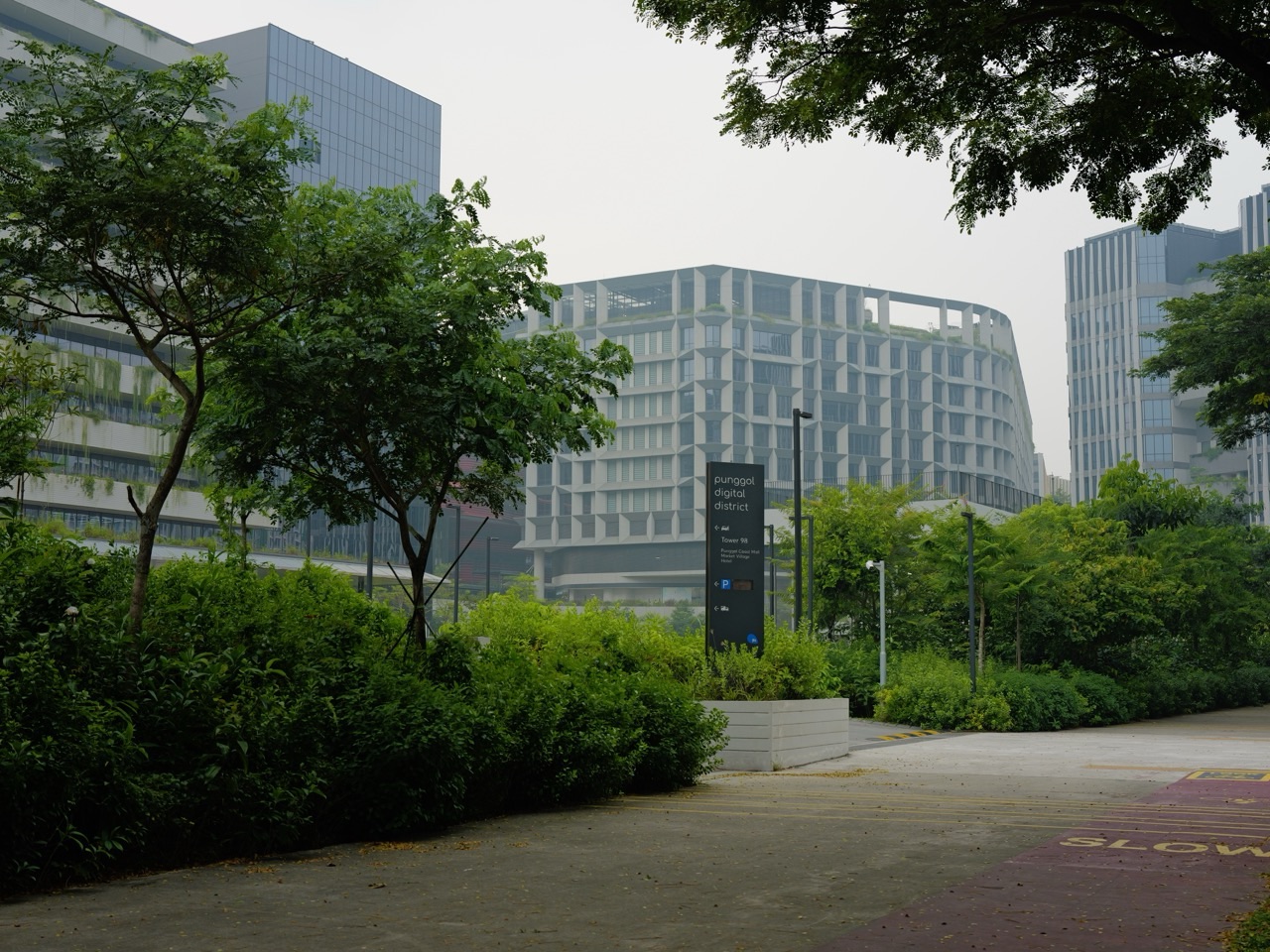
Punggol Digital District
New development can prompt questions about land use and connectivity.
Distinguish plans, construction and completed facilities.
Do not call a proposal operational without confirmation.
What a parent can ask: Can the student explain the idea behind punggol digital district without repeating a prepared script? Ask them to identify one detail that supports their answer, then change the example and see whether the reasoning still works. A new situation reveals whether understanding is transferable. If the learner hesitates, return to the precise point of confusion instead of assigning a large stack of unrelated exercises. This is a practical way to build Geography competence while preserving confidence and independence.
How the school fits in: Teachers can explain the relevant level, current teaching sequence and expectations for punggol digital district. The parent can support the routine but should not replace the student’s own work. School-based assessment instructions take precedence over generic internet templates. A helpful record notes the original attempt, the specific feedback and a later independent response. That record is more useful than an attractive portfolio assembled by adults, because it shows the child’s actual progress and gives teachers evidence for the next learning step.
Transport geography
LRT and bus networks illustrate connectivity and accessibility.
Compare a schematic map with a geographical map.
A route connection does not guarantee a travel time.
What a parent can ask: Can the student explain the idea behind transport geography without repeating a prepared script? Ask them to identify one detail that supports their answer, then change the example and see whether the reasoning still works. A new situation reveals whether understanding is transferable. If the learner hesitates, return to the precise point of confusion instead of assigning a large stack of unrelated exercises. This is a practical way to build Geography competence while preserving confidence and independence.
How the school fits in: Teachers can explain the relevant level, current teaching sequence and expectations for transport geography. The parent can support the routine but should not replace the student’s own work. School-based assessment instructions take precedence over generic internet templates. A helpful record notes the original attempt, the specific feedback and a later independent response. That record is more useful than an attractive portfolio assembled by adults, because it shows the child’s actual progress and gives teachers evidence for the next learning step.
Urban heat
Shade and built surfaces can influence local thermal experience.
Discuss a safe hypothetical measurement plan.
One observation does not prove a neighbourhood-wide climate trend.
What a parent can ask: Can the student explain the idea behind urban heat without repeating a prepared script? Ask them to identify one detail that supports their answer, then change the example and see whether the reasoning still works. A new situation reveals whether understanding is transferable. If the learner hesitates, return to the precise point of confusion instead of assigning a large stack of unrelated exercises. This is a practical way to build Geography competence while preserving confidence and independence.
How the school fits in: Teachers can explain the relevant level, current teaching sequence and expectations for urban heat. The parent can support the routine but should not replace the student’s own work. School-based assessment instructions take precedence over generic internet templates. A helpful record notes the original attempt, the specific feedback and a later independent response. That record is more useful than an attractive portfolio assembled by adults, because it shows the child’s actual progress and gives teachers evidence for the next learning step.
Rain and drainage
Urban drainage involves rainfall, surfaces and infrastructure.
Use diagrams and public information to examine runoff.
Do not enter drains or flooded areas.
What a parent can ask: Can the student explain the idea behind rain and drainage without repeating a prepared script? Ask them to identify one detail that supports their answer, then change the example and see whether the reasoning still works. A new situation reveals whether understanding is transferable. If the learner hesitates, return to the precise point of confusion instead of assigning a large stack of unrelated exercises. This is a practical way to build Geography competence while preserving confidence and independence.
How the school fits in: Teachers can explain the relevant level, current teaching sequence and expectations for rain and drainage. The parent can support the routine but should not replace the student’s own work. School-based assessment instructions take precedence over generic internet templates. A helpful record notes the original attempt, the specific feedback and a later independent response. That record is more useful than an attractive portfolio assembled by adults, because it shows the child’s actual progress and gives teachers evidence for the next learning step.
Human-environment interaction
People modify environments and experience consequences.
Identify benefits and trade-offs in a fictional land-use proposal.
Environmental choices rarely affect every user identically.
What a parent can ask: Can the student explain the idea behind human-environment interaction without repeating a prepared script? Ask them to identify one detail that supports their answer, then change the example and see whether the reasoning still works. A new situation reveals whether understanding is transferable. If the learner hesitates, return to the precise point of confusion instead of assigning a large stack of unrelated exercises. This is a practical way to build Geography competence while preserving confidence and independence.
How the school fits in: Teachers can explain the relevant level, current teaching sequence and expectations for human-environment interaction. The parent can support the routine but should not replace the student’s own work. School-based assessment instructions take precedence over generic internet templates. A helpful record notes the original attempt, the specific feedback and a later independent response. That record is more useful than an attractive portfolio assembled by adults, because it shows the child’s actual progress and gives teachers evidence for the next learning step.
Sustainability
Sustainability considers environmental, social and economic dimensions.
Compare a proposal’s resource use and accessibility.
A green label is not proof of measured impact.
What a parent can ask: Can the student explain the idea behind sustainability without repeating a prepared script? Ask them to identify one detail that supports their answer, then change the example and see whether the reasoning still works. A new situation reveals whether understanding is transferable. If the learner hesitates, return to the precise point of confusion instead of assigning a large stack of unrelated exercises. This is a practical way to build Geography competence while preserving confidence and independence.
How the school fits in: Teachers can explain the relevant level, current teaching sequence and expectations for sustainability. The parent can support the routine but should not replace the student’s own work. School-based assessment instructions take precedence over generic internet templates. A helpful record notes the original attempt, the specific feedback and a later independent response. That record is more useful than an attractive portfolio assembled by adults, because it shows the child’s actual progress and gives teachers evidence for the next learning step.
Field sketches
A field sketch selects relevant spatial features.
Label a safe public view without identifying strangers.
An artistic sketch alone does not measure distance.
What a parent can ask: Can the student explain the idea behind field sketches without repeating a prepared script? Ask them to identify one detail that supports their answer, then change the example and see whether the reasoning still works. A new situation reveals whether understanding is transferable. If the learner hesitates, return to the precise point of confusion instead of assigning a large stack of unrelated exercises. This is a practical way to build Geography competence while preserving confidence and independence.
How the school fits in: Teachers can explain the relevant level, current teaching sequence and expectations for field sketches. The parent can support the routine but should not replace the student’s own work. School-based assessment instructions take precedence over generic internet templates. A helpful record notes the original attempt, the specific feedback and a later independent response. That record is more useful than an attractive portfolio assembled by adults, because it shows the child’s actual progress and gives teachers evidence for the next learning step.
Photographic evidence
Images record selected moments and angles.
Describe what a photograph shows and what it omits.
Do not infer typical crowding from one photo.
What a parent can ask: Can the student explain the idea behind photographic evidence without repeating a prepared script? Ask them to identify one detail that supports their answer, then change the example and see whether the reasoning still works. A new situation reveals whether understanding is transferable. If the learner hesitates, return to the precise point of confusion instead of assigning a large stack of unrelated exercises. This is a practical way to build Geography competence while preserving confidence and independence.
How the school fits in: Teachers can explain the relevant level, current teaching sequence and expectations for photographic evidence. The parent can support the routine but should not replace the student’s own work. School-based assessment instructions take precedence over generic internet templates. A helpful record notes the original attempt, the specific feedback and a later independent response. That record is more useful than an attractive portfolio assembled by adults, because it shows the child’s actual progress and gives teachers evidence for the next learning step.
Writing conclusions
A conclusion answers the research question using collected evidence.
State the pattern, evidence and limitation.
A conclusion should not exceed the data’s scope.
What a parent can ask: Can the student explain the idea behind writing conclusions without repeating a prepared script? Ask them to identify one detail that supports their answer, then change the example and see whether the reasoning still works. A new situation reveals whether understanding is transferable. If the learner hesitates, return to the precise point of confusion instead of assigning a large stack of unrelated exercises. This is a practical way to build Geography competence while preserving confidence and independence.
How the school fits in: Teachers can explain the relevant level, current teaching sequence and expectations for writing conclusions. The parent can support the routine but should not replace the student’s own work. School-based assessment instructions take precedence over generic internet templates. A helpful record notes the original attempt, the specific feedback and a later independent response. That record is more useful than an attractive portfolio assembled by adults, because it shows the child’s actual progress and gives teachers evidence for the next learning step.
Reflecting on method
Good fieldwork explains what could be improved.
Identify a sampling or measurement limitation.
Admitting a limitation strengthens rather than destroys inquiry.
What a parent can ask: Can the student explain the idea behind reflecting on method without repeating a prepared script? Ask them to identify one detail that supports their answer, then change the example and see whether the reasoning still works. A new situation reveals whether understanding is transferable. If the learner hesitates, return to the precise point of confusion instead of assigning a large stack of unrelated exercises. This is a practical way to build Geography competence while preserving confidence and independence.
How the school fits in: Teachers can explain the relevant level, current teaching sequence and expectations for reflecting on method. The parent can support the routine but should not replace the student’s own work. School-based assessment instructions take precedence over generic internet templates. A helpful record notes the original attempt, the specific feedback and a later independent response. That record is more useful than an attractive portfolio assembled by adults, because it shows the child’s actual progress and gives teachers evidence for the next learning step.
School assessments
Lower-secondary Geography tasks follow the school’s actual curriculum.
Ask whether the current task assesses maps, fieldwork or explanation.
Do not impose an unrelated upper-secondary exam format.
What a parent can ask: Can the student explain the idea behind school assessments without repeating a prepared script? Ask them to identify one detail that supports their answer, then change the example and see whether the reasoning still works. A new situation reveals whether understanding is transferable. If the learner hesitates, return to the precise point of confusion instead of assigning a large stack of unrelated exercises. This is a practical way to build Geography competence while preserving confidence and independence.
How the school fits in: Teachers can explain the relevant level, current teaching sequence and expectations for school assessments. The parent can support the routine but should not replace the student’s own work. School-based assessment instructions take precedence over generic internet templates. A helpful record notes the original attempt, the specific feedback and a later independent response. That record is more useful than an attractive portfolio assembled by adults, because it shows the child’s actual progress and gives teachers evidence for the next learning step.
Next step
Choose one safe geographical question and work with fictional or official data.
Make a table, graph and cautious conclusion.
Independent reasoning is the objective, not a polished adult-made report.
What a parent can ask: Can the student explain the idea behind next step without repeating a prepared script? Ask them to identify one detail that supports their answer, then change the example and see whether the reasoning still works. A new situation reveals whether understanding is transferable. If the learner hesitates, return to the precise point of confusion instead of assigning a large stack of unrelated exercises. This is a practical way to build Geography competence while preserving confidence and independence.
How the school fits in: Teachers can explain the relevant level, current teaching sequence and expectations for next step. The parent can support the routine but should not replace the student’s own work. School-based assessment instructions take precedence over generic internet templates. A helpful record notes the original attempt, the specific feedback and a later independent response. That record is more useful than an attractive portfolio assembled by adults, because it shows the child’s actual progress and gives teachers evidence for the next learning step.
A practical four-week family learning plan
During week one, establish a short baseline in Geography using material that matches the pupil’s current level. In week two, select the first recurring difficulty and explain it with a clear example. In week three, practise the same underlying skill in a different context. In week four, compare an independent new attempt with the original and ask the learner what changed. The schedule is illustrative, not an official school programme; the receiving school’s instructions and the child’s wellbeing take precedence.
Frequently asked questions
Does PG1 determine the student’s ability?
No. PG1 is an admission arrangement. Individual subjects, school experience and later learning depend on the student’s actual performance, readiness and official options.
Should parents use the 2027 SEC paper for a new Secondary 1 pupil?
Not as a substitute for the school’s current curriculum. A child entering Secondary 1 in 2027 would ordinarily graduate in 2030, and the applicable national syllabus must be checked for that cohort.
What is the best first step?
Ask the child to complete one unfamiliar Geography task independently, identify the first misunderstanding and practise the corrected skill on a fresh example.
Official information and Your Next Step
Check the relevant official MOE or SEAB reference, MOE SchoolFinder and Full Subject-Based Banding. This article is an educational guide, not a school-specific offer, an examination guarantee or a substitute for the current receiving-school circular. Confirm dates, subject levels and any formal requirements with the school.


