
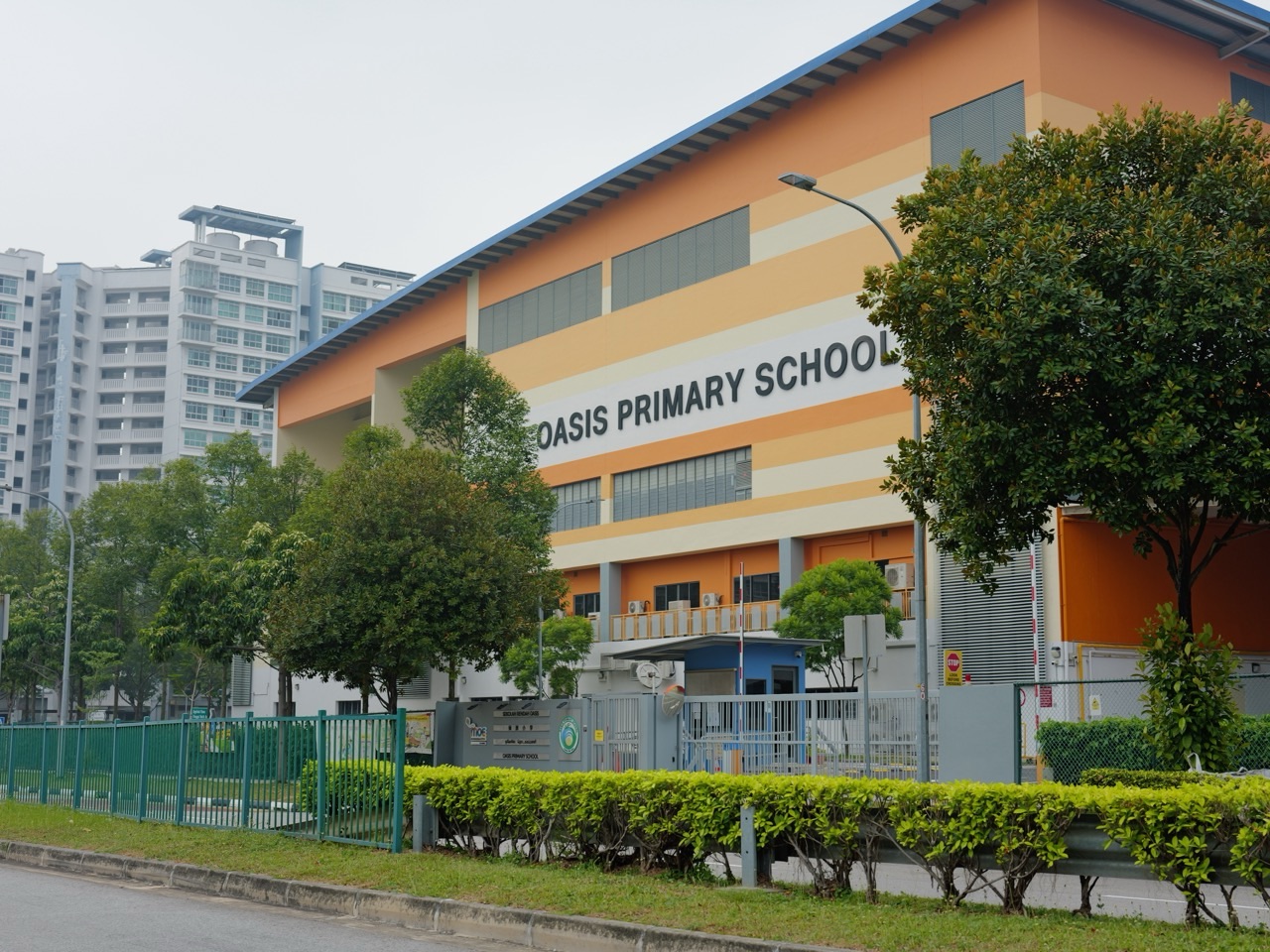
The 2027 MOE school year for Singapore’s MOE Kindergartens, primary schools and secondary schools begins on Monday, 4 January 2027 and finishes on Friday, 19 November 2027. Primary 1 and Kindergarten 1 children start on 4 January, while Primary 2–6 and Kindergarten 2 return on Tuesday, 5 January. The March vacation runs from 13–21 March, the mid-year vacation from 29 May–27 June, the September vacation from 4–12 September, and the year-end vacation from 20 November–31 December. Schools used as venues for the 2027 Singapore-Cambridge Secondary Education written examinations have an earlier final term end on 29 October 2027.
For Punggol working parents, calendar dates are only the first layer of planning. A school holiday does not necessarily mean an individual student care or kindergarten-care centre is open; on designated off-in-lieu school-closure days, MOE has explicitly indicated closure of school general offices, student care centres and KCare centres. Families should confirm their own provider’s 2027 operating calendar, arrange safe pick-up and childcare coverage, and leave time for rest instead of automatically filling every holiday with classes. This guide uses the MOE 14 July 2026 2027-calendar announcement and distinguishes official dates from centre-specific arrangements.
- 2027 school year: Monday 4 January–Friday 19 November for MOE Kindergarten, primary and secondary schools.
- Return dates: P1/K1 on Monday 4 January; P2–P6/K2 on Tuesday 5 January.
- Term 1: 4 January–12 March. Term 2: 22 March–28 May.
- Term 3: 28 June–3 September. Term 4: 13 September–19 November, with the applicable 29 October early finish for SEC examination venues.
- March break: 13–21 March; June break: 29 May–27 June.
- September break: 4–12 September; year-end break: 20 November–31 December.
- School holidays: 5 July for Youth Day, 10 August after National Day, 3 September for Teachers’ Day, 8 October for Children’s Day at primary schools.
- Day-off-in-lieu closures: Tuesday 9 February, Monday 3 May and Monday 27 December, when MOE specifies schools, general offices, student care and KCare close.
- Verify: MOE academic calendar and the 2027 press release.
- Parent action: map the working adults’ leave, child’s care programme, school CCA and transport before booking camps or holidays.
The complete 2027 term-by-term calendar
Term 1 begins on Monday 4 January and ends on Friday 12 March 2027. This first term includes the adjustment from holiday routines back into school, and for children newly entering P1 or K1, a first day that differs from older pupils. Term 2 starts on Monday 22 March and ends on Friday 28 May. Term 3 starts on Monday 28 June and ends on Friday 3 September, while Term 4 begins on Monday 13 September and ordinarily ends on Friday 19 November.
The last day differs for schools used as venues for the written Secondary Education Certificate examinations: MOE’s 2027 release gives Friday 29 October as the earlier date. Do not assume every secondary school ends on that date, and do not assume the published term end is the last date every child attends an activity. School-specific learning journeys, CCA events and administrative arrangements still require checking through your child’s school.
Four vacations in one clear table of dates
The March vacation for MOE Kindergarten, primary and secondary schools lasts from Saturday 13 March to Sunday 21 March 2027. The mid-year vacation is Saturday 29 May to Sunday 27 June. The September vacation is Saturday 4 September to Sunday 12 September. The year-end vacation is Saturday 20 November to Friday 31 December. The following school year’s starting arrangements should be checked separately when they are officially announced.
It is worth writing these ranges in an ordinary shared family calendar, rather than copying an attractive graphic from social media. Write the start and end of every break and the first day of the term immediately after it. Distinguish school days from a parent’s annual-leave entitlement, because a family can be free from school but not free from work. This simple habit makes childcare gaps visible long before they become last-minute emergencies.
Which child starts on 4 January and which starts on 5 January?
The first-day difference matters for households with children at multiple levels. MOE states that 2027 Primary 1 and Kindergarten 1 pupils begin on Monday 4 January, while Primary 2 through 6 and Kindergarten 2 begin on Tuesday 5 January. This is a useful opportunity for receiving schools to manage a new cohort’s arrival and transition. The precise reporting time, gate and orientation programme come from the individual school.
Imagine a Punggol family with one new Primary 1 pupil and one older sibling in Primary 4. The first child needs a confirmed handover on Monday; the older child may return on Tuesday. The parent should not infer that their school-based student-care arrangement automatically follows the same pattern. Contact the provider about the first two days, especially if several children use different centres or pick-up locations.
School holiday does not automatically mean student care is closed
A school-based student care centre may provide programmes during some holidays under its own operating arrangements. Conversely, it may have closures or altered hours on specified dates. The MOE 2027 release explicitly says that on Tuesday 9 February, Monday 3 May and Monday 27 December, schools including general offices, student care centres and KCare centres will be closed. That instruction should not be confused with every other day of the school vacation.
The family needs the provider’s own calendar for all remaining dates. Ask whether full-day care is offered during March, June, September and the end-year period; whether advance registration is required; whether meals and excursion fees change; and whether younger children remain eligible. A parent’s workday should never depend on “I think they are open” when a child needs a named adult to receive them.
The three 2027 off-in-lieu dates to mark now
Tuesday 9 February 2027 is a designated school day off-in-lieu linked to Chinese New Year arrangements. Monday 3 May is a designated day off-in-lieu following Labour Day on Saturday 1 May. Monday 27 December is the designated day off-in-lieu after Christmas Day on Saturday 25 December. The official 2027 school-terms announcement says these are days when schools, their general offices, student care centres and KCare centres are closed.
Mark the three dates distinctly from the ordinary vacation ranges. They may affect access to school offices as well as care, so a parent cannot simply turn up to resolve an administrative matter. For work planning, these are childcare coverage decisions before they are recreational opportunities. The household should nominate the adult who is responsible, and verify any alternative private care arrangement separately because its holiday policies may differ.
Scheduled Youth Day, Teachers’ Day and Children’s Day
MOE lists a school holiday on Monday 5 July 2027 after Youth Day falls on Sunday 4 July. The day after National Day, Tuesday 10 August, is another scheduled school holiday. Teachers’ Day falls on Friday 3 September. Children’s Day for primary schools and the primary sections of full schools is on Friday 8 October. These dates do not all apply identically to every age group.
A secondary-school parent should not treat a primary-school Children’s Day closure as automatically applicable to their teenager. Likewise, a university student or international-school pupil may be on a different academic calendar altogether. Record the child’s actual school and programme beside each date. Check the school’s published notices for any special reporting instructions, CCA or school-organised events. A national calendar gives the framework; the individual institution tells your family what to do.
Public holidays and school holidays are two different calendars
Some school vacations include public holidays, but the categories should not be merged. Public holidays follow national rules and may affect employers or public services. School holidays determine which MOE cohorts are scheduled for ordinary school lessons. A public holiday can fall during a term or a vacation; a school holiday can occur on a day when a parent is expected to work. This is why simply counting “red dates” is insufficient for a working-family plan.
Use official Ministry of Manpower public-holiday guidance when calculating work leave or pay, and use MOE’s school calendar for school operations. Do not assume a private employer’s day off-in-lieu follows the same arrangement as MOE schools. If a parent works shifts, the family should check the actual roster. The correct schedule is built from two sources of truth rather than one colourful holiday poster.
Junior college and Millennia Institute dates are not identical
For Junior College and Millennia Institute students, 2027 start and end dates differ by year of study and examination status. MOE’s release gives 3 February 2027 for JC Year 1 and MI Year 1, with continuing cohorts starting earlier on 11 January. JC Year 2 and MI Year 3 may finish according to their A-Level examination timetable rather than the general November date.
This matters to Punggol families with a younger secondary student and an older teenager attending a college elsewhere. The parent’s calendar can show one child home while another still travels to school. Do not copy the primary and secondary term table into a pre-university study plan without checking the correct cohort. The actual college timetable, examination dates and any bridging activities are authoritative for the individual student.
The 2027 SEC examinations can change late-year routines
The 2027 Secondary Education Certificate examinations introduce a consideration that was not present in exactly the same form for every older cohort. MOE has stated that some schools used for the SEC written examinations finish their final school term earlier, on 29 October 2027. This is a venue-related timetable distinction, not a statement that every secondary student finishes their assessments on that day.
Families should read the receiving school’s notices and the authoritative SEAB examination timetable when published. A teenager preparing for national examinations may need a quiet, realistic revision schedule in the weeks around written papers. Younger students may have a different school-day arrangement. Avoid using a general calendar article to infer an individual examination date or release of results. Those require the correct subject, examination and cohort.
The 2027 March break: reset without adding unnecessary stress
The March vacation offers nine calendar days between Term 1 and Term 2. For a child new to P1, the first term may have involved substantial social and routine adjustment, and rest can matter more than an academic camp. A practical family plan might include one outdoor activity, two unhurried reading sessions, a simple home project and time to spend with friends or relatives.
If a student has an identifiable learning gap, the break can be used for focused practice on one skill. Avoid filling every morning with test papers merely because the family fears the next term. The purpose of a short break is not to replicate a full school timetable at home. It is to recover, notice what the child needs and return with enough energy to learn. A clear routine often works better than an expensive collection of unrelated enrichment programmes.
The long mid-year break: childcare and recovery come first
The mid-year vacation runs from 29 May to 27 June 2027. For Punggol working parents, a four-week period can create a major childcare challenge. The first job is to ensure safe supervision at the hours adults are unavailable. Only then should the family compare camps, outdoor activities, sports programmes, library events or tutoring. Activities should be matched to the child’s interests and age rather than treated as a mandatory list.
Build a week-by-week overview. Decide which days will use school-based student care, which require annual leave, which have extended family coverage, and which may involve paid programmes. Leave unscheduled time. A child benefits from opportunities to read, build, play and be bored enough to invent something. If a programme is booked, verify location, dates, refund policy, safeguarding and whether transport is included.
The September break: a useful checkpoint before Term 4
The September vacation runs from 4 to 12 September 2027. By this point, families often have enough schoolwork and feedback to identify one or two genuine improvement priorities. This is a good moment to review mistakes and routines without beginning a frantic final sprint. A student may need to repair a mathematical misconception, improve reading comprehension or learn to organise materials independently.
Use concrete evidence. Which mistakes recur? Does the student understand the question but rush the calculation? Is homework unfinished because the learner cannot plan time? Separate a skill problem from a workload problem. Then choose a modest plan with enough rest. The break is also a chance to check school bag supplies, CCA commitments and how late-year schedules may interact with family life. Avoid assuming all children need the same revision intensity.
The November–December break: planning for 2028 responsibly
The year-end vacation starts on 20 November 2027 for the main MOE Kindergarten, primary and secondary calendar and runs to 31 December. Some students, particularly those at schools used for national examinations, have special arrangements that need individual confirmation. Parents should not announce the following January’s school return dates until they have been officially published for that year.
For younger children, the long break can support family relationships, reading, healthy movement and a gradual increase in independence. For students who completed national examinations, it can be a time for guidance about next-stage choices without turning every day into admissions anxiety. Older teenagers may explore safe work, volunteering or courses, but should verify conditions. Annual leave planning works best when the family sets a few priorities instead of trying to consume a new programme every week.
How Punggol parents should compare holiday camps
Punggol has libraries, parks, sporting venues and community spaces that may host activities, while schools and external providers may offer holiday programmes. The right comparison asks who runs the event, what the child will actually do, whether the fee includes all materials, how supervision works and whether the venue fits the family’s commute. An activity advertised near Punggol Digital District is not automatically an official university programme.
Before paying, verify the operator’s booking channel, exact start and end times, collection rules and cancellation terms. Ask if meals are provided and whether the child needs equipment. Programmes vary in educational value; a calm half-day nature walk can teach observation, language and science, while a poorly matched camp can exhaust a younger child. Choose what solves a real family or learning need, not what has the most dramatic promotional title.
Free and lower-cost holiday learning in Punggol
A family does not need a large camp budget to create meaningful learning. Punggol Regional Library at One Punggol offers books, spaces and programmes subject to current NLB arrangements. Punggol Waterway Park can prompt observations about plants, water, bridges and transport. A supervised neighbourhood walk can become a short English composition, map activity or Mathematics discussion about time and distance.
For current programme dates, search the operator’s official page and check registration and age suitability. Libraries and parks have rules, events and possible closures that can change. Some activities may require bookings even when admission is free. Avoid guaranteeing entry based on an older social post. A good family holiday plan includes a mixture of rest, outdoor time, reading and an occasional purposeful activity that children can explain in their own words afterward.
A two-working-parent childcare map
Imagine a family with two children, one in K2 and one in Primary 4. Both adults work weekdays and have limited annual leave. The children use different care arrangements during term time. The parents first mark the 2027 school holidays and the three off-in-lieu closures in a shared calendar, then request the distinct KCare and student-care centre operating dates in writing.
Next they map any weeks requiring new coverage, and record who is authorised to collect each child. They avoid scheduling a holiday camp until the child-care plan for the surrounding hours is secure. If a camp ends at 3 pm and a parent finishes work at 6 pm, the gap matters more than the camp’s teaching theme. A simple coverage chart with named adults and backup contacts can prevent a stressful afternoon from becoming an unsafe one.
School holiday safety: pickups, transport and weather
Holiday routines often send children to unfamiliar places or irregular pickup points. Parents should specify who may collect the child, where the handover occurs, and what the organiser will do if the adult is late. For children travelling independently, test the route and agree on a contact plan. Do not assume a student can travel alone safely because a programme advertises it as suitable for a broad age range.
Weather in Singapore may disrupt outdoor activities. Ask about indoor alternatives and what happens when heavy rain or haze makes the planned activity unsuitable. The child’s age, stamina and experience should shape decisions. A family can prepare a small card with contact details and a predictable check-in arrangement without posting private information publicly. Safety planning works best when it is simple enough that everyone can remember it.
Sibling schedules and the hidden cost of different school levels
Two children in the same household can create three different calendars: school terms, care provider opening dates and outside activities. A younger child may attend a holiday programme while an older sibling has CCA training or national-exam preparation. Parents should not assume that one adult can collect both children simultaneously from separate destinations.
Make a weekly grid with the child’s name, location, start time, end time, responsible adult, backup and transport route. Test whether two pickups overlap. If the plan has no safe handover for a particular afternoon, solve that before paying for activities. The exercise is not excessive bureaucracy. It makes family promises visible so that the children are not left to improvise adult logistics. It also exposes when the week is overloaded and a rest day would help everyone.
How much holiday tuition does a child need?
A long school break is often marketed as a rare chance to get ahead. Some students do benefit from a focused intervention, particularly when a teacher has identified missing foundations. Other children need recovery, reading and less scheduled work. The useful question is not whether tuition is popular, but whether the student has a specific difficulty that tuition can address.
Ask for a starting assessment, a limited goal and a review point. For example, a Secondary 1 Mathematics student who struggles with negative numbers may need clear explanation and guided correction rather than ten unrelated worksheets. A primary child who avoids reading may benefit from a manageable book and conversation before advanced comprehension drilling. eduKate provides small-group tuition in Punggol, but families should enrol only when the need is clear and the timetable remains healthy.
A four-week family planning cycle
Week 1: verify dates. Open the official MOE calendar, confirm the child’s cohort, and add term boundaries, vacations, scheduled school holidays and off-in-lieu closures. Week 2: confirm care. Obtain KCare or student-care operating calendars, school-specific notices and adult work rosters. Mark every gap that still has no responsible caregiver.
Week 3: choose activities. Select a modest mix of rest, reading, physical movement, family commitments and any needed targeted learning. Check providers, booking terms and transport. Week 4: test the plan. Confirm pickup authorisations, contacts, meals, equipment and backup options. A helpful plan remains understandable after a parent gets an unexpected work call. It should serve the family rather than make every day depend on perfect timing.
Holiday planning and the household budget
Plan for childcare costs, programme fees, meals, transport, equipment and any additional paid lessons. Keep compulsory care separate from optional enrichment. An expensive activity is not necessarily a better use of a child’s time than a free library visit or a supervised play date. Write down the total cost of the full week, not simply each advertised fee.
Be careful with early-bird offers that pressure parents into paying before the family’s real needs are clear. Check cancellation rules and whether the operator will refund sessions cancelled by weather, illness or other disruptions. For households receiving financial assistance, do not assume an ordinary school subsidy pays for all private holiday camps. Verify eligibility with the relevant scheme. A sustainable budget leaves room for unexpected family needs and allows children to enjoy holidays without constant anxiety about productivity.
Frequently asked questions about the 2027 calendar
When do Punggol schools reopen in 2027? P1 and K1 begin on 4 January; P2–P6 and K2 on 5 January, subject to each school’s reporting instructions. When is the June holiday? 29 May–27 June. Why do some schools finish in October? Schools used as SEC written-examination venues have an earlier final term end of 29 October, according to MOE’s release.
Is student care open on all school holidays? Not necessarily. Check the individual centre. MOE specifically identifies closures on 9 February, 3 May and 27 December. Does Children’s Day apply to secondary school? MOE’s designated Children’s Day holiday is for primary schools and primary sections of full schools. Do private or international schools use this calendar? Not necessarily; verify with the institution.
School bus and student care calendars must be checked separately
Some children travel by school bus during term time but attend a school-based student-care holiday programme. The parent may assume that the familiar transport remains available because the care centre is open. That assumption can be wrong. A school bus can have a term-time contract and may not serve the same route or times in a vacation. Before making plans, ask the bus operator and the centre separately about each date, pickup and drop-off arrangement, and any change to fees. A care place is not a transport booking.
Consider a pupil whose student-care programme operates in June while the ordinary school bus does not. The child still needs to get there, return home and remain supervised when a caregiver is late. A family should write down the responsible adult for every journey, a backup contact and the provider’s collection procedure. Doing this before the break reduces the chance of a child being left at the wrong gate or an adult assuming that somebody else has already collected them.
Planning holidays with rotating work shifts and grandparents
Many Punggol families have caregivers working office hours, shift rotations or weekend duties. The sensible starting point is a grid of hours when every responsible adult is unavailable, rather than a list of exciting holiday activities. Put each adult’s confirmed roster beside the school calendar and mark genuine childcare gaps. That tells the household how much paid care is actually needed. It also makes it possible to compare shorter programmes, grandparents’ available hours and parental leave without assuming a single person will solve every afternoon.
Grandparents and relatives can provide valuable care, but support should be agreed rather than assumed. One grandparent may enjoy reading or cooking with a child yet be unable to supervise outdoor sports all day. Another may have appointments or care responsibilities. Ask what is manageable, give the adult the child’s routine, and keep emergency contacts available privately. A child can learn language, family history, practical Mathematics and social understanding during ordinary shared time, without a paid enrichment course.
One-week-before-the-break check and child’s packing routine
One week before each vacation, reopen the official dates and read any recent notices from the school and care centre. Verify camp reservations directly with their organisers, check any fees or consent forms, confirm transport and note the adult responsible for collecting the child. Singapore weather can disrupt outdoor programmes, so ask about the wet-weather plan. A simple shared schedule with exact locations and contacts is more reliable than several forwarded screenshots in different chat groups.
Help the child prepare what the programme actually requires: labelled belongings, suitable clothes, a water bottle, food arrangements, permission documents and any health information that needs to be shared securely with the provider. Avoid unnecessary personal details on visible labels. Ask the child what they are looking forward to, and whether the schedule feels too crowded. A successful holiday should include rest, play, relationships and some meaningful learning; it need not feel like school moved to another building.
Official sources and useful Punggol reading
Official sources: MOE School Terms and Holidays for 2027, published 14 July 2026; MOE academic calendar; MOM public holidays. Related local guides: School calendar and term planning; School holiday care for Punggol families; Things to do in Punggol during school holidays; Learning and rest during school holidays.
Updated context: prepared in November 2026 from MOE’s published 2027 calendar. An official date does not guarantee that an unrelated care provider, camp or facility will operate on the same schedule. Confirm school- and provider-specific dates before making travel, work-leave or childcare commitments.


