
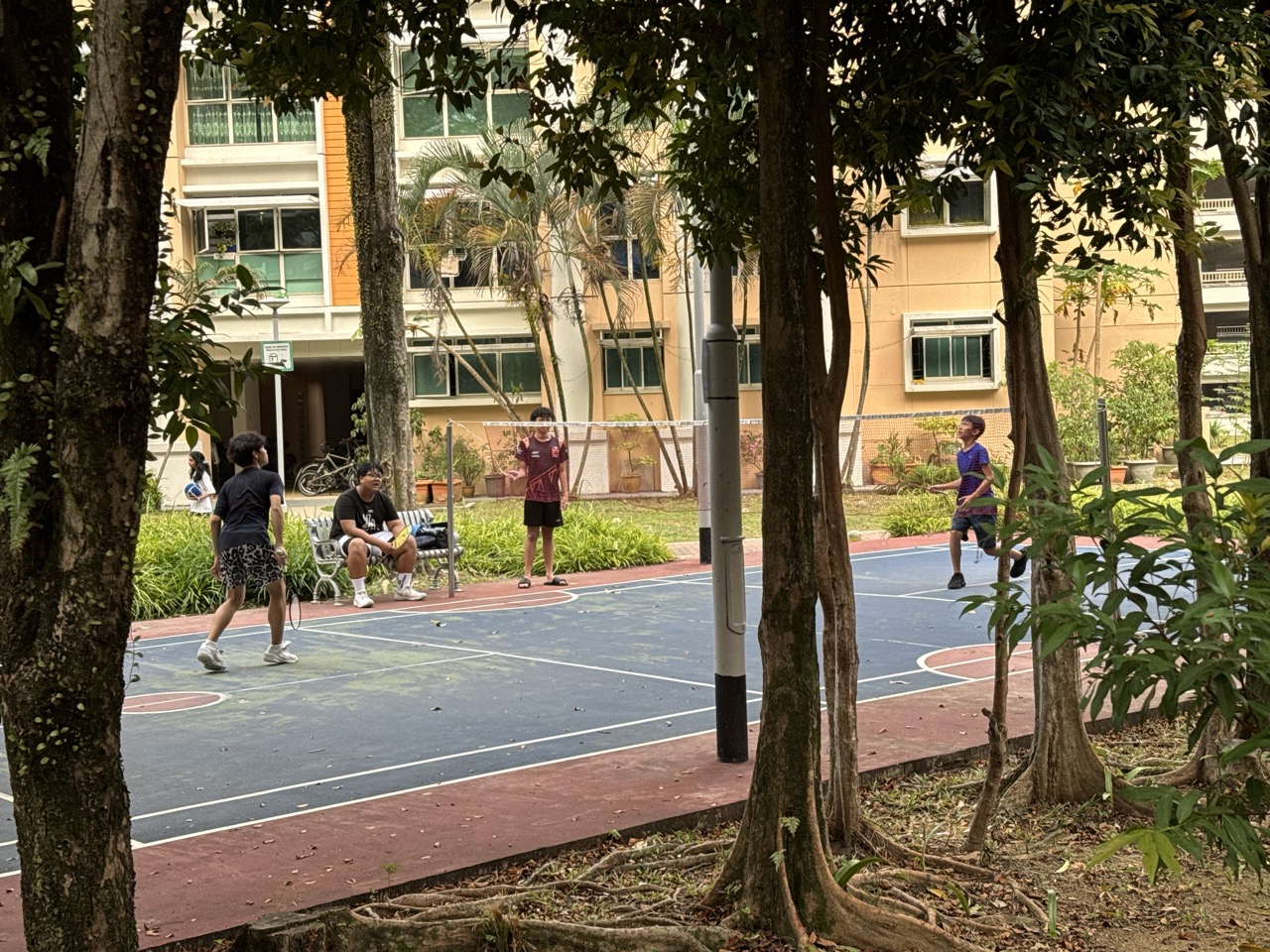
Educate Punggol 2027: School sport can support fitness, teamwork and confidence, but progress also depends on rest, suitable training and communication when a student is injured or overloaded.
Quick answer: Confirm actual CCA training, competition and travel schedules. Plan meals, hydration, rest and homework around the real timetable. Verify current school requirements before making a decision.
- Confirm actual CCA training, competition and travel schedules.
- Plan meals, hydration, rest and homework around the real timetable.
- Tell the coach or teacher about injuries, persistent pain or unusual exhaustion.
- Avoid using punishment workouts or training through an injury.
- Review the balance during examination periods with the student and school.
Why this question matters
School sport can support fitness, teamwork and confidence, but progress also depends on rest, suitable training and communication when a student is injured or overloaded.
Families often face a mixture of academic, logistical and personal considerations. A good response begins by defining the precise difficulty and gathering reliable information rather than interpreting one result or incident as a permanent pattern. Punggol families may also need to account for commuting to schools elsewhere in Singapore.
An original practical example
A fictional Secondary 3 pupil has training on Monday and Wednesday and an assessment on Friday. Rather than adding intense late-night revision after every session, the student plans shorter reviews on training days and completes difficult tasks earlier when possible.
This scenario is fictional. It is not a claim about an actual Punggol pupil, school policy or recorded event. Its purpose is to make the decision process easier to follow.
Five steps that help
Step 1
Confirm actual CCA training, competition and travel schedules.
Record what is confirmed, what is still uncertain and who can provide the next piece of information. A short, dated record is usually more helpful than a large collection of unverified advice.
Step 2
Plan meals, hydration, rest and homework around the real timetable.
Record what is confirmed, what is still uncertain and who can provide the next piece of information. A short, dated record is usually more helpful than a large collection of unverified advice.
Step 3
Tell the coach or teacher about injuries, persistent pain or unusual exhaustion.
Record what is confirmed, what is still uncertain and who can provide the next piece of information. A short, dated record is usually more helpful than a large collection of unverified advice.
Step 4
Avoid using punishment workouts or training through an injury.
Record what is confirmed, what is still uncertain and who can provide the next piece of information. A short, dated record is usually more helpful than a large collection of unverified advice.
Step 5
Review the balance during examination periods with the student and school.
Record what is confirmed, what is still uncertain and who can provide the next piece of information. A short, dated record is usually more helpful than a large collection of unverified advice.
The important limitation
Advice about training loads, injuries and return to sport should come from appropriate qualified professionals; this article does not provide an individual medical plan.
What counts as evidence?
An official school notice, a relevant assessment question, a teacher’s direct explanation or a documented pattern can be useful evidence. An assumption based on another child’s experience may suggest a question, but it does not establish a rule for this learner. Separate observations from interpretations.
How to speak with the child
Begin with a neutral question: ‘What happened, and what part was hardest?’ Allow time for the learner to respond. Avoid leading questions that demand a preferred answer. Older pupils may be able to compare options and plan independently; younger children may need simpler prompts and closer adult support.
A family decision checklist
- What is the specific problem or decision?
- Which requirements are confirmed by the school?
- What is the child’s own explanation?
- What practical constraints involve time, transport, money or wellbeing?
- What is the smallest safe next step?
- When will we review whether it helped?
A four-week review method
Week 1 — Understand the baseline
Gather a small amount of accurate information and identify one priority. Do not use a single score or incident to diagnose the entire problem.
Week 2 — Confirm the rules and options
Ask the school or responsible institution about current procedures. Note deadlines and the documents or examples that matter.
Week 3 — Make a proportionate adjustment
Try one realistic change while preserving essential safety, sleep and school commitments. Do not change several things at once if that would obscure what helped.
Week 4 — Review the outcome
Ask the learner what improved and what remains difficult. Seek further school or qualified guidance when needed. This four-week process is an optional family planning aid, not an official MOE programme.
Mistakes to avoid
- Assuming an old rule still applies in 2027
- Treating another family’s outcome as a guarantee
- Ignoring the child’s explanation or wellbeing
- Sharing private pupil information in public groups
- Buying an expensive programme before identifying the actual need
- Confusing eligibility or participation with guaranteed success
How to use AI responsibly
AI can help organise questions or explain vocabulary, but it may produce inaccurate rules or invented citations. Verify important information against current official sources, follow school academic-integrity requirements and do not upload identifiable pupil records.
Frequently asked questions
Does the same approach work for every student?
No. Age, school requirements, individual needs and available support affect the right response.
Should parents act immediately?
Urgent safety or health concerns need prompt attention. Other decisions benefit from checking the facts and agreeing on a clear next step.
What if the problem continues?
Bring specific observations to the teacher or relevant school staff and discuss further support.
Will this guarantee better results?
No. It aims to improve understanding and decisions, not guarantee grades, admission or wellbeing outcomes.
Official sources and further reading
Relevant official guidance; Ministry of Education; eduKatePunggol education guides. Confirm 2027 school-specific dates and rules directly.
Prepared 6 November 2026. Examples are original illustrations, not verified school-specific events or individual outcomes.


